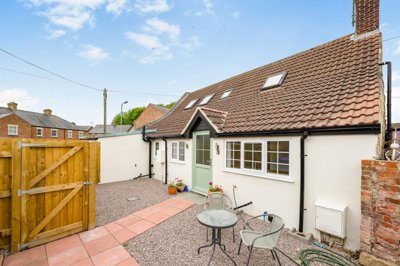
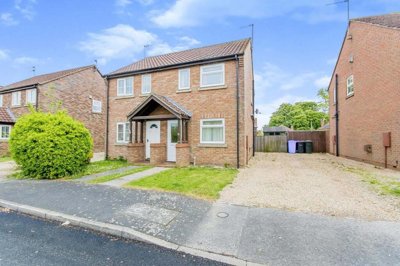
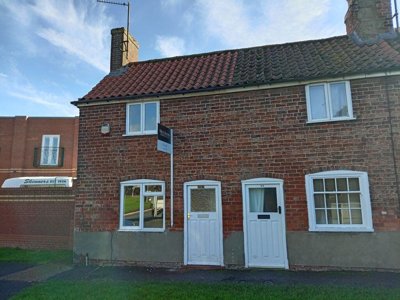
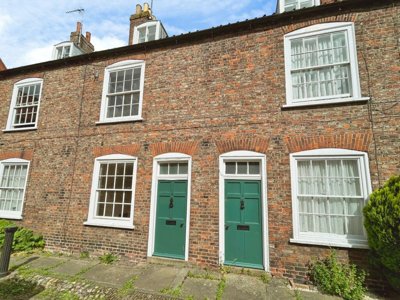
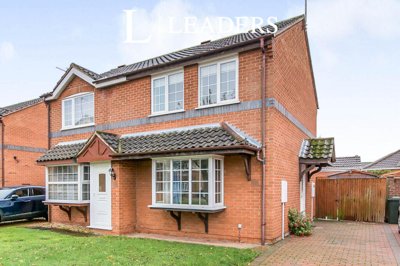
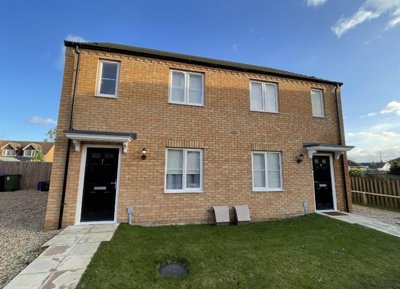
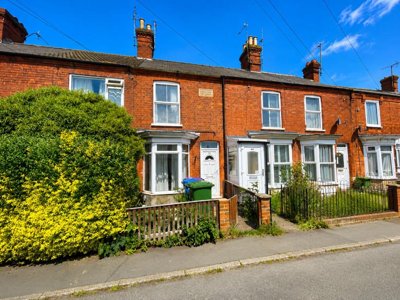
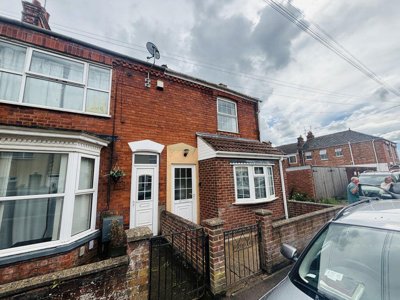
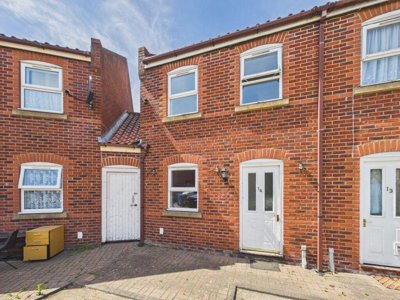
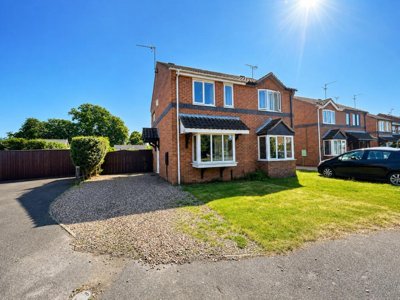
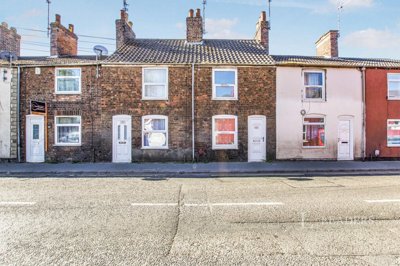
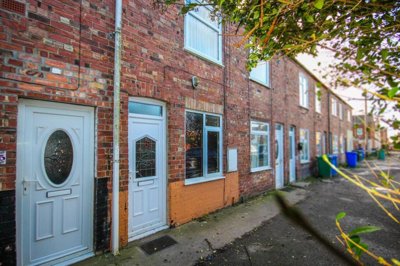
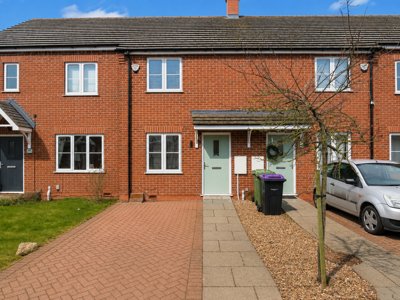
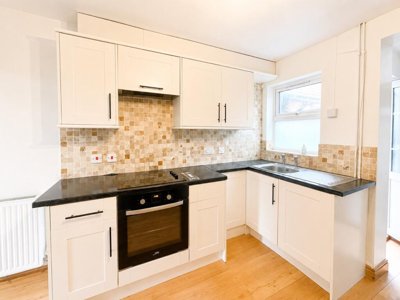
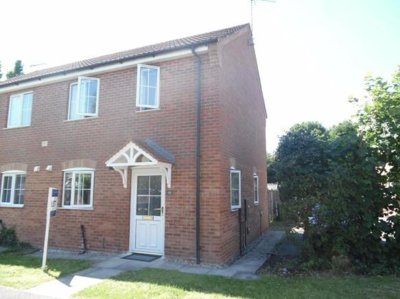
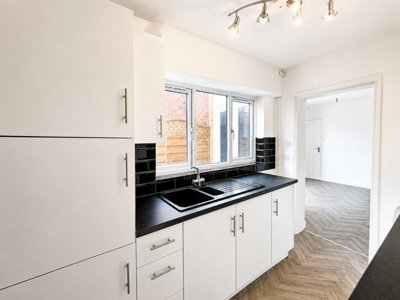
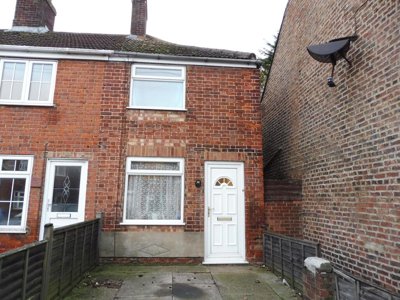
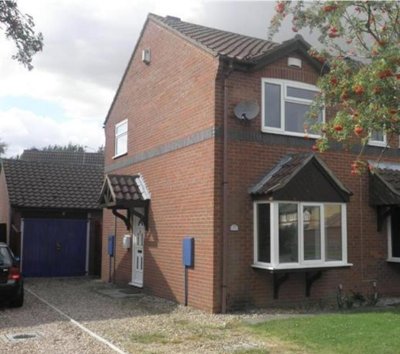
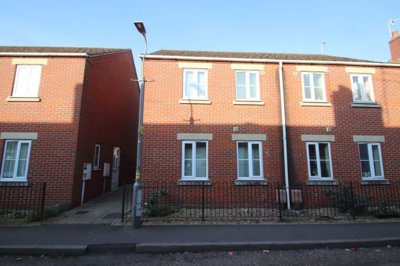
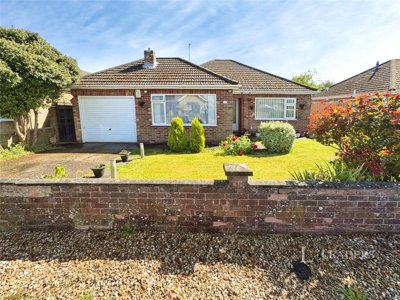
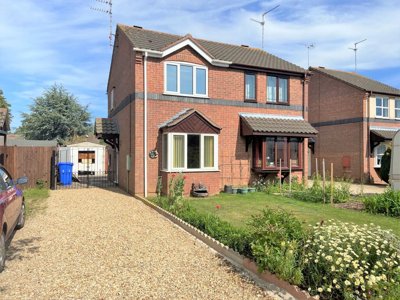
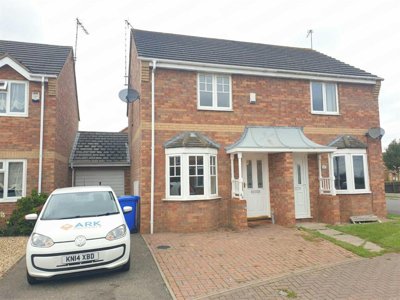
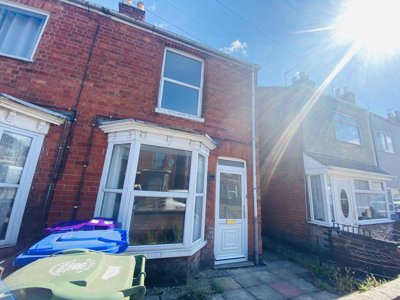
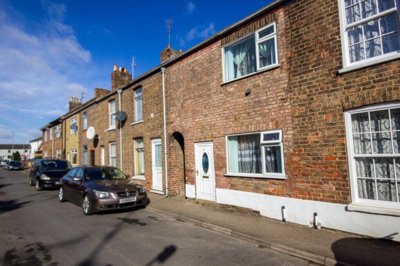
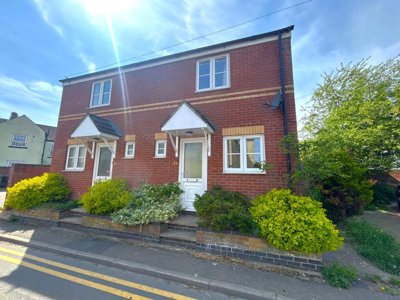
Browse 42 rental homes to rent in Boston, Lincolnshire from local letting agents.
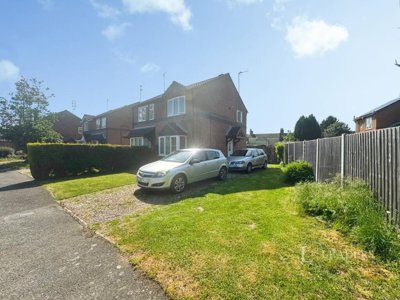
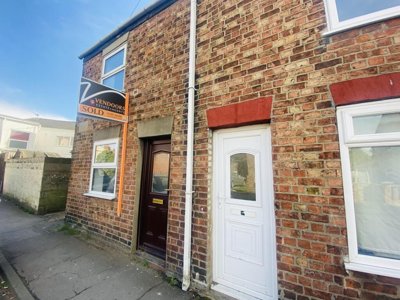
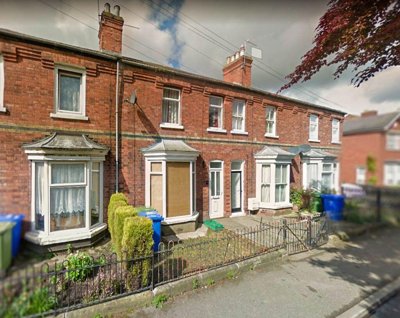
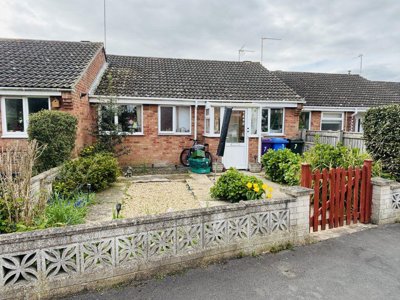
The 2 bed house market features detached, semi-detached, and terraced properties with two separate bedrooms plus living spaces. Properties in Boston range from Victorian and Edwardian period homes to modern new builds, with pricing varying across different neighbourhoods.
£775/m
6
0
41
Source: home.co.uk
Showing 6 results for 2 Bedroom Houses to rent in Boston, Lincolnshire. The median asking price is £775/month.
Source: home.co.uk
Semi-Detached
4 listings
Avg £808
Terraced
2 listings
Avg £735
Source: home.co.uk
Source: home.co.uk
Boston’s rental market follows the wider property movement we see across this Lincolnshire market town. Our data shows values in the area have risen by approximately 4-7% over the past year, with detached homes averaging around £256,000-£274,000 for buyers, while semi-detached properties sit in the £152,000-£172,000 range. Terraced homes usually come in at £118,000-£137,000, which keeps them within reach for first-time buyers and renters alike. That steady climb points to ongoing demand, so the rental market stays busy but healthy for anyone looking for a tenancy. The average sold price in Boston currently sits around £192,000-£204,000, and semi-detached properties have shown particularly strong growth of 8.1% in the year to December 2025.
Fresh housing schemes are helping to widen Boston’s rental offer, with several developments adding new options to the local market. The Quadrant in nearby Wyberton has 2 to 5-bedroom homes, priced from £262,950 for a three-bedroom property up to £359,950 for a four-bedroom home, while Harriers Croft in Sutterton brings more affordable 2 and 3-bedroom choices starting from around £112,000. A little further out, Allison Homes’ Frampton Gate development at Middlegate Road in Frampton offers 2 to 4 bedroom homes from £107,500, and it is marketed as new homes in the Boston area. Heron Park on Curlew Road in Wyberton adds more choice again, with 2 and 3-bedroom homes including bungalow options. These schemes often include shared ownership or rental routes, along with modern touches such as energy-efficient designs, open-plan layouts, and allocated parking.
Boston’s rental stock has a striking split between older terraced streets in the centre and newer homes on the edge of town, which is part of its appeal. Central spots such as Edwin Street, Broadfield Street, and Market Place put residents close to Pescod Square shopping centre and the traditional market, while riverside areas near the Haven bring a different feel altogether. For renters, that means options across a broad range of budgets and property types, from period homes in the Boston Town Centre Conservation Area, which spans 69.30 hectares, to modern apartments in purpose-built schemes. The Boston Town Centre Conservation Area includes 226 listed buildings, among them four Grade I and ten Grade II* structures, so period properties here often have characterful features, but they can also call for more careful upkeep.

Few places in Lincolnshire feel quite like Boston, thanks to its setting in the Fens. The town centre is dominated by St Botolph’s Church, known locally as The Stump, the largest parish church in England and a landmark visible for miles, dating back to medieval times. Hussey Tower, a Grade II* listed building built around 1450 from handmade red brick using local clay, is another reminder of the building traditions that shaped Boston’s older housing. The Boston Town Centre Conservation Area, designated in 1969, covers 226 listed buildings across 69.30 hectares and protects the medieval core of the town alongside everyday modern life. It also sits on Historic England’s Heritage at Risk Register because of its condition, although the overall trend is improving.
Day to day, Boston has plenty to offer beyond its historic core. Pescod Square is the main shopping destination, and the open-air market on Wednesdays and Saturdays has been part of community life for centuries. The town’s multicultural character has been strengthened by Eastern European immigration, with 5.6% of residents born in Lithuania and 5.4% in Poland, and that has shaped both the food scene and local organisations. Havenside Nature Reserve gives walkers peaceful routes along the River Witham, with views across The Wash, and the surrounding fenland is dotted with country parks and nature reserves for anyone who wants easy access to green space.
Boston’s architecture still carries the mark of the Lincolnshire Fens, where local red brick has long been the material of choice. Hussey Tower, built with handmade brick from local clay, shows how deeply rooted that tradition is, and many of the town’s period homes still rely on the same kind of construction. Newer homes, including those at The Quadrant in Wyberton, often echo that setting through their materials palette and semi-rural feel. Old and new may look different, but both are tied to the same fenland story, which is why understanding traditional brick-built properties matters if you are renting or buying here.

Families renting in Boston have a good spread of primary schools to choose from. Boston St Mary’s RC Primary School, Wyberton Primary Academy, and Hawthorn Ridge Primary School all serve different parts of town and the surrounding villages, giving younger children a solid start. Catchment areas do vary, so it is sensible to check boundaries before settling on a rental property in a particular street or village. That range of schools also means parents can weigh up faith provision, academic focus, or simple convenience when picking a home.
Secondary education is equally well served, with Boston Grammar School leading the way as a historic school known for academic strength, alongside Boston High School and Kirkstead Academy, both of which offer full curricula and sixth form provision. Boston Grammar School has been established for centuries and still keeps its traditional academic emphasis while drawing pupils from across the wider Boston area. Kirkstead Academy expands the local choice further, especially for students looking for post-16 options. For families focused on education, Boston has the practical advantage of smaller classes than you would find in larger cities, plus the community feel that comes with a Lincolnshire market town.
Boston College gives the town a strong further education base, with vocational courses, A-levels, and apprenticeship programmes for both school leavers and adult learners. Its links with employers in agriculture, manufacturing, and logistics reflect the local economy, so students can follow routes that fit the area’s job market. For renters thinking long term, that means there is no need to move away just to study for a qualification or retrain for a new career. Older students can also look to Lincoln, Nottingham, and Peterborough, where transport links open up access to universities and larger sixth form colleges.

Commuters usually find Boston well placed. The town sits where the A16, A52, and A17 meet, giving road access north to south via the A16 between Grimsby and Peterborough, east to west on the A52 towards Skegness and Grantham, and along the A17 towards King’s Lynn and the east midlands. That network keeps major employment centres within a reasonable drive, with Nottingham about 60 miles west via the A17 and M1, Lincoln around 35 miles north via the A17 and A46, and Peterborough roughly 45 miles south via the A16. For renters working in agriculture, manufacturing, or logistics, those links can make a real difference.
Boston railway station keeps the town connected by rail, with regular services on the Peterborough to Lincoln line and direct trains to Sleaford, Nottingham, and Grantham. Nottingham is usually around 90 minutes away, while Lincoln takes about 45 minutes, so day-to-day commuting is realistic for some workers in those cities. The link to Sleaford also matters, because East Midlands Railway services continue on towards Nottingham and Leicester. For flights, East Midlands Airport is about 75 miles away via the M1 motorway, and Humberside Airport offers European connections from the north.
Local bus services, run by Stagecoach and other operators, link residential areas with the town centre, retail parks, and villages such as Wyberton, Sutterton, and Fishtoft. That makes car-free living workable for many renters, especially those living near the centre or on the main bus corridors. People in villages around Boston can still reach the town for work, shopping, and leisure without too much trouble. Even so, anyone without a car should check the exact route and timetable for their chosen area, as service frequency changes from one part of the Boston area to another.

Renting here does mean thinking carefully about a few location-specific issues that set Boston apart from many other UK towns. Flood risk is one of the main ones, because the town’s position on the River Witham, known locally as the Haven, and its closeness to The Wash can expose certain properties to river and surface water flooding, especially near the waterway or in lower-lying streets. The flat fenland landscape can slow drainage, and the coast via The Wash adds another layer of risk for some addresses. Before viewing riverside homes or lower-lying town-centre streets, renters should ask about flood history, any resilience measures already in place, and whether the property sits within Environment Agency flood zones.
Central Boston has a wide conservation area, and that brings its own set of implications for people looking to rent older homes. Many properties in the town centre sit within the Boston Town Centre Conservation Area, so exterior changes may need planning consent or other formal approval. The aim is to protect the historic character, but it does mean some alterations a tenant might expect to make could be restricted. Traditional brick-built homes, common across Boston because of the old use of local clay, may also need extra attention for roof condition, damp penetration, and the state of original features. Clay soils in the Lincolnshire Fens can bring shrink-swell issues too, particularly where trees or heavy planting sit nearby, because the ground responds to changes in moisture.
Because a significant share of Boston’s housing stock is over 50 years old, a proper condition check before signing up is well worth the effort. It can help avoid unexpected repair bills and highlight anything that needs the landlord’s attention from the start. Homes here range from medieval-influenced buildings in the town centre to post-war semis and new build schemes, and each era brings its own quirks. For anyone who does not know the area well, it also helps to view at different times of day and in different weather, since noise, light, and drainage can all behave differently once you have lived there a while.

Before you start viewing in Boston, it is sensible to secure a rental budget agreement in principle from a lender or mortgage broker. That gives a clear picture of how much you can afford in monthly rent, usually based on income and expenditure, and it also shows landlords that you are serious when you apply. Around Boston, rental levels can vary sharply between central streets and surrounding villages like Wyberton and Sutterton, so a firm budget makes it easier to focus your search.
We would always suggest looking at a few different parts of Boston and the nearby villages before settling on a home. Think about the journey to work, school access if you have children, public transport, and whether you prefer the older feel of the town centre or the newer developments in places like Wyberton and Sutterton. The area gives you both, from period homes near The Stump and Market Place to newer estates on the edge of town.
Current listings on Homemove are the best place to begin, then book viewings for properties that actually fit your needs. During a viewing, look closely at the condition of the home, ask what is included in the rent, and check whether any repairs are needed straight away or whether maintenance is already planned. If you are looking at a period property in the conservation area, it is also worth thinking about whether original windows or traditional construction will suit the way you live.
After you have chosen a property, the landlord or letting agent will issue a tenancy agreement for you to review. Take time to understand the fixed-term length, rent payment dates, deposit amount and how it is protected, notice periods, and any rules about pets, smoking, or changing the property. In Boston, some tenancies may also include specific terms linked to flood risk disclosure or conservation area rules, so read those parts closely before signing.
Referencing checks usually come next, and landlords normally look at credit history, employment status, and previous landlord references. You may also be asked for proof of identity and the right to rent in the UK. Once everything is satisfactory, you sign the agreement and pay the deposit plus the first month’s rent. Boston’s diverse community means many landlords are already familiar with documentation from different countries of origin, so the process is often well understood locally.
Once the move date is agreed with the landlord or agent, carry out a full inventory check and record the condition of the property and its contents. Your deposit will be placed in a government-approved tenancy deposit scheme within 30 days of receiving it, and you will be told how to reclaim it at the end of the tenancy. Date-stamped photographs of every room, plus any existing damage, can save trouble later on.
It pays to understand the costs involved in renting in Boston before you commit. In England, the standard deposit for a private rental property is five weeks’ rent, capped at £2,500 for annual rents below £50,000. That deposit must be protected in a government-approved scheme within 30 days of receiving it, and it should be returned at the end of the tenancy, less any legitimate deductions for damage or unpaid rent beyond normal wear and tear. In Boston, the main schemes used are the Deposit Protection Service, MyDeposits, and the Tenancy Deposit Scheme.
There is more to budget for than the deposit alone. You may also need the first month’s rent in advance, referencing fees if they apply, and a holding deposit to secure the property while the application is being processed. Moving costs, utility and internet connection fees, and any Redress scheme membership fees charged by the letting agent should also be included. For people moving within Boston, local removal firms work across Lincolnshire, although the cost will depend on the distance and the amount being moved. If the property sits in the PE21 postcode area, it is wise to check internet providers for available speeds before you commit, especially in the more rural villages around town.
Before moving in, a full property condition assessment can be a real help in Boston, because it sets out the baseline condition of the home and protects both tenant and landlord during the tenancy. Unlike buying a property, where surveys are standard, renters have fewer formal protections, so a careful inspection at the start matters. Make a note of decoration, fixtures, fittings, and appliances, then photograph anything that is already damaged so there is no dispute later. First-time renters should also remember that, unlike stamp duty land tax relief on property purchases, there is no equivalent government relief for rental deposits or fees, so it is best to plan the moving budget properly before the search begins.
Our research did not uncover specific rental price data for Boston, but the wider market still gives a useful guide. Average sold prices in the town currently sit around £192,000-£204,000 for residential properties, with terraced homes usually valued between £118,000-£137,000 and semi-detached homes around £152,000-£172,000. Detached houses sit higher, averaging £256,000-£274,000. Rents in Boston are generally more affordable than in major UK cities, which reflects the town’s market-town feel and Lincolnshire’s lower cost of living. What you pay will still depend on the property type, size, exact location within Boston, and the market at the time, with modern flats and houses near the town centre usually commanding more than homes in villages like Wyberton and Sutterton.
For council tax, properties in Boston, Lincolnshire are covered by Boston Borough Council. The local bands run from Band A for lower-value homes through to Band H for the most expensive, with most residential properties in Boston sitting somewhere between A and D. You can confirm the exact band through Boston Borough Council’s online portal or by checking your tenancy agreement, which should list the band and the yearly charge. Students, people living alone, and some other qualifying residents may be entitled to discounts or exemptions. Payment can be made in a few ways, including direct debit and online through the council website.
Boston has strong educational provision at every stage, with Boston Grammar School, Boston High School, and Kirkstead Academy among the best-known secondary options. For younger children, Boston St Mary’s RC Primary School, Wyberton Primary Academy, and Hawthorn Ridge Primary School all serve the wider area and give a solid start to school life. Boston College adds further education through vocational courses, A-levels, and apprenticeships, and it supports both young people and adults looking to retrain or progress. Families should still check current Ofsted ratings and catchment boundaries, because school places are based on home address and those boundaries can change.
Travel links are one of Boston’s big advantages. Boston railway station runs regular services on the Peterborough to Lincoln line, with direct trains to Sleaford, Nottingham, and Grantham. Journey times are around 45 minutes to Lincoln and 90 minutes to Nottingham, so commuting to larger cities can work while still taking advantage of Boston’s lower living costs. Stagecoach bus services also connect the town’s residential areas with the centre, shopping spots such as Pescod Square, and surrounding villages including Wyberton, Sutterton, and Fishtoft. Drivers have the A16, A52, and A17 on the doorstep, with access to the M1 about 60 miles west via the A17. If you do not drive, it is still wise to check the exact routes and timetables for your part of Boston, because frequencies vary.
Boston remains a strong option for renters who want affordable homes in a historic market town with a real sense of community and improving amenities. The population has grown by 9.1% since 2011 to about 70,500 residents, which says a lot about its pull as a place to live and the continued demand for rental homes. It is also a multicultural town, with 23.6% of residents born outside the UK, including significant Lithuanian and Polish communities, which has brought variety to the food scene, cultural events, and local groups. Add in the lower cost of living compared with bigger cities, the A16, A52, and A17, railway services, Pescod Square, and the traditional markets, and it is easy to see why Boston suits families, professionals, and anyone looking for value in the East Midlands.
The standard deposit for rental homes in Boston is five weeks’ rent, capped at £2,500 for annual rents below £50,000. It must be protected in a government-approved scheme and returned when the tenancy ends, minus any legitimate deductions. You should also budget for the first month’s rent in advance, referencing fees if your agent charges them, and possibly a holding deposit while the application is processed. Set aside another £100-£300 for removals within the local area, along with connection charges for utilities and broadband internet. Unlike a property purchase, there are no government relief schemes for rental deposits, so having the funds ready before the search begins is important. The main government-approved deposit protection schemes operating in England are the Deposit Protection Service, MyDeposits, and the Tenancy Deposit Scheme.
Flood risk is a real issue for renters in Boston because the town sits by the River Witham, known locally as the Haven, and close to The Wash in a very flat fenland landscape. Homes near the river, in low-lying areas, or in certain parts of the town centre can face more flood risk than properties on higher ground or further from watercourses. Before agreeing to anything, ask the landlord about flood history, any resilience measures such as flood barriers or raised electrics, and whether the property is in one of the Environment Agency flood zones. Havenside locations and the lower-lying streets close to the town centre deserve particular attention, especially after heavy rainfall.
Secure your rental budget before searching
From 4.5%
Complete referencing checks for landlords
From £49
Get a professional property condition assessment
From £350
Energy performance certificate for your rental
From £85
Properties to Rent In London

Properties to Rent In Plymouth

Properties to Rent In Liverpool

Properties to Rent In Glasgow

Properties to Rent In Sheffield

Properties to Rent In Edinburgh

Properties to Rent In Coventry

Properties to Rent In Bradford

Properties to Rent In Manchester

Properties to Rent In Birmingham

Properties to Rent In Bristol

Properties to Rent In Oxford

Properties to Rent In Leicester

Properties to Rent In Newcastle

Properties to Rent In Leeds

Properties to Rent In Southampton

Properties to Rent In Cardiff

Properties to Rent In Nottingham

Properties to Rent In Norwich

Properties to Rent In Brighton

Properties to Rent In Derby

Properties to Rent In Portsmouth

Properties to Rent In Northampton

Properties to Rent In Milton Keynes

Properties to Rent In Bournemouth

Properties to Rent In Bolton

Properties to Rent In Swansea

Properties to Rent In Swindon

Properties to Rent In Peterborough

Properties to Rent In Wolverhampton

Enter your details to see if this property is within your budget.
Loans, cards, car finance
Estimated property budget
Borrowing + deposit
You could borrow between
Typical borrowing
Monthly repayment
Est. at 4.5%
Loan-to-value
This is an estimate only. Your actual budget may vary depending on interest rates, credit history, and personal circumstances. For an accurate affordability assessment, speak to one of our free mortgage advisors.
This calculator provides estimates for illustrative purposes only and does not constitute financial advice. Your home may be repossessed if you do not keep up repayments on your mortgage. Estimates based on 4.5% interest rate, repayment mortgage. Actual rates depend on your circumstances.
Homemove is a trading name of HM Haus Group Ltd (Company No. 13873779, registered in England & Wales). Homemove Mortgages Ltd (Company No. 15947693) is an Appointed Representative of TMG Direct Limited, trading as TMG Mortgage Network, which is authorised and regulated by the Financial Conduct Authority (FRN 786245). Homemove Mortgages Ltd is entered on the FCA Register as an Appointed Representative (FRN 1022429). You can check registrations at NewRegister or by calling 0800 111 6768.

We use cookies to show you personalised content and improve your experience of our website. Find out more in our Privacy policy and Cookie policy.