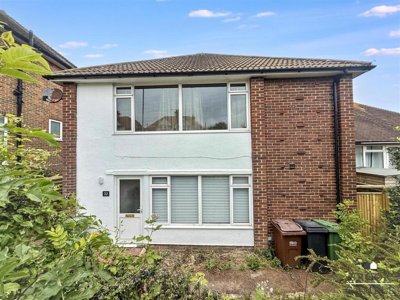
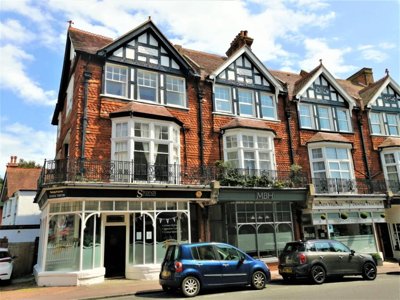
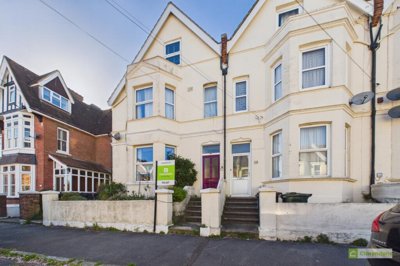
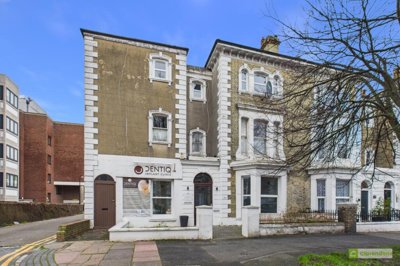
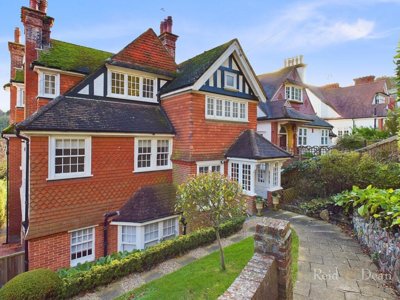
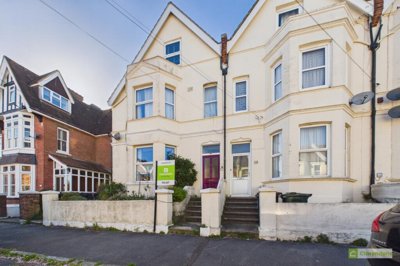
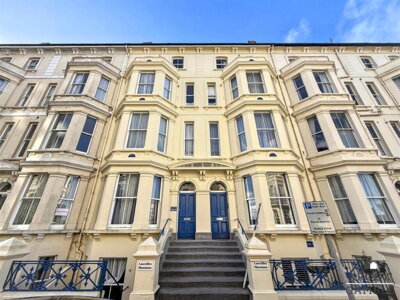
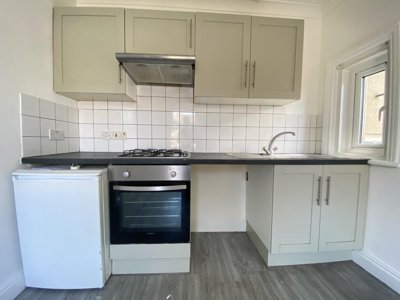
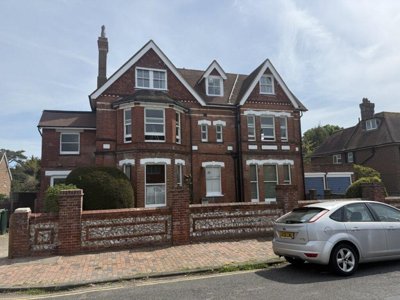
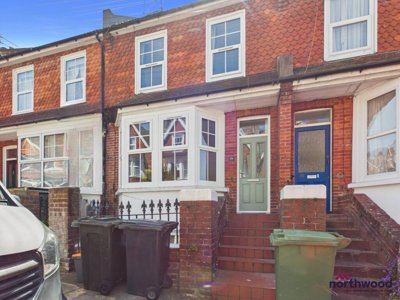
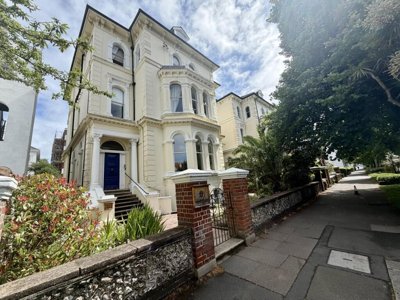
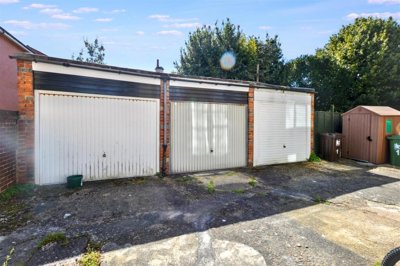
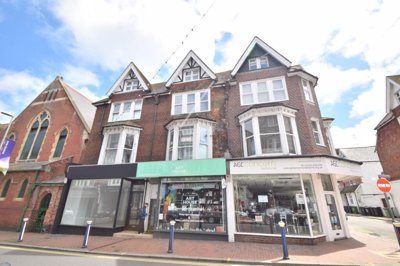
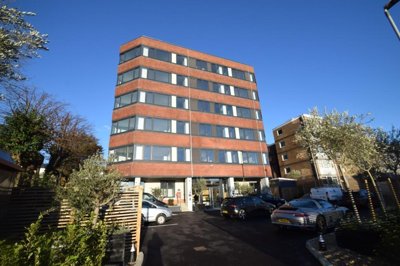
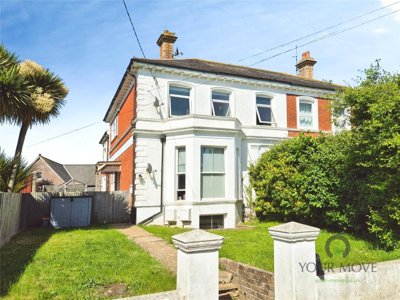
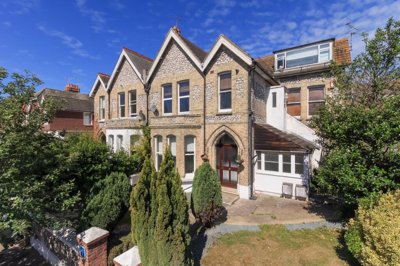
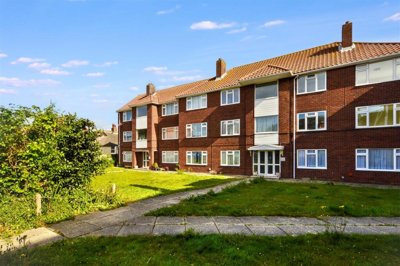
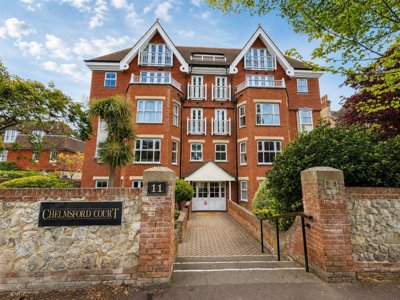
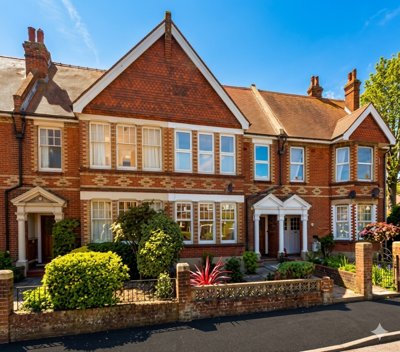
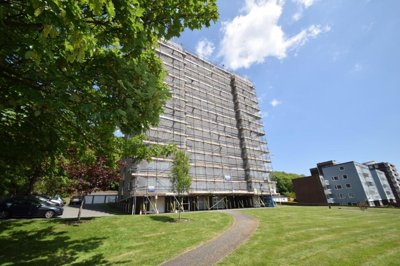
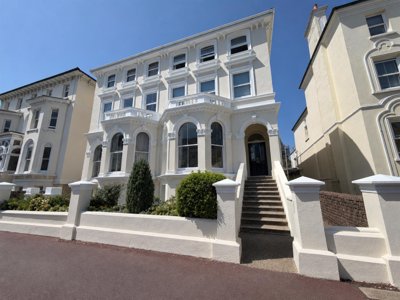
Browse 96 rental homes to rent in BN20 from local letting agents.
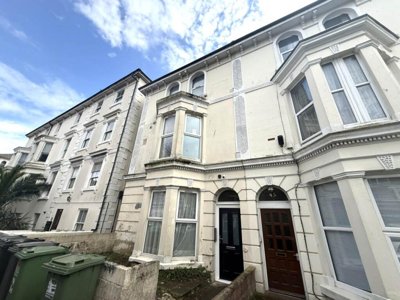
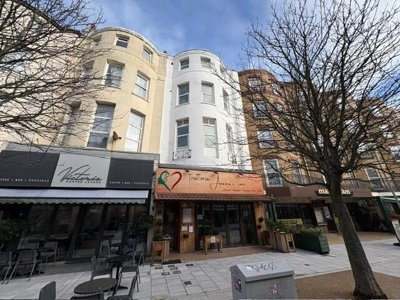
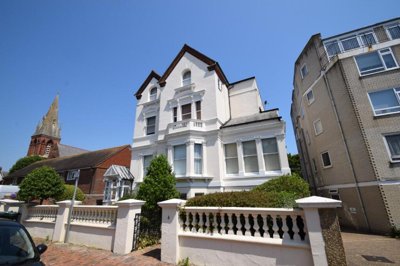
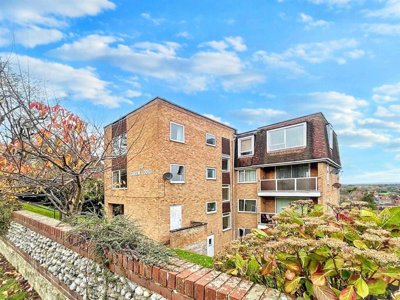
Studio apartments feature open-plan living spaces without separate bedrooms, incorporating sleeping, living, kitchen, and bathroom facilities. The BN20 studio market includes properties in modern apartment complexes, converted Victorian and Georgian buildings, and purpose-built developments.
£1,150/m
9
1
48
Source: home.co.uk
Showing 9 results for Studio Flats to rent in BN20. 1 new listing added this week. The median asking price is £1,150/month.
Source: home.co.uk
Flat
9 listings
Avg £1,168
Source: home.co.uk
Source: home.co.uk
BN20's rental market sits within a property scene that has held up well, even with national swings. Average property prices are around £420,600, with detached homes at about £667,000 and semi-detached houses averaging £385,000. Flats usually fetch roughly £261,000, so apartments tend to sit in a more reachable bracket for first-time renters and young professionals who want a base in this scenic coastal postcode.
Over the past year, values in BN20 have slipped by 3% against the previous year, and prices are currently sitting about 5% below the 2022 peak of £444,836. Even so, some micro-markets are moving in the opposite direction. The BN20 0 sector, which covers East Dean, recorded 7.1% growth over the last year, a clear sign that certain neighbourhoods still draw strong buyer and renter interest. For those renting rather than buying, that mix can work in your favour, with opportunities to secure a home in an area that keeps its appeal despite wider economic pressure.
Sales in BN20 are down 45% year on year, with only 234 transactions logged. That drop in supply has a knock-on effect for renters, since fewer homes for purchase often pushes demand towards the rental market. In practice, tenants searching in BN20 should expect competition, especially in peak rental season, and we would suggest leaning on local letting agents who may hear about new listings before they reach the bigger portals.

BN20 covers some of Eastbourne's most distinctive neighbourhoods, each with its own feel. Meads, on the western side of Eastbourne, is especially well known for historic charm and a strong concentration of period homes. Properties there are often described as highly desirable, with attractive buildings that reflect the architectural heritage of this coastal town. It has a village-like atmosphere too, yet the town centre and seafront remain close by, which is why professionals, retirees and families all settle there.
Geology shapes BN20 more than many renters realise. Underfoot sits Chalk bedrock, specifically the White Chalk Subgroup, the same foundation that gives the South Downs their dramatic backdrop across East Sussex. In some spots we also see Clay-with-flints deposits, remnants of processes that have shaped the landscape over millions of years. That mix creates everything from rolling chalk hills to valleys, and it is part of what makes the area so visually striking. South Downs National Park is close at hand too, so walking, cycling and simple time outdoors are all easy to fit into daily life.
Eastbourne itself is a major economic hub for the region, and healthcare plays a big part in that. Eastbourne District General Hospital is one of the largest employers in the area, with roles spanning medical, administrative and support work. Tourism and retail also contribute heavily, which is hardly surprising for a coastal resort with Eastbourne's profile. For renters, that variety can mean steadier employment and more local progression, without the need for long commutes into larger cities. The care homes in BN20, including facilities at BN20 9AN, underline just how important the healthcare sector is to local employment.
The housing stock in BN20 tells the story of the area's development, with a sizeable share of homes dating from the Victorian and Edwardian periods. Arts and Crafts houses, period split-level apartments and handsome period buildings are all part of the picture, especially in established areas such as Meads and Old Town. Because so many homes are older, renters may come across solid walls, early cavity wall construction, timber floor joists and pitched roofs finished with slate or tile coverings. That character is a big part of BN20's appeal, but it is worth understanding what it means in day-to-day living.

Families looking to rent in BN20 will find a fair selection of schools serving the local area. The postcode includes several primary schools for children from reception through to Year 6, though Ofsted ratings vary and deserve proper checking before any tenancy is agreed. St Johns Primary School and Hampden Park Primary both serve the local community, each with different capacity and performance records. For households with primary-aged children, the school catchment area attached to a property matters just as much as the rent.
Secondary education in and around BN20 includes comprehensive schools as well as more specialised institutions, and some families also look for selective grammar school places across the wider Eastbourne catchment. Ratton School and Eastbourne Academy are both within reach, while entry to grammar schools such as Christians School is determined by the Kent Test. Catchment boundaries can have a noticeable effect on both property values and rental demand, so we always advise checking the local education map before choosing a home.
For students moving beyond GCSE level, Eastbourne's secondary schools offer sixth form provision with A-Level courses and vocational qualifications. The area also has further education college provision, which gives young people a route into vocational training or higher education without needing to head off to a bigger city. That can make life simpler for families renting in BN20, because educational progression can continue in one place as children get older, which brings a welcome sense of stability.

Transport links from BN20 give residents reasonable access to regional and national destinations. Eastbourne railway station runs regular services to London Victoria, usually taking around 90 minutes, so day commuting to the capital remains possible for people who want coastal living. The station also connects to Brighton, opening up the city's culture and extra employment options in Sussex's largest city. For professionals working in Brighton or heading into London, BN20 offers a lifestyle balance that is hard to match in denser urban areas.
Local bus services run by Brighton and Hove Bus Company link BN20 neighbourhoods with Eastbourne town centre, the seafront and nearby villages. Routes serving Meads and the surrounding BN20 districts provide steady daytime connections, with extra services during peak commuter hours. By road, the A259 coastal route heads west to Brighton and east to Hastings, while the A22 and A27 trunk roads offer links towards London and the wider motorway network. Parking is more variable, with permit schemes in place in some residential streets close to the town centre and seafront.
Cycling in Eastbourne has improved in recent years, with dedicated paths along the seafront and routes linking into the South Downs. The National Cycle Network also runs through Eastbourne, giving leisure riders and commuters scenic options across the Downs. Put together with local buses and rail services, that makes car-free living realistic in many BN20 neighbourhoods. We would still suggest building transport costs into your rental budget, whether that means fuel and parking if you drive, or season tickets if you rely on trains and buses.

A rental budget agreement in principle is a sensible first step before you start searching in BN20. It shows landlords and letting agents that the monthly rent is affordable, which can strengthen an application when you are up against other tenants. Because many desirable BN20 homes attract multiple applications, getting your finances lined up early gives you an edge over people who are still sorting their funding out.
Use Homemove to browse all available rental properties in BN20. Filter by property type, number of bedrooms and price range to narrow the search to homes that fit what you need. Then book viewings for the places that look right, so you can compare condition, location and amenities side by side. In a competitive market, especially in sought-after Meads, speed matters. We also recommend setting up property alerts through our platform so new listings land as soon as they go live.
Go to viewings with a proper checklist in hand, covering condition, fixtures and fittings, storage space and the feel of the neighbourhood. In period properties common around Meads, it is worth checking carefully for damp, roof condition and the age of windows and insulation. Ask the letting agent about the tenancy terms, deposit amount and any extra fees before you go any further. Photos taken during the viewing can be useful later, both for comparison and for recording the property's condition at that point in time.
Once you have picked a property, read the tenancy agreement properly before signing anything. Standard Assured Shorthold Tenancies usually run for six or twelve months. Make sure you understand the rules around rent payment, property maintenance and what happens at the end of the tenancy, including cleaning and inventory checks. If the home sits in a conservation area, there may also be restrictions on alterations and improvements during the tenancy.
Your landlord will arrange tenant referencing to confirm identity, employment and rental history. A security deposit equivalent to five weeks rent is usually required, and it is held in a government-approved deposit protection scheme. First-time renters should budget for that upfront cost alongside the first month rent in advance. Referencing fees, admin charges and inventory check costs can vary between letting agents and landlords, while the Tenant Fees Act 2019 sets out what can legally be charged.
On moving day, walk through the property with your letting agent or landlord and complete a detailed inventory check. Any existing damage or issues should be written down and photographed. That record protects both sides, and it helps make sure your full deposit can be returned at the end of the tenancy, provided the home goes back in the same condition. In period properties, it is especially sensible to note original windows, period fireplaces and any architectural details already present when you move in.
Some BN20 homes need a closer look than others. Because of the area's geology, older buildings on clay-rich ground can be more vulnerable to subsidence. While viewing, we would look out for cracks in walls, doors that stick or refuse to close cleanly, and floors that sit unevenly, all of which can point to structural movement. Clay-with-flints deposits in parts of BN20 can also contribute to shrink-swell movement in the ground, particularly during drought or heavy rainfall. Major structural problems are still relatively uncommon, but spotting the warning signs early gives you a better basis for deciding whether to proceed.
Because BN20 sits on the coast, flood risk is another point to think about, especially for homes near the seafront or in lower-lying spots. Serious flooding is uncommon, but surface water flooding can happen after intense rainfall. Check the property's flood risk history and whether buildings insurance covers flood damage to contents, since that can have a real effect on your belongings if water gets in. Homes on or near the cliffs may also face coastal erosion considerations, which can influence long-term rental stability and insurance costs.
Many homes in sought-after areas like Meads sit within conservation zones, so landlords can face restrictions on what they change or improve. If you want to put your own stamp on the place, talk through any planned alterations with the landlord before you sign the tenancy agreement. Conservation area rules can affect planning permission for extensions, satellite dish installation and exterior alterations, so it is worth understanding the limits if you have specific plans. Period homes in these areas often keep original features that add charm, though they may ask for more upkeep than newer properties.
With so much older housing stock in BN20, some homes may have electrical wiring and plumbing that no longer meet current standards. In properties of that age, ask when the last rewiring took place and whether the electrical consumer unit has been updated with modern circuit breakers. The same kind of check applies to plumbing, gas heating systems and insulation levels. Landlords with gas appliances must have annual gas safety certificates, and we would always ask to see that paperwork before committing to a tenancy. Older heating systems can also mean higher energy costs, which matters all the more with current energy price pressures.

Rental pricing in BN20 varies quite a bit, depending on the property type and where it sits in the postcode. Across the wider market, average sale prices are around £420,600, with flats averaging £261,000 and houses commanding much higher sums. Rental levels are generally only a fraction of those figures, and one and two-bedroom flats usually come in between £800 and £1,400 per month, depending on condition, location and amenities. Period homes in Meads and other popular pockets can command premium rents because of their character and setting. For the most accurate current pricing, search the Homemove platform for up-to-date BN20 listings that reflect live market conditions.
Council tax bands in BN20 are set by Eastbourne Borough Council and change according to property valuation. Across Eastbourne, homes usually sit in bands A through F, with period properties in desirable areas such as Meads often falling into higher bands because of their historic character and location. Larger detached homes and higher-value properties may sit in bands E or F, while smaller flats and terraced homes are more commonly in bands A through D. If you need the exact figure, contact Eastbourne Borough Council directly or check the council tax band shown on the individual listing.
For families in BN20, the school picture includes both primary and secondary options within easy reach. St Johns Primary School and Hampden Park Primary are among the primary schools serving the area, while Ratton School and Eastbourne Academy are key secondary choices. Ofsted ratings do vary, so it makes sense to look at the latest inspection results before choosing a rental based on catchment. Grammar schools in the wider Eastbourne area include Christians School, with entry determined by the Kent Test. We would also check catchment boundaries carefully, because they can shift and do not always match postcode lines exactly.
BN20 benefits from solid public transport links through Eastbourne station, with direct trains to London Victoria, Brighton and other regional destinations. Brighton and Hove Bus Company runs local services across Eastbourne, including routes into the town centre, along the seafront and out to surrounding villages. The train journey to London Victoria takes about 90 minutes, which keeps BN20 firmly in play for capital commuters who prefer a coastal base. Bus links into Brighton also open up the wider employment market and the cultural life of Sussex's largest city.
BN20 is a very appealing rental location for anyone wanting coastal living without giving up day-to-day convenience. The area brings together characterful period homes, easy access to South Downs National Park, decent transport links and a good spread of local amenities. Recent price correction in the property market may feed through into more competitive rents and a bit more room to negotiate tenancy terms. That said, older homes can bring their own quirks, including damp, roof condition and the need for modernisation in some lets. From the village-like feel of Meads to the more convenient spots nearer the town centre, BN20 has enough variety to suit different rental priorities.
Standard practice in the BN20 rental market is a security deposit equivalent to five weeks rent, protected in a government-approved scheme such as the Deposit Protection Service, MyDeposits or Tenancy Deposit Scheme. You will also usually need to pay the first month rent in advance. Referencing fees, admin charges and inventory check costs vary between letting agents and landlords. The Tenant Fees Act 2019 limits what can legally be charged, with holding deposits capped at one weeks rent and most other tenant fees banned. It is also wise to budget for inventory check fees of £100 to £300, depending on property size and agent, together with utility setup costs and any broadband deposit that may be requested.
From 4.5% APR
Get pre-approved for your rental budget with our financial partners
From £30
Complete your referencing checks quickly with our approved providers
From £85
Energy performance certificates required for all rental properties
Budgeting for a rental in BN20 means looking beyond the monthly rent. The biggest upfront cost is usually the security deposit, which landlords generally ask for at the equivalent of five weeks rent. That money is protected in a government-approved scheme and should be returned when the tenancy ends, so long as the property is left in the same condition apart from fair wear and tear. For a home renting at £1,200 per month, you would need to put aside approximately £1,385 just for the deposit. It is held separately from the landlord's own funds, and it can be returned in full if there are no valid deductions at the end of the tenancy.
First month rent in advance is another substantial expense, because it needs to be paid before you move into the property. Taken together with the deposit, that means you may need two months rent upfront before anything comes back from your previous month. Some landlords and letting agents also ask for a holding deposit while references are checked, and this is usually capped at one weeks rent under the Tenant Fees Act 2019. That holding deposit is generally set against your first month rent or security deposit when the tenancy agreement is signed. If referencing fails, or if you pull out of the tenancy, the holding deposit may be kept by the landlord, so it is best to be certain before you pay.
There are other costs to build into a moving budget as well, not just the headline rent. Inventory check fees can range from £100 to £300, depending on property size and the letting agent. Some agents charge referencing fees for each tenant, usually £50 to £150 per person, although these fees are now largely banned under the Tenant Fees Act 2019 for properties with an EPC rating of E or above. You may also need to cover utility setup costs for gas, electricity, water and broadband, along with deposits for those services. If you are moving into a period home in Meads, setting aside extra money for heating is sensible, because older properties with less efficient insulation can lead to higher winter energy bills.
Council tax needs to sit in your monthly budget too, with bands in BN20 ranging from A to F depending on the property type and valuation. In Eastbourne, water and sewerage charges are usually managed by Southern Water, and those accounts need to be set up separately from your energy supplier. Contents insurance is another item worth thinking about, especially in older homes where burst pipes or water ingress from storms can be a greater risk. Planning carefully for all of these costs before you move in helps the tenancy start smoothly, without avoidable financial strain.

Properties to Rent In London

Properties to Rent In Plymouth

Properties to Rent In Liverpool

Properties to Rent In Glasgow

Properties to Rent In Sheffield

Properties to Rent In Edinburgh

Properties to Rent In Coventry

Properties to Rent In Bradford

Properties to Rent In Manchester

Properties to Rent In Birmingham

Properties to Rent In Bristol

Properties to Rent In Oxford

Properties to Rent In Leicester

Properties to Rent In Newcastle

Properties to Rent In Leeds

Properties to Rent In Southampton

Properties to Rent In Cardiff

Properties to Rent In Nottingham

Properties to Rent In Norwich

Properties to Rent In Brighton

Properties to Rent In Derby

Properties to Rent In Portsmouth

Properties to Rent In Northampton

Properties to Rent In Milton Keynes

Properties to Rent In Bournemouth

Properties to Rent In Bolton

Properties to Rent In Swansea

Properties to Rent In Swindon

Properties to Rent In Peterborough

Properties to Rent In Wolverhampton

Enter your details to see if this property is within your budget.
Loans, cards, car finance
Estimated property budget
Borrowing + deposit
You could borrow between
Typical borrowing
Monthly repayment
Est. at 4.5%
Loan-to-value
This is an estimate only. Your actual budget may vary depending on interest rates, credit history, and personal circumstances. For an accurate affordability assessment, speak to one of our free mortgage advisors.
This calculator provides estimates for illustrative purposes only and does not constitute financial advice. Your home may be repossessed if you do not keep up repayments on your mortgage. Estimates based on 4.5% interest rate, repayment mortgage. Actual rates depend on your circumstances.
Homemove is a trading name of HM Haus Group Ltd (Company No. 13873779, registered in England & Wales). Homemove Mortgages Ltd (Company No. 15947693) is an Appointed Representative of TMG Direct Limited, trading as TMG Mortgage Network, which is authorised and regulated by the Financial Conduct Authority (FRN 786245). Homemove Mortgages Ltd is entered on the FCA Register as an Appointed Representative (FRN 1022429). You can check registrations at NewRegister or by calling 0800 111 6768.

We use cookies to show you personalised content and improve your experience of our website. Find out more in our Privacy policy and Cookie policy.