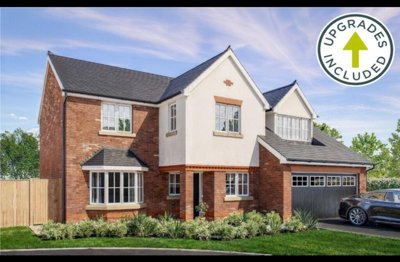
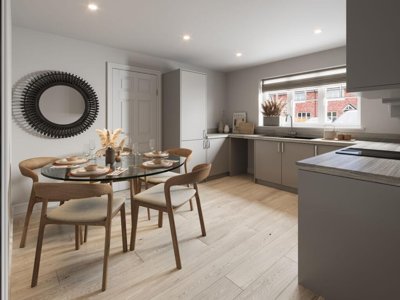
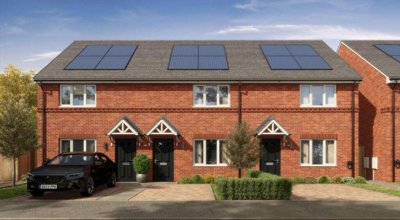
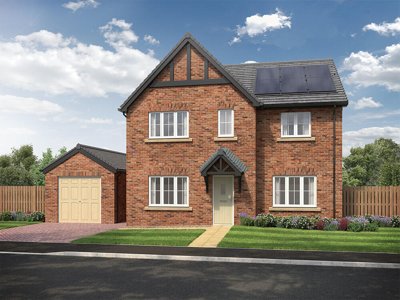
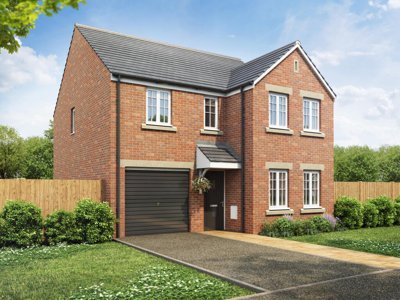
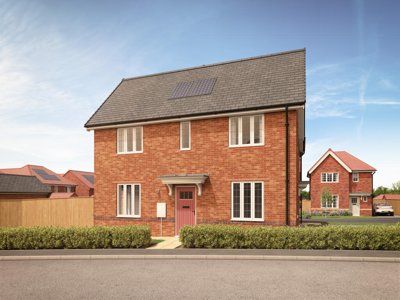
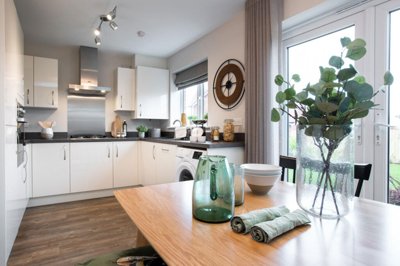
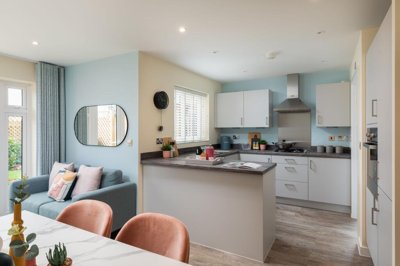
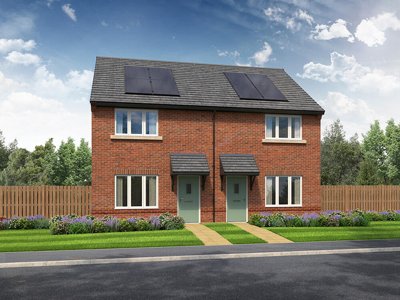
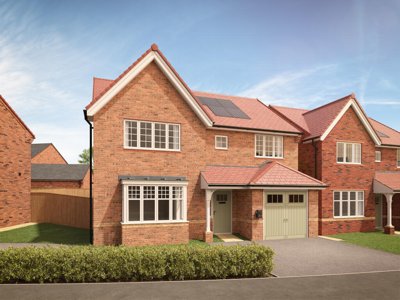
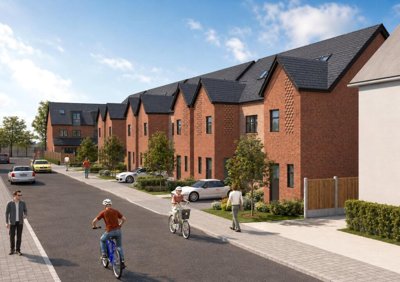
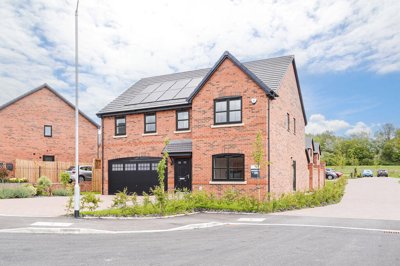
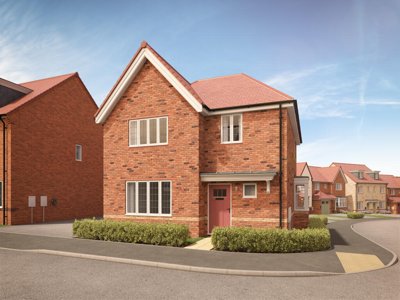
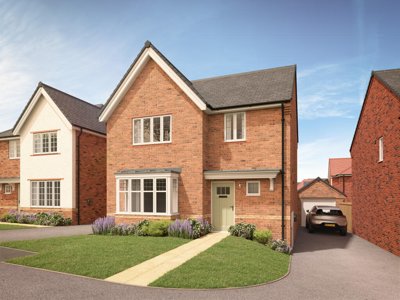
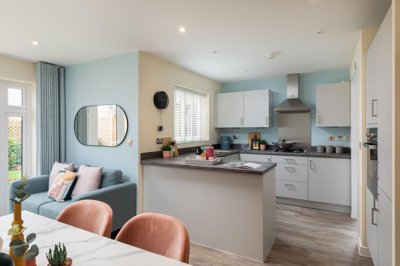
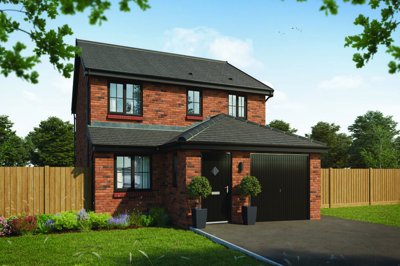
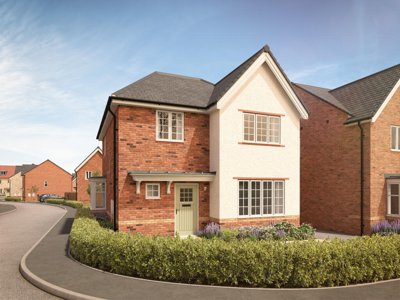
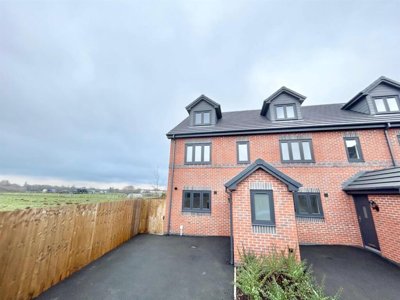
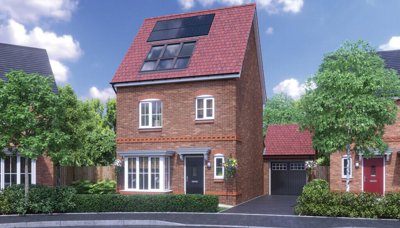
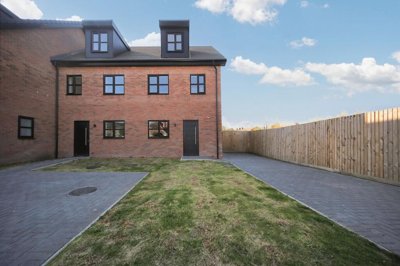
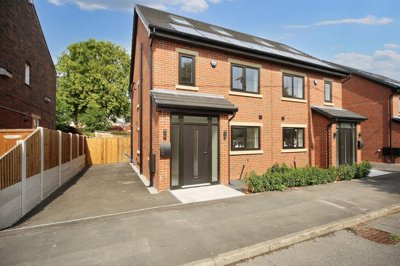
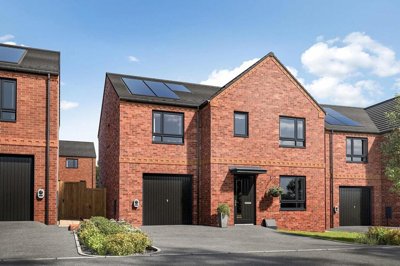
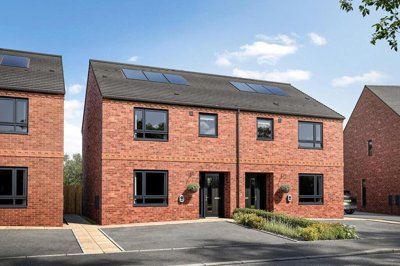
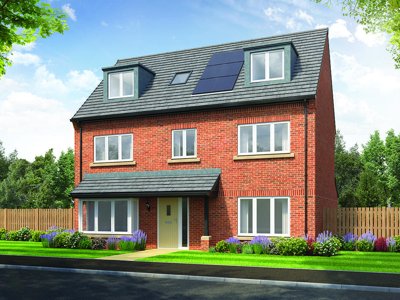
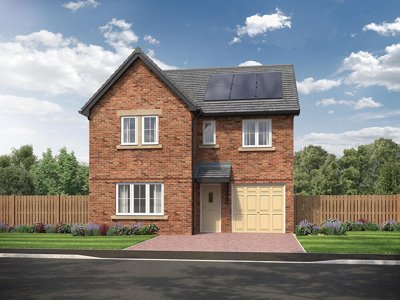
Browse 121 homes new builds in Wigan, Greater Manchester from local developer agents.
The Wigan property market offers detached, semi-detached, and terraced houses spanning various price ranges and neighbourhoods. Each listing includes detailed property information, photographs, and direct contact with the marketing agent.
£250k
1,129
100
83
Source: home.co.uk
Showing 1,129 results for Houses new builds in Wigan, Greater Manchester. 100 new listings added this week. The median asking price is £249,950.
Source: home.co.uk
Semi-Detached
424 listings
Avg £240,427
Detached
410 listings
Avg £423,671
Terraced
295 listings
Avg £149,739
Source: home.co.uk
Source: home.co.uk
In Wigan, we see the strongest demand around traditional family housing, particularly terraces and semis that fit the town’s long-established stock. The 2021 Census for the Wigan local authority district puts semi-detached houses at 36.3% of homes, terraced houses at 30.2%, detached houses at 20.3% and flats, maisonettes or apartments at 12.8%. That balance helps explain why buyers usually get more choice in the middle of the market than at the top end. Well-kept terraced rows and practical three-bedroom semis tend to draw attention quickly when the price is sensible.
For buyers who would rather have lower upkeep and better energy efficiency, new-build homes give Wigan another angle. home.co.uk currently lists asking prices from £179,995 at Hawksley Place, £219,995 at The Avenue and £289,995 at Winstanley Park, covering everything from 2-bedroom homes up to larger 5-bedroom family houses. That is a broader range than many towns of a similar size offer. Even with prices down by 1.14% over the past year, activity has held up, and 1,775 sales in the last 12 months still points to steady turnover locally.

Wigan has a character of its own. Its coal-mining history, red-brick streets and town centre still give it the feel of a place people actually use day to day, rather than somewhere polished up for appearances. A lot of the housing stock is built in traditional red brick with slate or tile roofs, and the local geology sits on Carboniferous Coal Measures, with sandstone, mudstone and coal seams below ground. Glacial till, also called boulder clay, turns up widely as well, which is one reason some homes need careful checks for shrink-swell movement around foundations. We often find that buyers moving here like that straightforward feel, and the fact that everyday costs are usually lower than in many neighbouring parts of Greater Manchester.
The wider Wigan local authority district is a sizeable market, with a population of 329,300 and 139,300 households at the 2021 Census. That kind of scale supports a broad mix of ages, lifestyles and housing needs, along with strong local services, from retail parks and healthcare to logistics and distribution, still one of the area’s major sources of employment. Wigan Town Centre Conservation Area helps protect the character of older streets, and there are numerous listed buildings too, particularly around historic civic and religious landmarks. For buyers who want greenery, heritage and a bit of culture around them, there is plenty to hold onto here, including parkland, canal corridors and ongoing regeneration around the town centre.
For many families buying in Wigan, the street comes first, then the school map, because catchments can shift quickly from one side of town to the next. Across the town and wider borough there is a broad spread of primaries, secondaries, academies, faith schools and post-16 options, so the best fit usually comes down to age, admissions priority and the daily journey. Winstanley College remains one of the better-known sixth-form options in the wider area, and plenty of parents compare secondary schools across the borough before they commit to an offer. As no verified Ofsted data was provided in the research for this page, we would treat the latest Ofsted report and the council admissions boundary for the exact postcode as the key checks.
School runs matter just as much as the school itself, especially where both adults commute. In Wigan, it can be more practical to have a short drive to a preferred school than to depend on a single direct bus during the morning peak. The property you choose can shape those options, because larger family homes and newer estates often fall into different catchment patterns from older terraces closer to the centre. If education sits at the top of the list, we would only shortlist homes after checking the current admissions rules for the local authority.

One of Wigan’s clearest advantages is the rail network. Wigan North Western and Wigan Wallgate both connect directly into key northern routes, with frequent services that can put Manchester, Liverpool and Preston within easy commuting distance, and London is reachable by train from the town as well. That mix of travel convenience and lower housing costs is exactly why many buyers keep Wigan on the shortlist. For regular work travel, the right station can matter every bit as much as the street itself.
Road travel is just as useful here. The M6, M61 and M58 are all within reach from the town, along with key A-roads linking into Greater Manchester, Lancashire and Merseyside. That level of motorway access helps Wigan function well for logistics, distribution and regional office travel, which in turn supports local employment and housing demand. Bus services cover the centre and surrounding neighbourhoods, although the stronger links are naturally on the main routes rather than the quieter residential roads. Buyers who drive every day often lean towards homes with off-street parking or a garage, because parking near the centre can be mixed.
Not every journey in Wigan needs a car or train. Walking and cycling both work well in the right spots, especially along canal towpaths and greener corridors that connect residential areas with parks and the centre. Because the town is a manageable size, plenty of everyday errands can stay local, even for people who commute further afield. Some buyers focus on easy station access for the quickest trip into Manchester or Liverpool, while others care more about getting onto the motorway fast for cross-county travel. That flexibility keeps Wigan in the frame for established families and for people buying their first home.
We would start with a mortgage agreement in principle before booking viewings, so borrowing limits are clear and sellers can see a serious buyer behind any offer.
It helps to compare Wigan’s terraces, semis, flats and new-build estates side by side, then check flood risk, parking and school catchments for the exact address.
Try to visit at different times of day. Traffic, parking pressure and street noise can feel very different between the morning run and the evening peak.
With older Wigan homes, we often advise a closer look for damp, roof wear, mining legacy and clay movement, which is why a RICS Level 2 Survey is a sensible starting point for many properties.
After an offer is accepted, the conveyancer should go through title, local searches, drainage, flood risk and any conservation area or listed building issues.
Once contracts are exchanged, it helps to have funds ready for completion day, then line up removals and utilities so the move into Wigan is easier to manage.
Older homes in Wigan are worth inspecting closely, particularly terraces and semis built before 1980. Damp is one of the issues we see most often in the local stock, including rising damp, penetrating damp and condensation where ventilation has not kept pace with the age of the building. Roof condition matters too, since slate and tile coverings can suffer from slipped sections, failing flashing and tired gutters after long exposure. Where a property has not been modernised, we would check the electrics, plumbing and heating system just as carefully as the decorative finish.
Ground conditions deserve real attention in Wigan. The town’s coalfield past means some locations can carry legacy subsidence risk, and clay-rich soils may move when they dry out or become saturated. Because of that, our surveyors may suggest a mining report, especially for older homes or properties near former workings. Flooding is a separate issue, with both the River Douglas and surface water capable of affecting parts of the town in heavy rain, so a flood search should be taken seriously before going ahead.
Extra care is often needed with conservation areas and listed buildings, especially in and around the town centre. Works to windows, roofs, brickwork and extensions may need consent, and that can slow renovation plans if a buyer wants to alter the property. Flats bring another layer, with service charges, leasehold terms and ground rent all needing proper review, so full management information should be requested before an offer is made. We would look past the asking price from the first viewing and weigh up upkeep, legal restrictions and eventual resale as well.
As of February 2026, homedata.co.uk records show an average house price in Wigan of £182,109. Broken down by type, detached homes average £300,560, semi-detached properties £183,165, terraced homes £136,878 and flats £99,396. Values are 1.14% lower than they were 12 months ago, giving buyers a little more room than last year. Even so, the market is still moving, with 1,775 sales over the last 12 months.
Across Wigan, properties fall within the usual council tax bands from A to H, depending on the individual home. Wigan Council sets the charge, and a flat, terrace, semi or detached house can each sit in different bands. In most cases, larger family houses land higher than smaller terraces or starter flats. We would always check the exact listing or the local authority record before building the budget.
The right choice often comes down to the precise part of town, because catchments can change street by street. Families regularly compare nearby primary schools, secondary academies, faith schools and post-16 options such as Winstanley College in the wider area. No verified Ofsted data was supplied for this page, so checking the latest inspection report for any school under consideration is the sensible next step. In Wigan, the council admissions map matters every bit as much as the school name.
Few towns in this part of Greater Manchester are as well connected as Wigan. Wigan North Western and Wigan Wallgate provide direct rail access to Manchester, Liverpool and Preston, and London is reachable from the town too. Bus routes cover the centre and surrounding neighbourhoods, while the M6, M61 and M58 keep regional driving straightforward. For a lot of buyers, that mix is a big part of the appeal.
For investors, Wigan can make sense as a lower entry point than many nearby commuter towns. Affordability, consistent sales activity and solid local employment in logistics, healthcare, education and retail all help support demand. Terraced homes and smaller flats can appeal to renters, while families are often drawn to newer estates with modern layouts. We would still come back to the same point, the best returns usually depend on picking the right street, not simply the right town.
On a standard residential purchase, the SDLT rates are 0% up to £250,000, 5% from £250,001 to £925,000, 10% from £925,001 to £1.5 million and 12% above that. First-time buyers pay 0% up to £425,000 and 5% from £425,001 to £625,000, with no relief above £625,000. At Wigan’s average house price of £182,109, the standard stamp duty bill is £0 where the property is a main residence. A detached home at £300,560 would bring standard SDLT of about £2,528.
Some parts of Wigan need especially careful checks for both flood and ground risk. The River Douglas creates fluvial flood risk in certain places, and surface water flooding can also become a problem during heavy rain. Given the area’s coal mining past, subsidence deserves close attention in older homes, particularly where there are signs of movement or past structural repair. In our view, the cost of a survey and the right searches is money well spent here.
Once an offer is accepted, stamp duty is one of the main costs to price in. Under the current 2024-25 residential rules, buyers pay 0% up to £250,000, 5% from £250,001 to £925,000, 10% from £925,001 to £1.5 million and 12% above that. First-time buyers get 0% up to £425,000, then 5% from £425,001 to £625,000, with no relief above £625,000. That leaves many Wigan buyers, especially those aiming at terraced homes or average-priced semis, with no SDLT to pay at all.
Using the local figures, a purchase at Wigan’s average price of £182,109 would usually sit below the standard SDLT threshold, so a main-residence buyer would pay no stamp duty. At the Wigan detached average of £300,560, the standard rates would produce a bill of about £2,528 before any additional property surcharge. Buy a second home or an investment property and the 3% surcharge can apply on top, which alters the calculation quickly. Mortgage fees, legal costs, survey fees and removals all add to the total as well, so the full budget can end up well above the agreed purchase price.
New-build purchases bring a few extra questions, including incentives, completion dates and reservation fees, because each one can affect upfront cash flow. Homes starting from £179,995, £219,995 or £289,995 across local developments still need the same careful budgeting for legal work, lender checks and moving costs. We would still treat a mortgage agreement in principle as the best first move before offers start going in, because it allows buyers to act quickly when the right Wigan property comes up. Get the preparation right, and the focus can stay on the house rather than the numbers on completion day.
Properties New Builds In London

Properties New Builds In Plymouth

Properties New Builds In Liverpool

Properties New Builds In Glasgow

Properties New Builds In Sheffield

Properties New Builds In Edinburgh

Properties New Builds In Coventry

Properties New Builds In Bradford

Properties New Builds In Manchester

Properties New Builds In Birmingham

Properties New Builds In Bristol

Properties New Builds In Oxford

Properties New Builds In Leicester

Properties New Builds In Newcastle

Properties New Builds In Leeds

Properties New Builds In Southampton

Properties New Builds In Cardiff

Properties New Builds In Nottingham

Properties New Builds In Norwich

Properties New Builds In Brighton

Properties New Builds In Derby

Properties New Builds In Portsmouth

Properties New Builds In Northampton

Properties New Builds In Milton Keynes

Properties New Builds In Bournemouth

Properties New Builds In Bolton

Properties New Builds In Swansea

Properties New Builds In Swindon

Properties New Builds In Peterborough

Properties New Builds In Wolverhampton

Enter your details to see if this property is within your budget.
Loans, cards, car finance
Estimated property budget
Borrowing + deposit
You could borrow between
Typical borrowing
Monthly repayment
Est. at 4.5%
Loan-to-value
This is an estimate only. Your actual budget may vary depending on interest rates, credit history, and personal circumstances. For an accurate affordability assessment, speak to one of our free mortgage advisors.
This calculator provides estimates for illustrative purposes only and does not constitute financial advice. Your home may be repossessed if you do not keep up repayments on your mortgage. Estimates based on 4.5% interest rate, repayment mortgage. Actual rates depend on your circumstances.
Homemove is a trading name of HM Haus Group Ltd (Company No. 13873779, registered in England & Wales). Homemove Mortgages Ltd (Company No. 15947693) is an Appointed Representative of TMG Direct Limited, trading as TMG Mortgage Network, which is authorised and regulated by the Financial Conduct Authority (FRN 786245). Homemove Mortgages Ltd is entered on the FCA Register as an Appointed Representative (FRN 1022429). You can check registrations at NewRegister or by calling 0800 111 6768.

We use cookies to show you personalised content and improve your experience of our website. Find out more in our Privacy policy and Cookie policy.