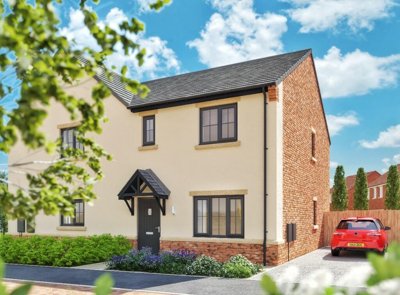
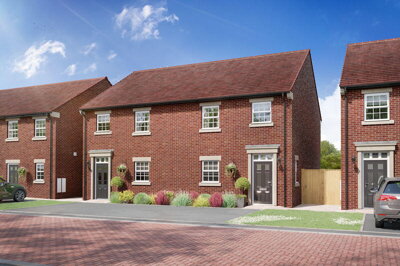
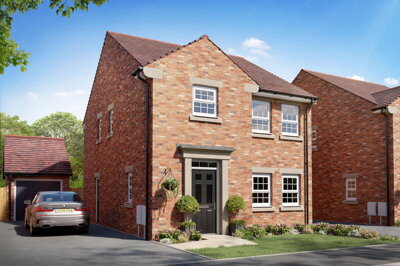
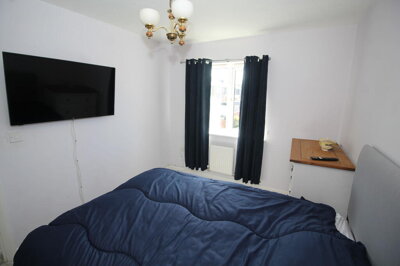
Browse 5 homes new builds in WF4 from local developer agents.
Three bedroom properties represent a significant portion of the WF4 housing market, offering space for families with multiple reception rooms and gardens in many cases. Browse detached, semi-detached, and terraced options ranging across new residential developments.
£275k
83
4
124
Source: home.co.uk
Showing 83 results for 3 Bedroom Houses new builds in WF4. 4 new listings added this week. The median asking price is £275,000.
Source: home.co.uk
Semi-Detached
47 listings
Avg £250,956
Detached
31 listings
Avg £375,563
Terraced
5 listings
Avg £208,000
Source: home.co.uk
Source: home.co.uk
WF4's postcode market gives buyers plenty of choice across property types, so different budgets and tastes can find a fit. Detached homes sit at the top end, averaging around £565,184 according to home.co.uk listings data, which reflects the space on offer and the more sought-after settings these homes often occupy. Semi-detached houses, the mainstay of WF4's housing stock, average approximately £268,260 and offer good value for families wanting three or four bedrooms, gardens and off-street parking.
Terraced homes are the cheaper way into WF4, with average prices around £172,601 according to home.co.uk listings data (or £160,605 from homedata.co.uk), while flats come in as the most budget-friendly option at approximately £119,286. Sales activity stays steady across all property types, helped by local employers, commuters who work in Leeds or Sheffield, and families moving up from smaller homes. home.co.uk records show over 11,000 historical transactions in the WF4 postcode, a strong sign of the area's long-term pull as a place to live in West Yorkshire.
On price movement, the 4% annual increase leaves WF4 looking steady, with real growth rather than speculative spikes. Homes here have bounced back well from the 2022 adjustment and now sit above previous peak values, which points to resilient buyer demand. For investors, the gap between terraced and detached prices leaves room for value uplift through extension or renovation work.
Source: home.co.uk and homedata.co.uk data, last 12 months
WF4 covers several distinct neighbourhoods, each with its own feel. Horbury stands out as especially appealing, with conservation areas and numerous listed buildings that reflect its heritage. The village centre has independent shops, traditional pubs and day-to-day amenities, while the surrounding countryside offers lovely walks along the River Calder. That river adds to the scenery, but it also means some homes may sit within flood risk zones, so buyers should look closely at exact locations.
Crofton and the surrounding spots offer newer residential development while still keeping the village character that gives WF4 much of its appeal. Wakefield city anchors the local economy, with public administration, education, healthcare and retail all playing a part. Residents often like the mix of quiet village living and easy access to larger towns for work and leisure. The M1 is close by, so driving to Leeds takes under 30 minutes and Sheffield around 45 minutes.
Smaller villages and hamlet settlements also shape the wider WF4 area. Local events, farmers markets and parish activities are common, and they help keep the neighbourhood links strong. Wakefield district council provides solid local services despite the semi-rural setting, with regular bin collections, highway maintenance and community facilities funded through council tax contributions.
For families, WF4 ticks several boxes, from good schools within reasonable reach to streets where children can play and quick access to the countryside. Our inspectors survey homes across the area regularly, and homeowners often mention the friendly community atmosphere as one of the biggest plus points.
Transport is one of WF4's real strengths, especially for commuters heading to Leeds, Sheffield or other West Yorkshire centres. The M1 runs directly through the WF4 postcode area, giving road access to Leeds city centre in approximately 25-30 minutes and Sheffield in around 45 minutes depending on traffic. The A636 and A637 link local villages to the motorway network, and the A658 opens up routes towards Bradford and the A1 corridor for northbound travel.
Rail links from nearby stations tie WF4 into the wider network, with Leeds usually around 30-40 minutes away from stations in the Wakefield area. The TransPennine route serves the region too, with connections to Manchester and Liverpool for broader northern travel. Bus services run throughout the WF4 postcode, joining villages like Horbury and Crofton with Wakefield city centre and surrounding towns. Cyclists get a mix of country lanes and dedicated cycle paths, although the rolling West Yorkshire landscape can be demanding. Parking depends on the spot, with village centres often short on on-street spaces and newer developments more likely to include dedicated parking.
For flights, Leeds Bradford Airport is usually reachable in about 40 minutes by car and offers domestic routes plus a growing choice of European destinations. Robin Hood Airport Doncaster Sheffield gives travellers another option, roughly an hour's drive away, for longer trips.

Families looking at WF4 will find a decent spread of schools in the postcode area and nearby. Primary education is well covered, with several schools serving local communities from reception through to Year 6. Schools in Horbury and the surrounding villages give younger children a solid start, and many receive positive feedback from local parents in our property surveys.
Secondary choices include non-selective schools and academies for pupils aged 11-16 before they move on to further education. Ofsted-rated good and outstanding schools across the wider Wakefield district add more options for families who are happy to travel a little further. Our team has surveyed plenty of family homes in WF4, and school proximity comes up again and again as a top priority for buyers with children.
Parents who want grammar school access will find selective schools in the Wakefield area, although entry depends on passing the 11-plus examination. Nearby towns have several well-regarded grammar schools that draw pupils from across the WF4 postcode. Sixth form provision in Wakefield covers A-level courses across a wide range of subjects, while further education colleges offer vocational qualifications and apprenticeship routes for students looking at alternatives. Parents should check current school performance data and catchment boundaries before committing, because they can shift and directly affect which schools children can attend from particular addresses.
For younger children, WF4 has several nurseries and preschools offering early years education and childcare for working parents. Many hold good Ofsted ratings and are well regarded within their local communities.
Buying in WF4 means keeping an eye on a few area-specific issues that can affect a purchase. Wakefield district has a coal mining past, and some WF4 homes may sit above former mine workings. A mining search is strongly recommended for any property, especially where mining heritage is known, as it can reveal subsidence risks or contamination issues that a standard survey may miss. Our surveyors often spot signs of historic mining activity during inspections here, including fine subsidence cracking and uneven floor levels.
The local geology adds another layer for buyers to think about. WF4 sits on Carboniferous rocks, usually sandstones, mudstones and coal seams with clay-rich superficial deposits. This clay can shrink and swell in dry spells or heavy rain, which may affect foundations and lead to structural movement in vulnerable homes. Our inspectors look closely for this kind of movement, particularly in older properties where the foundations may not meet modern standards.
Flood risk should not be ignored in WF4, given the River Calder and its tributaries running through the area. Not every property is exposed, but homes near watercourses or in low-lying spots can be vulnerable to surface water or river flooding during heavy rain. Check Environment Agency flood maps for the exact address and make sure buildings insurance is available at sensible rates before you proceed. Properties near Horbury Bridge need especially careful investigation because of the watercourses there.
Horbury's conservation area status brings extra planning points for buyers. Homes in designated conservation areas may face restrictions on alterations, extensions and exterior changes unless the local planning authority gives consent. Listed buildings have even tighter controls, and any renovation work must protect the historic character of the property. If a period home is on your shortlist, put those demands into the renovation budget and timetable. For listed properties or older homes in conservation areas, we strongly recommend a RICS Level 3 Building Survey, as they need specialist scrutiny beyond standard surveys.
Knowing how WF4 homes are built helps buyers judge maintenance needs and the scope for improvement. Brick is the dominant material across the Wakefield district, and traditional red brick is common on Victorian and Edwardian homes in Horbury and the surrounding villages. Many of these older properties use solid wall construction rather than modern cavity insulation, which affects both heat retention and the kinds of improvement work that are possible.
Stone appears in parts of WF4 too, especially in older cottages and farm buildings that came before brick became widespread. Sandstone and limestone rubble walls need different care from brick, and buyers should understand repointing needs and the risk of damp passing through traditional stonework. Our surveyors have inspected many stone properties in the Horbury conservation area and can pick out the specific issues affecting these historic homes.
Homes from the 1950s through to the 1970s usually have brick external walls, with render finishes in some places. These properties often still have original single glazing, solid fuel or older heating systems, and flat or low-pitch roof sections that may need attention. Newer developments in WF4 generally follow modern building standards with cavity wall insulation, double glazing and efficient heating systems, although quality still varies between developers.
Across WF4, roofs are mostly traditional pitched designs with tile or slate coverings. On period homes, original coverings may include handmade clay tiles or natural slate, both of which can be costly to repair or replace. Our inspectors examine roof condition carefully on every survey, since roofing defects are among the most common issues we find in WF4 properties, especially after severe weather.
Before you start viewing, get a mortgage agreement in principle from a lender. It strengthens your position when you make an offer and shows estate agents that funding has already been checked. Use Homemove's mortgage comparison tool to compare rates and find the right deal for your circumstances. Having the mortgage in principle sorted before you view properties also saves time once you spot somewhere you want to buy.
Take time to explore the different parts of WF4 so you can match your lifestyle and budget to the right area. Proximity to schools, transport links and local amenities all matter. Recent sold prices for comparable homes give a clear guide to what different property types command. The gap between terraced properties around £172,601 and detached homes averaging £565,184 shows just how wide the choice is in this postcode.
Once a few properties stand out, book viewings through the estate agents listed on Homemove. Seeing several homes before deciding helps, and it is worth taking notes on condition, location and anything that might need a closer look later. Check boundaries, signs of movement or damp, and the general upkeep of neighbouring properties.
Before you exchange, we suggest a RICS Level 2 Homebuyer Report for the property. This survey picks up structural issues, damp, roof condition and other defects that may not show during a viewing. Older WF4 homes, especially those in conservation areas, can gain a lot from professional survey work. Because the Wakefield district has a mining history, our surveyors pay close attention to subsidence and foundation movement.
Next, appoint a solicitor to deal with the legal side of the purchase. They will run searches, review contracts and manage the transfer of funds. Homemove's conveyancing service links you with experienced solicitors who know WF4 properties and local authority requirements. For homes in mining areas, your solicitor should ask specifically for a mining search report.
Once the searches come back satisfactory and the mortgage funds are confirmed, contracts are exchanged and the deposit is paid. Completion usually follows within 2-4 weeks, and then you receive the keys to your new WF4 home. We suggest lining up utility transfers and broadband well before completion so the move goes more smoothly.
Average house prices in WF4 sit at approximately £358,235 according to home.co.uk listings data, while homedata.co.uk records £255,392 over the past 12 months. Detached homes average around £565,184, semi-detached properties fetch approximately £268,260, and terraced homes usually sell for around £172,601. Flats remain the cheapest option at approximately £119,286. The market has risen by 4% over the past year, and prices are now 6% above the previous 2022 peak, which suggests steady demand in this well-connected West Yorkshire location.
Properties in WF4 come under Wakefield Metropolitan Borough Council, and council tax bands run from A to H depending on valuation. Most terraced homes and smaller semis fall into bands A to C, mid-range semis and larger terraced houses usually sit in bands C to D, while detached family homes and larger period properties often land in bands E to G. You can check the exact band for any property on the Valuation Office Agency website or through the local authority's online records before you make an offer.
WF4 and the wider Wakefield area give families several well-regarded schools to choose from. Primary schools in Horbury and Crofton serve younger children, while secondary options include non-selective schools within a reasonable travelling distance. The broader Wakefield district includes Ofsted-rated good and outstanding schools, and selective grammar schools are available for pupils who pass the 11-plus examination. Always check current Ofsted ratings and school capacity before buying, because catchment areas can affect admissions and do shift over time.
WF4 has good road links, with the M1 motorway running through the postcode area and giving direct access to Leeds, Sheffield and the wider motorway network. Rail services from nearby Wakefield stations offer regular trains to Leeds, usually taking around 30-40 minutes. Local bus routes link WF4 villages with Wakefield city centre and surrounding towns. Public transport can be less frequent in some of the more rural villages than in urban areas, so it makes sense to check the exact bus routes and train timetables for the location you have in mind before you commit.
WF4 has plenty going for it as a property investment area. The 4% annual price rise and the fact that values sit 6% above the previous market peak point to steady demand and capital growth potential. Strong transport links to Leeds and Sheffield appeal to commuters looking for more affordable homes than city centres offer. Period properties in conservation areas and more modern developments give investors choices across different strategies, from renovation projects to straightforward family home purchases that could gain value over time. Rental demand looks solid, helped by commuter appeal and local employment opportunities.
Stamp duty rates in England currently apply 0% on the first £250,000 of residential property purchases, 5% on the portion between £250,001 and £925,000, 10% on the portion between £925,001 and £1,500,000, and 12% on any amount above £1,500,000. First-time buyers get relief on the first £425,000, with 5% applied between £425,001 and £625,000. For a typical WF4 property priced around £358,235, a first-time buyer would pay no stamp duty, while an additional buyer would pay approximately £537.
Yes, mining risk deserves attention when buying in WF4. Wakefield district has a documented coal mining history, and properties across the WF4 postcode may sit above former mine workings. We recommend asking for a mining search report as part of the conveyancing process, especially for homes built before the 1980s. Signs of mining-related movement include diagonal cracking pattern, doors that stick or do not close properly, and floors that feel uneven. Our surveyors know what to look for when they inspect properties here.
Some WF4 properties may lie in flood risk zones, especially those near the River Calder and its tributaries. The River Calder runs through Horbury and the surrounding countryside, so homes in low-lying positions or near watercourses need careful checking. Use the Environment Agency flood risk maps for the exact location and think about flood risk when you look at insurance costs and the property itself. Homes on higher ground in places like Horbury village centre usually face lower flood risk.
Getting the full cost picture for a WF4 purchase helps with budgeting and keeps surprises to a minimum. On top of the property price, buyers need to account for stamp duty land tax, solicitor fees, survey costs and moving expenses. For a typical WF4 property priced around the area average of £358,235, those extra costs usually come in at £3,000 to £5,000 depending on your circumstances and the property type.
Stamp duty is the biggest upfront cost, although first-time buyers buying homes under £425,000 pay nothing under the current first-time buyer relief. For investors or anyone buying a second home, an extra 3% surcharge applies on top of the standard rates. We always suggest building stamp duty into deposit calculations, because many buyers underestimate it when planning the total budget for a purchase. Our calculator tool helps you work out stamp duty costs based on your own situation.
Survey costs change with property size and value, with RICS Level 2 Homebuyer Reports usually costing between £400 and £900 for homes in the WF4 price range. Properties in conservation areas or listed buildings may need more specialist surveys, which can cost more. Solicitors generally charge between £500 and £1,500 for conveyancing, although complex transactions involving mining searches or flood risk assessments may add further fees. Mortgage arrangement fees, valuation fees and broker costs should also sit in the budget when you total everything up.
It is also wise to budget for removal company fees, which can range from £500 to £2,000 depending on distance and the amount of belongings. Buildings insurance needs to be in place from completion, while contents cover protects your possessions. Land registry fees apply when ownership is transferred, and your solicitor will deal with this through the conveyancing process. Putting aside a contingency fund of around £1,500 to £2,000 for unexpected costs is sensible for any purchase.

From 4.5%
Compare rates from leading lenders to find the best mortgage deal for your WF4 purchase
From £499
Expert solicitors for your WF4 property purchase, including local mining and flood risk searches
From £400
Professional homebuyer survey identifying defects in WF4 properties before you buy
From £550
Detailed structural surveys for older homes, listed buildings and conservation areas
From £80
Energy performance certificate required for all property sales
Properties New Builds In London

Properties New Builds In Plymouth

Properties New Builds In Liverpool

Properties New Builds In Glasgow

Properties New Builds In Sheffield

Properties New Builds In Edinburgh

Properties New Builds In Coventry

Properties New Builds In Bradford

Properties New Builds In Manchester

Properties New Builds In Birmingham

Properties New Builds In Bristol

Properties New Builds In Oxford

Properties New Builds In Leicester

Properties New Builds In Newcastle

Properties New Builds In Leeds

Properties New Builds In Southampton

Properties New Builds In Cardiff

Properties New Builds In Nottingham

Properties New Builds In Norwich

Properties New Builds In Brighton

Properties New Builds In Derby

Properties New Builds In Portsmouth

Properties New Builds In Northampton

Properties New Builds In Milton Keynes

Properties New Builds In Bournemouth

Properties New Builds In Bolton

Properties New Builds In Swansea

Properties New Builds In Swindon

Properties New Builds In Peterborough

Properties New Builds In Wolverhampton

Enter your details to see if this property is within your budget.
Loans, cards, car finance
Estimated property budget
Borrowing + deposit
You could borrow between
Typical borrowing
Monthly repayment
Est. at 4.5%
Loan-to-value
This is an estimate only. Your actual budget may vary depending on interest rates, credit history, and personal circumstances. For an accurate affordability assessment, speak to one of our free mortgage advisors.
This calculator provides estimates for illustrative purposes only and does not constitute financial advice. Your home may be repossessed if you do not keep up repayments on your mortgage. Estimates based on 4.5% interest rate, repayment mortgage. Actual rates depend on your circumstances.
Homemove is a trading name of HM Haus Group Ltd (Company No. 13873779, registered in England & Wales). Homemove Mortgages Ltd (Company No. 15947693) is an Appointed Representative of TMG Direct Limited, trading as TMG Mortgage Network, which is authorised and regulated by the Financial Conduct Authority (FRN 786245). Homemove Mortgages Ltd is entered on the FCA Register as an Appointed Representative (FRN 1022429). You can check registrations at NewRegister or by calling 0800 111 6768.

We use cookies to show you personalised content and improve your experience of our website. Find out more in our Privacy policy and Cookie policy.