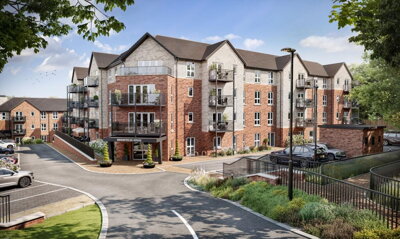
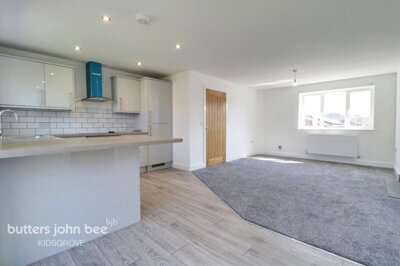
Browse 2 homes new builds in Stoke-on-Trent from local developer agents.
The 2 bed house market features detached, semi-detached, and terraced properties with two separate bedrooms plus living spaces. Properties in Stoke On Trent range across contemporary developments, with pricing varying across different neighbourhoods.
Buyers are drawn to Stoke-on-Trent in part because the housing stock covers a wide range of budgets and property types. homedata.co.uk records show the average price over the last year was £158,111, with detached homes averaging £255,251, semi-detached homes £160,950, terraced homes £124,191 and flats £90,123. For people hoping to gain more space without moving into the higher price brackets common in many larger Midlands locations, that spread stands out. It also rewards careful area-by-area searching, because the same budget can stretch very differently depending on the street and the style of home.
There is fresh stock to look at as well. home.co.uk currently shows active developments including The Croft in Meir Hay, Lime Tree Park in Meir, Park View and Victoria Park in Stoke-on-Trent, Berryhill Gardens in Berryhill and Kingsland Fields in Trentham. Across the city, new homes can start from around £180,000 for smaller plots and rise to more than £350,000 for larger detached properties. We usually suggest weighing those schemes against older terraces and semis in established neighbourhoods, especially for buyers who want modern energy performance and lower maintenance.

The 2021 Census gives a clear picture of how the city is put together. Terraced houses account for 39.5% of the stock, semi-detached homes 33.0%, detached homes 14.0% and flats, maisonettes or apartments 13.5%. You can see that history on the ground, with pottery-era terraces, inter-war semis and post-war estates sitting beside newer developments. Size matters too, since the 2021 Census recorded 258,400 residents across 109,700 households. That leaves Stoke-on-Trent feeling busy, but still shaped by individual neighbourhoods rather than one uniform market.
Across much of Stoke-on-Trent, red brick is the material you notice first, and many older houses still reflect the industrial heritage behind the city’s growth. Older properties often carry slate or clay tile roofs, while newer schemes tend to combine brick with render and some cladding. Underneath, the city sits on Carboniferous rocks including coal measures and Etruria Marl, and in some streets clay movement can become an issue. We treat that local geology, along with the mining history, as a useful part of the picture when comparing a terrace, semi or detached home.
Daily life here also comes with plenty of green and historic detail. The Trent and Mersey Canal, the bottle kilns, former pottery buildings and the conservation areas in places like Burslem, Longton and Hanley all add character that many buyers actively look for. Not every spot performs the same, though. Some parts of the city, particularly near the rivers, canals and low-lying ground, can face greater flood risk, so the precise micro-location matters. For anyone after a home with character, Stoke-on-Trent offers a lot without losing the practical edge many movers still want.
For families, the search in Stoke-on-Trent often starts with schools, commuting and the type of housing that fits day-to-day life. Our research pack highlights the city’s strong education footprint through Staffordshire University, with nearby Keele University also influencing the wider local economy and rental demand. That matters because education centres often support both local amenities and longer-term demand for well-placed homes. We would check the exact postcode first, then look at the walk to school, bus links and what after-school routines would actually involve.
School details can shift quickly, so we always advise checking current catchment maps and Ofsted reports for the exact street you are considering. Family-suitable homes are spread across a mixed housing stock rather than clustered in one obvious area, and some strong-value options sit close to major roads or bus routes. The age of the property matters too, because older terraces may suit commuters better, while newer estates often suit growing households that want driveways and gardens. For anyone planning around a school run, seeing the area at the times you would really travel can tell you a lot.

Stoke-on-Trent works well as a base for people travelling around the West Midlands and further afield. From Stoke-on-Trent station, rail services connect with Birmingham, Manchester and London, while road links feed into the M6, A500 and A50 for drivers. That mix can be a real plus for buyers whose week combines local work with longer trips. The catch is that the city covers a broad area, so journey times can differ sharply from one neighbourhood to the next, which is why we would check the route from the exact street before committing.
Bus travel matters here too, especially in households that do not want to depend on a second car. Some neighbourhoods have much better bus coverage than others, and the most workable location is not always the one nearest the station. Parking can be just as influential, since older terraced streets may offer only limited on-street space, while newer estates often come with driveways or garages. We would test the morning commute, look at parking pressure and see how the home fits your routine after dark, not just in daytime.
Walking and cycling have their place in Stoke-on-Trent as well. Canal paths and some green corridors give residents other ways to cover shorter journeys, useful for errands or leisure rather than just commuting. Nearer the city centre, homes may bring better rail and bus access. Further out, drivers can often gain more space and quieter streets. The right call usually comes down to what matters most, a fast train, easier school runs, or a calmer residential setting with a bit more parking.
We would begin by comparing places such as Hanley, Fenton, Longton, Burslem, Meir and Trentham. Pay attention to housing style, commute options, flood risk and how the street feels at different times of day.
Getting a lender involved early can save time later. A mortgage agreement in principle before booking lots of viewings gives you a realistic price range and helps you move quickly in a market with around 3,000 annual sales.
Try to visit more than once, particularly where an older terrace or a home near a busy route is involved. Check the parking, the noise, the size of the garden and whether the layout actually suits what you have planned.
In Stoke-on-Trent, older properties often make a RICS Level 2 Survey the sensible option, and local prices are typically around £400-£700. Where there are concerns around age, damp, the roof or movement, a more detailed survey may be the better step.
Once the right property is agreed, we would appoint a conveyancer quickly so searches, enquiries and contracts can keep moving. That becomes even more important where leasehold issues, conservation constraints or older title documents are involved.
Organisation counts at this stage. Keep paperwork, deposit funds and removal dates in order so last-minute surprises are less likely. Clear communication between lender, solicitor and agent can make completion day much less stressful.
One of Stoke-on-Trent’s strengths is its older housing stock, but that does mean careful inspection matters. Damp often turns up in older terraces and semis, especially where ventilation is poor or a damp-proof course has failed, and roof defects are common on properties over 50 years old. Homes built before modern standards became normal can also show timber decay, woodworm and outdated electrics. We look beyond layout and natural light on a viewing, because maintenance clues can have a direct effect on the budget later.
Ground conditions are worth checking closely in this city. Stoke-on-Trent sits on clay-rich Etruria Marl and has a former coalfield history, and that combination can raise the risk of shrink-swell movement, subsidence or heave, especially where mature trees are close to foundations or where shallow workings form part of the local background. Flood risk deserves attention too, particularly near the River Trent, River Fowlea, Lyme Brook and lower-lying streets close to the canal. When a listing looks strong on paper but lies in a more sensitive location, survey findings and search results carry extra weight.
Character homes in protected settings can be a real plus, but they do come with added considerations. Parts of Burslem, Longton, Hanley and the Trent & Mersey Canal corridor contain protected buildings and streets, so alterations may require consent and repair costs can run higher than expected. With flats, we would check lease length, service charges and ground rent. With older houses, we would look for signs of past alterations that may not have the right paperwork. Sensible buyers look past the asking price and think about long-term running costs as well.
According to homedata.co.uk records, the average house price in Stoke-on-Trent over the last year was £158,111. Detached homes averaged £255,251, semi-detached homes £160,950, terraced homes £124,191 and flats £90,123. That range leaves plenty of room for choice, from lower-cost first homes to larger family houses.
Council tax is not something we would estimate from the street alone, because the final band depends on the individual property. In Stoke-on-Trent City Council areas, older terraces often fall into lower bands than larger semis or detached homes, but the exact listing or the local council record is still the place to check. When two homes seem similar on paper, council tax can be one of the smaller costs that changes the monthly budget.
Our research pack does not include live Ofsted grades or verified school league tables, so we recommend checking current reports and catchment maps for the exact postcode you want. Most families start with the local primary and secondary options, then move on to travel times, admissions rules and after-school logistics. The area also benefits from the presence of Staffordshire University, with Keele University nearby, which helps support the wider city.
For travel, Stoke-on-Trent is in a strong position. It has direct rail links to major cities and quick road access to the M6, A500 and A50. Bus services reach much of the city, although coverage is stronger in some neighbourhoods than in others. If public transport will be part of daily life, we would check the exact postcode, because a home near the station can function very differently from one on the edge of the city.
For investors, the city can appeal because entry prices are lower and demand is supported by local workers, students and commuters. homedata.co.uk records around 3,000 sales in the last 12 months, which points to a market that remains active, and the mix of terraces, semis and new builds gives several possible exit strategies. Even so, the street, the condition of the property and the likely running costs still matter, so the cheapest purchase is not automatically the best one.
Under the 2024-25 SDLT thresholds, most buyers pay 0% up to £250,000, then 5% from £250,000 to £925,000. So in Stoke-on-Trent, the local average home at £158,111 sits below the main threshold and would not attract standard stamp duty, while a detached home at £255,251 would pay about £263. First-time buyers get 0% up to £425,000, with 5% from £425,000 to £625,000.
Terraced homes tend to be the lowest-cost way in, with homedata.co.uk putting the average at £124,191, and that can make them strong value for first-time buyers. Semi-detached homes at £160,950 often strike a useful middle ground for buyers who want more space and a garden without paying detached-house prices. Detached homes are the most expensive on average, but they can suit households looking for parking, privacy and room to grow.
Stamp duty is easy to misjudge unless you price it out early. Under the 2024-25 rules, standard buyers pay 0% up to £250,000, 5% on the slice from £250,000 to £925,000, 10% from £925,000 to £1.5 million and 12% above that. First-time buyers pay 0% up to £425,000, then 5% from £425,000 to £625,000, with no relief above £625,000. Since the average Stoke-on-Trent home stands at £158,111, many local buyers will sit below the main SDLT threshold.
The true cost of buying is usually made up of more than one line on the budget, stamp duty, solicitor fees, surveys, mortgage charges and moving expenses all count. On a property at the local average price, a standard buyer may pay no SDLT, but legal fees and a survey still need to be allowed for, particularly where the home is older. In Stoke-on-Trent, a RICS Level 2 Survey is often a sensible item to include because older terraces, clay ground and former mining history can expose issues that are not obvious during a viewing. Getting those figures straight early makes one property much easier to compare with another.
Anyone moving up to a detached home should check the SDLT figure before reserving, because the bill changes once the price moves past £250,000. At the local detached average of £255,251, standard SDLT would be around £263. Not a huge amount on its own, but it still sits alongside the rest of the moving budget. That is why many buyers focus on the whole package rather than only the headline asking price. A clear budget, a mortgage agreement in principle and the right survey can all make the purchase feel much more secure.
Properties New Builds In London

Properties New Builds In Plymouth

Properties New Builds In Liverpool

Properties New Builds In Glasgow

Properties New Builds In Sheffield

Properties New Builds In Edinburgh

Properties New Builds In Coventry

Properties New Builds In Bradford

Properties New Builds In Manchester

Properties New Builds In Birmingham

Properties New Builds In Bristol

Properties New Builds In Oxford

Properties New Builds In Leicester

Properties New Builds In Newcastle

Properties New Builds In Leeds

Properties New Builds In Southampton

Properties New Builds In Cardiff

Properties New Builds In Nottingham

Properties New Builds In Norwich

Properties New Builds In Brighton

Properties New Builds In Derby

Properties New Builds In Portsmouth

Properties New Builds In Northampton

Properties New Builds In Milton Keynes

Properties New Builds In Bournemouth

Properties New Builds In Bolton

Properties New Builds In Swansea

Properties New Builds In Swindon

Properties New Builds In Peterborough

Properties New Builds In Wolverhampton

Enter your details to see if this property is within your budget.
Loans, cards, car finance
Estimated property budget
Borrowing + deposit
You could borrow between
Typical borrowing
Monthly repayment
Est. at 4.5%
Loan-to-value
This is an estimate only. Your actual budget may vary depending on interest rates, credit history, and personal circumstances. For an accurate affordability assessment, speak to one of our free mortgage advisors.
This calculator provides estimates for illustrative purposes only and does not constitute financial advice. Your home may be repossessed if you do not keep up repayments on your mortgage. Estimates based on 4.5% interest rate, repayment mortgage. Actual rates depend on your circumstances.
Homemove is a trading name of HM Haus Group Ltd (Company No. 13873779, registered in England & Wales). Homemove Mortgages Ltd (Company No. 15947693) is an Appointed Representative of TMG Direct Limited, trading as TMG Mortgage Network, which is authorised and regulated by the Financial Conduct Authority (FRN 786245). Homemove Mortgages Ltd is entered on the FCA Register as an Appointed Representative (FRN 1022429). You can check registrations at NewRegister or by calling 0800 111 6768.

We use cookies to show you personalised content and improve your experience of our website. Find out more in our Privacy policy and Cookie policy.