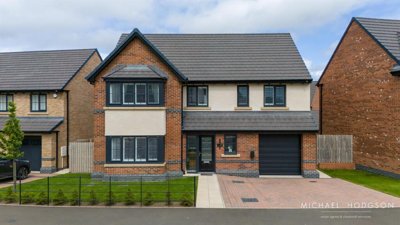
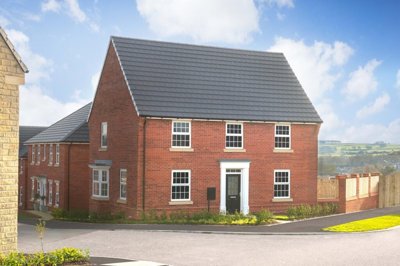
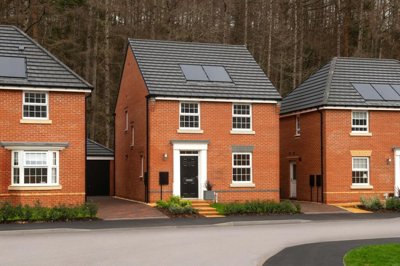
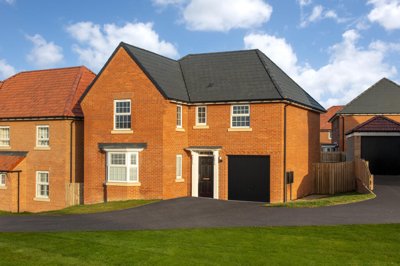
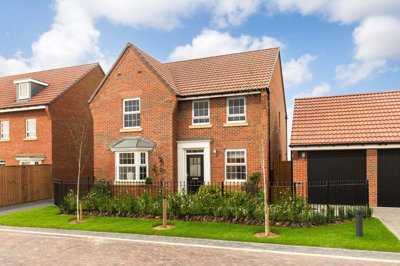
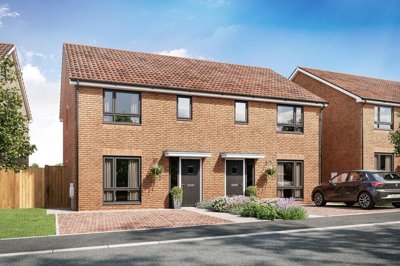
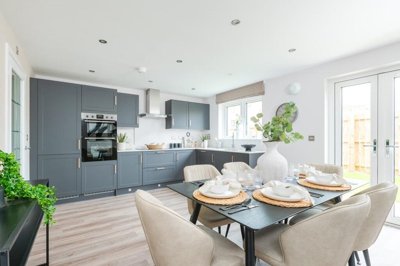
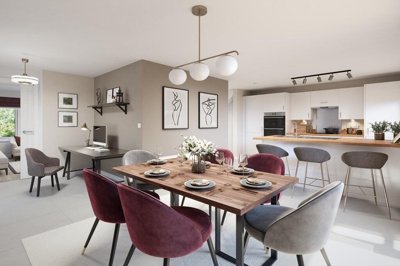
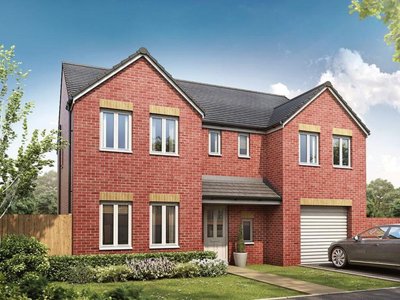
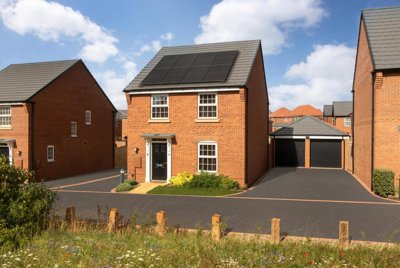
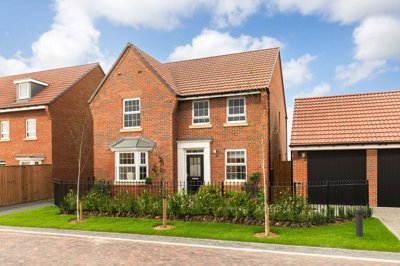
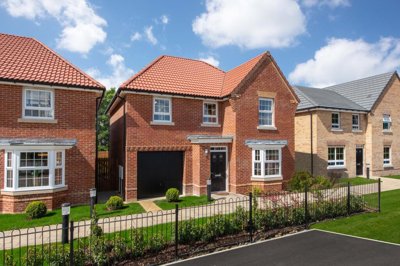
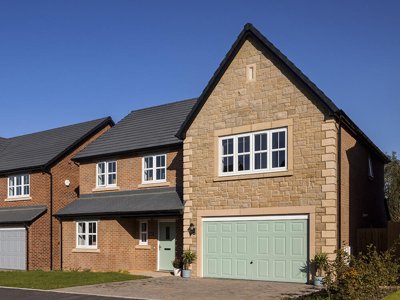
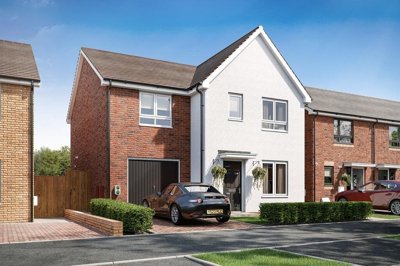
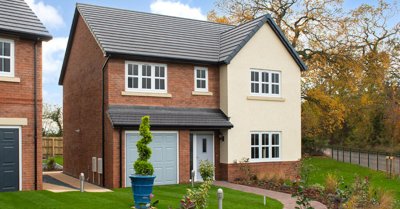
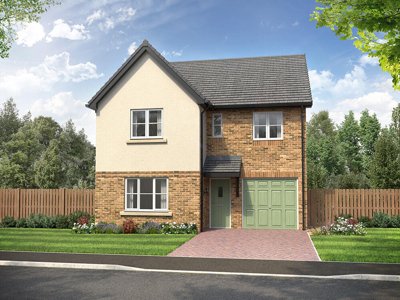
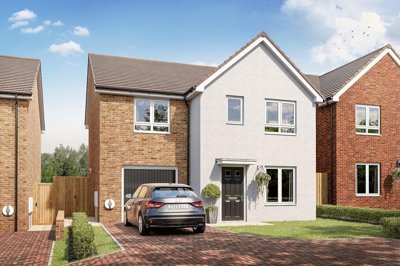
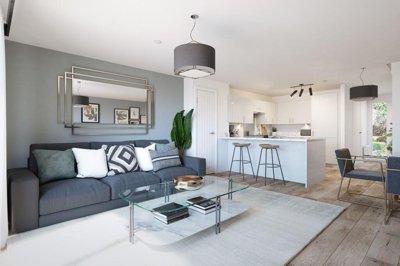
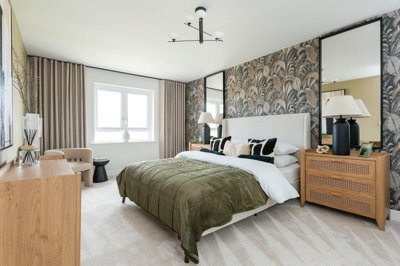
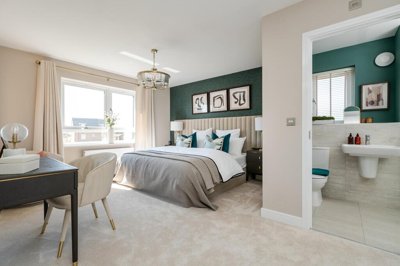
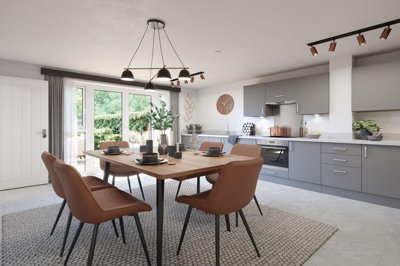
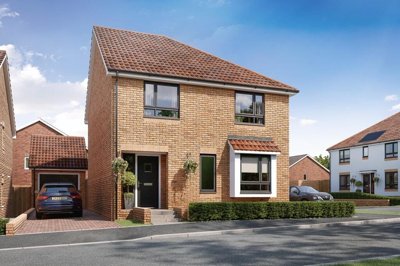
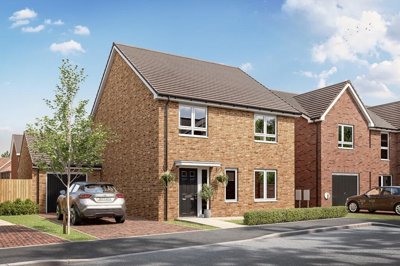
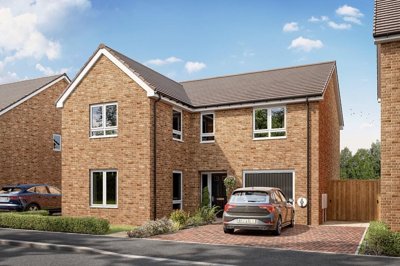
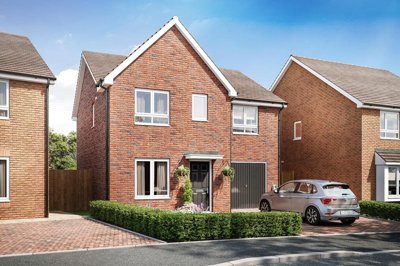
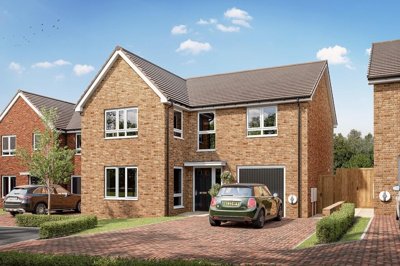
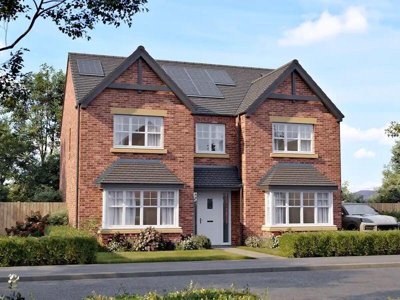
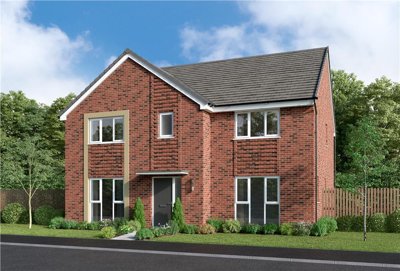
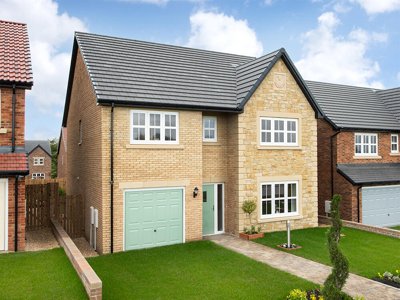
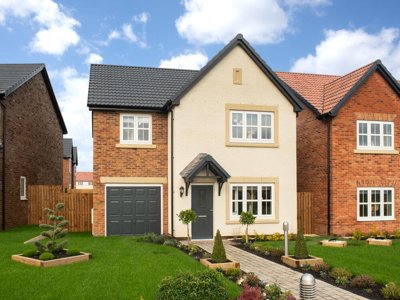
Browse 66 homes new builds in SR3 from local developer agents.
The SR3 property market offers detached, semi-detached, and terraced houses spanning various price ranges and neighbourhoods. Each listing includes detailed property information, photographs, and direct contact with the marketing agent.
£305k
178
27
107
Source: home.co.uk
Showing 178 results for Houses new builds in SR3. 27 new listings added this week. The median asking price is £304,998.
Source: home.co.uk
Detached
110 listings
Avg £366,475
Semi-Detached
54 listings
Avg £233,489
Terraced
14 listings
Avg £126,696
Source: home.co.uk
Source: home.co.uk
The SR3 market covers a wide spread of budgets and property styles. Detached homes sit at the top of the range, with average sales of £359,175 over the past twelve months. These family houses usually come with decent gardens and off-street parking, which suits buyers after extra room for growing families or home working. That higher figure is really down to how few detached properties there are in the area, alongside steady demand from families moving up from smaller homes.
Semi-detached houses make up the core of the SR3 housing stock, averaging £180,354. They also recorded the strongest annual price rise at 1.6% over the past year, which points to solid demand from buyers wanting a sensible balance of space and affordability. Terraced homes are the entry point here at £116,239 on average, so they appeal to first-time buyers and younger couples. Flats average £52,985, giving singles, couples, or investors a lower-cost option with rental appeal in this growing suburb.
For buyers after something new, the surrounding area has a useful mix of modern developments. Cherry Tree Park by Miller Homes offers 3, 4, and 5-bedroom homes from £199,995, while Persimmon Homes at South Fields has 2, 3, 4, and 5-bedroom properties from £169,995. Bellway’s Burdon Green development includes 3 and 4-bedroom homes from £209,995. All of these are close by in the bordering SR2 postcode, serving the wider Ryhope and Sunderland South area and giving SR3 buyers more choice when they want brand-new accommodation.
In SR3, the market has been edging upwards rather than jumping sharply, with prices up 1.5% over the past twelve months. That level of growth suggests a steady market, one where buyers can still move without the fierce competition seen in nearby areas. Because there is such a mix of property types, SR3 works for many different needs, from a compact flat for one person to a detached house for a growing family.

Several distinct neighbourhoods sit within the SR3 postcode, and each adds something different to Sunderland’s appeal. Ryhope village keeps much of its historic feel, with traditional buildings and a strong community spirit that draws buyers looking for period homes in a village setting. Grangetown has housing from a range of eras, so there is something for a wide spread of tastes and budgets. Over time, these communities have built up local amenities that make day-to-day life straightforward without a trip into the city centre.
Green space is another strength of the area. Local parks and open spaces give residents room for walks, family outings, and time outdoors close to home. With residential streets, local shops, and community facilities all in the same mix, everyday errands stay local. People often mention the friendly feel and the support of long-standing community networks, which is one reason SR3 works so well for families putting down roots.
Jobs across the wider Sunderland area play a big part in the SR3 market. Nissan Motor Manufacturing UK in Washington, Sunderland Royal Hospital, and the University of Sunderland all draw workers into the area. That steady employment base supports demand at every price level, since people want homes with decent transport links and practical access to work. Sunderland city centre also adds retail and service jobs, and it is easy to reach from SR3 without paying city-centre housing prices.
We often hear from buyers who choose SR3 because it gives them Sunderland living without the higher prices closer to the centre. The neighbourhoods here have grown into their own places over generations, with local events, community groups, and long-established facilities that help newcomers settle in quickly. It is that mix of affordability, community spirit, and everyday convenience that keeps SR3 on the radar for such a broad range of buyers.

Families moving to SR3 will find a decent spread of schools serving the area. Primary schools nearby provide early education for younger children, and many have positive Ofsted reports. Secondary schools in the wider Sunderland South area cater for the SR3 community too, with full curricula and extra-curricular activities. Parents should always check the catchment areas of specific homes, because admissions often give priority to residents within set boundaries.
The University of Sunderland adds another layer to the local education picture. Students there, or at nearby further education colleges, may find SR3 handy for getting to classes while keeping housing costs lower than in the city centre. It also gives the area a mixed demographic, with students, young professionals, and families all contributing to the feel of the place.
Before buying in SR3, we always suggest checking current school performance information and admissions arrangements directly with the schools or the local education authority. Ofsted ratings can change, and catchment boundaries may shift as well. Homes near good schools often attract stronger demand and higher prices, so early research matters for families who put education first. New developments nearby may fall into different catchments, so that needs checking before any offer goes in.
Our team regularly helps families moving to SR3 who place schooling near the top of their list. We suggest visiting schools in person and talking to parents already there, because that gives a clearer picture than figures alone. The journey to school, after-school clubs, and the general atmosphere can matter just as much as results when you are working out where a family will settle best.

Transport links are one of SR3’s real strengths, making commuting workable for people travelling across Sunderland and further afield. The A19 trunk road runs nearby, so Sunderland city centre, Newcastle, and the wider motorway network are all within reach. Many residents value being able to get to major employment centres, then return to quieter neighbourhoods with more space and better value than central areas. Regular bus services also run through the area, linking SR3 with Sunderland shopping centres, healthcare facilities, and entertainment spots.
Rail travel from Sunderland station opens up Newcastle, Durham, and beyond, which suits commuters working in larger cities but living in the more affordable SR3 area. The Tyne and Wear Metro extends the reach further still, with access to Newcastle city centre and Newcastle Airport. For many people, journey times to major employers stay competitive when set against higher-cost housing locations, so SR3 gives a useful trade-off between travel and value.
Roads within SR3 were built to serve settled residential neighbourhoods, so local shops, healthcare services, and leisure spaces are generally easy to reach. Parking varies by property type, with houses more likely to have off-street parking and flats often relying on on-street spaces. Being close to the coast and Sunderland city centre affects traffic flow too, and residents often say that peak hour congestion is noticeable on routes towards the city centre. Even so, transport links still support the area’s appeal for buyers with different commuting patterns.
Many of our buyers in SR3 are commuters who have found that moving a little further out of a city centre can make a meaningful difference to purchase prices. The transport links from SR3 keep the daily journey manageable, while the residential setting offers quality of life benefits that urban locations often struggle to match at the same price point.

We advise speaking to a mortgage broker and getting an agreement in principle before you start viewing. It puts you in a stronger position when you make an offer and shows sellers that finance is already lined up. Mortgage rates change, and a broker can point you towards the most competitive deal for your circumstances.
We use Homemove to compare the properties available in SR3, looking at prices across the different property types and neighbourhoods. Getting to grips with local price movement, including the 1.5% annual rise, makes it easier to spot fairly priced homes and identify the areas that fit your budget.
Book viewings for homes that fit what you need, and take the time to look at the neighbourhood, the nearby amenities, and the condition of the property itself. In SR3, we also suggest keeping an eye on the age of the housing and any possible mining legacy issues.
Commission a RICS Level 2 Survey before you complete. For a typical 3-bedroom semi-detached property in SR3, the fee is usually between £400 and £600. The report can pick up defects that crop up in local housing stock, including damp, roof issues, and possible mining-related subsidence.
Choose a solicitor who knows Sunderland property transactions and can handle the legal side of the purchase. They will carry out searches, go through the contracts, and work with your mortgage lender from start to finish.
Once the searches come back clean and finance is in place, contracts are exchanged and the deposit is paid. Completion usually follows within weeks, at which point the keys are handed over and the new SR3 home is yours.
Most properties in SR3 were built in brick, with slate or concrete tile roofs, using the kind of traditional methods seen across Sunderland. Cavity wall construction is common in homes from the early twentieth century onwards, while the oldest properties may have solid walls that need different insulation and maintenance. Knowing the construction type helps with planning repairs and spotting issues a survey may bring to light. A large part of the stock dates from the inter-war period through to the 1970s, so plenty of homes are now over fifty years old and show some age-related wear.
The geology around Sunderland, including SR3, is shaped by Permian rocks, mainly Magnesian Limestone over Coal Measures, with glacial till, or boulder clay, plus localised sand and gravel. Clay-rich glacial till can bring moderate shrink-swell risk, especially where trees are nearby and weather has been extreme. Our surveyors often note that foundations on clay soils need close attention, particularly where mature trees have altered soil moisture over decades. Homes close to established trees should be checked carefully for any movement that could affect structural stability.
This part of Sunderland, including areas of SR3, lies within a former coalfield with a history of mining activity. Deep mining has now stopped, but old mine workings can still leave a legacy of ground instability for buyers to think about. A Coal Authority Mining Report is strongly recommended before buying any SR3 property, because it shows whether the home sits above recorded mine workings. Where mining heritage is known, subsidence linked to historic underground operations can be an issue, and that risk should be clear before committing to the purchase. We always tell buyers to set aside money for this extra search, given the specific risks in this part of Sunderland.
In SR3, flood risk is mainly about surface water rather than rivers or the coast, because the area is not directly next to major watercourses or the shoreline. During heavy rainfall, low-lying spots or places with drainage limits can see water build up on the surface. When viewing, ask about any past flooding and look at the drainage around the home. Gardens that slope towards the building, or homes in bowl-shaped topography, may need a closer look at how surface water is managed. Our inspectors check drainage channels, gutter systems, and ground levels to identify properties that may struggle in heavy rain.
Our inspectors often come across damp in SR3 homes, especially rising damp in solid-walled buildings and penetrating damp where pointing has worn away. Roof issues are also common, with slate and tile roofs often showing wear after forty or fifty years of use. We check flashings, gutters, and fascias on every survey, because those parts often need maintenance in older homes. Electrical systems in properties built before the 1980s can also need updating to meet current standards, and our surveyors will flag any concerns about wiring condition or consumer unit age.

The average property price in SR3 is £203,908 based on sales over the past twelve months. Prices vary quite a lot by type, with detached homes averaging £359,175, semi-detached properties at £180,354, terraced homes at £116,239, and flats at £52,985. Over the past year the market has risen by 1.5%, and terraced homes saw the strongest annual increase at 1.9%. That range means SR3 has something for most budgets, from lower-cost flats for first-time buyers through to larger family homes with gardens and off-street parking.
Properties in the SR3 postcode fall under Sunderland City Council for council tax. Bands run from A through to H, and most standard family homes in the area usually sit in bands A to C. The exact band depends on the assessed value of the property, and buyers can check the current banding through the Valuation Office Agency before they make an offer. Council tax should be included alongside the mortgage and upkeep when working out the full cost of owning in SR3.
SR3 is served by several primary and secondary schools across Ryhope, Grangetown, and the surrounding area. Parents should check Ofsted reports and government league tables for each school to narrow down the strongest choices for their children. Catchment areas can have a big effect on property prices, so families ought to verify which schools cover a particular address before buying. The University of Sunderland gives older students a higher education option nearby, and further education colleges in Sunderland provide vocational courses and apprenticeships for school leavers.
Bus services run regularly between SR3, Sunderland city centre, shopping facilities, and healthcare services. Sunderland railway station offers links to Newcastle, Durham, and the wider national rail network. The Tyne and Wear Metro runs from Sunderland to Newcastle city centre and Newcastle Airport. The nearby A19 gives road access to Sunderland and on to the motorway network for longer journeys. People commuting to Newcastle or Washington can usually get there within reasonable timeframes, while those working in Sunderland often enjoy especially short travel times.
SR3 has a few clear points of appeal for property investors. Average prices of £203,908 give a relatively accessible entry point compared with many UK areas, while the presence of Nissan, Sunderland Royal Hospital, and the University of Sunderland supports rental demand. The 1.5% rise over the past year points to stability rather than rapid gains. Investors will still want to think about tenant demand in individual neighbourhoods, the risk of void periods, and the maintenance costs that can come with homes needing updating. The rental market here is helped by commuting professionals, healthcare workers, and students looking for affordable accommodation away from Sunderland city centre.
For standard buyers, stamp duty starts at 0% on the first £250,000 of property value, then rises to 5% on amounts between £250,001 and £925,000. On the average SR3 property, which is £203,908, no stamp duty is due because the full price sits below the threshold. First-time buyers get relief on the first £425,000, so properties up to that value attract no stamp duty. Higher rates apply to second homes and investment purchases. As the average SR3 price sits below the standard threshold, most buyers here will not pay stamp duty, which keeps the overall purchase cost down compared with many other areas.
Anyone buying in SR3 should look closely at a few local risks. A Coal Authority Mining Report is essential because of historic coal mining in Sunderland, as it shows possible subsidence linked to old mine workings. Surface water flooding is the main flood concern, especially in lower-lying spots, so drainage and any history of flooding should be checked. Homes over fifty years old may need electrical rewiring, plumbing updates, or roof work. Buyers should also ask whether any nearby development could affect value or the feel of the neighbourhood. The area’s clay deposits can lead to foundation movement, particularly where trees have caused soil shrinkage, so older homes showing signs of movement or cracking are best assessed with a structural survey.
Buying in SR3 comes with costs beyond the purchase price, and buyers need to budget for them properly. Stamp duty land tax is a key point, although the average property price of £203,908 sits entirely within the 0% threshold for standard buyers, so no stamp duty would be due on an average-priced home in the area. First-time buyers also benefit from extra relief, with no stamp duty on the first £425,000 of property value. Homes priced above £250,000 will attract stamp duty at 5% on the amount above that level.
Survey costs also need to be counted, especially because so much of the SR3 stock is older. A RICS Level 2 Survey for a typical 3-bedroom semi-detached property in the area usually costs between £400 and £600. That spend is especially useful for homes over fifty years old, which make up a sizeable part of the local stock. Flats usually sit lower at £350-£550, while larger detached homes may be £500-£900 for more detailed surveys. These reports can flag the common local issues, including damp, roof condition concerns, and problems linked to historic mining.
Conveyancing in SR3 usually starts from £499 for standard purchases, with higher costs for leasehold homes, freehold properties with complications, or purchases involving mortgages. Buyers also need to allow for search fees, including the Coal Authority Mining Report recommended for every SR3 purchase, plus local authority and environmental searches. Those searches usually come to £250-£400 depending on the provider. It is also sensible to set aside another £200-£500 for mortgage arrangement fees, valuation costs, and lender charges. In total, buyers should expect around £1,500-£2,500 in professional fees and searches when buying in SR3.
We always advise buyers in SR3 to count all related costs before they commit to a purchase. The positive side is that the area’s average property price means many homes fall below stamp duty thresholds, which keeps upfront costs lower than in higher-value places. Our team can talk through typical survey costs for different property types and point out the searches that matter most because of SR3’s mining history and local geology.

Properties New Builds In London

Properties New Builds In Plymouth

Properties New Builds In Liverpool

Properties New Builds In Glasgow

Properties New Builds In Sheffield

Properties New Builds In Edinburgh

Properties New Builds In Coventry

Properties New Builds In Bradford

Properties New Builds In Manchester

Properties New Builds In Birmingham

Properties New Builds In Bristol

Properties New Builds In Oxford

Properties New Builds In Leicester

Properties New Builds In Newcastle

Properties New Builds In Leeds

Properties New Builds In Southampton

Properties New Builds In Cardiff

Properties New Builds In Nottingham

Properties New Builds In Norwich

Properties New Builds In Brighton

Properties New Builds In Derby

Properties New Builds In Portsmouth

Properties New Builds In Northampton

Properties New Builds In Milton Keynes

Properties New Builds In Bournemouth

Properties New Builds In Bolton

Properties New Builds In Swansea

Properties New Builds In Swindon

Properties New Builds In Peterborough

Properties New Builds In Wolverhampton

Enter your details to see if this property is within your budget.
Loans, cards, car finance
Estimated property budget
Borrowing + deposit
You could borrow between
Typical borrowing
Monthly repayment
Est. at 4.5%
Loan-to-value
This is an estimate only. Your actual budget may vary depending on interest rates, credit history, and personal circumstances. For an accurate affordability assessment, speak to one of our free mortgage advisors.
This calculator provides estimates for illustrative purposes only and does not constitute financial advice. Your home may be repossessed if you do not keep up repayments on your mortgage. Estimates based on 4.5% interest rate, repayment mortgage. Actual rates depend on your circumstances.
Homemove is a trading name of HM Haus Group Ltd (Company No. 13873779, registered in England & Wales). Homemove Mortgages Ltd (Company No. 15947693) is an Appointed Representative of TMG Direct Limited, trading as TMG Mortgage Network, which is authorised and regulated by the Financial Conduct Authority (FRN 786245). Homemove Mortgages Ltd is entered on the FCA Register as an Appointed Representative (FRN 1022429). You can check registrations at NewRegister or by calling 0800 111 6768.

We use cookies to show you personalised content and improve your experience of our website. Find out more in our Privacy policy and Cookie policy.