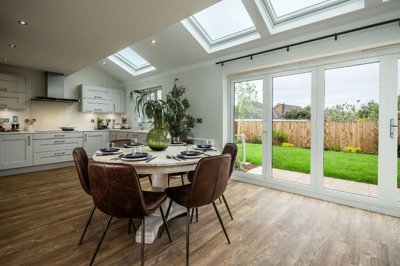
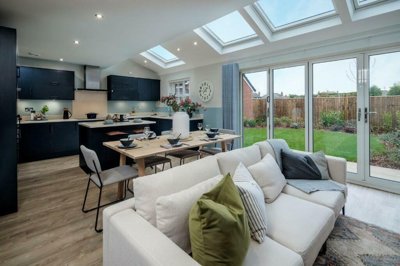
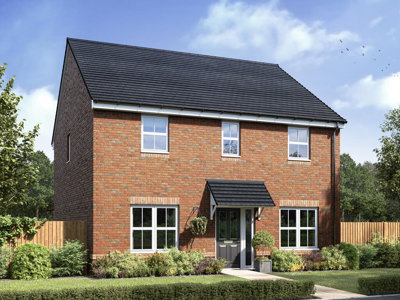
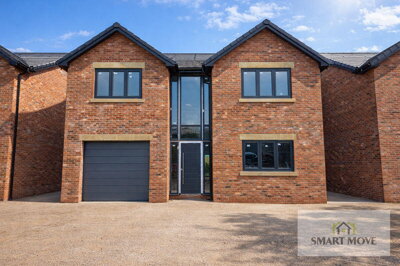
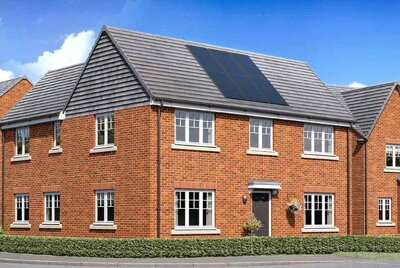
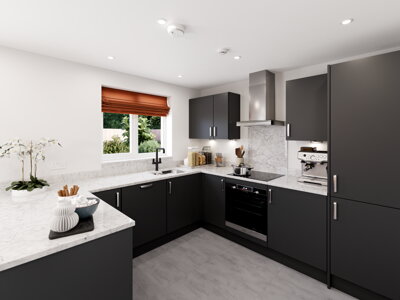
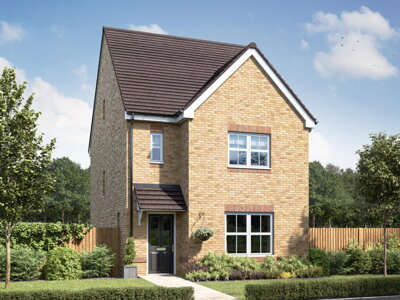
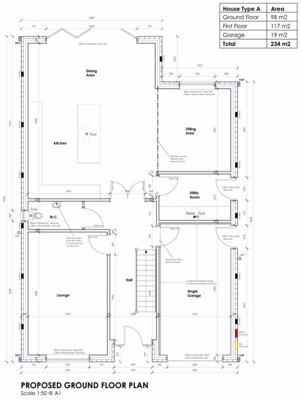
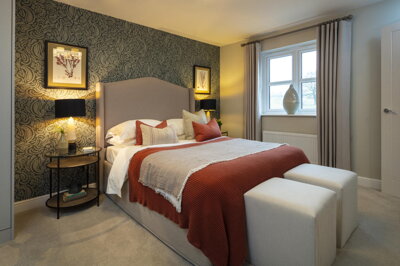
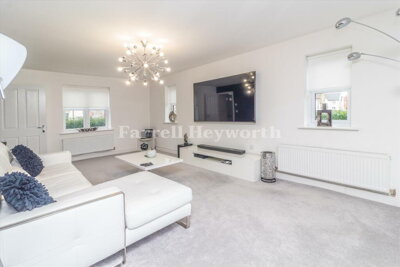
Browse 10 homes new builds in PR1 from local developer agents.
The larger property sector typically features multiple bathrooms, substantial reception space, and private gardens or off-street parking. Four bedroom houses in PR1 span detached, semi-detached, and occasionally terraced configurations, with styles ranging from period properties to modern executive homes.
£375k
40
3
134
Source: home.co.uk
Showing 40 results for 4 Bedroom Houses new builds in PR1. 3 new listings added this week. The median asking price is £375,000.
Source: home.co.uk
Detached
27 listings
Avg £472,042
Terraced
7 listings
Avg £200,499
Semi-Detached
6 listings
Avg £530,833
Source: home.co.uk
Source: home.co.uk
homedata.co.uk shows a wide spread in PR1 sale values over the last year, with detached homes averaging £345,166, semi-detached homes £207,129 and terraced homes £128,948. That points to a market where PR1 can still offer a lower-cost way into Preston, while leaving room for buyers trading up into family housing. Flats are less uniform, and in PR1 7 the average has been £205,000, which is a reminder that the exact spot can shift the numbers sharply. Buyers looking now are not dealing with a runaway boom, so taking time to compare properly is sensible.
There is useful context in the sales volume as well. Preston city recorded 1,400 property sales in the last 12 months, down by 18.0% or 327 transactions, while the wider PR1-PR2 area saw 467 transactions. Even with that drop, there is still a solid level of movement, particularly for terraces and flats where turnover is often stronger. Clear active new-build figures for PR1 are harder to pin down, so many buyers will find the broadest choice in established streets, conversions and period stock, not in big estate-style schemes.

In 2024, PR1 and the wider Preston area had about 39,000 residents, and annual growth of around 1.5% keeps fresh demand coming through. The same area is home to 1,034 businesses, which helps explain the regular weekday pace around the centre. Much of the housing stock is terraced, and the look of the area is usually red brick, slate or concrete tile roofs, with the odd rendered frontage mixed in. It gives PR1 a recognisably North West urban feel, not a suburban one.
UCLan, Royal Preston Hospital and the wider mix of professional, retail, healthcare and education jobs all feed demand here. That steady flow of students and NHS staff keeps the rental market active, which matters if buyers may want a broad lettings audience later. Day to day, PR1 puts you close to the River Ribble corridor, central shops, cafés and ordinary services, so many errands do not call for a long drive. For movers after convenience and a central base, it feels lively, practical and easy to get to grips with.
The University of Central Lancashire is the main education anchor in PR1, and its presence shapes both the atmosphere and the local housing market. Where a university is nearby, there is usually better support for cafés, transport links, services and a healthy mix of renters, staff and graduate demand. Family buyers still need to check primary and secondary catchments with care, because central Preston addresses can fall into different admission zones even when they are only a few streets apart. A postcode-level check tells you far more than broad assumptions about the area.
For buyers with children, school places need to be weighed up at the same time as house prices, not once an offer is already in. Lancashire County Council admissions rules and Ofsted reports should sit in the research file for any address you are seriously considering, especially if you need a particular year group. PR1 can suit households wanting an urban setting with a strong education presence close by, but the right fit comes down to the exact street and the routine of the school run. We always recommend sorting a mortgage agreement in principle before viewings begin, so the school search stays grounded in realistic price bands.

One of PR1’s clearest selling points is Preston railway station. It gives buyers an easy route across Lancashire and further afield, with fast services to Manchester, Liverpool and London. That makes the postcode attractive to people balancing local work with wider regional travel, and it also helps the lettings market because many tenants want a walkable trip to the platform. If commuting is a big part of the move, measure the real walking time from the station to the front door, not just the postcode on paper.
Drivers are well served too, thanks to the M6, M61 and M65 and their straightforward links into the wider North West. The trade-off is that central streets can feel busier than outer suburbs, so parking deserves a careful look during viewings, especially on routes used by the university and hospital. Bus services are strongest nearer the centre, which helps buyers who do not want a car to be essential for every journey. Cycling can work well for shorter hops as well, particularly between PR1, the station, the university and nearby employment hubs.
Put together, the rail, road and bus links make PR1 one of the more adaptable postcodes in Preston. That often suits hybrid workers, who may only need to commute a few days each week and do not want a long daily drive hanging over them. We find viewings are more revealing when buyers test the route at the time they would actually travel, because traffic flow, road noise and parking pressure can feel very different at midday and at rush hour. Permit zones and bus frequency sound minor, but they can shape daily life just as much as the layout of the home.
Start with PR1 prices by property type, then work out what is genuinely realistic for a terrace, flat, semi-detached or detached home.
Before booking viewings, get a mortgage agreement in principle in place so you can act quickly when the right property comes up.
Try comparing quieter residential roads with busier central spots, then decide if period stock, flats or family homes feel like the better fit.
Go back at different times of day. Check parking, try the transport links, and pay attention to noise, traffic and the nearby amenities.
After your offer is accepted, appoint a conveyancer and arrange a RICS Level 2 Survey for most standard PR1 homes, or a Level 3 report if the property is older or more unusual.
Keep the mortgage offer, search results and fixtures paperwork organised so completion can go ahead smoothly on the agreed date.
PR1 has a lot of older terraces, so the state of the building matters every bit as much as the address. On viewings, it is worth watching for damp, roof wear, outdated electrics and tired plumbing, especially where a house has been extended or altered over the years. Traditional brick and slate construction is common across many streets, and a sensible survey can stop expensive surprises surfacing later. For most standard homes, a RICS Level 2 Survey is a sensible first move, while anything less typical may need a more detailed report.
Flood risk is worth checking with care, especially near the River Ribble or in built-up spots where surface water can gather after heavy rain. The supplied research did not confirm specific flood hotspots, so the Environment Agency map should always be checked before an offer goes in. The same research also did not clearly identify conservation areas or listed buildings, so the local council is the right place to confirm any planning restrictions before you commit. And if the purchase is a flat, read the lease, service charge and ground rent position closely, because those costs can alter the true monthly budget far more than the headline asking price suggests.
Because newer homes are less common here than traditional terraces, buyers often need to read the building itself carefully. Signs of past movement, uneven floors, weak ventilation and patch repairs to the roof all matter in older city properties. In central Preston, parking and storage can be just as decisive because space is usually tighter than it is in the outer suburbs. A place that looks cheap on paper can quickly stop looking cheap if it comes with major work, an expensive lease or a long upgrade list.
Over the last year, homedata.co.uk records show an average house price of £181,177 in PR1. Detached homes averaged £345,166, semi-detached homes £207,129 and terraced homes £128,948, so there is a fairly broad spread across different budgets. Prices were around 1% down on the previous year, which points to a steadier market rather than a sharp upward jump. When comparing homes, it helps to judge the street and the property type as well as the postcode itself.
Council tax in PR1 depends on the property, its size and its valuation, and Preston City Council is the authority to check for the exact band. Smaller terraces and flats often sit in the lower bands, while larger houses usually fall higher up the scale. Before making an offer, the quickest approach is to check the specific address. It matters, because council tax can shift the real monthly cost of living in a home.
The supplied research points to the University of Central Lancashire rather than giving a verified list of named primaries or secondaries, so each address needs checking on its own merits. Lancashire County Council admissions maps and Ofsted reports are the best places to confirm which schools are a realistic option for your family. In central Preston, catchment differences can change from one road to the next, which makes postcode-wide assumptions risky. If schools are high on the list, compare the home, the route to school and the admissions rules together.
For commuting, PR1 is in a strong position. Preston railway station is nearby and connects the city to regional and national routes, with fast trains to Manchester, Liverpool and London, while local bus services give solid access around the centre and towards the hospital and university districts. That flexibility suits buyers working hybrid patterns or travelling across the North West. Parking can be tighter on central streets, so it is worth finding out how realistic car-free daily life would be.
Investors often look at PR1 because demand is backed by UCLan, Royal Preston Hospital and the wider education and healthcare economy. Well-placed flats and terraced homes usually appeal to the broadest tenant pool, particularly when they sit close to transport links and everyday amenities. Students, NHS staff and central workers all help support rental demand, which gives the area a practical advantage. Even so, service charges, lease terms, EPC ratings and letting rules still need checking before you buy.
Stamp duty is set by the price paid rather than the postcode, but PR1’s average sold price of £181,177 is below the current £250,000 threshold for standard buyers. Under the 2024-25 rules, that means a buyer paying the average PR1 price would face no SDLT, while a detached home at £345,166 would be taxed on the portion above £250,000. First-time buyers get 0% up to £425,000, so plenty of PR1 purchases will sit inside that relief band. Before exchange, a solicitor should calculate the exact figure for the offer in front of you.
Sales in PR1 are led by terraced homes, though semi-detached houses, detached homes and flats all appear in the mix. homedata.co.uk records show 256 terraced transactions, 98 semi-detached sales and 21 detached sales across PR1-PR2 in the last 12 months, which says a lot about the pull of central period stock. Flats can suit buyers after lower maintenance and a city-centre way of living. Detached homes are rarer and usually occupy the upper end of the local price range.
PR1 follows the national 2024-25 stamp duty rules. Standard buyers pay 0% up to £250,000, 5% from £250,000 to £925,000, 10% from £925,000 to £1.5 million and 12% above that. First-time buyers pay 0% up to £425,000, then 5% from £425,000 to £625,000, with no relief above £625,000. So at the PR1 average price of £181,177, a buyer would pay no stamp duty at all. Even a good number of semi-detached homes here stay below the main threshold, which helps keep entry costs lower than in pricier parts of the North West.
At PR1’s average detached price of £345,166, a standard buyer would face a stamp duty bill of £4,758.30, because only the slice above £250,000 falls into the 5% band. A first-time buyer purchasing that same home would currently pay no SDLT, since £345,166 sits within the first-time buyer relief band. The move-in budget also needs room for legal fees, survey costs, mortgage arrangement fees and a bit extra for removals or repairs. We recommend going through the numbers line by line before you offer, because those extras can turn a purchase that looks comfortable into one that feels stretched.
Buying costs are easier to handle when the numbers are clear early on. A mortgage agreement in principle, a survey and a solicitor quote will give you a firmer view of what you can afford, and they leave you better placed to move quickly when the right PR1 home appears. If you are weighing up a terrace against a flat, remember that leasehold service charges and ground rent can outweigh a lower asking price. The best-value purchase is rarely just the cheapest headline figure, it is the home that still works once the full monthly budget and all the bills are added together.
Properties New Builds In London

Properties New Builds In Plymouth

Properties New Builds In Liverpool

Properties New Builds In Glasgow

Properties New Builds In Sheffield

Properties New Builds In Edinburgh

Properties New Builds In Coventry

Properties New Builds In Bradford

Properties New Builds In Manchester

Properties New Builds In Birmingham

Properties New Builds In Bristol

Properties New Builds In Oxford

Properties New Builds In Leicester

Properties New Builds In Newcastle

Properties New Builds In Leeds

Properties New Builds In Southampton

Properties New Builds In Cardiff

Properties New Builds In Nottingham

Properties New Builds In Norwich

Properties New Builds In Brighton

Properties New Builds In Derby

Properties New Builds In Portsmouth

Properties New Builds In Northampton

Properties New Builds In Milton Keynes

Properties New Builds In Bournemouth

Properties New Builds In Bolton

Properties New Builds In Swansea

Properties New Builds In Swindon

Properties New Builds In Peterborough

Properties New Builds In Wolverhampton

Enter your details to see if this property is within your budget.
Loans, cards, car finance
Estimated property budget
Borrowing + deposit
You could borrow between
Typical borrowing
Monthly repayment
Est. at 4.5%
Loan-to-value
This is an estimate only. Your actual budget may vary depending on interest rates, credit history, and personal circumstances. For an accurate affordability assessment, speak to one of our free mortgage advisors.
This calculator provides estimates for illustrative purposes only and does not constitute financial advice. Your home may be repossessed if you do not keep up repayments on your mortgage. Estimates based on 4.5% interest rate, repayment mortgage. Actual rates depend on your circumstances.
Homemove is a trading name of HM Haus Group Ltd (Company No. 13873779, registered in England & Wales). Homemove Mortgages Ltd (Company No. 15947693) is an Appointed Representative of TMG Direct Limited, trading as TMG Mortgage Network, which is authorised and regulated by the Financial Conduct Authority (FRN 786245). Homemove Mortgages Ltd is entered on the FCA Register as an Appointed Representative (FRN 1022429). You can check registrations at NewRegister or by calling 0800 111 6768.

We use cookies to show you personalised content and improve your experience of our website. Find out more in our Privacy policy and Cookie policy.