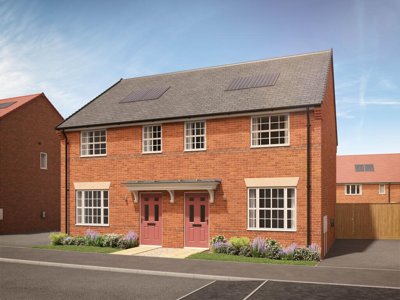
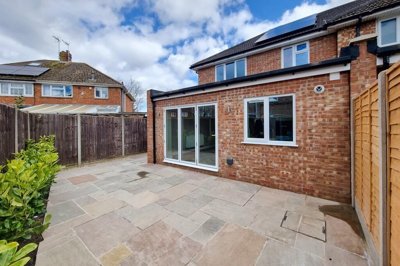
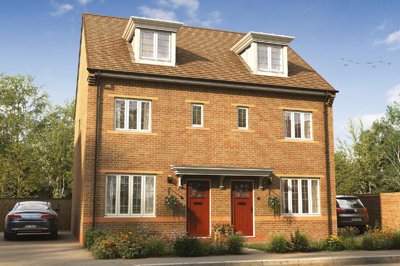
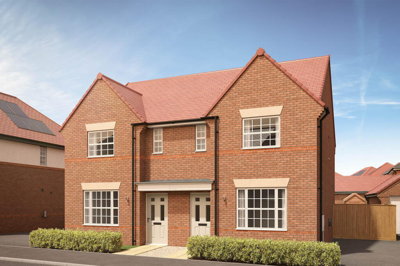
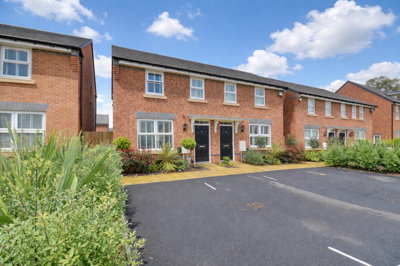
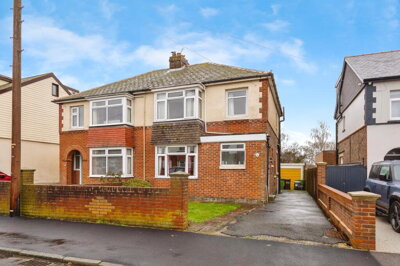
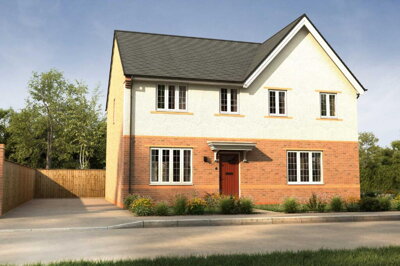
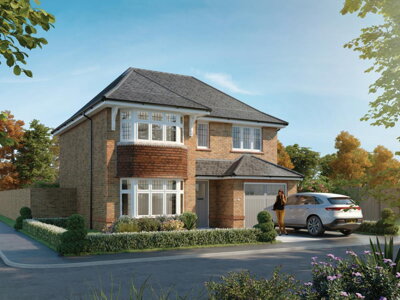
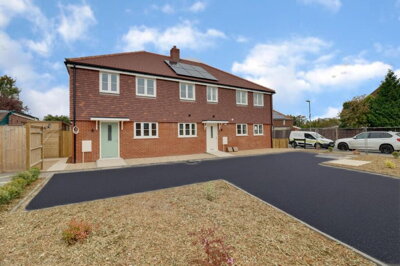
Browse 9 homes new builds in PO7 from local developer agents.
Three bedroom properties represent a significant portion of the PO7 housing market, offering space for families with multiple reception rooms and gardens in many cases. Browse detached, semi-detached, and terraced options ranging across new residential developments.
£375k
73
5
94
Source: home.co.uk
Showing 73 results for 3 Bedroom Houses new builds in PO7. 5 new listings added this week. The median asking price is £375,000.
Source: home.co.uk
Semi-Detached
39 listings
Avg £366,090
Detached
21 listings
Avg £488,333
Terraced
13 listings
Avg £288,000
Source: home.co.uk
Source: home.co.uk
PO7's property market spans everything from flats to detached homes, and the price spread is wide. Detached houses sit at the top of the range, averaging £592,460, a reflection of the demand for larger rooms, private gardens, and the family-friendly feel that defines this suburban patch. Semi-detached homes, which make up the biggest slice of the stock at 36.3%, average £373,672 and give families solid value without the premium attached to detached property. Terraced homes begin at around £302,609, while flats are the most approachable way into the local market at roughly £162,968, so both first-time buyers and investors keep a close eye on them.
New build activity is still reshaping the area, with several sizeable schemes bringing modern homes to PO7. Berewood Green by Bovis Homes and the neighbouring Berewood development by Taylor Wimpey, both off Hambledon Road in the PO7 3BE postcode area, offer 2, 3, 4, and 5 bedroom homes priced from £300,000 to over £600,000. Those projects have turned former agricultural land into a busy new neighbourhood, with contemporary build quality, energy-efficient specifications, and the security of manufacturer warranties. Wellington Park by Barratt Homes in the PO7 7FG postcode area gives buyers another route in, with 2, 3, and 4 bedroom homes from approximately £280,000 to £500,000, which suits those who want modern layouts and less upkeep.
Prices in PO7 have risen steadily across the board, with detached, semi-detached, terraced, and flat categories each recording around 2.02% growth over the past 12 months. That kind of performance points to the area’s basics, transport links, school provision, and the pull of housing that is still more affordable than in the neighbouring cities. From a period property with original features to a brand-new home with modern insulation and specifications, there is genuine choice here at a range of price points.

Waterlooville and the wider PO7 postcode area work as a busy suburban centre for around 65,000 residents living in roughly 26,000 households. It balances everyday convenience with access to Hampshire countryside, including the South Downs National Park, which is only a short drive to the north. The town centre has a full range of shopping, with Wellington Retail Park bringing major chains together with independent retailers, while places such as Hambledon and Clanfield keep a stronger village identity, with historic buildings, traditional pubs serving local ales, and community events all year, including summer fetes and autumn fairs.
Day-to-day life in PO7 is well served without needing trips into larger cities. GP surgeries, dental practices, and pharmacies are spread through the area, while leisure choices include swimming pools, fitness centres, and sports clubs covering football, cricket, yoga, and martial arts. Grocery shopping is simple too, with supermarkets including Tesco Extra on Hambledon Road and Asda superstore close at hand. Food and drink options run from pub grub to more contemporary places, and regulars speak well of The Red Leopard in Clanfield and the independents along the London Road corridor.
The local housing stock tells the story of PO7 moving from agricultural settlement to suburban community. There are properties from several construction periods, with pre-1919 homes concentrated in original village centres, often with thicker walls, solid construction, and period details such as sash windows and fireplaces. The post-war years from 1945 to 1980 brought major growth, and semi-detached houses built in cavity wall brick became the dominant type. Newer homes use modern methods, including timber frame elements, better insulation standards, and open-plan layouts. Traditional brick cavity wall construction dominates the post-1930s stock, while rendered finishes and clay or concrete tile roofs are common right across the area.

Families are well catered for in PO7, from nursery age right through to further education, which helps explain why Waterlooville is so popular with buyers who have children. The area has multiple primary schools serving different catchments, and several hold good or outstanding Ofsted ratings. Schools serving PO7 include Queen's Inclosure Primary and Purbrook Park Primary in Waterlooville itself, alongside Clanfield Primary School and St. George's Primary in the surrounding villages. Many parents say school quality is a major reason for buying here, and the strong demand for family-sized homes reflects that priority.
At secondary level, the area offers both all-ability schools for local catchments and grammar school provision for academically selective pupils. Purbrook High School and Horndean Technology College serve parts of the PO7 postcode, while some families also look at nearby grammar schools such as Portsmouth Grammar School and King's Rochester, though those need the 11-plus and may mean longer journeys. Reliable school options make Waterlooville attractive to families, and that is backed up by steady demand for three and four-bedroom homes that suit growing households.
For older students, sixth form places are available at secondary schools in the area, and Portsmouth and Southampton both offer broad further and higher education provision. Havant College provides A-levels and vocational courses for students from PO7 and beyond. The University of Portsmouth and the University of Southampton are both within commuting reach, with undergraduate and postgraduate study across a wide range of subjects. We always advise checking school catchments before buying in PO7, because admission policies follow geographic boundaries and can change, and popular schools fill quickly, sometimes meaning a move within the same area is needed.

Commuting from PO7 is straightforward for people working in Portsmouth, Southampton, Winchester, or London. The area sits close to the A3(M), which gives direct access to Guildford and links into the wider motorway network through the M25 for travel to London and beyond. Driving to Portsmouth city centre usually takes about 20-30 minutes, while Southampton is around 35-40 minutes away depending on traffic. That makes PO7 appealing to commuters who want more affordable housing while keeping access to major south coast employment centres.
Bus routes connect Waterlooville with Portsmouth, Havant, and the surrounding villages at regular times through the day. Stagecoach runs several services through the area, with links into Portsmouth city centre, Gunwharf Quays shopping complex, and Portsmouth Harbour station. For rail travel, Havant and Bedhampton are the nearest stations, with regular trains to Portsmouth, Southampton, Brighton, and London Victoria. Journeys to the capital usually take around 1 hour 45 minutes from Havant, so day commuting to London is realistic for people working there, especially if they want to use the train time productively.
For air travel, Southampton Airport offers domestic and European flights, while Portsmouth's ferry terminals provide links to the continent for people travelling to France, Spain, and other destinations. Cycling is getting easier too, with off-road routes linking residential areas to town centres and employment zones, so shorter journeys can be done without the car. Between road, rail, bus, air, and ferry links, PO7 residents have real flexibility over how they travel for work, study, and leisure, which is a marked contrast to more rural places.

Surveying PO7 homes often brings the same themes to light. A large share of the housing stock dates from the post-war expansion period and later, and many properties are over 50 years old, so damp is a regular issue, from rising damp on ground floor walls to penetrating damp where render is damaged or pointing has deteriorated. Our inspectors also pick up condensation-related problems in older homes with poor ventilation, especially in kitchens and bathrooms where moisture levels are highest.
Roof condition is another regular concern, particularly on houses over 40-50 years old. Wear and tear on coverings, defective flashings, and guttering problems show up often, and tiles may have become brittle or cracked through frost damage, while lead flashings around chimneys and valleys can break down over time. Checking the roof covering should be a key part of any purchase, because replacement can be costly, with a simple re-roof starting at £5,000 and a detached property needing complete covering replacement at £15,000 or more.
The local geology is made up of clay-rich soils from the Lambeth Group and Thanet Formation, and that brings a moderate to high shrink-swell potential. Properties with mature trees nearby, or homes on shallow foundations, can be vulnerable to subsidence or heave, especially after prolonged drought followed by heavy rainfall. Our inspectors look closely for signs of movement, including diagonal cracking from the corners of windows and doors, doors and windows that become stiff to open or close, and rippling wallpaper without obvious damp. Any of those signs need proper investigation before purchase moves ahead.
Electrical and plumbing systems in older homes often need attention, and properties built before the 1980s frequently have wiring and fittings that no longer meet current standards. Consumer units may be missing modern circuit protection, earth bonding can be incomplete, and original wiring may be deteriorating. We also find asbestos-containing materials in properties built before 2000, commonly in textured coatings, insulation boards, and pipe lagging, so specialist assessment is needed if disturbance is planned. Budgeting for upgrades to electrical systems, heating, and insulation is an important part of buying older PO7 property.
Spend time in different parts of PO7, from Waterlooville town centre to villages like Clanfield, Hambledon, and Cowplain. Look at commute times to work, school catchments if children are involved, local amenities, and the character of each place. Drive or walk around at different times of day, including evenings and weekends, so you get a proper feel for the community, traffic flow, and any issues such as noise from nearby roads or commercial areas.
Before you start viewing, get a mortgage agreement in principle from a lender or broker. It shows how much can be borrowed and tells sellers that financing is already in hand. PO7's median price of £370,000 means many buyers will need a mortgage, and having that sorted gives you a better position when making offers, especially on homes drawing several bids.
Use Homemove to browse every available listing in PO7 and arrange viewings through the estate agents named on each property. We suggest taking notes on the condition of each home, marking any red flags, and comparing what you see against your needs for space, bedrooms, gardens, and parking. Aim to view at least 5-10 properties before choosing, and always go back for a second viewing before making an offer so you can check anything missed first time.
Once your offer has been accepted, book a Level 2 Homebuyer Report for the property. In PO7, surveys for a typical 3-bedroom semi-detached home usually cost between £450 and £700, while larger or more complex properties may go beyond £800. Given that at least 50-60% of the local housing stock is over 50 years old, a professional survey is vital to spot damp, roof problems, possible subsidence from clay soils, outdated electrics, or timber defects before you commit to the purchase.
Choose a solicitor or licensed conveyancer to deal with the legal side of the transaction. Our recommended firms carry out local authority searches, drainage and environmental checks, review the contract, handle Land Registry matters, and manage the transfer of funds. They should know Hampshire local authority requirements and any PO7-specific issues, including conservation area restrictions in parts of Hambledon village.
When the searches come back clean and your mortgage offer is confirmed, contracts are exchanged and you pay your deposit, usually 10% of the purchase price. Completion normally follows within 2-4 weeks, and then the keys to your new PO7 home are handed over. Your solicitor will work with your lender to draw down the mortgage funds and arrange registration of the title at HM Land Registry.
Flood risk in PO7 is usually low from rivers, as the area sits away from major watercourses and inland from coastal flooding concerns. Even so, surface water flooding can affect lower-lying spots and places with a lot of paving or hardstanding during heavy rainfall. We check drainage arrangements on plots and look for signs of previous flooding, such as water marks on walls or staining that points to damp penetration. Checking the flood risk rating on government flood maps gives useful background, and any home in a higher-risk zone deserves extra investigation of drainage and flood resilience measures.
In and around conservation areas, such as parts of Hambledon village which still has much of its historic character, extra planning restrictions may apply to alterations, extensions, or external changes. Conservation area consent is needed for certain works, including demolition of boundary walls and outbuildings, and permitted development rights may be more limited than in non-designated areas. Listed buildings across PO7 need listed building consent for many works, and specialist surveys may be needed to assess condition, understand maintenance obligations, and budget for the higher costs of maintaining period features to the right standard.
Knowing the materials used in PO7 properties helps when weighing up maintenance and repair needs. Traditional brick construction with cavity wall methods dominates the post-1930s stock, while solid brick walls are more common in older homes built before cavity wall insulation became standard practice. Rendered finishes are seen throughout the area, especially on newer properties and some period homes, and they can hide underlying issues if they are not properly maintained. Clay or concrete tile roofs are standard across PO7, with concrete tiles more common on post-war properties and clay tiles often found on older and more prestigious buildings. That kind of detail helps when planning upkeep and deciding when specialist contractors are needed.

The average house price in PO7 stands at £402,233 as of early 2026, based on 12-month sales data compiled from official sources. Prices vary sharply by type, with detached homes averaging £592,460, reflecting the premium for generous space and gardens, semi-detached properties averaging £373,672, terraced homes around £302,609, and flats at approximately £162,968, which is the most accessible entry point to the local market. The market has also recorded 2.12% growth over the past year, with 574 properties sold in the postcode area during that time.
For council tax, PO7 falls under Havant Borough Council. Bands run from A through H, and most homes in the area sit in bands B to D for typical houses, with larger detached properties potentially in E. The exact band is based on the property's assessed value as at April 1991, and buyers can check the Valuation Office Agency website for a specific property using the address or council tax reference number. Those bands set the annual council tax charge, which in Havant borough pays for local services including refuse collection, road maintenance, street lighting, and community facilities.
Waterlooville and PO7 have education options at every stage, with several primary schools in the area earning good or outstanding Ofsted ratings. Schools serving PO7 include St. George's Primary in the south, Queen's Inclosure Primary in the town centre, and Clanfield Primary School for village families, among others. Secondary provision covers both all-ability schools for local catchments and grammar school choices for academically selective pupils, and some families also look at independent schools in the wider area. When buying in PO7, checking school catchments is essential, because admission policies are tied to geographic proximity and popular schools can fill quickly.
PO7 has good public transport links even though it is mainly suburban and the car has historically shaped local planning. Bus services run by Stagecoach and other operators connect Waterlooville with Portsmouth, Havant, and the surrounding villages at regular intervals, with routes along London Road, Hambledon Road, and through the town centre. Havant railway station, which can be reached by bus or a short drive, has services to Portsmouth, Southampton, Brighton, and London Victoria, and the fastest trains reach the capital in about 1 hour 45 minutes, so commuting to the city is feasible.
For property investment, PO7 has several points in its favour, starting with annual price growth of 2.12%, which points to consistent buyer demand. The housing stock is varied, so investors can choose from affordable flats at approximately £162,968 for first-time buyers or rental investment, through family-sized semis and terraces, to premium detached homes averaging £592,460. New build schemes still draw buyers who want modern specifications and warranty protection, while period homes appeal to those after character and village settings. Close links to Portsmouth and Southampton, along with prices that are still lower than in those cities, support rental demand from commuters and professionals.
For standard residential purchases, stamp duty land tax starts at 0% on the first £250,000 of value, then moves to 5% on amounts between £250,001 and £925,000, 10% on values from £925,001 to £1.5 million, and 12% on anything above that. First-time buyers get higher thresholds, paying 0% up to £425,000 and 5% between £425,001 and £625,000, provided the conditions are met, including never having owned property anywhere in the world. On a typical PO7 property at the median price of £370,000, a first-time buyer would pay zero stamp duty, while a later buyer would pay around £6,000, worked out as 5% on the amount above £250,000.
There are several conservation areas and listed buildings within the PO7 postcode area, especially in the older parts of the district. Hambledon village has a designated conservation area that protects its distinct character, historic buildings, and traditional street pattern. Listed buildings in PO7 include churches, farmhouses, and older residential properties from different periods, with examples ranging from medieval timber-framed buildings to Georgian and Victorian homes. Properties in conservation areas face extra planning considerations, including limits on alterations and extensions, while listed buildings need consent for many works and may call for specialist maintenance to proper conservation standards.
The main risks when buying older PO7 homes come from the age and condition of much of the stock, which dates from the post-war expansion period onwards. Surveys often uncover damp affecting walls and floors, deterioration of roof coverings and flashings, possible subsidence from the clay-rich soils in parts of the area, outdated electrical systems that need upgrading to current standards, and timber defects including woodworm and wet or dry rot. Properties built before 2000 may also contain asbestos-containing materials that need specialist handling during renovation. A thorough RICS survey before purchase helps identify and price these issues, so you can negotiate with the seller or walk away before committing to a home with hidden problems.
Getting a clear picture of the full costs of buying in PO7 helps with budgeting and keeps financial surprises to a minimum during the transaction. Beyond the purchase price itself, the biggest extra cost is stamp duty land tax, which applies to all purchases above set thresholds. For a home bought at the PO7 median price of £370,000, a first-time buyer would pay zero stamp duty under current thresholds, because the full value sits below the £425,000 first-time buyer relief limit. Other buyers would pay around £6,000, calculated as 5% on the £120,000 above the £250,000 nil-rate band. Homes priced above £925,000 attract higher rates, so buyers at the top end of the PO7 market should budget carefully and seek specific advice.
Other buying costs include mortgage arrangement fees, usually between £0 and £2,000 depending on the lender and the deal chosen, and some lenders offer cashback or fee-free mortgages that may offset those charges. Valuation fees vary with property value and lender requirements, and survey fees for a RICS Level 2 Homebuyer Report on a typical 3-bedroom semi-detached home in PO7 cost between £450 and £700, while larger or more complex properties may exceed £800. Conveyancing fees for legal work usually start at around £499 for straightforward transactions, but they rise for leasehold homes, cases with complications, or higher-value purchases where more detailed due diligence is needed.
Local authority searches, drainage and environmental checks, and environmental data searches typically come to £250-£400 in total, covering matters such as planning history, road schemes, contaminated land, and water and drainage arrangements. Buildings insurance must be in place from exchange of contracts and usually costs between £200 and £600 a year for a standard house, with premiums affected by property value, construction type, and postcode risk factors. We also advise setting aside money for moving costs, any furniture needed for larger homes, and repairs or upgrades uncovered during the survey, because even small defects found after purchase can become a sizeable bill.
From 4.5%
Finding the right mortgage makes the difference between stretching and comfortably affording a PO7 purchase. We suggest comparing rates from several lenders.
From £499
Professional legal services to handle your PO7 property purchase efficiently and correctly.
From £450
Our RICS qualified inspectors check all aspects of your potential PO7 home before you commit.
From £85
Energy performance certificate required for all PO7 property sales.
Properties New Builds In London

Properties New Builds In Plymouth

Properties New Builds In Liverpool

Properties New Builds In Glasgow

Properties New Builds In Sheffield

Properties New Builds In Edinburgh

Properties New Builds In Coventry

Properties New Builds In Bradford

Properties New Builds In Manchester

Properties New Builds In Birmingham

Properties New Builds In Bristol

Properties New Builds In Oxford

Properties New Builds In Leicester

Properties New Builds In Newcastle

Properties New Builds In Leeds

Properties New Builds In Southampton

Properties New Builds In Cardiff

Properties New Builds In Nottingham

Properties New Builds In Norwich

Properties New Builds In Brighton

Properties New Builds In Derby

Properties New Builds In Portsmouth

Properties New Builds In Northampton

Properties New Builds In Milton Keynes

Properties New Builds In Bournemouth

Properties New Builds In Bolton

Properties New Builds In Swansea

Properties New Builds In Swindon

Properties New Builds In Peterborough

Properties New Builds In Wolverhampton

Enter your details to see if this property is within your budget.
Loans, cards, car finance
Estimated property budget
Borrowing + deposit
You could borrow between
Typical borrowing
Monthly repayment
Est. at 4.5%
Loan-to-value
This is an estimate only. Your actual budget may vary depending on interest rates, credit history, and personal circumstances. For an accurate affordability assessment, speak to one of our free mortgage advisors.
This calculator provides estimates for illustrative purposes only and does not constitute financial advice. Your home may be repossessed if you do not keep up repayments on your mortgage. Estimates based on 4.5% interest rate, repayment mortgage. Actual rates depend on your circumstances.
Homemove is a trading name of HM Haus Group Ltd (Company No. 13873779, registered in England & Wales). Homemove Mortgages Ltd (Company No. 15947693) is an Appointed Representative of TMG Direct Limited, trading as TMG Mortgage Network, which is authorised and regulated by the Financial Conduct Authority (FRN 786245). Homemove Mortgages Ltd is entered on the FCA Register as an Appointed Representative (FRN 1022429). You can check registrations at NewRegister or by calling 0800 111 6768.

We use cookies to show you personalised content and improve your experience of our website. Find out more in our Privacy policy and Cookie policy.