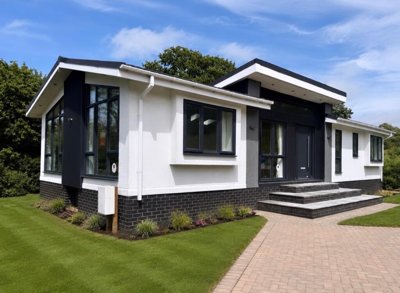
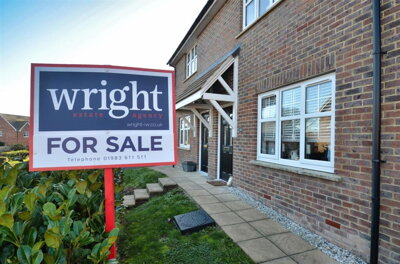
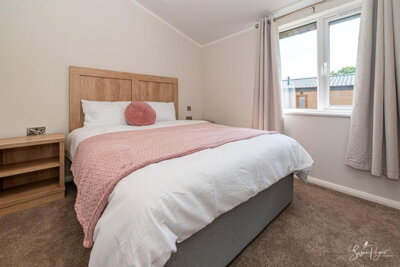
Browse 3 homes new builds in PO33 from local developer agents.
The 2 bed house market features detached, semi-detached, and terraced properties with two separate bedrooms plus living spaces. Properties in PO33 range across contemporary developments, with pricing varying across different neighbourhoods.
£210k
57
1
138
Source: home.co.uk
Showing 57 results for 2 Bedroom Houses new builds in PO33. 1 new listing added this week. The median asking price is £210,000.
Source: home.co.uk
Semi-Detached
37 listings
Avg £217,331
Terraced
14 listings
Avg £191,500
Detached
6 listings
Avg £369,167
Source: home.co.uk
Source: home.co.uk
PO33 has a coastal feel where Georgian and Victorian homes sit alongside more modern living. Detached properties fetch the highest average prices, at around £538,771, and they suit families who want extra room to spread out. You’ll usually find them in the more desirable spots, close to the seafront or in village settings such as Binstead and Fishbourne, where gardens and plots are often larger than those in the town centre. The detached stock ranges from Victorian houses near the Esplanade to later twentieth-century family homes, so there is plenty of variety.
Semi-detached homes average £272,023, which makes them a solid middle ground for buyers who want traditional build quality and modern comforts. Around the town centre, Binstead and Fishbourne, these Victorian and Edwardian semis often still have high ceilings, bay windows and original fireplaces, all of which give the streets their character. Many were built in the late Victorian period, when Ryde was growing as a fashionable seaside resort, and the brickwork with lime mortar has stood up well for more than a century. One thing to watch, though, is that solid walls without cavity insulation can affect energy efficiency and change how damp needs to be tackled.
Terraced properties in Ryde come in at an average of £218,097, so they remain a popular choice for first-time buyers and investors. A good number date from the late Victorian period and still offer surprisingly roomy layouts over several floors. Around the town centre, and on roads heading down towards the seafront, the terraces keep their original features in many cases. Because they sit below the semi-detached and detached averages, they are often seen as attractive for holiday lets or longer-term rental demand from the island workforce.
Flats and apartments sit at roughly £140,794 to £150,281, giving buyers a lower-cost way onto the ladder or a practical downsizing move for retirement by the sea. This part of the market includes period conversions as well as purpose-built blocks, with different levels of amenity and upkeep. Leasehold ownership is common, so buyers need to look closely at ground rent, service charges and any planned major works before they commit to a purchase.
New build activity in PO33 is still fairly limited, although there are a few notable chances for buyers who want a modern specification. One brand-new passive house scheme offers ultra-energy-efficient three-bedroom semi-detached homes with EPC ratings of A, giving owners modern comfort and very low energy costs. These ultra-low-energy homes are rare on the island and appeal strongly to buyers focused on sustainability and running costs. At Appley Rise, the New Lodge development includes extensively refurbished four-bedroom properties that blend period character with contemporary fittings, striking a neat balance between old and new. Anyone looking for fresh opportunities may also want to keep an eye on local planning applications, including the proposed nine-dwelling development on Station Road in Wootton.

Ryde is the Isle of Wight's principal town and the island's main gateway for visitors coming in by ferry from Portsmouth. Along the Esplanade, the town centre runs from the hovercraft and catamaran terminal down to Ryde Beach, whose golden sands are among the longest on the island. Cafes, amusement arcades and entertainment venues line the seafront promenade, busy through the summer when tourism supports much of the local economy. In the quieter months, residents get a slower pace of life but still have supermarkets, high street banks and healthcare facilities close at hand. That split identity, part residential town and part tourist destination, shapes everyday life here.
The heritage of Ryde shows up all over the PO33 postcode area, where Georgian townhouses and Victorian properties give the town much of its appeal. Listed buildings are clustered around Melville Street, Union Street, Cross Street and The Esplanade, helping preserve the historic fabric that sets Ryde apart. St Thomas's Square and the nearby streets include period homes that have been carefully modernised, with some lying inside conservation areas that protect how they look from the outside. For buyers, that history adds real character, but it also means older homes need thoughtful upkeep. In these conservation zones, planning controls limit the exterior changes owners can make.
The local economy is supported by tourism, sailing on the Solent and services for the island population. Businesses such as Biscoes solicitors on Union Street serve the residential property market, while ferry links to Portsmouth mean mainland commuting is still a realistic option for those who need it. The Southern Railway line linking Ryde with other island towns gives access to jobs within the island, and the town also acts as a base for walking festivals that draw visitors across the year. Put together, local work, visitor income and commuting options give residents a degree of economic resilience.
Beyond the streets and houses, Ryde gives easy access to beaches, coastal paths and nearby woodland. The surrounding countryside is popular with walkers and cyclists, with routes that lead out to village communities across the eastern side of the island. The Solent brings sailing and watersports into the picture too, and harbour facilities attract both leisure boaters and people taking part in competitive events. For buyers, that outdoor setting adds a great deal to day-to-day life, especially for remote workers and retired residents who can make the most of it.

Families moving to Ryde will find a good spread of education options across the PO33 postcode area. Several primary schools serve the town, which has grown to support generations of families drawn to coastal living. Different residential parts of the postcode are served by different schools, so parents should check catchment areas carefully because admissions usually rely first on geographic proximity. A visit to each school, plus a chat with local parents, often tells you more about the everyday experience than official figures alone.
Secondary education in the town includes schools with broad curricula that prepare students for GCSE examinations and what follows after. The Isle of Wight does not have a grammar school system, so comprehensive schools take pupils across the full range of abilities. Families who place a high value on results will want to look at each school’s performance data, Ofsted reports and progression into further education before they decide where to buy. Sixth form provision means students can carry on locally rather than travelling off the island, although some families still look to the mainland or independent schools for certain subjects or extracurricular options.
Private schooling on the Isle of Wight is another route some families explore instead of the state system. These schools usually charge fees and run their own admissions process, and popular year groups can have waiting lists. Anyone weighing up private education needs to include school fees in the household budget as well as the property cost. Because school quality carries real weight for family buyers, homes within strong PO33 catchments often hold their value even when the wider market is softer, so it matters both for lifestyle and for investment.
There is more to learning here than classrooms. Community groups, sports clubs and arts organisations give children and adults chances to build skills informally, while the coastal setting opens the door to outdoor education, sailing instruction and environmental awareness. For families relocating to Ryde, these local resources can help children settle in and find interests beyond the school day.

Transport is a big part of Ryde’s appeal for commuters and regular mainland travellers. At Ryde Pier Head, the Wightlink ferry terminal offers direct services to Portsmouth, and the fast catamaran crossing takes approximately 22 minutes. There is also the hovercraft from Ryde Esplanade to Southsea during operating hours, which gives passengers another quick crossing option. That puts Portsmouth, with its shopping, jobs and rail links to London, within easy reach for day trips or commuting. The speed and frequency of the services make mainland access more workable than many people expect.
Across the Isle of Wight, the Southern Railway line links Ryde with other towns including Shanklin, Ventnor and Newport, giving a public transport option for those without a car. The route is scenic, following the southern coast of the island, and the stations help connect communities that can be awkward to reach by road in peak summer traffic. Southern Vectis buses run from Ryde to villages across the eastern island, including Binstead, Fishbourne and Wootton, so residents without cars can still get to amenities and work.
For drivers, the island ring road gives reasonable access to most places, although summer traffic can make some routes to beaches and attractions slow going. It pays to plan journeys outside peak times, especially in the tourist season. Parking in Ryde town centre can be tight when visitor numbers are high, while residential streets away from the seafront tend to be easier for locals. Many PO33 homes also have off-street parking, which is a real bonus during the busy months.
Getting to mainland airports means a trip off the island first, so ferry links are the main way people travel regularly for work or leisure. For anyone using Ryde as a base while employed on the mainland, ferry fares and crossing times need to be worked into the commute from the outset. Some employers do offer flexible working, which cuts down the number of crossings needed and makes island living workable for a wider range of jobs.

Use Homemove to look through available homes across the PO33 postcode area. Current averages sit at around £312,276 for all property types, so it is worth comparing different streets and villages against your budget and wish list. Prices have eased recently, which gives better-positioned buyers a chance to move. The area ranges from Georgian terraces near the Esplanade to more modern developments in the surrounding villages, each with its own feel.
Speak to estate agents marketing properties in Ryde so you can arrange viewings at times that suit you. Before making an offer, get a mortgage agreement in principle from a lender, which confirms your budget and shows sellers that you are serious. In a competitive market, that preparation matters. Having finance lined up before you start viewing also keeps the search focused on homes you can genuinely buy.
Once you find the right place, make your offer through the estate agent. If it is accepted, instruct a conveyancing solicitor to deal with the legal side of the purchase. Biscoes and other local solicitors in Ryde provide residential property services, although you can choose any solicitor registered to work in England and Wales. Your solicitor will handle the correspondence between the parties and move the transaction through each stage.
We would recommend a RICS Level 2 Survey for a conventional house or flat in reasonable condition, especially where the property is older and may have damp or roof issues, as is often the case with Victorian and Georgian homes in Ryde. Because much of PO33 was built before 1919, a lot of the housing stock uses traditional methods that need an experienced surveyor’s eye. Our surveyors would also expect your solicitor to carry out local authority searches, drainage checks and environmental searches so that any issues affecting the property are brought to light.
When the searches come back satisfactorily and the mortgage offer is in place, your solicitor will exchange contracts and agree a completion date. On completion day, the balance is transferred and you receive the keys to your new Ryde home. It is a big moment. Before completion, building insurance will need to be arranged and the utility companies told about the move.
The PO33 postcode area needs careful inspection because so much of the housing stock is older. Georgian and Victorian buildings put up before 1919 often use traditional lime mortar, solid walls without cavity insulation and building techniques that are quite different from modern methods. Those features add to the feel of homes in places such as the conservation zones around Melville Street and The Esplanade, but they also mean maintenance has to respect the way the buildings were originally put together while dealing with common problems such as damp and timber decay. A RICS Level 2 Survey before purchase helps pick up defects that are easy to miss at a viewing.
With housing in Ryde being so old in places, a few defect types deserve close attention during the survey. Roofs and chimney stacks are often the first things to deteriorate, and slipped or cracked tiles, failing ridge mortar and defective flashings can all let water in if they are left alone. Plumbing may still include lead or galvanised steel pipes, which can leak or affect water quality, while original electrical systems may fall short of modern safety standards and create fire risks. Poor insulation and single-pane windows also push energy bills up and can lead to condensation, especially in solid-walled Victorian or Edwardian houses.
Damp is one of the most common worries in older Ryde homes, and it can show itself as rising damp, penetrating damp or condensation depending on the cause. Solid-walled Victorian and Edwardian properties are especially vulnerable, particularly where past repairs have used modern non-breathable materials like cement-based plasters or synthetic paints. Those materials can trap moisture in the structure, which tends to make the problem worse rather than better. A proper survey should look at how far the damp has spread and suggest remediation using traditional breathable materials where heritage issues are relevant.
Flood risk should be checked for any coastal Ryde property, even though some individual listings come back with low flood risk ratings. A property on Binstead Lodge Road in PO33 is listed with flood risk rated as low, which shows that not every location carries the same level of concern. Homes near the seafront or harbour need a closer look at any previous flooding, current defences and what insurers are likely to say. Coastal erosion is a longer-term issue for properties right on the shoreline, although Ryde's established sea defences offer reasonable protection. Buyers should ask for a full environmental search covering all flood risk categories before moving forward.
In Ryde, many homes are freehold, so you own the building and the land outright, but flats and some houses are leasehold and can come with ground rent and service charges. It is important to understand the lease terms, yearly charges and any planned major works contributions before buying. Listed buildings in Ryde need consent for alterations and must be kept in good order to preserve their character, which adds another layer of responsibility. Older properties may also contain asbestos in materials used before 1999, so if renovation is on the cards a professional assessment is sensible.

It helps to know the full cost of buying in Ryde before you commit, so the budget is realistic and there are no unwelcome shocks along the way. On top of the property price, buyers need to allow for stamp duty (SDLT), solicitor fees, mortgage arrangement fees, survey costs and moving expenses. A typical conveyancing fee for a residential purchase in England starts from around £499, though leaseholds, listed buildings and property chains can push the cost up. Land Registry fees, search fees and bank transfer charges can also add several hundred pounds to the final bill. Keeping a contingency fund back is a sensible move for any purchase.
For first-time buyers looking at typical Ryde homes around the average price of £312,276, stamp duty is usually zero under the current first-time buyer relief, which applies up to £425,000. That is a considerable saving compared with previous years and makes island ownership more reachable for people taking their first step on to the ladder. Standard rate buyers purchasing at average prices would pay approximately £749 in stamp duty. Purchases above £925,000 face much higher rates, with a 10% band up to £1.5 million and 12% above that. For standard purchases, the nil-rate band covers the first £250,000 of value.
Buying an older property in Ryde makes a RICS Level 2 Survey especially useful, because Victorian and Georgian construction is so common here. Survey fees usually fall somewhere between £400 and £1,000 depending on the size and value of the property, with national averages around £455. For homes under £200,000, the average survey cost is around £384, while for properties above £500,000 it is £586. In older or more complex cases, a more detailed RICS Level 3 Survey may be the better choice, particularly for listed buildings or where structural concerns have already been flagged. Spending on a professional survey can save thousands by picking up defects before completion that would otherwise become expensive problems afterwards.
Moving costs should also go into the overall budget, including removal charges, utility disconnection and reconnection, and any short-term storage that might be needed. Island moves cost more than mainland relocations because ferry transport for vehicles and belongings has to be paid for. Some buyers go with container shipping for larger household moves, which means extra planning and coordination with ferry operators. It pays to get quotes from several removal firms that already have experience of island moves, as that is usually the best way to keep pricing competitive.

Recent market data puts the average house price in the PO33 postcode area at approximately £312,276. Detached properties sit around £538,771, semi-detached homes about £272,023, terraced properties at roughly £218,097 and flats around £140,794, depending on the source. Prices have been cooling, with values 8% down on the previous year and 11% below the 2022 peak of £298,074. Average listing prices have also fallen 16.73% over six months to approximately £309,174, which may give prepared buyers a better chance to negotiate with vendors.
Homes in Ryde fall within Isle of Wight Council tax bands, starting at Band A for the least expensive properties and rising to Band H for the most valuable. Band A properties on the Isle of Wight currently pay around £1,400 a year, while Band D properties are about £1,900. You can check the band for any address on the Isle of Wight Council website or through the HMRC valuation office website. New buyers should also confirm whether any exemptions or discounts apply, including single occupancy reduction, for the property they plan to buy.
Across the PO33 postcode area, Ryde offers several primary and secondary schools for local families. It is worth checking individual performance data through official league tables, recent Ofsted inspection reports on the Ofsted website and the catchment areas that apply to secondary admissions. The Isle of Wight runs a comprehensive system without grammar schools, so where you live has a major effect on which schools children can attend. Homes in popular school catchments often sell at a premium, which means access to schooling matters for lifestyle and for long-term value.
Ryde is well connected to the mainland, with Wightlink catamaran services to Portsmouth taking approximately 22 minutes and hovercraft crossings providing another quick option while they are running. Around the island, the Southern Railway line links Ryde with Newport, Shanklin and Ventnor, giving a scenic way to travel across the Isle of Wight. Southern Vectis buses run to nearby villages such as Binstead, Fishbourne and Wootton. The ring road also makes car travel possible to most destinations, though summer traffic can be heavy when the island population rises sharply during peak tourism.
Property investors find several things to like about Ryde. The Isle of Wight’s popularity as a holiday destination supports demand for both long-term rentals and holiday lets, especially near the seafront and beach. Average property prices of around £312,276 are still accessible compared with similar coastal locations on the mainland, which can mean stronger yields relative to the purchase price. That said, investors need to think about seasonal swings in tourism affecting rental income, the limited island population reducing the tenant pool, and transport links that may suit remote workers or retired tenants more than everyone else. Renovation projects in conservation areas can also create value-add opportunities for those with the budget and the experience to handle heritage work.
Stamp duty rates for England apply to every property purchase, including those on the Isle of Wight. Standard rates begin at 0% on the first £250,000 of the price, then move to 5% on the portion between £250,001 and £925,000, 10% up to £1.5 million and 12% above that. First-time buyers relief lifts the nil-rate threshold to £425,000, with 5% applying between £425,001 and £625,000. So, for example, a first-time buyer purchasing a typical Ryde property at £312,276 would pay no stamp duty at all, which makes the island appealing for those taking their first step onto the property ladder. Higher value homes draw progressively higher charges, and a £500,000 property would incur approximately £12,500 in SDLT at standard rates.
Flood risk in Ryde changes quite a bit across the PO33 postcode area because of its coastal position. Some listings indicate low flood risk, including properties on Binstead Lodge Road, which is listed with flood risk rated as low. Homes near the seafront and harbour need a more detailed look at the possibility of coastal flooding. Buyers should request environmental searches that cover river flooding, coastal flooding and surface water flooding. Flood risk can affect insurance availability and premiums, and some lenders may ask for flood risk reports before they proceed. The local authority planning department can also provide information on past flooding and any flood defence schemes in place for specific parts of the town.
Ryde has a good number of listed buildings, reflecting its history as a Georgian and Victorian seaside resort. Streets including Melville Street, Union Street, Cross Street, St Thomas's Square, Belvedere Street, Castle Street, High Street and The Esplanade all contain protected listed structures. Listed buildings need consent for alterations and carry duties around maintenance, so buyers should be clear about that before they commit. Grade II listed properties are the most common, although some have the higher protection of Grade II* or Grade I status. Anyone thinking about buying one should allow for potentially higher maintenance costs and may also need a specialist surveyor to look more closely at condition, repairs and heritage issues.
From 3.84%
Compare mortgage deals from leading lenders
From £499
Professional solicitors handling your property purchase
From £400
Comprehensive survey for conventional properties
From £60
Energy performance certificate for your property
Properties New Builds In London

Properties New Builds In Plymouth

Properties New Builds In Liverpool

Properties New Builds In Glasgow

Properties New Builds In Sheffield

Properties New Builds In Edinburgh

Properties New Builds In Coventry

Properties New Builds In Bradford

Properties New Builds In Manchester

Properties New Builds In Birmingham

Properties New Builds In Bristol

Properties New Builds In Oxford

Properties New Builds In Leicester

Properties New Builds In Newcastle

Properties New Builds In Leeds

Properties New Builds In Southampton

Properties New Builds In Cardiff

Properties New Builds In Nottingham

Properties New Builds In Norwich

Properties New Builds In Brighton

Properties New Builds In Derby

Properties New Builds In Portsmouth

Properties New Builds In Northampton

Properties New Builds In Milton Keynes

Properties New Builds In Bournemouth

Properties New Builds In Bolton

Properties New Builds In Swansea

Properties New Builds In Swindon

Properties New Builds In Peterborough

Properties New Builds In Wolverhampton

Enter your details to see if this property is within your budget.
Loans, cards, car finance
Estimated property budget
Borrowing + deposit
You could borrow between
Typical borrowing
Monthly repayment
Est. at 4.5%
Loan-to-value
This is an estimate only. Your actual budget may vary depending on interest rates, credit history, and personal circumstances. For an accurate affordability assessment, speak to one of our free mortgage advisors.
This calculator provides estimates for illustrative purposes only and does not constitute financial advice. Your home may be repossessed if you do not keep up repayments on your mortgage. Estimates based on 4.5% interest rate, repayment mortgage. Actual rates depend on your circumstances.
Homemove is a trading name of HM Haus Group Ltd (Company No. 13873779, registered in England & Wales). Homemove Mortgages Ltd (Company No. 15947693) is an Appointed Representative of TMG Direct Limited, trading as TMG Mortgage Network, which is authorised and regulated by the Financial Conduct Authority (FRN 786245). Homemove Mortgages Ltd is entered on the FCA Register as an Appointed Representative (FRN 1022429). You can check registrations at NewRegister or by calling 0800 111 6768.

We use cookies to show you personalised content and improve your experience of our website. Find out more in our Privacy policy and Cookie policy.