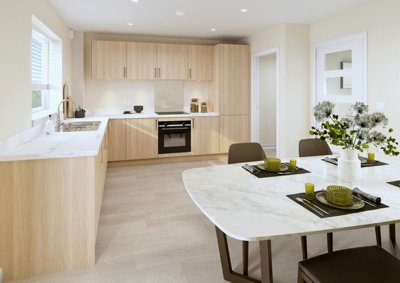
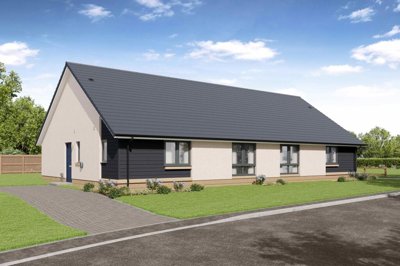
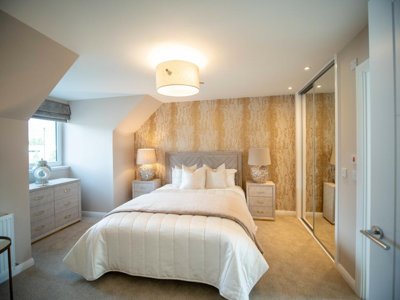
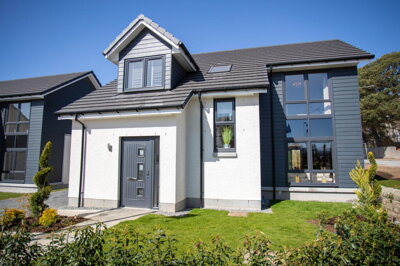
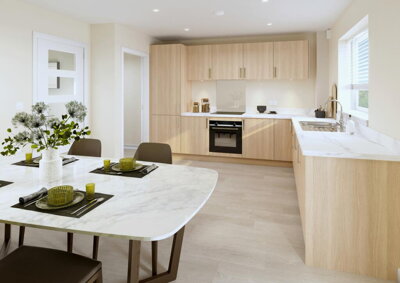
Browse 5 homes new builds in PH20 from local developer agents.
Three bedroom properties represent a significant portion of the PH20 housing market, offering space for families with multiple reception rooms and gardens in many cases. Browse detached, semi-detached, and terraced options ranging across new residential developments.
£320k
7
0
70
Source: home.co.uk
Showing 7 results for 3 Bedroom Houses new builds in PH20. The median asking price is £320,000.
Source: home.co.uk
Detached
5 listings
Avg £351,000
Semi-Detached
2 listings
Avg £320,000
Source: home.co.uk
Source: home.co.uk
PH20’s property market shows the steadying hand you tend to see in rural Scottish housing. Average prices sit at £288,278, and that figure has held its ground over the past year, with values rising approximately 4% from the 2023 peak of £277,201. Detached homes lead the market at an average of £320,575, which makes sense for buyers after space, gardens, and the kind of traditional Highland build that suits bigger family life. These homes often come with generous plots, several reception rooms, and construction methods rooted in local practice. We keep an eye on listings across the postcode so buyers have up-to-date market detail before they commit.
Semi-detached homes, averaging £211,500, give families a more affordable route into PH20 without stepping up to the cost of a fully detached house. Three bedrooms are common, along with decent gardens and the practical advantage of shared boundary maintenance, which suits buyers who do not want constant upkeep. In the villages across PH20, these homes are often part of stone terraces or small rows, so there is still plenty of character alongside sensible space for day-to-day living. Many also come with established gardens and outbuildings, and those can add real value to the purchase.
Terraced properties, sitting at around £116,333, are the most accessible way into the PH20 market. There is a mix of traditional stone-fronted cottages and newer homes, so different budgets and tastes still have room here. Features such as deep window reveals, thick walls, and original fireplaces are common, all of them tied to the building traditions seen across rural Perthshire and Kinross-shire. No active new-build developments were identified within the postcode area, so buyers looking here are dealing with existing stock only. That absence of new-build competition helps keep village character intact and supports stable values based on the strength of traditional Scottish construction.

PH20 sits within rural Perthshire and Kinross-shire, where rolling farmland, working estates, and long-established villages shape the landscape. The local housing stock reflects the Highland habit of using stone and render, which helps the settlements sit naturally within the countryside rather than stand apart from it. Aberargie and nearby communities keep that close-knit rural feel, where people know one another and village events still draw residents together through the year. For families and individuals after a quieter pace, that can be a major pull, especially when essential services are still within reach. We understand why that matters, and we help buyers find homes that fit both lifestyle and location in this part of Scotland.
The wider Highland economy leans on agriculture, tourism, and rural services, and that mix helps keep these communities going. Day-to-day life is supported by local shops, village pubs, and community halls, while Perth and larger towns provide broader retail and professional services not far away. For many residents, the landscape itself becomes part of the routine, with walking, cycling, and fishing woven into everyday life. Properties in PH20 often have substantial gardens, sometimes half an acre or more, leaving space for vegetables, livestock, or simply room to enjoy the Highland air. And with Cairngorms National Park close by, mountain walks, skiing, and wildlife watching are all within a short drive.
Living in PH20 does mean thinking differently about services that urban buyers often take for granted. Some homes rely on private water supplies rather than mains water, so boreholes or springs need regular testing and maintenance. Septic tanks and private drainage systems are also common, and they bring periodic emptying and upkeep into the equation. Heating in older properties usually comes from oil, LPG, or solid fuel rather than mains gas, so tank maintenance and annual fuel costs need to be built into the household budget. Mobile signal can vary quite a lot across the postcode too, so if reliable connectivity matters for work or daily life, we would always suggest checking it at the property itself.

For families looking at PH20, primary education is provided by local schools serving the surrounding rural communities. These are often smaller schools, which can mean very good teacher-to-pupil ratios and the sort of individual attention that helps children progress well. The approach in rural Perthshire and Kinross-shire still follows the traditional Scottish emphasis on literacy and numeracy, with outdoor learning also playing a part because the local environment lends itself to it. Parents and nearby residents often play an active role in school events, which helps school life feel rooted in the community. We guide families through how these schools work, and which catchment areas apply to different properties across the postcode.
Secondary education is usually accessed in nearby towns, with school transport in place so pupils can travel daily without too much difficulty. Schools across the wider Perth and Kinross area deliver National 4 and 5 qualifications, Highers, and Advanced Highers, so there are clear routes into further study or work. The Academy and similar schools also have strong reputations for academic results and extracurricular options, including sport, music, and leadership opportunities. Families should still check catchment areas and transport routes carefully when looking at PH20, because the rural geography means journeys can be longer than in town. Depending on the location and the school bus timetable, that can stretch to 30 minutes or more.
Outside the classroom, PH20 gives young people chances to pick up skills through outdoor activity as much as formal study. Growing up in rural Perthshire means easy access to walking, climbing, fishing, and other pursuits that are part of everyday Highland life. The nearby Cairngorms National Park adds mountain sports centres and environmental education programmes, which broadens what local families can offer their children. For households that value an outdoor-led upbringing alongside academic progress, this postcode has a lifestyle that is hard to match in a city.

PH20 benefits from the A93, a scenic route through Perthshire and Angus that links communities across the Cairngorms National Park region. It is the main road for daily travel, so residents use it for work, shopping, and services in larger towns. Compared with more remote Highland roads, the A93 is fairly straightforward to drive, which makes regular commuting possible for people working in Perth or the nearby market towns. Journey times to Perth usually sit between 30 and 45 minutes, depending on where in the postcode the property is. We help buyers judge how each location sits in relation to transport links, and what day-to-day commuting really looks like from different parts of PH20.
Local bus services do connect villages with market towns and Perth, although frequencies reflect the rural setting rather than an urban timetable. During the day, buses generally run every one to two hours, while evening and Sunday services are reduced, something visitors from towns should factor into plans. Rail travel is accessed through stations in larger towns, with Perth station giving services to Edinburgh, Glasgow, Inverness, and London via the East Coast Main Line. Edinburgh is roughly one hour fifteen minutes by rail, and Glasgow is around one hour twenty minutes away, so day trips to the main cities are realistic for people living in PH20.
Because PH20 is relatively remote, most residents need a car, though the scenery on the way means the journey often feels part of the appeal. The A93 through Glenshee gives commuters wide mountain views, a world away from the stress of heavier urban traffic. Edinburgh Airport is usually reachable in about two hours by car for those needing international flights, and Glasgow Airport is also within practical reach. For anyone buying in PH20, vehicle costs should sit alongside the property price in the budget, since private car ownership is effectively essential for most households here.

Before viewing properties in PH20, obtain a mortgage agreement in principle from a lender to confirm your budget and demonstrate your seriousness to sellers. This quick process provides clarity on what you can afford and strengthens your position when making offers on rural properties. Scottish property transactions can move quickly once a price is agreed, and having your financing arranged ensures you can proceed without delay when you find your ideal property.
Spend time exploring the PH20 postcode area, visiting villages, checking local amenities, and understanding the specific characteristics of different communities. Consider factors such as school transport arrangements, mobile signal coverage testing at potential properties, and broadband speeds that vary across rural areas. The A93 provides the main access route throughout the postcode, but journey times to schools, shops, and services differ significantly between villages, making on-the-ground research essential before committing to purchase.
Contact estate agents listing properties in PH20 to arrange viewings of homes matching your requirements. Take time to examine properties thoroughly, checking construction quality, garden boundaries, and the condition of traditional features common in Highland properties. When viewing rural Scottish properties, pay particular attention to the condition of stonework, roof coverings, and any signs of damp or structural movement that may indicate maintenance requirements. We can arrange viewings across available properties throughout the postcode to help you find homes that meet your criteria.
Once your offer is accepted, instruct a RICS Level 2 Survey to assess the property condition thoroughly. This homebuyer report typically costs between £416 and £639 nationally, identifying any defects that require attention before purchase. For traditional properties in PH20, the survey provides valuable information about stonework condition, roof integrity, and the status of heating systems that often rely on oil or LPG rather than mains gas. The survey cost represents excellent value given the detailed condition report it provides for properties that may require ongoing maintenance.
Choose a conveyancing solicitor to handle the legal aspects of your purchase, including title checks, searches, and contract preparation. Scottish property transactions follow specific processes that experienced local solicitors understand, including the formal missives system that governs offer acceptance through to completion. Solicitors with experience in rural Perthshire and Kinross-shire understand the particular considerations affecting properties in this area, including private water supplies, septic tanks, and access arrangements across farmland.
Work with your solicitor to complete the transaction, paying the balance and receiving keys for your new PH20 home. Scottish missives follow a formal negotiation process before concluding with entry date, with solicitors corresponding to confirm all contractual terms before the transaction proceeds to completion. On the day of entry, you will receive keys to your new property and can begin settling into your new Highland home, whether that involves moving furniture into a modern detached property or undertaking renovation work on a traditional stone cottage requiring some attention.
Properties in PH20 deserve careful inspection, largely because traditional building methods are so common across rural Perthshire and Kinross-shire. Stone and render exteriors are attractive and durable, but over time they may need repointing or treatment, and buyers should look for cracking, moisture ingress, or signs of movement. Traditional Scottish homes often have deep window reveals, thick walls, and original features that need understanding and maintenance rather than quick replacement. We would always recommend a thorough survey before purchase so any defects are identified early and budgets can be set properly.
The rural setting also means some homes rely on private water supplies or septic tanks instead of mains services, which is a different world from most urban properties. Boreholes or springs need regular testing to check that water quality meets drinking standards, while septic tanks need emptying and maintenance to keep working well. These systems can be perfectly reliable when looked after, but they do bring extra responsibility. Buyers should set those costs against the rest of the purchase budget, along with the more obvious renovation and transaction expenses.
Rural homes in PH20 usually sit on larger plots, so boundary maintenance should be clear before anything is agreed. Gardens of more than half an acre bring room to breathe, but they also bring ongoing work and cost. Older properties may use oil, LPG, or solid fuel rather than natural gas for heating, which affects annual running costs and tank upkeep. Mobile signal across rural Scotland can be patchy, so anyone who depends on it should check reception before making an offer. Broadband also varies within the postcode, with some homes getting superfast service and others relying on slower satellite connections for internet access.
Older homes across PH20 often show the kinds of issues that come with age and traditional construction. Damp can affect walls and timber, roofs may have missing or slipped slates, electrical systems can be outdated and in need of rewiring, and shallow foundations on clay soils can bring subsidence risks. A RICS Level 2 Survey will flag these matters and give clear advice on any repairs or maintenance needed, which helps buyers make a more informed decision. We strongly advise arranging a professional survey before completing any purchase in this rural area.

The average property price in PH20 over the past year was £288,278, representing strong value for buyers seeking rural Scottish property. Detached properties averaged £320,575, semi-detached homes around £211,500, and terraced properties approximately £116,333. Prices have remained stable with a modest 4% increase from the 2023 peak of £277,201, indicating a healthy market with consistent demand for quality homes in this scenic postcode area. The relative affordability compared to central Scotland makes PH20 particularly attractive to buyers seeking more space and countryside living without urban property premiums.
Council tax bands in the PH20 area are set by Perth and Kinross Council, with most properties falling into bands A through E. Rural properties with higher values may be assessed in higher bands, while smaller cottages and flats typically occupy lower bands. Prospective buyers should request the specific band for any property they are considering, as this directly affects annual running costs alongside other factors such as rural property maintenance requirements. Band A properties typically pay around £1,000 to £1,200 annually, rising through the bands to over £2,000 for band E properties, with actual amounts confirmed by Perth and Kinross Council for each individual property.
Primary education in the PH20 postcode is served by local schools in surrounding villages, offering excellent teacher-to-pupil ratios and strong community involvement. Secondary education is accessed through schools in Perth and Kinross, with established reputations for academic achievement and extracurricular activities. School transport arrangements ensure pupils can access secondary education daily, though journey times reflect the rural geography of the area, potentially extending to 30 minutes or more depending on specific location within the postcode and the school attended. Parents should verify specific catchment areas and transport arrangements when considering properties in PH20, as admission policies determine which school pupils can attend.
Public transport in PH20 reflects its rural character, with local bus services connecting communities to market towns but at frequencies lower than urban areas. The A93 provides the main road corridor for private vehicle travel, with Perth accessible within 30 to 45 minutes depending on specific location. Rail connections are available via Perth station, offering services to Edinburgh, Glasgow, Inverness, and London in approximately one hour fifteen minutes to Edinburgh and one hour twenty minutes to Glasgow. Edinburgh Airport lies approximately two hours drive away for international travel, while most residents require private vehicles for daily transportation needs throughout this rural postcode.
The PH20 property market demonstrates consistent performance with prices stable over the past year and modest long-term appreciation from the 2023 peak of £277,201. Rural Scottish property continues attracting buyers seeking lifestyle changes, remote working opportunities, and holiday home investments. The relative affordability compared to central Scotland makes PH20 attractive to buyers priced out of urban markets, supporting continued demand for quality properties. Properties with land, traditional character, and good access to Perth via the A93 represent particularly sound investments for long-term capital growth in this scenic postcode area.
As PH20 falls within Scotland, buyers pay Land and Buildings Transaction Tax rather than UK stamp duty. LBTT thresholds for 2024-25 start at 0% for properties up to £145,000, rising to 2% on the portion from £145,001 to £250,000, 5% from £250,001 to £325,000, 10% from £325,001 to £750,000, and 12% above £750,000. For a typical PH20 property at £288,278, LBTT would be approximately £2,100 after calculating the nil rate band plus 2% on £105,000 and 5% on £38,278. First-time buyers in Scotland do not receive additional relief beyond the standard starting threshold, though the lower Scottish property prices mean many buyers remain below bands that trigger higher rates.
Traditional Scottish properties in PH20 require attention to construction quality, particularly stonework condition, roof condition, and the status of traditional features such as sash windows and original fireplaces. Properties may rely on private water supplies or septic tanks rather than mains services, requiring specific surveys and ongoing maintenance arrangements to be confirmed before purchase. Heating systems often use oil or LPG rather than natural gas, adding to annual running costs that buyers should factor into their household budget. Given the rural setting, buyers should verify broadband speeds, mobile signal coverage, and access arrangements before committing to purchase, as these factors vary significantly between properties throughout the postcode area.
Older properties throughout the PH20 postcode commonly exhibit damp affecting walls and timbers, roof condition issues such as missing or damaged slates and inadequate ventilation, outdated electrical installations that may require partial or complete rewiring, and potential subsidence risks on clay soils that can affect properties with shallow foundations. Stone construction requires ongoing maintenance including repointing and treatment for moss or vegetation that can damage mortar joints over time. A RICS Level 2 Survey provides a comprehensive assessment of these issues and all other aspects of property condition, giving buyers the information needed to make confident purchase decisions and budget appropriately for any necessary repairs.
From 4.5%
Find competitive mortgage deals for your PH20 purchase
From £499
Expert solicitors for your Scottish property transaction
From £416
Professional survey to assess property condition
From £85
Energy performance certificate for your property
Buying in Scotland follows the Land and Buildings Transaction Tax system rather than the stamp duty used in England and Wales, and the thresholds can work more favourably for PH20 buyers. On a typical property here at the area average of £288,278, LBTT starts with the nil rate band up to £145,000, then 2% on the portion between £145,001 and £250,000, and 5% on the amount between £250,001 and £288,278. That means a home at the average price would attract approximately £2,100 in LBTT before any other costs, which is noticeably lower than comparable purchases in southern England where stamp duty is usually higher.
Scotland does not give first-time buyers any extra LBTT relief beyond the standard nil rate threshold, although lower local prices often keep them below the point where higher rates start to bite. Once a property goes above £325,000, the 10% band applies, so larger family homes or places with substantial land become more expensive to buy. Over £750,000, the 12% rate applies to the full amount, which makes high-value rural estates significantly dearer. There is no additional 3% surcharge on second homes like the one used in England, so buyers of holiday homes or investment properties in PH20 do have that advantage.
Alongside LBTT, buyers need to allow for solicitor fees, usually between £500 and £1,500 for conveyancing, survey costs of between £416 and £639 for a RICS Level 2 Survey, and removal charges that change with distance and the amount being moved into this rural location. Searches and registration fees add another £200 to £300 or so, and mortgage arrangement fees may also apply depending on the lender. We suggest budgeting around 2% to 3% of the property price for total purchase costs, so there is enough set aside for everything involved in completing a PH20 transaction.

Properties New Builds In London

Properties New Builds In Plymouth

Properties New Builds In Liverpool

Properties New Builds In Glasgow

Properties New Builds In Sheffield

Properties New Builds In Edinburgh

Properties New Builds In Coventry

Properties New Builds In Bradford

Properties New Builds In Manchester

Properties New Builds In Birmingham

Properties New Builds In Bristol

Properties New Builds In Oxford

Properties New Builds In Leicester

Properties New Builds In Newcastle

Properties New Builds In Leeds

Properties New Builds In Southampton

Properties New Builds In Cardiff

Properties New Builds In Nottingham

Properties New Builds In Norwich

Properties New Builds In Brighton

Properties New Builds In Derby

Properties New Builds In Portsmouth

Properties New Builds In Northampton

Properties New Builds In Milton Keynes

Properties New Builds In Bournemouth

Properties New Builds In Bolton

Properties New Builds In Swansea

Properties New Builds In Swindon

Properties New Builds In Peterborough

Properties New Builds In Wolverhampton

Enter your details to see if this property is within your budget.
Loans, cards, car finance
Estimated property budget
Borrowing + deposit
You could borrow between
Typical borrowing
Monthly repayment
Est. at 4.5%
Loan-to-value
This is an estimate only. Your actual budget may vary depending on interest rates, credit history, and personal circumstances. For an accurate affordability assessment, speak to one of our free mortgage advisors.
This calculator provides estimates for illustrative purposes only and does not constitute financial advice. Your home may be repossessed if you do not keep up repayments on your mortgage. Estimates based on 4.5% interest rate, repayment mortgage. Actual rates depend on your circumstances.
Homemove is a trading name of HM Haus Group Ltd (Company No. 13873779, registered in England & Wales). Homemove Mortgages Ltd (Company No. 15947693) is an Appointed Representative of TMG Direct Limited, trading as TMG Mortgage Network, which is authorised and regulated by the Financial Conduct Authority (FRN 786245). Homemove Mortgages Ltd is entered on the FCA Register as an Appointed Representative (FRN 1022429). You can check registrations at NewRegister or by calling 0800 111 6768.

We use cookies to show you personalised content and improve your experience of our website. Find out more in our Privacy policy and Cookie policy.