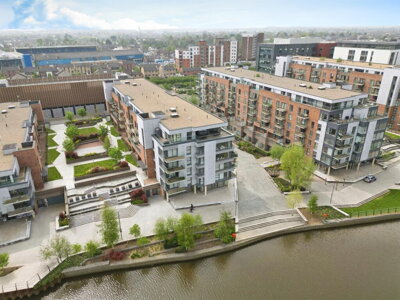
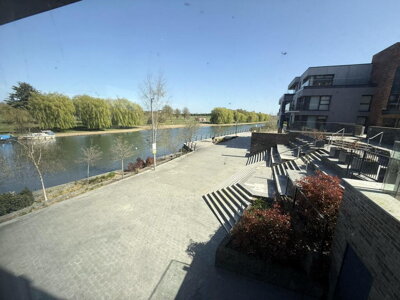
Browse 2 homes new builds in PE1 from local developer agents.
The 2 bed flat sector typically includes two separate bedrooms, dedicated living areas, and bathroom facilities. Properties in PE1 span purpose-built blocks, converted period houses, and modern apartment complexes on various floors.
£130k
49
3
182
Source: home.co.uk
Showing 49 results for 2 Bedroom Flats new builds in PE1. 3 new listings added this week. The median asking price is £130,000.
Source: home.co.uk
Flat
49 listings
Avg £134,862
Source: home.co.uk
Source: home.co.uk
Peterborough’s PE1 market shows the mix that keeps drawing buyers who want value without giving up quality or decent links out of town. Semi-detached homes are the most common type across the area, making up approximately 31% of the housing stock according to homedata.co.uk area analysis. These family-friendly properties usually sell for around £254,230 according to current home.co.uk listings data, with generous room inside and gardens outside, all at prices that still sit well below the national average for similar homes in the Southeast.
Terraced houses in PE1 are often the first step for people getting onto the ladder, with average prices of approximately £193,210 giving a more accessible route into this growing city. Flats across the area average around £115,825, which makes them appealing to young professionals and investors looking for rental yields in a place where demand has stayed steady. PE1 1 has been especially strong lately, with house prices rising by 29.1% over the past year, a sign that central locations with good transport connections are attracting plenty of interest.
Detached homes sit at the upper end of the market, with averages around £494,206 reflecting the extra space and privacy they offer. home.co.uk reports that sold prices in PE1 over the last year were 5% up on the previous year and 8% up on the 2022 peak of £201,692, so the market has kept moving even with wider uncertainty around it. Property Solvers recorded 296 residential property sales in PE1 over the last year, although that was down by 51 transactions compared with the previous period, which points to demand still running into limited supply.
Zooming out to the wider Peterborough picture, Plumplot data puts the city at around £244,000, while the broader postcode area reaches approximately £281,259. That layered pricing reflects how much neighbourhood matters within PE1, with PE1 4 averaging £248,207 and PE1 1 coming in at £130,643, where a heavier share of flats and smaller homes pulls the average down. Property Solvers shows an average of £281,259 for PE1 specifically, which sits broadly in line with the other figures.

£218,728
Average House Price
£336,324
Detached Average
£230,063
Semi-Detached Average
£183,194
Terraced Average
£130,286
Flat Average
5%
Annual Price Growth
296
Properties Sold (12 months)
PE1 covers a surprisingly varied spread of neighbourhoods, and that reflects Peterborough’s long development story, from Victorian industrial growth through the post-war New Town era and on to newer residential schemes. Millfield brings in the historic side of things, with Victorian railway workers’ terraces built for the people who helped construct the Great Northern Railway, while the Werrington estate shows how post-war building created homes for families moving into the expanding city. It means buyers can move between period properties with original detail and more modern homes built to current standards.
Around 60% of Peterborough’s homes date from the New Town era beginning in 1967, when the city was named as one of Britain’s eight new towns to take London’s overspill population. Those houses were built using locally-produced Fletton bricks, made from the city’s own clay pits, which gives Peterborough a look that stands apart from other Cambridgeshire towns. Because so much building took place on former brick pit land, the ground is mostly clay, so buyers often need to think about soil movement and foundation requirements.
Alongside the housing stock, PE1 residents have easy access to Peterborough’s everyday amenities, from Queensgate Shopping Centre and Peterborough Cathedral to the historic precincts around it, plus plenty of parks and green spaces for getting outside. The city balances urban convenience with a good route to nature, with the River Nene offering riverside walks and the wider Cambridgeshire countryside giving people a straightforward weekend escape. Living costs are lower than in many other UK cities, especially London, which still pulls in buyers keen to stretch their money further while staying well connected to the capital and beyond.
The New Town layout favoured cyclists and pedestrians in residential areas, so plenty of PE1 still works well for active travel even though it is a sizeable city. Places like Werrington have local shopping parades, community centres and schools close by, which cuts down on trips into the city centre for day-to-day errands. Much of Peterborough sits on the flat Cambridgeshire Fens, and that gentle terrain makes cycling realistic for most fitness levels while adding to the area’s general liveability for families and commuters.
Families in PE1 have education options at every stage, from nursery through to further education and beyond. Primary schools within and just around the PE1 postcode include several rated Good or Outstanding by Ofsted, giving central neighbourhoods solid foundations within walking distance. Because provision is so varied, parents can choose between community schools, academy converters and faith schools depending on what suits their family and the home they are looking at.
On the secondary side, the area includes comprehensive schools serving the local community as well as selective grammar school places for academically able pupils who pass the entrance test. Schools in Peterborough and the surrounding PE1 catchment continue to invest in their facilities, with many adding new technology, sports provision and curriculum improvements to keep up with current expectations. Parents weighing up secondary choices should check catchment areas carefully, because admission rules can change which schools are open to children depending on the exact address within PE1.
For families thinking about higher education or vocational qualifications, Peterborough itself has study options through its college and university campus, so degree-level courses and professional qualifications are available without heading to a larger city. As the city grows, its educational infrastructure keeps expanding too, with new school places being created to match the rising population attracted by jobs and housing affordability. Buyers with school-age children should check current Ofsted ratings and admission policies directly with schools, since both can change and may shape a purchase decision.
The presence of Peterborough’s university campus and college facilities within PE1 also gives the area extra appeal for families planning ahead. University of Peterborough offers a range of undergraduate and postgraduate courses, while the City College provides vocational training and apprenticeships. That kind of education mix means students can move from primary school through to university without leaving the area, something many families take into account when choosing where to settle.

Peterborough railway station gives PE1 residents direct services to London King’s Cross, with the fastest trains taking under 50 minutes, which is a major draw for commuters who work in the capital but want more affordable housing. The station sits neatly within the PE1 postcode area, so residents across the district can reach those rail services without much trouble. Beyond London, direct trains run to Cambridge, Birmingham, Leeds, Newcastle and several other destinations, making Peterborough a real hub for regional and national travel.
Bus services run by various operators connect PE1 neighbourhoods with the city centre, nearby towns and villages across Cambridgeshire and into Lincolnshire. The network has been rationalised in recent years, with work focused on improving frequency and reliability on the main routes that serve housing areas and employment centres. Drivers have the A1(M) to the west of Peterborough for links to London and Newcastle, while the A47 trunk road offers routes to Norwich, King’s Lynn and Leicester.
Cycling infrastructure in Peterborough has come on a long way, with the city putting in cycle lanes and traffic-calmed routes that make cycling a practical choice for commuting and everyday errands, especially in the more compact parts of PE1. The flat Cambridgeshire Fens and the New Town road layout, which gave priority to cyclists and pedestrians in residential areas, mean most people find it comfortable enough for day-to-day use. Parking is a different story, though, because provision varies across the PE1 postcode, and city centre homes may have fewer off-street spaces than estates further out, which is worth checking before you commit.
Peterborough’s role as a transport hub goes beyond rail, with the station acting as a key interchange for regional bus services and offering connectivity to Stansted Airport through Cambridgeshire’s wider public transport network. For buyers who work in London but live in PE1, the sub-50-minute rail journey compares well with many pricier commuter towns, and that has helped Peterborough become a popular choice for people looking to step away from London property premiums without giving up career access in the capital.

Before we view any properties, it makes sense to get a mortgage agreement in principle from a lender, so the budget is clear and sellers can see that we are serious. Peterborough’s average price of £281,259 means most buyers will need a mortgage, and having that paperwork ready helps the whole process move more smoothly once the right home comes up. With first-time buyer relief potentially covering properties up to £625,000 entirely, a lot of PE1 purchases may attract zero stamp duty, which helps affordability even further for those entering the market.
It is worth spending time looking at the different parts of PE1 so the neighbourhood matches your day-to-day needs. Schools, transport links, parks and local amenities all matter. Victorian terraces in Millfield feel very different from New Town semis or newer developments, so visiting at different times of day gives a better sense of the atmosphere. The gap between PE1 1 at an average of £130,643 and PE1 4 at £248,207 shows just how much property type and local character shape prices across the postcode.
We use Homemove to browse all available properties in PE1, save the listings that fit the brief, and arrange viewings through the named estate agents. During viewings, it helps to take notes and photograph homes you are genuinely considering. Ask about the property’s history, any works carried out, and what the neighbourhood is like before putting an offer in. With such a mix of Victorian and New Town construction in PE1, knowing the age and build type of a home helps us anticipate what a survey may turn up.
Once an offer has been accepted, we arrange a RICS Level 2 survey to check the property’s condition before moving ahead with the purchase. In Peterborough, where Victorian homes sit alongside New Town construction, a survey can pick up things like damp, wear to flat roofs, or deterioration in Fletton brick that may not be obvious at first viewing. For homes on former brick pit land, or properties with a more complicated history, a RICS Level 3 survey gives a deeper structural look.
Our conveyancing solicitor handles the legal transfer of ownership, from searches and contracts through to registration of the title. They will work with the seller’s representatives and our mortgage lender so that every document is in order before completion day. The searches will cover local authority checks, environmental searches and water authority enquiries, all relevant to Peterborough’s clay geology.
Once every enquiry has been resolved and the mortgage is fully approved, contracts are exchanged and the deposit is paid, which makes the purchase legally binding. Completion usually follows within days or weeks, when the remaining funds are transferred and the keys to the new Peterborough home are handed over. Our solicitor then handles the title registration and arranges for any keys held by managing agents to be released if the property is leasehold or has a communal entrance.
Peterborough properties bring a few specific points that buyers should look at closely before going ahead. The city’s distinctive Fletton brick construction, used widely in post-1967 New Town developments, can show deterioration as it ages and may need re-pointing, especially where maintenance has been patchy. A thorough survey by a qualified RICS surveyor will assess the external brickwork and identify any areas that need attention, which gives you scope to negotiate repairs or reconsider your offer.
Flat roofs on garages and extensions are another common issue across Peterborough’s housing stock, especially on 1970s homes in areas like Bretton where felt and GRP flat roofing systems were widely used. These roofs usually need replacing every 15-25 years, so buyers should check the age and condition during a survey or ask for replacement before completion. Damp also crops up often, usually because of high ground levels, bridged damp proof courses or blocked gutters, all of which a professional survey can spot.
Some Victorian and early post-war properties across PE1 can also show movement and cracking around bay windows and older additions, particularly where foundations have been affected by the underlying clay geology. Homes in areas like Millfield with Victorian terraces should be checked for subsidence or settlement, especially if extensions or extra rooms have been added. Condensation and mould caused by poor ventilation often affects kitchens and bathrooms in older homes built before modern ventilation standards, an issue that may not show up during a quick viewing.
Older PE1 stock can also bring outdated electrics and DIY alterations, especially in Victorian terraces and early New Town homes where original wiring may never have been upgraded. Properties built on former brick pit land deserve particular attention because of the potential ground stability issues linked to clay geology and previous excavation work. Homes in the city centre may include listed buildings or properties within conservation areas, which can restrict alterations and renovations, so buyers need to understand those limits before they purchase.

The average house price in PE1 currently sits around £281,259 according to home.co.uk listings data, with homedata.co.uk showing a similar figure of approximately £281,259 and Property Solvers also indicating £281,259. Prices vary sharply by type, with detached homes averaging around £494,206, semi-detached properties at approximately £254,230, terraced homes at £193,210 and flats at £115,825. PE1 1 has seen particularly strong recent growth at 29.1% over the past year, while overall prices in PE1 are up by 5% on the previous year, which underlines the steady demand in this growing Cambridgeshire city.
Peterborough City Council sets council tax bands for all homes in the PE1 area, from band A for the lowest-valued properties through to band H for the most expensive. Most terraced houses and smaller flats usually sit in bands A to C, while larger semi-detached and detached family homes are often in bands D to F. Because PE1 ranges from flats around £115,825 to detached homes approaching £494,206, it is worth checking the exact band for any property on the Valuation Office Agency website using the address before you budget for ongoing costs.
Peterborough PE1 offers education choices for all age groups, with several primary schools rated Good or Outstanding by Ofsted serving local communities within the postcode. Secondary options include both comprehensive schools and grammar schools for academically selective pupils, with the available places shaped by catchment areas and admission rules that vary by address. Because Peterborough College and the university campus are both in the city, families can plan for education from primary level through to degree level without leaving the area, which is a real plus for long-term residents.
Peterborough station offers direct rail services to London King’s Cross in under 50 minutes, which makes PE1 especially appealing for commuters who work in the capital but want more affordable housing than the Southeast usually provides. Beyond London, direct trains run to Cambridge in approximately 40 minutes, Birmingham in around 90 minutes, Leeds in about two hours and Newcastle in three hours, so the city works as a proper hub for regional travel. Local bus routes link PE1 neighbourhoods to the city centre and surrounding areas, with continued improvements aimed at better frequency and reliability on key services.
Peterborough has become one of the UK’s fastest-growing cities, and its lower cost of living keeps drawing buyers from more expensive areas including London and the Southeast. It combines strong transport links to London with housing prices that sit well below the national average, so there is demand from owner-occupiers and rental investors alike. Rental yields in Peterborough are still competitive against many UK cities, and the population growth driven by jobs and housing affordability continues to support both capital growth and rental demand over the medium to long term. Property Solvers recorded 296 sales in PE1 over the past year, which shows an active market even though transaction volumes were lower than in the previous period.
Standard Stamp Duty Land Tax rates for 2024-25 apply to properties in PE1, with 0% on the first £250,000, 5% on the portion from £250,001 to £925,000, 10% on £925,001 to £1.5 million and 12% above £1.5 million. First-time buyers get relief on properties up to £625,000, paying 0% on the first £425,000 and 5% on the portion between £425,001 and £625,000, although there is no relief above £625,000. With PE1’s average price at £281,259, most first-time buyers paying close to the average would pay no stamp duty at all, a sizeable saving compared with buying in London or the Southeast where typical prices would trigger much larger SDLT bills.
Peterborough’s varied housing stock brings a few common defect patterns that buyers should keep in mind, especially in homes built with Fletton bricks from the New Town era, which can need re-pointing as they age. Flat roofs on garages and extensions, particularly 1970s examples in places like Bretton, generally need replacing every 15-25 years and are worth checking carefully during a survey. Damp caused by high ground levels, bridged damp proof courses or poor ventilation shows up regularly across PE1, as do outdated electrics in older homes that may need bringing up to current standards. Movement and cracking around bay windows can point to structural movement linked to the underlying clay geology, especially in areas built on former brick pit land.
New build activity within the PE1 postcode itself looks limited, with most recent development taking place in nearby postcodes such as PE2 and PE4. The Hampton development to the south has added over 8,500 homes since 2000, although it sits in PE4 rather than PE1. Plumplot data puts newly built properties in the Peterborough postcode area at around £311,000, with 557 new build sales recorded. Buyers set on brand new homes may need to look at neighbouring postcodes or developments on the edge of PE1, while many established PE1 neighbourhoods offer character and mature infrastructure that newer schemes often lack.
It helps to understand the full cost of buying in PE1 so the budget is accurate and there are no surprises part-way through the transaction. The Stamp Duty Land Tax, or SDLT, rates that apply depend on whether you qualify as a first-time buyer and on the purchase price. For standard buyers purchasing at the PE1 average price of £281,259, there is no stamp duty on the first £250,000, so the overall SDLT bill is zero for properties at or below that threshold.
First-time buyers purchasing homes up to £425,000 pay no SDLT at all under the current relief rules, with the 5% rate only applying to the portion between £425,001 and £625,000. Since PE1’s average price of £281,259 sits comfortably below that first-time buyer threshold, qualifying buyers could buy at the average price and pay no stamp duty whatsoever. That is a meaningful saving compared with buying in London or the Southeast, where typical prices would push most purchases into higher SDLT bands.
Beyond stamp duty, we also budget for solicitor conveyancing fees, which usually start from around £499 for standard transactions, plus disbursements for searches, title registration fees and mortgage arrangement fees if they apply. Survey costs range from £350 for a RICS Level 2 survey on a standard 1-3 bedroom property to £530 or more for larger homes or the more detailed Level 3 survey. Removal costs, furniture purchases and any renovation work round out the usual moving budget. Getting a mortgage agreement in principle before viewings shows sellers that we are financially ready and helps the purchase move faster once the right Peterborough home comes along.
It is also sensible to factor in ongoing costs from day one in the new property. Council tax bands in Peterborough run from A through to H, with most homes sitting in bands A to D depending on type and value. Utility bills, buildings insurance and service charges for leasehold properties all need to be included in the financial plan. If buying a flat, check whether the building has a valid Energy Performance Certificate and read the results closely, because older PE1 properties may have lower ratings that affect both energy bills and future saleability.
From £350
A detailed inspection of the condition works well for standard properties in PE1.
From £530
A comprehensive structural survey is the better fit for older homes or places on former brick pit land.
From £75
An Energy Performance Certificate is required for all property sales.
From £499
Solicitors to handle the legal transfer of ownership
From 4.5%
Compare mortgage deals from leading lenders
Properties New Builds In London

Properties New Builds In Plymouth

Properties New Builds In Liverpool

Properties New Builds In Glasgow

Properties New Builds In Sheffield

Properties New Builds In Edinburgh

Properties New Builds In Coventry

Properties New Builds In Bradford

Properties New Builds In Manchester

Properties New Builds In Birmingham

Properties New Builds In Bristol

Properties New Builds In Oxford

Properties New Builds In Leicester

Properties New Builds In Newcastle

Properties New Builds In Leeds

Properties New Builds In Southampton

Properties New Builds In Cardiff

Properties New Builds In Nottingham

Properties New Builds In Norwich

Properties New Builds In Brighton

Properties New Builds In Derby

Properties New Builds In Portsmouth

Properties New Builds In Northampton

Properties New Builds In Milton Keynes

Properties New Builds In Bournemouth

Properties New Builds In Bolton

Properties New Builds In Swansea

Properties New Builds In Swindon

Properties New Builds In Peterborough

Properties New Builds In Wolverhampton

Enter your details to see if this property is within your budget.
Loans, cards, car finance
Estimated property budget
Borrowing + deposit
You could borrow between
Typical borrowing
Monthly repayment
Est. at 4.5%
Loan-to-value
This is an estimate only. Your actual budget may vary depending on interest rates, credit history, and personal circumstances. For an accurate affordability assessment, speak to one of our free mortgage advisors.
This calculator provides estimates for illustrative purposes only and does not constitute financial advice. Your home may be repossessed if you do not keep up repayments on your mortgage. Estimates based on 4.5% interest rate, repayment mortgage. Actual rates depend on your circumstances.
Homemove is a trading name of HM Haus Group Ltd (Company No. 13873779, registered in England & Wales). Homemove Mortgages Ltd (Company No. 15947693) is an Appointed Representative of TMG Direct Limited, trading as TMG Mortgage Network, which is authorised and regulated by the Financial Conduct Authority (FRN 786245). Homemove Mortgages Ltd is entered on the FCA Register as an Appointed Representative (FRN 1022429). You can check registrations at NewRegister or by calling 0800 111 6768.

We use cookies to show you personalised content and improve your experience of our website. Find out more in our Privacy policy and Cookie policy.