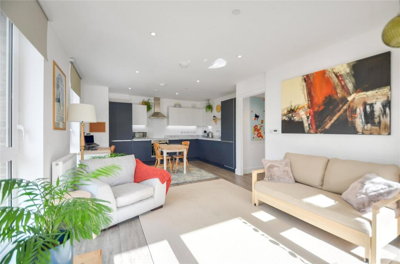
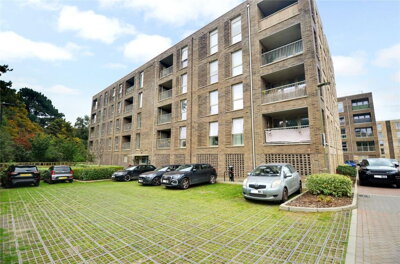
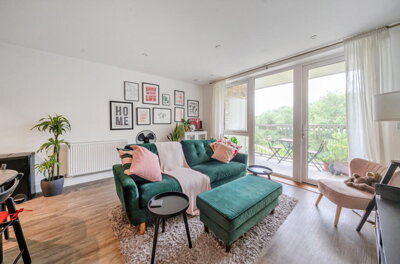
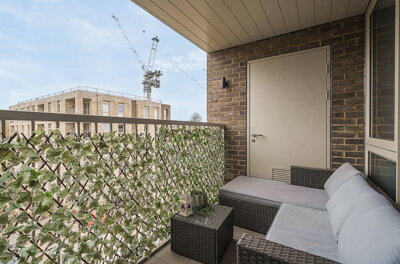
Browse 4 homes new builds in Oxford, Oxfordshire from local developer agents.
Studio apartments feature open-plan living spaces without separate bedrooms, incorporating sleeping, living, kitchen, and bathroom facilities. The Oxford studio market includes properties in modern apartment complexes, modern purpose-built developments and new residential complexes.
£300k
143
5
127
Source: home.co.uk
Showing 143 results for Studio Flats new builds in Oxford, Oxfordshire. 5 new listings added this week. The median asking price is £300,000.
Source: home.co.uk
Flat
143 listings
Avg £335,298
Source: home.co.uk
Source: home.co.uk
Oxford’s housing market reflects what the city is. It remains a global centre for education, research and innovation, and buyers continue to come because of Oxford University, the Oxford University Hospitals NHS Trust, and the expanding biotech and technology base at Oxford Business Park and the Oxford Science Park. That demand keeps values supported across the city, from terraced houses to semi-detached family homes and period apartments. We track conditions neighbourhood by neighbourhood, so we can help make pricing trends easier to read.
In our current listings, period homes still stand out. Victorian and Edwardian terraces in Jericho, East Oxford and Wolvercote keep their appeal, especially where original details sit alongside the updates buyers now expect. Jericho has become known for its artisan shops, independent cafes and its closeness to the Oxford University Press. Newer apartments tend to suit first-time buyers and investors, particularly those near the city centre and university departments. At the upper end, detached family houses in Boars Hill, Marston and North Oxford usually come with larger gardens, off-street parking, and access to some of the area’s most highly regarded state and independent schools.
Prices shift noticeably across Oxford, depending on both property type and location. Terraced homes typically sit around £430,000. Semi-detached houses average roughly £435,000. Flats and apartments usually provide a lower starting point, at about £300,000 on average. In places such as North Oxford and Boars Hill, detached homes often move beyond £650,000, which says a lot about demand for larger houses with gardens. We set out the detail on every listing so buyers can weigh value properly across Oxford’s different areas.

Oxford is full of contrasts, and that is part of the draw. The university colleges and the dreaming spires frame daily life, while Cornmarket Street and Clarendon Shopping Centre deal with the practical business of shopping. Food and drink options are easy to find, from cafes to traditional pubs. The covered market, which dates from the 1770s, still feels very much part of the city, with local producers selling artisan cheese, fresh flowers and more. At Gloucester Green, the weekly farmer’s market brings Oxfordshire produce into the centre. Old buildings, ordinary errands, both fit together here.
Open space is part of day-to-day life in Oxford. University Parks and Port Meadow give people room to get out, and Port Meadow’s rights of common go back to the Domesday Book. Close to the city centre, the Oxford Botanic Garden, the oldest in Britain, offers a quieter stretch away from the traffic. Beyond that, the wider Oxfordshire countryside opens up a long list of walking and cycling routes. South Park on Headington Road looks out across the skyline, and Christ Church Meadow gives a riverside walk linking the city centre with the university meadows. Across the year, Oxford Literary Festival, the Cowley Classics Carnival and open-air theatre in the university gardens keep the calendar busy.
There is the practical side too. The John Radcliffe Hospital, the Churchill Hospital and the Nuffield Orthopaedic Centre all form part of the Oxford University Hospitals NHS Trust, which gives the city solid healthcare provision. Shopping is anchored by Westgate Shopping Centre, where big high-street names sit alongside independent retailers. When people want a change from the city, Woodstock and Blenheim Palace are common choices, as is Wootton by Woodstock. Some go farther into the Cotswolds towns for an easy day out.

School choice matters in Oxford, and families have plenty to weigh up. At primary level, St Michael’s Primary School in the city centre and Windmill Primary School in Headington are both well regarded and serve diverse communities. For secondary education, Oxford High School, St Edward’s School and Oxford International School all offer strong academic foundations. The city’s grammar schools, including Oxford School and Magdalen College School, regularly post outstanding results and attract pupils from across the county. Cherwell School in North Oxford remains a frequent target for buyers because of its academic record and good facilities.
Sixth form and further education are covered well too. Oxford’s university colleges bring in students from across the UK and internationally, while Oxford Brookes University offers a wide spread of undergraduate and postgraduate courses. Activate Learning Oxford College adds vocational routes as well as traditional A-levels. Parents moving to Oxford often spend time studying catchment areas, because places at popular schools can go quickly. We help buyers identify homes that sit within the catchment areas of the schools they want to target.
The independent sector is another big part of the picture. Dragon School in North Oxford is one of the country’s best known preparatory schools, teaching children from ages 4 to 13. St Andrew’s College, also in the city, provides secondary education, and Headington School offers a broad curriculum for girls aged 11 to 18. For families relocating for academic or professional reasons, school access often shapes the property search from the start. That helps explain why North Oxford, Summertown and the Headington triangle command premium prices.

For commuters, rail is one of Oxford’s main advantages. Oxford Railway Station runs regular services to London Paddington in around 55 minutes, and some peak-time trains make the journey in just 50 minutes. Cross-country routes also connect with Birmingham, Bristol and the north. The planned East West Rail link should improve connections to Cambridge and beyond. Away from the tracks, the Oxford Canal gives cyclists another route for leisure, and the city continues to back sustainable transport. We include transport detail with each listing so the commuting picture is clear.
Driving around Oxford is manageable, though parking in the centre is another matter. The ring road links out to the A40, which connects the city with London and the M40 motorway to Birmingham. The A34 runs to the north and south of Oxford, tying in Reading, the south and the M4 motorway. Because city-centre parking is often expensive and difficult to find, many residents use the park-and-ride sites around the ring road instead. Oxford Bus Company and Stagecoach handle most bus services, with routes into the centre and out to surrounding villages. The proposed Oxfordshire Metro scheme is meant to strengthen public transport through bus rapid transit links.
Cycling is built into everyday Oxford life. Dedicated cycle lanes and traffic-free routes have expanded, and the Oxford to Bicester cycle path gives commuters a car-free option. The surrounding countryside also works well for road cycling. In North Oxford and Summertown, many people cycle to the university or the city centre, helped by the relatively flat terrain and the network of parks and towpaths. For longer journeys, Oxford Airport near Kidlington has flights to destinations across the UK and Europe, although most residents still rely on London airports for international travel.

Before viewing starts, we usually suggest getting a mortgage agreement in principle from a lender. It shows estate agents and sellers that financing is in place and that you are a serious buyer, which matters in Oxford’s competitive market where homes can sell quickly. We can put you in touch with recommended mortgage brokers who know the Oxford market and can help secure the best rates available.
It is worth spending proper time in different parts of Oxford before choosing where to focus. We suggest weighing up the distance to your workplace, schools if you have children, and the amenities you actually use. Summertown, North Oxford and Headington each come with their own feel and price level. Jericho suits buyers who want a village atmosphere inside the city, while East Oxford can offer more affordable options and good transport connections.
Once you have narrowed things down, we can help you contact estate agents through Homemove and book viewings for properties that fit your criteria. If one feels right, move fast with a competitive offer. Homes in desirable Oxford postcodes can draw multiple offers, so being ready to act helps. We can talk through realistic offer levels using current market conditions and comparable sales.
After an offer is accepted, we recommend instructing a qualified surveyor. A RICS Level 2 survey is detailed enough for most properties, while older or listed buildings may need the more comprehensive Level 3 survey. That extra scrutiny can protect you from structural problems that are not obvious on a viewing. In Oxford, with so many period properties, age-related defects are common enough to make a thorough survey particularly worthwhile.
The legal work comes next, so a conveyancing solicitor needs to be in place. They handle the searches, check the title deeds and manage the transfer of funds. We can connect buyers with experienced conveyancers who deal with Oxford properties regularly, including homes in listed buildings and conservation areas where specialist knowledge can make a difference.
Once the searches are satisfactory and the financing is confirmed, contracts are exchanged and the deposit is paid. On completion day, the remaining funds are transferred and the keys to the new Oxford home are released. We stay involved throughout, answering questions and helping keep the transaction moving smoothly.
There are a few Oxford-specific issues that buyers should keep in view. In the city centre and the older suburbs, a large number of homes are listed buildings because of their historical or architectural importance. That status can limit alterations, extensions and even internal changes, so it is sensible to understand the grade of listing before committing. We flag listed homes in search results and explain how the different listing grades can affect what you are allowed to do.
Flood risk varies across Oxford, and it deserves proper attention. Homes near the River Thames and Cherwell need closer checking, and some low-lying parts of North Oxford and the city centre may carry a higher risk of flooding. That can affect both the survey and buildings insurance. Other parts of Oxford sit on higher ground and drain better naturally. The Environment Agency provides flood risk data for specific postcodes, and the solicitor will pick this up in the standard searches. We would always suggest raising any concern with the surveyor during the inspection.
A substantial part of Oxford falls within conservation areas, especially Jericho, North Oxford and the streets around the university colleges. In those areas, demolition, extensions and external alterations can face added planning controls, even where a building is not listed. Oxford City Council publishes conservation area character appraisals that explain the special architectural and historical interest of each area. Reading those before buying can save time if you already have plans for the property. One practical point as well, parking in the centre is limited and expensive, so being close to a bus route or a park-and-ride site can make daily life easier.

Oxford prices reflect the pull of the city and the level of demand. Terraced properties usually sit around £430,000, while semi-detached homes average approximately £435,000. Detached properties, especially in suburbs such as North Oxford and Boars Hill, reach much higher figures and often exceed £650,000. Flats and apartments remain the more accessible point of entry, with average prices around £300,000. Recent years have brought consistent growth in the Oxford market, driven by academic staff, healthcare workers and professionals who want the city’s commuting links to London.
For council tax, properties in Oxford come under Oxford City Council. Bands run from A to H, and many city centre homes and smaller Victorian terraces sit in bands A through D. Larger family houses in North Oxford and Summertown are often found in bands E through G. Buyers should check the exact band with Oxford City Council because it affects running costs and should sit alongside mortgage payments and maintenance expenses in the budget. The council tax band can also be checked online using the property address through the Valuation Office Agency website.
Education runs right through Oxford, from primary schools to university study. In the city centre, St Michael's Primary and St Mary's Primary are both well-regarded options for primary education. At secondary level, Oxford School and Magdalen College School are highly selective grammar schools. Families looking at private education often consider St Edward's School and Oxford International School. Cherwell School in North Oxford continues to post excellent examination results. Sixth form colleges, including Oxford's own tutorial colleges, prepare students for Oxford University and other leading institutions, while Oxford Brookes University offers a higher education route in the city without the intensity of the ancient university.
Public transport is one of Oxford’s strong points. Oxford Railway Station has regular services to London Paddington in under an hour, along with cross-country connections to Birmingham, Bristol and beyond. Across the city, Oxford Bus Company and Stagecoach run bus networks covering the main suburbs and linking surrounding villages. Specific routes matter here, the 6 and 6A serve Summertown, the 13 goes to Headington, and the 5 runs to Marston. For drivers coming in from outer areas, Seacourt, Thornhill and Redbridge Park-and-ride schemes give access to the city centre without taking the car all the way in.
From an investor’s point of view, Oxford has long had solid underlying demand. Oxford University, Oxford Brookes University and the Oxford University Hospitals NHS Trust all feed the rental market, bringing students, academic staff and healthcare professionals into the city. Average rental yields in Oxford compare well with regional averages, and tenant demand is supported by the city’s popularity with young professionals. Jericho and East Oxford are often chosen by young professionals, while North Oxford tends to attract academic families. Investors do need to check regulation carefully, though, because Oxford City Council runs selective licensing schemes in certain areas, and student lets may need specific planning consents.
Stamp Duty Land Tax from April 2024 onwards starts at 0% on the first £250,000 of a residential purchase. After that, the rate is 5% on the portion from £250,001 to £925,000, then 10% up to £1.5 million, and 12% on any value above that. First-time buyers have higher thresholds, paying 0% on the first £425,000 and 5% between £425,001 and £625,000. Once a property goes above £625,000, first-time buyer relief no longer applies. On a typical Oxford terraced property priced at £430,000, a standard buyer would pay approximately £9,000 in stamp duty.
Oxford has many designated conservation areas across its residential neighbourhoods. Jericho, North Oxford, Walton Manor and parts of Headington are all included. In these areas, works that might count as permitted development elsewhere can still need planning permission, including some extensions, dormer windows and outbuildings. Oxford City Council's planning department considers applications against the conservation area character appraisal, which sets out what is regarded as appropriate in each area. Some properties also fall under Article 4 directions, removing further permitted development rights. We recommend speaking to the planning department about any planned works before completion.
Secure your financing with competitive mortgage rates tailored to your circumstances
From 4.5%
Expert legal support for your Oxford property purchase
From £499
Detailed condition report for your potential Oxford home
From £350
Energy performance certificate required for sale
From £80
The purchase price is only part of the cost of buying in Oxford. Stamp Duty Land Tax works on a tiered basis, with standard rates starting at 0% on the first £250,000. For a typical Oxford terraced property priced at £430,000, SDLT would be £9,000. First-time buyers pay no SDLT on purchases up to £425,000, and 5% is charged on the portion between £425,000 and £625,000, which makes Oxford more accessible for first-time buyers than many comparable places. Relief ends once the price rises above £625,000.
There are legal and survey costs to add as well. Conveyancing solicitor fees usually range from £500 to £1,500, depending on the complexity of the deal and whether the property is freehold or leasehold. Oxford has a large number of leasehold homes, particularly apartments, so ground rent and service charges may also need to be allowed for. A RICS Level 2 homebuyer report starts from around £350. An Energy Performance Certificate is a legal requirement and costs from £80. homedata.co.uk fees for registering ownership and the mortgage vary by property value. Put together with the deposit and mortgage payments, these figures give a more realistic view of the full transaction cost.
It also helps to keep some headroom in the budget for moving in and getting settled. In Oxford, that may include removal costs, repairs or renovations picked up by the survey, and the ongoing cost of ownership. Buildings insurance is essential, and premiums can be higher for older properties or homes in flood-risk areas. On leasehold homes, service charges can vary widely, so we always suggest asking for the detail early. We can talk through the usual costs attached to different property types in Oxford, which makes budgeting much easier.

Properties New Builds In London

Properties New Builds In Plymouth

Properties New Builds In Liverpool

Properties New Builds In Glasgow

Properties New Builds In Sheffield

Properties New Builds In Edinburgh

Properties New Builds In Coventry

Properties New Builds In Bradford

Properties New Builds In Manchester

Properties New Builds In Birmingham

Properties New Builds In Bristol

Properties New Builds In Oxford

Properties New Builds In Leicester

Properties New Builds In Newcastle

Properties New Builds In Leeds

Properties New Builds In Southampton

Properties New Builds In Cardiff

Properties New Builds In Nottingham

Properties New Builds In Norwich

Properties New Builds In Brighton

Properties New Builds In Derby

Properties New Builds In Portsmouth

Properties New Builds In Northampton

Properties New Builds In Milton Keynes

Properties New Builds In Bournemouth

Properties New Builds In Bolton

Properties New Builds In Swansea

Properties New Builds In Swindon

Properties New Builds In Peterborough

Properties New Builds In Wolverhampton

Enter your details to see if this property is within your budget.
Loans, cards, car finance
Estimated property budget
Borrowing + deposit
You could borrow between
Typical borrowing
Monthly repayment
Est. at 4.5%
Loan-to-value
This is an estimate only. Your actual budget may vary depending on interest rates, credit history, and personal circumstances. For an accurate affordability assessment, speak to one of our free mortgage advisors.
This calculator provides estimates for illustrative purposes only and does not constitute financial advice. Your home may be repossessed if you do not keep up repayments on your mortgage. Estimates based on 4.5% interest rate, repayment mortgage. Actual rates depend on your circumstances.
Homemove is a trading name of HM Haus Group Ltd (Company No. 13873779, registered in England & Wales). Homemove Mortgages Ltd (Company No. 15947693) is an Appointed Representative of TMG Direct Limited, trading as TMG Mortgage Network, which is authorised and regulated by the Financial Conduct Authority (FRN 786245). Homemove Mortgages Ltd is entered on the FCA Register as an Appointed Representative (FRN 1022429). You can check registrations at NewRegister or by calling 0800 111 6768.

We use cookies to show you personalised content and improve your experience of our website. Find out more in our Privacy policy and Cookie policy.