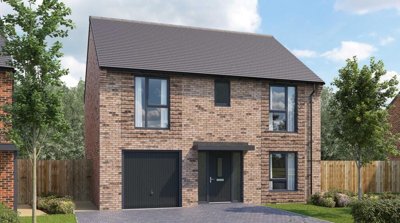
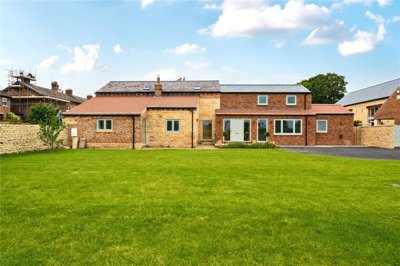
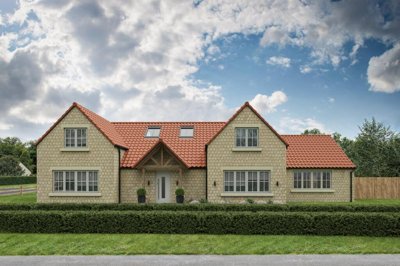
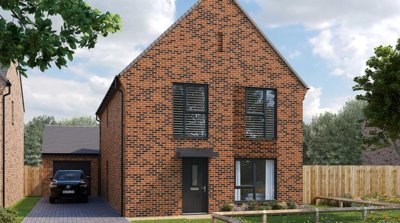
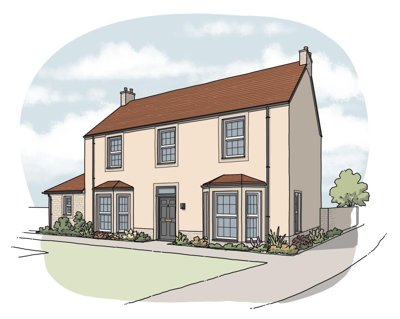
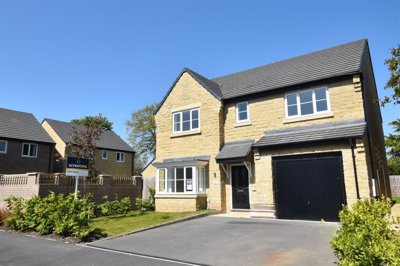
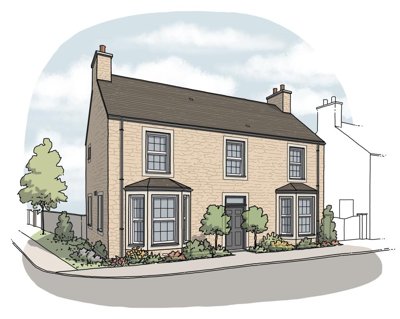
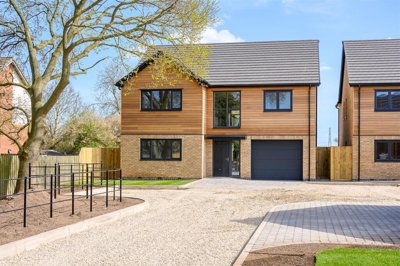
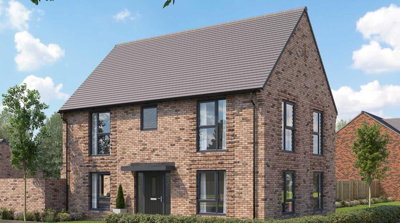
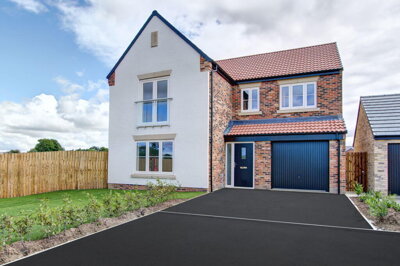
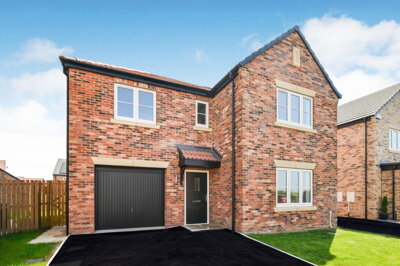
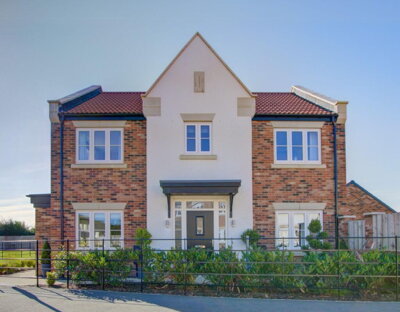
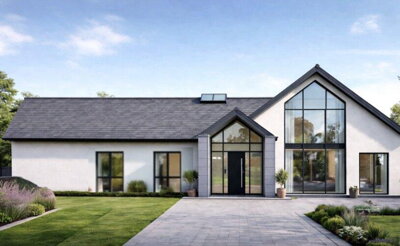
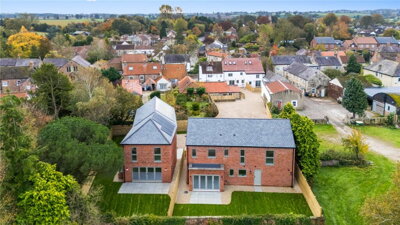
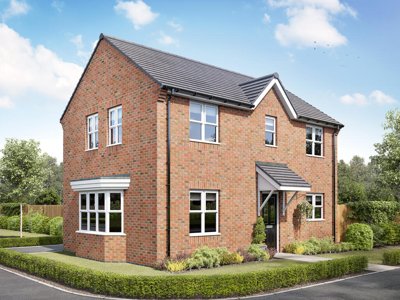
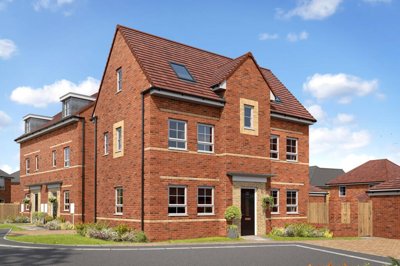
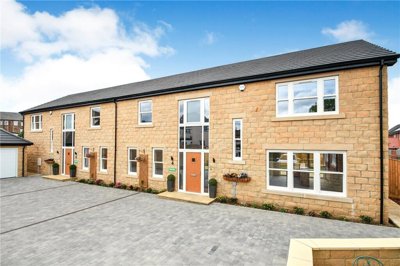
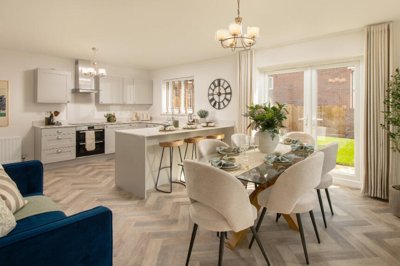
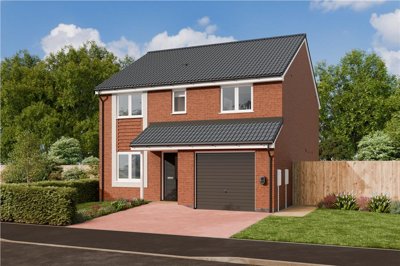
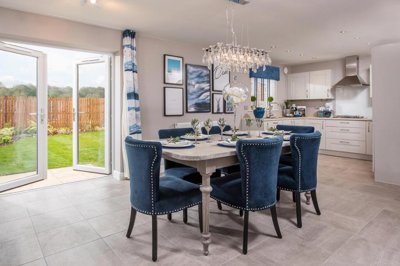
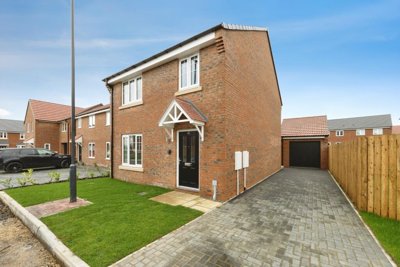
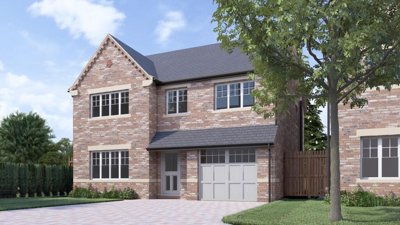
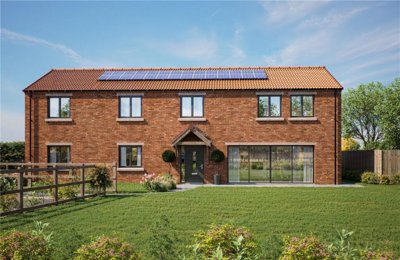
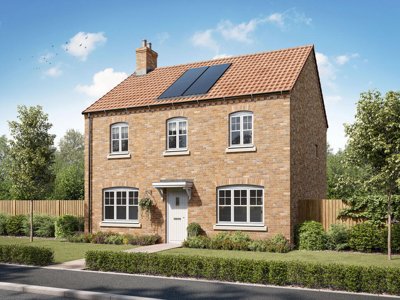
Browse 254 homes new builds in North Yorkshire from local developer agents.
The larger property sector typically features multiple bathrooms, substantial reception space, and private gardens or off-street parking. Four bedroom houses in North Yorkshire span detached, semi-detached, and occasionally terraced configurations, with styles ranging from period properties to modern executive homes.
North Yorkshire has a varied housing market, shaped by its rural patchwork and the needs of the people who live there. Detached homes make up 39.5% of the stock, which fits the county’s geography and the demand for roomy family space. They average £609,186, although that figure shifts sharply depending on how close a property sits to jobs and sought-after streets, with prime spots around Harrogate and York reaching far higher. Semi-detached homes account for 30% of available properties, and they often hit the sweet spot for families, offering decent room at an average of £327,177.
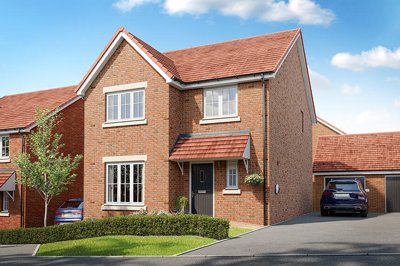
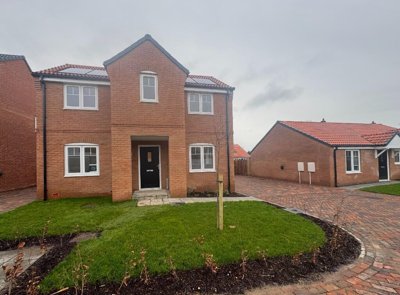
Terraced homes represent 19.4% of the housing stock, while flats sit at 10.2%, giving buyers more accessible choices, especially first-time buyers and anyone after low-maintenance living in towns with strong transport links. New build activity is still solid across the county, with major developers bringing fresh homes to market alongside the period properties that give North Yorkshire so much of its character. Barratt Homes offers three and four-bedroom properties at Meadow Fields in Boroughbridge from £299,995, while David Wilson Homes presents Salisbury Gardens in York starting from £349,995. For those needing a larger family home, Kings Church by Avant Homes in York has three, four, and five-bedroom options from £329,995.
Persimmon Homes is selling two to five-bedroom homes at The Pastures in Thirsk from £219,950, making it one of the more affordable new build choices in the county. Taylor Wimpey’s Sowerby Gateway scheme offers three and four-bedroom properties from £265,000 in Sowerby, Thirsk. These developments sit alongside the older housing that defines much of North Yorkshire, from Victorian terraces from the railway age to Georgian townhouses in historic market towns and stone cottages in Dales villages that go back centuries.

Across North Yorkshire there are approximately 602,300 residents in 269,700 households, so village life sits alongside access to full urban services. The landscape changes quickly as well, from the limestone valleys and pasture of the Yorkshire Dales to the heather moors of the North York Moors National Park. On the coast, Whitby brings a historic abbey and cobbled streets, Scarborough offers two bays and castle ruins, and Filey pairs its promenade with elegant Edwardian architecture. The Vale of York gives way to fertile lowlands around the ancient city, while Harrogate, Richmond, Thirsk, and Malton each have their own identity, shaped by history and setting.
The local economy draws on several sectors, which gives the region a steadier employment base. Tourism is a major part of that picture, especially in coastal towns and the villages inside the national parks, supporting hospitality, retail, and related services all year round. The public sector, from NHS trusts serving communities across the county to schools, universities, and local government, supports many households. Manufacturing and engineering still have a foothold, and digital and creative work has grown strongly in York and Harrogate, attracting younger workers who want alternatives to traditional rural jobs. That mix helps the housing market hold up, with demand backed by local employment rather than total reliance on commuting to bigger cities.
Traditional building materials across North Yorkshire tell their own story of geology and architectural heritage. In the Dales and on the moors, gritstone, sandstone, and limestone are common, giving villages like Grassington, Hawes, and Helmsley those familiar golden walls. Red brick appears more often in the Vale of York and nearby areas, while render is seen on properties right across the county. Roofs tend to be slate or pantiles, and pantiles are especially typical in eastern North Yorkshire, where local clay and manufacturing history shaped how houses were built. Those materials help tie towns and villages together visually, many of them sitting in conservation areas or among dense clusters of listed buildings that keep their historic look intact.

Education is a real strength here, from village primaries serving close-knit rural communities to respected secondaries and further education colleges. North Yorkshire has a strong network of primary schools, and many receive Good or Outstanding ratings from Ofsted, giving children a solid start in both town and country settings. Families moving into the county often point to state education as a key draw, along with smaller class sizes than many urban areas and strong links between schools and local families. In market towns such as Richmond, Thirsk, and Knaresborough, many primary schools also benefit from historic buildings and reputations that have been built over generations.
Secondary schools in North Yorkshire include a number that regularly post strong exam results and high Ofsted grades. Grammar schools in Ripon, Harrogate, and York give academically able pupils a route in if they pass the entrance tests, although places can be tightly contested because these schools are so popular. Catchment areas matter a great deal, because proximity to well-regarded secondary schools can shape both house prices and what is actually available in a given neighbourhood. For families looking at independent education, the county also has several established private schools with day and boarding options, often with extensive grounds, specialist teaching staff, and broad extracurricular programmes.
Beyond school age, there is still plenty on offer. York College runs a wide mix of vocational and academic courses, while Craven College in Skipton specialises in land-based subjects and rural careers such as agriculture, equestrian studies, and environmental management. The University of York and York St John University provide undergraduate and postgraduate study, adding to the city’s cultural life and creating graduate work opportunities within the county. For families planning a long stay in North Yorkshire, that spread of educational provision is a big part of why homes remain in demand and values stay supported.

Transport links have improved a lot in recent years, so the county is more accessible for commuters without losing its rural feel. York railway station runs direct services to London King’s Cross in approximately two hours, which keeps the capital within reach for regular business travel. The East Coast Main Line also serves North Yorkshire through stops at Darlington, adding to the area’s connectivity and drawing buyers who need access to major employment centres but prefer North Yorkshire’s way of life. Leeds, Newcastle, and Sheffield are all reachable in about one hour by train, which opens up work options across the wider region while letting residents enjoy a lower cost of living and a strong quality of life.
Road travel is centred on the A1(M), with its dual-carriageway route running north-south through the county and linking to the M1 motorway at Leeds for wider network access. The A59 crosses the county east-west, connecting Liverpool to York via Preston, Skipton, and York, while the A64 links York to the coast at Scarborough and Filey. Local bus services reach towns and villages across the county, though rural frequencies may mean planning around timetables rather than expecting all-day services. In more remote villages, car ownership still matters for everyday convenience, although lower commuting needs and home working mean many residents drive less often than they once did.
Cycling has gained ground across North Yorkshire in recent years, helped in part by the Tour de France legacy and better facilities for riders. National Cycle Network routes cross the region, giving traffic-free choices for leisure rides and, where distances suit, daily commuting. The flat Vale of York is especially good for cycling, while the Dales attract sport and leisure cyclists looking for harder routes through striking scenery. For people travelling to York or Leeds, cycling is becoming a more realistic option as infrastructure improves, and some residents now choose homes a bit further from work so they can get better value while still keeping a manageable ride on good days.

North Yorkshire stretches across a wide area, and the property market changes with it, from premium addresses near Harrogate and York to more affordable homes in coastal towns and rural villages. Get to grips with local price trends, school catchments, and transport links, and it becomes much easier to find areas that match both budget and priorities.
Before arranging viewings, we would always suggest getting a mortgage agreement in principle from a lender. It shows estate agents and sellers that you can proceed, which strengthens your position when offers go in. With average property prices at £296,575, most buyers will need mortgage finance, and having that confirmed early can cut down the time it takes to move through the process.
Use Homemove to browse properties across North Yorkshire, save the listings that suit your search, and arrange viewings through the estate agents shown. Take time over more than just the house itself, look at the feel of the street, nearby amenities, and the commuting options from each location.
Because over 72% of North Yorkshire properties were built before 1983, a full RICS Level 2 Survey is a sensible step for spotting defects. For a typical three-bedroom house, survey fees usually sit between £450 and £700, and that outlay can save far more if it brings hidden issues to light before purchase.
Your solicitor will deal with searches specific to North Yorkshire, including local authority checks, drainage and water enquiries, and environmental searches that cover flood risk and mining history. With the county’s varied geology and the flood risk found in some areas, these searches can tell you a great deal about the home you are considering.
Once the searches come back clean and your finance is in place, contracts are exchanged and the deposit is paid. Completion usually follows within four weeks, when you receive the keys and can start moving into your new North Yorkshire home.
Flood risk deserves close attention in North Yorkshire because of the county’s geography and river systems. Homes on floodplains around York, Tadcaster, and Malton face greater river flood exposure, while Whitby, Scarborough, and Filey also have tidal flood and coastal erosion issues. A RICS Level 2 Survey will pick up signs of past flooding or water damage, and local insight from estate agents and neighbours can add useful context on drainage and flood history. Properties in these places may come with higher insurance costs and flood resilience requirements, so those should be reflected in your offer and your longer-term budget.
Conservation areas and the county’s high number of listed buildings bring plenty of character, but they also bring responsibilities. York, Harrogate, Knaresborough, Richmond, Helmsley, and Whitby all have conservation area designations that limit permitted development rights and mean external changes may need approval. Listed buildings are subject to even tighter controls, with consent needed for alterations that could affect their character or structure. Those rules are worth checking before you buy, especially if you plan to extend or alter a period home. The upside is obvious, these designations help protect the look and feel of North Yorkshire’s best-loved neighbourhoods and support values over time.
Given North Yorkshire’s varied geology, it pays to understand the ground beneath a property before you commit. In the Vale of York, clay deposits create shrink-swell risk, which can affect foundations in very wet or very dry conditions. Homes in areas with historic coal mining, especially the former Selby district, can face ground instability from old workings. Coastal properties south of Whitby and around Filey also have ongoing coastal erosion concerns. A full survey and the right environmental searches will highlight these issues, so you can make an informed decision and factor any remediation or insurance costs into the purchase.

As of February 2026, the average house price in North Yorkshire was £296,575, based on the past twelve months in which 13,192 properties were sold. Prices differ sharply by type, with detached homes averaging £609,186, semi-detached properties £327,177, terraced houses £274,983, and flats £190,909. Over the last year, prices have dipped by 0.45%, which points to a steady market despite wider economic pressures. Compared with neighbouring metropolitan areas such as Leeds and York, the county still offers strong value, especially for buyers after more space or more land than they could afford in city areas.
Council tax bands in North Yorkshire vary by property and by local authority area, because different districts within the county set their own rates. North Yorkshire Council, City of York Council, and other authorities each administer council tax, with bands from A to H depending on the property’s assessed value. Buyers can check the band for a specific home through the relevant local authority website or ask the seller during conveyancing. Typical annual bills for band D properties across North Yorkshire range from around £1,800 to £2,100, and the county often comes in lower than many metropolitan areas.
North Yorkshire has a strong spread of schools across every stage of education. At primary level, schools in Harrogate, York, Richmond, and Knaresborough often receive Good or Outstanding Ofsted ratings. Secondary choices include grammar schools in Ripon, Harrogate, and York for academically selected pupils, along with comprehensive schools that have solid reputations in towns across the county. York College and Craven College give good further education options, while the University of York and York St John University provide higher education in the county itself. Parents should check catchments and admissions rules carefully, because catchment boundaries can change which schools are linked to a particular property address.
York railway station sits at the centre of North Yorkshire’s public transport network, with fast services to London, approximately two hours away, plus Leeds, Newcastle, and Edinburgh via the East Coast Main Line. Bus services link towns and villages across the county, although rural frequencies can be limited outside peak times. The A1(M) and A59 act as key road routes, while the A64 connects York to the coast. For commuters, areas around York, Harrogate, and Thirsk have the strongest rail links, which is a big reason they remain popular with people travelling to major cities. Rural villages may still call for car ownership, though stronger digital connections have made home working easier and cut the need for a daily commute.
North Yorkshire has several qualities that make it appealing for property investment. The county’s broad economy offers steady employment in tourism, public services, agriculture, and growing digital sectors. Demand from buyers who want the quality of life on offer helps support prices and rents, especially in towns with strong transport links such as York, Harrogate, and Thirsk. The range of homes, from affordable terraced houses to premium detached properties in highly sought-after places, lets investors aim at different parts of the market. Buyers do need to think about specific risks, including flood exposure in some locations, the duties that come with listed buildings, and the chance of slower capital growth than in some metropolitan areas. As with any investment, where a home sits in the county makes a big difference, and places with strong transport and good schools command the highest valuations.
Stamp Duty Land Tax, or SDLT, rates for 2024-25 apply to every property purchase in North Yorkshire. The standard bands charge 0% on the first £250,000, 5% on the portion from £250,001 to £925,000, 10% on £925,001 to £1.5 million, and 12% on anything above £1.5 million. First-time buyers get relief on the first £425,000, with 5% charged between £425,001 and £625,000, and no relief above £625,000. On a typical North Yorkshire home priced at £296,575, a standard buyer would pay no stamp duty, and a first-time buyer would also pay nothing because the whole sum falls within the zero-rate band. Higher-value purchases would, of course, carry higher SDLT costs.
From 4.5% APR
We compare mortgage deals to help you find the best rate for your North Yorkshire home
From £499
Our property solicitors handle your North Yorkshire purchase from start to finish
From £450
Professional survey to identify defects before purchase
From £80
Get an energy performance certificate for your North Yorkshire property
Working out the full cost of buying in North Yorkshire helps with budgeting and keeps surprises to a minimum once the process starts. On top of the purchase price, buyers need to allow for Stamp Duty Land Tax, solicitor fees, survey costs, and a range of other charges that can add several thousand pounds to the overall bill. The good news for many buyers is that North Yorkshire’s average property price of £296,575 sits below the standard SDLT threshold, so plenty of purchases attract no stamp duty at all. First-time buyers buying at or below this price point can also move ahead without any SDLT liability, which makes the county an appealing option for people entering the market for the first time.
Solicitor and conveyancing fees for a North Yorkshire home usually fall between £500 and £1,500, depending on how complex the transaction is and what the property is worth. Those costs cover the legal work needed to transfer ownership, from title checks and contract drafting through to registration with the property register. Search fees add to the bill, including local authority searches that show planning history and conservation area designations, drainage and water searches that confirm utility connections, and environmental searches that assess flood risk, ground stability, and possible contamination from former land uses. With North Yorkshire’s varied geology and pockets of historic mining, environmental and ground stability searches are especially worthwhile, because they can flag issues that affect a property’s long-term value or habitability.
Survey costs are another part of the budget, with RICS Level 2 Surveys for typical three-bedroom North Yorkshire properties usually ranging from £450 to £700. Since approximately 72% of homes in North Yorkshire were built before 1983, and many still have traditional construction such as solid walls and period features, a proper survey is valuable for spotting defects that may not be obvious during a standard viewing. For larger homes, unusual construction, or listed buildings, a more detailed RICS Level 3 Building Survey may be the better choice, even if it costs more. You should also leave room for removals, mortgage arrangement fees where they apply, and possibly some immediate spending after completion on furniture, appliances, or minor repairs if the property needs attention.

Properties New Builds In London

Properties New Builds In Plymouth

Properties New Builds In Liverpool

Properties New Builds In Glasgow

Properties New Builds In Sheffield

Properties New Builds In Edinburgh

Properties New Builds In Coventry

Properties New Builds In Bradford

Properties New Builds In Manchester

Properties New Builds In Birmingham

Properties New Builds In Bristol

Properties New Builds In Oxford

Properties New Builds In Leicester

Properties New Builds In Newcastle

Properties New Builds In Leeds

Properties New Builds In Southampton

Properties New Builds In Cardiff

Properties New Builds In Nottingham

Properties New Builds In Norwich

Properties New Builds In Brighton

Properties New Builds In Derby

Properties New Builds In Portsmouth

Properties New Builds In Northampton

Properties New Builds In Milton Keynes

Properties New Builds In Bournemouth

Properties New Builds In Bolton

Properties New Builds In Swansea

Properties New Builds In Swindon

Properties New Builds In Peterborough

Properties New Builds In Wolverhampton

Enter your details to see if this property is within your budget.
Loans, cards, car finance
Estimated property budget
Borrowing + deposit
You could borrow between
Typical borrowing
Monthly repayment
Est. at 4.5%
Loan-to-value
This is an estimate only. Your actual budget may vary depending on interest rates, credit history, and personal circumstances. For an accurate affordability assessment, speak to one of our free mortgage advisors.
This calculator provides estimates for illustrative purposes only and does not constitute financial advice. Your home may be repossessed if you do not keep up repayments on your mortgage. Estimates based on 4.5% interest rate, repayment mortgage. Actual rates depend on your circumstances.
Homemove is a trading name of HM Haus Group Ltd (Company No. 13873779, registered in England & Wales). Homemove Mortgages Ltd (Company No. 15947693) is an Appointed Representative of TMG Direct Limited, trading as TMG Mortgage Network, which is authorised and regulated by the Financial Conduct Authority (FRN 786245). Homemove Mortgages Ltd is entered on the FCA Register as an Appointed Representative (FRN 1022429). You can check registrations at NewRegister or by calling 0800 111 6768.

We use cookies to show you personalised content and improve your experience of our website. Find out more in our Privacy policy and Cookie policy.