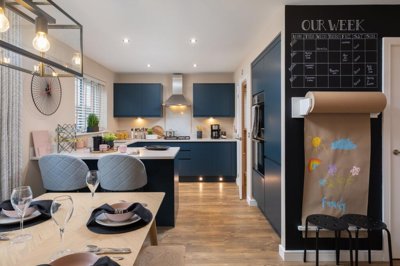
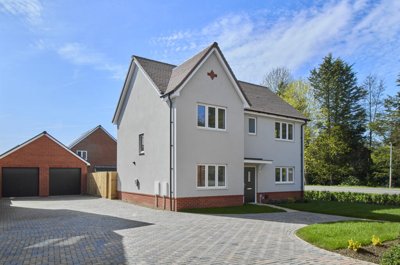
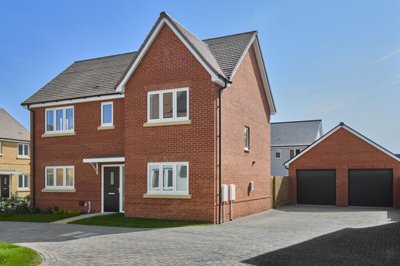
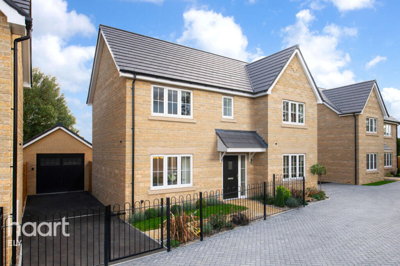
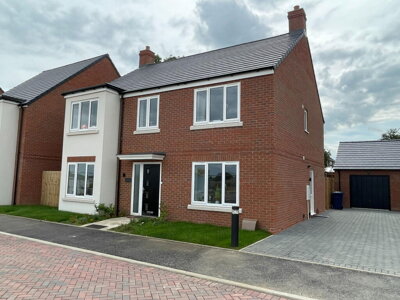
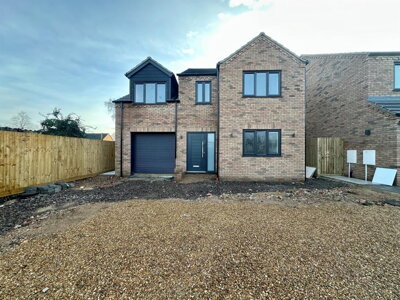
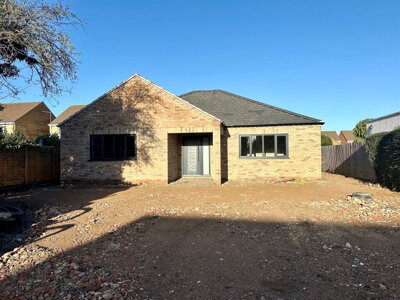
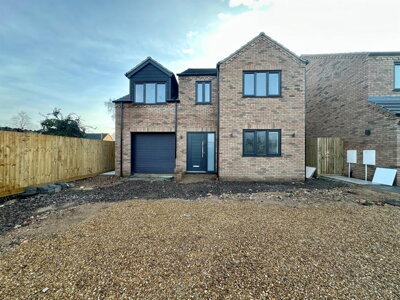
Browse 11 homes new builds in March, Fenland from local developer agents.
The larger property sector typically features multiple bathrooms, substantial reception space, and private gardens or off-street parking. Four bedroom houses in March span detached, semi-detached, and occasionally terraced configurations, with styles ranging from period properties to modern executive homes.
£425k
53
2
202
Source: home.co.uk
Showing 53 results for 4 Bedroom Houses new builds in March, Fenland. 2 new listings added this week. The median asking price is £425,000.
Source: home.co.uk
Detached
46 listings
Avg £427,174
Semi-Detached
6 listings
Avg £251,250
Terraced
1 listings
Avg £290,000
Source: home.co.uk
Source: home.co.uk
March’s listings in March point to a market with a decent spread of choice, but not so much that buyers are drowning in options. According to home.co.uk, average asking prices sit around £287,523, with detached homes closer to £309,722 and flats around £110,000. That range puts small starter homes and larger family houses on the same local ladder. Asking prices also appear to sit above recent sold values in places, so there may be room to push back, particularly on homes that have been listed for a while. New-build options look thin in the March research set, meaning most buyers will be weighing up older houses, improved terraces and detached homes with scope in the plot.
Detached houses still take the top slot on price, but terraces keep March in play for buyers watching the monthly payment closely. homedata.co.uk records sold values of £289,008 for detached homes, £221,211 for semis and £175,779 for terraces, with the town-wide average at £242,572. That average is 2% below the 2022 peak of £247,490, so prices have not run beyond reach. In PE15 8, which covers part of March, values are down 3.8% over the last year and 7.5% after inflation. For buyers, that makes pricing evidence and firm negotiation more than useful, it makes them necessary.

With a population of 22,298, March has the feel of a proper Fenland market town rather than a large commuter sprawl. The country around it is flat and low-lying, giving long views and a wide, open character that can be a real draw for people leaving busier places. That landscape feeds into the housing market too. Buyers often come here looking for shops, schools and day-to-day services without sacrificing space, and that practical mix is why March keeps appearing on shortlists.
There is a settled, historic quality to the centre, not least around St Wendreda's Church, the oldest church in March, and the town’s several 19th-century churches. Those buildings give the place more texture than a simple postcode search can show. Daily life is still fairly manageable, because March is small enough for errands not to become a production, while the surrounding Fenland countryside keeps the town tied to its setting. Compared with larger Cambridgeshire settlements, the draw is usually value, space and a slower rhythm rather than a strongly urban lifestyle.
For families, school checks need to sit right alongside viewings and mortgage figures. The research pack does not name schools or give current Ofsted grades, so buyers should confirm catchments, admissions rules and inspection reports directly before going too far. In a market town of this size, a house can be right on price and layout but still fall outside the school you hoped for. If school access is central to the move, compare homes on both sides of the preferred boundary before arranging second viewings.
March serves a wider Fenland area, not only a single tight neighbourhood, so catchment planning can make a noticeable difference. A home close to the centre may look ideal for the school run, but intake areas do not always follow the most convenient route on the map. Parents planning for a primary, secondary or sixth-form place should ask agents what they are seeing locally, then check the answer with the schools themselves. Old assumptions are easy to repeat and expensive to rely on.
Build the education search into the viewing plan from day one if children are part of the move. Nursery places, sixth-form options and further education routes all affect the daily timetable, especially if the journey takes you beyond the town centre. March’s Fenland position can suit families who are comfortable mixing town living with travel to nearby education hubs, but the right answer depends on postcode and routine. A mortgage agreement in principle helps here too, because homes near sought-after schooling do not always hang around.

Commuting from March works more like a small market town than a city district, which is part of the appeal. Rail links, local buses and road routes across Fenland make regional work trips realistic, particularly for people heading to nearby employment centres. In practice, buyers tend to care about three things first: how quickly they can reach the station, whether the school run is sensible and if the property has workable parking. Those small daily tests usually matter more than any headline journey claim.
The railway is a key reason some buyers choose March while avoiding a larger urban base. Sitting within the wider Cambridgeshire and East Anglia network, the town gives rail commuters another option for regional travel, while the road pattern keeps drives between nearby towns fairly straightforward. Timetables change, so peak and off-peak services should be checked before an offer goes in. Anyone commuting several days a week should try the journey at the time they would actually leave.
Parking is often less of a battle in March than it would be in a major city, although older terraces and central streets can still be tight for on-street space. The flat Fenland terrain is useful for cycling too, particularly for short hops to the shops, schools or station. For buyers working from home some of the week, that blend of road access, parking and cycle-friendly streets can be a quiet advantage. Judge the street in front of you, not just the postcode on the listing.
Have a mortgage agreement in principle ready before viewings, so you know your ceiling and can move quickly when the right March home appears.
Check the basics early: access to the town centre, distance to the station, parking arrangements and any flood or drainage questions linked to the Fens.
Go back at different times of day. Traffic, noise, parking pressure and the general feel of a March street can change more than a listing suggests.
For many March properties, especially older terraces and homes close to the centre, a RICS Level 2 survey is a sensible level of protection.
Once your offer is accepted, ask a conveyancer to start searches, title checks and any leasehold paperwork without delay.
Keep your lender, solicitor and estate agent in the loop, as small gaps in communication can slow the move from exchange to completion.
Because March sits in the Fens, flood and drainage checks deserve a place near the top of the viewing list. The research does not pick out a specific flood hotspot, but the low-lying setting means environmental searches are still important. Ask whether the seller has had standing water, drainage problems or insurance difficulties. Homes close to open land, older plots, flat roofs and rear extensions deserve particular care. A quick search now costs far less than discovering a problem later.
Leasehold flats can look tempting because of the lower asking price, but the running costs need proper scrutiny. Before offering, ask for service charges, reserve funds, ground rent and any planned works, then set those figures against similar March homes. Terraced and semi-detached houses are often simpler for first-time buyers, although they can still bring bills if the roof, heating system or windows are nearing the end of their life. Our surveyors can help put those risks into plain terms before they become negotiation points.
A survey is also useful because March has a varied stock of older homes, including properties near its historic churches. The research set does not list a conservation area, but it does identify heritage buildings in the town, so buyers should ask whether design or alteration controls apply to the particular address. If a property has been extended, converted or modernised over time, planning permission, building regulation sign-off and warranty documents all need checking. That paperwork tells you far more than a fresh coat of paint.

homedata.co.uk puts the average sold price over the last 12 months at £242,572. Current home.co.uk asking data is nearer £287,523, suggesting some sellers are still testing above recent completion levels. Detached homes are around £289,008 sold and £309,722 asked, while terraces sit closer to £175,779 sold. For buyers with a firm budget, that spread creates useful choice, but only if the numbers are treated realistically.
For council tax, March comes under Fenland District Council, with homes banded from A to H according to value and size. The research data does not give one town-wide band, so the safest source is the individual listing or the council tax bill for the property. Smaller terraces and newer flats are often below larger detached houses, but the band belongs to the property, not simply the postcode. Build it into the same budget as the mortgage, insurance and maintenance.
The supplied research does not identify specific schools or Ofsted ratings for March, so buyers should check the latest reports before making an offer. Catchment areas matter, because a house can fit the budget and still miss the preferred school. Ask agents which roads usually feed into the primary or secondary you have in mind, then confirm that with the school and the local authority. Nursery and sixth-form journeys should be tested against the viewing shortlist as well.
For a market town, March is reasonably well connected. Rail, bus and road links support regional commuting, and the flat Fenland landscape helps with cycling and shorter local drives. Exact timings depend on the service and time of day, so use the route you would actually take rather than a broad estimate. If station access is a must, look at parking and the walk from the front door to the platform.
March can work well for buyers seeking relative affordability and a mixed housing stock, particularly beside more expensive parts of Cambridgeshire. homedata.co.uk shows a sold-price market that has been softer rather than overheated, which may suit disciplined buyers hoping to add value over time. Still, investment potential depends on the street, property type and running costs, not just a low purchase price. A realistic mortgage plan and a good survey matter just as much as the headline figure.
For a main home, current stamp duty is 0% up to £250,000, 5% from £250,000 to £925,000, 10% from £925,000 to £1.5 million and 12% above that. First-time buyers receive 0% up to £425,000 and 5% from £425,000 to £625,000, with no relief above £625,000. At March’s typical sold price of £242,572, a main-residence buyer would usually pay no stamp duty. At the home.co.uk asking average of £287,523, the SDLT would be about £1,876. Buyers purchasing an additional property should ask their solicitor to model the higher rate before committing.
The low-lying Fenland setting makes flood and drainage questions relevant on every March viewing, even though the research does not identify one specific problem street. Check the property history, the seller’s forms and the environmental searches, then ask about local drainage maintenance and any previous water ingress. Older plots and homes with flat roofs need particular attention. The right survey can spot risks early enough for you to renegotiate or step away.
March buyers should plan for more than the deposit, as legal fees, searches, surveys and mortgage costs can build quickly. On stamp duty, the current main-residence thresholds are 0% up to £250,000, 5% from £250,000 to £925,000, 10% from £925,000 to £1.5 million and 12% above that. First-time buyers get 0% up to £425,000 and 5% from £425,000 to £625,000, with no relief above £625,000. The bill is driven by the purchase price far more than by the town name.
Using the recent March figures, a home bought at the homedata.co.uk average sold price of £242,572 would normally sit below the standard SDLT threshold, so a main-home buyer would pay no stamp duty. At the home.co.uk average asking price of £287,523, a standard buyer would pay around £1,876, because only the amount above £250,000 is taxed at 5%. A first-time buyer at that asking price would still pay no SDLT, which helps explain March’s appeal for people making their first purchase. Before offering, ask your solicitor to include SDLT in the full completion budget.
The tax is only one line in the budget. Allow for surveys, conveyancing, lender fees and moving costs as well, particularly on homes with older plumbing, uncertain roofs or possible drainage issues. In March, value for money is part of the attraction, but condition can change the real cost very quickly. A clear budget gives you the confidence to bid sensibly rather than stretch at the wrong moment.
Properties New Builds In London

Properties New Builds In Plymouth

Properties New Builds In Liverpool

Properties New Builds In Glasgow

Properties New Builds In Sheffield

Properties New Builds In Edinburgh

Properties New Builds In Coventry

Properties New Builds In Bradford

Properties New Builds In Manchester

Properties New Builds In Birmingham

Properties New Builds In Bristol

Properties New Builds In Oxford

Properties New Builds In Leicester

Properties New Builds In Newcastle

Properties New Builds In Leeds

Properties New Builds In Southampton

Properties New Builds In Cardiff

Properties New Builds In Nottingham

Properties New Builds In Norwich

Properties New Builds In Brighton

Properties New Builds In Derby

Properties New Builds In Portsmouth

Properties New Builds In Northampton

Properties New Builds In Milton Keynes

Properties New Builds In Bournemouth

Properties New Builds In Bolton

Properties New Builds In Swansea

Properties New Builds In Swindon

Properties New Builds In Peterborough

Properties New Builds In Wolverhampton

Enter your details to see if this property is within your budget.
Loans, cards, car finance
Estimated property budget
Borrowing + deposit
You could borrow between
Typical borrowing
Monthly repayment
Est. at 4.5%
Loan-to-value
This is an estimate only. Your actual budget may vary depending on interest rates, credit history, and personal circumstances. For an accurate affordability assessment, speak to one of our free mortgage advisors.
This calculator provides estimates for illustrative purposes only and does not constitute financial advice. Your home may be repossessed if you do not keep up repayments on your mortgage. Estimates based on 4.5% interest rate, repayment mortgage. Actual rates depend on your circumstances.
Homemove is a trading name of HM Haus Group Ltd (Company No. 13873779, registered in England & Wales). Homemove Mortgages Ltd (Company No. 15947693) is an Appointed Representative of TMG Direct Limited, trading as TMG Mortgage Network, which is authorised and regulated by the Financial Conduct Authority (FRN 786245). Homemove Mortgages Ltd is entered on the FCA Register as an Appointed Representative (FRN 1022429). You can check registrations at NewRegister or by calling 0800 111 6768.

We use cookies to show you personalised content and improve your experience of our website. Find out more in our Privacy policy and Cookie policy.