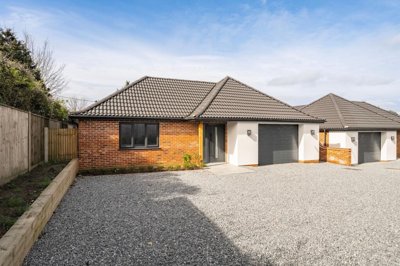
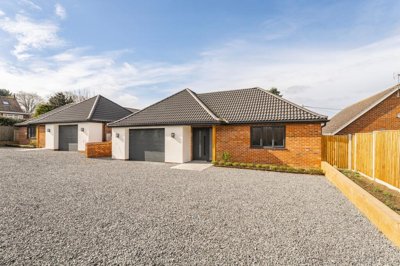
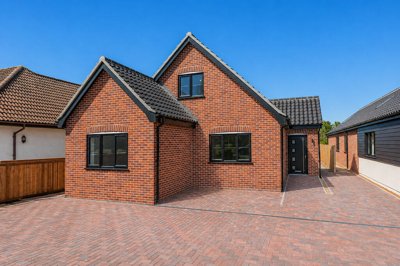
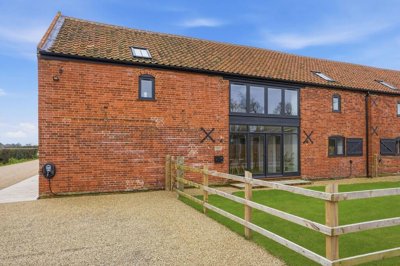
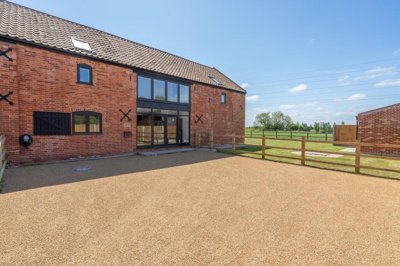
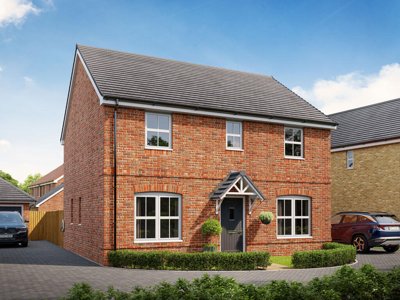
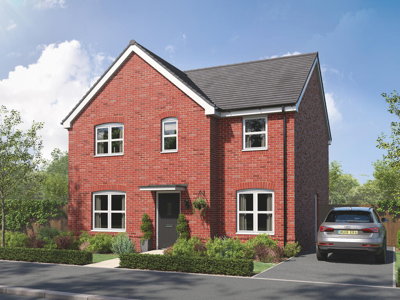
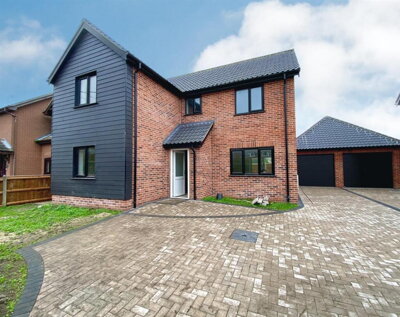
Browse 9 homes new builds in Lowestoft, East Suffolk from local developer agents.
The larger property sector typically features multiple bathrooms, substantial reception space, and private gardens or off-street parking. Four bedroom houses in Lowestoft span detached, semi-detached, and occasionally terraced configurations, with styles ranging from period properties to modern executive homes.
£400k
42
4
106
Source: home.co.uk
Showing 42 results for 4 Bedroom Houses new builds in Lowestoft, East Suffolk. 4 new listings added this week. The median asking price is £400,000.
Source: home.co.uk
Detached
30 listings
Avg £446,417
Terraced
7 listings
Avg £247,143
Semi-Detached
5 listings
Avg £280,000
Source: home.co.uk
Source: home.co.uk
Lowestoft's property market has held up well over the past year, with overall average house prices up by approximately 2% according to home.co.uk listings data. The current average sold price sits around £235,429, although some reports place it between £210,000 and £260,000. That level of movement points to a market that is steady rather than jumpy, which is part of the appeal for buyers who want value and a bit of predictability. Lowestoft End, covering the NR32 1 postcode sector, has done even better, with prices 5% higher than the previous year.
By property type, Lowestoft still shows clear gaps in price. Detached homes sit at the top end, usually averaging between £390,000 and £450,000 depending on the source, which reflects the extra space and privacy they tend to offer. Semi-detached houses, a sizeable part of the local stock, typically sell for around £225,000 to £250,000. Terraced homes are usually the more accessible route in, with averages of £170,000 to £175,000, so they remain popular with first-time buyers. Flats are generally the cheapest option at between £130,000 and £150,000, although supply can be patchy in some parts of town.
NR32 1 has been one of the stronger postcode sectors in Lowestoft, with house prices up 9.9% over the last year according to property analytics. The sector logged 128 property transactions in the past twelve months, which suggests healthy activity rather than a quiet market. In the wider Lowestoft area, asking prices have slipped by 3.3% over the past six months, so buyers who move quickly may find a little more room to negotiate before the market shifts again. Across Suffolk, there were around 9,700 property sales in the previous twelve months, a 14.1% fall in transaction volumes compared with the year before.
Terraced homes have accounted for most recent sales across much of Lowestoft, while detached houses have led the way in Lowestoft End. The contrast says a lot about how the town is laid out. Inner areas are denser and full of older terraces built for workers in the maritime and fishing trades, while the outer districts were developed later and tend to have larger detached family homes on bigger plots. For buyers, that makes the pattern useful. It can point you towards the neighbourhoods that fit the sort of home and way of living you have in mind.

Lowestoft has a coastline-led way of life, helped by its position as Britain's most easterly town. Around the historic High Street and the Scores area, the town centre mixes independent shops, cafes and restaurants, and the steep pathways there once carried fishermen down towards the beach. The seafront promenade runs along the North Sea coast, giving residents wide views and direct access to two miles of sandy beaches that have drawn visitors since the Victorian era. Neptune Park, the historic lighthouse that marks the easternmost point of England, and Oulton Broad, a stretch of inland waterway well suited to sailing, kayaking and quiet walks by the water, all add to the appeal.
Employment in Lowestoft has changed a good deal in recent years, and the offshore wind industry now plays a major part in that shift. The port supports work for a number of renewable energy companies, bringing skilled roles in engineering, maintenance and logistics that draw people in from across the region. Fishing, maritime services and tourism still matter too. So do healthcare and education, with the town's hospital, GP surgeries, schools and further education colleges providing steady jobs for local residents at different skill levels.
The town also has several conservation areas that help protect its built heritage, especially around the historic High Street and the Scores. In those streets, Grade I and Grade II listed buildings sit alongside one another, a reminder of Lowestoft's past as an important trading port. Homes in these areas come with tighter planning controls, so renovation options can be more limited, but that same control helps keep the character that makes the neighbourhoods so distinctive. Across Lowestoft, the housing mix is broad, from Victorian and Edwardian terraces to interwar semi-detached houses and newer developments from the 1980s onwards on the edge of town.
Oulton Broad is one of the more sought-after parts of Lowestoft for residential buyers. Waterway views and easy access to watersports facilities give the area a particular appeal. The broad itself, one of the most southerly of the Norfolk Broads, provides a calm backdrop for riverside living while still sitting within easy reach of the town centre. Homes here usually carry a premium for good reason, with detached properties along the water's edge especially prized by buyers looking for space and a pleasant outlook.

Families find plenty of choice in Lowestoft, which makes the town a practical place to live with children of different ages. There are lots of primary schools serving local neighbourhoods, and the area includes good and outstanding Ofsted-rated options. Catchment areas matter quite a lot here, because most primary schools mainly serve their immediate communities. Before buying, parents should check current admissions rules and catchments, since both can change and may shape the property search. Early years provision is also well covered, with nurseries and preschool settings offering flexible childcare for working parents.
Secondary schooling in Lowestoft covers pupils from 11 to 16 or 18, with further education available at nearby colleges. Over the years, investment has gone into school buildings and resources, so a number of sites have improved their facilities. For sixth form choices, families can look at both school sixth forms and dedicated further education colleges. Exam results, Ofsted reports and extracurricular activities are all worth comparing, because they help parents judge which school areas best match their children's needs and ambitions.
For families moving to Lowestoft from elsewhere, school admissions can be competitive in some catchments. We often see buyers get caught out by boundaries that place one side of a road in a different school area from the other, so the map needs checking early on. The local authority publishes admissions details and catchment maps, which help buyers see which schools cover a particular address. Some families also look at faith schools or specialist provision, depending on their children's needs, and transport can then affect where they choose to live. The East Suffolk Council website gives full details of oversubscription criteria and how catchment boundaries are drawn.

Rail links from Lowestoft have improved a lot, which has made the town more appealing to commuters heading to larger employment centres. Lowestoft railway station runs regular services to Norwich, and from there passengers can connect onwards to Cambridge, London Liverpool Street and the wider National Rail network. Journeys to Norwich usually take 15-20 minutes by train, so city access is straightforward without relying on the car. That direct line is especially useful for residents who work in Norwich but want the lower cost of living that comes with a coastal address.
Road travel from Lowestoft is centred on the A12, which passes through the town and provides a direct route north to Great Yarmouth and south towards Ipswich and beyond. The A146 offers another option, linking Lowestoft with the Norfolk Broads and Norwich to the west. For longer trips, the A14 can be reached via the A12 and gives access to Felixstowe port and the Midlands. Norwich International Airport sits approximately 35 miles away, with domestic flights and some European destinations, while London Stansted can be reached by road and rail for international travel.
Bus services run by different operators link Lowestoft with nearby villages and towns across East Suffolk, so the town remains well connected even for people without a car. Cycling has become more practical too, thanks to routes improved in recent years, especially along the seafront and towards Oulton Broad. Parking in the town centre can still be awkward at busy times, although shoppers and visitors do have several car parks to choose from. For London commuters, the rail journey via Norwich takes about 2 hours to London Liverpool Street, which can work for people who split their week between home and office. That, combined with the easier trip to Norwich and lower property prices than the capital, is why more workers are taking a closer look at Lowestoft.

We always suggest getting a mortgage agreement in principle before you start viewing. It strengthens your position when you make an offer and shows sellers that you are serious. In Lowestoft's competitive market, having finance lined up can be the difference between securing the right home and losing out to another buyer. Most lenders offer online calculators that give a quick indication of borrowing power within minutes, although a full application still needs proof of income, employment status and credit history.
Spend time in a few different parts of Lowestoft before settling on an area. Proximity to schools, transport links, local amenities and the feel of each district all matter. Homes near the seafront and Oulton Broad usually come at a premium, while inland locations often offer better value. Each neighbourhood has its own character, from the older terraces around the High Street to the newer developments on the edge of town.
We recommend contacting estate agents in Lowestoft to book viewings of homes that fit your brief. Seeing several properties back to back makes it easier to judge condition, upkeep and whether a house has real potential. Look closely for signs of damp, the state of the roof and any maintenance issues that could affect your offer. With period homes, original windows, fireplaces and timber floors deserve a careful look, because restoration can add a fair bit to the budget.
Before you complete, commission a RICS Level 2 Survey. Lowestoft has a wide spread of housing, and many of the older properties can hide issues that are not obvious during a viewing. A survey can pick up structural problems, damp or defects that might change the price you are willing to pay, or justify asking for repairs. In the town's older homes, rising damp, worn roof coverings and outdated electrical systems are all common enough to need checking.
Choose a conveyancing solicitor to deal with the legal side of the purchase. They will carry out searches, review the contract and handle the transfer of ownership. A solicitor with Lowestoft experience can be helpful where conservation area rules or flood risk assessments come into play. In most cases, they will order drainage and water searches, local authority searches and environmental searches to flag anything that could affect the property.
Once the searches are clear and the mortgage is fully in place, the next step is exchange, and the deposit is paid at that point. Completion usually follows soon after, when the remaining money is sent and the keys to your new Lowestoft home are handed over. On the day of completion, the estate agent releases the keys and you can start moving in.
A few local issues deserve proper attention when buying in Lowestoft. Flood risk sits high on that list because of the town's coastal position and its closeness to the River Waveney and Oulton Broad. Homes near waterways or low-lying coastal stretches can face higher flood risk, which may affect insurance costs and mortgage terms. Buyers should check Environment Agency flood risk maps and talk through any concerns with their conveyancing solicitor, who will usually carry out the relevant drainage and flood searches. That said, many parts of Lowestoft are not at significant risk, and specialist insurers can often cover homes in the higher-risk zones.
Buyers planning renovation work need to think carefully about conservation areas and listed buildings. In Lowestoft's conservation areas, especially around the historic High Street and Scores, stricter planning controls can limit permitted development rights. Listed buildings need special consent from the local authority for alterations that could affect their character or structure. Those rules do help protect the town's architectural history, but they can make projects more complex and more expensive, so that needs to be built into the plan. Replacement windows and doors may also have to match the building's original look.
Much of Lowestoft's housing stock is older, so buyers should keep an eye out for the usual issues that come with that age. Rising damp, penetrating damp and condensation crop up often in Victorian and Edwardian homes, especially where upkeep or ventilation has been poor. Roofs need close inspection too, because tired tiles, slates and flashing can lead to water ingress and costly repairs. Wiring and plumbing in older houses may fall short of current standards and need upgrading. Timber problems such as wet rot, dry rot and woodworm can also affect structure and finishes, particularly where damp has been an issue. A RICS Level 2 Survey is a sensible way to spot these problems and judge the real cost of owning the property.
Coastal erosion is a long-term issue for homes close to the more exposed stretches of the Lowestoft shoreline. Most residential areas are well protected, but properties near cliff edges or in open coastal positions may still face erosion risk that could influence future values and insurance. It makes sense to check the exact location of any coastal property and think through what that means over time. Older neighbourhoods in Lowestoft often feature traditional red brick construction, which is generally robust, though pointing and weathering details still need looking after to keep moisture out.

Recent market data puts the average house price in Lowestoft at £235,429, although the figures vary a little from one source to another, sitting somewhere between £210,000 and £260,000 depending on the data source and time period. By type, detached homes average £390,000 to £450,000, semi-detached properties around £225,000 to £250,000, terraced homes £170,000 to £175,000, and flats usually between £130,000 and £150,000. Over the past year, the market has risen by approximately 2%, while the NR32 1 postcode sector has performed especially well with nearly 10% growth. Lowestoft End has also recorded 5% price growth year on year, which shows there is still clear demand there.
Council tax in Lowestoft is set by East Suffolk Council, and properties are placed in bands A through H according to assessed value. In general, most terraced homes and smaller flats sit in bands A to C, while larger semi-detached and detached properties are more often band D to F. Before buying, it is sensible to check the band of any particular home through the Valuation Office Agency website, because it affects running costs alongside the rest of the household bills. East Suffolk Council sets the rates each year, and the banding can be reviewed if the property has had significant alterations.
Lowestoft has a full spread of education options, with several primary and secondary schools rated good or outstanding by Ofsted. Parents should look at current Ofsted reports, exam performance and extracurricular provision when weighing up schools. Catchment areas can have a big effect on placement, so buyers with children should check which schools serve a specific address through the East Suffolk Council school admissions portal. Popular schools can be very competitive, and homes near boundary lines may sit in different catchments, so checking before you commit is important.
Rail services from Lowestoft railway station link the town with Norwich, and the journey usually takes 15-20 minutes. From Norwich, passengers can reach London Liverpool Street, Cambridge and the wider East Anglian network. Bus routes from a number of operators connect Lowestoft with surrounding villages and towns in East Suffolk. By road, the A12 links north to Great Yarmouth and south to Ipswich, while Norwich International Airport is about 35 miles away. For people commuting to London, the roughly 2-hour trip to Liverpool Street via Norwich can work well if they have flexible hours or work from home part of the week.
There are several reasons Lowestoft appeals to property investors. The offshore wind industry has turned the town into a useful employment hub, bringing in investment that could support future property values as renewables continue to grow. Average prices are still well below many coastal towns in the Southeast, which leaves room for value and possible growth. The rental market is helped by demand from workers in energy, maritime, healthcare and local services, so tenants come from a range of income levels. Even so, anyone buying to let should look closely at local conditions, likely rental yields and any development or regeneration plans that may affect values.
Stamp Duty Land Tax for residential purchases in England starts at 0% on the portion of the price up to £250,000. It rises to 5% on the part between £250,001 and £925,000, 10% between £925,001 and £1.5 million, and 12% on any amount above £1.5 million. First-time buyers get higher thresholds, with 0% up to £425,000 and relief on the part between £425,001 and £625,000. Most Lowestoft homes sell below the £425,000 first-time buyer threshold, so stamp duty can be very low or nil depending on the buyer and the price. The average property price of £235,429 sits comfortably within the zero-rate band for all buyers.
Lowestoft's coastal setting, together with its closeness to the River Waveney and Oulton Broad, means some areas face higher flood risk from tidal, river and surface water sources. Homes in low-lying places near waterways or by the coast may be more exposed to flooding, which can affect both insurance premiums and mortgage availability. Buyers should check Environment Agency flood maps and talk through any concerns with their solicitor, who will normally arrange the relevant searches during conveyancing. Many parts of Lowestoft are not exposed to significant flood risk, and insurance is generally available across the town through suitable providers. Your conveyancing solicitor can explain the flood risk category of any property you are thinking about.
From 3.5% APR
Mortgage advice and competitive rates for Lowestoft property buyers
From £499
Conveyancing solicitors for property transactions in Lowestoft
From £400
Professional property surveys by qualified RICS inspectors
From £80
Energy performance certificates for Lowestoft properties
Buying a home in Lowestoft involves more than the asking price, so it helps to look at the full bill from the start. Stamp Duty Land Tax is a major cost for many purchasers, although homes in Lowestoft often sit in price brackets that attract reduced rates or no stamp duty at all. The standard bands charge 0% on the first £250,000, 5% on £250,001 to £925,000, 10% on £925,001 to £1.5 million, and 12% above £1.5 million. With the average property price in Lowestoft at about £235,429, many buyers paying around the average would owe no stamp duty.
First-time buyers in Lowestoft can also benefit from stronger stamp duty relief, which can cut this cost further or remove it altogether. Under the relief, no stamp duty is payable on the first £425,000 of a property, with 5% due on the portion between £425,001 and £625,000. In practice, that means most homes on the Lowestoft market, including many terraced houses, flats and semi-detached properties, would fall within the zero stamp duty range for first-time buyers. The relief does not apply above £625,000, so anyone buying a more expensive detached home would need to factor in the standard rates on the part above that level.
There are a few other costs to budget for as well. Solicitor conveyancing fees usually come in somewhere between £500 and £1,500, depending on how involved the purchase is and whether the home is freehold or leasehold. Local search fees, land registry fees and mortgage arrangement fees add more on top, often totalling several hundred pounds. If you need a mortgage, arrangement fees from lenders can range from £0 to £1,500 or more, although plenty of deals come without them. A RICS Level 2 Survey, which we strongly recommend given the age of much of Lowestoft's housing stock, usually costs between £400 and £900 depending on property size and value. Add in moving costs, any repair or renovation work and the first utility setup, and you start to get a more realistic total budget for a Lowestoft purchase.

Properties New Builds In London

Properties New Builds In Plymouth

Properties New Builds In Liverpool

Properties New Builds In Glasgow

Properties New Builds In Sheffield

Properties New Builds In Edinburgh

Properties New Builds In Coventry

Properties New Builds In Bradford

Properties New Builds In Manchester

Properties New Builds In Birmingham

Properties New Builds In Bristol

Properties New Builds In Oxford

Properties New Builds In Leicester

Properties New Builds In Newcastle

Properties New Builds In Leeds

Properties New Builds In Southampton

Properties New Builds In Cardiff

Properties New Builds In Nottingham

Properties New Builds In Norwich

Properties New Builds In Brighton

Properties New Builds In Derby

Properties New Builds In Portsmouth

Properties New Builds In Northampton

Properties New Builds In Milton Keynes

Properties New Builds In Bournemouth

Properties New Builds In Bolton

Properties New Builds In Swansea

Properties New Builds In Swindon

Properties New Builds In Peterborough

Properties New Builds In Wolverhampton

Enter your details to see if this property is within your budget.
Loans, cards, car finance
Estimated property budget
Borrowing + deposit
You could borrow between
Typical borrowing
Monthly repayment
Est. at 4.5%
Loan-to-value
This is an estimate only. Your actual budget may vary depending on interest rates, credit history, and personal circumstances. For an accurate affordability assessment, speak to one of our free mortgage advisors.
This calculator provides estimates for illustrative purposes only and does not constitute financial advice. Your home may be repossessed if you do not keep up repayments on your mortgage. Estimates based on 4.5% interest rate, repayment mortgage. Actual rates depend on your circumstances.
Homemove is a trading name of HM Haus Group Ltd (Company No. 13873779, registered in England & Wales). Homemove Mortgages Ltd (Company No. 15947693) is an Appointed Representative of TMG Direct Limited, trading as TMG Mortgage Network, which is authorised and regulated by the Financial Conduct Authority (FRN 786245). Homemove Mortgages Ltd is entered on the FCA Register as an Appointed Representative (FRN 1022429). You can check registrations at NewRegister or by calling 0800 111 6768.

We use cookies to show you personalised content and improve your experience of our website. Find out more in our Privacy policy and Cookie policy.