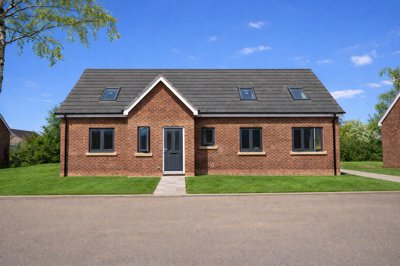
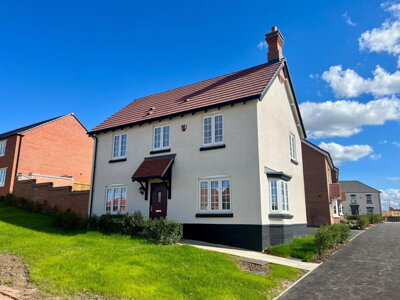
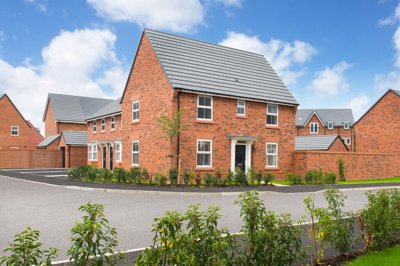
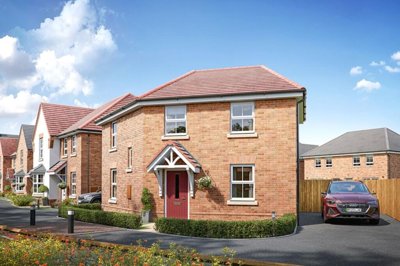
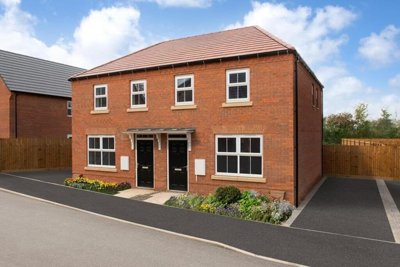
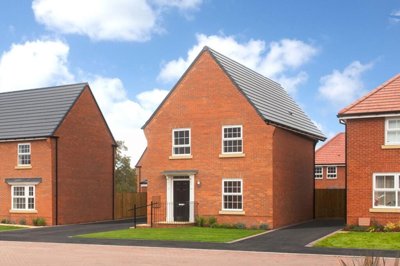
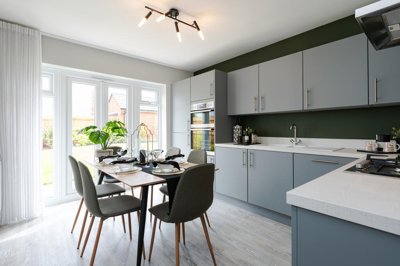
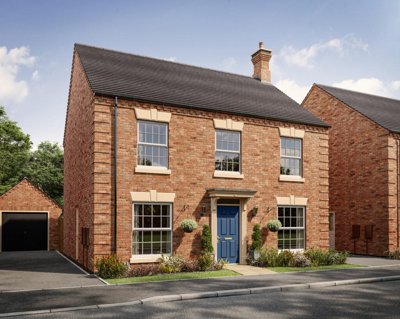
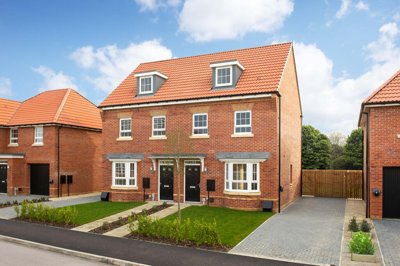
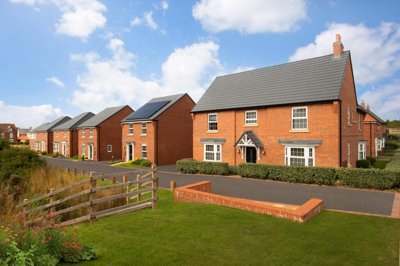
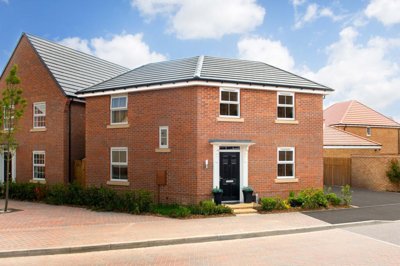
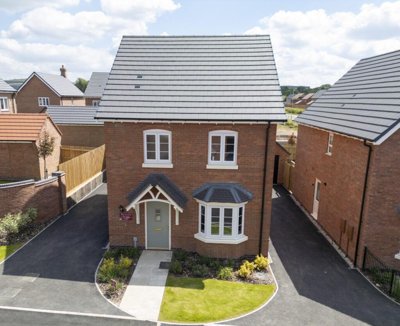
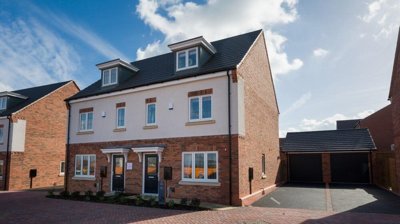
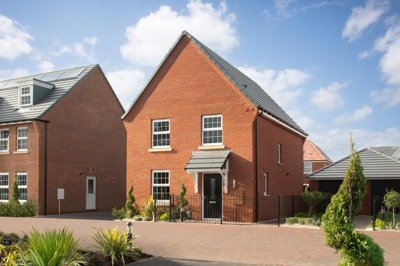
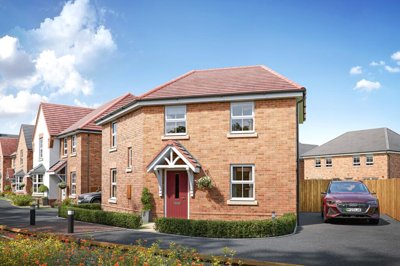
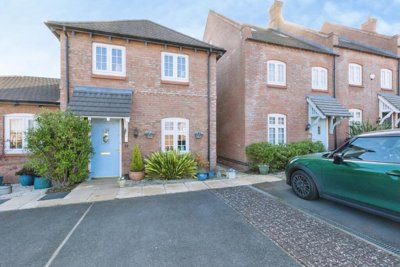
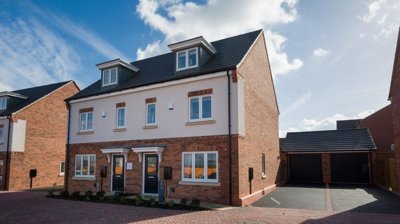
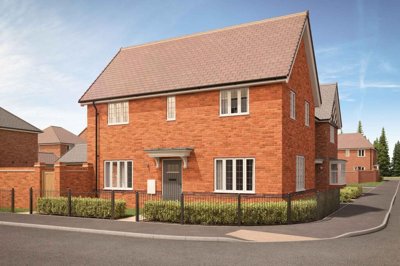
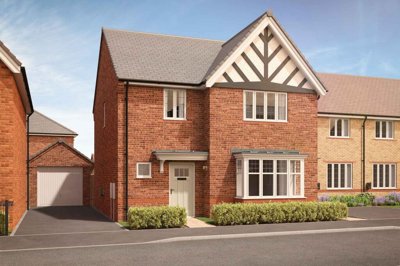
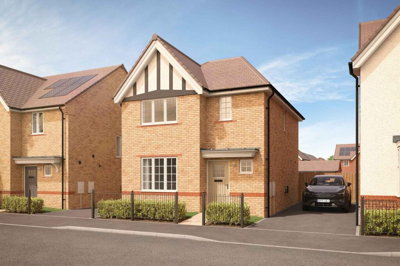
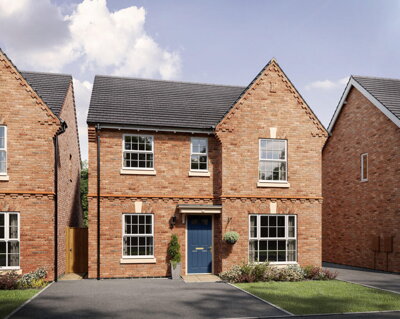
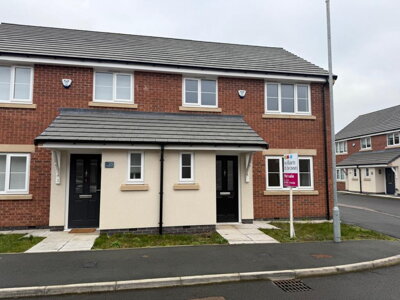
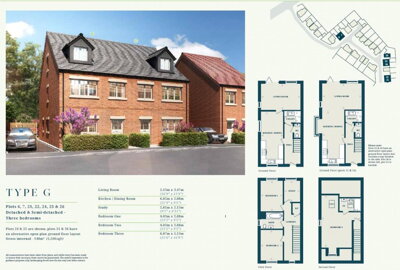
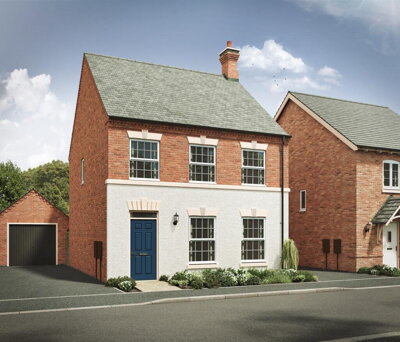
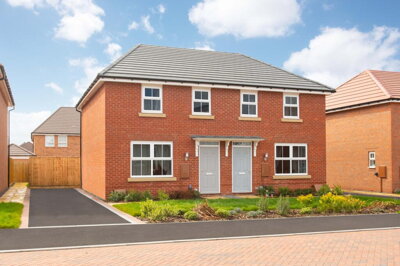
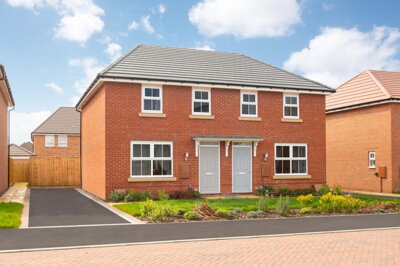
Browse 33 homes new builds in LE7 from local developer agents.
Three bedroom properties represent a significant portion of the LE7 housing market, offering space for families with multiple reception rooms and gardens in many cases. Browse detached, semi-detached, and terraced options ranging across new residential developments.
£327k
136
14
109
Source: home.co.uk
Showing 136 results for 3 Bedroom Houses new builds in LE7. 14 new listings added this week. The median asking price is £327,475.
Source: home.co.uk
Semi-Detached
78 listings
Avg £299,511
Detached
50 listings
Avg £415,590
Terraced
8 listings
Avg £283,119
Source: home.co.uk
Source: home.co.uk
LE7's property market has shown steady, healthy growth, with prices up 1.95% over the last twelve months, and the area keeps its pull on buyers from Leicester and further afield. Terraced homes currently average £221,889, which gives first-time buyers a more accessible way in, while flats sit at around £161,374 for those watching the budget. Semi-detached houses, a major part of the local stock, have seen the strongest annual rise at 2.08%, reaching an average of £301,157, helped by families looking for decent room sizes and gardens without city-centre premium prices.
In Syston, new-build activity is still moving at pace, with four major developments under way. Davidsons Homes at The Willows offers 3, 4, and 5-bedroom homes priced from £329,995 to £549,995, while nearby The Croft by Jelson Homes covers everything from 2-bedroom apartments to 5-bedroom detached houses from £269,950. Bellway's The Poplars development includes 2, 3, and 4-bedroom homes starting from £249,995, and William Davis Homes at The Spinney completes the line-up with properties from £275,000 to £550,000. For buyers who want modern construction, energy efficiency, and developer warranties, those schemes are hard to ignore.
LE7 still makes a decent case for investors, thanks to steady price growth, strong rental yields driven by tenant demand, and the ongoing infrastructure work that keeps the area on buyers' radar. Even flats have held their ground at around £161,374, despite the wider national pressure on that part of the market. From new-build homes with NHBC warranties to period cottages in village conservation areas, the area offers a spread of tenures that suits different risk appetites and return targets.

The LE7 postcode area is a patchwork of villages and neighbourhoods, each with its own pace and personality. Syston acts as a local hub with good amenities, while Thurmaston keeps a traditional high street with independent shops and familiar pubs. Birstall has useful facilities, schools, and places to play, and Rothley is the pretty one, holding on to its historic character through a conservation area and period homes at its core.
With around 56,000 residents across roughly 23,000 households, LE7 has the sort of community feel where people recognise one another and local events still matter. Much of the older stock is built in traditional red brick, especially in village centres where Victorian and Edwardian terraces sit alongside older stone cottages in some pockets. The local economy benefits from Leicester city centre, light industrial estates in places like Thurmaston, and retail parks that provide jobs, while the surrounding countryside supports agricultural businesses and gives residents room for outdoor pursuits.
Syston has expanded sharply over recent decades, shifting from a small village into a busy suburb with strong transport links via the A46 and its own railway station on East Midlands Railway routes. Thurmaston feels more established, with a traditional high street for everyday needs, while the nearby Thurmaston Shopping Centre gives residents plenty of larger retail choices. Birstall strikes a useful balance of housing, schools, parks, and sports grounds, which is a big part of its appeal for families who want good amenities in a village setting.

Families moving into LE7 have a broad choice of schools for every stage of education. The primary schools in the villages give younger children a solid start, and many of them are rated good or outstanding by Ofsted, with strong ties to the communities they serve. Secondary schools in Syston, Thurmaston, and Birstall are well placed too, helping pupils move on to further education and work in the region.
Grammar school provision nearby is another reason families look towards LE7, with the Leicester and Leicestershire system drawing pupils from across the area through the 11-plus selection process. Several primary schools in the postcode feed into these grammar schools, which adds to the area's appeal for parents who want academic choices for their children. The system includes well-regarded options such as Guthlaxton College in Wigston, alongside other grammar schools reached through the 11-plus examination from primary schools in Syston, Thurmaston, and Birstall.
Sixth form options are available at secondary schools within LE7, and Leicester city centre plus Loughborough offer wide-ranging further and higher education choices, including De Montfort University and the University of Leicester, both within easy commuting distance. Leicester colleges also provide vocational paths and apprenticeship routes for students who prefer something other than the academic track. That proximity to strong higher education makes LE7 a sensible long-term base, from primary school right through to university graduation.

Road links are one of LE7's biggest strengths, with the A46 giving direct access to Leicester city centre and linking into the wider strategic network, including the M1 at junction 21. Residents can usually reach Leicester city centre in about twenty minutes, while Nottingham is typically an hour away by car. The M1 also keeps Derby, Sheffield, and Leeds within straightforward reach for people working across the regional economy.
Arriva and other bus operators run services that link the LE7 villages with Leicester city centre and surrounding areas, which suits anyone who would rather leave the car at home. The number 19 and 19A routes connect Syston and Thurmaston with Leicester city centre, while other services reach villages further from the main road network. Leicester station offers frequent trains to London St Pancras in approximately one hour and fifteen minutes, so the capital is easy enough for business or a day out. East Midlands Airport is about thirty minutes away via the M1, and shorter trips can be made by cycle along the River Soar or down country lanes.
Syston railway station provides direct Midland Main Line services, which is handy for commuters heading into Leicester or travelling further afield without making the trip into the city centre station. For home workers and people running businesses from home, fast broadband across most of LE7 supports day-to-day working needs. Put together, the road, rail, and bus links give the postcode real flexibility for commuting to Leicester, Nottingham, Derby, or London.

Start with the villages within LE7 and work out which one fits your budget and way of living. Syston brings strong amenities and transport connections, Rothley offers historic character with its conservation area, Thurmaston has a more traditional village feel, and Birstall blends facilities with a sense of community. School catchment areas, commute times, and the distance to green space all deserve a look before you narrow things down.
Before viewing properties, arrange a mortgage agreement in principle with a lender so you know the numbers and can show sellers you are serious. Our mortgage comparison tool can help you find competitive rates and brokers who understand the LE7 property market, where average prices of £433,544 mean most buyers need a substantial mortgage. Having finance lined up can make a real difference when several buyers are chasing the same well-presented home.
Once you have a shortlist, book viewings of homes that fit your requirements and pay close attention to construction type, age, condition, and location. Our platform puts you in touch with estate agents in the LE7 area who can arrange viewings and share local knowledge about neighbourhoods and specific developments. It is also worth asking about any recent renovations, planned maintenance, and the age of key systems such as heating, roofing, and electrical installations.
After your offer is accepted, book a RICS Level 2 Survey so the property condition is checked before you commit to the purchase. LE7 sits on clay soils linked to the Mercia Mudstone geology, so the survey should look closely at foundations and any signs of subsidence or heave, especially on older homes with mature trees nearby. Survey costs in the area usually run from £400 for flats to £700 for larger detached homes, money well spent on a purchase of this size.
Choose a solicitor to handle the legal side of the purchase, from searches and contracts through to the Land Registry transfer. Our conveyancing comparison tool connects you with experienced solicitors who regularly work on LE7 transactions and know about local issues such as flood risk areas and conservation designations in Rothley and other villages. Conveyancing costs typically start from £499 for standard purchases, with extra search fees for local authority, drainage, and environmental checks.
From there, your solicitor will deal with the final checks, move the money across, and register your ownership with the Land Registry. On completion day, the keys are handed over and you can move into your new LE7 home. We also keep support in place for things like EPC assessments and any future property needs that crop up.
Mercia Mudstone Group geology is a real factor in LE7, because the clay-rich soils bring a moderate to high shrink-swell risk as they expand in wet weather and contract in dry spells. Before buying, it is wise to have the foundations looked over properly, particularly on older properties with mature trees close by, since those conditions can lead to subsidence or heave over time. A RICS Level 2 Survey should pick up signs of structural movement, cracking, or earlier repair work that may point to deeper issues.
Older homes in LE7 bring their own construction quirks, and buyers need to know what they are looking at. Victorian and Edwardian terraces in village centres usually have solid 9-inch brick walls with lime mortar, original timber floorboards, and sash windows that may need upgrading for modern thermal performance. Homes built from the post-war period through to the 1970s tend to use cavity wall construction with brick outer leaves and concrete tile roofs, often alongside original heating systems and wiring that will need updating.
Survey reports on LE7 homes often turn up a familiar set of defects. Damp is common, especially rising damp in solid-walled period properties that do not have modern damp-proof courses, and roofs can be an issue where original tiles or flashings have worn down over years of exposure. The clay soils beneath much of LE7 add subsidence and heave risks, particularly where shallow foundations sit near large trees whose roots draw moisture from the ground in dry periods. On top of that, electrical systems in homes over 30 years old often need testing and may need upgrading to meet current standards, while older plumbing can show corrosion or outdated materials.
Flood awareness matters in LE7, particularly for homes close to the River Soar and its tributaries in Thurmaston and Birstall. Surface water flooding can also affect low-lying spots during heavy rain, so we always point buyers towards the Environment Agency flood risk maps for the specific property and the insurance angles that follow. Several conservation areas sit within LE7, including parts of Syston, Thurmaston, Birstall, and Rothley, where planning controls apply to alterations, extensions, and external changes that could affect renovation plans or value. Listed Buildings need specialist surveys and Listed Building Consent for most works, so a RICS Level 3 Survey is usually the better fit than a standard Level 2 for these historically important homes.
The LE7 postcode area shows a wide spread of construction methods, reflecting how the villages have grown from the nineteenth century to the present day. The oldest homes, especially in the village centres and conservation areas of Rothley and Syston, are usually traditional solid-wall properties built from local red brick and lime mortar, with roofs of clay tiles or natural slate. Many also have timber floor structures, including suspended ground floors over damp-proof membranes, which need careful checking in any survey for rot or subsidence.
Between the wars, and then again through the post-war boom into the 1970s, a large share of LE7's housing stock took a different form, especially in established residential parts of Birstall and Thurmaston. These homes are usually cavity wall builds, with a brick outer skin and blockwork inner leaf, topped by concrete tiled roofs. They are more modern in construction, but many still have original single-glazed windows, ageing heating systems with older boiler technology, and electrical installations that predate current safety standards, all of which can add to the budget for new owners.
The four active new-build sites in Syston use modern construction methods that meet current Building Regulations, including high-efficiency insulation, double or triple glazing, and modern heating systems. Homes at The Willows by Davidsons Homes, The Croft by Jelson Homes, The Poplars by Bellway, and The Spinney by William Davis Homes all come with developer warranties and up-to-date standards that cut down the immediate maintenance worries older houses can bring. Even so, buyers of new-build homes should still arrange snagging inspections so any construction defects are found before the warranty period runs out.
The current average house price in the LE7 postcode area is £433,544 based on recent market data. Detached properties average £625,544, semi-detached homes command around £301,157, terraced properties are priced at approximately £221,889, and flats average £161,374. Prices have increased by approximately 1.95% to 2.08% across different property types over the past twelve months, which points to steady demand in this area between Leicester and the Vale of Belvoir.
Depending on the village, LE7 falls under Harborough District Council, Charnwood Borough Council, or Leicester City Council. Council tax bands run from A to H based on property value, with most family homes in the area sitting in bands B to E. The Valuation Office Agency website lets you check the exact band for any property by using the address.
Primary schools across LE7 are a strength, with several schools in each village rated good or outstanding by Ofsted. Secondary education is covered well too, with schools in Syston, Thurmaston, and Birstall, plus access to the Leicestershire grammar school system for families looking at selective education. Primary schools in Syston, Rothley, and Birstall feed into grammar schools, which is one reason those areas stay popular with parents focused on education.
Bus services run regularly across LE7, with Arriva and other operators linking the villages to Leicester city centre and surrounding areas. Leicester railway station has direct trains to London St Pancras in approximately one hour fifteen minutes, along with links to Birmingham, Nottingham, and the East Midlands. The A46 gives direct road access into Leicester city centre, and the M1 is close enough for regional and national journeys.
LE7 continues to appeal to investors because the basics are strong, with price growth averaging nearly 2% a year, good transport links into Leicester and the M1 corridor, and steady new-build activity. Demand to rent remains firm from young professionals and families who like the mix of village facilities and city access. The spread of property types and price points gives room for both rental yield and capital growth strategies, from affordable terraced homes to larger detached properties at premium levels.
Stamp duty for standard purchases is charged at 0% on the first £250,000, 5% on the portion from £250,001 to £925,000, 10% on £925,001 to £1.5 million, and 12% on anything above £1.5 million. First-time buyers get relief on the first £425,000, with 5% applied between £425,001 and £625,000. With the LE7 average price sitting at £433,544, most buyers purchasing at average price would pay no stamp duty at all, while higher-value properties would fall into the usual thresholds.
In LE7, properties should be checked for subsidence risk linked to the Mercia Mudstone Group geology, where clay soils have moderate to high shrink-swell potential. Surveyors need to look carefully at foundations, especially on older homes with mature trees nearby that may draw moisture from the ground in dry weather. Homes near the River Soar in Thurmaston and Birstall can also face higher flood risk, so Environment Agency maps and suitable insurance checks matter here.
Parts of LE7, including sections of Syston, Thurmaston, Birstall, and Rothley, sit within conservation areas, which means planning restrictions affect permitted development rights. Significant external alterations, extensions, or demolitions will need planning permission from the relevant local authority. Buyers should check any planning limits with their solicitor and build those restrictions into renovation budgets and plans. Listed Buildings need extra consents and specialist surveys beyond a standard RICS Level 2 inspection.
Budgeting for a purchase in LE7 means looking beyond the asking price, with stamp duty land tax often the first extra cost buyers notice. At the current LE7 average price of £433,544, a standard buyer would pay no stamp duty on the first £250,000 and approximately £9,172 on the remaining £183,544, totalling around £9,172. First-time buyers purchasing at or below the average price would usually pay no stamp duty at all because of the £425,000 threshold.
Alongside stamp duty, buyers should allow for solicitor conveyancing costs starting from approximately £499 for standard transactions in the LE7 area, plus disbursements for searches, which usually include local authority, drainage, and environmental searches for the relevant borough or district. A RICS Level 2 Survey costs between £400 and £700 depending on the property size and complexity, with flats at the lower end and large detached homes at the upper end. For a standard 3-bedroom semi-detached house common throughout LE7, survey costs usually land between £450 and £550.
Mortgage arrangement fees, valuation fees, and removals costs also need to sit in the budget, along with buildings insurance from completion day and any immediate maintenance or renovation work picked up by the survey. First-time buyers purchasing leasehold homes should also plan for annual ground rent and service charge costs. At The Willows, The Croft, The Poplars, or The Spinney new-build developments, extra costs can include new-build mortgage fees and reservation deposits that are typically non-refundable if you proceed.

From 4.5%
Compare mortgage deals and connect with local brokers who understand the LE7 market
From £499
We can connect you with solicitors experienced in LE7 transactions, including conservation areas and flood risk properties
From £400
Professional property surveys tailored to local construction types and geology
From £60
Energy performance certificates for LE7 properties including new builds
Properties New Builds In London

Properties New Builds In Plymouth

Properties New Builds In Liverpool

Properties New Builds In Glasgow

Properties New Builds In Sheffield

Properties New Builds In Edinburgh

Properties New Builds In Coventry

Properties New Builds In Bradford

Properties New Builds In Manchester

Properties New Builds In Birmingham

Properties New Builds In Bristol

Properties New Builds In Oxford

Properties New Builds In Leicester

Properties New Builds In Newcastle

Properties New Builds In Leeds

Properties New Builds In Southampton

Properties New Builds In Cardiff

Properties New Builds In Nottingham

Properties New Builds In Norwich

Properties New Builds In Brighton

Properties New Builds In Derby

Properties New Builds In Portsmouth

Properties New Builds In Northampton

Properties New Builds In Milton Keynes

Properties New Builds In Bournemouth

Properties New Builds In Bolton

Properties New Builds In Swansea

Properties New Builds In Swindon

Properties New Builds In Peterborough

Properties New Builds In Wolverhampton

Enter your details to see if this property is within your budget.
Loans, cards, car finance
Estimated property budget
Borrowing + deposit
You could borrow between
Typical borrowing
Monthly repayment
Est. at 4.5%
Loan-to-value
This is an estimate only. Your actual budget may vary depending on interest rates, credit history, and personal circumstances. For an accurate affordability assessment, speak to one of our free mortgage advisors.
This calculator provides estimates for illustrative purposes only and does not constitute financial advice. Your home may be repossessed if you do not keep up repayments on your mortgage. Estimates based on 4.5% interest rate, repayment mortgage. Actual rates depend on your circumstances.
Homemove is a trading name of HM Haus Group Ltd (Company No. 13873779, registered in England & Wales). Homemove Mortgages Ltd (Company No. 15947693) is an Appointed Representative of TMG Direct Limited, trading as TMG Mortgage Network, which is authorised and regulated by the Financial Conduct Authority (FRN 786245). Homemove Mortgages Ltd is entered on the FCA Register as an Appointed Representative (FRN 1022429). You can check registrations at NewRegister or by calling 0800 111 6768.

We use cookies to show you personalised content and improve your experience of our website. Find out more in our Privacy policy and Cookie policy.