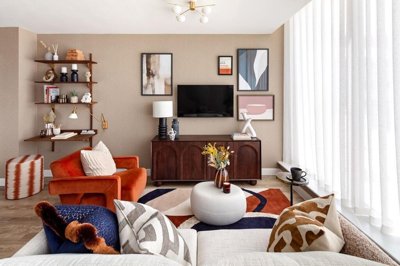
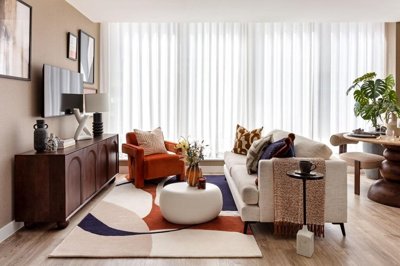
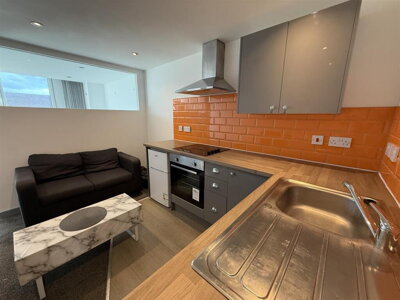
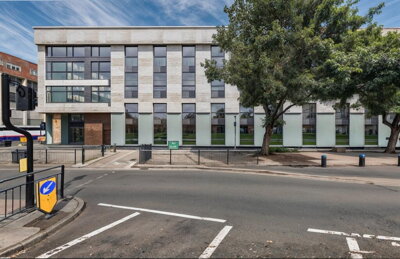
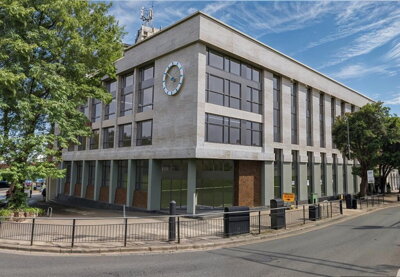
Browse 5 homes new builds in HU8 from local developer agents.
One bed apartments provide a separate bedroom alongside distinct living space, bathroom, and kitchen areas. Properties in HU8 are available in various building types including new apartment complexes and contemporary developments.
£60k
1
0
27
Source: home.co.uk
Showing 1 results for 1 Bedroom Flats new builds in HU8. The median asking price is £60,000.
Source: home.co.uk
Flat
1 listings
Avg £60,000
Source: home.co.uk
Source: home.co.uk
HU8 usually gives buyers stronger value than many UK cities, with an overall average house price of £163,525 opening the door to homeownership. We can see 284 active property listings in this postcode area, so the market is far from thin. The stock runs from Victorian and Edwardian terraces through to post-war semis and modern new builds, which means there is real choice. In practice, terraced and semi-detached homes built in the late Victorian and Edwardian periods dominate, with red brick and traditional detailing shaping much of the area.
At the top end, detached homes in HU8 average £266,804. They usually come with four bedrooms, generous gardens and off-street parking. Semi-detached properties average £177,348, so they suit growing families who want more room than a terrace offers, without paying detached-house money. Many date from the interwar period (1919-1945) and have bay windows and front gardens that give them a familiar look. Terraced homes average £126,020 and are often the best-value option, especially on established roads with decent local amenities. A lot of them use solid wall construction rather than cavity walls, which has an impact on thermal performance but also gives a sense of solidity. Flats average £84,738, which makes them a lower-cost way onto the ladder or a reasonable investment in a city where rental demand is growing.
A new build option in HU8 is The Maltings development by Keepmoat Homes on Holderness Road, where three-bedroom homes start from £169,995. It brings modern, energy-efficient layouts for buyers who want a new property without moving into a much higher price bracket. The Maltings offers two, three, and four-bedroom homes, so it works for a range of household sizes. Buyers also get the manufacturer's warranty and the lower running costs that often come with a newly built home, which can help compared with older stock in the area.
Prices in HU8 have risen by 15.6% over five years, a steady climb that points to confidence in the market and healthy long-term fundamentals. Against neighbouring HU7, the Kingswood area, and HU9, closer to The Quays development, HU8 remains competitively priced while still linking well to Hull city centre. The RMAR index points to continued moderate growth across the region, which backs HU8 for both owner-occupation and investment. Rental yields are helped by steady tenant demand from people working in the port, healthcare and renewable energy sectors.

HU8 covers a number of distinct neighbourhoods across east Hull, each with its own feel and community identity. Terraced and semi-detached homes from the late Victorian, Edwardian and interwar years dominate, reflecting Hull's industrial growth and the housing that followed. Along routes such as Holderness Road, red brick properties with decorative details are common and they add a bit of character to the street scene. You also see original timber sash windows, stone cills and corbelled brickwork on gable ends, a nod to the craftsmanship of early 20th-century builders.
Some geology comes into play here. HU8 sits on superficial deposits of till, or boulder clay, above chalk bedrock. That clay can carry moderate to high shrink-swell risk, so the ground may expand in wet weather and contract during dry spells. Trees nearby matter too, because roots can draw moisture out of the clay, leaving foundations vulnerable to movement. Serious structural issues are not widespread, but properties with mature planting or drainage problems can need closer scrutiny and professional advice. A RICS Level 2 Survey can pick up movement, cracking or subsidence before you buy.
Daily life is well served in east Hull. Holderness Road and the surrounding shopping areas offer supermarkets, independent shops, cafes and essential services, while the main corridor brings together national chains and local traders, from convenience stores and takeaways to pharmacies and high street banks. Bigger shopping trips are easy enough, because the city centre is simple to reach by bus or car. East Park adds 35 acres of green space, with a lake, children's play areas and ornamental gardens, and it has become a real hub for local recreation. There is also a boating lake, cafe facilities and events across the year, so it works for residents of all ages.
Employment has long been tied to the port, manufacturing and, more recently, renewable energy. Siemens Gamesa at Alexandra Dock is one example, and it has helped underpin Hull's green economy through skilled jobs. The Port of Hull handles cargo and passenger services, while the wider Humber area has drawn investment into offshore wind manufacturing and logistics. Healthcare is another anchor, with Hull Royal Infirmary supporting the wider region and offering stable work for local people. Taken together, these factors help the HU8 market stay resilient and keep demand coming from owner-occupiers and rental investors alike.

Families in HU8 are served by primary and secondary schools across the area, with a mix of approaches and curricula. Hull City Council administers the schools in the HU8 postcode, and most primaries work to set catchment areas. Parents should check current Ofsted ratings on the Ofsted website and, if possible, visit on open days to see which setting feels right. The area usually offers community schools and academies with different religious characters, so there is a fair amount of choice.
A number of HU8 primary schools have built up a good reputation for giving children solid early years foundations. Many have also invested in modern facilities in recent years, including ICT suites, sports halls and outdoor learning spaces. EYFS provision matters a lot for families with pre-school children, and several local schools have been positively recognised for that stage of learning. Even so, parents should check the latest government attainment tables rather than rely on older inspection reports, because performance can shift.
Secondary options in and around HU8 include comprehensive schools as well as more specialist institutions, so students' needs are covered across a wide spread. Within a reasonable journey you will find schools with academic traditions, alongside others with specialist strengths in technology, arts and sports. Academic results matter, of course, but so do extracurricular activities, transport arrangements and the day-to-day needs of the child. Catchment lines can change street by street in HU8, so buyers should confirm placements before they commit to a purchase.
For buyers thinking about university access, the University of Hull sits in HU10 and is reachable from HU8 by public transport or car. It is not within easy walking distance, though that link can matter for families with older children weighing up higher education close to home. The university offers a broad spread of undergraduate and postgraduate courses, plus employer partnerships for graduate recruitment. Hull College and other further education providers add vocational qualifications and apprenticeships, giving students another route into work if university is not the plan.

Connectivity is one of HU8's strengths, with road and bus links making Hull city centre and the wider region easy to reach. Holderness Road, the main arterial route, runs directly into the city centre roughly three miles away and opens up employment, shopping and cultural spots such as the historic Old Town and waterfront. To the east, the A1033 leads towards Holderness and the coast, while the A165 heads north to Beverley and the Yorkshire Wolds. All of that makes commuting around Greater Hull straightforward.
Bus travel is well covered too. Services along Holderness Road and the nearby streets link HU8 with Hull city centre, neighbouring towns and key destinations such as Hull Royal Infirmary and the Port of Hull. Stagecoach East Midlands and other operators run frequent buses through the day and evening, with thinner timetables on Sundays and public holidays. The network gives commuters and shoppers a cheaper option than driving, and many routes tie into Hull Paragon Interchange for rail connections. Real-time information is available through mobile apps, which makes planning a little easier.
From Hull Paragon Interchange, the city's main railway station, there are rail links to Leeds, Sheffield and London King's Cross. Leeds is around 90 minutes away by train, so day trips for work or leisure are realistic. Direct services to London King's Cross take around three hours, which keeps the capital within reach without a change. For flights, Leeds Bradford Airport is about 90 minutes by car, while Humberside Airport, with UK and European destinations, can usually be reached within 45 minutes from HU8.
For anyone commuting to Leeds, Sheffield or Manchester, Hull's position next to the M62 corridor makes HU8 a sensible base. Off-peak, the drive to Leeds is roughly one hour, although the morning and evening rush can add a fair bit of time on the M62. Some residents prefer the train from Hull Paragon and use the station car park. Parking in HU8 varies by street, with terraced rows sometimes awkward for anyone without a dedicated space, while newer schemes and homes with driveways usually give off-street parking. It is worth checking this carefully at viewings, especially if you drive regularly.

We would spend time in a few different parts of HU8 before making a decision. Victorian terraces near East Park feel quite different from newer schemes such as The Maltings on Holderness Road. Think about the schools, transport and local amenities that matter most to your household. Also take in the condition of nearby properties, the quality of the shops and the general feel of the streets you walk.
Before you book viewings, it helps to secure a mortgage agreement in principle from a lender. That shows estate agents and sellers that you can buy, which can strengthen any offer you make. With average prices in HU8 ranging from £84,738 for flats to £266,804 for detached homes, knowing your borrowing limit keeps the search realistic. Our partners at Homemove can introduce you to mortgage deals that fit your circumstances.
Comparing more than one home is sensible in HU8, especially if you are weighing up different property types and streets. Ask about the boiler age, roof condition and any recent renovation work, and look closely at damp, the original windows and the electrics and plumbing in older terraces. Our platform lists properties from all local estate agents, so you get a wide view of the market rather than a narrow slice.
Because HU8 has so much pre-war housing stock, we strongly advise booking a RICS Level 2 Survey before you move forward. Locally these usually cost £400-£700 and can pick up damp, roof defects or signs of subsidence that might not show during a viewing. The boulder clay geology here makes foundation checks especially important, particularly where trees are close by or there has been any structural movement. Our survey partners covering HU8 can often arrange inspections within one to two weeks.
Once an offer is accepted, the next step is to instruct a solicitor for the legal side of the HU8 purchase. They will carry out local searches, including drainage and water authority checks, review the contract and steer the deal through to completion. Local knowledge helps, because some properties may be affected by easements or rights of way that need careful scrutiny. Homemove's conveyancing partners offer competitive rates for HU8 purchases and know the local market.
At exchange, your solicitor will usually ask for a 10% deposit. In the meantime, the mortgage lender will arrange a valuation and your solicitor will check that all searches have come back satisfactorily. Completion generally follows within 2-4 weeks, when the balance is transferred and you collect the keys to your new HU8 home. We recommend arranging buildings insurance to start on the completion date.
HU8 has a large amount of housing built before 1945, and that brings a few familiar issues for buyers. Victorian and Edwardian terraces often use solid wall construction rather than modern cavity wall insulation, so heating costs and thermal performance can be less efficient. Older homes may also keep original windows, wiring and plumbing, and those elements can need updating. When you are looking at an older property, think about the likely cost of rewiring and replumbing, as both can mean opening up walls and floors.
Traditional materials are everywhere in HU8, with red brick walls, slate or clay tile roofs and timber used for floor joists and roof structures. Many homes also have timber suspended ground floors, which can suffer from rot and woodworm if ventilation is poor or damp has got in. During viewings, look closely at door frames, window frames and floorboards for timber decay, especially where you can already see damp or condensation. A RICS Level 2 Survey will flag timber defects that need treatment or repair, and those costs can have a big effect on your renovation budget.
Flood risk matters in some parts of HU8, particularly close to the River Hull corridor or in lower-lying spots where extreme weather can raise the risk. Potential buyers should check Environment Agency flood maps, which show areas vulnerable to river flooding and surface water flooding. In urban areas like HU8, heavy rainfall can overwhelm drainage systems, so surface water is a real consideration. Homes in affected locations may need flood cover in their buildings insurance or resilience measures. Always ask whether there has been any previous flooding when viewing properties in exposed spots.
Most homes in HU8 are freehold houses, although anyone looking at flats should check lease length, service charges and ground rent carefully. Some older leasehold flats may have short leases that need extending, while others could be recent conversions with 999-year terms. Service charges typically cover building insurance, upkeep of communal areas and contributions to a reserve fund for future repairs. Our conveyancing partners can go through the lease as part of due diligence and point out any costs linked to the terms or to major works ahead.

Based on recent sales data and activity over the last twelve months, the current average house price in HU8 is £163,525. Prices vary sharply by type, with flats at around £84,738, terraced homes at £126,020, semi-detached properties at £177,348 and detached houses averaging £266,804. Values have moved up by 1.6% over the past twelve months and by 15.6% over five years, which suggests steady growth and confidence in HU8. Compared with similar Hull postcodes, that is a solid showing for an accessible urban market.
HU8 properties sit within Hull City Council and fall into council tax bands from A through H. Most terraces and smaller semis in the area usually land in bands A-C, which keeps them among the lower national brackets. Larger detached family houses, especially newer homes at schemes like The Maltings or recently extended properties, can sit in bands D through F. The exact band for any address can be checked through the HMRC council tax valuation list on GOV.UK or Hull City Council's website.
There are several primary and secondary schools serving HU8, so families can choose from a range of educational preferences and needs. Current Ofsted inspection reports are best checked on the Ofsted website, and open days are worth attending if you want a proper feel for the school. The right choice will depend on your children's needs, your preferred approach and the catchment area boundaries, which should be confirmed directly with schools or the local education authority. Many families narrow their property search around a chosen catchment zone, so it can help to identify preferred schools early.
HU8 has strong public transport, with frequent buses along Holderness Road linking to Hull city centre and surrounding areas including the Royal Infirmary and Port of Hull. Stagecoach services and other operators run throughout the day and evening, and the key 1, 2, and 3 routes follow the main arterial roads. Hull Paragon railway station, reached by bus or car, offers trains to Leeds in around 90 minutes, Sheffield and London King's Cross. The M62 is about 30 minutes away, which gives road access to West Yorkshire and beyond for commuters.
For investors, HU8 offers a few clear entry points into the Hull market. The average price of £163,525 keeps the barrier to entry lower than in many other UK cities, and five-year growth of 15.6% points to capital appreciation potential. Rental demand is supported by the university, hospital and port-related jobs, with tenants including students, healthcare workers and logistics staff. Popular lets include terraced houses for renters after affordable homes, three-bedroom semis for families and new builds like The Maltings, which can appeal to professional tenants wanting modern accommodation.
Stamp duty land tax kicks in above £250,000 at standard rates of 5% on the portion between £250,001 and £925,000, 10% on amounts from £925,001 to £1.5 million and 12% on anything above £1.5 million. On a typical HU8 purchase at £163,525, most buyers fall below the standard threshold and pay no stamp duty. First-time buyers get 0% on the first £425,000, so for most first-time purchases in HU8 stamp duty will not come into play. Still, anyone buying a higher-value detached home at around £266,804 should check whether their buyer status changes the calculation.
With so much older housing in HU8, several defects crop up regularly, and buyers should know the warning signs from both viewings and surveys. Rising damp and penetrating damp are common in Victorian and Edwardian terraces, especially where damp-proof courses have failed or underfloor ventilation is poor. Roof problems are another recurring issue, with missing tiles, defective flashings and blocked gutters leading to leaks and more serious damage. The boulder clay geology can also contribute to subsidence or heave, particularly near large trees whose roots draw moisture from the soil and trigger movement. Outdated electrics and timber issues such as woodworm, wet rot and dry rot also need attention, and many homes still have original wiring that would need updating to current standards.
Budgeting properly makes the HU8 buying process much easier. Beyond the purchase price, you will need to set money aside for stamp duty land tax, legal fees, survey costs and other charges that can add several thousand pounds in total. Getting those figures straight from the start helps the move run more smoothly and reduces the chance of a financial squeeze just before completion.
For 2024-25, standard stamp duty rates apply 0% tax on the first £250,000 of property value, 5% on the portion between £250,001 and £925,000, 10% on amounts from £925,001 to £1.5 million and 12% on anything above £1.5 million. At the HU8 average of £163,525, most buyers would still pay nothing under the standard threshold. First-time buyers purchasing up to £425,000 pay 0% on the first £425,000, which means stamp duty stays irrelevant for most first-time purchases in this price band. Even so, buyers of higher-value detached homes at around £266,804 should run the numbers carefully and check their liability.
Other purchase costs in HU8 include RICS Level 2 Survey fees of £400-£700, with larger detached homes tending toward the higher end. Conveyancing fees often start from £499 for standard deals, although leasehold work or title complications can push them up. Local search fees in the Hull area usually sit at about £250-£350 and cover drainage and water authority searches, local authority searches and environmental data. Mortgage arrangement fees differ from lender to lender, often ranging from £0 to £2,000, and valuation fees of £150-£500 may also apply depending on the property value and whether the lender includes this in the package.
Land registry fees apply when registering your ownership, typically around £150-£300 depending on property value. Buildings insurance should start from the completion date, and premiums in the HU8 area will vary with property type, value and flood risk category. You may also need to allow for removals costs, any immediate repairs or renovations, and connection charges for utilities if you are moving into a new-build home. Setting aside a contingency fund of around 5-10% of your purchase price for surprises is sensible, especially with older properties where survey findings may call for extra work.

Properties New Builds In London

Properties New Builds In Plymouth

Properties New Builds In Liverpool

Properties New Builds In Glasgow

Properties New Builds In Sheffield

Properties New Builds In Edinburgh

Properties New Builds In Coventry

Properties New Builds In Bradford

Properties New Builds In Manchester

Properties New Builds In Birmingham

Properties New Builds In Bristol

Properties New Builds In Oxford

Properties New Builds In Leicester

Properties New Builds In Newcastle

Properties New Builds In Leeds

Properties New Builds In Southampton

Properties New Builds In Cardiff

Properties New Builds In Nottingham

Properties New Builds In Norwich

Properties New Builds In Brighton

Properties New Builds In Derby

Properties New Builds In Portsmouth

Properties New Builds In Northampton

Properties New Builds In Milton Keynes

Properties New Builds In Bournemouth

Properties New Builds In Bolton

Properties New Builds In Swansea

Properties New Builds In Swindon

Properties New Builds In Peterborough

Properties New Builds In Wolverhampton

Enter your details to see if this property is within your budget.
Loans, cards, car finance
Estimated property budget
Borrowing + deposit
You could borrow between
Typical borrowing
Monthly repayment
Est. at 4.5%
Loan-to-value
This is an estimate only. Your actual budget may vary depending on interest rates, credit history, and personal circumstances. For an accurate affordability assessment, speak to one of our free mortgage advisors.
This calculator provides estimates for illustrative purposes only and does not constitute financial advice. Your home may be repossessed if you do not keep up repayments on your mortgage. Estimates based on 4.5% interest rate, repayment mortgage. Actual rates depend on your circumstances.
Homemove is a trading name of HM Haus Group Ltd (Company No. 13873779, registered in England & Wales). Homemove Mortgages Ltd (Company No. 15947693) is an Appointed Representative of TMG Direct Limited, trading as TMG Mortgage Network, which is authorised and regulated by the Financial Conduct Authority (FRN 786245). Homemove Mortgages Ltd is entered on the FCA Register as an Appointed Representative (FRN 1022429). You can check registrations at NewRegister or by calling 0800 111 6768.

We use cookies to show you personalised content and improve your experience of our website. Find out more in our Privacy policy and Cookie policy.