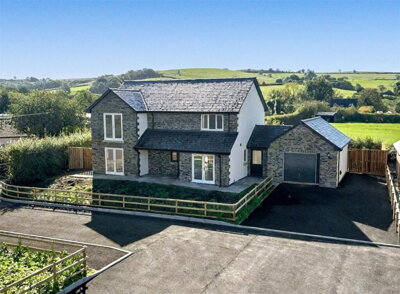
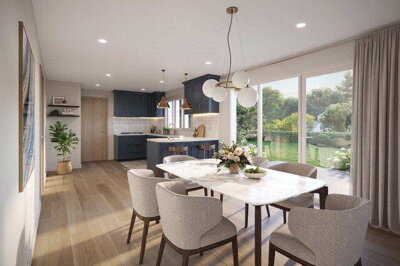
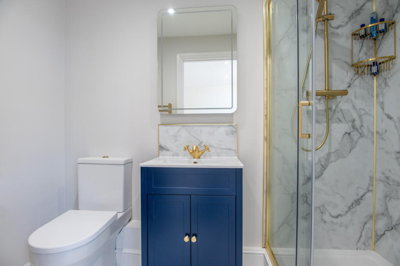
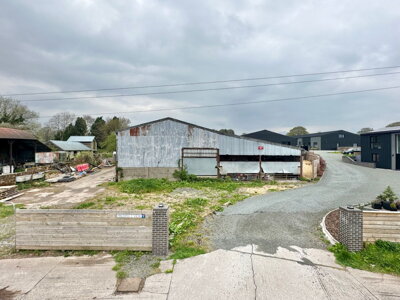
Browse 4 homes new builds in HR5 from local developer agents.
The HR5 property market offers detached, semi-detached, and terraced houses spanning various price ranges and neighbourhoods. Each listing includes detailed property information, photographs, and direct contact with the marketing agent.
£398k
26
0
103
Source: home.co.uk
Showing 26 results for Houses new builds in HR5. The median asking price is £397,500.
Source: home.co.uk
Detached
20 listings
Avg £530,225
Semi-Detached
5 listings
Avg £249,000
Terraced
1 listings
Avg £525,000
Source: home.co.uk
Source: home.co.uk
HR5 offers buyers a broad spread of homes, across different property types and price levels. Detached houses sit at the top of the market, with an average of £547,861, which reflects the value placed on space and privacy in this semi-rural setting. Semi-detached homes are more within reach at around £232,500, so they tend to appeal to families who want better value without losing that sought-after postcode. Terraced properties in HR5 average £205,833, while flats remain the cheapest way in at approximately £155,000, a route that works for first-time buyers and investors alike.
Fresh build activity in HR5 is adding new choices to the market. Kington Gardens, developed by Lioncourt Homes off Green Lane (HR5 3AL), has 2, 3, and 4 bedroom homes priced from £229,950 to £425,000, so buyers can find modern accommodation within easy reach of the town centre. Freeman Homes’ The Laurels on Eardisley Road (HR5 3EA) is aimed at those looking for larger family houses, with 3, 4, and 5 bedroom options from £295,000 to £550,000. Both schemes offer a clear alternative to older stock, with contemporary build standards, better energy performance, and, in many cases, the reassurance of new build warranties.
Across the wider HR5 area, the landscape opens out into a string of villages scattered through rolling countryside, each with its own feel and housing stock. Stone cottages in long-settled hamlets sit alongside modern conversions of former farm buildings, so there is plenty of variety for different requirements. The Kington Conservation Area covers the historic town centre, which points to a concentration of buildings of architectural and historic interest. Homes in conservation areas, together with listed buildings, need a closer look because planning controls may apply to alterations and extensions. Buyers come from all sorts of backgrounds, including people relocating from Birmingham and nearby cities for more space, retirees drawn by the natural setting, and local families putting down roots.

Kington acts as the commercial and social centre of HR5, a classic market town with a weekly market that goes back centuries. In the town centre, independent shops sit alongside traditional pubs and everyday essentials, including a post office, pharmacy, and medical centre. The twice-weekly markets still bring people in from the surrounding countryside, with local produce, crafts, and a sense of community that larger places often struggle to keep. Sitting near the Welsh border, the town picks up influences from both English and Welsh traditions, and that shows through in local events and customs.
Life in HR5 is shaped by the landscape, with the Black Mountains and the borderlands between England and Wales close at hand. Outdoor activities are well catered for, and walking routes such as sections of the Mortimer Trail and Offa's Dyke Path are nearby. Hergest Ridge, made famous in Mike Oldfield’s music, offers an easy walk with far-reaching views. Golf, fishing, and equestrian pursuits are all popular, with several stables and riding schools serving the local community. For bigger shops or evening entertainment, the nearby towns of Leominster and Presteigne add extra options.
The area has roughly 6,500 residents across approximately 2,800 households, which helps give HR5 its close-knit feel, where neighbours often know one another. Families, working-age adults, and retirees are all part of the mix, creating a balanced social structure. Agriculture sits at the centre of the local economy, with surrounding farmland producing Herefordshire beef, cider apples, and traditional hay and livestock. Tourism is becoming more important too, with visitors attracted by walking routes, historic churches, and the pull of Hay-on-Wye’s famous book festival. Small firms, professional services, and creative businesses round things off, giving people local employment and reducing the need for long commutes.

Families in HR5 have access to education at primary and secondary level, with several well-regarded schools within easy reach of the main residential areas. Primary provision comes from a number of village schools serving nearby communities, while Kington Primary School teaches children in the town itself. These smaller rural schools often have good pupil-to-teacher ratios and strong links with the community, although parents should still check each school’s performance and OFSTED ratings when looking at specific homes. School transport also links outlying villages to primary places in Kington.
At secondary level, Lady Hawkins High School in Kington is the main focus for students from across the HR5 postcode and further afield. The school offers GCSE and A-Level subjects, together with sixth form provision for those staying on locally. Parents who prefer a different educational route may look to options in nearby towns, with school transport or boarding potentially widening the choice. Because this is a rural area, the school run can involve longer distances than in town, so it makes sense to think about property location and catchment areas at the same time.
For further and higher education, travel to larger centres is usually needed, with colleges in Hereford, Shrewsbury, and Worcester all reachable by car or public transport. That matters for parents with older children, especially where vocational courses or apprenticeships require daily attendance. Many families are drawn to the area because they like the balance between rural schooling and practical family life, even if that means planning for transport. Early registration for school places is sensible, given the rural catchments and the limited number of places at popular schools.

Transport in HR5 reflects its rural setting, so private car ownership is the mainstay of day-to-day travel for most residents. The A44 trunk road runs through Kington, giving direct links east to Leominster and west to the Welsh market town of Rhayader. It is the main route for local journeys and longer trips, although drivers should expect winding stretches and single-carriageway sections, as you would on many rural A-roads. By car, Hereford is around 45 minutes away, and Birmingham can be reached in about 90 minutes via the A44 and the M5 motorway network.
Public transport is thinner on the ground here than in urban areas, which is what you would expect given rural Herefordshire’s population patterns. Bus services connect Kington with nearby villages and neighbouring market towns, although the frequency changes a lot depending on the route and whether it is a weekday or weekend service. Rail travel means heading to Leominster or Hereford, where direct trains to Birmingham, Manchester, and London are available from the West Midlands. A lot of HR5 residents commute by car to larger employment centres, while flexible and hybrid working now allows more professionals to live here and keep careers in regional cities.
For anyone using HR5 as a commuting base, it helps to look at transport options with clear eyes. The trade-off for scenery and a better quality of life is longer journey times and extra transport costs. Cycling works well for local trips, since the ground around Kington is relatively flat and suits most fitness levels, though the hills around the area make longer leisure rides more demanding. Birmingham Airport is about 75 minutes away by car, and Bristol Airport is roughly 90 minutes away, so international travel for work or leisure is still manageable.

Take time to look at the area properly, from Kington town centre out to the surrounding villages. We advise making the distinction between conservation area restrictions, listed building issues, and standard homes. The average price of £364,409 is a useful guide, but individual properties vary a great deal according to type, condition, and setting. Kington’s position as England’s highest market town, along with its closeness to Wales, gives it a character of its own, so it is worth spending time here at different times of day and week before deciding.
Before you start viewing, speak to a lender or broker and secure an Agreement in Principle. Because HR5 is rural, some homes have unusual construction or access arrangements that may call for specialist mortgage products. Having finance in place strengthens your position when you make an offer on a property that draws interest. Rural homes with land, or non-standard construction, may also need specialist valuers, so that should be built into your timetable.
View several properties across different price ranges and in different parts of HR5. Think about how each one matches what you need, including commute times, school access, and how close it is to local amenities. Kington Gardens and The Laurels each offer different advantages when compared with characterful older houses. We always suggest seeing homes in different states too, from renovation projects to fully modernised properties, so the full range of what is available becomes clear.
As over 60-70% of HR5 properties are more than 50 years old, a professional survey is especially worthwhile. For a typical 3-bedroom semi-detached property, we would budget between £450 and £650 for a RICS Level 2 Survey. Our inspectors often pick up issues common to the area, including possible damp in older stone properties, concerns over roof condition, and any signs of subsidence linked to local clay soils formed from the underlying Devonian Old Red Sandstone geology.
An experienced solicitor in rural Herefordshire property work should handle the legal side of the purchase. They will run the local searches, check for planning restrictions, and manage the transfer of ownership. Homes near the River Arrow may need specific flood risk enquiries, and conservation area properties require confirmation of any planning conditions. If you need one, we can recommend solicitors who know HR5 transactions well.
Once the surveys come back clean and the searches are in, the next step is exchange of contracts and fixing a completion date. For standard transactions in the HR5 area, the process usually takes 8-12 weeks from offer acceptance to completion, although rural properties with complicated titles or planning history can take longer. We always suggest leaving some flexibility in moving plans.
Buyers in HR5 need to pay close attention to building materials and the maintenance they may demand later on. Traditional stone and timber-framed homes have plenty of character, but they can bring older wiring, plumbing that no longer meets current standards, and solid walls without modern insulation. Our inspectors often find that electrical systems in pre-1919 properties need complete rewiring to meet modern safety standards, while plumbing may still rely on galvanised steel or lead pipes that need replacing because of corrosion and possible water quality concerns. A thorough RICS Level 2 Survey is essential for any older property, because it can expose damp penetration, timber decay, and other problems that are not obvious at viewings.
The local geology, with Devonian Old Red Sandstone and pockets of Silurian rocks, means there are clay-rich soils in some places, so foundation movement can be an issue. That matters most for homes with large trees nearby, or older foundations not designed to cope with ground movement. Our surveyors always look for signs of subsidence or heave, including cracking in walls, uneven floors, and doors or windows that stick or do not close properly. If a property has had subsidence in the past, any remedial work should be checked and documented.
Flood risk also needs proper attention, because the River Arrow runs through Kington and its tributaries drain the surrounding countryside. Homes near watercourses or in low-lying spots may face a higher flood risk, so the Environment Agency flood maps should be checked before you commit to a purchase. Insurance can be much more expensive where there is a flood history, and future flooding can never be ruled out. Heavy rain can also lead to surface water flooding when drainage systems are overwhelmed, especially where natural drainage is poor. We recommend getting insurance quotes before completing on any property where flood risk is a concern.
Prospective buyers need to take conservation areas and listed buildings seriously. Kington’s Conservation Area covers the historic town centre and protects its architectural heritage. Homes in designated areas can face limits on alterations, extensions, and even external paint colours, so changes that would be allowed on standard properties may need planning permission. Listed buildings carry extra responsibilities around keeping original features and materials in good order. HR5 has numerous listed buildings, including historic houses, churches, and agricultural buildings, each with different levels of protection. These designations help preserve the area’s character and can support values, but they also call for proper maintenance. Before buying period property in HR5, we recommend asking for listed building consent records and speaking with Herefordshire Council’s conservation officer.

As of February 2026, the average house price in HR5 is £364,409, based on Land Registry data gathered across the postcode area. Over the past 12 months, prices have risen by 5.0%, which points to growing demand for rural homes in this part of Herefordshire. Detached properties average £547,861, semi-detached homes around £232,500, terraced properties approximately £205,833, and flats roughly £155,000. These are overall averages, so individual homes may sell for much more or much less depending on condition, location, and their particular features. With 40 property sales recorded over the past 12 months, the HR5 market is still active despite its rural location.
For council tax, properties in HR5 fall under Herefordshire Council’s jurisdiction. Bands run from A through H, although most traditional homes in the area are usually placed in bands B through E. The band depends on the property’s assessed value, which was set when it was first built or significantly altered. Buyers can check the current band through the Valuation Office Agency website using the address. Herefordshire Council also sets out current rates, together with any discounts for single occupancy or qualifying disabilities. Council tax normally helps pay for refuse collection, local policing, and the upkeep of roads and public spaces in the Kington area.
Primary schooling in HR5 comes from Kington Primary School in the town and several village schools in the surrounding communities. Lady Hawkins High School provides secondary education in Kington, with GCSE and A-Level programmes and a sixth form. OFSTED reports should be checked for current performance data, since inspection results can change over time. Parents should confirm catchment boundaries against specific property addresses, because admission policies rely on geographic criteria that can affect offers of places. In more rural catchments, school transport and journey times should be part of the property decision, especially for families with younger children.
Public transport in HR5 reflects the rural nature of the area, so buses are the main alternative to private cars. Services link Kington with surrounding villages and neighbouring towns, but frequency is limited, especially in the evenings and at weekends. The nearest railway stations are in Leominster and Hereford, with connections to Birmingham, Manchester, and London. Most HR5 residents depend on cars for everyday travel, and the A44 is the main road link into the wider network. Anyone without private transport should check bus timetables carefully and think through journey times to essential services before buying.
The HR5 property market has continued to grow steadily, with prices rising by 5.0% over the past year and the area still holding strong appeal for anyone after a rural lifestyle. Properties in conservation areas, and homes with character features, tend to keep their value well, while new schemes such as Kington Gardens and The Laurels bring in buyers looking for modern amenities. Rental demand comes from local workers, military personnel from nearby bases, and people waiting for longer-term purchases. Even so, property investment here needs to account for the rural setting, the maintenance demands of older houses, and a smaller tenant pool than you would find in urban areas. Homes over 50 years old may need more regular repairs and updating, which should feed into rental yield calculations.
For properties in HR5, the standard SDLT rates for 2024-25 are 0% on the first £250,000, 5% on the portion from £250,001 to £925,000, 10% on the portion from £925,001 to £1.5 million, and 12% on anything above £1.5 million. First-time buyers get relief on the first £425,000, with 5% charged between £425,001 and £625,000. Since the average HR5 property price of £364,409 sits inside the first SDLT band, many purchases will pay no stamp duty at all. A first-time buyer purchasing at the average price would normally pay no SDLT under the current thresholds. Higher-value homes, especially detached properties averaging £547,861, may face SDLT on the amount above £250,000.
Period homes in HR5 make up a large share of the housing stock, so they need close inspection before purchase. Our surveyors frequently come across damp, whether rising, penetrating, or condensation-related, because many of these homes are old and lack modern damp-proof courses, especially in solid-walled stone and brick buildings. Roof issues on slate or tile coverings are also common, including slipped tiles and decaying timbers. Clay soils in the area create a possible subsidence or heave risk, particularly where foundations are weak or large trees are nearby. Older buildings can also suffer from woodworm and rot in timber elements. Electrical and plumbing systems in pre-1919 properties often need complete rewiring and replumbing to meet modern standards. For any period property purchase in the area, a comprehensive RICS Level 2 Survey is essential.
Flood risk is not the same everywhere in HR5, and properties beside the River Arrow and its tributaries face the highest fluvial risk. Kington itself sits close to the river, so some town properties may fall within flood risk zones. Surface water flooding can also happen in low-lying areas during heavy rain. The Environment Agency publishes detailed flood maps showing risk levels for individual homes. Buyers should review those maps, get insurance quotes before completion, and consider flood resilience measures where the risk is higher. If a property has flooded before, premiums may rise or cover may be harder to obtain, so we advise thorough checking before any commitment.
From 4.5%
Compare rates from multiple lenders for your HR5 property purchase
From £499
Expert solicitors for HR5 property transactions
From £450
Professional property surveys by qualified inspectors
From £85
Energy performance certificates for HR5 properties
Knowing the full cost of buying in HR5 helps people budget properly and avoid unwelcome surprises during the transaction. Stamp Duty Land Tax is usually the biggest government charge, though many HR5 purchases fall into bands that mean the SDLT bill is modest or nil. At the HR5 average price of £364,409, a standard buyer would pay no SDLT because the whole amount is below the £250,000 threshold. First-time buyers get even better treatment, with no SDLT up to £425,000 under the current relief rules.
On top of SDLT, buyers should allow for solicitor conveyancing fees, which typically range from £500 to £1,500 depending on the property’s value and complexity. Local searches with Herefordshire Council and the Land Registry are part of the normal conveyancing process, and those costs are usually folded into solicitor quotes. Survey budgets should reflect the age and type of home, with RICS Level 2 Surveys for 3-bedroom properties in HR5 costing from £450 to £650, while larger detached houses may need £600 to £850. Because older homes are so common in HR5, it is sensible to set aside money for repairs identified by the survey.
Moving expenses, mortgage arrangement fees, and removals complete the usual buying budget. Mortgage arrangement fees vary widely between lenders, from zero to around £2,000, and in some cases can be added to the loan. Buildings insurance needs to be in place from completion day, and premiums may be higher than average in flood-risk areas. Land Registry fees for registering ownership are modest, usually under £200. As a rule, buyers should allow for extra costs of around 3-5% of the property price on top of the purchase price itself, although many of those costs are fixed or only vary by property value rather than percentage.

Properties New Builds In London

Properties New Builds In Plymouth

Properties New Builds In Liverpool

Properties New Builds In Glasgow

Properties New Builds In Sheffield

Properties New Builds In Edinburgh

Properties New Builds In Coventry

Properties New Builds In Bradford

Properties New Builds In Manchester

Properties New Builds In Birmingham

Properties New Builds In Bristol

Properties New Builds In Oxford

Properties New Builds In Leicester

Properties New Builds In Newcastle

Properties New Builds In Leeds

Properties New Builds In Southampton

Properties New Builds In Cardiff

Properties New Builds In Nottingham

Properties New Builds In Norwich

Properties New Builds In Brighton

Properties New Builds In Derby

Properties New Builds In Portsmouth

Properties New Builds In Northampton

Properties New Builds In Milton Keynes

Properties New Builds In Bournemouth

Properties New Builds In Bolton

Properties New Builds In Swansea

Properties New Builds In Swindon

Properties New Builds In Peterborough

Properties New Builds In Wolverhampton

Enter your details to see if this property is within your budget.
Loans, cards, car finance
Estimated property budget
Borrowing + deposit
You could borrow between
Typical borrowing
Monthly repayment
Est. at 4.5%
Loan-to-value
This is an estimate only. Your actual budget may vary depending on interest rates, credit history, and personal circumstances. For an accurate affordability assessment, speak to one of our free mortgage advisors.
This calculator provides estimates for illustrative purposes only and does not constitute financial advice. Your home may be repossessed if you do not keep up repayments on your mortgage. Estimates based on 4.5% interest rate, repayment mortgage. Actual rates depend on your circumstances.
Homemove is a trading name of HM Haus Group Ltd (Company No. 13873779, registered in England & Wales). Homemove Mortgages Ltd (Company No. 15947693) is an Appointed Representative of TMG Direct Limited, trading as TMG Mortgage Network, which is authorised and regulated by the Financial Conduct Authority (FRN 786245). Homemove Mortgages Ltd is entered on the FCA Register as an Appointed Representative (FRN 1022429). You can check registrations at NewRegister or by calling 0800 111 6768.

We use cookies to show you personalised content and improve your experience of our website. Find out more in our Privacy policy and Cookie policy.