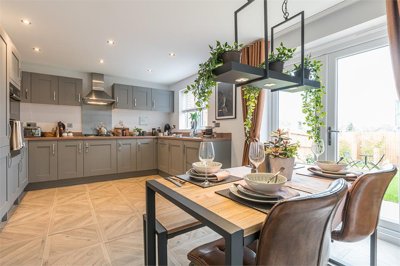
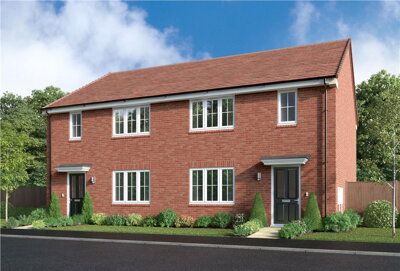
Browse 2 homes new builds in GU30 from local developer agents.
Three bedroom properties represent a significant portion of the GU30 housing market, offering space for families with multiple reception rooms and gardens in many cases. Browse detached, semi-detached, and terraced options ranging across new residential developments.
£490k
20
0
140
Source: home.co.uk
Showing 20 results for 3 Bedroom Houses new builds in GU30. The median asking price is £490,000.
Source: home.co.uk
Detached
9 listings
Avg £697,778
Semi-Detached
6 listings
Avg £483,333
Terraced
5 listings
Avg £367,990
Source: home.co.uk
Source: home.co.uk
The GU30 property market has held up well, even with national conditions moving against it. Our data records 98 residential property sales in the postcode over the last twelve months, which is 69% lower than the previous year and fits the wider slowdown in transaction volumes. home.co.uk puts prices at roughly 5% down on the previous year and 7% below the 2023 peak of £593,075, while Property Solvers shows a more upbeat 1.68% rise over the same period. Taken together, it feels like a market settling after the busier recent years, with realistic pricing and motivated sellers now shaping most deals.
Choice in GU30 is broad, with property types to suit very different budgets and needs. Detached homes sit at the top of the market, averaging between £911,741 and £1,005,150 depending on the source, and that reflects the appeal of larger family houses with proper gardens and off-road parking. Semi-detached homes sit in a much more approachable bracket at around £431,021 to £469,750, while terraced houses come in lower again at approximately £376,232 to £394,552. Flats average around £284,059, although sales data does move about, and one flat sold in October 2025 for £375,000.
New build stock in GU30 is still thin on the ground. Hamptons is marketing a single new home on London Road at a guide price of £1,175,000, although it would be sensible to check the development details carefully before acting on that listing alone. Buyers who want modern construction and better energy performance may find the supply too limited, so existing homes often become the realistic option, with surveys then doing the work of checking condition and any upgrades an older house might need.

Liphook has the feel of a classic English village, yet it has managed to keep everyday life practical. Much of the centre still shows its historic face, and properties inside the designated Conservation Area are subject to planning controls that protect the character of the older core. Across the postcode there are listed buildings too, from historic houses and period farm buildings to churches, all adding to the area’s architectural story. Life here means joining a community that values its past, but still makes room for the present, with village events, local pubs and community groups giving residents plenty of connection.
Geology plays a bigger role in GU30 than many buyers first expect. The area sits on the Folkestone Formation of sands and the Sandgate Formation of sands and clays, with patches of Head Deposits containing clay, silt, sand and gravel. That mix helps create the attractive undulating landscape, though it also brings practical considerations. Where clay is present, foundations can face shrink-swell movement in prolonged wet or dry spells, so some properties may show signs of movement over time. A professional survey is well worth having before purchase in those locations.
Flood risk is something buyers in parts of GU30 should take seriously and check early. The River Wey and its tributaries run through the area, which creates fluvial flood risk in some zones, so Environment Agency maps should be checked properly. Surface water flooding can also be an issue during heavy rain, thanks to the local topography and drainage limits. Local flood management plans identify specific roads and properties that are at greater risk. For any home near a watercourse or in a low-lying spot, the flood picture should form part of the due diligence, especially as insurance costs may be higher where flood risk has already been identified.
Families are generally well served in the GU30 area. There are several primary schools in the village and nearby, and families can also look to schools in surrounding villages, some with strong reputations. Secondary education options include comprehensive and selective routes, with grammar school places available in nearby towns for those who meet the entrance criteria. That mix makes GU30 appealing to buyers who want village living without giving up academic choice, and the stronger community schools often perform above national averages.
For early years childcare, Liphook has a number of nurseries and pre-school settings that offer practical options for working parents. Having those services close to home cuts out long daily journeys for childcare. As children get older, there are sixth form places at local secondary schools and further education colleges within reasonable driving distance for A-levels or vocational study. Guildford and Farnham also open up extra choices for specialist subjects or more vocational routes.
Catchment areas matter here, so parents should look closely at admissions policies before buying. Schools in East Hampshire tend to do well against national averages, though results differ from school to school and can change over time. Current Ofsted ratings and exam results should be checked as part of the search, especially if a place at a particular school is central to the move. We would also suggest visiting schools and speaking to admissions teams directly, so current criteria and any changes to catchment boundaries are clear from the start.

Liphook station is one of GU30’s biggest advantages, especially for commuters heading to major employment centres. Services to London Waterloo are regular and journey times are typically under one hour, which makes the village a strong option for people who want to commute but live somewhere quieter. Direct trains also link Liphook with Guildford, Alton and Portsmouth, so the station works for both work and leisure travel. Parking is available, although it can fill quickly at peak times, so an early arrival is sensible if you want a guaranteed space.
The road network adds to the appeal. The A3 gives direct access to London and the south coast, which makes it the main route for many drivers. Nearby, the A31 connects towards Winchester and the wider Hampshire network, while the M3 is within reach for trips to Southampton and beyond. For commuters using Farnham, Guildford or Petersfield, the roads are generally fine outside peak hours, although the main routes can clog up when traffic builds. Many GU30 residents end up mixing rail and car travel depending on where they work and what the day demands.
Bus links are useful too, with local services connecting Liphook to surrounding villages and towns for people without a car. Routes to nearby places including Haslemere and Alton mean residents can still reach shops and services without relying entirely on driving. Cycling has improved in recent years, although the Hampshire countryside and its hills can be a challenge for less experienced riders. For longer trips, Heathrow is accessible in approximately one hour by car, while Gatwick is around ninety minutes away, so international travel remains fairly straightforward for business or leisure.
Before you start viewing homes in GU30, it is sensible to secure a mortgage agreement in principle from a lender. That document shows how much can be borrowed based on your finances, and it gives your offer more weight by showing sellers that the funding is in place. We would also suggest comparing several lenders, because rates and criteria differ quite a bit, and an independent mortgage broker can be useful when sorting through the options for properties in this price range.
Start with the current listings on Homemove to get a feel for what sits within budget, then widen the search to the major portals and local estate agent sites for a fuller picture. Look into neighbourhoods, asking prices and recent sales so you can judge value properly. It is also wise to pay close attention to flood risk zones, Conservation Area rules and the presence of nearby listed buildings, since any of those can affect the purchase itself or future plans for the property.
Once a shortlist has taken shape, arrange viewings through the estate agents named on the listings and approach them with a clear eye. Seeing several properties side by side makes comparison much easier, and it helps to visit the area at different times of day and on different days of the week. Noise, traffic, school proximity and the general feel of the neighbourhood all matter, because they shape daily life once you have moved in.
Before committing, instruct a qualified surveyor to carry out a RICS Level 2 Survey, which gives a detailed look at the property’s condition. In GU30, that is especially useful because parts of the area sit on clay prone to shrink-swell movement, and older homes inside the Conservation Area can bring their own issues. A professional survey can pick up structural defects, damp and roof problems before you commit your funds. Costs usually run from £400 to over £1,000 depending on value and size, money well spent before one of the biggest purchases of life.
A conveyancing solicitor should be appointed to deal with the legal side of the purchase, ideally someone used to Hampshire property and local requirements. They will carry out local authority searches, check title deeds and handle the transfer of ownership. For GU30 homes, the searches ought to cover flood risk data, local planning constraints and any environmental issues that could affect future value or the ability to insure the property.
Once searches come back clean and mortgage finance is confirmed, contracts are exchanged and the deposit is paid, usually 10% of the purchase price. Completion normally follows within weeks, when the keys to the new GU30 home are handed over. The solicitor then manages the final transfer of funds and the Land Registry registration, after which the property is officially yours and the move can begin.
Buying in GU30 means paying attention to a few local factors that newcomers may not spot straight away. In parts of the area, the clay deposits in the geology can create subsidence risk, especially where properties sit near trees or where drainage is poor and soil moisture levels fluctuate. Cracking in walls, uneven floors, or distorted doors and windows can all hint at movement, although a proper survey will assess that more reliably. Homes on streets with mature trees deserve extra caution, since root systems can affect foundations over time.
Flood risk needs close checking before a purchase in GU30, particularly because flooding has been recorded in some areas. With the River Wey and its tributaries nearby, certain properties do face real flood risk, and surface water flooding can affect different locations during heavy rainfall. We would always check the Environment Agency maps for the specific address and ask the vendor directly about any historic flooding. Homes in recognised flood zones may cost more to insure and could become harder to cover in future, which affects long-term ownership costs and can also hit resale value.
Properties inside Liphook’s Conservation Area are subject to tighter planning rules, with East Hampshire District Council overseeing proposed changes. Alterations, extensions and even some external works may need Conservation Area Consent, which can add both time and cost to renovation plans. Listed buildings come with a further layer of control, affecting everything from internal changes to window replacements, and specialist contractors plus Listed Building Consent are often part of the process. If a period property is on your shortlist, these points should be factored in early, and the solicitor should confirm its status before you proceed.
A lot of the housing stock in GU30 is older, so outdated electrics and plumbing are genuine concerns in some homes, especially those built before modern electrical standards came in. Properties built before the 1990s may need a full rewire if the original system is still in place, while older plumbing can still include lead or galvanised steel pipes, both now regarded as obsolete. It is worth checking when the major systems were last upgraded and allowing for possible work if needed. Energy efficiency can also be an issue in older houses, since solid walls often lack the insulation found in newer builds, which can mean higher heating bills and lower energy ratings.

The average house price in GU30 is reported at approximately £553,824 by home.co.uk listings data, while Property Solvers gives a slightly higher figure of £580,000, which shows how much results can vary between portals. Prices differ sharply by property type. Detached homes average over £900,000, semi-detached properties sit around £430,000 to £470,000, terraced homes are approximately £376,000 to £395,000, and flats begin at around £284,000. Recent sales suggest the postcode still rewards certain types more than others, with detached homes holding value better than the rest.
Local administration for GU30 sits with East Hampshire District Council, which handles services and council tax collection for the Liphook area. Council tax bands run from A through to H, with the exact band set by the Valuation Office Agency according to the property’s valuation. Most homes in Liphook and the wider GU30 area fall within bands C to F, although individual properties can differ depending on assessed value. If you want to check a specific address, the East Hampshire District Council website or the Valuation Office Agency can confirm the band before you decide to buy.
Educational provision in the GU30 area is generally strong, with several primary schools serving the local community and secondary options available within reasonable reach in surrounding towns. Parents should still check admissions criteria and catchment areas carefully, because they vary between schools and can shift as local populations change. Grammar school places are available in nearby towns including Alton and Farnham for pupils who meet the entrance requirements. It also makes sense to look at current Ofsted ratings and performance data, since both can change and may affect not only schooling but also the longer-term appeal of the property.
Liphook station gives the area excellent rail links, with regular trains to London Waterloo taking under one hour, which is a major draw for commuters into the capital. There are also direct services to Guildford, Alton and Portsmouth, so the station works for local jobs and day trips as well. Bus routes link the village with Haslemere and neighbouring villages, while the A3 and A31 connect drivers to the wider road network. For flights, Heathrow is about one hour away by car and Gatwick is around ninety minutes, so overseas travel is still very manageable from here.
There are several reasons why Liphook and the wider GU30 area appeal to investors. The strong rail link to London keeps demand steady from commuters looking for a village setting, while the South Downs National Park location continues to attract buyers who want rural character. Limited new build supply in the postcode also helps support existing values. Prices have shown resilience despite wider market swings, though that same limited supply remains part of the picture. Before investing, it is sensible to weigh flood risk in some locations, Conservation Area restrictions on rental homes and the high proportion of older properties that may need regular maintenance.
From April 2024, Stamp Duty Land Tax rates are 0% on the first £250,000 of property value, 5% on the portion from £250,001 to £925,000, 10% on the portion from £925,001 to £1.5 million, and 12% on anything above £1.5 million. First-time buyers get relief on the first £425,000, then pay 5% between £425,001 and £625,000, as long as they meet the eligibility rules. On a typical GU30 property priced at £553,824, a standard buyer would pay around £15,191 in stamp duty, while a first-time buyer would pay roughly £6,441 after the relief is applied.
With the mix of older homes and newer ones in GU30, our inspectors often come across a familiar set of defects. Damp in older properties is common where original damp-proof courses have failed or ventilation is not up to modern standards. Roof issues also crop up frequently, whether that means wear and tear, slipped tiles or degraded felt, and homes of almost any age can show those problems. Pre-modern electrics are another regular concern, while older timber-built properties may suffer from rot or woodworm. In some cases, subsidence tied to the local clay geology has also been identified, especially where trees are nearby or drainage is poor.
Traditional brick construction is common in GU30, particularly in Victorian and Edwardian homes, when that method was standard across Hampshire. Roofs are often finished in clay tiles or natural slate, depending on age and value. Some older properties still show timber framing with brick or render infill, while newer builds usually have cavity walls with brick or rendered blockwork. Because the construction types and ages vary so much, a thorough survey is essential before purchase, since each style can bring its own issues and some need specialist knowledge to assess properly.
Buying in GU30 involves more than the headline price, so proper budgeting matters if you want to avoid surprises halfway through the process. On top of stamp duty, buyers should allow for solicitor conveyancing fees, which usually start from around £499 for standard transactions but can rise for leasehold homes or titles that need extra work. A RICS Level 2 Survey generally costs about £400 to over £1,000 depending on size and value, and larger detached family houses tend to attract the higher end of that range because the inspection takes longer.
There are other costs too. Mortgage arrangement fees vary by lender, but they often fall between £500 and £2,000 and may be rolled into the mortgage rather than paid upfront. Search fees with the local authority and other bodies usually total between £200 and £400, covering environmental searches, local authority searches and drainage checks specific to the GU30 area. Land Registry fees depend on the property price, while electronic money transfer fees add a small amount to the bill. Removal costs, any refurbishment budget and a contingency fund of around 10% for issues uncovered after purchase should also be built into the plan.
For flats and other leasehold purchases, service charges and ground rent are ongoing costs that need careful checking before anyone commits. GU30 has only a limited number of purpose-built flat developments, but where they do exist the service charge obligations can vary quite a bit, so they should be questioned in detail. Freehold houses usually involve fewer regular expenses, though buyers should still budget for building insurance, routine maintenance and any shared estate costs where relevant. A clear view of the ongoing costs should feed into both the offer and the final decision, because those recurring sums can change the true cost of ownership over time.

Properties New Builds In London

Properties New Builds In Plymouth

Properties New Builds In Liverpool

Properties New Builds In Glasgow

Properties New Builds In Sheffield

Properties New Builds In Edinburgh

Properties New Builds In Coventry

Properties New Builds In Bradford

Properties New Builds In Manchester

Properties New Builds In Birmingham

Properties New Builds In Bristol

Properties New Builds In Oxford

Properties New Builds In Leicester

Properties New Builds In Newcastle

Properties New Builds In Leeds

Properties New Builds In Southampton

Properties New Builds In Cardiff

Properties New Builds In Nottingham

Properties New Builds In Norwich

Properties New Builds In Brighton

Properties New Builds In Derby

Properties New Builds In Portsmouth

Properties New Builds In Northampton

Properties New Builds In Milton Keynes

Properties New Builds In Bournemouth

Properties New Builds In Bolton

Properties New Builds In Swansea

Properties New Builds In Swindon

Properties New Builds In Peterborough

Properties New Builds In Wolverhampton

Enter your details to see if this property is within your budget.
Loans, cards, car finance
Estimated property budget
Borrowing + deposit
You could borrow between
Typical borrowing
Monthly repayment
Est. at 4.5%
Loan-to-value
This is an estimate only. Your actual budget may vary depending on interest rates, credit history, and personal circumstances. For an accurate affordability assessment, speak to one of our free mortgage advisors.
This calculator provides estimates for illustrative purposes only and does not constitute financial advice. Your home may be repossessed if you do not keep up repayments on your mortgage. Estimates based on 4.5% interest rate, repayment mortgage. Actual rates depend on your circumstances.
Homemove is a trading name of HM Haus Group Ltd (Company No. 13873779, registered in England & Wales). Homemove Mortgages Ltd (Company No. 15947693) is an Appointed Representative of TMG Direct Limited, trading as TMG Mortgage Network, which is authorised and regulated by the Financial Conduct Authority (FRN 786245). Homemove Mortgages Ltd is entered on the FCA Register as an Appointed Representative (FRN 1022429). You can check registrations at NewRegister or by calling 0800 111 6768.

We use cookies to show you personalised content and improve your experience of our website. Find out more in our Privacy policy and Cookie policy.