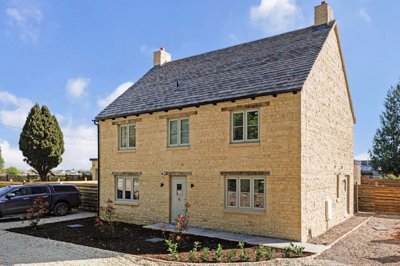
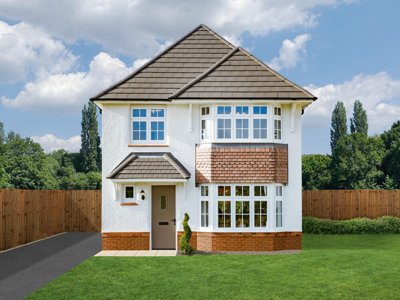
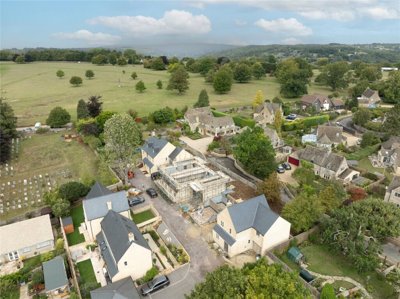
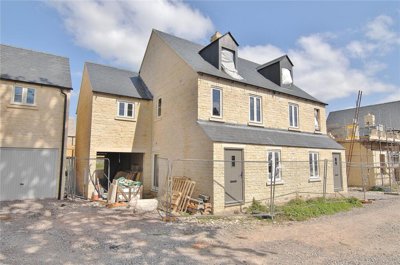
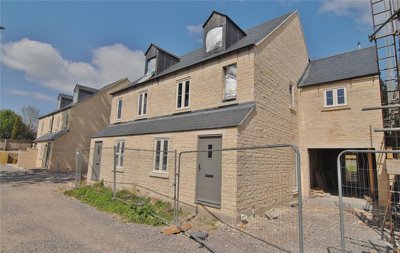
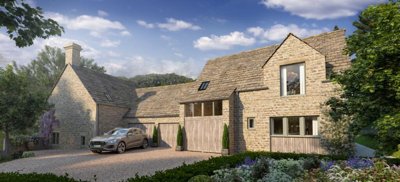
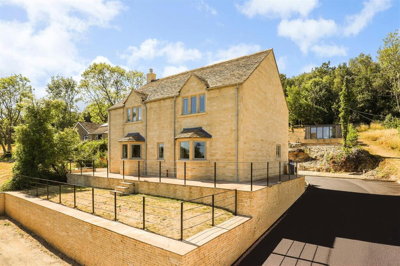
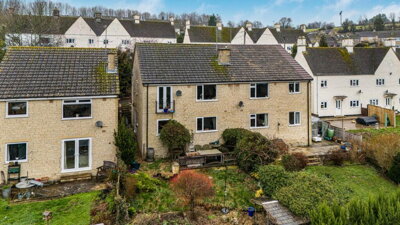
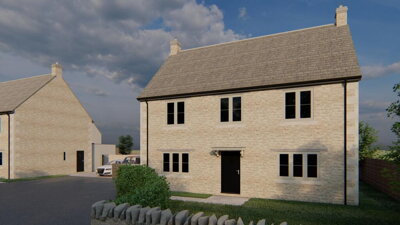
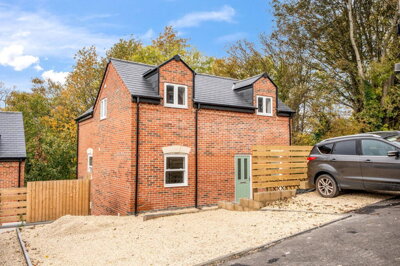
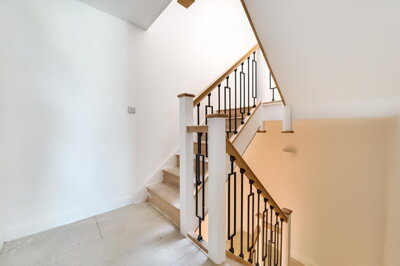
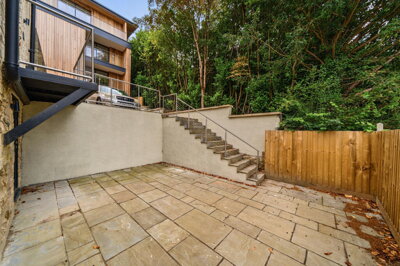
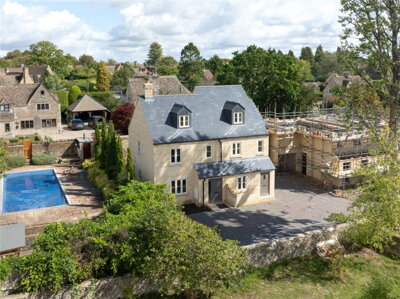
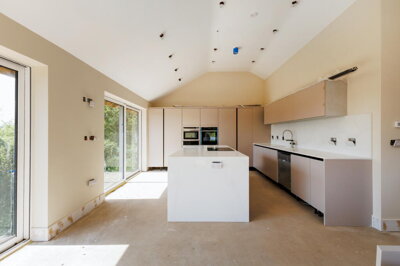
Browse 15 homes new builds in GL6 from local developer agents.
The GL6 property market offers detached, semi-detached, and terraced houses spanning various price ranges and neighbourhoods. Each listing includes detailed property information, photographs, and direct contact with the marketing agent.
£680k
191
11
109
Source: home.co.uk
Showing 191 results for Houses new builds in GL6. 11 new listings added this week. The median asking price is £680,000.
Source: home.co.uk
Detached
134 listings
Avg £864,809
Semi-Detached
35 listings
Avg £590,714
Terraced
22 listings
Avg £345,905
Source: home.co.uk
Source: home.co.uk
GL6 offers a broad spread of housing, so different budgets and lifestyles can usually find a fit. Detached homes sit at the top end, averaging around £650,600, with generous room sizes and, quite often, sizeable plots with countryside views. Semi-detached houses average £370,542 and give families a useful middle ground, more space than a terrace without jumping into the highest price band. Terraced properties in GL6 average £320,604, and many are characterful workers' cottages in local Cotswold stone, the sort of buildings that shape villages such as Painswick and Chalford.
Flats are less common in GL6, simply because the housing stock is heavily house-led, but where they do appear, such as in sectors like GL6 0TL, prices tend to sit around £150,000. Recent market figures show overall sold prices in GL6 falling by approximately 15% over the past year compared with the previous year, taking values back to levels not seen since before the pandemic boom. That adjustment matters, though it also sits within a wider normalisation across Gloucestershire, where the postcode area recorded 8,500 sales and a 12% reduction in transaction volumes.
Despite economic headwinds, Gloucestershire has held up well, and GL6 in particular has kept a degree of steadiness thanks to its sought-after setting and limited supply of good stock. homedata.co.uk puts the area’s average sold price a touch higher, at £489,743, which reflects the premium attached to Cotswold stone homes in the best spots. With transaction volumes having eased, buyers now have more room to negotiate than they did in 2021 and 2022, when competition was fierce and asking prices were often exceeded.
New build choice in GL6 is thin on the ground, with only the occasional single plot or conversion reaching the market. The Old Bakery in Hartley Bridge near Horsley is a good example of a careful conversion that brings together period features and modern comfort, while broader development in Stroud District tends to lean towards affordable housing schemes in nearby towns rather than the GL6 villages themselves. That scarcity keeps existing homes in demand, particularly those built with the solid, long-lasting methods associated with traditional Cotswold construction.

The GL6 postcode reaches into some of the loveliest villages in the Cotswolds, each with its own identity and community feel. Painswick, often described as the birthplace of the Cotswold wool industry, has a wealth of listed buildings and sits beneath the famous 99 yew trees in its churchyard. Chalford grew up along the River Frome and the Thames and Severn Canal, and its former mills are now sought-after homes. Nailsworth has built a reputation as a Foodie Town, with artisan producers, independent shops, and a weekly farmers market drawing visitors from across the region. Stroud acts as the cultural centre, with its weekly Saturday market, independent cinema, and a strong arts and crafts tradition.
Within Stroud District, where GL6 sits, there are 41 designated conservation areas protecting the special architectural and historic character of the villages. The district also has approximately 4,500 listed buildings, and GL6 itself is full of heritage homes built from the honey-coloured Cotswold limestone that gives the area its look. Employment is particularly strong in the care sector, with names such as Richmond Villages in Painswick and Voyage Care in Stroud offering local jobs. Smaller postcode sectors, including GL6 8ZB with its 684 households and population of 1,685, show just how close-knit these communities can be, where names are often familiar and faces are too.
Village life in GL6 tends to orbit pubs, parish councils, and seasonal events that bring people together through the year. Painswick holds an annual Arts Festival that celebrates the village’s creative past, while Nailsworth’s foodie status is supported by producers like Drebnecki oils and Hobbs Bakery, both well known locally. Along the way, the Thames and Severn Canal Trust continues restoration work on the historic waterway running through Chalford, creating volunteering opportunities now and leisure possibilities later. There is a practical side to all this as well, a sense that these places value their history but are still open to sustainable futures.
For anyone wanting a gentler pace without becoming cut off, GL6 hits a pleasing balance between countryside calm and access to everyday amenities. Stroud brings together shopping, healthcare, including Stroud Hospital, and leisure facilities ranging from swimming pools to sports centres. Larger centres like Cheltenham and Bristol are still within reasonable driving distance, so specialist services and cultural outings remain within reach when needed.

Families are generally well served by education provision in GL6, with primary schools, secondary schools, and further education choices all part of the picture. Several villages have their own primaries, including St Mary's Primary School in Painswick, while Chalford and Nailsworth also feed into popular secondary schools in the wider Stroud area. Parents looking at property in GL6 would be wise to study individual school catchments, because admission rules vary and the more sought-after schools can fill quickly, which makes school proximity a real factor in local property values.
Secondary schooling is available through traditional schools in Stroud and the surrounding area, with a number of maintained schools serving GL6 postcodes. Anyone aiming for strong academic results should check current Ofsted ratings across Stroud District before choosing where to buy. Older pupils can move on to Stroud High School Sixth Form and other further education providers in the district, while Gloucester and Cheltenham add further options for older students, including grammar schools for those who meet the entrance criteria.
In GL6, local schooling can have a clear effect on prices in specific postcode sectors. Villages with popular primary schools often attract a premium, especially for family houses where good access to education is high on the list. Catchments can stretch across more than one postcode sector, so checking the exact boundary for any property under consideration is sensible before an offer is made. For those looking beyond the state system, private schools in Cheltenham provide an alternative in the wider area.
Nursery and preschool provision for younger children includes both private settings and community-run facilities linked to primary schools. Waiting lists are common, so it is worth checking availability and registration steps early if a move to the area is on the cards. Around GL6, several village halls also host parent and toddler groups alongside childcare co-operatives, which says a lot about the community-minded feel of family life in these Cotswold villages.

Good connections sit alongside the rural setting in GL6, with Stroud acting as the main railway hub for regular services to key destinations. From Stroud station, London Paddington is usually around 90 minutes away, so the area works for commuters who want countryside living without losing access to the capital. The station also links to Cheltenham, Gloucester, and Bristol, with onward connections to the national rail network, while local bus routes tie the villages within the postcode to Stroud town centre and nearby towns.
By road, GL6 is well linked through the A419 and A46, which feed towards the M4 and M5 via nearby junctions. The M5 is especially useful for journeys towards Bristol, Cheltenham, or Birmingham, while the A419 meets the M4 corridor close to Swindon. Bristol Airport and Birmingham Airport are both reachable in approximately 90 minutes by car, opening up international travel, and walkers and cyclists benefit from the extensive public rights of way network across the Cotswolds, with scenic routes linking the villages for local travel and leisure alike.
The Cotswold Line railway operator runs regular services all day, and the peak-hour trains usually offer the quickest route into London. Those commuting regularly should bear in mind that seats on the busiest services can be hard to come by, so advance booking makes sense. Stroud station has parking, though spaces can disappear fast during the working week, which is one reason the train often works best for those living within walking or cycling distance.
For people who work locally or run businesses from home, the A46 gives a scenic route through the Stroud Valley and links villages including Stroud, Stonehouse, and Chalford. Several conservation areas sit along the road, so traffic naturally moves at a gentler pace through the built-up stretches. Village shops and local services in places like Painswick and Nailsworth cover most day-to-day needs, which means fewer longer journeys and a more sustainable way of living.

Start by getting to know the different pockets of GL6, from the busier feel of Stroud to the quieter villages of Painswick and Chalford. Think about commute times, school catchments, and how close you want to be to the amenities that matter most to your household. Our platform can set up alerts for new listings that match your brief, and open viewings are a good way to build a clearer picture of what each area offers.
Before any viewings are arranged, get a mortgage agreement in principle from a lender. It shows estate agents and sellers that your finances are in order, which strengthens a bid in the competitive GL6 market. With the average property price at £479,224, most buyers will need meaningful mortgage finance, and having that in place early helps the purchase move along once the right home appears.
See a range of properties across different price points so you can judge what your budget really buys in GL6. Construction materials matter here, because many homes are built from traditional Cotswold stone and need a different maintenance approach from modern buildings. Make notes on condition, ask how old the heating and electrical systems are, and think through how any faults might affect the offer price.
Because older housing is so common in GL6, a RICS Level 2 Survey is an important step for spotting structural issues, damp, or repairs before exchange. In the South West, survey costs typically run from £400 to £1,000 depending on size and value, while the UK average is around £455. Our platform arranges RICS Level 2 surveys for GL6 homes, using inspectors who understand local building methods and the defects often found in Cotswold stone properties.
Appoint a conveyancing solicitor to deal with the legal side of the purchase, from searches and contracts through to registration with HM Land Registry. They will work with the seller’s representatives to keep the transaction moving. Conveyancing costs in GL6 usually begin from around £499 for straightforward cases, then rise according to complexity.
Once surveys, searches, and the legal work are all in order, contracts are exchanged and the deposit is paid. Completion usually follows within days or weeks, at which point the keys are handed over and ownership of the new GL6 home begins. On completion day, it is sensible to sort out utility transfers, redirect mail, and get moving-day logistics lined up.
Buying in GL6 means looking closely at a few area-specific issues before committing. Cotswold stone construction is common, so solid walls and lime mortars are the norm, not cavity walls, and that calls for different maintenance than many modern buyers are used to. It is also worth checking whether a property has been sympathetically updated while still keeping its original character, because heavy-handed modernisation can affect both appearance and structure. Older homes need particular attention to the age of the electrical system, since wiring that has not been updated in over 25 years may create safety concerns that need sorting soon after purchase.
Many villages in GL6 sit inside conservation areas, including Painswick, Bisley, and Box, where planning controls are tighter in order to protect historic character. Some of these properties are also subject to Article 4 Directions, which remove certain permitted development rights and limit what can be changed without planning permission. There are approximately 4,500 listed buildings across Stroud District, and those homes need Listed Building Consent for almost any alteration, so the obligations should be understood before a purchase goes ahead. In parts of the area, clay-rich soils that can shrink and swell create geological conditions that may affect older shallow foundations, especially where large trees draw moisture from the ground during dry spells.
Damp is one of the most frequent issues in older Cotswold homes, and it can show up in several forms. Rising damp often appears where original damp proof courses have failed, penetrating damp can come from porous stone pointing or faulty gutters, and condensation damp is common in modernised homes with poor ventilation. A proper survey should look closely at all external wall surfaces, ground floor levels, and any water staining or mould in less obvious places, such as cupboards and behind furniture. Solid-wall insulation deserves extra scrutiny too, because poor installation can trap moisture in the wall and speed up stone and timber decay.
Roof condition deserves a close look, given the age of many GL6 homes and the weather they face in exposed Cotswold locations. Period properties often have original clay tile or stone slate roofs, and parts may have been patched with mixed materials over the years, so the overall picture matters when future repairs are being budgeted for. Chimney stacks and lead flashings are common weak spots, especially where thermal movement has loosened pointing or overhanging trees have caused physical damage. Our inspectors pay particular attention to those vulnerable areas when surveying homes in the GL6 postcode.

Knowing how GL6 homes were built helps buyers understand both their appeal and their upkeep. Most traditional properties in the area use solid wall construction, usually 300-500mm thick Cotswold limestone with lime mortar pointing so the walls can breathe. That is fundamentally different from modern cavity wall construction, where moisture can get in through fine cracks or failed seals and undermine insulation. Owners of solid wall properties need breathable paints and mortars for repairs, because modern cement-based materials can trap moisture and lead to stone decay.
Timber-framed buildings are also part of the GL6 story, especially in the oldest homes dating from before the 17th century. These buildings use oak frames with infill panels of wattle and daub or brick noggin, often later rendered or pointed in stone. The timber needs protection from damp and regular checks for beetle activity or fungal decay. In converted agricultural buildings such as the mills in Chalford, heavy timber floors, iron stanchions, and other industrial details are often part of the appeal, though they do call for specialist knowledge when it comes to maintenance.
Extensions and alterations in historic GL6 homes have usually built up over generations, so many houses contain a mix of different ages and construction styles. Victorian and Edwardian additions often bring decorative stonework and sash windows, sometimes with original glass that shows a slight wave in certain light. Post-war improvements may include bathroom and kitchen installations that have since been renewed, or in some cases still reflect earlier decades. It also makes sense to know what sits behind the plaster and whether any structural changes were carried out without building regulation approval, because that forms part of a sensible purchase check.
Drainage deserves attention in older GL6 homes, especially in villages where properties may rely on shared or private sewer systems rather than the public network. septic tanks and private treatment systems are more common in rural spots, and they bring maintenance duties and periodic emptying costs that buyers need to allow for. With clay soil conditions affecting parts of the GL6 postcode, downpipes and surface water drainage should carry water well away from foundations so that soil shrinkage does not trigger subsidence movement in homes with shallow footings.

Recent sold price data puts the average house price in the GL6 postcode area at £479,224. The spread by property type is wide, with detached homes averaging around £650,600, semi-detached homes at approximately £370,542, and terraced properties at roughly £320,604. Compared with the 2022 peak of £561,779, the market has seen a 15% correction, which has opened up buying opportunities that were not available during the height of the pandemic boom. homedata.co.uk gives a slightly higher average sold price of £489,743, underlining the premium that well-presented Cotswold stone properties can command here.
For council tax, GL6 properties fall under Stroud District Council. Bands range from Band A for the lower-value homes up to Band H for the most expensive, although many traditional Cotswold stone cottages sit in Bands C to E. The banding is based on the estimated value as at April 1991 and affects annual charges, with Band D properties in Stroud District currently paying around £2,000-£2,200 per year depending on parish council precepts. Anyone buying should check the exact band for the property in question, as it has a direct effect on ongoing costs and broader affordability.
Education in GL6 is generally solid at both primary and secondary level, with schools serving villages such as Painswick, Chalford, and Nailsworth. St Mary's Primary School in Painswick is one of the local primary options, while schools in Stroud cover the wider secondary catchment. Stroud High School has built a strong reputation for academic results and often appears among the top-performing secondary schools in Gloucestershire. Families should look at individual performance data and Ofsted ratings, and also understand the catchment boundaries, because admission policies vary and popular schools fill fast, with proximity often playing a major part in allocations.
Public transport in GL6 is decent for a rural Cotswold area. Stroud railway station offers regular services to London Paddington in approximately 90 minutes, and the quickest trains can get there in under 85 minutes. Further connections go to Cheltenham, Gloucester, and Bristol, with onward links into the national rail network, including direct services to Manchester and Birmingham. Local buses run by Stagecoach and other providers connect villages such as Painswick, Chalford, and Nailsworth with Stroud town centre, although evening and weekend frequencies are lower. For commuters into nearby cities, the mix of rail links and access to the M5 keeps GL6 practical while still delivering countryside living.
Several things make GL6 attractive for investment, not least its Cotswold setting, strong community connections, and transport links to London. Prices have corrected by 15% from the 2022 peak, which may create an opening for long-term investors hoping to buy into a sought-after market at a less demanding entry point. Demand remains steady because so many buyers want a rural lifestyle, while supply is restricted in conservation villages and new development is limited. The private rental sector is relatively small, largely because owner-occupation is so common, so rental demand tends to come from professionals relocating for work or families waiting for school places. Character homes and family-sized properties tend to perform well on capital appreciation, although older houses can bring maintenance costs and conservation-area restrictions.
Stamp Duty Land Tax on residential property in England begins at 0% on the first £250,000 of the purchase price. Between £250,001 and £925,000, the rate is 5%, then 10% applies from £925,001 to £1.5 million, and 12% covers any amount above £1.5 million. First-time buyers get higher thresholds, paying 0% on the first £425,000, with full relief available only up to a property price of £625,000. At the GL6 average of £479,224, a first-time buyer would pay no stamp duty, while a subsequent buyer would pay approximately £11,462. Buying a detached home at the average of £650,600 would mean stamp duty of around £20,030, rising to about £25,280 for higher-value detached homes in premium spots such as Painswick or the Stroud valleys.
Get your mortgage sorted with competitive rates
From 4.5%
Expert legal support for your property purchase
From £499
Professional survey tailored to GL6 properties
From £400
Energy performance certificate for your new home
From £85
Buying in GL6 means looking beyond the asking price and working through stamp duty, solicitor fees, survey costs, and moving expenses. At the current average price of £479,224, a first-time buyer benefits from full first-time buyer relief and pays zero stamp duty on properties up to £425,000. For someone buying at the average price as a subsequent purchaser, stamp duty comes to approximately £11,462 under the standard rates. Those stepping up to higher-value homes, such as detached properties averaging £650,600, face stamp duty bills of around £25,280, so those figures need to sit in the budget from the start.
Conveyancing fees for GL6 purchases usually start from around £499 for basic transactions, then rise with complexity, leasehold status, or any title issues. Extra legal costs can also come from local searches specific to Stroud District, which may reveal planning permissions affecting nearby properties, conservation area designations, or outstanding section 106 agreements. Once searches, registration fees, and Land Registry charges are added in, total solicitor costs for a standard GL6 purchase typically land somewhere between £1,000 and £2,000.
A RICS Level 2 Survey usually costs between £400 and £1,000, depending on property value and size, with larger or higher-value homes in GL6 tending towards the upper end. The national average sits around £455, while properties above £500,000 often average £586 because they take longer to inspect. In the South West, including Gloucestershire, costs can be a bit higher at times because RICS surveyors are less plentiful and older, more complex properties call for a deeper inspection. For period homes in GL6, our surveyors allow extra time to assess traditional construction, spot damp in solid walls, and check timber in roof spaces and floors.
There are other costs to keep in mind as well. Removal expenses can run from £300 for a small flat move to £2,000 or more for a full house removal with packing services. Mortgage arrangement fees typically sit between 0% and 2% of the loan amount, though many lenders now offer fee-free mortgages. It is also sensible to set aside a repair fund for issues found in the survey, especially in older GL6 homes where timber decay, roof deterioration, or outdated electrical systems turn up quite often. Building insurance needs to be in place from the point of exchange, and life insurance or critical illness cover is worth considering when taking on a significant mortgage commitment.
Properties New Builds In London

Properties New Builds In Plymouth

Properties New Builds In Liverpool

Properties New Builds In Glasgow

Properties New Builds In Sheffield

Properties New Builds In Edinburgh

Properties New Builds In Coventry

Properties New Builds In Bradford

Properties New Builds In Manchester

Properties New Builds In Birmingham

Properties New Builds In Bristol

Properties New Builds In Oxford

Properties New Builds In Leicester

Properties New Builds In Newcastle

Properties New Builds In Leeds

Properties New Builds In Southampton

Properties New Builds In Cardiff

Properties New Builds In Nottingham

Properties New Builds In Norwich

Properties New Builds In Brighton

Properties New Builds In Derby

Properties New Builds In Portsmouth

Properties New Builds In Northampton

Properties New Builds In Milton Keynes

Properties New Builds In Bournemouth

Properties New Builds In Bolton

Properties New Builds In Swansea

Properties New Builds In Swindon

Properties New Builds In Peterborough

Properties New Builds In Wolverhampton

Enter your details to see if this property is within your budget.
Loans, cards, car finance
Estimated property budget
Borrowing + deposit
You could borrow between
Typical borrowing
Monthly repayment
Est. at 4.5%
Loan-to-value
This is an estimate only. Your actual budget may vary depending on interest rates, credit history, and personal circumstances. For an accurate affordability assessment, speak to one of our free mortgage advisors.
This calculator provides estimates for illustrative purposes only and does not constitute financial advice. Your home may be repossessed if you do not keep up repayments on your mortgage. Estimates based on 4.5% interest rate, repayment mortgage. Actual rates depend on your circumstances.
Homemove is a trading name of HM Haus Group Ltd (Company No. 13873779, registered in England & Wales). Homemove Mortgages Ltd (Company No. 15947693) is an Appointed Representative of TMG Direct Limited, trading as TMG Mortgage Network, which is authorised and regulated by the Financial Conduct Authority (FRN 786245). Homemove Mortgages Ltd is entered on the FCA Register as an Appointed Representative (FRN 1022429). You can check registrations at NewRegister or by calling 0800 111 6768.

We use cookies to show you personalised content and improve your experience of our website. Find out more in our Privacy policy and Cookie policy.