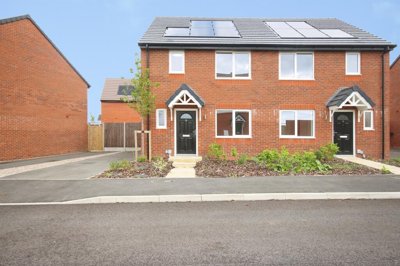
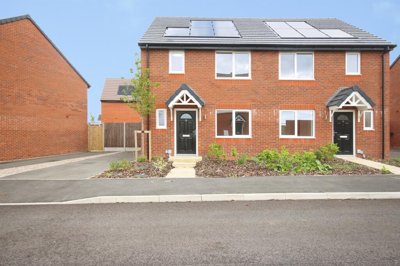
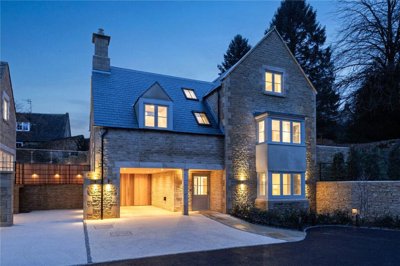
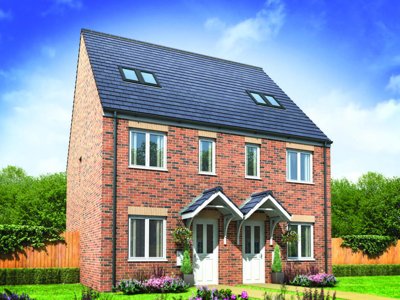
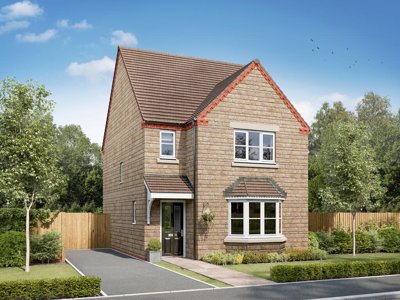
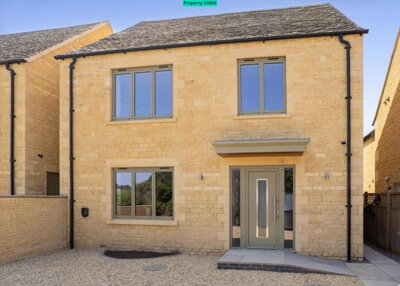
Browse 6 homes new builds in GL55 from local developer agents.
Three bedroom properties represent a significant portion of the GL55 housing market, offering space for families with multiple reception rooms and gardens in many cases. Browse detached, semi-detached, and terraced options ranging across new residential developments.
£550k
15
2
101
Source: home.co.uk
Showing 15 results for 3 Bedroom Houses new builds in GL55. 2 new listings added this week. The median asking price is £550,000.
Source: home.co.uk
Detached
8 listings
Avg £710,000
Semi-Detached
4 listings
Avg £421,250
Terraced
3 listings
Avg £535,000
Source: home.co.uk
Source: home.co.uk
£492,604
Average House Price
+2.22%
12-Month Price Change
£754,083
Detached Average
£422,500
Semi-Detached Average
£350,000
Terraced Average
£250,000
Flats Average
18-71
Annual Sales (GL55)
5,015
Population
The GL55 property market has a wide spread of homes to suit different budgets and ways of living. Detached properties sit at the premium end, averaging around £926,667, with the space and gardens that often draw in families wanting room to grow. Semi-detached homes average approximately £376,750, giving a useful middle ground between space and value in this sought-after spot. Terraced properties, many from the 17th and 18th centuries and built in traditional Cotswold stone, average around £636,667, while flats offer the most accessible entry point at approximately £375,000.
Recent market activity points to steady upward movement across every property type, with terraced homes leading at 2.94% annual appreciation, then semi-detached at 2.42% and detached houses at 1.74%. Flats have also edged up, posting 2.04% over the same period. Depending on the data source, the last year has seen about 18-71 sales, which tells us supply is limited and prices are still being underpinned in this desirable location. There are no active new-build schemes within GL55 itself, though nearby GL56 provides modern options at places such as Broadwell Gardens and Fosseway Gardens for buyers wanting something brand new.
Cotswold District Council has set out ambitious plans for Moreton-in-Marsh, and those proposals suggest over 1,500 new homes could come forward in the years ahead. One of the key ideas is land at the former Fire Service College, where around 310 new homes could be delivered alongside a new primary school and neighbourhood facilities. It is a clear sign that the town remains highly sought after, but it also raises familiar questions about infrastructure spending and what future growth might mean for values in existing streets.

Moreton-in-Marsh is the main town in the GL55 postcode, a busy market town with a population of approximately 5,015 residents in the 2021 Census, rising to an estimated 5,190 by 2024. It acts as a gateway to the Cotswolds, which helps explain the steady stream of visitors drawn by the weekly markets, historic buildings and friendly feel. Around 2,500 households are spread across the parish, and the town has expanded significantly, with approximately 900 new houses built between 2011 and 2031, a 50% increase in households over that period.
Much of Moreton-in-Marsh owes its character to a strong heritage. Along the High Street, many buildings date from the 17th and 18th centuries, built from the golden Cotswold stone that gives the town its unmistakable look. We regularly come across homes such as Cotswold House on the High Street, a Grade II listed building that captures the sort of traditional Cotswold architecture buyers expect here. There are plenty of other listed structures too, including old commercial premises that reflect Moreton-in-Marsh’s role as an important market centre since the 13th century.
Employment in the town is centred on hospitality at 15.9%, retail, and education at 11.7%, which reflects both the tourism trade and the strength of local schools. On the edge of town, the Fire Service College, based on the former RAF Moreton-in-Marsh site, is another major employer and brings specialist training work to the area. The historic High Street has independent shops, restaurants and cafes in good supply, while the surrounding countryside offers endless chances for walking, cycling and exploring the Cotswolds AONB. It appeals to a broad mix of people, from young families wanting good schools and countryside living, to commuters using the direct train to London, and retirees who want quieter surroundings and a strong community feel.

Buying in GL55 means understanding how local buildings are put together, because the main construction materials have a direct bearing on maintenance and defect checks. Traditional homes across Moreton-in-Marsh are built mainly from Cotswold stone, a golden-coloured oolitic limestone that shapes the area’s look. Part of the Jurassic Great Oolite geological formation, this stone has been used for centuries and is still highly regarded for both its appearance and durability when properly looked after.
Stone slate roofing is another familiar feature of traditional Cotswold homes, with each slate quarried from local limestone deposits. These roofs need specialist assessment and repair, because the slates can slip over time and the lead flashing around chimneys and valleys calls for regular inspection. We always advise buyers to check roof condition closely on period homes, since repairing traditional roofs can be far more expensive than dealing with standard concrete or slate alternatives. Inside older properties, timber framing is often part of the story, with original beams and floor joists visible in living spaces, which adds charm but also means timber defects need to be considered.
Lime mortar pointing matters a great deal in traditional Cotswold stone buildings, because unlike modern cement it allows the walls to breathe and stops moisture becoming trapped in the structure. Where cement mortar has been used instead, damp problems often follow, as the impermeable material blocks natural evaporation. When we inspect older properties in Moreton-in-Marsh, we always record the condition of pointing and rendering, since both are central to the long-term health of the building. Newer homes in the area may use brick, block or rendered finishes, but the historic core and many residential streets are still dominated by traditional Cotswold stone.
The age of much of the housing stock in GL55 means buyers often encounter defects that are common in traditional Cotswold stone properties. Damp penetration through solid walls is one of the most frequent issues our inspectors identify, especially where original lime mortar has been replaced with cement or where external rendering has sealed moisture into the walls. Rising damp can also affect properties without working damp-proof courses, and we often see the problem made worse by high ground levels or blocked airbrick ventilation.
Traditional Cotswold stone slate roofs need careful inspection, because the individual slates are vulnerable to wind damage, freeze-thaw deterioration and the wear that comes with age. Our inspectors look for slipped or broken slates, decay to the sarking or battens underneath, and the state of lead valley and abutment flashings. Chimney stacks on period properties often need attention too, with eroded mortar joints, damaged flashings and, in some cases, structural movement all posing risks that buyers should understand before they commit. Properties along the High Street, where chimney stacks rise above three or four storeys, need particular scrutiny because those elevated structures are more exposed.
The GL55 area sits on superficial clay deposits over Jurassic limestone bedrock, which creates a moderate to high shrink-swell risk in some places. Homes on clay soils can suffer subsidence or heave, especially if foundations are shallow or there are significant trees nearby drawing moisture from the ground in dry periods. We recommend a specialist foundation assessment if there are signs of structural movement, cracking, or if a site investigation points to difficult ground conditions. The alluvial deposits along the River Evenlode and its tributaries, which form parts of the parish’s southern and eastern boundaries, also need to be kept in mind when assessing lower-lying properties.
Families in Moreton-in-Marsh are well served on the education front, with primary and secondary schools in the town giving children access to schooling through the age range. The local primary school covers Moreton-in-Marsh and nearby villages, teaching Reception through to Year 6, and benefits from its place within a lively market town community. Parents should check catchment areas carefully, as these can have a strong influence on property values and the appeal of particular streets and neighbourhoods, with some buyers willing to pay more for homes within walking distance of popular schools.
Secondary pupils may attend schools in the town or travel to nearby communities, with dedicated bus services linking Moreton-in-Marsh to secondary schools across the Cotswold District. There are also several private schools in the wider Cotswolds, including in nearby Chipping Campden and Bourton-on-the-Water, giving families another route if they are looking for independent schooling. Strong schools make GL55 especially appealing to families moving into the Cotswolds, and Ofsted-rated good and outstanding establishments help keep demand for family homes high. We often see school catchment areas driving property choices, so this becomes a major part of the local market.
Further education is available in neighbouring towns, with colleges in Chipping Campden and Stratford-upon-Avon offering routes for older students. Families moving to GL55 should always check current school performance data and admission policies on the Ofsted website, because these can change each year and catchment boundaries can shift as well. Growth in the town, with household numbers up by 50% between 2011 and 2031, has already increased pressure on school places, and buyers should think about how local education capacity may change as the community keeps expanding.

Moreton-in-Marsh railway station gives commuters excellent links, with direct trains to London Paddington taking approximately 90 minutes, which makes the town a practical choice for anyone working in the capital. Sitting on the Oxford-Worcester-Malvern line, the station also connects to Oxford, where buyers can tap into the wider job market and university facilities, as well as Worcester and other regional destinations. That access plays a big part in local values, with many buyers looking for homes that offer straightforward links to major employment centres without giving up a countryside lifestyle.
By road, the A429 Fosse Way runs through Moreton-in-Marsh and links the town with surrounding villages and towns across the Cotswolds. This historic Roman route gives scenic access to places such as Chipping Campden, Stow-on-the-Wold and Stratford-upon-Avon, so it works well as a base for exploring the area. The M5 is within reasonable driving distance for trips further afield to Birmingham, Bristol or the South West, while the A44 heads east towards Oxford. Local bus services also connect Moreton-in-Marsh with nearby communities including Blockley, Batsford and Bourton-on-the-Hill, which is useful for day-to-day travel without a car.
Parking in the town centre is generally manageable, although it changes on market days when extra visitors arrive for the weekly markets, and during the busiest tourist weeks when summer numbers rise sharply. The railway station has parking for commuters, though spaces can be tight at busy times. Buyers planning to commute regularly should think through station access and parking when choosing where in Moreton-in-Marsh to live, because homes within walking distance of the station attract a premium for the convenience.

Before viewing, we always suggest getting a mortgage agreement in principle from a lender so you know your budget and can show estate agents and sellers that you are serious. With average property prices in GL55 around £735,579, most buyers will need substantial mortgage finance, so getting the numbers straight early can make the buying process much smoother.
Use Homemove to look through current listings in GL55, compare average prices across property types, and get to grips with local conditions, including flood risk areas and conservation considerations. We suggest taking time to understand the differences between homes here, from modern detached houses to traditional Cotswold stone cottages, because each type brings its own maintenance needs and character features.
Book viewings on properties that fit your brief, and use the time to judge the condition of the home and how traditional Cotswold stone construction might affect future upkeep. When we view period properties, we always recommend paying close attention to the roof, pointing, windows, and any signs of damp or structural movement that could point to deeper issues.
For homes over 50 years old, which make up a large share of the GL55 stock, a proper survey is vital if you want to identify defects that are common in older properties, such as damp, stone slate roof condition and timber defects. With so many homes built from traditional Cotswold stone and using historic construction methods, a professional survey gives valuable insight into the real condition of the property and any remedial work likely to be needed.
We recommend appointing a solicitor who knows Cotswold property transactions well, especially where there are listed buildings or properties within the conservation area, so the legal side of the purchase is handled properly. The high number of listed buildings and the broad conservation area in Moreton-in-Marsh mean specialist legal knowledge can help with the extra issues that come with protected properties.
Once searches come back clean and finances are confirmed, exchange contracts with the seller and set a completion date so you can collect your keys and move into your new Moreton-in-Marsh home. Removal arrangements are best sorted well ahead of time, especially if you are moving from outside the region, as local firms can fill their diaries quickly during peak moving periods.
Moreton-in-Marsh homes bring a few special points for buyers, chiefly because so much of the stock is built in traditional Cotswold stone. Those golden oolitic limestone buildings that give the area its look need specific maintenance knowledge, and stone slate roofs, lime mortar pointing and traditional rendering all call for specialist care rather than the methods used on modern construction. Buyers should allow for those ongoing costs when budgeting for period homes here, because repairs to traditional buildings often cost more than similar work on newer properties due to the specialist skills and materials involved.
Clay soils in parts of the GL55 area create a moderate to high shrink-swell risk, especially where superficial clay deposits sit over the Jurassic limestone bedrock. That means buyers need to watch for signs of subsidence or structural movement in older homes, particularly those with shallow foundations or near mature trees whose roots can affect soil moisture. We always recommend a thorough RICS Level 2 Survey in this area, as properties over 50 years old make up the majority of the housing stock and our surveyor will understand common defects such as damp penetration through solid walls, deterioration of stone slate roofing, and timber defects including woodworm and rot.
Flood risk deserves careful attention in parts of Moreton-in-Marsh, where surface water flooding can happen in heavy rain and river flooding affects areas close to the River Evenlode and its tributaries. In the past, parts of the parish, especially near the church, have been marshy and prone to flooding, and the brook through Queen Victoria Gardens is known to burst its banks during winter months. Homes near the church and in low-lying areas may have a particular flood history, so buyers should check local searches and ask sellers directly about any earlier flooding. The extensive Conservation Area designation and the high concentration of Listed Buildings across the town also bring planning issues, because changes to protected properties need the right consents, which can affect renovation plans and mortgageability.

The overall average house price in GL55 is approximately £735,579 according to recent market data. Detached properties average around £926,667, semi-detached homes are priced at approximately £376,750, terraced properties at £636,667, and flats at £375,000. Prices have risen by 2.22% over the last 12 months, and terraced properties have shown the strongest growth at 2.94%. The market stays fairly active despite limited stock, with demand coming from buyers attracted to the town’s heritage, schools and transport links. With only 18-71 sales recorded in the past year depending on data source, the tight supply continues to support values across all property types.
Properties in Moreton-in-Marsh sit within Cotswold District Council. Council tax bands depend on the Valuation Office Agency’s assessment for each property, and buyers should check the exact band for any home they are considering through the VOA website or their solicitor during conveyancing. Bands usually run from A to H, and historic Cotswold stone properties can sometimes sit at higher valuations because of their character and desirability, which means some period homes may attract higher council tax contributions than modern homes with the same market value.
Moreton-in-Marsh has good primary school provision, with the local primary school serving the town and surrounding villages including Blockley and Batsford. Secondary options include schools in the town and in neighbouring communities, with bus services opening up access to wider educational opportunities, including several independent schools in the wider Cotswolds. Parents should always check current Ofsted ratings and admission policies through official channels, as these can change and catchment areas may determine which properties best fit family needs. Strong school provision is one of the main reasons family buyers are drawn to the GL55 area.
Moreton-in-Marsh railway station gives the town excellent links, with direct services to London Paddington taking approximately 90 minutes, which makes it especially attractive to commuters who work in the capital but want a Cotswolds base. The station also links to Oxford, Worcester and other regional destinations via the Oxford-Worcester-Malvern railway line. Local bus services connect the town with surrounding villages and towns across the Cotswold District, while the A429 Fosse Way gives road access across the wider region, including the route to the M5 motorway for longer journeys.
Moreton-in-Marsh has shown steady property value growth, with prices rising across all property types over the past year. Its position as a gateway to the Cotswolds AONB, together with good transport links to London and strong local schools, supports continuing demand from buyers and renters alike. Cotswold District Council’s planned expansion, including proposals for over 1,500 new homes and an initial development at the Fire Service College site that could deliver around 310 homes, points to further investment in local infrastructure. The limited supply of homes in the area, alongside strong demand from families and commuters, usually helps support property values over the longer term.
For standard purchases, stamp duty is charged at 0% on the first £250,000, 5% on £250,001 to £925,000, 10% on £925,001 to £1.5 million, and 12% on any amount above £1.5 million. First-time buyers get relief on the first £425,000, with 5% applying between £425,001 and £625,000. With the average property price in GL55 at around £735,579, a typical buyer at that price would pay approximately £24,279 in stamp duty, or no stamp duty for first-time buyers purchasing below £425,000. Homes priced above £625,000 do not qualify for first-time buyer relief.
There are no active new-build developments specifically within the GL55 postcode area. Nearby GL56, though, offers contemporary choices at developments such as Broadwell Gardens on Broadwell Road and Fosseway Gardens, both built by Spitfire Homes, as well as The Paddocks development by Hayfield on Station Road in Little Compton. Looking ahead, Cotswold District Council has proposals for major expansion in Moreton-in-Marsh itself, with plans for over 1,500 new homes, including a development at the Fire Service College site that could deliver around 310 new homes with supporting infrastructure.
Understanding the full cost of buying in Moreton-in-Marsh is vital if you want to budget properly. The stamp duty land tax, SDLT, rates for standard buyers in 2024-25 are 0% on the first £250,000, 5% on the portion between £250,001 and £925,000, 10% on amounts between £925,001 and £1.5 million, and 12% on anything above £1.5 million. For a typical GL55 home averaging around £735,579, a standard buyer would pay approximately £24,279 in SDLT, which is a substantial figure and should sit alongside deposit costs and mortgage arrangement fees in the overall budget.
First-time buyers benefit from gentler SDLT treatment, paying 0% on the first £425,000 of the purchase price, with 5% applying between £425,001 and £625,000. That means first-time buyers purchasing homes up to £425,000 pay no stamp duty at all, which can mean meaningful savings compared with those who have owned a property before. Above £625,000, first-time buyer relief no longer applies and standard rates are due. Beyond stamp duty, buyers should also allow for solicitor conveyancing fees, typically from £500 to £2,000 depending on complexity, mortgage arrangement fees, valuation surveys and removal costs. In the GL55 area, conveyancing fees can be higher for listed buildings or properties within the conservation area because of extra searches and legal work.
Because older homes are so common in GL55, especially those in the Conservation Area or on the list of listed buildings, extra costs can crop up during conveyancing. Specialist surveys for period properties, including structural assessments of traditional Cotswold stone construction, stone slate roofs, and any damp or timber defects, usually cost between £400 and £900 for a RICS Level 2 Survey. Homes with unusual features, more complex structural layouts, or listed status may need a more detailed RICS Level 3 Building Survey, which gives fuller analysis for older, listed or non-standard properties. Buyers should also factor in the upkeep of traditional homes, including eventual repointing with lime mortar and replacing stone slate tiles, since those jobs rely on specialist trades and can be pricier than standard building work.

From £400
A thorough survey for properties over 50 years old, ideal for traditional Cotswold stone construction.
From £600
Comprehensive building survey for older, listed, or complex properties
From £85
Energy performance certificate required for all property sales
From 4.5%
Expert mortgage advice tailored to your purchasing circumstances
From £499
Specialist solicitors experienced in Cotswold property transactions
Properties New Builds In London

Properties New Builds In Plymouth

Properties New Builds In Liverpool

Properties New Builds In Glasgow

Properties New Builds In Sheffield

Properties New Builds In Edinburgh

Properties New Builds In Coventry

Properties New Builds In Bradford

Properties New Builds In Manchester

Properties New Builds In Birmingham

Properties New Builds In Bristol

Properties New Builds In Oxford

Properties New Builds In Leicester

Properties New Builds In Newcastle

Properties New Builds In Leeds

Properties New Builds In Southampton

Properties New Builds In Cardiff

Properties New Builds In Nottingham

Properties New Builds In Norwich

Properties New Builds In Brighton

Properties New Builds In Derby

Properties New Builds In Portsmouth

Properties New Builds In Northampton

Properties New Builds In Milton Keynes

Properties New Builds In Bournemouth

Properties New Builds In Bolton

Properties New Builds In Swansea

Properties New Builds In Swindon

Properties New Builds In Peterborough

Properties New Builds In Wolverhampton

Enter your details to see if this property is within your budget.
Loans, cards, car finance
Estimated property budget
Borrowing + deposit
You could borrow between
Typical borrowing
Monthly repayment
Est. at 4.5%
Loan-to-value
This is an estimate only. Your actual budget may vary depending on interest rates, credit history, and personal circumstances. For an accurate affordability assessment, speak to one of our free mortgage advisors.
This calculator provides estimates for illustrative purposes only and does not constitute financial advice. Your home may be repossessed if you do not keep up repayments on your mortgage. Estimates based on 4.5% interest rate, repayment mortgage. Actual rates depend on your circumstances.
Homemove is a trading name of HM Haus Group Ltd (Company No. 13873779, registered in England & Wales). Homemove Mortgages Ltd (Company No. 15947693) is an Appointed Representative of TMG Direct Limited, trading as TMG Mortgage Network, which is authorised and regulated by the Financial Conduct Authority (FRN 786245). Homemove Mortgages Ltd is entered on the FCA Register as an Appointed Representative (FRN 1022429). You can check registrations at NewRegister or by calling 0800 111 6768.

We use cookies to show you personalised content and improve your experience of our website. Find out more in our Privacy policy and Cookie policy.