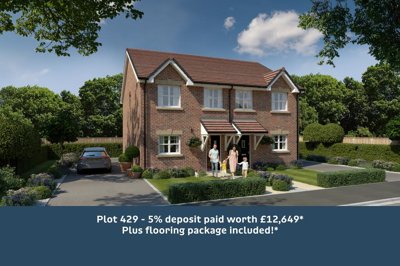
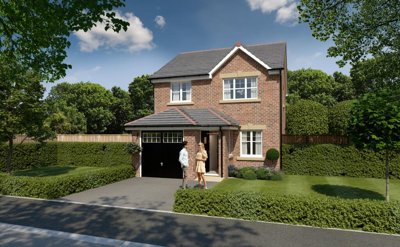
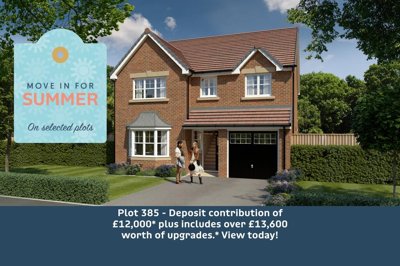
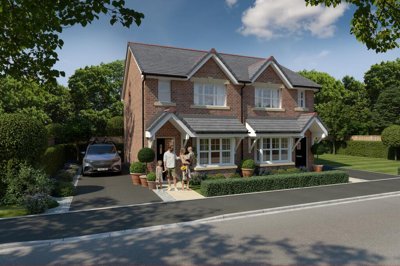
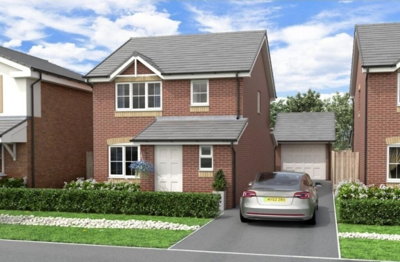
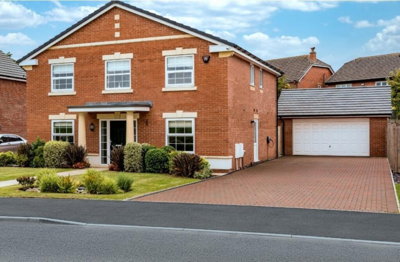
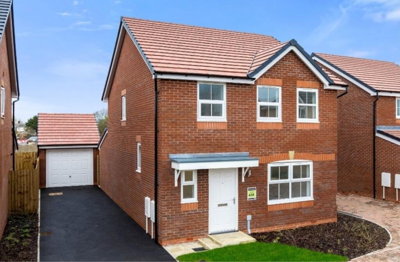
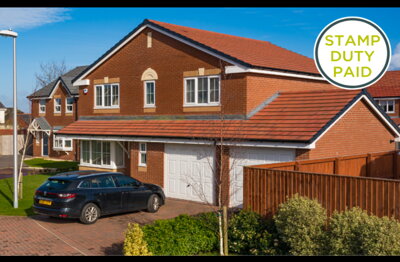
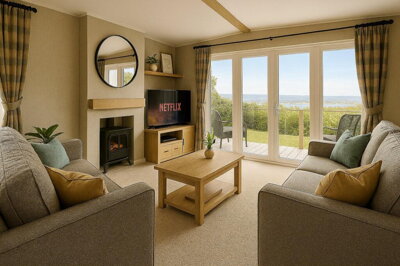
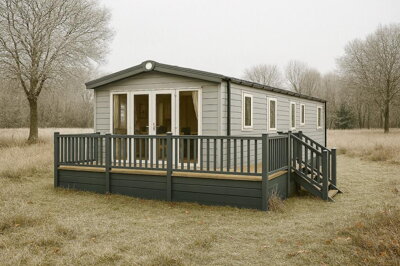
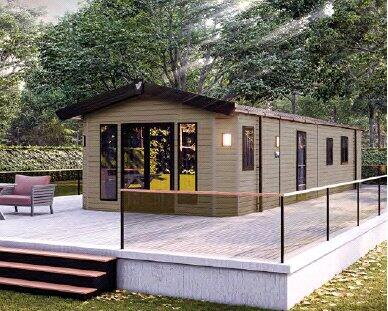
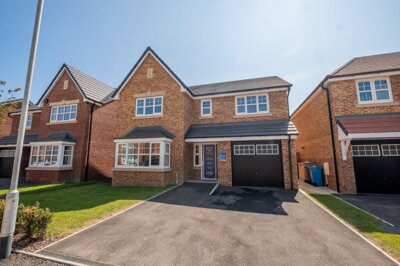
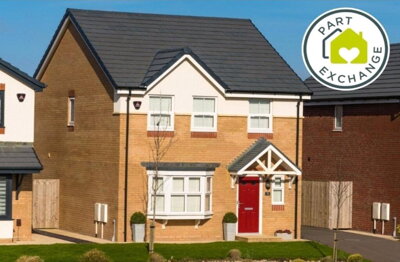
Browse 20 homes new builds in FY8 from local developer agents.
The FY8 property market offers detached, semi-detached, and terraced houses spanning various price ranges and neighbourhoods. Each listing includes detailed property information, photographs, and direct contact with the marketing agent.
£399k
288
14
147
Source: home.co.uk
Showing 288 results for Houses new builds in FY8. 14 new listings added this week. The median asking price is £399,450.
Source: home.co.uk
Detached
111 listings
Avg £813,516
Semi-Detached
107 listings
Avg £417,465
Terraced
70 listings
Avg £345,150
Source: home.co.uk
Source: home.co.uk
FY8 shows the range of its housing stock in the price data, with different budgets and buyer needs reflected across the postcode. Detached homes sit at the top end, averaging £695,397, and they suit families after larger rooms and gardens. Semi-detached properties make up a sizeable slice of the local market, averaging £358,719, which looks like strong value given the schools and amenities close by. Around 272 property sales were recorded over the last 12 months, so the area has stayed active even with some softening in prices across the board.
Across the past 12 months, prices have edged down in every main property type, with the overall market falling 3.89%. Detached homes saw the mildest drop at 3.37%, while semi-detached properties fell 4.39%. Terraced homes were down 4.33% and flats 3.61%. For buyers who were edged out in previous years, that shift opens a window. FY8 has remained steady, helped by demand from families and retirees, and it has not shown the sharp swings seen in some other coastal spots.
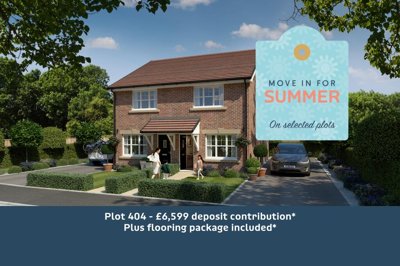
New-build choice is still healthy in FY8, with three active developments on the go. Miller Homes’ The Dunes offers 2, 3, and 4-bedroom homes from £224,995. Story Homes’ Lytham Gardens brings larger 3, 4, and 5-bedroom options from £299,995, while Rowland Homes’ Blackpool Road development adds 3 and 4-bedroom properties from £249,995. These schemes give buyers a modern alternative to the older stock, usually with remaining NHBC warranty cover and energy-efficient specifications that many period homes do not have.

Lytham and St Annes sit at the centre of FY8, two towns that have moved on from their Victorian seaside roots into well-established residential communities. The mix of homes tells that story clearly, with 35.2% detached, 33.1% semi-detached, 19.3% terraced, and 12% apartments or flats. Buyers can choose the Edwardian villas along Ansdale Road and Lytham’s leafy avenues, or go for the more practical inter-war semis tucked behind the seafront. The Lytham St Annes ward has about 27,000 residents across roughly 12,000 households, which gives the place a close community feel without losing the facilities of a bigger town.
Tourism and hospitality drive much of the local economy, and the promenade, dunes, and golf courses keep visitors coming through the year. Lytham’s windmill, the RNLI Lifeboat Station, and events at Lowther Pavilion all add to a lively cultural calendar. Clifton Street and St Annes Square take care of the shopping, with independent names sitting beside familiar high-street brands. It is also a popular retirement area, so demand for single-level homes stays strong and the pace of life is settled. Lytham Hospital, care homes, schools, and colleges mean residents can cover most day-to-day needs without heading into larger cities.
FY8’s housing age profile says a lot about how the area grew. Many of the oldest homes date from the Victorian and Edwardian periods, especially near Lytham town centre and along the seafront. Those pre-1919 houses often come with high ceilings, original fireplaces, and period detail that pushes prices up. The inter-war years, 1919-1945, brought a wave of semi-detached homes for returning soldiers and their families, then 1945-1980 saw inland estates take shape. Each era brings its own maintenance needs and defect patterns, so buyers should know what they are taking on before they commit.

Families looking at FY8 tend to find the schooling one of the strongest draws in Lancashire. Lytham Primary School, in a historic building near the town centre, and St Annes Primary School, serving families in St Annes-on-the-Sea, both have solid reputations and active parent communities. Beyond the main towns, Warton and Wrea Green give the postcode extra primary options in more rural surroundings, which means parents can think carefully about location as well as school name.
Secondary provision is broad enough to suit different academic interests. Lytham High School offers comprehensive secondary education, while nearby areas bring grammar school options that can be reached through the 11-plus route. For sixth form, students can stay at Lytham School of Science and Technology or travel to St Mary’s College in nearby Medlar. Blackpool and The Fylde College adds further education and vocational courses, alongside A-level provision. Good schools have a clear effect on prices in FY8, with catchment homes often selling at a premium. We always advise checking the current boundaries with the local education authority, as they can shift and affect school places directly.
For families buying period homes in FY8, catchment areas deserve close attention. Older properties often sit within admission zones that do not line up neatly with modern administrative lines. Homes near the boundary between Lytham and St Annes catchments need extra checking, as do properties close to schools in neighbouring wards that serve parts of the FY8 postcode. Our team can point you towards the general school locations in FY8, but we always recommend confirming the detail with the relevant admission authority for the specific property.

Travel links are one of FY8’s practical strengths, and commuting to major employment centres is very doable. Lytham railway station runs regular services to Preston, with journey times of around 25 minutes, and from there the West Coast Main Line opens up trips to Manchester, Liverpool, and London Euston. There are also direct trains to Blackpool, so the wider Fylde coast stays easy to reach without a car. For anyone working in Preston, the train is often a calmer option than the M55, especially at peak times when the road can back up.
Motorists use junction 4 on the M55 for direct access to the national motorway network, which puts Preston about 15 minutes away and Manchester under an hour outside rush hour. Preston Bus and Stagecoach run local services between the towns in FY8, with routes along the coast and inland to nearby villages. Cyclists have dedicated seafront paths and links through residential streets, and the flat ground makes local riding popular whatever your fitness level. Parking is mixed, with public car parks in Lytham town centre and pressure on residential streets during busy holiday periods. Fibre broadband coverage across most of FY8 also makes working from home for part of the week a realistic option.
From Lytham station, Manchester Piccadilly is around 1 hour 15 minutes away by train, so daily commuting is possible if you are prepared for the journey. The direct route to London Euston via Preston takes roughly 2 hours 30 minutes, which is handy for occasional trips to the capital without driving all the way. People working in Blackpool have the shortest run of all, with regular services taking under 20 minutes. Frequencies have improved in recent years, though we still suggest checking the latest timetable because services can change with the seasons.

Start by getting to know the different parts of FY8, from Lytham’s older streets to the seafront properties in St Annes. Before you begin viewings, get a mortgage agreement in principle so you know the real limit of your budget. Detached homes average £695,397 and terraced properties sit around £304,382, so having a clear ceiling helps focus the search. It is also sensible to think about the full cost of ownership, because Victorian and Edwardian homes in FY8 may need ongoing attention to roofs, damp, and electrics.
Homemove makes it easy to browse what is on the market in FY8 and save the homes that fit your brief. Book viewings through our platform, and try to see properties at different times of day so you can judge noise, light, and the feel of the street. There is strong variety here across the price range, so it pays to look around before making an offer. With period homes, look closely at damp, roof condition, and window quality, as these often crop up in coastal areas. New-builds bring modern standards, but they usually come at a premium compared with similar older homes.
After you have found the right place, the next step is to agree a price and any sale conditions with the estate agent. In a competitive FY8 market, having your finances in place already gives you a stronger hand. Your solicitor then carries out the searches relevant to the area, including flood risk and local authority records. If the survey uncovers problems, be ready to negotiate, especially on older coastal homes where defects are common.
A RICS Level 2 Survey is a must in FY8, particularly because so many homes are Victorian or Edwardian. Fees usually sit between £400-700, with larger detached properties tending towards the higher end. The survey should pick up issues often found in coastal housing, including damp, roof condition, and any hint of subsidence linked to the clay geology beneath parts of the area. More specialist checks may be needed for homes in conservation areas or for listed buildings.
Your solicitor deals with the legal side, from local searches and land registry checks through to Stamp Duty calculation. On completion day, the balance is transferred and the keys to your new FY8 home are released. Leave some breathing space around the target date, because delays can happen, particularly where a chain includes complicated titles or unresolved planning conditions.
Several area-specific issues can affect a purchase in FY8, so it pays to be aware of them early. Flood risk is the biggest environmental concern in this coastal location. Environment Agency maps show higher risk along the coast and near the River Ribble estuary, while heavy rain can bring surface water flooding anywhere in the postcode. Check the specific risk for each property and weigh the survey findings carefully. Homes in low-lying spots near the seafront can also face higher insurance costs, and in more serious cases mortgage finance may be harder to obtain.
Conservation areas in Lytham and St Annes protect the character of the towns, but they also bring duties for owners. The Lytham Green Conservation Area and parts of St Annes-on-the-Sea Conservation Area mean restrictions on alterations, extensions, and even external paint colours. Budget extra time for planning if you are buying a listed building or a property in one of these protected areas. Many older FY8 homes were built using traditional methods, with solid walls and timber sash windows that need different care from modern construction. Because there are plenty of listed buildings around Lytham town centre and the seafront, listing status should be checked early.
FY8 sits on tidal flat deposits and glaciolacustrine deposits that include clay, silt, sand, and gravel, so the ground conditions matter. That clay-rich geology can create shrink-swell movement in extreme weather, especially where large trees stand close to a house or foundations are not up to standard. Homes with mature planting near the building footprint need a closer look, because root activity can alter soil moisture and lead to subsidence or heave. The Fylde area is not known as a major coal mining district, so mining-related subsidence is usually less of a concern than in parts of Lancashire. Even so, any signs of cracking or movement deserve a proper survey.
Coastal weather and the age of the housing stock shape most of the defects we see in FY8. Older homes may still have original damp-proof courses that have failed over time, so rising damp turns up often in surveys. Roofs need careful checking too, because slate and tiled coverings on Victorian and Edwardian houses may be near the end of their useful life. Salt-laden wind speeds up wear on renders, brickwork, and decorative ironwork. Where ventilation has been poor or damp has been left unchecked, timber problems such as wet and dry rot can follow. Properties built before the 1980s also commonly need work on electrics and plumbing to bring them up to modern standards.

Latest figures put the overall average house price in FY8 at £358,424. Detached homes average £695,397, semi-detached properties £358,719, terraced homes £304,382, and flats £209,379. Over the last 12 months, prices have eased by 3.89%, which has made the market a bit easier for buyers who found it hard to get in before. Those small corrections across the board point to stability rather than decline, with demand still backed by the lifestyle appeal and transport links of the area.
Council tax in the Fylde borough, which includes the FY8 postcode area, runs from bands A through H depending on property value. Most terraced houses and smaller flats are usually in bands A to C, while larger detached homes in prime Lytham roads can reach bands F to H. The specific band for any address can be checked on the Fylde Borough Council website or through your solicitor’s local authority search. It is a cost that matters, so factor it in alongside mortgage payments and maintenance.
Strong schooling is one of FY8’s biggest advantages. Lytham Primary School and St Annes Primary School are both well regarded at primary level. For secondary education, Lytham High School and nearby grammar schools accessible through the 11-plus provide different routes. Sixth-form students can take A-level courses locally, with further education available at nearby colleges. Catchment boundaries should always be checked with the local education authority, since they affect school place eligibility and can shift as admission policies change.
Despite being on the coast, FY8 is well connected. Lytham railway station has regular services to Preston in 25 minutes, Blackpool, and links to the West Coast Main Line for journeys to Manchester and London. Local bus routes connect the towns within FY8 and the surrounding villages. Junction 4 on the M55 gives straightforward road access to Preston and the wider motorway system. For commuters heading to Manchester, the train to Manchester Piccadilly takes about 1 hour 15 minutes, which keeps regular travel realistic for those who can live with the time.
FY8 brings a few clear investment draws, not least the steady rental demand from its coastal lifestyle and local jobs. Tourism and hospitality support holiday-let interest, while the area’s retirement-friendly feel keeps demand solid from downsizers. The fact that there are three active new-build developments shows that major housebuilders are still interested. That said, coastal flood risk in some spots and the age of much of the housing stock call for caution. Homes in conservation areas may rise more slowly because renovation is restricted, though they often hold their value thanks to scarcity and character. We would always recommend proper due diligence, including a survey, before committing to a purchase in FY8.
Standard Stamp Duty Land Tax rates for 2024-25 are 0% on the first £250,000, 5% on £250,001 to £925,000, 10% on £925,001 to £1.5 million, and 12% above £1.5 million. First-time buyers get relief on the first £425,000 at 0%, with 5% charged between £425,001 and £625,000. Against the FY8 average of £358,424, a first-time buyer buying at that level would pay no stamp duty at all. Your solicitor will work out the exact figure using your purchase price, residency status, and any reliefs you qualify for, including those for multiple dwellings.
FY8’s coastal setting brings a set of property issues that buyers should have in mind. Rising damp is common in older houses where the damp-proof course has failed or was never quite right, especially in properties exposed to westerly winds and salt spray. Victorian and Edwardian roofs often need work too, with slipped tiles and worn felt turning up regularly in surveys. The clay geology underneath can create subsidence or heave risk, particularly where large trees sit close to the foundations. Salt corrosion can damage external features, and timber problems such as wet and dry rot often appear where ventilation has been poor. For any home over 50 years old in this area, a RICS Level 2 Survey is strongly advised, not least because the pre-war stock is so substantial.
Buyers also need to understand the Victorian and Edwardian stock that shapes much of FY8. Plenty of these homes were built with solid walls rather than cavity wall construction, which changes both insulation performance and how damp behaves. Timber sash windows are full of character, but they often need restoration rather than replacement if you want to preserve authenticity and keep within conservation area rules. Fireplaces, cornicing, and floorboards may still survive, though they can need specialist repair after decades of wear. Where a property sits in a conservation area, planning restrictions apply to alterations, so any proposed changes should be discussed with the Fylde Borough Council planning department before you go ahead.
Budgeting properly for a home in FY8 helps avoid awkward surprises at completion. The purchase price will be the biggest item, but Stamp Duty Land Tax can add a fair amount unless you qualify for first-time buyer relief. At the FY8 average price of £358,424, a standard buyer would pay no SDLT on the first £250,000 and 5% on the remaining £108,424, which gives a total of £5,421. First-time buyers at this price would pay nothing, because their 0% band runs to £425,000. Your solicitor will calculate the exact SDLT due based on the purchase price and residency status.
There are other costs on top of the tax. Conveyancing solicitor fees in the FY8 area usually fall between £500 and £1,500, depending on how complex the transaction is. A RICS Level 2 Survey tends to cost £400 and £700 for homes in this postcode, with larger or trickier properties sitting higher up the range. An Energy Performance Certificate is compulsory and usually costs £85 to £120. Mortgage arrangement fees often run from 0% to 1.5% of the loan amount, although some lenders do offer fee-free products. Removal charges, mortgage valuation fees, and any renovation work should all be included in the budget. Remember too that Stamp Duty needs to be covered from your cash deposit, as lenders will not add it to the loan.
Other extra costs in FY8 can include specialist surveys for listed buildings or homes in conservation areas. If you are buying a period property that needs major renovation, get quotes for essential works before completion so the price reflects the real condition. Buildings insurance should be arranged from exchange of contracts, and it is sensible to think about life insurance or critical illness cover if you are taking on a large mortgage. First-time buyers should also allow for Land Registry fees to register title and for searches that may not be built into standard conveyancing quotes.

From £400
Expert inspection of property condition, ideal for standard homes in FY8
From £600
Comprehensive building survey for older, larger or unusual properties
From £85
Energy performance certificate required for all property sales
From £499
Solicitors to handle your legal transfer
From 3.89%
Competitive mortgage rates for FY8 property buyers
Properties New Builds In London

Properties New Builds In Plymouth

Properties New Builds In Liverpool

Properties New Builds In Glasgow

Properties New Builds In Sheffield

Properties New Builds In Edinburgh

Properties New Builds In Coventry

Properties New Builds In Bradford

Properties New Builds In Manchester

Properties New Builds In Birmingham

Properties New Builds In Bristol

Properties New Builds In Oxford

Properties New Builds In Leicester

Properties New Builds In Newcastle

Properties New Builds In Leeds

Properties New Builds In Southampton

Properties New Builds In Cardiff

Properties New Builds In Nottingham

Properties New Builds In Norwich

Properties New Builds In Brighton

Properties New Builds In Derby

Properties New Builds In Portsmouth

Properties New Builds In Northampton

Properties New Builds In Milton Keynes

Properties New Builds In Bournemouth

Properties New Builds In Bolton

Properties New Builds In Swansea

Properties New Builds In Swindon

Properties New Builds In Peterborough

Properties New Builds In Wolverhampton

Enter your details to see if this property is within your budget.
Loans, cards, car finance
Estimated property budget
Borrowing + deposit
You could borrow between
Typical borrowing
Monthly repayment
Est. at 4.5%
Loan-to-value
This is an estimate only. Your actual budget may vary depending on interest rates, credit history, and personal circumstances. For an accurate affordability assessment, speak to one of our free mortgage advisors.
This calculator provides estimates for illustrative purposes only and does not constitute financial advice. Your home may be repossessed if you do not keep up repayments on your mortgage. Estimates based on 4.5% interest rate, repayment mortgage. Actual rates depend on your circumstances.
Homemove is a trading name of HM Haus Group Ltd (Company No. 13873779, registered in England & Wales). Homemove Mortgages Ltd (Company No. 15947693) is an Appointed Representative of TMG Direct Limited, trading as TMG Mortgage Network, which is authorised and regulated by the Financial Conduct Authority (FRN 786245). Homemove Mortgages Ltd is entered on the FCA Register as an Appointed Representative (FRN 1022429). You can check registrations at NewRegister or by calling 0800 111 6768.

We use cookies to show you personalised content and improve your experience of our website. Find out more in our Privacy policy and Cookie policy.