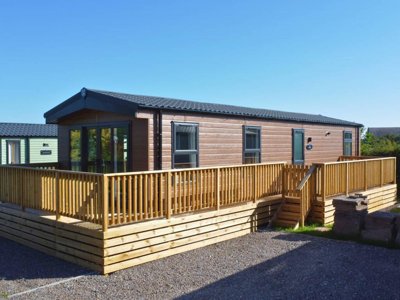
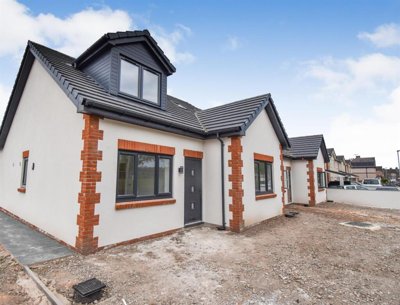
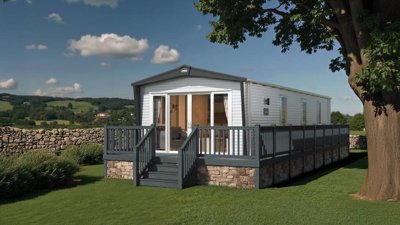
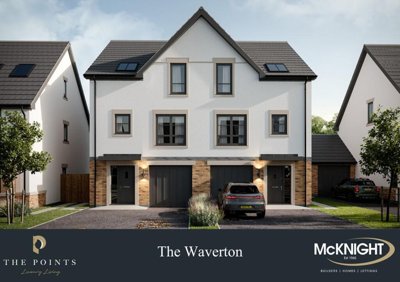
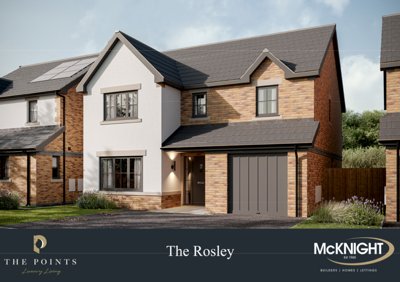
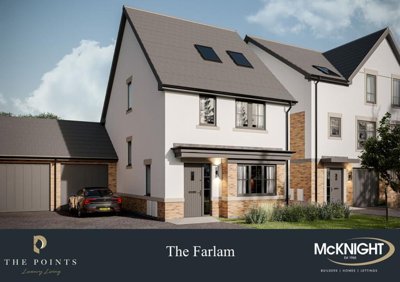
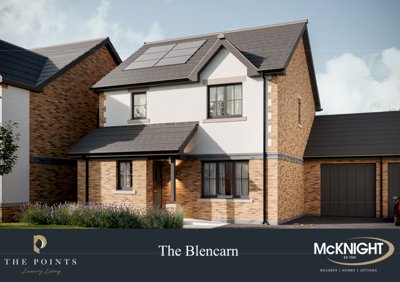
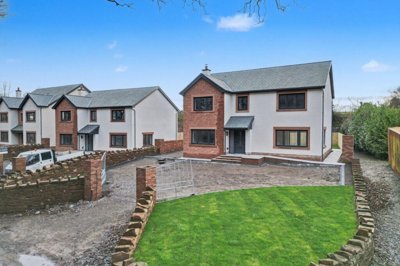
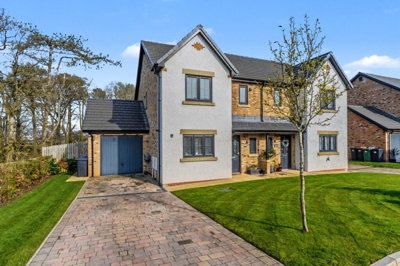
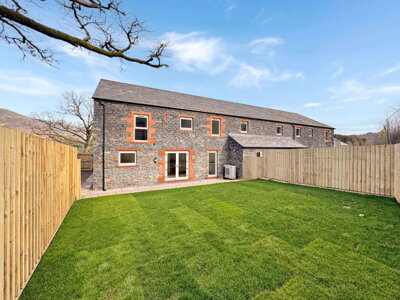
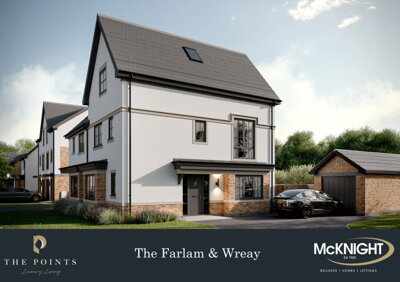
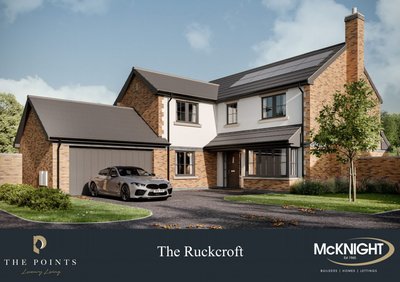
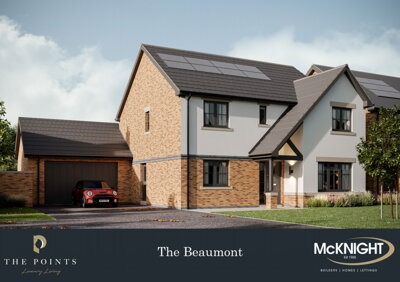
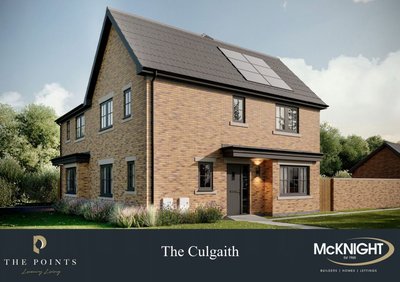
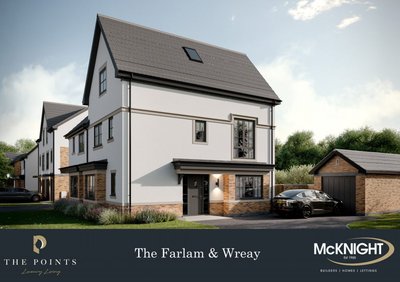
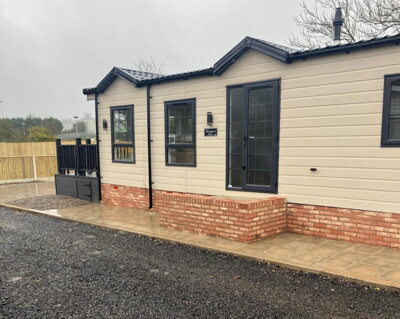
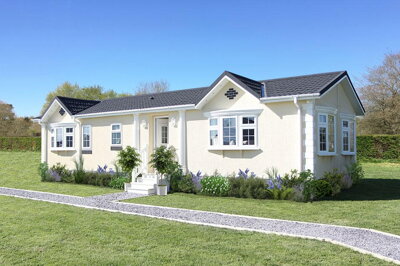
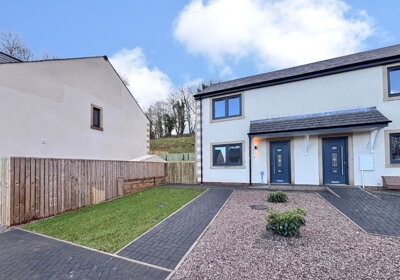
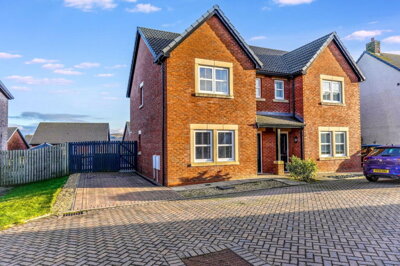
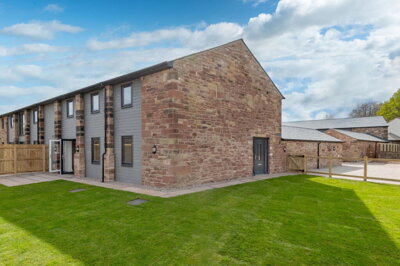
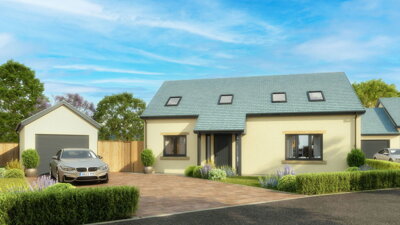
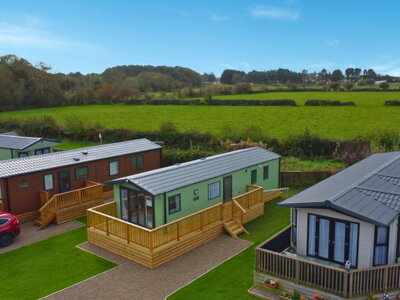
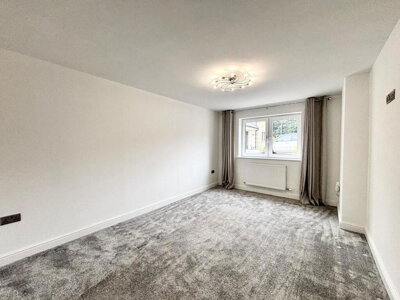
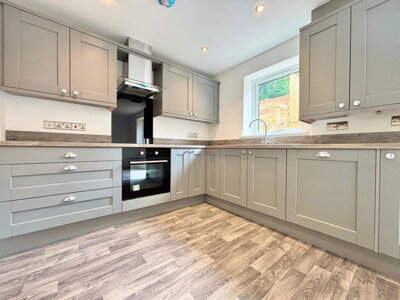
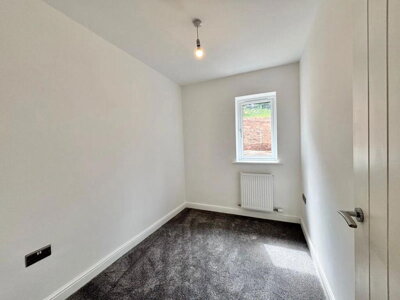
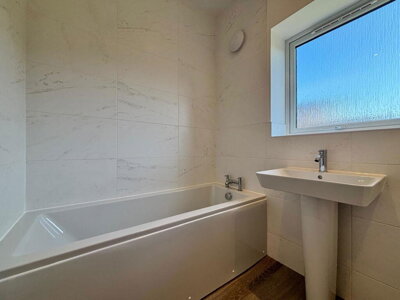
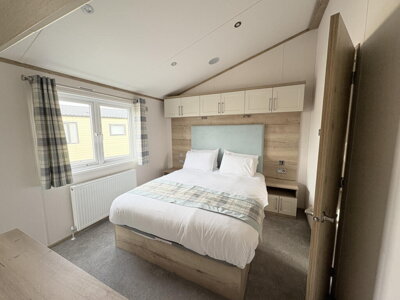
Browse 229 homes new builds in Cumberland, England from local developer agents.
£240k
1,685
143
115
Source: home.co.uk
Source: home.co.uk
Detached
441 listings
Avg £461,625
Terraced
298 listings
Avg £165,485
Semi-Detached
282 listings
Avg £224,786
Detached Bungalow
124 listings
Avg £357,097
End of Terrace
102 listings
Avg £183,477
Flat
66 listings
Avg £124,567
Apartment
51 listings
Avg £191,331
Cottage
48 listings
Avg £310,069
Bungalow
41 listings
Avg £295,926
Lodge
31 listings
Avg £125,155
Source: home.co.uk
Source: home.co.uk
**PASSAGE 1:** Cumberland’s housing market is still moving upwards, but in a measured way, with the average property price reaching £260,632 as of December 2025 after a 5.6% annual increase. That pace speaks to real demand rather than hype, helped by remote workers, families wanting more room, and retirees drawn by the natural surroundings and lower day-to-day costs. Prices are not racing ahead in the way they do in some metropolitan areas. They remain tied to local demand, which leaves scope for both homes to live in and purchases for investment.
**PASSAGE 2:** Across Cumberland, property types cover a wide spread of budgets and household needs. Detached homes average £440,390, giving families the space for gardens, home offices, and a bit of breathing room. Semi-detached properties sit at £207,291, a level that works well for buyers who want practicality without losing sight of affordability. Terraced houses, at £143,796, are the most commonly sold type in the area. Flats and maisonettes, starting from £113,178, offer a lower-cost way in, whether the aim is compact living or rental investment.
Terraced homes account for most transactions in Cumberland, which makes sense given how much of the stock they make up and how popular they are with buyers looking for older homes at reachable prices. The sharpest price growth came from semi-detached properties, which rose by 6.8% over the twelve months to December 2025, a sign of strong family demand. Flats were steadier at 1.4% over the same period, though they still give the cheapest route onto the property ladder in the region. New build homes made up approximately 3.3% of all sales in Cumbria, underlining how limited fresh development is compared with national averages.

Cumberland brings together a striking mix of places, from the rugged fells of the Lake District to the pastoral Solway Plain and the industrial coast of West Cumbria. Around 280,495 people live here, spread across lively market towns, coastal settlements, and small rural villages that still feel distinctly local. The population is ageing and growth has been limited, so communities tend to be close-knit, with strong links between generations that new residents often settle into quickly. Home ownership levels are above the national average, which reflects both local tradition and prices that still allow many families to put down roots.
Carlisle is the regional capital, and it offers the widest choice of amenities, jobs, and culture, from the cathedral and castle to the twice-weekly markets in the historic centre. Workington and Whitehaven sit on the west coast, carrying forward their maritime and industrial past while building more modern service economies. Penrith, at the southeastern edge, acts as a gateway to the Lake District and has strong links via the M6 and West Coast Main Line. Each place has its own feel, from Georgian streets in parts of Penrith to the Victorian terraces that shape many Carlisle neighbourhoods.
The county’s economy is changing, helped by investment in education and digital infrastructure. More than 71% of properties now have access to gigabit-capable broadband, which makes the area more appealing to remote workers and businesses that do not need a city-centre base. The University of Cumbria, based in Carlisle, continues to grow its offer, alongside vocational training at Carlisle College, Lakes College, and Sixth Forms across the region. Those institutions support jobs and help keep younger people in the county, which in turn supports communities that might otherwise shrink.

Education across Cumberland runs from primary school through to further education, with provision shaped by the county’s rural geography as well as its aim to improve attainment. Primary schools are spread across towns and villages, so younger children can usually attend a community-focused school within a sensible travel distance. Secondary provision is concentrated in larger places such as Carlisle, Workington, Whitehaven, and Penrith, where students can access wider subject choices and specialist facilities. In some areas, grammar schools provide a route for academically able pupils, while comprehensive schools offer a broader mix of learning styles and career paths.
Raising educational attainment has been set as a priority for economic growth, and money is continuing to flow into schools and training facilities across the county. Parents looking at property should check individual Ofsted reports and confirm catchment boundaries, because these can change which school a child is entitled to attend from a particular address. Results differ widely from one school to another, and homes in catchments for higher-performing schools usually sell at a premium. Families notice that value quickly.
Beyond schools, Cumberland also offers further and higher education that makes it possible for young adults to stay in the region. The University of Cumbria runs undergraduate and postgraduate programmes across several campuses, with particular strengths in education, health, business, and the arts. Colleges provide apprenticeships and professional development courses, helping local employers find skilled people in sectors ranging from healthcare to engineering. For families who place education near the top of their list, homes near stronger-performing schools tend to command higher prices, so early research into catchment areas matters.

Cumberland’s transport links tie this part of North West England into major centres across the UK. The M6 runs through the eastern side of the region, giving direct access south to Manchester and Birmingham, and north to the M74 towards Glasgow. Carlisle sits on the West Coast Main Line, with regular services to London Euston and journey times of approximately three hours, which makes day commuting possible for some capital-based workers. Edinburgh is reachable in about two hours by train, opening up work options in Scotland without the need to move.
Along the A66 and A69 trunk roads, towns gain excellent road access to the wider motorway network. Penrith, in particular, benefits from this, with residents able to reach Manchester, Leeds, and Newcastle in reasonable driving times while paying property prices well below city levels. Carlisle Airport handles a limited number of commercial flights and also supports business aviation. For anyone who travels abroad regularly for work or family, the proximity of Manchester and Newcastle airports adds an extra layer of connectivity.
Getting around Cumberland means mixing public transport with the reality that many rural households still need a car. Bus services and coast-to-coast rail routes cover the main towns and villages reasonably well, though outlying communities often rely on community transport and lift-sharing. Penrith and similar towns are well placed for commuters because they combine lower property prices with strong motorway and rail access. In town, people without cars usually manage day to day, while those in more isolated places generally need a vehicle for ordinary life.

Buildings across Cumberland reflect the county’s geography and history. In Carlisle and the coast towns of Workington and Whitehaven, brick is the main material, and Victorian and Edwardian terraces often have solid brick walls without cavity insulation. Many of these older homes still show the features buyers love, such as bay windows, original fireplaces, and decorative cornices. On the flatter Solway Plain, building was easier, and local brickworks once supplied much of the material used across the area.
As the ground rises towards the Lake District and into the villages, stone becomes much more common, with sandstone, limestone, or slate used according to the local geology. These homes usually have thicker walls and different thermal behaviour from modern buildings, so insulation and ventilation need a careful approach. Roofs often use Welsh slate or local stone tiles, both of which have lasted well for generations but need specialist attention when repairs are due. Traditional construction methods like these mean older Cumberland properties often need a fuller survey than newer homes.
After the war, building in Cumberland followed the same broad patterns seen elsewhere in the country, with cavity wall construction becoming standard from the mid-twentieth century onwards. Homes built from the 1950s through to the 1980s form a substantial part of the stock, and they can bring familiar issues such as asbestos in older materials, windows that are past their best, and heating systems nearing the end of their life. New builds are still a small share of the market, but they come with modern insulation and build quality, although the asking prices can be hard to justify against the uplift they deliver.
**PASSAGE 3:** Start by listing what matters most in your next home, such as budget, property type, number of bedrooms, garden space, and how close you want to be to schools or transport links. In Cumberland, terraced homes begin at £143,796 and detached properties reach £440,390, so setting priorities early helps narrow the search. It also helps to separate essential points from nice-to-have extras, because that makes conversations with estate agents far clearer.
Before we book viewings, we would always suggest getting a mortgage agreement in principle from a lender. It shows estate agents and sellers that your buying power has been checked, which strengthens your position when an offer goes in. Cumberland’s lower prices mean many buyers need smaller mortgages than they would in southern England, but having the finance confirmed still removes a lot of uncertainty. A mortgage broker can then compare products across several lenders and point you towards the most suitable deal.
Spend time in different towns and villages across Cumberland so you can get a proper feel for each area, its amenities, and the daily commute. We would visit at different times of day and, if possible, on different days of the week, then speak to local residents about community life, services, and any flooding or environmental concerns. Transport links matter if you commute. So does school catchment if you have children.
Once the shortlist is clear, view the properties that fit your criteria and judge condition, space, and overall suitability. When the right home comes up, make a formal offer through the estate agent, setting out the price, completion date, and any conditions you need. That offer should be based on current market conditions and comparable sales data, not just instinct. There is room for negotiation, and the asking price is only a starting point.
We would instruct a RICS Level 2 Survey to look over the property’s condition and pick up any defects that might need attention or bargaining room. Your solicitor then carries out searches, checks the title, and handles the conveyancing process, including Land Registry registrations and local authority searches that look at planning constraints, flood risk, and other issues relevant to Cumberland homes. In parts of West Cumbria with mining history, a closer check on ground stability may also be sensible.
After the searches come back clean and the mortgage is approved, you exchange contracts with the seller and pay the deposit. The balance is transferred on completion day, when the keys are handed over and the new Cumberland home is yours. Buildings insurance needs to be in place from the moment contracts are exchanged, because responsibility for the property passes at that point.
Buyers in Cumberland should look closely at flood risk, especially near rivers such as the Eden, Caldew, and Petteril around Carlisle, or in coastal parts of the west of the county. Historical flooding has affected communities in these places, and homes with a flood record may come with higher insurance premiums or harder-to-find cover. Our survey should investigate the risk in detail, and in known vulnerable spots we may ask for a dedicated flood risk assessment. Sellers have to complete a flooding questionnaire, and your solicitor will report on any relevant flood plain designations.
West Cumbria’s mining past, especially around Workington and Whitehaven, brings ground stability issues that buyers need to understand. Historical coal mining left underground voids that can, in certain localised areas, create a risk of subsidence or movement. Homes in these former mining areas may need a mining search as part of conveyancing, and any cracking or structural movement should be checked by a qualified surveyor who understands mining subsidence. Many properties there have stood for decades without trouble, but the history still matters.
The age and make-up of Cumberland homes vary a great deal, from Victorian and Edwardian terraces built in traditional styles to post-war estates and new builds. Older houses can show damp penetration through solid walls, wiring that now needs replacing, or roof coverings reaching the end of their useful life. Properties built before 1919 often use traditional materials and methods that differ sharply from modern construction, so they need specialist knowledge to assess properly. If a home sits within a conservation area or is listed, extra planning controls apply to alterations and renovations, and your solicitor should confirm any designation.
Many homes in Cumberland, especially flats and some houses, are leasehold rather than freehold, and that brings ongoing costs and obligations that need checking before you commit. Ground rent and service charges vary widely between developments and can rise over time. Freehold homes with share of freehold arrangements, or those subject to estate management charges, also need close review so you know what is included and what fees apply. Your conveyancing solicitor should explain the consequences of each tenure and point out anything that could limit use of the property or lead to significant future costs.
**PASSAGE 4:** The full cost of buying in Cumberland goes well beyond the purchase price, because stamp duty, legal fees, survey costs, and removal costs all need to be budgeted for. Stamp duty land tax is usually the biggest extra charge, worked out on a sliding scale from 0% on the first £250,000 of residential purchases through to 12% on the part of the price above £1.5 million. First-time buyers benefit from higher thresholds, with no stamp duty on the first £425,000 and reduced rates up to £625,000, which can mean real savings on a first home in the region.
**PASSAGE 5:** Conveyancing fees for property purchases in Cumberland often start from around £500 for a straightforward case, though more involved purchases with mortgage work, leasehold titles, or conservation area issues may cost more. Disbursements such as Land Registry registration fees, local authority searches, drainage and water searches, and bankruptcy checks add several hundred pounds to the bill. Survey prices depend on the property and the level of inspection needed, with RICS Level 2 surveys starting from approximately £350 for modest homes and rising for larger or more complicated ones.
Removal costs, mortgage arrangement fees, and any stamp duty on contents should also sit in the budget when you total up moving expenses. Rural homes can be dearer to move into because access is often more awkward, and leasehold purchases may require notice to management companies, which can bring admin fees of their own. Setting aside a contingency fund of around 5% of the purchase price, in addition to the deposit and headline fees, gives a sensible cushion for the unexpected costs that often crop up during a purchase.

**PASSAGE 6:** Over the past year, the average house price in Cumberland reached £260,632 as of early 2026, while a more recent figure of £174,000 was recorded in December 2025. Annual growth has stayed in the 5% to 7% range, with terraced homes averaging £143,796, semi-detached properties at £207,291, and detached houses around £440,390. Against national averages, that level of affordability makes Cumberland attractive to buyers who want more space and better value from their budget. The gap between the annual average and the December figure reflects normal seasonal movements in transaction volumes and in the mix of homes completing at different times.
Cumberland Council now covers council tax for homes across the county, after the old Carlisle, Allerdale, and Copeland districts were replaced. Bands run from A through to H, and the band is based on the property’s assessed value at the 1991 valuation. Most terraced properties and smaller semi-detached houses sit in bands A to C, while larger detached homes and premium locations can fall into the higher bands. You can check any property’s band through the Valuation Office Agency website, or ask your solicitor to confirm it during conveyancing.
From nursery age through to higher education, Cumberland has provision spread across the region for local families. In the Carlisle area, there are grammar school options as well as comprehensive schools, while other towns have their own secondary provision. The University of Cumbria gives people the chance to study locally, and colleges such as Carlisle College and Lakes College provide vocational courses. For buyers with children, Ofsted reports and catchment boundaries should be part of the homework, because school places are decided by geography.
Carlisle station on the West Coast Main Line gives Cumberland strong rail links to London, Manchester, Birmingham, Glasgow, and Edinburgh. Road access comes via the M6 through the eastern part of the region, with the A66 and A69 trunk roads linking into the north-south routes. Local buses serve the main towns and villages, although rural communities often find transport options more limited. People without cars usually manage well enough in the towns, but those in more isolated rural areas generally need a vehicle for everyday practical living.
For investors, Cumberland offers a few different angles depending on the property and the location. Home ownership is already higher than average and prices are more affordable than the national norm, which points to steady demand from owner-occupiers. Yields may be more appealing in towns with universities or strong employment bases, especially for homes suited to professional tenants or students. That said, the ageing and only slowly declining population means long-term capital growth needs to be judged carefully compared with faster-growing areas. Homes in places with good links to major cities may also benefit from more remote-working migration, while coastal and conservation-area properties can hold their value because supply is limited and the heritage appeal is strong.
**PASSAGE 7:** Stamp duty in England applies in the same way across Cumberland. Standard buyers pay nothing up to £250,000. Between £250,000 and £925,000, the rate is 5% on the portion above £250,000, then 10% on the next portion up to £1.5 million. First-time buyers get relief on homes up to £425,000, and pay 5% on the slice between £425,000 and £625,000. For investment purchases or second homes, a further 3% surcharge is added across all bands. Your solicitor works out the exact amount from your purchase price and buyer status.
Flood risk differs sharply across Cumberland, depending on how close a property is to the rivers and the coast. Carlisle needs close attention because the River Eden, River Caldew, and River Petteril have all been linked to historical flooding. Workington and Whitehaven, along with the other West Cumbrian coastal towns, also face coastal flood exposure, especially in severe weather. Your solicitor will carry out local authority searches that include flood data, and the survey should highlight any specific concerns. Homes with a flood record may need extra insurance arrangements or higher premiums. Flooding is a real issue here, but it affects particular locations rather than the whole county.
In parts of West Cumbria, especially around Workington, Whitehaven, and the surrounding coalfield areas, the mining heritage can still affect a purchase. Old coal extraction left voids underground that may, in rare cases, create ground stability concerns. Homes in these places may need a mining search during conveyancing, which checks the Coal Authority database for any recorded mining features. Many properties have stood solidly for decades without problems, yet the mining background still gives useful context for any structural observations made during a survey. If a property shows cracking or movement and sits in a former mining area, a structural engineer with knowledge of mining subsidence should take a look.
Properties New Builds In London

Properties New Builds In Plymouth

Properties New Builds In Liverpool

Properties New Builds In Glasgow

Properties New Builds In Sheffield

Properties New Builds In Edinburgh

Properties New Builds In Coventry

Properties New Builds In Bradford

Properties New Builds In Manchester

Properties New Builds In Birmingham

Properties New Builds In Bristol

Properties New Builds In Oxford

Properties New Builds In Leicester

Properties New Builds In Newcastle

Properties New Builds In Leeds

Properties New Builds In Southampton

Properties New Builds In Cardiff

Properties New Builds In Nottingham

Properties New Builds In Norwich

Properties New Builds In Brighton

Properties New Builds In Derby

Properties New Builds In Portsmouth

Properties New Builds In Northampton

Properties New Builds In Milton Keynes

Properties New Builds In Bournemouth

Properties New Builds In Bolton

Properties New Builds In Swansea

Properties New Builds In Swindon

Properties New Builds In Peterborough

Properties New Builds In Wolverhampton

Enter your details to see if this property is within your budget.
Loans, cards, car finance
Estimated property budget
Borrowing + deposit
You could borrow between
Typical borrowing
Monthly repayment
Est. at 4.5%
Loan-to-value
This is an estimate only. Your actual budget may vary depending on interest rates, credit history, and personal circumstances. For an accurate affordability assessment, speak to one of our free mortgage advisors.
This calculator provides estimates for illustrative purposes only and does not constitute financial advice. Your home may be repossessed if you do not keep up repayments on your mortgage. Estimates based on 4.5% interest rate, repayment mortgage. Actual rates depend on your circumstances.
Homemove is a trading name of HM Haus Group Ltd (Company No. 13873779, registered in England & Wales). Homemove Mortgages Ltd (Company No. 15947693) is an Appointed Representative of TMG Direct Limited, trading as TMG Mortgage Network, which is authorised and regulated by the Financial Conduct Authority (FRN 786245). Homemove Mortgages Ltd is entered on the FCA Register as an Appointed Representative (FRN 1022429). You can check registrations at NewRegister or by calling 0800 111 6768.

We use cookies to show you personalised content and improve your experience of our website. Find out more in our Privacy policy and Cookie policy.