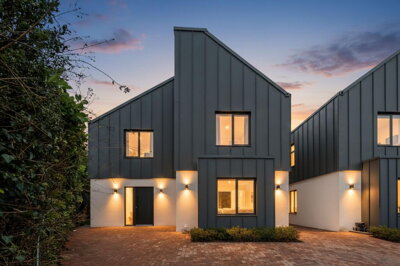
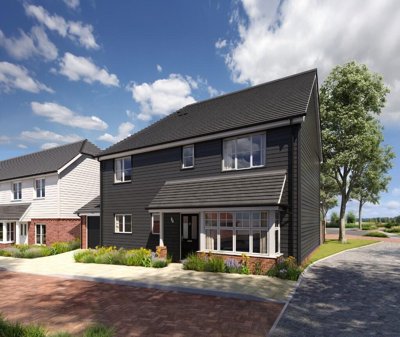
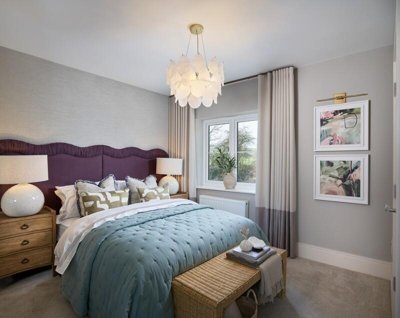
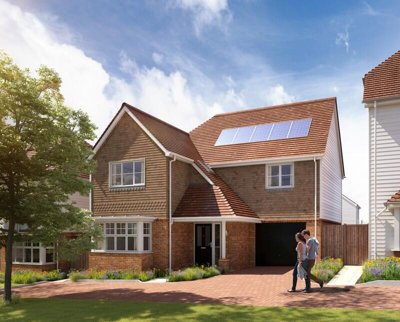
Browse 4 homes new builds in Capel from local developer agents.
The larger property sector typically features multiple bathrooms, substantial reception space, and private gardens or off-street parking. Four bedroom houses in Capel span detached, semi-detached, and occasionally terraced configurations, with styles ranging from period properties to modern executive homes.
Capel’s property market brings together traditional Kent homes and long-term value in a way that feels unusually steady. Detached properties sit at the top of the local market, averaging £652,927, which reflects the appetite for space and privacy that village life offers. Semi-detached homes, making up a sizeable share of stock, average £439,634, while terraced properties give a more accessible way in at around £360,056. In the past year, the village recorded 13 property sales, and prices held up well despite wider market swings. That lower level of turnover is exactly what we tend to see in smaller rural villages, where homes do not change hands as often as they do in towns and cities.
Prices in Capel have edged up by 2% on the previous year, even though they are still 2% below the 2022 peak of £469,339. For buyers focused on stability rather than chasing quick gains, that sort of movement can be attractive. Across the wider Tunbridge Wells area, where Capel sits, there were 1,265 property sales over the same period, and the average property price reached £465,000 in December 2025. Semi-detached homes in the broader area performed well too, rising by 4.7% year-on-year, a sign that family-sized property remains in demand.
Supply in Capel is limited, so demand often runs ahead of availability, especially for well-kept family houses and period cottages with original features. We usually find that buyers need to move fast once a suitable home appears, because the mix of rural charm, strong transport links and good school catchments makes the market competitive. Local estate agents with established ties in Capel can open doors earlier than wider market platforms, and that early access can matter.

Capel has the kind of English village character that keeps Kent’s rural parishes so sought after. Set among rolling countryside, it includes period cottages, farmhouses and village homes that speak to centuries of local history. The community feels close-knit, helped by village pubs, farm shops and local events that bring residents together. Tunbridge Wells is close enough for shopping, restaurants and cultural outings, yet the village still keeps its quieter pace. Many people here like that balance, a slower day-to-day rhythm with active social lives through community groups and local organisations.
Walks, bridleways and scenic drives are easy to find around Capel, with hop gardens and apple orchards giving the Kent countryside its familiar look. Farming still plays a visible role too, with local farms and rural businesses forming part of the village economy. Footpaths link Capel with neighbouring villages such as Pembury, where The Frith development represents some of the newer housing stock in the surrounding area. It means you can get plenty of outdoor time without heading off to a dedicated country park.
For many residents, the appeal is practical as much as picturesque. Larger plots, off-street parking and quick access to nature sit alongside commute links that make regular trips to London and nearby towns perfectly workable. Capel also keeps a strong community feel while remaining within easy reach of everyday amenities. In nearby Tunbridge Wells, the historic Pantiles, restaurants and cafes, supermarkets, healthcare facilities and leisure centres are all part of the picture. That mix of rural character and urban convenience is exactly why families and professionals are drawn here.

Families looking at Capel have a reasonable choice of primary and secondary schools within reach. For younger children, Capel Primary School serves the local community from Reception through to Year 6, and it offers the smaller class sizes we often associate with rural schools. Older pupils usually go on to schools in Tunbridge Wells or Tonbridge, where there are several strong options if families are happy to travel a little further. Because the village sits in the Tunbridge Wells Borough Council area, admissions follow the local authority’s placement policies and catchment boundaries.
The Tunbridge Wells area widens that choice still further, with grammar schools, private preparatory and secondary schools, and further education colleges all available. Tunbridge Wells Grammar School for Boys and Tunbridge Wells Girls' Grammar School are two of the selective options, with entry decided by the Kent Grammar School entrance examination. For independent education, families also look towards schools in Tonbridge and Sevenoaks. There are several independent preparatory schools in the wider area too, many of which feed into senior schools in Kent and Sussex.
Catchment areas and admission policies are well worth checking early, because they can have a big effect on where children can actually be placed. We would always advise looking at the school locations against the exact property in Capel, since distances and travel times vary quite a bit across the parish. School runs need thinking through as well, whether they involve the bus, the car or public transport. The school bus services in the Capel area usually serve schools in Tunbridge Wells, although routes and stops depend on the property’s position within the parish.

Capel is in a useful spot, with rural calm and solid connectivity sitting side by side. The village is served by good road links, and the A228 runs through the area, giving access to the M25 motorway network at Junction 5. That puts Capel within comfortable driving distance of London, the Kent coast and the Channel ports. Regular bus services run between Capel and nearby Tunbridge Wells, and the A21 trunk road, which connects Tunbridge Wells to London, gives another option for trips to the capital and coastal destinations.
Rail travel is close at hand from Paddock Wood and Tunbridge Wells, both of which offer regular services to London Bridge and London Charing Cross with journey times typically under an hour. Paddock Wood station, around 5 miles from Capel, has direct routes to London terminals and is especially handy for commuters heading into the capital. Those rail links do a lot to strengthen Capel’s appeal for buyers who work in London but want the space and character of village life. From Paddock Wood, services usually run several times per hour, and the fastest trains reach London Bridge in about 50 minutes.
Cycling has become easier around the area in recent years, helped by quieter country lanes that suit local trips. Plenty of residents cycle to nearby villages for day-to-day needs, and the roads between Capel, Tunbridge Wells and Paddock Wood are popular with recreational cyclists too. For anyone cycling to the station, secure parking is available at both Paddock Wood and Tunbridge Wells. Road, rail and cycling options together make Capel feel well connected even though it remains a rural village.

We always suggest getting a mortgage agreement in principle in place before the search begins. It shows estate agents that you can proceed, and it gives you more weight when making an offer on a property in Capel. In the Tunbridge Wells area, several mortgage brokers understand village homes and the lending criteria that can come with rural property.
It helps to study prices in Capel and across the wider Tunbridge Wells area before making any decisions. Look at the range of homes available, from terraced cottages to detached family houses, and think about which parts of the village fit your priorities. Historical price data is useful too, as is a clear grasp of the factors that influence value in this particular village.
Once you have a shortlist, visit properties in person and take time over the neighbourhood, nearby amenities and the general condition of each home. Commute times to local stations and distance to schools are worth checking carefully. With period properties in Capel, do not stop at the decorative finish, look closely at structural elements, roofing and damp-proofing measures too.
Before you complete the purchase, arrange a RICS Level 2 Survey so any structural issues or defects can be picked up early. With Capel’s mix of older homes, that sort of survey is particularly useful for spotting damp, roof condition problems and timber defects. Our inspectors have extensive experience across Kent, and we know the construction methods and the typical defect patterns that turn up in this part of the country.
You will also need a conveyancing solicitor to deal with the legal side of the purchase. They carry out searches, review the contracts and speak with the seller’s representatives so the transaction can move along smoothly. A local solicitor who knows Tunbridge Wells Borough Council transactions can handle the searches needed for Capel properties efficiently.
Once the surveys come back satisfactorily and the legal searches are clear, contracts are exchanged and the deposit is paid. Completion normally follows within a few weeks, when the rest of the funds are transferred and the keys to the new home are handed over. Your solicitor will keep the final arrangements moving and let everyone know the completion date.
Buying in Capel means paying close attention to the particular issues that can affect rural Kent properties. Because the village has such a strong character, many homes are period properties, and those often need regular upkeep. Buyers should check roofs, plumbing systems and electrical wiring in older homes, as these are common areas where defects can appear. Traditional Kent construction often uses brick, timber framing and render finishes, so knowing how those buildings are put together helps when weighing up maintenance needs and possible problems.
Damp is one of the defects we most often find in Capel’s older housing stock. Properties built before the mid-twentieth century frequently do without proper damp-proof courses, and the mix of solid walls and period features can leave them prone to rising and penetrating damp. Our inspectors regularly come across damp in homes of this age, especially in ground-floor rooms and where ventilation is poor. Timber elements such as floorboards, door frames and structural beams are particularly exposed when damp lingers.
Roof condition deserves proper attention in Capel, where period buildings often carry traditional Kent peg tiles or slate coverings. Our inspectors look for slipped, broken or missing tiles, failing ridge pointing, and the state of the underlying felt and timber sarking. Age-related wear is common, and any cost for roof repairs or replacement should be built into offers where roof defects have been identified. Homes with large trees nearby need extra care, because falling branches and root systems can damage roof structures.
Older Capel properties often need their electrical and plumbing systems brought up to modern standards. Rewiring may be required where the electrical installation dates from the mid-twentieth century or earlier. Likewise, lead or galvanised steel plumbing, which is commonly found in older village houses, usually needs replacing with modern materials. Allowing for these upgrades from the outset keeps purchase costs manageable and helps avoid unwelcome surprises after completion.

Recent market data puts the average house price in Capel at £458,704. Detached properties average £652,927, semi-detached homes about £439,634, and terraced properties around £360,056. Over the last year, house prices in Capel have risen by 2%, which points to steady performance in this well-regarded Kent village. The village recorded 13 property sales in the past twelve months, a level of activity that fits smaller rural communities where homes exchange hands less often than in urban centres.
Capel properties are within Tunbridge Wells Borough Council. Council tax bands run from A to H depending on value, and most family homes in the area tend to sit in bands C to E. If you need the exact band, it can be checked through the Valuation Office Agency or the council’s online portal using the property address. Council tax helps fund services across the borough, including education, waste collection and road maintenance.
Capel has a local primary school that serves the village community from Reception through to Year 6, with the smaller class sizes that are typical in rural settings. For secondary education, many families look to Tunbridge Wells and Tonbridge, where there are grammar schools and independent schools among the options. Tunbridge Wells Grammar School for Boys and Tunbridge Wells Girls' Grammar School are notable selective choices, with entry decided by the Kent grammar school entrance examination. Parents should check catchment areas and admission criteria carefully, because those directly affect whether a place is available at a preferred school.
Despite its rural setting, Capel is well connected. Regular bus services run to Tunbridge Wells, and rail services can be accessed from Paddock Wood and Tunbridge Wells stations. Trains from those stations reach London Bridge in under 60 minutes, and the fastest services from Paddock Wood take about 50 minutes. That makes the village practical for commuters who work in the capital but would rather live in the countryside. Bus routes serving Capel generally run at regular intervals through the day, which helps those without a private car.
Capel has several investment strengths behind it, including stable prices, a strong community feel and good transport links to London. It forms part of the sought-after Tunbridge Wells area, where demand consistently outstrips supply. Homes with land, period features or development potential tend to do especially well. The steady 2% annual price growth and the village’s proximity to major employment centres point to sound long-term capital growth prospects. Market data also shows that semi-detached properties in the wider Tunbridge Wells area rose by 4.7% year-on-year, underlining demand for family-sized homes, which are common in Capel too.
Standard SDLT rates apply here, 0% on the first £250,000, 5% on £250,001 to £925,000, 10% on £925,001 to £1.5 million, and 12% above £1.5 million. First-time buyers get relief on the first £425,000 and then pay 5% between £425,001 and £625,000. So a £458,704 property would attract roughly £10,435 in standard SDLT or £1,685 for first-time buyers claiming full relief. A solicitor or mortgage advisor should always confirm the figures, because individual circumstances can change the rates and any reliefs that apply.
Capel sits within the River Medway catchment area, so surface water and river flooding can happen after heavy rainfall. Properties close to watercourses or in lower-lying parts of the village carry a higher flood risk and should have property-specific flood risk assessments before purchase. The village itself is not in a high-risk flood zone, but the surrounding Kent countryside can still see surface water runoff in extreme weather. Buildings insurance may cost more where flood risk has been identified, so buyers should check that suitable cover is available before they complete.
As a traditional English village, Capel includes historic properties that may be listed or lie within designated conservation areas. Listed buildings are protected for their architectural or historical importance, and any alterations or extensions need consent from Tunbridge Wells Borough Council. These homes may call for specialist surveys and a different maintenance approach from a standard residential purchase. Prospective buyers should check listed status and any conservation area implications through local authority planning records before going further.
There are several costs to budget for when buying in Capel, not just the property price. The biggest extra outlay is Stamp Duty Land Tax, which applies at standard rates to all purchases above £250,000. For a typical Capel property at £458,704, the SDLT would be about £10,435 under standard rates. First-time buyers can use relief that raises the threshold to £425,000, bringing the SDLT on the same property down to roughly £1,685. A solicitor or mortgage advisor should check the final figures, since rates and reliefs can vary with individual circumstances.
Professional costs usually include a RICS Level 2 Survey, with prices from £350 depending on property size and value, plus conveyancing fees starting from £499. A local search carried out by your solicitor will look at planning history, environmental factors and local authority information specific to Capel and Tunbridge Wells Borough Council. The search bundle normally includes drainage and water authority checks, environmental searches covering land contamination and flood risk, and a planning search that reviews permissions or enforcement notices affecting the property. These searches matter, because they can reveal issues that may affect value or whether the home is suitable for occupation.
Mortgage arrangement fees differ from lender to lender, but they usually sit between 0% and 2% of the loan amount. You also need to allow for insurance, removals and any renovation costs that might crop up. Buildings insurance should be in place from exchange of contracts, because responsibility for the property passes to the buyer at that point. Getting a mortgage agreement in principle before you start viewing homes is strongly recommended, as it clarifies the budget and strengthens your position when you find the right Capel home. Many estate agents in the Tunbridge Wells area give priority to buyers who already have a mortgage agreement in principle, especially in high-demand village locations like Capel.

£458,704
Average House Price
£652,927
Detached Properties
£439,634
Semi-Detached Properties
£360,056
Terraced Properties
+2%
Annual Price Change
13
Properties Sold (12 months)
Properties New Builds In London

Properties New Builds In Plymouth

Properties New Builds In Liverpool

Properties New Builds In Glasgow

Properties New Builds In Sheffield

Properties New Builds In Edinburgh

Properties New Builds In Coventry

Properties New Builds In Bradford

Properties New Builds In Manchester

Properties New Builds In Birmingham

Properties New Builds In Bristol

Properties New Builds In Oxford

Properties New Builds In Leicester

Properties New Builds In Newcastle

Properties New Builds In Leeds

Properties New Builds In Southampton

Properties New Builds In Cardiff

Properties New Builds In Nottingham

Properties New Builds In Norwich

Properties New Builds In Brighton

Properties New Builds In Derby

Properties New Builds In Portsmouth

Properties New Builds In Northampton

Properties New Builds In Milton Keynes

Properties New Builds In Bournemouth

Properties New Builds In Bolton

Properties New Builds In Swansea

Properties New Builds In Swindon

Properties New Builds In Peterborough

Properties New Builds In Wolverhampton

Enter your details to see if this property is within your budget.
Loans, cards, car finance
Estimated property budget
Borrowing + deposit
You could borrow between
Typical borrowing
Monthly repayment
Est. at 4.5%
Loan-to-value
This is an estimate only. Your actual budget may vary depending on interest rates, credit history, and personal circumstances. For an accurate affordability assessment, speak to one of our free mortgage advisors.
This calculator provides estimates for illustrative purposes only and does not constitute financial advice. Your home may be repossessed if you do not keep up repayments on your mortgage. Estimates based on 4.5% interest rate, repayment mortgage. Actual rates depend on your circumstances.
Homemove is a trading name of HM Haus Group Ltd (Company No. 13873779, registered in England & Wales). Homemove Mortgages Ltd (Company No. 15947693) is an Appointed Representative of TMG Direct Limited, trading as TMG Mortgage Network, which is authorised and regulated by the Financial Conduct Authority (FRN 786245). Homemove Mortgages Ltd is entered on the FCA Register as an Appointed Representative (FRN 1022429). You can check registrations at NewRegister or by calling 0800 111 6768.

We use cookies to show you personalised content and improve your experience of our website. Find out more in our Privacy policy and Cookie policy.