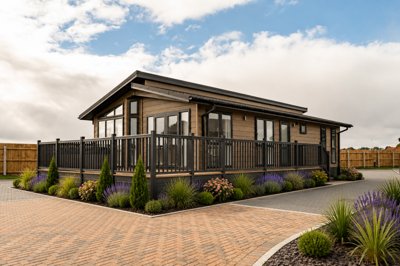
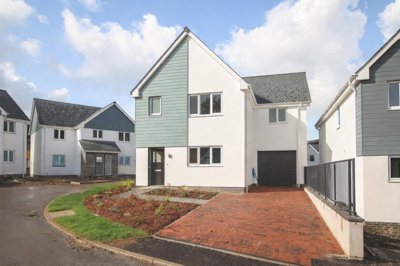
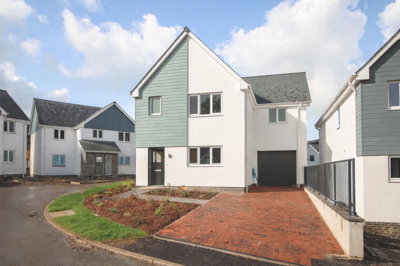
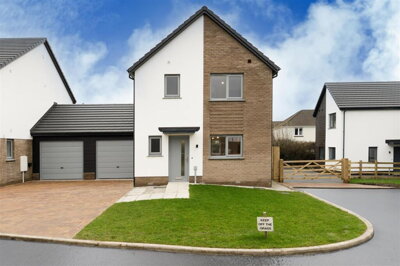
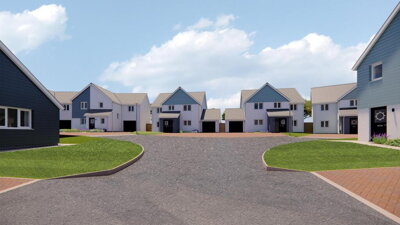
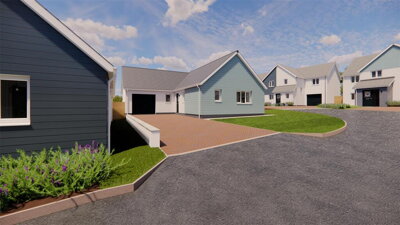
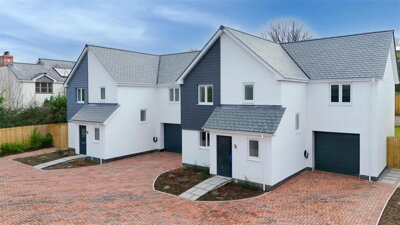
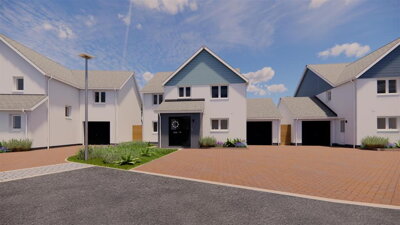
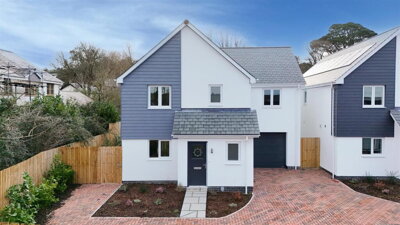
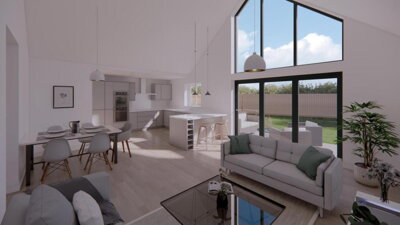
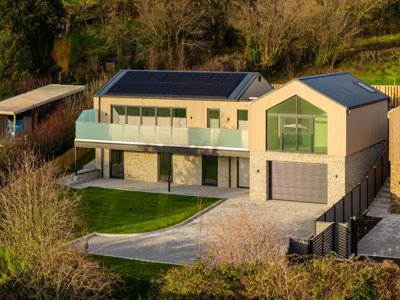
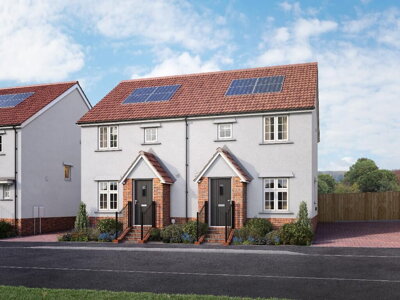
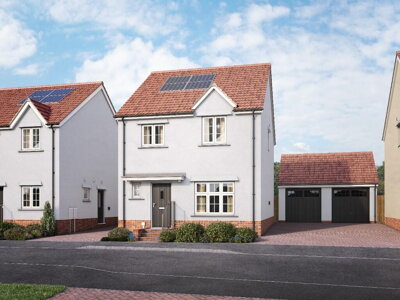
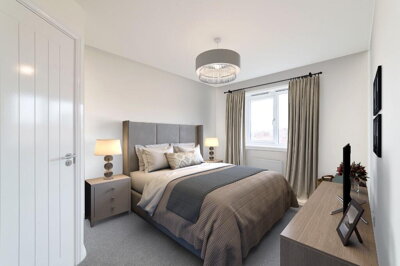
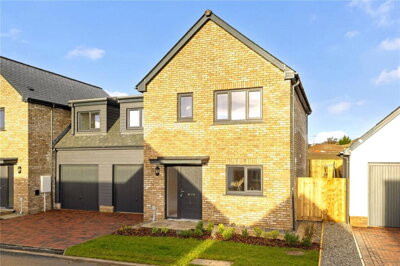
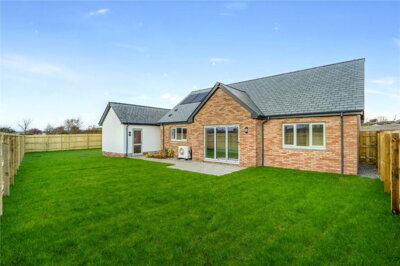
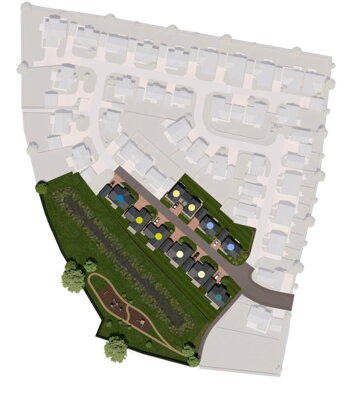
Browse 20 homes new builds in Barnstaple, North Devon from local developer agents.
The Barnstaple property market offers detached, semi-detached, and terraced houses spanning various price ranges and neighbourhoods. Each listing includes detailed property information, photographs, and direct contact with the marketing agent.
£270k
179
9
133
Source: home.co.uk
Showing 179 results for Houses new builds in Barnstaple, North Devon. 9 new listings added this week. The median asking price is £270,000.
Source: home.co.uk
Terraced
104 listings
Avg £247,994
Detached
42 listings
Avg £517,189
Semi-Detached
33 listings
Avg £297,938
Source: home.co.uk
Source: home.co.uk
Barnstaple's property market has kept moving at a steady pace over recent years, with prices up by 6.27% in the last five years. In the EX32 7 postcode area, house prices rose by 1.1% in the year leading to February 2026, while neighbouring EX32 8 recorded stronger growth of 4.6% over the same period. Across North Devon, average prices reached £287,938 by March 2025, an 8.1% lift on the previous year. Semi-detached homes were especially sought after, gaining 9.8% in value over twelve months, and flats were not far behind with a 6.0% rise. Taken together, those figures point to continued demand for family-sized homes in Barnstaple.
There is a broad spread of property types in Barnstaple, and the price points reflect that. Detached homes in North Devon average £501,105, which speaks to the appeal of larger houses with gardens in such a scenic corner of the county. Semi-detached properties sit at £303,474, while terraced homes are more accessible at around £254,809. Flats and maisonettes remain the lowest-cost option at approximately £145,313, making the town an appealing prospect for first-time buyers looking to get established in a busy market town. For a one-bedroom property, the average sale price is £127,483, three-bedroom family homes typically sell for £274,838, and larger five-bedroom homes average £506,293.
Barnstaple's housing stock tells its own story, shaped by a long history and earlier census data showing approximately 75.3% houses and 24.3% flats, although the proportion of flats has risen in recent years as the town centre has seen renewed interest in converting and redeveloping old buildings. A good number of homes date from the Victorian or Edwardian eras, with some going back much further, including the medieval Long Bridge from the 14th century. That mix of period buildings and newer schemes gives the streetscape plenty of variety, especially along Boutport Street and Butcher's Row, where architectural styles from several centuries sit side by side.
New homes are coming forward too, and the Anchorwood Bank redevelopment near the River Taw is a major example. The scheme on the former Leaderflush-Shapland site is set to bring hundreds of new homes, plus retail, restaurant, and leisure facilities, to a key riverside location. It will reshape an important part of the town and add more housing choice close to the centre. The North Devon and Torridge Local Plan sets a target of 11,600 new dwellings between 2011 and 2031, so investment in housing infrastructure is likely to keep flowing into this North Devon hub.

Day-to-day life in Barnstaple is built around a distinctive mix of market town tradition, historic architecture, and easy access to North Devon's outstanding natural beauty. The town centre has seven designated conservation areas, and the historic core contains 389 listed buildings, including seven Grade I listed structures. St Anne's Chapel, now a museum, dates from the 15th century and speaks to the town's medieval roots. The medieval Long Bridge, a Grade I listed Scheduled Ancient Monument, crosses the River Taw and gives a striking approach to the historic heart of Barnstaple. St Peter and St Paul, the parish church and Grade II*, dominates the skyline, its spire visible across the town.
The built environment here has a character of its own, and local materials are a big part of that. Many buildings were made with Pilton Beds slate, a blue-grey stone quarried nearby, while others use the cream-toned Marland brick, produced locally from stoneware ball clays from the 1870s onwards. Then there are the Shapland and Petter factory buildings, known locally as the Oliver Buildings and designed in 1888, a striking piece of Victorian industrial architecture built with innovative fireproof methods, iron frames, and reinforced concrete clad in facing brickwork. Walk along Boutport Street or Butcher's Row and the variety is obvious, with centuries of building styles all within a short stroll.
From Barnstaple, the coast and moorland are both within easy reach. Saunton, Woolacombe, and Croyde are all straightforward to reach by car, while Exmoor National Park lies not far away. The Tarka Trail runs through the town, tracing routes associated with Henry Williamson's fictional otter Tarka, and offers over 30 miles of traffic-free cycling and walking on former railway lines. The River Taw brings opportunities for watersports and fishing, and the surrounding countryside opens up onto long walks through farmland and woodland. Regular events, including the Christmas Lantern Festival and local markets, add to the calendar with produce and artisan crafts.
Digital connectivity matters more than ever, and Barnstaple is in a fairly strong position, although speeds still vary between town centre streets and the rural edges. Full fibre broadband rollout is continuing, which is useful for anyone working from home or running a business from a residential address. Mobile coverage from the main networks is generally good in the centre and along the main routes, though some of the surrounding countryside can still have patchy reception. For buyers who need reliable remote working, checking the actual broadband speed at a specific property is a sensible move.

Families are well served by education in and around Barnstaple, with a range of primary and secondary schools across the town and nearby areas. Several primary schools serve different neighbourhoods, including schools in the historic Pilton and Newport areas, both of which keep a village feel even though they now sit within the wider town. Parents would be wise to look closely at Ofsted reports and catchment areas before settling on a property, since admission rules can have a real impact on school places. It also makes sense to register early, given the family-heavy profile of the area.
Secondary education comes in several forms, with both state and independent schools offering different approaches and curricula. Barnstaple also has good further education provision through Petroc, whose campus on the edge of town delivers a wide range of vocational and academic courses. For those thinking ahead to university, Exeter is about 45 minutes away by train on the Tarka Line, giving access to the University of Exeter and its extensive range of undergraduate and postgraduate programmes. Put together, the local schools and the links to regional universities make Barnstaple a practical base for families at every stage.
Outside the classroom, there is plenty for children and young people to get involved in. Sports clubs cover football, rugby, cricket, tennis, and swimming, while the Embassy Theatre and local dance schools keep the performing arts scene active. The Museum of Barnstaple and North Devon offers hands-on learning around local history and natural sciences, and the library runs resources and activities for all ages. For families buying in the town, that mix of education and recreation gives Barnstaple a reassuringly supportive feel, with countryside and coast close by when it is time to get outside.

Barnstaple is more connected than many people expect for a North Devon town of its size. Barnstaple railway station sits on the Tarka Line, with direct services to Exeter St Davids taking approximately one hour and ten minutes. From Exeter, London Paddington is about two and a half hours away, and Bristol is roughly two hours. The line threads through some beautiful North Devon scenery, so even the commute has its moments, with views of river valleys and rolling farmland. For anyone who wants city access without giving up a slower pace of life, the rail link is a real asset.
Road travel is built around the A361 North Devon Link Road, which runs straight to the M5 at junction 27 near Tiverton. That route has made Barnstaple far more accessible, cutting journey times to Bristol to around 90 minutes and making Exeter easy to reach for day-to-day travel. The town also sits at the meeting point of several A-roads leading to South Molton, Bideford, and the coastal resorts of Woolacombe and Ilfracombe. Parking in the centre has improved in recent years, though it still fills fast on market days and through the tourist season when visitor numbers rise sharply.
Local bus services, including Stagecoach and other operators, link Barnstaple with surrounding towns and villages across North Devon. Services run to coastal spots such as Ilfracombe and Bude, and to inland places including South Molton and Lynton. For ordinary errands, the town centre is easy to manage on foot, with most amenities within a sensible walk from residential streets. Cyclists also have the Tarka Trail, which connects into the wider National Cycle Network and gives traffic-free routes for both commuting and leisure. That makes Barnstaple the transport hub of North Devon in more than name alone.

Start with our listings for homes for sale in Barnstaple and get a feel for the different neighbourhoods. The town centre offers period homes and new apartments, while areas such as Pilton and Newport have more of a residential feel. Getting to grips with the price bands for different property types will help you set realistic expectations around budget and the sort of home you can afford.
Before you begin viewings, it helps to have a mortgage agreement in principle from a lender. That puts you in a stronger position if you make an offer and shows sellers that your finances are already lined up. Barnstaple's market can be competitive, especially for well-presented family homes, so being ready financially can make a real difference when there is more than one buyer in the frame.
We would always suggest viewing several properties in different parts of Barnstaple before deciding. Think about how close each one is to schools, transport links, and everyday amenities. It is also worth looking closely at the condition, particularly for homes in conservation areas or listed buildings, where alterations may be restricted and maintenance can be more demanding.
Once you have found the property that feels right, book a RICS Level 2 Survey so the building's condition can be checked properly. Barnstaple's historic housing stock includes many properties over 100 years old, so a careful survey is important for spotting structural issues, damp, or roof defects before you go any further with the purchase.
The legal side should then be placed in the hands of a conveyancing solicitor. They will carry out searches with North Devon Council, check title deeds, and deal with exchange of contracts. If the property sits in a conservation area or is listed, there may be extra checks linked to planning permissions and building regulations.
When the searches are clear and the finance is confirmed, your solicitor will arrange exchange of contracts and set a completion date. On completion day, the remaining balance is transferred and the keys to your new Barnstaple home are handed over.
There are a few local factors that buyers in Barnstaple should keep in mind. Flood risk is a major one, given the town's position at the eastern end of the River Taw estuary. Large parts of the town centre are exposed, and that risk reaches some residential areas too, especially those near the river and in lower-lying parts of town. Before committing, buyers should ask vendors for flood history and check Environment Agency flood maps. In affected areas, insurance can be higher and mortgage funding can sometimes become more complicated.
Barnstaple's seven conservation areas and many listed buildings bring plenty of charm, but they also bring responsibilities. Homes within the designated conservation areas need planning permission for certain alterations, demolitions, and even some minor developments that would not need consent elsewhere. Listed buildings carry tighter controls, and any work affecting their special architectural or historic interest needs Listed Building Consent from North Devon Council. Buyers should allow for the cost of looking after period features, as well as the time needed to secure consents for changes.
Knowing the construction materials used in Barnstaple properties can help buyers make better decisions. The blue-grey Pilton Beds slate found in many older buildings is generally durable, though it can still need maintenance, and homes built with Marland brick benefit from the strength of that local material. The underlying geology of Pilton Beds, made up of blue-grey slatestones with thin bands of limestone and sandstone laid down during the Upper Devonian period, can influence ground conditions and drainage in some parts of the town. The Oliver Buildings and similar Victorian industrial structures may also hide iron structural elements that need specialist knowledge to assess and maintain. With older homes, it is always sensible to check roofing, plumbing, and electrical systems, since character does not always go hand in hand with modern standards.

The average house price in North Devon, which includes Barnstaple, stands at £287,938 as of late 2025. Detached homes average £501,105, semi-detached properties around £303,474, and terraced homes approximately £254,809. Flats and maisonettes are the most affordable entry point at around £145,313. Over the past five years, property prices in Barnstaple have risen by 6.27%, while house prices in some postcode areas have grown by over 4% in the most recent year.
Different parts of Barnstaple suit different kinds of buyer. The town centre is the most convenient for amenities and includes a mix of period homes, apartments, and new developments. Pilton and Newport keep more of a village character, despite being part of the wider urban area, and are popular with families. These historic suburbs have good access to schools and local shops, while still being within walking distance of the centre. The EX32 8 postcode area has seen stronger price growth lately at 4.6%, which points to rising buyer interest in particular neighbourhoods.
Rail links are one of Barnstaple's stronger points. The Tarka Line provides direct services to Exeter, with the journey taking approximately one hour and ten minutes, and from there London, Bristol, and other major cities are all within reach. Bus routes link the town to coastal destinations and surrounding villages, while the A361 North Devon Link Road gives road access to the M5 at Tiverton. For most residents, that makes car travel to Bristol and further afield entirely workable.
Flood risk is a real issue in Barnstaple, especially in the town centre, because of its position on the River Taw estuary. The Queen Street and Bear Street redevelopment areas are particularly affected. Buyers should take time to review Environment Agency flood maps, check flood history, and think through the insurance implications. Homes on higher ground in places such as Newport and Pilton may come with lower flood risk while still being close to the centre.
For anyone looking at Barnstaple as an investment, there are several encouraging signs. House prices have risen steadily, with a 6.27% increase over five years, and there is still new development activity, not least the Anchorwood Bank project. The town is the commercial centre of North Devon, supports 40,000 jobs, and draws in tourists, retirees, and second-home buyers. North Devon's quality of life continues to attract purchasers from more expensive areas, which helps keep demand strong. Homes in conservation areas and those with historic features often hold their value well, although the associated duties and restrictions need to be understood.
On top of the purchase price, buyers need to budget for Stamp Duty Land Tax, solicitor conveyancing fees that typically start from around £499, and survey costs. A RICS Level 2 Survey costs from £350 depending on the size of the property, though older or larger homes may need more detailed assessments. Mortgage arrangement fees vary by lender, but usually sit between £500 and £2,000. Leasehold properties, which are common in town centre apartments, also carry annual service charges and ground rent. With current average prices in Barnstaple, many homes sit in the lower SDLT bands, so the upfront bill is often more manageable than in higher-priced markets.
Barnstaple offers a decent spread of education options, with several primary schools across different catchment areas and a choice of secondary schools, including both state and independent provision. Families should look at Ofsted reports and think carefully about how admission catchments line up with possible property locations. For further education, Petroc college provides vocational and academic courses locally, and Exeter's universities are accessible by Tarka Line rail in approximately 45 minutes.
Stamp Duty Land Tax for standard purchases starts at 0% on the first £250,000 of a property's value, then rises to 5% on the portion between £250,001 and £925,000. Above £925,000, the rate increases to 10% and then 12% on values over £1.5 million. First-time buyers can benefit from relief on the first £425,000 of properties up to £625,000. With Barnstaple's current average prices, many homes fall into the lower tax bands, which keeps the town relatively affordable for first-time buyers.
It pays to understand the full cost of buying in Barnstaple so the budget is clear from the start. Stamp Duty Land Tax (SDLT) applies to all residential purchases above £250,000 at standard rates, beginning at 5% on the portion between £250,001 and £925,000. With the average price of a three-bedroom family home in Barnstaple standing at £274,838, many buyers will pay SDLT on the amount above £250,000. As an example, a property at that average family home price would attract SDLT of approximately £1,242. Homes above £925,000 are taxed at 10% on the excess, while properties over £1.5 million pay 12% on the amount above that threshold.
First-time buyers purchasing homes up to £625,000 can benefit from SDLT relief, paying 0% on the first £425,000 and 5% on the portion between £425,001 and £625,000. That can save several thousand pounds compared with the standard rate, which makes buying in Barnstaple a little more accessible. For a typical first-time buyer buying a one-bedroom flat averaging £127,483, no SDLT would be due, which takes a fair bit off the upfront cost. Buyers should confirm eligibility with their solicitor and disclose any previous property ownership in full.
Beyond SDLT, there are other costs to plan for, including solicitor conveyancing fees, survey costs, and mortgage arrangement fees. Conveyancing for a standard Barnstaple property typically starts from around £499 for legal work, though transactions involving listed buildings or conservation areas can cost more because of the extra searches and paperwork involved. A RICS Level 2 Survey costs from £350 depending on size and complexity, and larger or older homes may need a more detailed assessment. Mortgage arrangement fees vary between lenders and usually range from £500 to £2,000, although some lenders do offer fee-free deals. Building insurance needs to be in place from completion day, and buyers of flats should also allow for annual service charges and ground rent on leasehold properties.

From £350
A detailed property condition check is essential for older homes.
From £450
A full structural survey suits complex or older properties.
From £80
Energy performance certificate required for sale
From £499
Legal services for property purchase
From 4.5%
Finance options for your purchase
Properties New Builds In London

Properties New Builds In Plymouth

Properties New Builds In Liverpool

Properties New Builds In Glasgow

Properties New Builds In Sheffield

Properties New Builds In Edinburgh

Properties New Builds In Coventry

Properties New Builds In Bradford

Properties New Builds In Manchester

Properties New Builds In Birmingham

Properties New Builds In Bristol

Properties New Builds In Oxford

Properties New Builds In Leicester

Properties New Builds In Newcastle

Properties New Builds In Leeds

Properties New Builds In Southampton

Properties New Builds In Cardiff

Properties New Builds In Nottingham

Properties New Builds In Norwich

Properties New Builds In Brighton

Properties New Builds In Derby

Properties New Builds In Portsmouth

Properties New Builds In Northampton

Properties New Builds In Milton Keynes

Properties New Builds In Bournemouth

Properties New Builds In Bolton

Properties New Builds In Swansea

Properties New Builds In Swindon

Properties New Builds In Peterborough

Properties New Builds In Wolverhampton

Enter your details to see if this property is within your budget.
Loans, cards, car finance
Estimated property budget
Borrowing + deposit
You could borrow between
Typical borrowing
Monthly repayment
Est. at 4.5%
Loan-to-value
This is an estimate only. Your actual budget may vary depending on interest rates, credit history, and personal circumstances. For an accurate affordability assessment, speak to one of our free mortgage advisors.
This calculator provides estimates for illustrative purposes only and does not constitute financial advice. Your home may be repossessed if you do not keep up repayments on your mortgage. Estimates based on 4.5% interest rate, repayment mortgage. Actual rates depend on your circumstances.
Homemove is a trading name of HM Haus Group Ltd (Company No. 13873779, registered in England & Wales). Homemove Mortgages Ltd (Company No. 15947693) is an Appointed Representative of TMG Direct Limited, trading as TMG Mortgage Network, which is authorised and regulated by the Financial Conduct Authority (FRN 786245). Homemove Mortgages Ltd is entered on the FCA Register as an Appointed Representative (FRN 1022429). You can check registrations at NewRegister or by calling 0800 111 6768.

We use cookies to show you personalised content and improve your experience of our website. Find out more in our Privacy policy and Cookie policy.