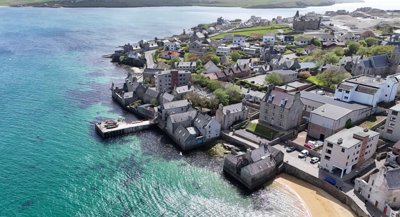
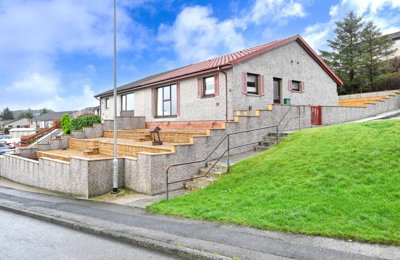
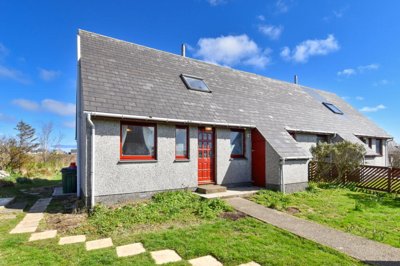
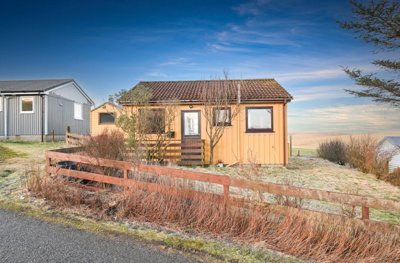
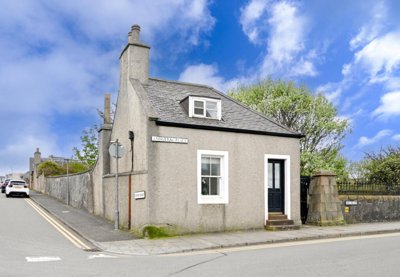
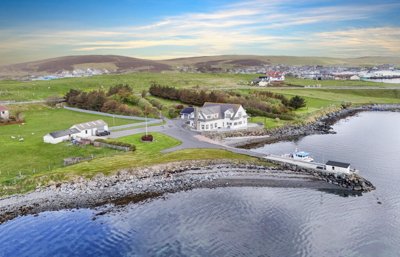
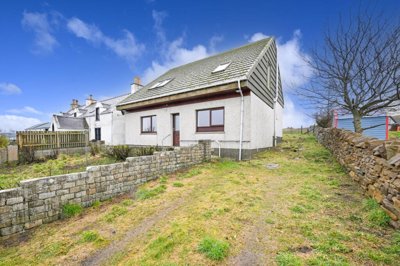
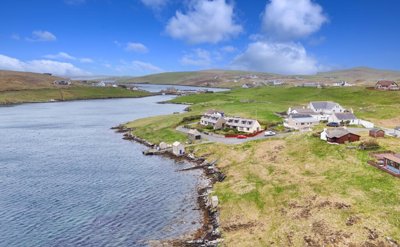
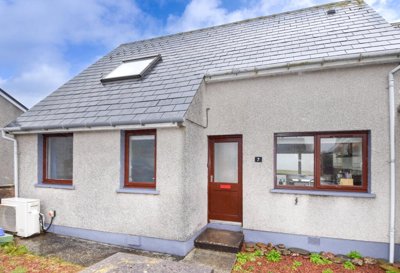
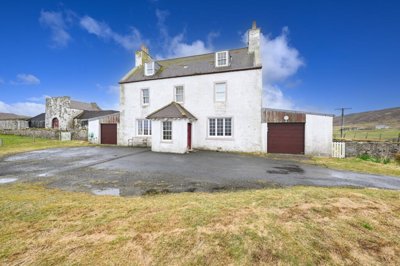
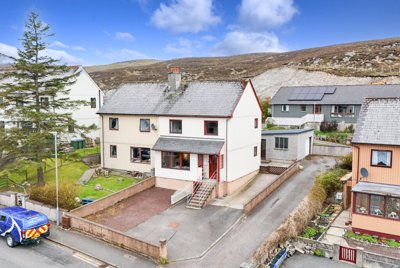
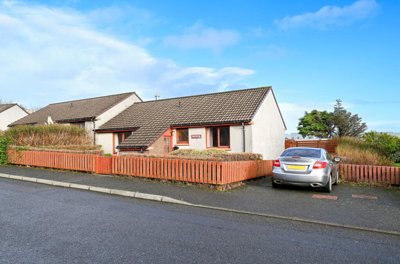
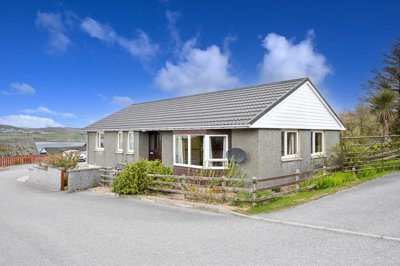
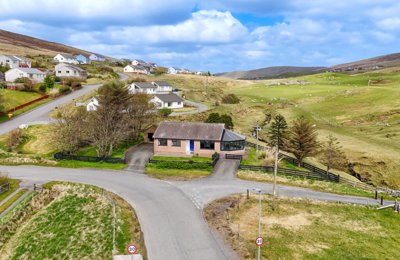
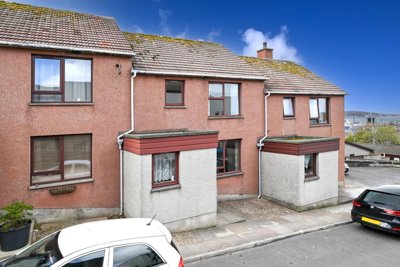
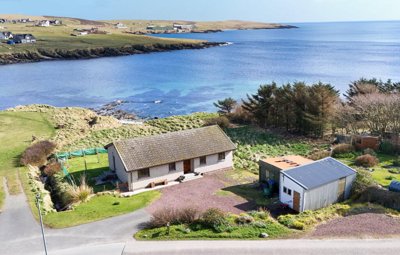
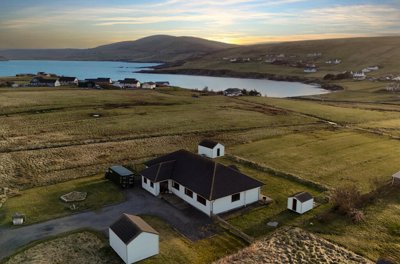
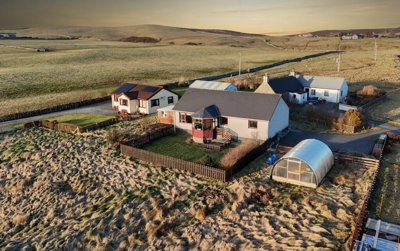
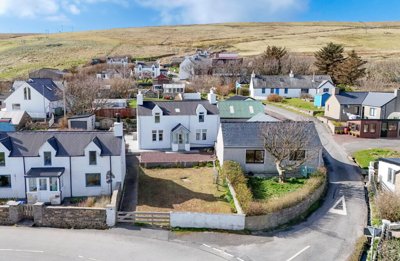
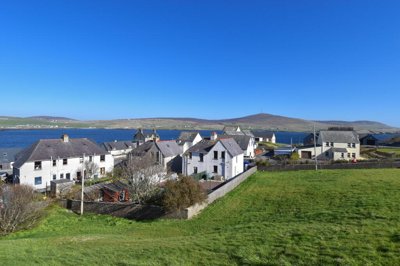
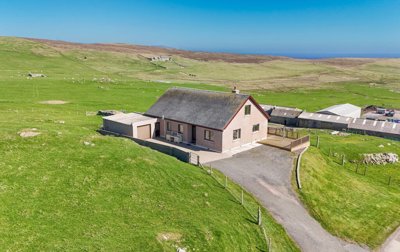
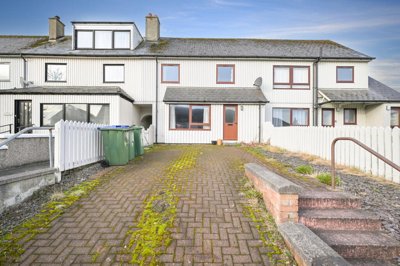
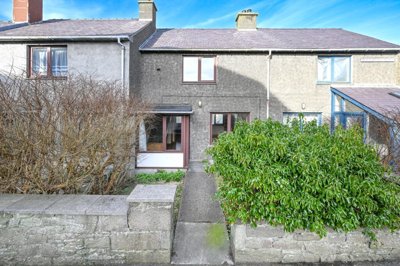
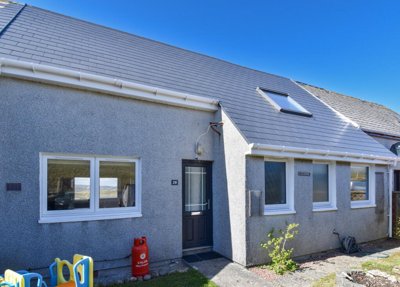
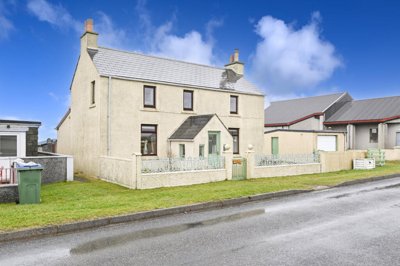
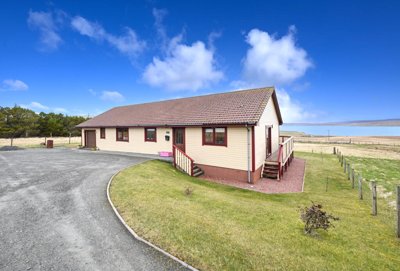
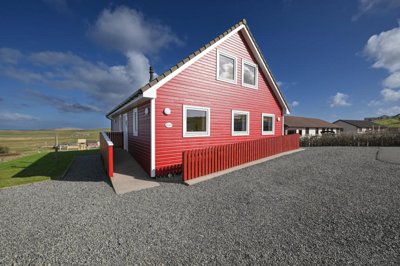
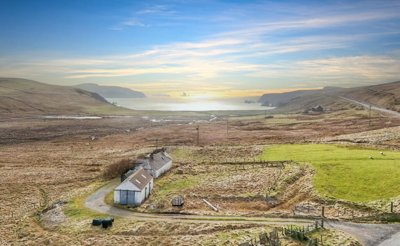
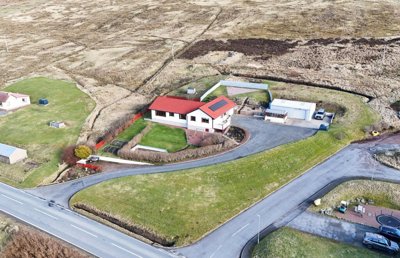
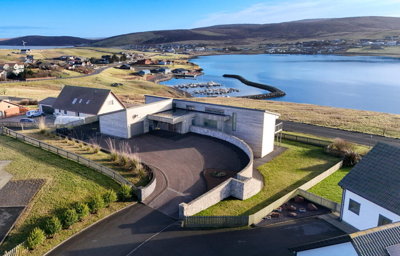
Browse 52 homes for sale in ZE2 from local estate agents.
The ZE2 property market offers detached, semi-detached, and terraced houses spanning various price ranges and neighbourhoods. Each listing includes detailed property information, photographs, and direct contact with the marketing agent.
£303k
10
1
94
Source: home.co.uk
Showing 10 results for Houses for sale in ZE2. 1 new listing added this week. The median asking price is £302,500.
Source: home.co.uk
Detached
8 listings
Avg £394,375
Semi-Detached
2 listings
Avg £152,500
Source: home.co.uk
Source: home.co.uk
Shetland life shapes the ZE2 market as much as the postcode itself. In practice, detached homes sit at the top end at around £300,250, a level many buyers accept for the extra space and privacy that suit a rural island move, while semi-detached properties average approximately £146,000 and remain a popular family choice, often with generous gardens and open views across moorland or towards the sea. Terraced properties in ZE2 typically average around £140,000, giving buyers a more accessible way into the market, and many still show the traditional local stone and harled finishes that stand up well to Shetland’s weather. Flats average approximately £105,000, although most of that market is centred more in nearby Lerwick (ZE1) than in the mainly rural ZE2 area. New build supply is limited, so the market depends heavily on existing homes, many of them carefully maintained or sensibly renovated. We would not skip the survey stage here. Much of the housing stock is older, survey costs in the Shetland Islands typically range from £500 to £800, and surveyors may add travel costs for island properties. A good inspection should pick up damp, roof condition and any structural concerns linked to local building methods. As of February 2026, the average property price in ZE2 is £215,804. Values vary by type, with detached homes at around £300,250, semi-detached properties at approximately £146,000, terraced homes at £140,000 and flats averaging £105,000, while the market has recorded a 2.8% rise over the past twelve months and approximately 35 property sales completed in that period. The postcode falls under Shetland Islands Council administration, council tax follows the Scottish valuation system, and although the exact band depends on the property’s assessed value, most homes in ZE2 typically sit within bands A through C. The Scottish Assessors Association website, or Shetland Islands Council directly, can confirm a specific band. Typical payments range from around £1,000 to £1,400 per year, depending on band and discounts. Tax is dealt with through the Scottish Land and Buildings Transaction Tax system rather than Stamp Duty Land Tax. For standard residential purchases in 2024-25, nothing is charged on the first £250,000, then 5% applies between £250,001 and £925,000, 10% between £925,001 and £1.5 million, and 12% above £1.5 million. First-time buyers in Scotland may get relief up to £175,000, which can remove LBTT entirely within that threshold. On a typical ZE2 purchase at £215,804, most buyers pay no LBTT under the current rules. Given Shetland’s exposed climate, we would also expect a survey to comment on penetrating rain, condensation from poor ventilation, roof wear caused by high winds and salt spray, outdated electrics, older plumbing materials and, less often, differential settlement on mixed ground conditions. A RICS Level 2 Survey in the Shetland area, again usually £500 to £800, is there to identify the significant defects before you commit. Buying a property in the ZE2 postcode needs a clear view of all of that.
At around £140,000, terraced houses in ZE2 are often the clearest route into the local market. Many still use the traditional Shetland construction methods buyers expect to see, including local stone and harled finishes that have proved resilient in the islands’ harsh weather. Flats in ZE2 average approximately £110,000, although that part of the market is far more concentrated in nearby Lerwick (ZE1) than in this largely rural postcode. Because there are relatively few new build developments, existing homes, often well maintained or thoughtfully renovated, make up most of the stock we see.
Buyer demand in the Shetland Islands Council area has held up steadily, helped in part by people looking to step away from mainland pressures. Only around 35 property sales completed in the past year, so ZE2 is not a high-volume market, and a sensibly priced home can move quite quickly. We usually tell buyers to have a mortgage agreement in principle lined up before they start viewings, simply so they can act fast when the right property appears.

Community is not a marketing line in ZE2, it is the rhythm of daily life. Scalloway, the largest settlement in the area, acts as the main local hub, with a primary school, shops and healthcare facilities all close at hand. It still feels like a working port, which makes sense given the continued importance of fishing and aquaculture to the islands’ economy. Local events, the annual Up Helly Aa fire festival and a good spread of sporting activities all feed into a social calendar that tends to draw newcomers in rather than leave them on the edge.
ZE2 sits in a striking part of Shetland, and the ground beneath it is every bit as distinctive as the coastline. The geology is complex, with metamorphic rocks such as gneiss and schist, alongside igneous intrusions of granite and gabbro that help create the rugged terrain. Soils are commonly thin and peaty, lying over glacial till or bedrock, which matters both for construction and for anyone hoping to do much gardening. There is very little extensive woodland, so what you get instead is open moorland, dramatic coasts and that shifting Shetland light that has drawn artists and writers for centuries.
Several industries keep ZE2 going, rather than a single employer dominating the place. Fishing and aquaculture remain central, with Shetland waters well suited to both traditional fisheries and modern fish farming. Oil and gas still has a role through support services, and the public sector, notably NHS Shetland and Shetland Islands Council, offers steady work for healthcare staff, teachers and administrators. That mix has helped the area keep a more stable population than many other remote rural parts of the UK.

For families, local schooling is often one of the first questions, and ZE2 has a solid answer. Primary provision includes Scalloway Primary School along with smaller schools serving nearby rural communities. Standards follow the wider Scottish education system, but the smaller class sizes and close community involvement are what many parents notice first. We also hear regular praise for the supportive atmosphere and for the way outdoor learning makes use of the surrounding natural environment.
Secondary pupils from ZE2 generally attend the Anderson High School in Lerwick. It serves students from across the Shetland mainland and offers a broad curriculum that includes National 5 and Higher qualifications, with modern facilities for sciences as well as creative arts. From most parts of the postcode, the trip into Lerwick is manageable, and school transport links communities throughout the area. Many families like the balance this gives, strong academic provision alongside the wider life skills that come with growing up on the islands.
Lerwick is also the centre for further and higher education. Shetland College offers vocational and degree-level courses, and the University of the Highlands and Islands has a presence too, including distance learning for residents who want to study without moving to the mainland. For anything more specific, Shetland Islands Council education department can provide detail on catchment areas, school transport and admissions criteria affecting ZE2.

Getting to ZE2 always involves planning ahead, because Shetland sits over 100 miles from the Scottish mainland. Loganair runs daily flights from Sumburgh Airport to Aberdeen, Edinburgh, Glasgow and Inverness, and the Aberdeen route takes approximately 90 minutes, a journey many residents know well for work, family trips and holidays. By sea, the main link is from Lerwick to Aberdeen on Scotland’s north-east coast. NorthLink Ferries operates that crossing, it takes around 12 hours, and cabin accommodation is available if you are travelling with a vehicle.
Once you are in ZE2, day-to-day transport is mostly a mix of private cars and the local bus network run by Shetland Islands Council. Buses link Scalloway and nearby communities with Lerwick, and several daily services make it possible to get to work, shops and key services without driving. Taxis do operate, though outside Lerwick it is sensible to book ahead. Anyone relocating should also think through the practical side early on, especially how furniture and vehicles will get to the islands by ferry.
Summer brings plenty of cycling in Shetland, though the hills and the wind mean it is not something people take lightly. In most parts of ZE2, a car still feels essential, especially if you are living in one of the more remote spots. Roads between communities are usually well maintained, but some rural routes are single-track and need a confident approach behind the wheel. One small advantage, parking in Scalloway and Lerwick is generally much easier than in comparable mainland towns, and many homes come with a garage or off-street parking anyway.

It is sensible to speak to Shetland mortgage brokers at an early stage so we can get a clear view of borrowing options. Most lenders will consider properties in the ZE2 postcode, although some UK mortgage providers apply their own policies to island locations. An agreement in principle before you start viewing also shows sellers that you are serious.
We make it easy to browse current listings across the ZE2 postcode on Homemove. Comparing prices by property type helps set expectations from the start. It is also worth weighing up the less obvious points, such as how close you want to be to Scalloway, how often you expect to travel to Lerwick, and what living in a coastal or exposed position really means over time.
A reconnaissance trip before formal viewings often pays for itself in ZE2. Spending time on Shetland lets you test the communities, check the amenities and get a proper feel for the realities of island life that no listing can quite capture. Many buyers make several visits before choosing a property, using those trips to combine local exploration with viewings.
Older housing is common in ZE2, so we would treat the survey as essential rather than optional. In the Shetland Islands, survey costs typically range from £500 to £800, and island travel can sometimes add to the fee. A thorough report should flag the usual concerns here, including damp, roof condition and structural issues tied to local construction methods.
Scottish conveyancing has its own rules, so a solicitor who knows that system is a real asset. They will deal with searches, liaise with the seller’s solicitor and oversee the transfer of ownership from start to finish. That local or Scotland-specific experience can save a lot of confusion if you are more familiar with the English process.
The last steps are straightforward on paper, finalise the mortgage, pay the remaining purchase funds and collect the keys to your Shetland home. In reality, the move itself can take a bit more organising. Household goods often need to come by ferry, and giving yourself extra time for the shift to island life is usually a wise call.
Weather resilience matters in ZE2, and we always look closely at that point when assessing property condition. High winds, driving rain and salt spray can all speed up deterioration in roof coverings, external joinery and outside finishes. During viewings, check for wear to the roof, make sure flashings look secure and keep an eye out for any signs of water penetration on ceilings or walls. Traditional homes built with local stone and harled finishes over blockwork have often lasted well for generations, but the condition of individual properties still varies a great deal.
Damp turns up again and again in Shetland survey reports. It is especially common in older homes where the original damp-proof course may no longer be performing properly, or where ventilation has become poor over time. Discoloured plaster, musty odours and warped or decaying timber are all warning signs worth taking seriously. If the property is timber frame, moisture protection becomes even more important, and a full RICS Level 2 Survey should identify any damp-related defects and indicate how serious they are before you negotiate repairs or a price adjustment.
Flood risk is not the first thing every buyer thinks about in ZE2, but it should be on the list for coastal and low-lying homes. The Scottish Environment Protection Agency provides flood risk maps that help build a clearer picture for a specific address. Heavy rainfall can also lead to surface water flooding where peaty soils become saturated, and coastal erosion is a longer-term issue for properties close to beaches or cliff edges. Insurance premiums may reflect those risks, so we would always obtain quotes before a purchase decision is final.
If you are looking at a home in the Scalloway conservation area, or a listed building, planning restrictions will be tighter. Listed building consent may be needed for alterations, and repairs often have to use traditional materials and methods. That can add cost and complexity to future work, though it also helps protect the character and value of these properties. For historic buildings, a RICS Level 3 Survey is often the better fit because it gives a fuller assessment of construction and condition.

As of February 2026, the average property price in ZE2 is £184,000. There is still a spread by type, with detached homes averaging around £200,000, semi-detached properties at approximately £165,000, terraced homes at £140,000 and flats averaging £110,000. Over the past twelve months, values have risen by 2.8%, and approximately 35 property sales completed across the area in that same period.
For council tax, ZE2 comes under Shetland Islands Council. Bands are set using the Scottish valuation system, so the exact charge depends on the property’s assessed value, and you can confirm a specific band through the Scottish Assessors Association website or by contacting Shetland Islands Council directly. As a broad guide, most homes in the ZE2 postcode tend to fall within bands A through C, which fits the area’s moderate property values. Typical payments range from around £1,000 to £1,400 per year, subject to banding and any discounts that apply.
Families in ZE2 are served by several primary schools, including Scalloway Primary School for the main village and nearby areas. For secondary education, pupils usually travel to the Anderson High School in Lerwick, either by the local bus network or dedicated school transport. Shetland Islands Council education department is the right place to check catchment areas, transport details and any admissions criteria that could affect a particular household.
ZE2’s links with the rest of the UK depend mainly on air and sea travel. Loganair operates daily flights from Sumburgh Airport to Aberdeen, Edinburgh, Glasgow and Inverness, while NorthLink Ferries runs the Lerwick to Aberdeen route in approximately 12 hours. Within Shetland, local buses connect places such as Scalloway with Lerwick and other destinations, although many residents still rely on private vehicles for daily life. There are also car ferry services to other islands from several ports across the archipelago.
From an investment point of view, ZE2 behaves differently from a mainland commuter market. Its island setting and stable local economy shape demand, and the limited supply of homes often means well-priced properties attract interest quickly. Prices have grown by 2.8% over the past year, with the market supported by fishing, aquaculture, oil and gas support services, and public sector employment. Even so, we would still weigh the practicalities carefully, including transport logistics for tenants or holidaymakers, insurance costs for coastal properties and the extra challenge of managing a home from the mainland.
In Scotland, property purchase tax is handled through Land and Buildings Transaction Tax rather than Stamp Duty Land Tax. For standard residential transactions in 2024-25, the first £250,000 is charged at 0%, the slice from £250,001 to £925,000 is charged at 5%, the portion from £925,001 to £1.5 million is charged at 10%, and anything above £1.5 million is charged at 12%. First-time buyers in Scotland may also get relief on purchases up to £175,000, removing LBTT entirely within that level. With a typical ZE2 property averaging £184,000, most buyers here would pay no LBTT under the current thresholds.
Shetland’s climate leaves a clear mark on the defects we see in ZE2 homes. Penetrating rain can lead to damp, poor ventilation often shows up as condensation, and roofs take a beating from high winds and salt spray. Older houses may still have electrical systems that need rewiring to meet current standards, and plumbing can include materials that are no longer viewed as best practice. Major structural issues are less common because the geology is generally stable, but differential settlement is still possible where ground conditions vary. A RICS Level 2 Survey in the Shetland area, usually costing between £500 and £800, should identify the important defects before you commit.
One of the clearest financial advantages of buying in ZE2 is the LBTT position. The 0% starting rate covers the first £250,000 of a residential purchase, so with average values at £184,000, most homes in the postcode sit entirely below the point where any LBTT is due. That can make a noticeable difference to buying costs, especially when compared with equivalent purchases in many parts of the UK mainland where SDLT would be payable across the full price.
Higher-value homes need a closer look at the next tax band. For purchases above £250,000, LBTT is charged at 5% on the portion between £250,001 and £925,000. Scotland’s First-Time Buyer Relief raises the 0% threshold to £175,000 and applies a reduced rate on the amount between £175,001 and £250,000, which can lower entry costs for buyers coming into the Shetland market for the first time. That relief disappears entirely for purchases above £625,000.
LBTT is only part of the budget. Buyers should also allow for conveyancing fees, usually £500 to £1,500 depending on complexity and whether there is a mortgage, plus a RICS Level 2 Survey at around £500 to £800 in the Shetland Islands, with extra travel costs possible if the surveyor is coming from the mainland. An Energy Performance Certificate is mandatory and typically costs between £85 and £150. On top of that, there are land registration fees for transferring title and possible mortgage arrangement fees from £0 to £2,000 depending on the product. Moving costs matter more here than in many mainland transactions, because ferry transport for household goods and vehicles can add several hundred pounds. Taken together, additional buying costs usually come to approximately 3-5% of the purchase price beyond the property price itself.

Properties for Sale In London

Properties for Sale In Plymouth

Properties for Sale In Liverpool

Properties for Sale In Glasgow

Properties for Sale In Sheffield

Properties for Sale In Edinburgh

Properties for Sale In Coventry

Properties for Sale In Bradford

Properties for Sale In Manchester

Properties for Sale In Birmingham

Properties for Sale In Bristol

Properties for Sale In Oxford

Properties for Sale In Leicester

Properties for Sale In Newcastle

Properties for Sale In Leeds

Properties for Sale In Southampton

Properties for Sale In Cardiff

Properties for Sale In Nottingham

Properties for Sale In Norwich

Properties for Sale In Brighton

Properties for Sale In Derby

Properties for Sale In Portsmouth

Properties for Sale In Northampton

Properties for Sale In Milton Keynes

Properties for Sale In Bournemouth

Properties for Sale In Bolton

Properties for Sale In Swansea

Properties for Sale In Swindon

Properties for Sale In Peterborough

Properties for Sale In Wolverhampton

Enter your details to see if this property is within your budget.
Loans, cards, car finance
Estimated property budget
Borrowing + deposit
You could borrow between
Typical borrowing
Monthly repayment
Est. at 4.5%
Loan-to-value
This is an estimate only. Your actual budget may vary depending on interest rates, credit history, and personal circumstances. For an accurate affordability assessment, speak to one of our free mortgage advisors.
This calculator provides estimates for illustrative purposes only and does not constitute financial advice. Your home may be repossessed if you do not keep up repayments on your mortgage. Estimates based on 4.5% interest rate, repayment mortgage. Actual rates depend on your circumstances.
Homemove is a trading name of HM Haus Group Ltd (Company No. 13873779, registered in England & Wales). Homemove Mortgages Ltd (Company No. 15947693) is an Appointed Representative of TMG Direct Limited, trading as TMG Mortgage Network, which is authorised and regulated by the Financial Conduct Authority (FRN 786245). Homemove Mortgages Ltd is entered on the FCA Register as an Appointed Representative (FRN 1022429). You can check registrations at NewRegister or by calling 0800 111 6768.

We use cookies to show you personalised content and improve your experience of our website. Find out more in our Privacy policy and Cookie policy.