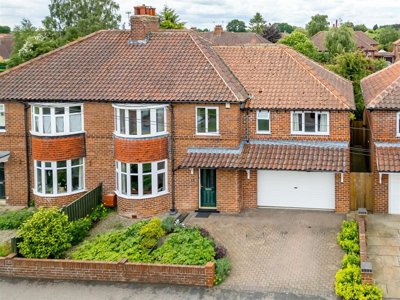
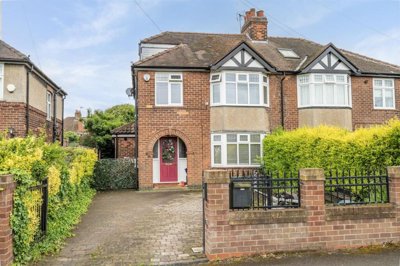
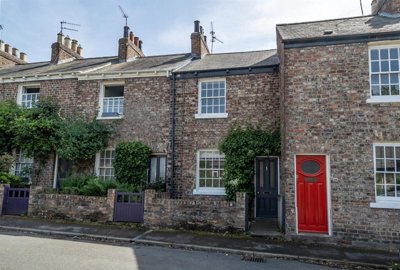
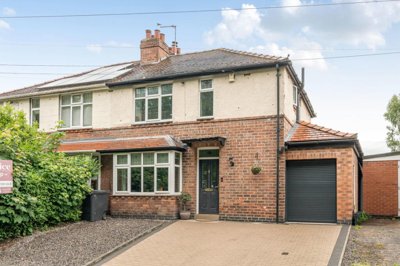
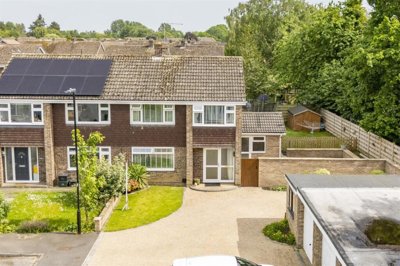
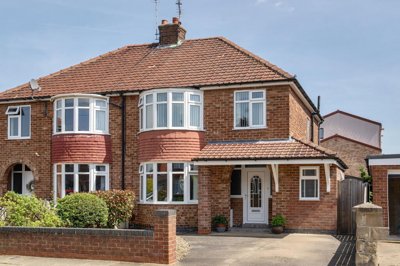
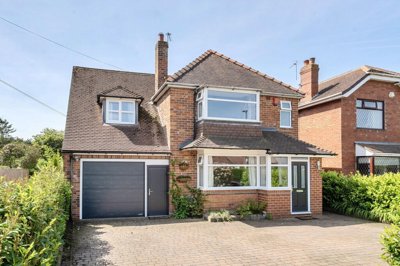
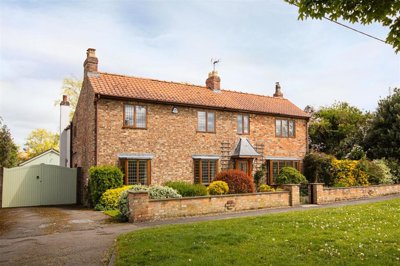
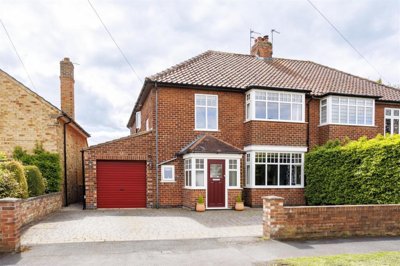
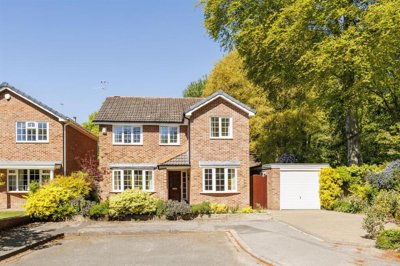
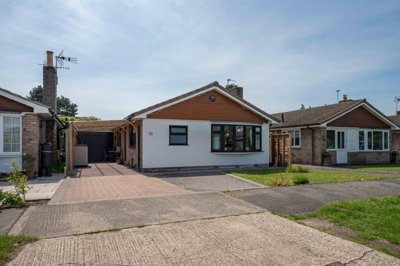
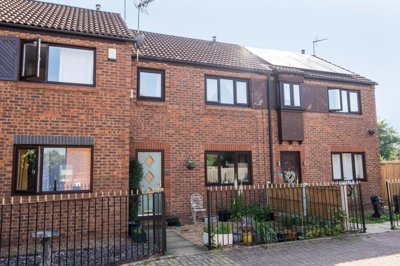
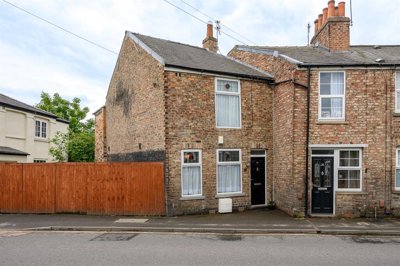
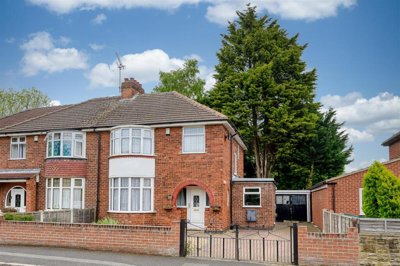
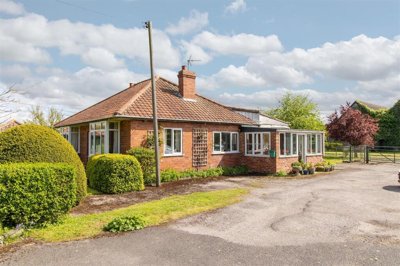
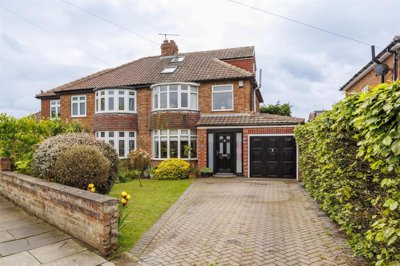
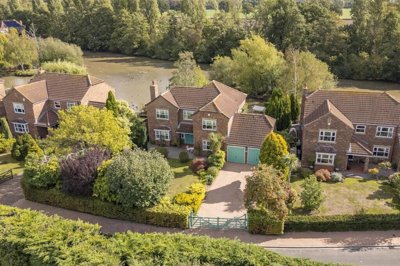
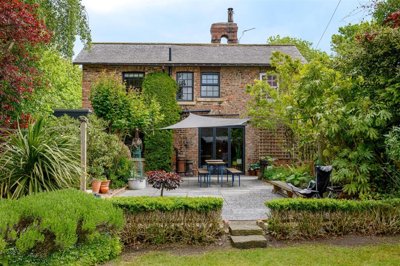
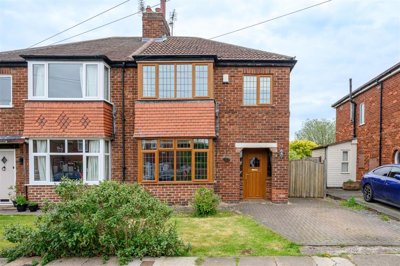
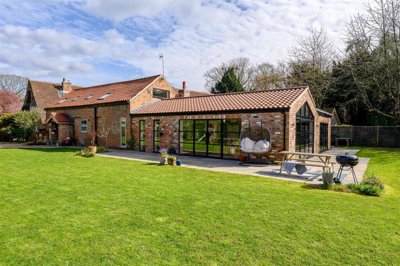
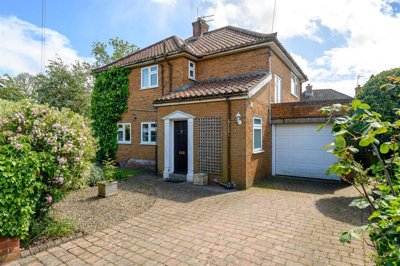
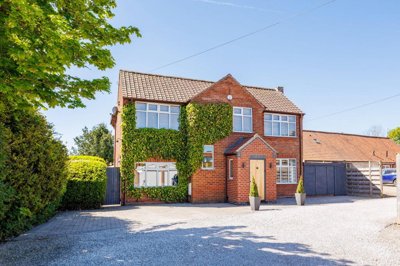
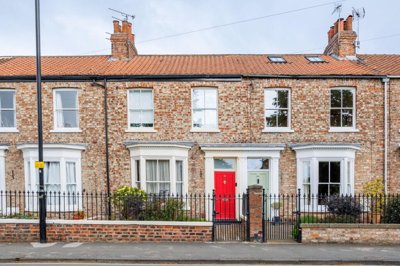
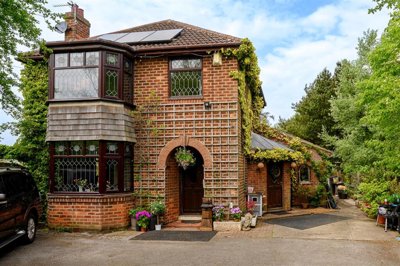
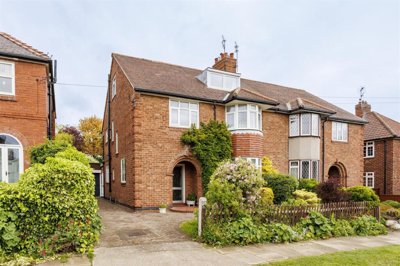
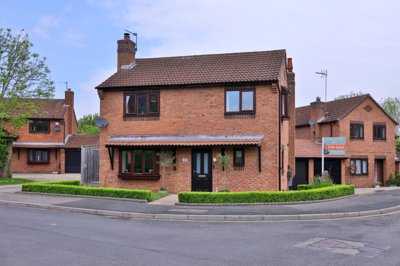
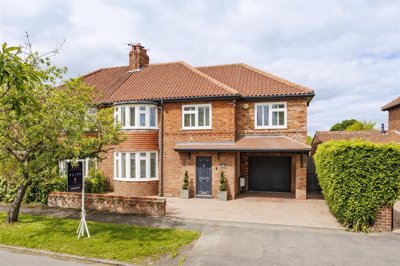
Browse 669 homes for sale in YO19 from local estate agents.
The YO19 property market offers detached, semi-detached, and terraced houses spanning various price ranges and neighbourhoods. Each listing includes detailed property information, photographs, and direct contact with the marketing agent.
£500k
102
2
112
Source: home.co.uk
Showing 102 results for Houses for sale in YO19. 2 new listings added this week. The median asking price is £500,000.
Source: home.co.uk
Detached
74 listings
Avg £603,857
Semi-Detached
24 listings
Avg £373,958
Terraced
4 listings
Avg £263,750
Source: home.co.uk
Source: home.co.uk
£405,076 - £518,821
Average Price
174
Properties Sold (12 months)
+2.38%
Annual Price Change
£457,000 - £677,781
Detached Average
Across YO19, the property market has stayed fairly resilient over the past year. Recent data from Property Solvers puts house price growth at approximately 2.38%, a modest rise but a steady one all the same. We see that as a sign that the York hinterland continues to appeal to people looking for a place to settle. There were 174 residential property transactions in the last twelve months, which is around 6% lower than the previous year, pointing to a market that has cooled back towards normal levels after the earlier pandemic-era surge seen in commuter belt areas around York.
Prices across YO19 are far from uniform, which gives buyers a decent spread of options. Detached homes sit at the top end, with average values between £457,000 and £677,781 depending on the source and the exact location. Semi-detached houses come in lower, at around £331,000 to £340,000. Terraced homes are generally the most affordable, starting at roughly £244,000 to £291,000. Flats average about £445,000 in YO19, although they make up a smaller share of the stock because the postcode is still largely village in character.
In Dunnington, especially the YO19 5 postcode area, annual growth has been a little stronger at 2.9%, which points to firm demand in that village. At the same time, historical sold prices data from home.co.uk suggests completed transactions were around 4% down on the year before. That gap matters. We always advise separating asking price movement from achieved sale prices when judging the market.

YO19 covers a string of attractive villages and rural communities that give this part of North Yorkshire its distinct commuter belt feel around York. Dunnington is one of the larger settlements and has the kind of practical village centre many buyers want, with a post office, convenience stores and independent shops. It also has a strong community identity, helped along by regular events, a cricket club and several churches. The long history of the area runs deep too, with roots tied to Roman and Viking eras through York's proximity.
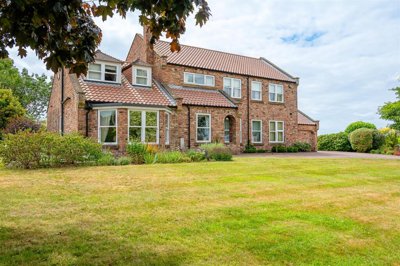
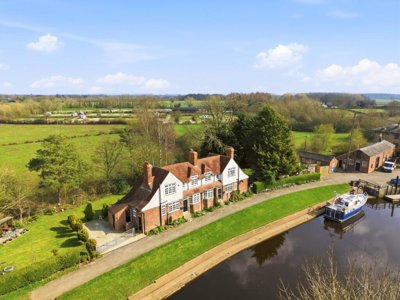
The wider Vale of York landscape is a big part of life here. Residents have easy access to walks and cycle routes through farmland and woodland, and along the banks of the River Derwent. Underfoot, the geology is made up largely of glacial deposits over Mercia Mudstone, which helps create the fertile agricultural land seen across the area. Housing in YO19 fits that setting, with traditional red brick cottages, farmhouses, twentieth-century homes and newer estates all appearing across the larger villages.
One of YO19's strengths is the way it combines quiet village living with straightforward access to York city centre, only a few miles to the north. York brings in the bigger cultural draw, from the National Railway Museum and York Minster to the Jorvik Viking Centre. There is also plenty going on day to day, with restaurants, bars and shops around the Shambles and Stonegate, weekend markets and regular farmers markets in the city centre, plus evening options such as the Grand Opera House and the City Screen cinema.
For families, education is one of the area's stronger selling points. The villages around YO19 have a choice of primary schools, and there are established secondary options close by. Dunnington Community Primary School is a local choice for younger children, while families near Escrick often look at Escrick Church of England Primary School, which local parents regularly speak well of for its community-focused approach. At secondary level, York High School, Millthorpe School and Huntington Secondary all serve pupils from the YO19 postcode area, although catchment areas differ and need checking before a purchase goes ahead.
Independent provision is another part of the picture. Families across the York region are often drawn to St Peter's School, recognised as one of the oldest schools in the world, and York Minster School, both of which offer education from primary through to sixth form. For older students, Archbishop Holgate's School and Joseph Rowntree Sixth Form provide further options, while York College offers a broad mix of vocational and academic courses for post-16 students who do not want a traditional A-level route.
School catchments in YO19 can be quite tightly drawn, especially at primary level where eligibility often turns on the exact village. Places at the more popular schools can be oversubscribed, so we usually suggest dealing with that research early. Looking at performance data, visiting on open days and checking the admissions criteria for your preferred schools should all sit alongside the property search. In the wider York area, several schools hold Good or Outstanding Ofsted ratings, which will matter to many families.
Set between countryside and city, YO19 is well placed for day-to-day travel. A drive into York city centre usually takes around 15-25 minutes, depending on which village you are coming from and what traffic is doing on the A19 and A64. Regular bus routes also link many of the surrounding villages with York, and the First York network gives residents a dependable public transport option when they would rather leave the car at home.
From York station, rail links are one of the area's real advantages. Direct services run to London, Edinburgh, Leeds, Newcastle, Manchester and Birmingham, and East Coast Main Line trains can reach London King's Cross in under two hours. That is one reason York works for people who spend time in the capital but want to live out in the surrounding countryside. For flights, Leeds Bradford Airport is about 45 minutes away and covers domestic and European routes, while Robin Hood Airport Doncaster Sheffield offers another option for travellers.
Cycling works well here, partly because the Vale of York is so flat. Dedicated paths into York make bike commuting realistic for some residents, and National Cycle Route 65 runs through the area, linking York with Selby and joining the wider national network. By road, the A64 connects YO19 to Leeds and onward to the motorway network, while the A1(M) to the east gives useful north-south access. Parking is more mixed. Some villages have limited on-street provision, so we would always want buyers to check that point before committing.
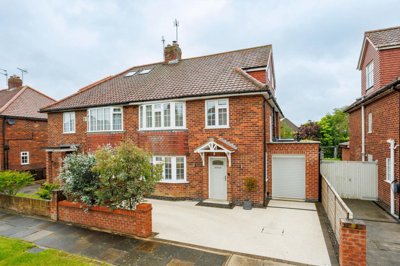
Housing across YO19 covers a broad spread of ages and styles. You will find Victorian and Edwardian cottages in village settings, post-war semi-detached houses and more recent developments, often within a short distance of each other. Traditional homes here are commonly built in red brick, which is typical of the Yorkshire building tradition, and many older properties have solid walls rather than the cavity wall insulation expected in newer stock. Period roofs are often slate or clay tile, while modern schemes tend to use concrete tiles and uPVC windows.
In village centres, Victorian and Edwardian artisan cottages often still retain the details that draw buyers in, such as timber sash windows, tiled fireplaces and cellars. They can also bring extra maintenance, including damp-proofing work. Homes built from the 1950s to 1970s, both council-built and private semi-detached, come with their own watchpoints around original windows, roofing and foundations. Then there are developments from the 1980s onwards, which usually have more modern specifications but still need checking for build quality and construction standards.
The level ground of the Vale of York makes the area easy to get around on foot or by bike, but the clay beneath it can be more demanding where foundations are concerned. Houses with large trees close by, or properties built on shallower foundations, may show movement over time. Many older homes in YO19 villages also keep original features that form part of their appeal, including stone flagged floors, exposed beams and traditional joinery. Attractive, yes, but they do call for regular upkeep and a careful approach to renovation.
It is worth looking closely at the different villages that make up YO19, including Dunnington, Escrick, Riccall and the surrounding communities. They do not all feel the same. Each one has its own mix of amenities, property types and pace of life. We suggest weighing up what matters most to you, whether that is schools, commuting or quick access to York city centre. Dunnington has the broadest range of day-to-day facilities, while some of the smaller settlements offer a quieter and more close-knit setting.
Before you start viewing in earnest, we recommend securing a mortgage agreement in principle from a lender. It shows sellers and estate agents that your finances are credible, which can strengthen your hand when you make an offer in a market that can still be competitive. With average YO19 property prices sitting between £405,000 and £518,000, it makes sense to check that your borrowing covers the full range you are considering.
Once your search area is clearer, arrange viewings that match your criteria and spend some time on recent sale prices in the specific village you are targeting. That local detail can make a real difference when it comes to judging value and pitching an offer. For completed sales data, homedata.co.uk and home.co.uk are both useful sources, and we often find that buyers negotiate more confidently once they have those figures in hand.
After an offer is accepted, we would usually suggest booking a RICS Level 2 Survey (HomeBuyer Report) so the condition of the property is checked properly. That matters in YO19 because village housing stock includes plenty of older homes where issues such as damp, roof defects and structural movement are not unusual. Properties built before 1980 deserve especially careful attention around electrics, plumbing and insulation standards.
Selecting the right conveyancing solicitor is the next step once a purchase is underway. They handle the legal work, carry out searches, review the contract papers and liaise with your mortgage lender so the transaction keeps moving. In YO19, local searches will include enquiries with City of York Council, covering matters such as planning history and any conservation area designations that may affect the property.
Once the survey results are satisfactory and the mortgage offer is in place, your solicitor can move to exchange contracts and agree a completion date. On completion day, the balance of the funds is transferred and the keys are released for your new YO19 home. That is the point where the move stops being theoretical and you can start settling into village life.
The range of property types in YO19 is one reason buyers like the area, but it does mean each house needs to be judged on its own merits. Victorian and Edwardian village cottages sit alongside post-war semi-detached homes and modern developments, and the age of the building often shapes the risks. In places such as Dunnington, older properties may still have solid wall construction, original timber windows and period detailing, all of which can mean more upkeep. We find a thorough survey is especially useful here because it can pick up deterioration or historic issues that are not obvious on a viewing.
Flood risk is something we would not brush past in parts of YO19. The River Derwent and its tributaries run through the area, and homes in lower-lying spots near watercourses may face a higher risk during heavy rainfall. Buyers should check the Environment Agency flood maps and raise any concerns with their surveyor. There is also the matter of the Vale of York's clay geology, which can create shrink-swell conditions affecting foundations, particularly where trees stand close to properties. Taken together, those issues make professional surveys especially important in YO19.
Some YO19 villages include conservation areas, and there are listed buildings in the postcode as well. Anyone thinking about a period property should confirm whether it is listed and be clear on what that means for later changes or repair work. Certain exterior alterations may need conservation area consents, and listed building consent is required for works that affect the character of the building. We would factor those points in alongside the purchase price and likely maintenance costs before deciding how suitable a property really is.
Energy efficiency is not consistent across the YO19 housing stock, and age has a lot to do with that. Victorian and Edwardian houses may have solid walls with little insulation, pushing heating costs up, while homes from the 1970s and 1980s can also have solid external walls without cavity insulation. A RICS Level 2 Survey can highlight these points and help you budget for upgrades. It is also sensible to check the Energy Performance Certificate (EPC) rating before buying so you know what work may be needed to meet current standards.
Looking at the headline numbers, average house prices in YO19 run from approximately £405,076 using HM Land Registry data to £518,821 based on homedata.co.uk figures. Values shift sharply by property type. Detached houses average between £457,000 and £677,781, semi-detached homes sit around £331,000 to £340,000, and terraced properties come in at £244,000 to £291,000. Over the last twelve months, the market has grown by around 2.38%, which suggests steady demand across this York commuter belt area. Dunnington has edged ahead of that, with annual growth of 2.9%.
Administration for YO19 falls under City of York Council. Council tax bands here run from A to H, with many family houses landing in bands C to E depending on value. The exact band will depend on the assessed value of the individual property, and that can be checked through the City of York Council website or confirmed during conveyancing.
For schooling, YO19 gives families a solid mix of options. Primary choices include Dunnington Community Primary School and Escrick Church of England Primary School, with the latter often spoken of positively by local parents. Secondary pupils usually travel into York for schools such as Millthorpe School, Huntington Secondary and York High School, all of which serve the YO19 catchment area. Independent schools remain part of the draw too, especially St Peter's School and York Minster School, both well known across the postcode area for their academic standing.
Public transport is practical rather than flashy, but it does the job. First York runs regular bus services linking the surrounding villages with York city centre, and trip times are usually around 20 to 40 minutes depending on the village. For longer journeys, York railway station provides direct rail services to London, Edinburgh, Leeds and other major cities on the East Coast Main Line. Leeds Bradford Airport is also within reach at approximately 45 minutes by car for domestic and European flights.
Demand in YO19 has held up because the area offers a combination that many buyers still want, village surroundings, access to York and good school choices. Property values have risen by approximately 2.38% over the past year, which points to steady confidence in the postcode as a commuter belt location. We also see rental demand supported by professionals working in York who prefer village living to city centre accommodation. In sought-after places such as Dunnington, well-kept properties tend to hold their value well, which keeps YO19 in the frame for owner-occupiers and investors alike.
Stamp duty rates in England currently stand at 0% on the first £250,000 of a residential purchase, 5% on the portion from £250,001 to £925,000, and 10% on the portion from £925,001 to £1,500,000. Above £1,500,000, the rate rises to 12%. First-time buyers get relief on the first £425,000, with 5% charged between £425,001 and £625,000. With average YO19 values around £405,000 to £518,000, many purchasers will pay stamp duty on the amount above £250,000, while some first-time buyers may cut that liability if the property is below £425,000.
Not every part of YO19 carries the same flood exposure, so this is one of those points that needs checking property by property. Homes near the River Derwent and its tributaries, especially those in low-lying positions close to watercourses, may face increased risk in periods of heavy rainfall. That can influence insurance pricing and, in some cases, mortgage options. The Environment Agency flood maps are the obvious first step, and we would always discuss any flagged concerns with the surveyor as part of due diligence for a YO19 purchase.
Typical defects in YO19 tend to reflect the age and construction of the local homes. Victorian and Edwardian properties can show rising damp, timber decay and worn roof coverings, while houses of any period may have trouble with gutters, downpipes or plain deferred maintenance. The clay geology of the Vale of York adds another layer, because it can contribute to foundation movement where drainage is poor or trees stand close to the building. A RICS Level 2 Survey is useful here, as it helps bring those issues to light before you are committed.
From £350
We recommend a RICS Level 2 Survey (HomeBuyer Report) before purchase, as it assesses the property's condition and highlights defects. In older YO19 village homes, it is especially useful.
From £499
Our conveyancing solicitors deal with the legal side of a YO19 purchase, including contract review and local authority searches.
From 4.5%
Competitive mortgage rates are available for YO19 purchases. We can help arrange expert advice on financing a York village home.
From £60
An Energy Performance Certificate is required for every property sale. We suggest checking the rating before buying in YO19.
Buying in YO19 involves more than just agreeing the sale price, so it is worth setting out the full costs early. Alongside the property itself, buyers need to allow for stamp duty land tax, solicitor fees, survey costs and a run of smaller charges that can still add up to several thousand pounds. On a typical YO19 purchase at around £400,000 to £500,000, those extra costs usually fall somewhere between £6,000 and £10,000, depending on your position and any exemptions that apply.
Stamp duty is often the largest of those extra costs once the price rises above the nil-rate threshold. For a standard buyer purchasing at £400,000, the calculation would be 0% on the first £250,000 and 5% on the remaining £150,000, giving a total of £7,500. A first-time buyer paying the same £400,000 could benefit from relief on the first £425,000, which may reduce the bill sharply or remove it altogether if the purchase price stays below that level. At the upper end of the YO19 market, especially for larger detached homes at £600,000 or more, stamp duty becomes more significant still, with the 10% rate applying on the portion above £925,000.
Conveyancing costs in the York area usually sit between £500 and £1,500, depending on how straightforward the matter is and whether the property is freehold or leasehold. Search fees are extra, and local authority, drainage and water, plus environmental searches generally add another £200 to £400. For the survey itself, a RICS Level 2 HomeBuyer Report on a YO19 property typically starts at around £350 to £500 depending on size. Mortgage arrangement fees vary by lender, but a range of 0% to 1.5% of the loan amount is common. We would also budget for a mortgage valuation survey, Land Registry fees and the cost of the move itself, as that gives the clearest overall picture.

Properties for Sale In London

Properties for Sale In Plymouth

Properties for Sale In Liverpool

Properties for Sale In Glasgow

Properties for Sale In Sheffield

Properties for Sale In Edinburgh

Properties for Sale In Coventry

Properties for Sale In Bradford

Properties for Sale In Manchester

Properties for Sale In Birmingham

Properties for Sale In Bristol

Properties for Sale In Oxford

Properties for Sale In Leicester

Properties for Sale In Newcastle

Properties for Sale In Leeds

Properties for Sale In Southampton

Properties for Sale In Cardiff

Properties for Sale In Nottingham

Properties for Sale In Norwich

Properties for Sale In Brighton

Properties for Sale In Derby

Properties for Sale In Portsmouth

Properties for Sale In Northampton

Properties for Sale In Milton Keynes

Properties for Sale In Bournemouth

Properties for Sale In Bolton

Properties for Sale In Swansea

Properties for Sale In Swindon

Properties for Sale In Peterborough

Properties for Sale In Wolverhampton

Enter your details to see if this property is within your budget.
Loans, cards, car finance
Estimated property budget
Borrowing + deposit
You could borrow between
Typical borrowing
Monthly repayment
Est. at 4.5%
Loan-to-value
This is an estimate only. Your actual budget may vary depending on interest rates, credit history, and personal circumstances. For an accurate affordability assessment, speak to one of our free mortgage advisors.
This calculator provides estimates for illustrative purposes only and does not constitute financial advice. Your home may be repossessed if you do not keep up repayments on your mortgage. Estimates based on 4.5% interest rate, repayment mortgage. Actual rates depend on your circumstances.
Homemove is a trading name of HM Haus Group Ltd (Company No. 13873779, registered in England & Wales). Homemove Mortgages Ltd (Company No. 15947693) is an Appointed Representative of TMG Direct Limited, trading as TMG Mortgage Network, which is authorised and regulated by the Financial Conduct Authority (FRN 786245). Homemove Mortgages Ltd is entered on the FCA Register as an Appointed Representative (FRN 1022429). You can check registrations at NewRegister or by calling 0800 111 6768.

We use cookies to show you personalised content and improve your experience of our website. Find out more in our Privacy policy and Cookie policy.