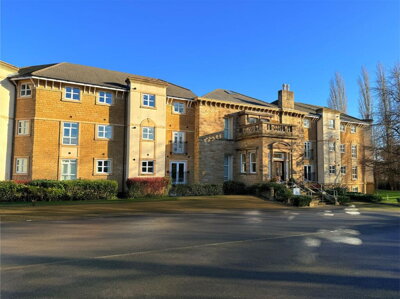
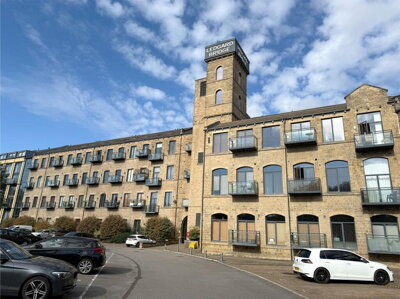
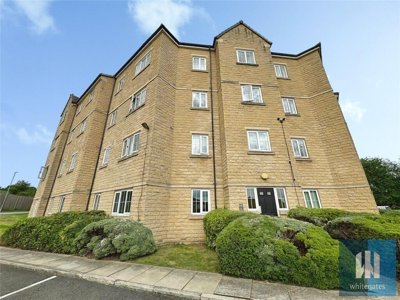
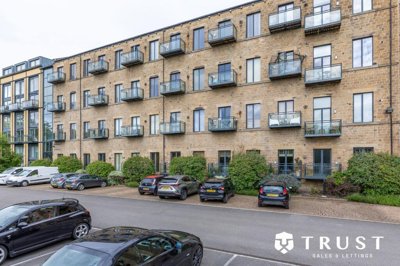
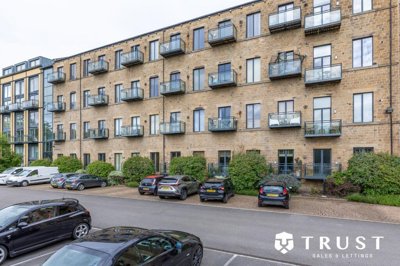
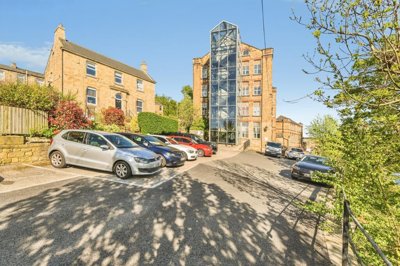
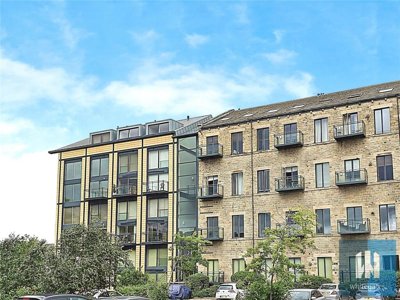
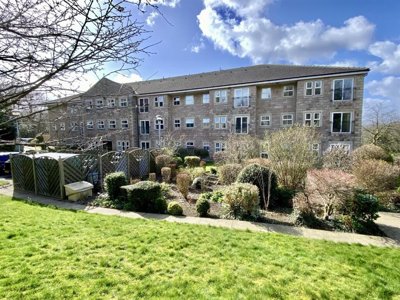
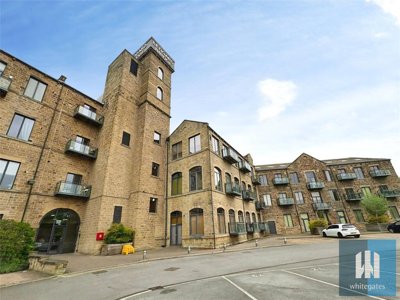
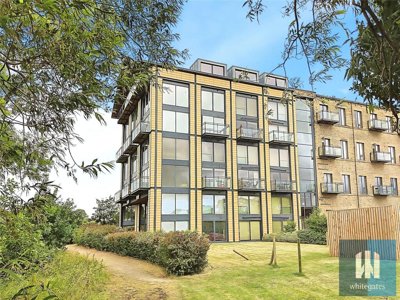
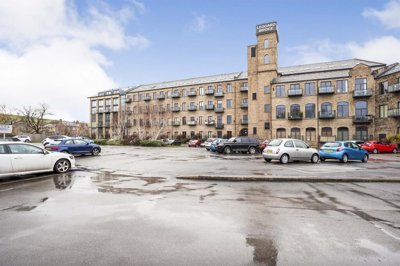
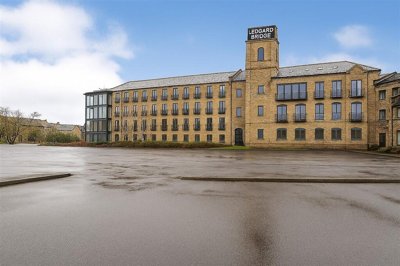
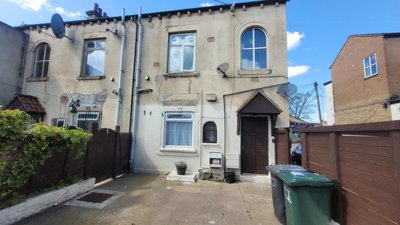
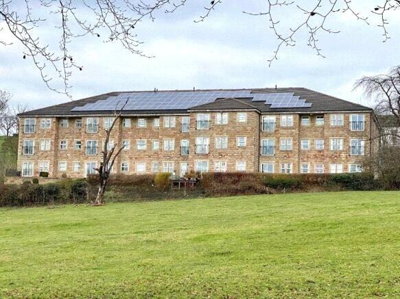
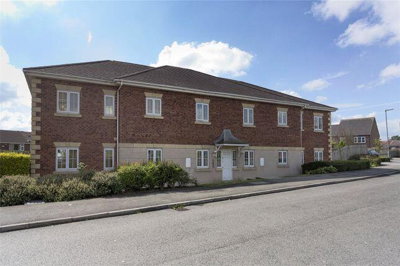
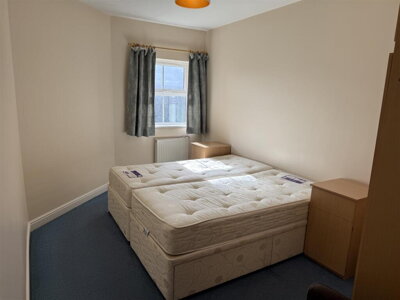
Browse 16 homes for sale in WF14 from local estate agents.
One bed apartments provide a separate bedroom alongside distinct living space, bathroom, and kitchen areas. Properties in WF14 are available in various building types including mansion blocks, contemporary developments, and house conversions.
£59k
2
0
16
Source: home.co.uk
Showing 2 results for 1 Bedroom Flats for sale in WF14. The median asking price is £59,000.
Source: home.co.uk
Flat
2 listings
Avg £59,000
Source: home.co.uk
Source: home.co.uk
263
Properties for Sale
£275,843
Average Price
9%
Annual Growth
~20,000
Population
The WF14 market has held up well and kept moving, with recent figures putting the average house price at £329,837. That steady rise points to continued demand in Mirfield, helped by housing that is still affordable compared with nearby Leeds, strong transport links, and plenty of historic character. Over the past year, around 263 residential sales completed, which suggests a market that remains active and reachable for buyers. Pricing reported by homedata.co.uk and current listings on home.co.uk are closely aligned, which gives a useful cross-check for anyone sizing up the area. ---NEXT--- Across Mirfield, the housing stock covers a broad mix of budgets and lifestyles. Detached homes sit at the top end, averaging £544,910, and they tend to draw families looking for extra room and gardens. Semi-detached houses, a big part of the local market, come in at about £267,561 and often strike the balance between space and price. Terraced homes average £161,680, and many of Mirfield’s Victorian stone-built terraces still carry details buyers actively look for, including original fireplaces, high ceilings, and sash windows. Flats in WF14 average £101,742, giving first-time buyers and downsizers a lower-cost route into the market. ---NEXT--- New-build supply in WF14 has been fairly modest in recent years, although a small number of schemes have added well-finished homes. Miller Homes completed Applewood on Granny Lane, bringing 67 three, four, and five-bedroom houses to a semi-rural part of Mirfield. Work started in 2022, the show home opened in 2023, and by 2025 the development had largely sold through, with only limited final phase availability remaining. Buyers after something more modern may also look at East-Thorpe Court in Mirfield town centre, where Darren Smith Homes offers luxury two-bedroom apartments for over-55s priced from £298,997 to £499,000. The same developer also has St. Paul's Lock, Wheatley House, in the Mirfield conservation area beside the Calder and Hebble Navigation, although availability there currently appears limited. ---NEXT--- Mirfield’s local economy is helped by its position in Kirklees, where manufacturing still has a strong presence and employs 15.8% of the workforce, close to twice the national average. Average household income stands at £32,000, reflecting the town’s working roots and its lower living costs compared with Leeds and Manchester. In the centre, independent shops, traditional Yorkshire pubs, and weekly markets keep local trade visible and well used. Leeds, Huddersfield, and the M62 corridor are all within practical reach, which is a big reason commuters continue to look at Mirfield. ---NEXT--- A sensible first step is to look through current Mirfield listings and get clear on what fits your budget. With 242 homes sold over the last year and values around £329,837 on average, we usually suggest checking comparable sales and the direction of local pricing before offering. It also pays to weigh up school access, transport, and flood risk in the parts of Mirfield you are considering. ---NEXT--- Before booking viewings in earnest, it helps to have a mortgage agreement in principle in place so your borrowing limit is clear. In a market where semi-detached homes average £267,561 and terraced houses sit near £161,680, that early budget check can rule properties in or out quickly. We can also put you in touch with our mortgage partners, who compare rates and talk through the application process with you. ---NEXT--- Before you commit, we strongly recommend booking a RICS Level 2 Survey. Many older WF14 homes sit on clay soils and in an area with mining history, so issues such as damp, subsidence risk, and wider structural concerns are not always obvious during a viewing. Survey fees usually fall between £400 and £600, depending on the size and value of the property. ---NEXT--- Recent figures from homedata.co.uk, backed up by current home.co.uk listings, place the average house price in WF14 at about £329,837. Broken down by type, detached homes average £544,910, semi-detached properties £267,561, terraced houses £161,680, and flats £101,742. Over the last 12 months, Mirfield prices have risen by roughly 9%, showing how firm demand has been in this historic part of West Yorkshire. That uplift has not been limited to one corner of the market either, which is why both owner-occupiers and investors continue to watch the area closely. ---NEXT--- For standard buyers, Stamp Duty Land Tax is charged at 0% on the first £250,000, then 5% on the portion from £250,001 to £925,000. Above £925,000, the rate becomes 10% up to £1.5 million, and 12% on anything over that. First-time buyers pay 0% on the first £425,000, with full relief available up to a maximum property value of £625,000, then 5% on the amount from £425,001 to £625,000. Once the price goes above £625,000, that first-time buyer relief no longer applies. In Mirfield, where the average terraced house costs £161,680, many first-time buyers would pay no stamp duty at current thresholds. ---NEXT--- Getting clear on the full buying costs in Mirfield, WF14, makes budgeting far easier and helps avoid surprises later in the transaction. The main upfront tax is Stamp Duty Land Tax, calculated on the purchase price. Up to £250,000, the rate is 0%, so buyers purchasing cheaper homes, including terraced properties averaging about £161,680, may have no stamp duty to pay. Between £250,001 and £925,000, the rate is 5% on the slice above £250,000, so on a typical semi-detached purchase at £267,561 the extra duty would be fairly modest. ---NEXT--- First-time buyers get added help on purchases up to £425,000, paying 0% on the first £425,000 and 5% on the amount between £425,001 and £625,000. That means someone buying a new-build apartment at East-Thorpe Court from £298,997 would pay no stamp duty. Once a property is priced above £625,000, though, first-time buyer relief falls away and the standard rates apply to the full purchase price. For higher-value homes, including detached properties averaging £544,910, buyers should allow around £14,745 in stamp duty on the portion above £250,000. ---NEXT--- Stamp duty is only part of the picture. Buyers also need to allow for mortgage arrangement fees, usually £500 to £2,000, valuation fees, survey charges, with RICS Level 2 Surveys commonly costing £400 to £600 depending on property size, and legal fees for conveyancing. In WF14, the usual searches include local authority enquiries with Kirklees Council, drainage and water searches, and environmental searches covering clay soils, mining history, and possible contamination. We generally suggest setting aside roughly £1,500 to £3,000 for these additional costs before completion.
Mirfield’s housing mix is wide enough to suit very different buyers. Detached homes lead the market at an average of £421,116, typically giving families the extra space and garden ground they want. Semi-detached houses, which make up a large share of local stock, average £251,919 and often offer strong value without city-centre pricing. Terraced homes come in at £177,587, and many of the Victorian stone-built examples still retain original fireplaces, high ceilings, and sash windows. Flats in WF14 average £136,706, which keeps them in view for first-time buyers and people looking to downsize.
There has not been a huge volume of new building in WF14 lately, but a handful of schemes stand out. Applewood on Granny Lane, by Miller Homes, delivered 67 three, four, and five-bedroom homes in a semi-rural setting. Building began in 2022, the show home opened in 2023, and by 2025 only limited final phase availability remained. In the town centre, Darren Smith Homes runs East-Thorpe Court, a collection of luxury two-bedroom apartments for over-55s priced from £340,000 to £499,000. The same developer’s St. Paul's Lock, Wheatley House, sits in the Mirfield conservation area by the Calder and Hebble Navigation, though current availability appears limited.
History is not tucked away in Mirfield, it is built into the place. The town’s roots go back to medieval times, and the woollen textile trade shaped much of its growth through the 19th century. In the centre, Victorian buildings and terraced homes with gabled roofs and original sash windows are common, many of them built in the old Yorkshire stone that gives the town its recognisable look. The conservation area includes 47 listed buildings, among them the 13th-century Tower of St Mary and the early 16th-century Old Rectory. Mills, workers’ cottages, and Georgian houses all sit within the same streetscape, which tells its own story about industrial West Yorkshire.
Mirfield draws real benefit from being in Kirklees, particularly because manufacturing remains a major local employer. In fact, 15.8% of the district’s workforce is employed in that sector, nearly twice the national average. Average household income is £32,000, and that helps explain why the town still feels grounded while offering lower living costs than Leeds or Manchester. Independent retailers, old-style Yorkshire pubs, and weekly markets all play their part in the town centre. For many buyers, though, easy access to Leeds, Huddersfield, and the M62 corridor is what makes Mirfield stack up.
There is no shortage of green space around Mirfield. The River Calder and the Calder and Hebble Navigation cut through the town and create well-used walking and cycling routes, while the surrounding West Yorkshire countryside opens up plenty more room for outdoor activity. Sports clubs, churches, and social venues are woven into daily life here, which helps keep the town’s strong community feel intact. With a population of about 20,000, Mirfield is large enough to have what most people need but still small enough to feel familiar. Families often like that balance, and the growth seen in middle-to-older age groups points to the town’s appeal as a settled, established place to live.

Commuters tend to notice Mirfield for one simple reason, it is well connected. Mirfield railway station gives residents regular services to Leeds, Manchester, Huddersfield, and further afield, making the town practical for people who work across the region. Leeds is around 25 minutes away by train, which is a major draw for buyers wanting more house for their money than they might get in the city. Services to Manchester and Hull also widen the range of work and leisure journeys that can be done without much fuss.
By road, Mirfield also works well. The M62 is only minutes away, linking the town west towards Manchester and east towards Leeds. The A62 gives a direct Pennines route towards Manchester, while the A644 ties Mirfield into the wider West Yorkshire network. Bus links matter too, and West Yorkshire Metro services connect the town with Dewsbury, Huddersfield, and Bradford, with integrated ticketing available on most routes. Between rail and road, residents have options, which is a big part of Mirfield’s appeal for commuters.
Cycling has become a more realistic option in Mirfield over recent years, helped in part by the Calder and Hebble Navigation towpath. It is popular with both commuters and leisure riders, and the river valley’s flatter ground makes it manageable for most people. Some local roads now have dedicated cycle lanes as well, which improves safety. For longer trips, Manchester Airport is about 45 miles away via the M62, and Leeds Bradford Airport is another practical choice within reasonable driving distance. Anyone moving to WF14 for work should still price in regular travel costs, because those can vary a lot depending on route and routine.
Mirfield offers education across the age range, with local primary schools feeding into secondary schools in WF14 and the wider Kirklees area. For family buyers, catchment areas can have a direct effect on both admissions and house prices, so location needs careful thought. Parents will find a mix of community schools, faith schools, and academies, which gives a bit of choice depending on what matters most to them. A number of local primary schools pair updated facilities with older buildings that still reflect the town’s character.
At secondary level, the area includes schools offering GCSE courses as well as sixth form provision for students who want to stay local. Across the Kirklees network, several schools regularly record results above national average measures, which is one reason families keep the area on their shortlist. Buyers considering independent education also have options across the wider West Yorkshire region within reach of Mirfield. For post-16 study beyond school, colleges in Huddersfield and Dewsbury provide both vocational and academic routes.
Childcare in Mirfield covers a range of early years settings, from council-run nurseries to private day care. For some households, the lower cost of living in WF14 compared with larger cities makes flexible childcare or part-time working arrangements more realistic. Before buying, we always suggest checking the latest admissions rules and catchment boundaries with Kirklees Council, because they can change and may affect which school a child can attend from a given address.
A good place to begin is with current Mirfield listings, so you can see what your budget actually buys. Over the last year, 263 homes sold and average values were around £275,843, so we usually advise comparing asking prices with recent sales before deciding what to offer. It is also worth weighing up schools, transport, and any flood risk attached to the location.
Before you start viewing seriously, get a mortgage agreement in principle from a lender. With semi-detached homes averaging £251,919 and terraced houses around £177,587, a clear budget will narrow the field quickly and stop time being wasted. If helpful, we can connect you with our mortgage partners to compare rates and talk through the application in more detail.
When you do start viewings, pay close attention to how each property is built, how old it is, and what condition it is in. Mirfield has a real mix, from Victorian stone terraces to post-war semis and newer builds, and each comes with different points to check. We usually suggest taking notes and photographs as you go, because properties can blur together later.
Before exchange, we recommend booking a RICS Level 2 Survey so the condition of the property is properly assessed. Older homes in WF14 can be affected by clay soils and the area’s mining history, and that can mean damp, subsidence risk, or structural issues that do not show up during a standard viewing. Survey costs are typically £400 to £600, depending on the size and value of the home.
Once a seller accepts your offer, the next step is to instruct a solicitor to deal with the legal side of the purchase. In WF14 that usually includes local authority, drainage, and environmental searches, along with contract work between the two legal teams. We keep a close eye on that stage, because it is where many area-specific issues first come into focus.
After the searches come back satisfactorily and the mortgage is in place, contracts are exchanged and a completion date is agreed. Your solicitor then transfers the funds and formally registers the change of ownership, after which the keys to your Mirfield home are released. That is the point where the move stops being theoretical and becomes real.
Buyers in WF14 need to look closely at a few local issues that can affect condition, value, and insurance. Flood risk is high on that list because Mirfield sits on the River Calder floodplain and the Calder and Hebble Navigation runs through the town. Central Mirfield flood warning areas include Battyeford, East Thorpe, and Lower Hopton, while Calder View to Steanard Lane also takes in Granny Lane. Homes in those locations may attract higher premiums and may need suitable flood resilience measures. We would always ask for flood history and check whether barriers or other protective works have been installed.
The ground conditions in WF14 need careful attention too. Mirfield stands on clay soils with shrink-swell behaviour, so the ground can contract in dry spells and expand again in wet weather, creating a subsidence risk. That matters even more where trees or large shrubs are close to the building, because roots draw moisture from the soil. There is also a coal mining legacy in the area, and some homes may sit on or near former workings that affect stability. A thorough RICS Level 2 Survey is the best starting point for spotting movement, cracking, or other structural signs linked to these geological issues.
Older homes in Mirfield’s conservation area bring extra points to check. Planning restrictions are in place to protect the town’s historic character, and with 47 listed buildings, including 2 Grade II* properties, any changes to listed structures need consent from Kirklees Council. Many older stone buildings were built with lime mortar rather than modern cement, so repairs need the right knowledge and materials. Buyers should also remember that Victorian and Edwardian homes may contain asbestos in insulation, artex coatings, or other building materials, especially where construction predates 1999. And if the property is a flat, lease terms, ground rent, and service charge all deserve close scrutiny because they can change the affordability of a purchase quite quickly.
Housing in Mirfield spans centuries, from old farmhouses and weavers’ cottages to modern new builds, so the types of defects we see vary a great deal. Our RICS Level 2 Survey is designed to flag those issues before you are tied in, giving you a firmer basis for renegotiation or repair requests. That matters in WF14, where many homes were built before 1919 and come with the quirks and risks of older construction. Our surveyors inspect Mirfield property regularly and know what tends to turn up in each part of the market.
Damp is one of the issues our surveyors report most often in Mirfield, especially in older stone-built homes that were never built with modern damp-proof courses. Rising damp moves up through brick or stone from the ground, while penetrating damp comes from water getting through walls, roofs, or faulty windows. Homes near the River Calder and in lower parts of WF14 can be more vulnerable, particularly where drainage is poor. During an inspection, we use specialist equipment to measure moisture and trace the likely cause, which helps separate condensation from more serious rising or penetrating damp.
Structural movement is a genuine concern in parts of WF14, and the local combination of clay soils and historic coal mining is a big reason why. Clay shrinks in dry conditions and swells again when wet, which can shift foundations and show up as cracking to walls and ceilings. Houses with large trees or shrubs close by are often at greater risk because roots can remove moisture from the soil during summer. Former mining activity can add another layer of instability in certain spots. Our surveyors check crack patterns, test doors and windows for signs of movement, and look for uneven floors that may point to foundation problems needing closer investigation.
Roof defects come up regularly in Mirfield survey reports. Missing or broken tiles, sagging rooflines, and worn flashing are among the issues we commonly find. Older homes with original stone slate roofs often need specialist upkeep using suitable materials, otherwise their weatherproofing and character can both suffer. We look at the roof as a whole, check gutters and downpipes for damage or blockage, and inspect loft spaces for signs of water ingress. Where a property has been extended or altered, the join between old and new roof sections also needs proper attention. It is also common for us to find older electrics and plumbing in Mirfield homes that may need upgrading to meet current safety expectations.
Current figures from homedata.co.uk, alongside home.co.uk listings, put the average house price in WF14 at about £275,843. By property type, detached homes average £421,116, semi-detached £251,919, terraced £177,587, and flats £136,706. Over the past 12 months, Mirfield prices have risen by around 9%, which reflects strong demand in this historic West Yorkshire market. That growth has been fairly broad across the board, keeping the area attractive to both owner-occupiers and investors.
Council tax in Mirfield is set by Kirklees Council, and the band depends on the property’s value and type. Most terraced houses fall within bands A to C, semi-detached homes usually sit in bands B to D, and larger detached properties may fall into bands D to F. Buyers can check the exact band using the property address or details on the Valuation Office Agency website. It is an ongoing cost rather than an upfront one, but it still needs to be built into the budget alongside mortgage payments and other running costs in WF14.
For families, Mirfield has a solid spread of education options across both primary and secondary level in WF14 and the wider Kirklees area. Community primary schools serve local catchments, while nearby secondaries offer GCSE courses and sixth form study. Government KS2 and KS4 attainment tables provide performance data, and we would still advise checking the latest catchment boundaries with Kirklees Council because admissions can be affected by even small boundary changes. Independent schools elsewhere in West Yorkshire are also reachable from Mirfield. For buyers with children, school proximity often feeds into property values, so this is not something to leave until late.
Mirfield railway station is one of the town’s strongest practical advantages. Services reach Leeds in about 25 minutes, and there are also links to Manchester, Huddersfield, and Hull. West Yorkshire Metro bus routes connect Mirfield with Dewsbury, Huddersfield, and Bradford, while the nearby M62 gives quick road access to the major cities across the North. That mix of transport options is a large part of the reason commuters keep returning to the area. Homes near the station often carry a premium as a result.
From an investment point of view, Mirfield has a fair amount going for it. House prices have grown by 9% over the past year, and 263 annual sales suggest a market with decent depth rather than one-off movement. The town benefits from being close to Leeds and Manchester while still offering lower average prices, which keeps it attractive to first-time buyers and commuters alike. Rental demand is supported by professionals working in nearby employment centres who want manageable travel times without paying city prices. Investors do still need to be selective, especially in relation to flood risk and transport access. In places such as Lower Hopton and Battyeford, higher insurance costs linked to flooding can affect net yields.
For standard buyers, Stamp Duty Land Tax starts at 0% on the first £250,000, then moves to 5% on the portion between £250,001 and £925,000. The rate then rises to 10% up to £1.5 million and 12% above that. First-time buyers pay 0% on the first £425,000, with full relief available up to a maximum property value of £625,000, and 5% on the amount from £425,001 to £625,000. Once the purchase price goes above £625,000, first-time buyer relief is not available. Given that the average terraced house in Mirfield is £177,587, many first-time buyers at that level would pay no stamp duty.
Yes, flood risk matters in Mirfield, and it should be checked carefully before purchase. WF14 is crossed by the River Calder and the Calder and Hebble Navigation, which creates known flood risk in Central Mirfield, including Battyeford and Lower Hopton, as well as Calder View to Steanard Lane and Granny Lane. Homes in those areas may need flood insurance and may be exposed to river flooding during heavy rainfall. Low-lying locations such as Hopton Bottom and Granny Lane, both on ancient floodplains, have reported historic flooding. We recommend asking the seller for flood history and arranging a thorough survey if you are considering one of these properties. Raised electrics, non-return valves on drains, and flood barriers can all help, although they may add to renovation costs.
From 4.5%
We compare rates from leading lenders to help you find the strongest mortgage deal for your Mirfield purchase.
From £499
Expert legal services for your WF14 property purchase
From £400
We carry out professional property surveys that identify defects in Mirfield homes.
From £80
Energy performance certificate for your WF14 property
Working out the full cost of buying in Mirfield, WF14, is the best way to avoid unwelcome surprises once the transaction is under way. The main upfront tax is Stamp Duty Land Tax, based on the property’s purchase price. Up to £250,000, the rate is 0%, so a buyer purchasing a lower-priced terraced property at around £177,587 may pay no stamp duty at all. Between £250,001 and £925,000, the rate is 5% on the amount above £250,000, which means a semi-detached home at the average price of £251,919 would only trigger a small extra amount.
There is extra relief for first-time buyers purchasing up to £425,000, with 0% charged on the first £425,000 and 5% on the amount from £425,001 to £625,000. So, a first-time buyer purchasing a new-build apartment at East-Thorpe Court from £340,000 would pay no stamp duty. Once the price rises above £625,000, that relief stops and the standard rates apply to the full purchase price. For larger detached homes averaging £421,116, buyers should allow around £8,556 in stamp duty on the portion above £250,000.
Stamp duty is not the only figure to budget for. Buyers should also allow for mortgage arrangement fees, typically £500 to £2,000, valuation fees, survey costs, with RICS Level 2 Surveys generally at £400 to £600 depending on size, and legal fees for conveyancing. In WF14, the usual purchase searches include local authority checks with Kirklees Council, drainage and water searches, and environmental reports covering clay soils, mining history, and potential contamination. We normally suggest a separate budget of about £1,500 to £3,000 for these added purchase costs before you complete on a Mirfield home.

Properties for Sale In London

Properties for Sale In Plymouth

Properties for Sale In Liverpool

Properties for Sale In Glasgow

Properties for Sale In Sheffield

Properties for Sale In Edinburgh

Properties for Sale In Coventry

Properties for Sale In Bradford

Properties for Sale In Manchester

Properties for Sale In Birmingham

Properties for Sale In Bristol

Properties for Sale In Oxford

Properties for Sale In Leicester

Properties for Sale In Newcastle

Properties for Sale In Leeds

Properties for Sale In Southampton

Properties for Sale In Cardiff

Properties for Sale In Nottingham

Properties for Sale In Norwich

Properties for Sale In Brighton

Properties for Sale In Derby

Properties for Sale In Portsmouth

Properties for Sale In Northampton

Properties for Sale In Milton Keynes

Properties for Sale In Bournemouth

Properties for Sale In Bolton

Properties for Sale In Swansea

Properties for Sale In Swindon

Properties for Sale In Peterborough

Properties for Sale In Wolverhampton

Enter your details to see if this property is within your budget.
Loans, cards, car finance
Estimated property budget
Borrowing + deposit
You could borrow between
Typical borrowing
Monthly repayment
Est. at 4.5%
Loan-to-value
This is an estimate only. Your actual budget may vary depending on interest rates, credit history, and personal circumstances. For an accurate affordability assessment, speak to one of our free mortgage advisors.
This calculator provides estimates for illustrative purposes only and does not constitute financial advice. Your home may be repossessed if you do not keep up repayments on your mortgage. Estimates based on 4.5% interest rate, repayment mortgage. Actual rates depend on your circumstances.
Homemove is a trading name of HM Haus Group Ltd (Company No. 13873779, registered in England & Wales). Homemove Mortgages Ltd (Company No. 15947693) is an Appointed Representative of TMG Direct Limited, trading as TMG Mortgage Network, which is authorised and regulated by the Financial Conduct Authority (FRN 786245). Homemove Mortgages Ltd is entered on the FCA Register as an Appointed Representative (FRN 1022429). You can check registrations at NewRegister or by calling 0800 111 6768.

We use cookies to show you personalised content and improve your experience of our website. Find out more in our Privacy policy and Cookie policy.