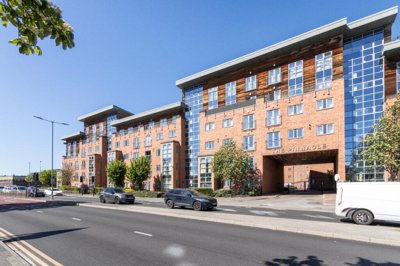
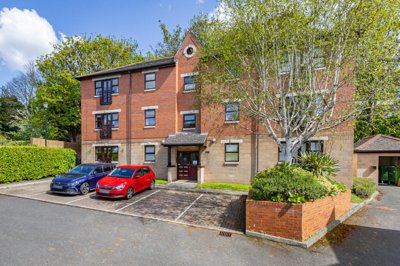
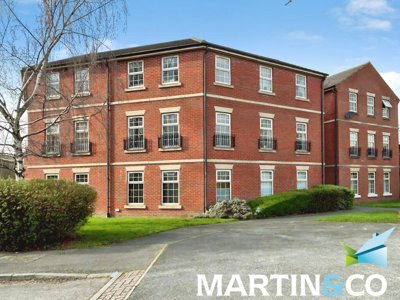
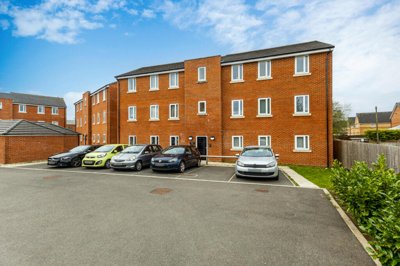
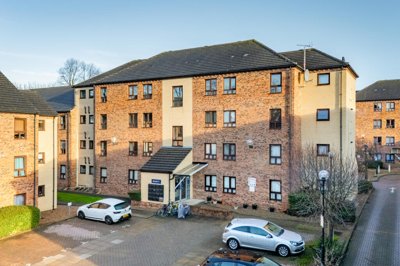
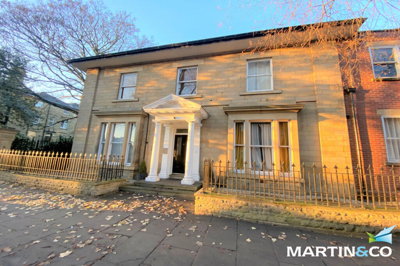
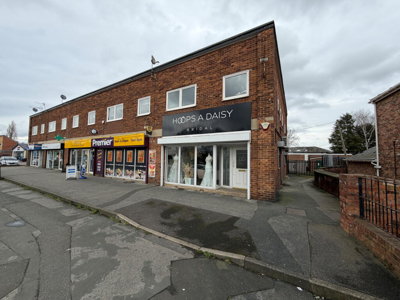
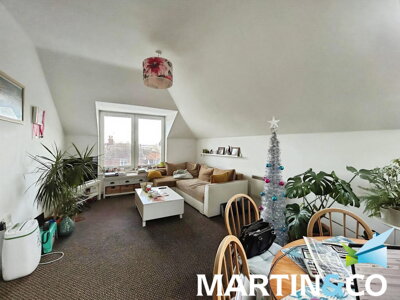
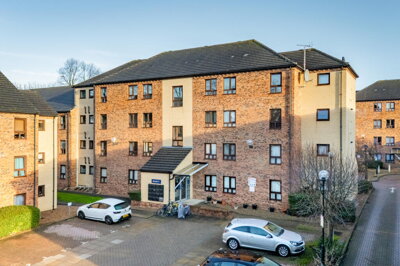
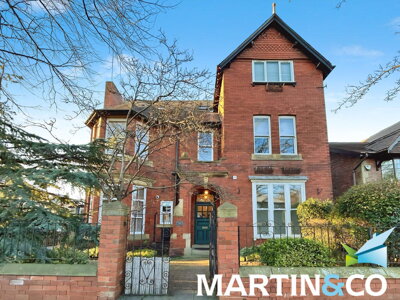
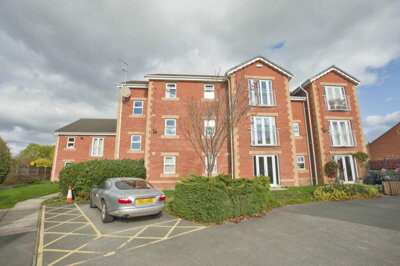
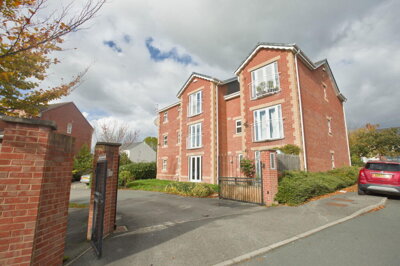
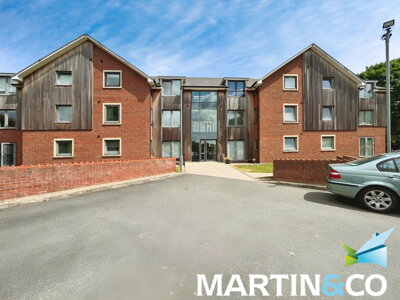
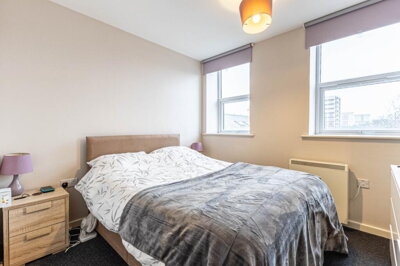
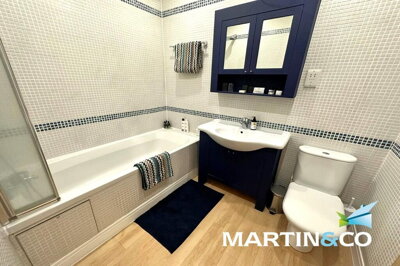
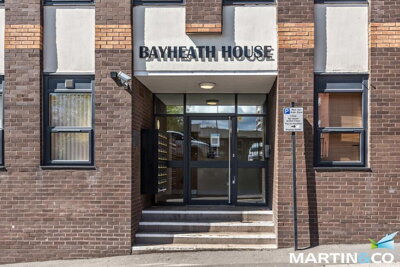
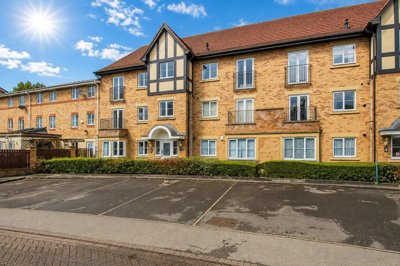
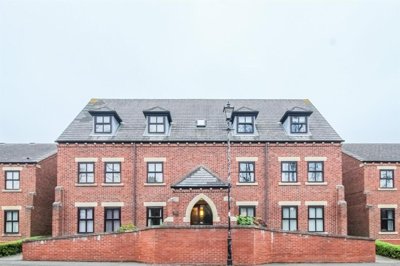
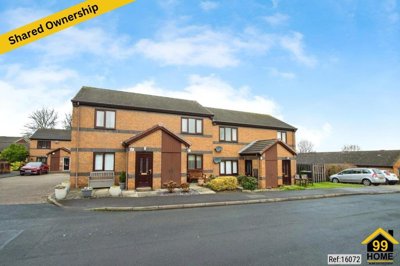
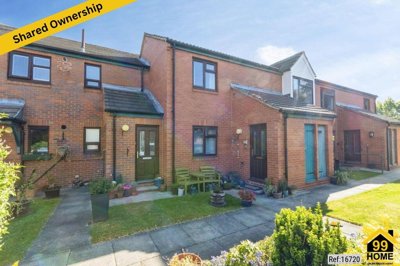
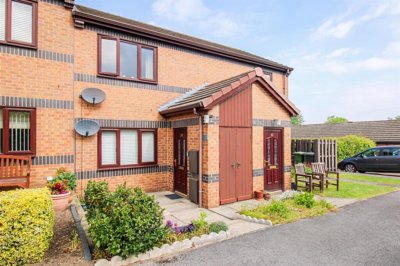
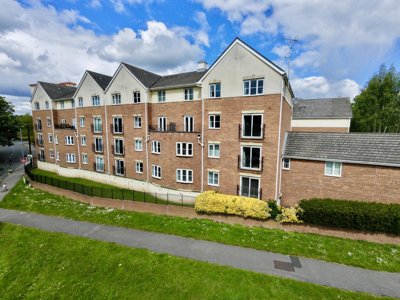
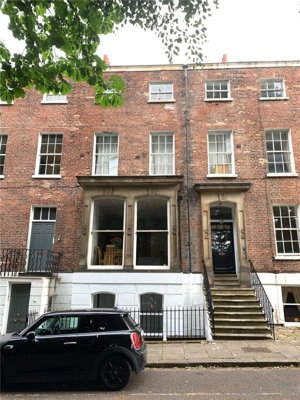
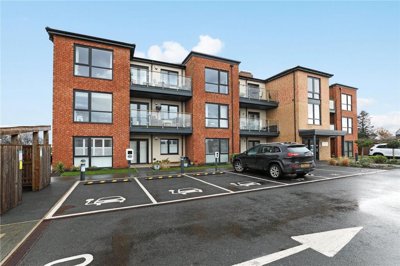
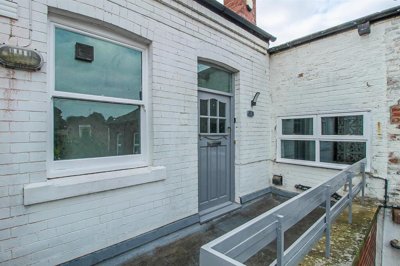
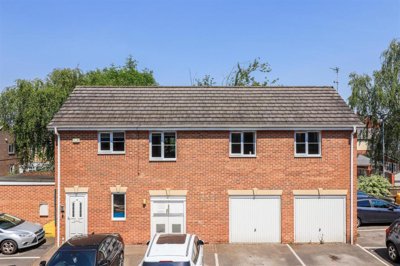
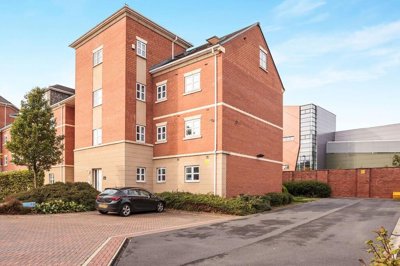
Browse 104 homes for sale in WF1 from local estate agents.
The 2 bed flat sector typically includes two separate bedrooms, dedicated living areas, and bathroom facilities. Properties in WF1 span purpose-built blocks, converted period houses, and modern apartment complexes on various floors.
£99k
15
0
181
Source: home.co.uk
Showing 15 results for 2 Bedroom Flats for sale in WF1. The median asking price is £99,000.
Source: home.co.uk
Flat
15 listings
Avg £106,500
Source: home.co.uk
Source: home.co.uk
Across the last 12 months, the WF1 market has held up better than many expected, even against wider national swings. The average sold price in WF1 reached £252,452 according to home.co.uk listings data, and homedata.co.uk records a comparable figure of £210,631. Historic pricing shows values sitting 3% below the 2021 peak of £229,804, which leaves room for motivated buyers in a market that has corrected modestly but still draws solid interest from local buyers and Leeds commuters.
WF1 offers a broad mix of property, and that mix says a lot about Wakefield's shift from industrial roots to a more varied modern housing stock. Semi-detached homes make up the largest share of sales, with average prices of £253,968 and plenty of appeal for families wanting decent room sizes and gardens. Terraced houses, averaging £192,903, are usually the most attainable way in. Detached homes, at around £417,346, tend to bring more space and higher-spec features, while flats from approximately £95,717 continue to attract first-time buyers and investors looking for rental income close to the city centre.
Sales have kept moving in WF1. Recent data from home.co.uk suggests about 179 properties sold over the past six months, while Propertistics records 143 total sales in WF1 3LQ over the last year. That level of activity points to a market with enough movement and enough choice across different property types. At current prices, the balance between supply and demand still leans towards buyers, especially for homes at or below the local average where competition is not especially fierce.

Wakefield WF1 gives you a very recognisable Yorkshire city feel, lively in the centre, more settled in the surrounding residential pockets. Traditional brick-built homes with tile and slate roofs are common, a reminder of the local builders who shaped these streets over generations. In places such as Sandal, Durkar and Kettlethorpe, tree-lined roads link established communities, while the city centre brings in newer apartments for buyers focused on convenience and travel links. Victorian terraces, Edwardian semis and modern schemes all sit side by side, which keeps the housing stock varied and practical.
Residents in WF1 are generally well served day to day without needing to head off to a bigger city. The Ridings Shopping Centre and Kirkgate Market cover the essentials, and independent cafes, pubs and restaurants are dotted around the historic Bull Ring and the waterfront. For open space, Pugneys Country Park and Thornes Park are the obvious names, with Thornes Park also hosting the annual Wakefield Jazz Festival. Being in West Yorkshire helps, too, with both urban centres and countryside within reach, including the Yorkshire Dales for weekends away.
The cultural offer in WF1 has grown steadily. Theatre Royal Wakefield and a number of gastro pubs pull in visitors from around the region, and The Hepworth Wakefield, in the waterfront district just outside WF1, gives local residents another strong draw for exhibitions and events. At weekends, Kirkgate's markets bring in local produce and artisan goods, backing the independent businesses that help Wakefield feel like more than a standard city centre retail pitch.

For families, education is one of WF1's practical strengths. Primary options include Outwood Grange Primary Academy, which regularly posts strong KS2 results, and St Austin's Catholic Primary School for parents looking for faith-based provision for younger children. More broadly, the primary sector across WF1 includes several schools rated good and outstanding by Ofsted, which gives families a decent spread of local choices before secondary transfer.
At secondary level, WF1 includes well-known options such as St Thomas a Becket Catholic Secondary, a Voluntary Aided school serving families within its catchment area. Wakefield also has sixth form and further education provision, with Wakefield College offering both vocational and academic courses for post-16 students. Buyers focused on grammar school access need to look carefully at catchment areas and admissions criteria, because the selective entrance process can make school planning a key part of choosing a home in WF1.
Higher education is close enough to be useful without being on the doorstep. Regular train services from Wakefield stations make the University of Leeds and University of Sheffield straightforward to reach, which is one reason WF1 appeals to students and academic staff looking for cheaper accommodation than a city centre base. Add in the strength of local schools, and the area works well for households at quite different stages of their educational journey.

Commuters often look at WF1 first because the transport links are so strong. Wakefield Westgate offers fast trains to Leeds in about 25 minutes, and Wakefield Kirkgate adds further services, including routes to York and London King's Cross via Leeds. Leeds Bradford Airport is roughly 20 miles away, giving access to UK and European destinations. That level of connectivity has helped keep demand steady among professionals who want easier pricing than Leeds city centre without giving up a manageable commute.
By road, WF1 is well placed too. The A1(M) is reached via the M1 link roads, opening routes towards Sheffield, Doncaster and the North South corridor. To the north, the M62 links Wakefield with Manchester and Liverpool, which matters for buyers travelling or working further west. On a more local level, Arriva and other operators run bus services connecting WF1 with Ossett, Horbury and Normanton, and improved cycle lanes plus better pedestrian routes are making lower-carbon commuting more realistic.
For flights, Leeds Bradford Airport is usually 35-40 minutes away by car, traffic permitting, and covers destinations across the UK and Europe. Manchester Airport adds a wider set of international connections and can be reached via the M62 in around one hour. Taken together, the rail, road and air options make WF1 a strong base for people travelling within the UK and further afield.

Before you start viewing seriously, we suggest getting a mortgage agreement in principle from a lender. It gives you a firmer sense of budget and shows estate agents that you are ready to proceed. In most cases it takes a few days and involves a basic credit check, so you have a clear ceiling in mind while searching in WF1.
Not every part of WF1 feels the same, so it is worth comparing Sandal, Durkar and city centre locations before narrowing things down. We usually tell buyers to weigh up school catchments, nearby amenities, transport links and the sort of housing on offer, then focus on the streets that fit both lifestyle and commute.
With Homemove, you can search all available properties in WF1, save the ones that stand out and arrange viewings through the listed estate agents. We also recommend seeing a range of homes before offering, because that is often the quickest way to judge what fair value looks like in the current market.
Once an offer is accepted, the next sensible step is to book a RICS Level 2 survey, usually around £400-£800 depending on property size, so any structural issues or defects come to light before completion. Our surveyors inspect the visible and accessible parts of the property and produce a Condition Report highlighting anything that needs attention or more detailed investigation.
After that, appoint a conveyancing solicitor to deal with the legal work, searches and contract papers. Fees for a standard purchase typically start from £499, although the final cost can vary with the property's type and tenure. As part of the process, your solicitor will carry out local authority searches, drainage searches and title register checks before exchange.
From there, it is a matter of finalising the mortgage, paying the deposit and completing the purchase. Your solicitor deals with registration on the official title register, and once the funds have transferred on completion day, you collect the keys from the estate agent and the WF1 home is yours.
WF1's housing stock covers several eras, from Victorian terraces and mid-century semis to modern apartments, and each one brings its own points to check. Older brick-built homes are often solidly constructed, but they can still need work to roofs, original windows and ageing services such as electrics and plumbing. A RICS Level 2 survey generally costs £400-£800 depending on value and size, and for pre-1900 properties that fee can rise by 10-40% because the inspection is more involved. It is money well spent if it flags damp, subsidence or structural movement before you commit.
Tenure matters a great deal in WF1, especially for flat buyers. Lease length, ground rent terms and service charges can all shape ongoing costs and affect how easy the property will be to sell later. Most terraced and semi-detached houses are sold freehold, which is simpler, but we would still check this during conveyancing. Conservation area controls are less common in WF1 than in some nearby villages, though certain streets may still be subject to planning restrictions that limit exterior changes or permitted development rights. Flood risk is another point to cover in the legal searches, particularly near the River Aire and in lower-lying parts.
During viewings in WF1, our surveyors often see recurring issues linked to age and build type. Victorian and Edwardian terraces around the city centre and Sandal can show penetrating damp in solid brick walls, especially where original damp-proof courses have failed or been disturbed. Semi-detached homes from the 1950s and 1960s commonly have concrete tile roofs nearing the end of their serviceable life, and slipped or cracked tiles can allow water in. Pre-war properties also still frequently retain original single-glazed windows, which can mean higher upkeep and a clear opening for energy efficiency upgrades that add value.
In this part of Wakefield, traditional construction usually means brick load-bearing walls and pitched roofs finished in slate or concrete tiles. We pay close attention to the roof coverings during a survey, including whether loft spaces are ventilated well enough to reduce condensation risk. Chimney stacks and flashings are another regular focus because defects there often lead to internal dampness. Where a property has solid brick external walls, we also look carefully for movement or cracking that could point to foundation trouble, although those issues are not unusually widespread in WF1.

Current pricing in WF1 still compares well with nearby Leeds. The average house price is around £252,452 according to home.co.uk listings data, while homedata.co.uk gives £210,631 for recent sales. By property type, detached homes average £417,346, semi-detached properties £253,968, terraced houses about £192,903, and flats start from roughly £95,717. Values are around 3% below the 2021 peak of £229,804, so buyers are finding a market that has softened a little and can offer a more affordable way into ownership in West Yorkshire, especially for first-time buyers.
Council tax in WF1 is charged by Wakefield Council, and the relevant bands run from A to H according to property value. In practice, many terraced houses and smaller flats sit in bands A to C, while semi-detached homes are more often in bands C to D. Larger detached properties may fall into bands E to G. We always suggest confirming the exact band with Wakefield Council during pre-purchase checks, because it feeds into the ongoing annual cost of ownership. Current bands and charges can be checked on the Wakefield Council website or requested through the conveyancing process.
School access shapes plenty of buying decisions in WF1. The area has a number of primary schools rated good or outstanding by Ofsted, including Outwood Grange Primary Academy and St Austin's Catholic Primary, while secondary provision includes St Thomas a Becket Catholic Secondary and post-16 study at Wakefield College. Families should look closely at individual performance data, admissions catchment areas and any faith-based entry rules before choosing where to buy. In Wakefield, primary admissions usually work on a catchment area basis, so checking which schools serve a specific address is essential before committing to a purchase.
Getting around from WF1 is straightforward, and that is a big part of the area's appeal. Wakefield Westgate has 25-minute rail services to Leeds plus regular trains to London, York and Sheffield, while Wakefield Kirkgate provides extra regional routes. Arriva buses connect WF1 with places such as Ossett, Horbury and Normanton, and Leeds Bradford Airport is around 30-40 minutes away by road. For regular commuters and frequent travellers, that dual-station setup gives useful flexibility, with Westgate often the preferred choice for Leeds services and Kirkgate handy for other routes.
As an investment market, WF1 has several steady fundamentals behind it. Rental demand remains firm, helped by Leeds commuters looking for lower housing costs than the city centre, and landlords often find terraced houses and flats the easiest entry points. Typical yields sit around 5-7%, depending on location and property type. The 3% easing from the 2021 peak may also create room for capital growth if the market settles and strengthens. Good access to the M1 and M62, along with wider Leeds City Region investment, supports longer-term demand, with city centre flats often drawing the strongest rental interest and terraced homes in Sandal and Durkar suiting family tenants who want to stay longer.
Stamp Duty Land Tax in WF1 follows the standard SDLT bands. That means 0% on the first £250,000, 5% on £250,001 to £925,000, 10% on £925,001 to £1.5 million, and 12% above that. First-time buyer relief lifts the nil-rate threshold to £425,000, with 5% payable from £425,001 to £625,000. So, for instance, a first-time buyer purchasing a typical WF1 terraced home at £173,282 would pay no stamp duty at all under the current thresholds. Standard buyers paying between £250,000 and £425,000 would only pay SDLT on the part above £250,000.
Survey costs in WF1 are fairly typical for the region, though the final figure depends on the home. A RICS Level 2 survey usually falls between £400 and £800, with a national average of about £445-£455. Homes under £200,000 average £384, while those above £500,000 average £586. Four or five-bedroom properties generally cost more because they take longer to inspect, and homes built before 1900 or with non-standard construction can attract a 10-40% premium. Our RICS-qualified surveyors cover WF1 and wider Wakefield, producing detailed Condition Reports so defects are clear before completion.
At a first viewing, we suggest paying attention to the basics as well as the character details. In older WF1 properties, original windows, doors and fireplaces can add charm but may also need expensive restoration. Check walls and ceilings for damp patches or water staining, especially in ground floor rooms and bathrooms, and make sure the utilities are working as they should. It is also sensible to ask about the boiler, since many need replacement after 10-15 years. A RICS Level 2 survey will give a fuller professional view, but the initial visit is still your chance to spot obvious concerns early.
Buying in WF1 involves more than the agreed purchase price, so it helps to total up the wider costs from the start. Standard SDLT rates are 0% on the first £250,000 and 5% on the portion between £250,001 and £925,000. On that basis, a typical semi-detached home in WF1 priced at £216,462 would attract SDLT of zero under current thresholds, which is one reason this market can look attractive to buyers shopping at that level.
First-time buyers in WF1 get more generous relief, with the nil-rate band raised to £425,000 and 5% charged between £425,001 and £625,000. In practice, that means a first-time buyer can purchase up to £625,000 without paying any SDLT above 5%. Other buying costs still need budgeting for, including RICS Level 2 surveys, usually £400-£800 for WF1 homes, conveyancing from £499 upwards, and title registration fees of about £200-£500 depending on the purchase price. Add removals, mortgage arrangement fees and any renovation budget, and you have a more realistic picture of what moving into a new WF1 home will cost.
Investors buying in WF1 need to account for the extra 3% SDLT surcharge that applies to second homes and buy-to-let purchases across the full purchase price. That changes the numbers materially, so we always advise building it into both your acquisition budget and your projected rental yield calculations. Our team can talk you through the main costs involved in a WF1 purchase, helping you budget accurately before you commit.

Properties for Sale In London

Properties for Sale In Plymouth

Properties for Sale In Liverpool

Properties for Sale In Glasgow

Properties for Sale In Sheffield

Properties for Sale In Edinburgh

Properties for Sale In Coventry

Properties for Sale In Bradford

Properties for Sale In Manchester

Properties for Sale In Birmingham

Properties for Sale In Bristol

Properties for Sale In Oxford

Properties for Sale In Leicester

Properties for Sale In Newcastle

Properties for Sale In Leeds

Properties for Sale In Southampton

Properties for Sale In Cardiff

Properties for Sale In Nottingham

Properties for Sale In Norwich

Properties for Sale In Brighton

Properties for Sale In Derby

Properties for Sale In Portsmouth

Properties for Sale In Northampton

Properties for Sale In Milton Keynes

Properties for Sale In Bournemouth

Properties for Sale In Bolton

Properties for Sale In Swansea

Properties for Sale In Swindon

Properties for Sale In Peterborough

Properties for Sale In Wolverhampton

Enter your details to see if this property is within your budget.
Loans, cards, car finance
Estimated property budget
Borrowing + deposit
You could borrow between
Typical borrowing
Monthly repayment
Est. at 4.5%
Loan-to-value
This is an estimate only. Your actual budget may vary depending on interest rates, credit history, and personal circumstances. For an accurate affordability assessment, speak to one of our free mortgage advisors.
This calculator provides estimates for illustrative purposes only and does not constitute financial advice. Your home may be repossessed if you do not keep up repayments on your mortgage. Estimates based on 4.5% interest rate, repayment mortgage. Actual rates depend on your circumstances.
Homemove is a trading name of HM Haus Group Ltd (Company No. 13873779, registered in England & Wales). Homemove Mortgages Ltd (Company No. 15947693) is an Appointed Representative of TMG Direct Limited, trading as TMG Mortgage Network, which is authorised and regulated by the Financial Conduct Authority (FRN 786245). Homemove Mortgages Ltd is entered on the FCA Register as an Appointed Representative (FRN 1022429). You can check registrations at NewRegister or by calling 0800 111 6768.

We use cookies to show you personalised content and improve your experience of our website. Find out more in our Privacy policy and Cookie policy.