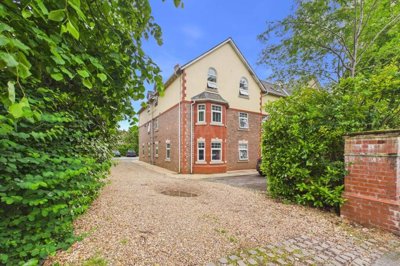
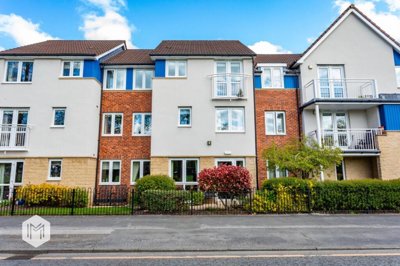
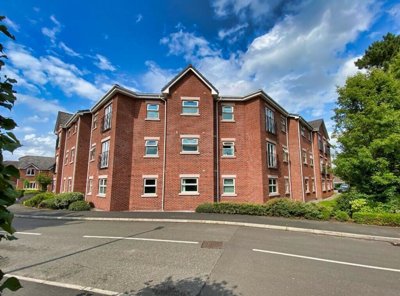
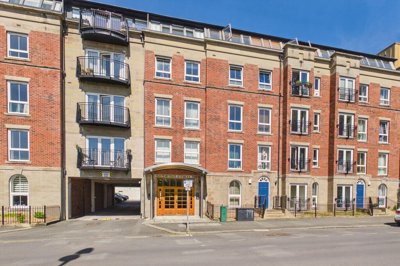
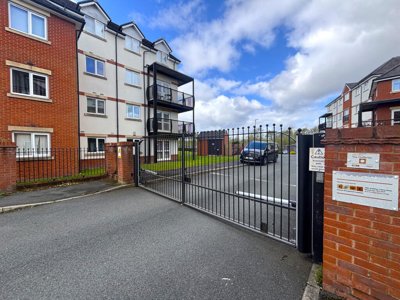
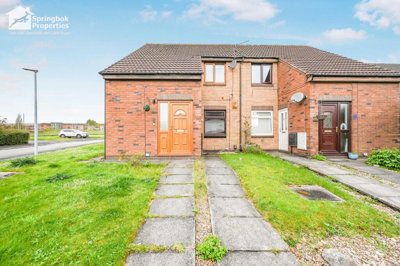
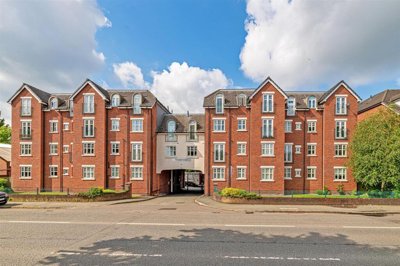
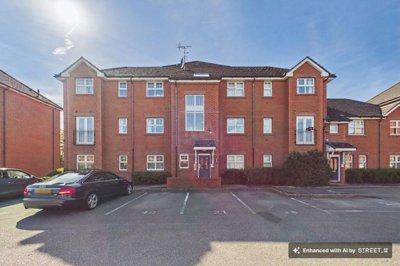
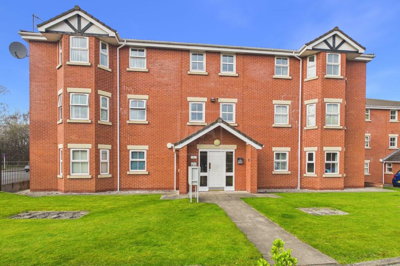
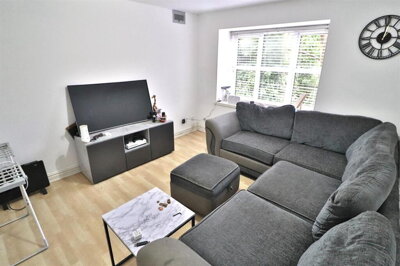
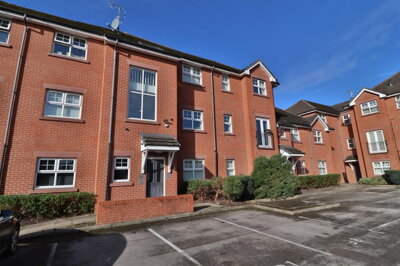
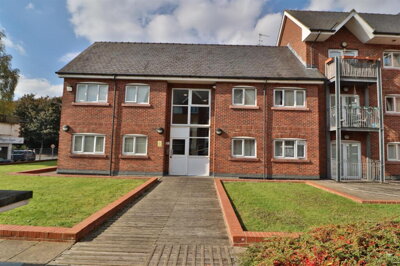
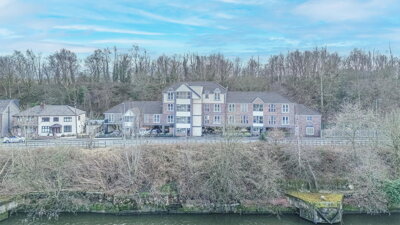
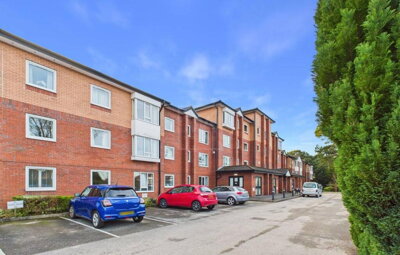
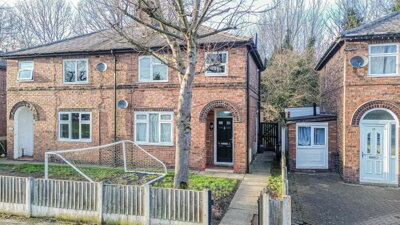
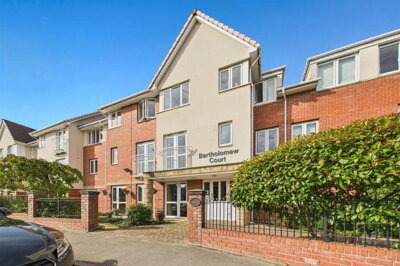
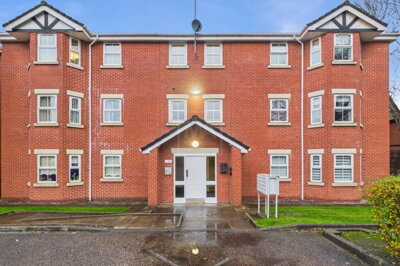
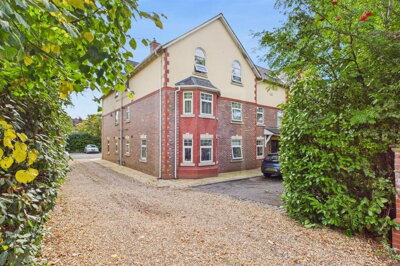
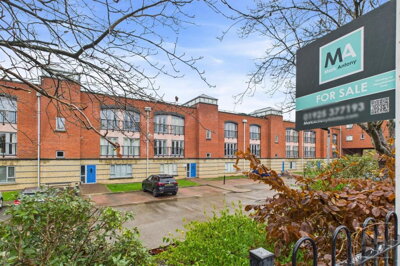
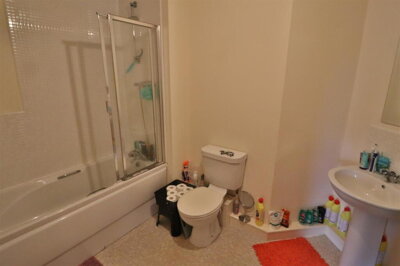
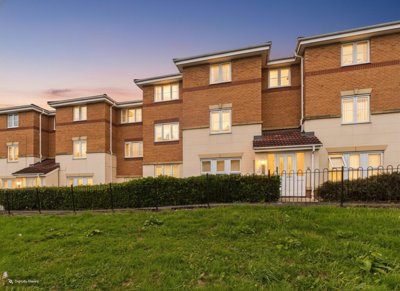
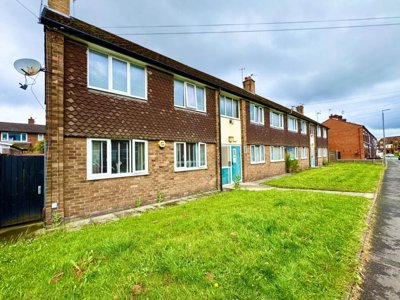
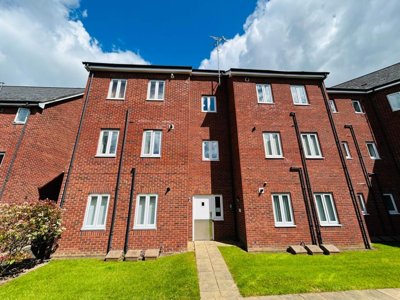
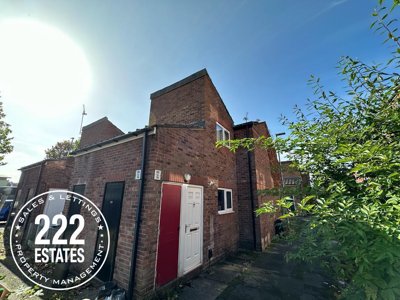
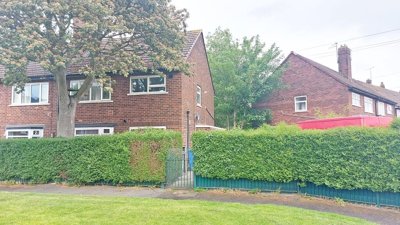
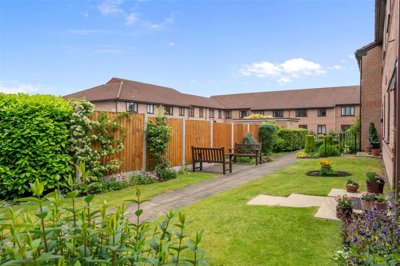
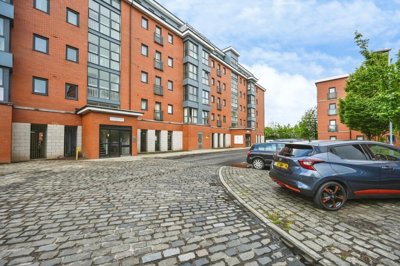
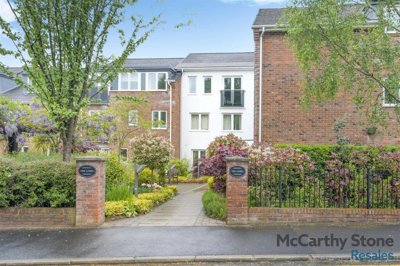
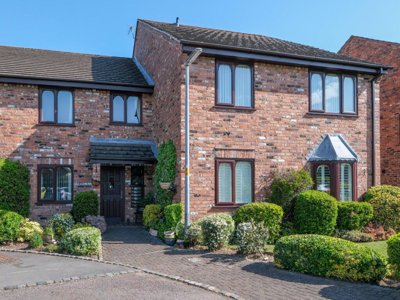
Browse 122 homes for sale in Warrington, England from local estate agents.
One bed apartments provide a separate bedroom alongside distinct living space, bathroom, and kitchen areas. Properties in Warrington are available in various building types including mansion blocks, contemporary developments, and house conversions.
£115k
35
1
123
Source: home.co.uk
Showing 35 results for 1 Bedroom Flats for sale in Warrington, England. 1 new listing added this week. The median asking price is £115,000.
Source: home.co.uk
Flat
35 listings
Avg £122,140
Source: home.co.uk
Source: home.co.uk
Semi-detached homes lead the Warrington market, accounting for 38.6% of stock, with terraced properties at 27.5%, detached houses at 20.3%, and flats, maisonettes, and apartments making up 13%. That spread gives buyers plenty of choice, from first-time purchasers to people after low-maintenance living. Our data puts the average semi-detached price at £309,890, which keeps family homes within reach for many buyers. It also reflects how the town expanded after the war, with a lot of these homes built in the 1950s and 1960s as Warrington's population rose sharply. ---NEXT---
Across most property types, prices have been broadly steady, with only slight corrections of around 1% over the past twelve months. Detached homes have held up best, with a fall of just 0.6%, which points to continued demand for bigger family houses. For buyers who were priced out of Manchester or Liverpool, Warrington still offers a route into a major commuter market. Sellers are not seeing steep value erosion, and buyers do have a little room to haggle.
Bellway's The Pastures in Great Sankey is one of the new build schemes under way, with 3 and 4-bedroom homes priced from £289,995 to £429,995. David Wilson Homes' Chapelford offers similar house types from £269,995 to £409,995, while Barratt Homes' Peel Hall starts from £259,995. These developments bring modern specification and a 10-year NHBC warranty, although they do not always have the period detail that many buyers still go for. ---NEXT---

With a population of 210,011 across 87,510 households, Warrington feels busy without losing its neighbourhood character. Golden Square gives the town centre proper shopping choice, while Stockton Heath and Lymm keep more of a village feel, with independent shops, cafes, and pubs. Walton Gardens and Victoria Park add welcome open space, and the River Mersey gives the town a pleasing backdrop. It is a lively place, but not overwhelming.
Warrington draws a working-age population because the jobs are there, especially in logistics, advanced manufacturing, and professional services. Amazon and Eddie Stobart both have sizeable operations locally, and Birchwood Park is home to a wide mix of businesses serving the wider region. The town's position close to the motorway network keeps Manchester, Liverpool, and Cheshire within easy reach, which suits commuters. Living costs are generally more reasonable than in the neighbouring cities, and the transport links make the property market look good value.
Each part of Warrington has its own feel. Great Sankey and Chapelford suit families who want newer estates, schools, and parks close by. Stockton Heath and Lymm feel a bit more upmarket, with period homes and stronger dining scenes. Birchwood and Westbrook work well for commuters, thanks to the motorway access, while the town centre is better for anyone who likes having amenities on the doorstep.

Families looking at Warrington will find schools at every level, with plenty of primary options across the borough. Many have Ofsted ratings of good or outstanding, which gives younger children a solid start. Areas such as Great Sankey, Stockton Heath, and Lymm are especially sought after, and that often shows in property demand within their catchments. It is worth checking the admission rules for each school, because those boundaries can change which homes are suitable.
Secondary education is well catered for too, with comprehensive schools, faith schools, and grammar schools all part of the mix. Warrington College and the University of Chester's Warrington campus widen the options further, offering routes into vocational and higher education. That range of provision is part of the town's appeal for families at different stages. Homes in catchment areas for stronger secondary schools often attract a premium, so school performance should sit alongside the rest of the search criteria.
Independent education is available as well, with several private schools serving Warrington and the surrounding area. Because Cheshire is so close, some families also look beyond the town itself. We suggest visiting around school pick-up time to get a proper sense of traffic and to speak with parents already using the school run. Our listings include nearby school information, which makes it easier to focus on the catchment you want.

Transport is one of Warrington's biggest strengths. The M6, M62, and M56 all meet near the town, so Manchester, Liverpool, Chester, and the wider national network are all within straightforward reach. Warrington Bank Quay and Warrington Central run regular rail services, with direct trains to Manchester, Liverpool, London Euston, and Birmingham. Bank Quay also sits on the West Coast Main Line, which cuts journey times to the capital quite noticeably.
From Warrington, Manchester is usually a 30-45 minute train journey, while Liverpool is typically around 25 minutes away. Sitting roughly midway between the two cities gives residents real flexibility over where they work. Bank Quay puts London about two hours away, which keeps day trips realistic. For professionals who want access to more than one labour market without paying London prices, that matters a lot.
Warrington's Own Buses covers the borough well, and cycling provision has improved in recent years with dedicated routes linking homes and employment areas. Parking is mixed, though some rail stations offer free spaces, which helps those using more than one mode of travel. Drivers also benefit from motorway access points spread across the borough, so most parts of town are not far from the network. That makes day-to-day commuting fairly straightforward.

Spend time in a few Warrington neighbourhoods before settling on one, because the best fit depends on lifestyle as much as postcode. Schools, transport, shops, and the journey to work all change the picture. A place that looks right on paper can feel different once you are there. We always suggest visiting at different times of day to get a proper feel for the area.
Get a mortgage agreement in principle before you start viewing homes. It strengthens any offer and shows sellers that financing is already in place. Our mortgage comparison tool can help us find competitive rates that suit the Warrington market. ---NEXT---
View a good spread of homes across Warrington, at different prices and in different locations. Look closely at condition, likely maintenance, and how the neighbourhood feels in the morning, afternoon, and evening. Measure up, take photographs, and make notes, because small details are easy to forget once you have seen a few properties.
Once you are close to buying, book a RICS Level 2 Survey so the property's condition is properly assessed. In Warrington, that matters even more because 73% of homes were built before 1980, and older stock can come with damp, roof problems, or subsidence risks linked to clay soils. Our surveyors know the usual local defects and the areas where they tend to show up. ---NEXT---
We would also appoint a solicitor to deal with the legal side of the purchase. They should carry out local authority, environmental, and mining searches where they are relevant. Because Bewsey and Dallam have mining history, a mining search should be requested specifically to check for past coal extraction.
Once the searches come back clean and the finance is confirmed, contracts can be exchanged and the deposit paid. Completion usually follows within weeks, at which point the remaining money is transferred and the keys are handed over.
There are a few Warrington-specific issues that buyers should keep in mind. The local geology includes clay-rich soils that can move as they shrink and swell, which may affect foundations. Any signs of subsidence, such as cracking or sticking doors, deserve proper investigation. A RICS Level 2 Survey is especially useful here, given that over 73% of the housing stock was built before 1980 and older construction methods differ from what we expect now.
Glacial till over Triassic sandstones shapes Warrington's ground conditions, and the clay-rich soils bring a moderate to high shrink-swell risk. As the clay takes in moisture and then dries out, foundations can move, especially after long dry spells followed by heavy rain. Our surveyors look for the usual warning signs, including diagonal cracking, uneven floors, and doors or windows that no longer shut cleanly.
Flooding is another point to check, particularly near the River Mersey and its tributaries, the River Sankey and Padgate Brook. Surface water flooding can also affect parts of the borough during heavy rainfall. Buyers should ask the Environment Agency for flood risk information and think through any insurance implications. In Conservation Areas such as Stockton Heath, Lymm, and parts of the town centre, planning controls may affect extensions or other changes. ---NEXT---
Coal mining history in parts of Warrington, especially Bewsey, Dallam, and parts of Newton-le-Willows, means a mining search should be part of the conveyancing process. That helps identify any risk from old underground workings. Most homes in Warrington are freehold houses, although buyers of flats should look carefully at the lease, service charges, and ground rent. A short lease or high service charge can make a flat expensive to own and harder to mortgage.
Brick is the main construction type across Warrington, and cavity walls are common in homes built after the 1920s. Pre-1919 properties may have solid brick walls, which need different upkeep. Roofs are usually pitched and covered with slate or clay tiles, so our surveyors check those closely. During viewings, we also look for damp marks, the state of rainwater goods, and cracks inside and out.

Based on recent home.co.uk listings data from February 2026, the current average house price in Warrington is £327,876. Detached homes average £557,819, semi-detached properties £309,890, terraced houses around £208,069, and flats £131,272. With the market showing relative stability and only slight price corrections of around 1% over the past twelve months, buyers have some negotiating room. Semi-detached homes still offer the clearest value, with generous space at a much lower price than detached stock. ---NEXT---
Warrington Borough Council sets the council tax bands, and they run from A for the lowest-value properties through to H for the most expensive homes. The Valuation Office Agency website will confirm the band for any individual address. Eligible residents may also receive discounts or exemptions, including single person discounts and help for those with disabilities. Smaller flats and many terraced homes usually sit in bands A to C, while larger detached houses can fall into higher bands.
Good and outstanding schools are available across Warrington at both primary and secondary level. In Great Sankey, Stockton Heath, and Lymm, the most popular primary schools tend to perform strongly in Ofsted inspections. Secondary choices include comprehensive schools and faith schools, each with their own admission rules. Grammar schools also serve the area, and Warrington College plus the University of Chester's Warrington campus cover further education. Parents can check Ofsted and the government schools comparison website to weigh up catchments before they commit to a property.
Two mainline railway stations give Warrington excellent rail access. Warrington Bank Quay links into the West Coast Main Line, with direct trains to London Euston taking around two hours, while Manchester and Liverpool are generally 30-45 minutes and 25 minutes away. Warrington's Own Buses covers the town well, and the M6, M62, and M56 provide strong road links to Manchester, Liverpool, Chester, and the wider region. That level of connectivity is a big reason commuters are drawn here. ---NEXT---
For investors, Warrington has several obvious attractions. Its position between Manchester and Liverpool, backed by strong transport links, keeps demand steady among commuters and professionals. Amazon, Eddie Stobart, and the businesses at Birchwood Park all support local employment, which helps underpin the housing market. Prices have been fairly stable, with room for modest growth, and the rental market is supported by the town's economic activity. Ongoing schemes from Bellway, David Wilson Homes, and Barratt Homes also suggest that confidence in the area remains strong.
Stamp duty land tax rates in England, from 2024-25, apply to Warrington purchases just as they do elsewhere. For standard buyers, there is no stamp duty on properties up to £250,000. The rate is 5% on the portion between £250,001 and £925,000, 10% up to £1.5 million, and 12% above that. First-time buyers get relief on properties up to £425,000, paying 0% on the first £425,000 and 5% on the portion up to £625,000. With the current average price at £327,876, most buyers at the average level would pay no stamp duty, and first-time buyers could still benefit on homes up to £425,000. ---NEXT---
There are a few risks worth checking in Warrington. Flooding can be an issue near the River Mersey and tributaries such as the River Sankey and Padgate Brook, and surface water flooding can affect different parts of the borough. Clay soils can also lead to subsidence or heave when moisture levels change, especially where shrink-swell deposits are present. In Bewsey, Dallam, and parts of Newton-le-Willows, former coal mining can create ground stability concerns, so suitable mining searches are important. Because 73% of homes were built before 1980, older properties may also show damp, ageing electrics, or roof wear, all of which deserve close inspection. A RICS Level 2 Survey from our team can pick these up before you commit.
At viewings in Warrington, we would pay close attention to walls for damp, especially in homes built before 1980. Doors and windows should open and close without sticking, because that can point to subsidence. Check the roof for broken or missing tiles, and look over the rainwater goods too. Inside, ask about the electrics and when the consumer unit was last changed. If the property sits near the River Mersey or its tributaries, ask whether it has flooded before. Our surveyors can provide a detailed RICS Level 2 Survey that covers all of that and more.
Buying in Warrington means budgeting for costs beyond the purchase price. Stamp duty land tax is the main one, although a property at the current average price of £327,876 would mean no stamp duty for most buyers because it sits below the £250,000 threshold. First-time buyers may qualify for relief on homes up to £425,000, which would remove stamp duty entirely on average-priced Warrington homes. That can mean a sizeable saving compared with Manchester or Liverpool, where average prices often go beyond the thresholds. ---NEXT---
There are also solicitor fees for conveyancing, usually between £500 and £1,500, depending on how complex the transaction is and whether the purchase is a freehold house or leasehold flat. Searches will also be needed, including a local authority search with Warrington Borough Council, an environmental search, and possibly a mining search because of the area's history in Bewsey and Dallam. Those searches generally cost between £200 and £400. If a mortgage is involved, lender arrangement fees can range from £0 to £2,000, although many deals come with no fee.
We strongly recommend a RICS Level 2 Survey for Warrington homes, especially since over 73% of the housing stock dates from before 1980. Survey fees usually sit between £400 and £700, depending on the size and value of the property, with larger detached homes at the top end. It is money well spent if it helps spot damp, structural movement, or roof issues that were not obvious at first glance. For leasehold properties, ground rent and service charge commitments also need checking, as they vary widely between developments. Building insurance is required from completion, and many buyers also set aside money for life insurance and contents cover as part of the wider moving budget.

Properties for Sale In London

Properties for Sale In Plymouth

Properties for Sale In Liverpool

Properties for Sale In Glasgow

Properties for Sale In Sheffield

Properties for Sale In Edinburgh

Properties for Sale In Coventry

Properties for Sale In Bradford

Properties for Sale In Manchester

Properties for Sale In Birmingham

Properties for Sale In Bristol

Properties for Sale In Oxford

Properties for Sale In Leicester

Properties for Sale In Newcastle

Properties for Sale In Leeds

Properties for Sale In Southampton

Properties for Sale In Cardiff

Properties for Sale In Nottingham

Properties for Sale In Norwich

Properties for Sale In Brighton

Properties for Sale In Derby

Properties for Sale In Portsmouth

Properties for Sale In Northampton

Properties for Sale In Milton Keynes

Properties for Sale In Bournemouth

Properties for Sale In Bolton

Properties for Sale In Swansea

Properties for Sale In Swindon

Properties for Sale In Peterborough

Properties for Sale In Wolverhampton

Enter your details to see if this property is within your budget.
Loans, cards, car finance
Estimated property budget
Borrowing + deposit
You could borrow between
Typical borrowing
Monthly repayment
Est. at 4.5%
Loan-to-value
This is an estimate only. Your actual budget may vary depending on interest rates, credit history, and personal circumstances. For an accurate affordability assessment, speak to one of our free mortgage advisors.
This calculator provides estimates for illustrative purposes only and does not constitute financial advice. Your home may be repossessed if you do not keep up repayments on your mortgage. Estimates based on 4.5% interest rate, repayment mortgage. Actual rates depend on your circumstances.
Homemove is a trading name of HM Haus Group Ltd (Company No. 13873779, registered in England & Wales). Homemove Mortgages Ltd (Company No. 15947693) is an Appointed Representative of TMG Direct Limited, trading as TMG Mortgage Network, which is authorised and regulated by the Financial Conduct Authority (FRN 786245). Homemove Mortgages Ltd is entered on the FCA Register as an Appointed Representative (FRN 1022429). You can check registrations at NewRegister or by calling 0800 111 6768.

We use cookies to show you personalised content and improve your experience of our website. Find out more in our Privacy policy and Cookie policy.