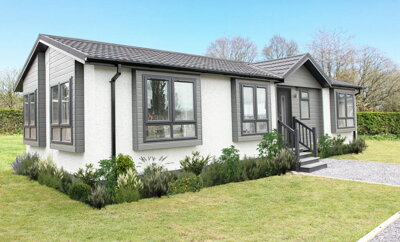
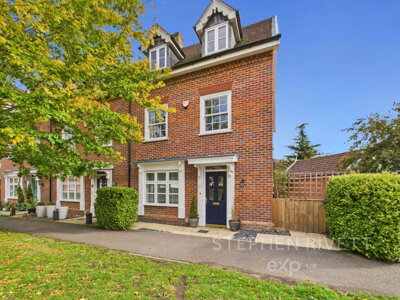
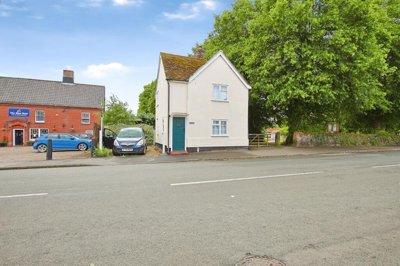
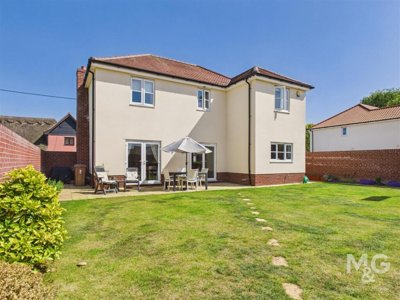
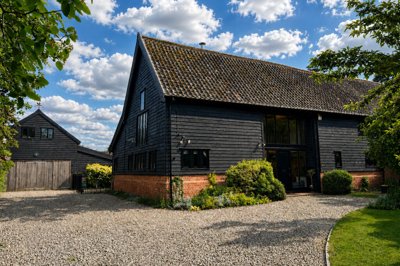
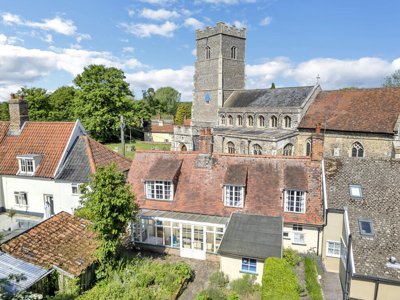
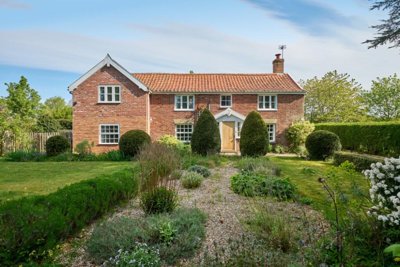
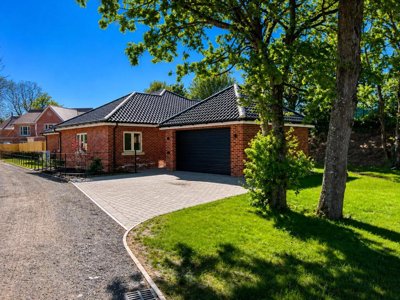
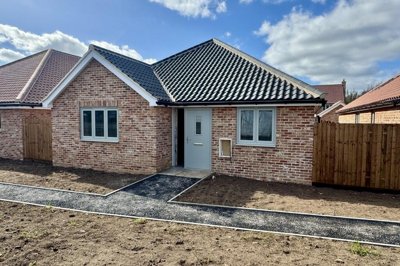
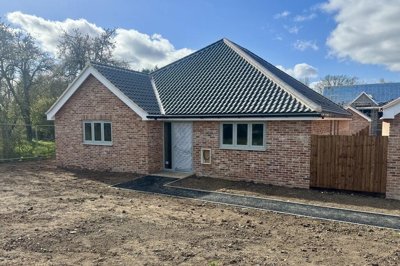
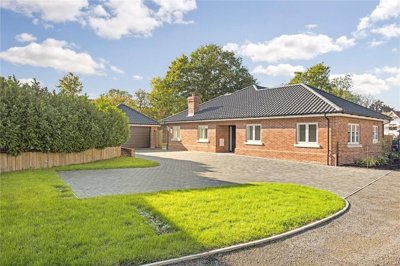
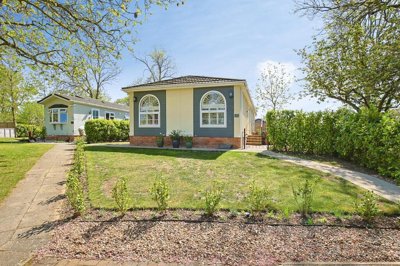
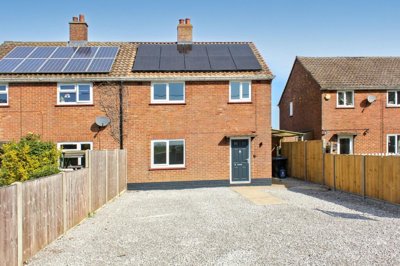
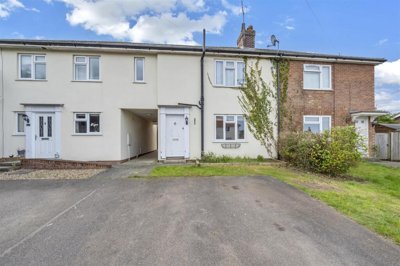
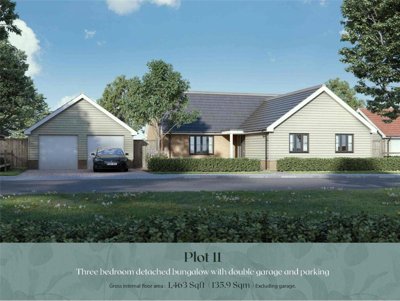
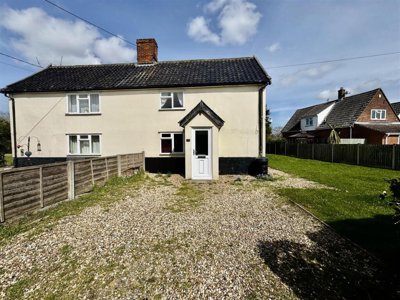
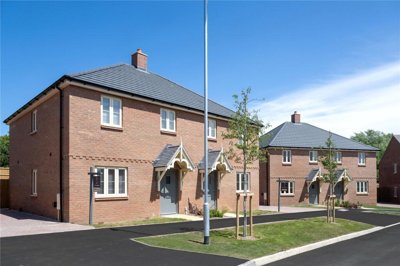
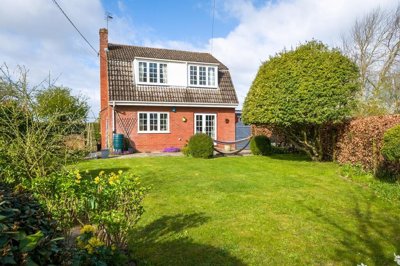
Browse 81 homes for sale in Walsham-le-Willows from local estate agents.
£349,625
Average Price
£491,667
Detached Average
£251,667
Semi-Detached Average
9-43
Properties Sold (12 months)
-3%
Price Change (Year)
Walsham-le-Willows gives our buyers a solid opening into the Suffolk rural property market. Detached homes sit at the top of the market at £491,667, a reflection of the premium for larger family houses with generous gardens in village settings. Semi-detached homes average £251,667, while terraced houses are around £283,500, so there are still lower-cost routes into the area for first-time buyers and growing families who want character without paying detached-house money.
The last year has been a quieter one, with prices down 3% on the previous twelve months and sitting about 14% below the 2018 peak of £407,100. That reset has opened up a better buying backdrop than the boom years. IP31 3AZ tells a different story, with prices 30% higher than a year ago but still 50% below the 2015 peak of £790,000, which shows how much postcode-by-postcode variation still exists. Our pricing pages keep an eye on those shifts so timing is easier to judge.
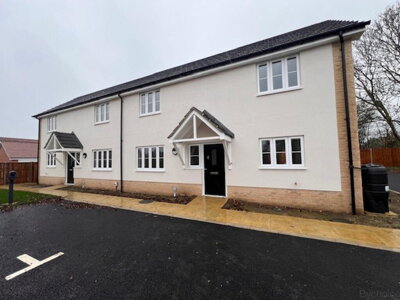
New-build supply inside Walsham-le-Willows is thin on the ground, with no active named developments under construction in the village at the moment. A one-off new home may crop up from time to time, but these are more likely to be individual plots than part of a larger scheme. Anyone set on buying brand new may need to look at nearby Mid Suffolk villages or think about a custom build. That shortage keeps older homes, especially those with history and character, in demand.
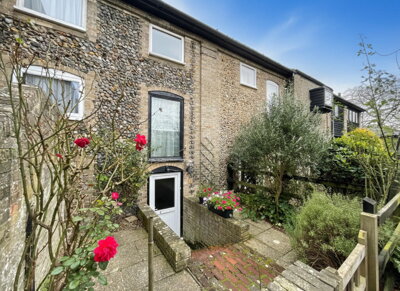
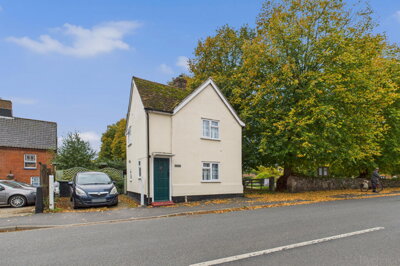
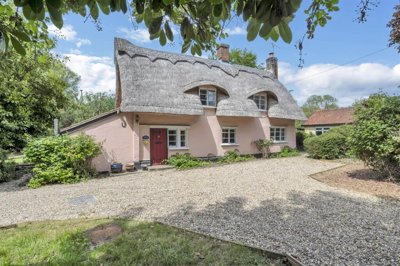
There is a distinctly Suffolk feel to Walsham-le-Willows, and that is part of its appeal. The village has a run of period homes, including several Grade II listed cottages that speak to an agricultural past stretching back centuries. Traditional construction shows up in details such as red-brick floors and timber-framed barns, giving the place a character modern schemes rarely match. Even the name has Saxon roots, with "Willows" referring to the trees that once lined the local watercourses.
Daily life here follows a rural rhythm. Local amenities cover the basics, while larger towns are on hand for shopping, healthcare and entertainment. Beyond the village, the Suffolk countryside opens up into walking routes, cycling paths and plenty of room for outdoor pursuits, which suits families and anyone after a more active pace away from urban congestion. Mid Suffolk's rolling landscape brings long views and a calmer feel, and the calendar is dotted with village fetes and seasonal markets selling local produce and crafts.
Rural Suffolk villages tend to attract a mixed crowd, from long-established families and professionals who work in nearby towns to retirees drawn by the quieter pace and the strength of local ties. The result is a settled community that still makes room for newcomers. Village halls, pubs and community events create regular chances to meet neighbours, while the primary school is a focal point for younger families and the church and village green bring people together across all ages.

For families, the schooling picture is fairly straightforward. Primary education in the village and surrounding settlements usually runs through to age eleven, then children move on to secondary schools in nearby market towns. In rural catchments, transport planning matters, and many parents build school runs into the property search from the start. Walsham-le-Willows Primary School has supported local children for generations, including those from the surrounding countryside.
Across the wider Mid Suffolk area, secondary schools with strong academic records give families a good spread of choices, and many households are prepared to travel each day to find the best fit for a child's learning needs. County high schools in nearby towns offer a broad curriculum and solid facilities, and many pupils go on to further and higher education. For families who place education near the top of the list, being close to larger villages and towns with broader school provision is a real plus. Sixth form places are usually available in nearby market towns too, with A-Level courses and vocational qualifications for older students.
Independent schools are also within reach across Suffolk, with a number of respected preparatory and senior schools within driving distance. Families looking for faith-based education or a different curricular approach will find choices across the region. Suffolk's compact size keeps journey times to good schools reasonable from a village base, especially for households with private transport. Our property search tools also let us narrow listings by school catchment areas and proximity to education settings.
Road access is the main transport story here. Walsham-le-Willows sits within easy reach of the A14 trunk road, the route through Suffolk that links Felixstowe port to the Midlands. From there, Ipswich, Cambridge and the wider motorway network are all accessible, which keeps the village workable for commuters who want country living without cutting off the larger centres. Bury St Edmunds, the nearest major town, is usually under thirty minutes by car, and Cambridge is around one hour away.
Public transport is thinner on the ground than in towns, so for most residents a private car is part of daily life. Bus services do link smaller villages to market towns on fixed timetables, which helps with the odd shopping trip or appointment. For regular travel into major employment centres, the nearest railway stations with frequent services sit in the larger towns, which means a car journey first. Bury St Edmunds, Stowmarket and Diss all give access to London Liverpool Street and Norwich.
Cycling can work well for shorter journeys because the Suffolk countryside is relatively flat, and plenty of residents use bikes for school runs and hops to nearby villages. The quieter lanes are pleasant to ride, though cyclists still need to watch for agricultural vehicles and the odd narrow stretch. For longer trips, the ferry services from Felixstowe and Stansted Airport open up international connections for business and leisure travel. Stansted Airport is about 45 minutes' drive from the village, so overseas travel stays within reach.
Start with the homes on offer in Walsham-le-Willows and the surrounding Mid Suffolk villages, then compare the detached average of £491,667, the semi-detached average of £251,667 and terraced houses around £283,500. The current 3% year-on-year correction gives buyers a bit more breathing room than they had at the peak. A clear budget matters here, and our market pages make it easier to weigh the numbers before taking the next step.
A mortgage agreement in principle should come before the first viewing. It shows sellers and agents that funding is in place. With current average prices around £349,625, most purchases will still need mortgage finance. Our mortgage partners can help compare rates and pick out the strongest deal for the circumstances. Pre-approval also puts a buyer in a stronger position when offers go in on a sought-after home.
A good shortlist needs a proper look in person. From period cottages to modern family homes, we suggest viewing a mix of properties that fit the brief. Older houses in Walsham-le-Willows deserve close attention, especially the condition of traditional features, roof structures and any signs of damp that often affect period stock. Three viewings is the minimum we would want, and it helps to return to the shortlist at different times of day.
A survey should come next. With so many older properties in the village, including Grade II listed buildings, a Level 2 survey is vital for spotting structural issues, outdated electrics and any renovation work that may be needed. Our survey partners understand the particular issues tied to period Suffolk homes and offer competitive rates for the Walsham-le-Willows area.
The legal side is best handled by a solicitor who knows rural property transactions. They will carry out local searches, check title deeds and deal with contract exchange. Our conveyancing partners work at competitive rates in Mid Suffolk and are used to listed building rules and rural property matters.
Once the searches are back and the mortgage offer is confirmed, the solicitor can move to exchange. Completion usually follows within days or weeks, and that is when the keys to a new Walsham-le-Willows home are handed over. On completion day, we recommend a final walkthrough so the property condition can be checked against expectations.
Buying in a rural Suffolk village such as Walsham-le-Willows calls for a few checks that do not always matter in urban markets. Grade II listed properties bring extra duties and restrictions, and anyone buying one needs to understand what that means for historic buildings. Listed status can affect which renovations and alterations are allowed, with planning consent often needed for changes that would be straightforward on an unlisted home. Set aside money for specialist requirements too, including listed building consent fees and possibly higher renovation costs.
Many homes here are old enough that their construction methods and materials differ quite a bit from modern standards. Red-brick floors, timber-framed structures and period plumbing systems all need a careful look. A thorough RICS Level 2 survey is especially useful for older homes, where damp penetration, roof condition, subsidence risk and outdated electrical systems can all crop up. Original features often bring ongoing maintenance costs, and new buyers need to build that into the budget. Our recommended surveyors know traditional Suffolk construction well and can spot issues specific to the area.
Leasehold elements need a closer look too, especially where a period building has been converted into separate homes. Service charges and maintenance fees can add up. Freehold homes with large gardens also mean real upkeep, which matters even more for older buyers or busy professionals. The rural setting means broadband speed, mobile signal and access to utilities should all be checked before a purchase goes ahead. We advise checking with local providers about internet speeds and mobile coverage in the relevant part of the village.

Getting the full cost picture right matters. On top of the purchase price, buyers should allow for Stamp Duty Land Tax, which applies to all freehold and leasehold purchases above certain thresholds. At the village average of £349,625, a standard buyer would pay roughly £4,981 in SDLT, calculated at 5% on the amount above £250,000. First-time buyers purchasing homes up to £425,000 may qualify for relief that cuts this cost down or removes it altogether.
There are a few more costs to add in. Solicitor fees for conveyancing usually sit between £500 and £1,500, depending on the deal and the property type. A RICS Level 2 HomeBuyer Report for homes in the Walsham-le-Willows area generally starts from £350, while more complex or expensive properties can cost more. An Energy Performance Certificate is also required and costs from about £60. Mortgage arrangement fees, valuation fees and broker charges should all be folded into the total budget.
After purchase, the bills keep coming. Council tax is usually paid monthly to Mid Suffolk District Council, and buildings insurance is a must to protect the property. Rural homes can also bring upkeep for gardens, outbuildings and period details that need regular attention. It is sensible to keep a reserve for repairs and improvements, particularly where older homes are involved and problems may not show up at first viewing. A contingency budget of at least 10% of the purchase price is wise for period homes in the village.
Our research puts the average house price in Walsham-le-Willows over the past year at £349,625, while homedata.co.uk reports a slightly higher average sold price of £366,583 for the last twelve months. The picture varies by property type, with detached homes averaging £491,667, semi-detached homes around £251,667 and terraced houses at roughly £283,500. Prices are down 3% on the previous year and stand about 14% below the 2018 market peak of £407,100, so buyers may find a more approachable entry point than they did at the top of the cycle.
Council tax for properties in Walsham-le-Willows falls under Mid Suffolk District Council. Bands run from A through H, and most village homes are likely to sit in B through E because the stock mixes period cottages with modern family houses. The exact band depends on the individual valuation, so buyers should check the council tax band for any home they are considering. Mid Suffolk District Council sets the annual charges, and the current rates can be checked on the council website before a purchase is made.
Education options around Walsham-le-Willows cover children of all ages. The village has a primary school for younger children, and pupils usually move on to secondary schools in nearby market towns such as Bury St Edmunds, which is around twenty minutes away by car. Catchment boundaries and admission policies should be checked with Suffolk County Council, since these can shape which schools an address can access. Several respected independent schools are also within reasonable driving distance across Suffolk.
Transport links reflect the village's rural setting. Bus services run to nearby market towns on scheduled routes, and the A14 trunk road is within reasonable driving distance, linking to larger towns and the national motorway network. The nearest railway stations with regular services to places including London Liverpool Street are in Bury St Edmunds and Stowmarket, and both need a car journey first. Private vehicles do most of the work here, so access to the A14 should be part of the search criteria.
For investors, Walsham-le-Willows has a few clear attractions in the Suffolk rural market. Its position in desirable Mid Suffolk, with average prices below previous peaks, may appeal to long-term buyers looking for value. Period homes and Grade II listed buildings also draw those after character with real historic interest. Limited new-build supply means existing properties face less competition from fresh schemes. Even so, any investment should be judged on the individual case, local rental demand in Bury St Edmunds and the surrounding area, and long-term capital growth expectations.
SDLT is where many buyers can get caught out, so it helps to work through the bands early. Standard buyers pay 0% on the first £250,000 of a home, then 5% on the portion from £250,001 to £925,000. At the village average price of £349,625, that means no SDLT on the first £250,000 and 5% on the remaining £99,625, which comes to £4,981.25. First-time buyers can benefit from relief on homes up to £425,000, paying 0% on the first £425,000 and 5% on amounts between £425,001 and £625,000. Rates and thresholds can change, so the latest figures should be checked at the time of purchase.
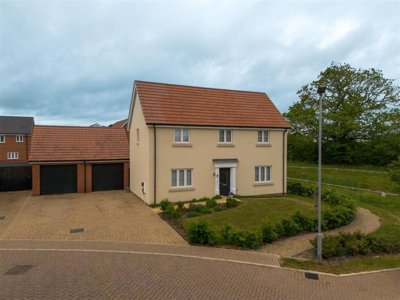
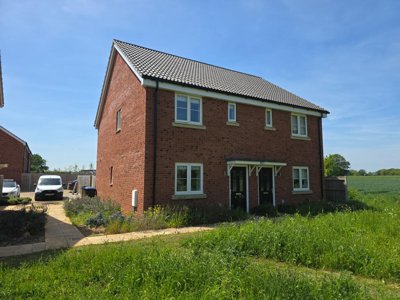
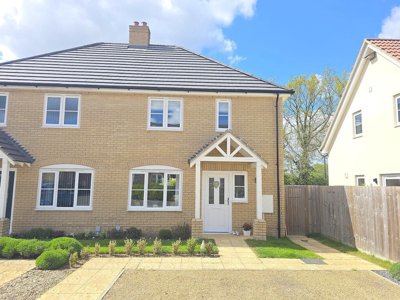
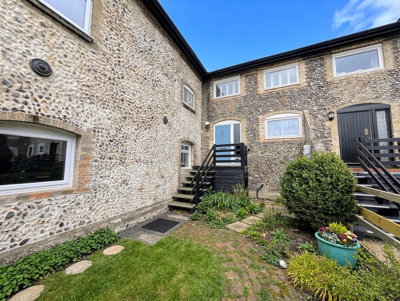
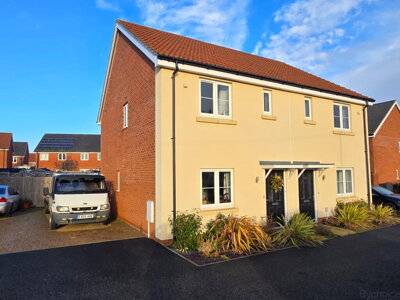
Detached houses make up the largest share of sales in Walsham-le-Willows over the past two years, accounting for 35.71% of all transactions. Four-bedroom detached houses and three-bedroom semi-detached properties dominate the available stock, which suits families after good living space and gardens. The village also has plenty of period homes, including Grade II listed cottages, terraced houses and converted agricultural buildings. Flats are relatively rare, and most of the housing stock is houses rather than apartments, so this is a strong match for buyers who want outdoor space as well.
Listed buildings bring extra planning checks in Walsham-le-Willows. Several Grade II listed homes mean that alterations or extensions may need listed building consent from Mid Suffolk District Council. Anyone looking at a listed property should factor in the extra obligations and possible costs of keeping historic features in good order. The village may also sit within conservation area boundaries, which can place further limits on external changes and visible alterations. Our conveyancing partners can talk through the planning issues attached to any home under consideration, so the obligations are clear before completion.
From 4.5% APR
We work with trusted lenders to secure competitive mortgage rates for Walsham-le-Willows properties
From £499
Our solicitors handle rural property transactions across Mid Suffolk
From £350
Thorough surveys for period properties and listed buildings
From £60
Energy performance certificates for all property types
Properties for Sale In London

Properties for Sale In Plymouth

Properties for Sale In Liverpool

Properties for Sale In Glasgow

Properties for Sale In Sheffield

Properties for Sale In Edinburgh

Properties for Sale In Coventry

Properties for Sale In Bradford

Properties for Sale In Manchester

Properties for Sale In Birmingham

Properties for Sale In Bristol

Properties for Sale In Oxford

Properties for Sale In Leicester

Properties for Sale In Newcastle

Properties for Sale In Leeds

Properties for Sale In Southampton

Properties for Sale In Cardiff

Properties for Sale In Nottingham

Properties for Sale In Norwich

Properties for Sale In Brighton

Properties for Sale In Derby

Properties for Sale In Portsmouth

Properties for Sale In Northampton

Properties for Sale In Milton Keynes

Properties for Sale In Bournemouth

Properties for Sale In Bolton

Properties for Sale In Swansea

Properties for Sale In Swindon

Properties for Sale In Peterborough

Properties for Sale In Wolverhampton

Enter your details to see if this property is within your budget.
Loans, cards, car finance
Estimated property budget
Borrowing + deposit
You could borrow between
Typical borrowing
Monthly repayment
Est. at 4.5%
Loan-to-value
This is an estimate only. Your actual budget may vary depending on interest rates, credit history, and personal circumstances. For an accurate affordability assessment, speak to one of our free mortgage advisors.
This calculator provides estimates for illustrative purposes only and does not constitute financial advice. Your home may be repossessed if you do not keep up repayments on your mortgage. Estimates based on 4.5% interest rate, repayment mortgage. Actual rates depend on your circumstances.
Homemove is a trading name of HM Haus Group Ltd (Company No. 13873779, registered in England & Wales). Homemove Mortgages Ltd (Company No. 15947693) is an Appointed Representative of TMG Direct Limited, trading as TMG Mortgage Network, which is authorised and regulated by the Financial Conduct Authority (FRN 786245). Homemove Mortgages Ltd is entered on the FCA Register as an Appointed Representative (FRN 1022429). You can check registrations at NewRegister or by calling 0800 111 6768.

We use cookies to show you personalised content and improve your experience of our website. Find out more in our Privacy policy and Cookie policy.