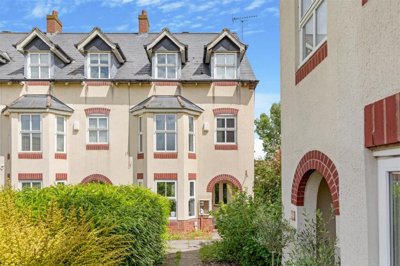
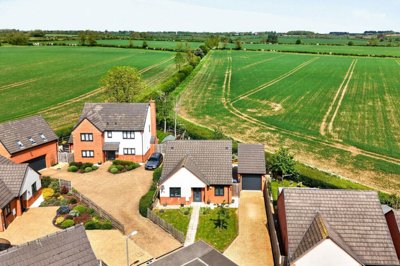
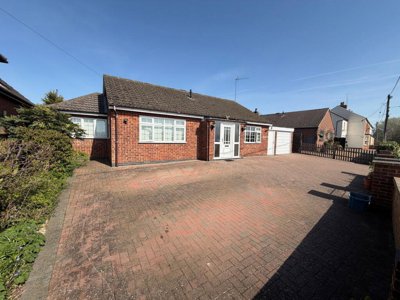
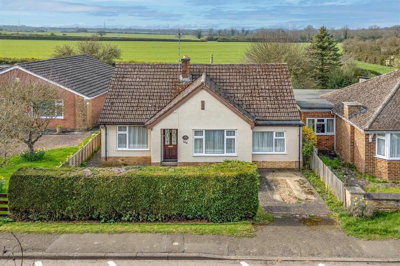
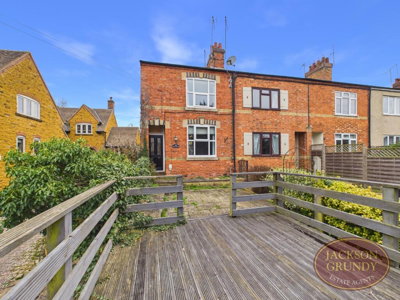
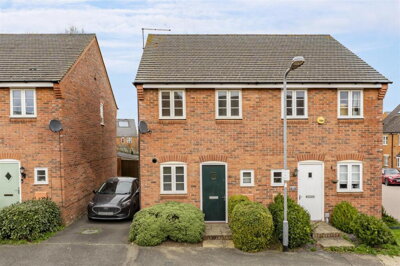
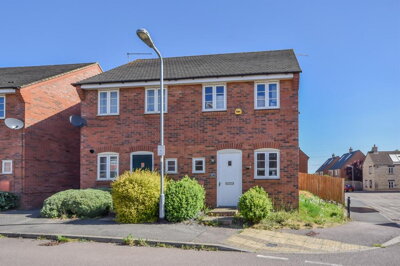
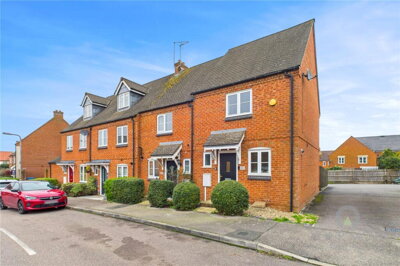
Browse 12 homes for sale in Walgrave, West Northamptonshire from local estate agents.
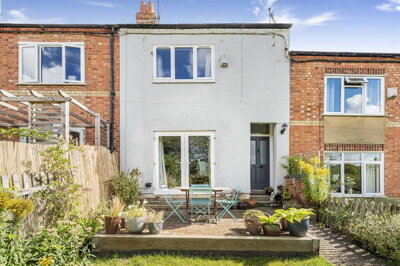
The 2 bed house market features detached, semi-detached, and terraced properties with two separate bedrooms plus living spaces. Properties in Walgrave range from Victorian and Edwardian period homes to modern new builds, with pricing varying across different neighbourhoods.
£240k
1
0
85
Source: home.co.uk
Showing 1 results for 2 Bedroom Houses for sale in Walgrave, West Northamptonshire. The median asking price is £240,000.
Source: home.co.uk
Terraced
1 listings
Avg £240,000
Source: home.co.uk
Source: home.co.uk
Walgrave has seen notable activity in the property market over the past twelve months, with home.co.uk recording sales of 6 detached properties and 2 terraced houses. Detached homes still lead the way, making up approximately 60% of all transactions over the past two years according to homedata.co.uk property data. That tilt towards larger houses suits families and buyers looking for space, gardens and a rural setting. Semi-detached homes average around £310,000, while terraced properties sit closer to £255,000. ---NEXT---
Price movement points to a cooler spell locally, with home.co.uk reporting a 20% decline in sold prices compared with the previous year, while home.co.uk records a sharper 31.7% fall over twelve months. The market appears to have corrected after earlier growth, which may give buyers a bit more room to move. Rectory Farm offers new build choices through barn conversions, with four properties blending modern fittings and rural character. Because new build stock is so limited, many buyers will still look at existing homes, where Victorian and early 1900s properties often hold more appeal than newer alternatives.
To understand Walgrave values properly, it helps to place the village within the wider West Northamptonshire market. Homes here tend to command a premium over similar properties in nearby towns, thanks to village living and the limited amount of stock available. Market data puts the average price at £421,666, though the recent adjustment may create an opening for buyers who have been watching from the side-lines. Detached homes at £566,000 sit at the top end, while terraced and semi-detached properties give buyers more affordable ways into the village. ---NEXT---

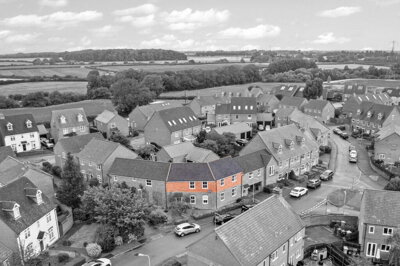
Walgrave has the feel of a classic English village, with its picturesque church acting as the focal point for community life. The village keeps everyday essentials close at hand, including a village shop, a welcoming pub and a primary school for local families. These amenities may be modest, but they cover daily needs within walking distance and help reduce car use. They also give Walgrave the self-contained feel that many rural places lose.
Heritage is plain to see in the architecture, with many homes built from local brick and stone in the traditional Northamptonshire style. The Grade II listed The Old School House is a strong example of the period stock available here, and a reminder that some buyers are not just purchasing a house, but a slice of local history. Around the village, footpaths and trails open out into the countryside and link Walgrave with neighbouring villages and farmland. That mix of character, amenities and landscape is a major draw for buyers after a quieter family home or a change of pace.
Village life in Walgrave comes through in the events people attend and the informal links that grow in a close rural community. New residents are often drawn in through the village pub, which naturally becomes a place to meet, while the village shop creates those regular small interactions that help people settle. The primary school is another anchor, bringing families together from across the village and nearby area. For buyers who want community as well as a good house, Walgrave offers the sort of village experience that larger towns and suburbs rarely manage.
The Northamptonshire countryside around Walgrave adds a lot to day-to-day living. The public footpath network leads out to nearby villages such as Brixworth, known for its Saxon church and village amenities, and Holcot, with its distinctive approach across open farmland. Cyclists enjoy the tougher terrain, which suits more experienced riders, while families benefit from a rural environment that feels safe enough for children to explore with the right supervision. A weekend trip to the Cotswolds or Rutland Water is also easy enough, without a long drive first.

Education in Walgrave is centred on the village primary school, which serves young families and gives the local community a solid educational base. For parents thinking about a move, that means school can be within the village itself, so there is no need for long runs each morning and children can often walk or cycle to lessons. Secondary options across West Northamptonshire add further choice, with several secondary schools and grammar schools reachable by school transport from Walgrave. Families should still check the latest school performance data and catchment boundaries, as both can affect property values and education outcomes.
That primary school matters a great deal to Walgrave's appeal, especially for families who place education high on the list when choosing a home. Sixth form and further education options are available in nearby towns, so older students still have access to a broader pathway without the family needing to move away. The setting also gives children room for outdoor learning, with farmland and open countryside close enough to support environmental work and curriculum enrichment. For households wanting rural charm and decent education access, Walgrave strikes a useful balance.
Parents looking at schools near Walgrave should think about the full spread of age groups within sensible travel distance. Younger children have the convenience of the village school, while secondary pupils may qualify for selective grammar schools in Northampton, depending on entrance exams and catchment requirements. There are also several secondary schools in the wider area with good transport links from Walgrave. Independent schools are available too, with a number of respected private schools within driving distance for families following that route.

Walgrave's position in West Northamptonshire is one of its real strengths, giving access to major roads while keeping the village feel intact. The village is close to the A14, which links to Northampton, Cambridge and the wider motorway network, including the M1 corridor. That makes it attractive to commuters who work in larger towns or cities but want a quieter rural base. Residents still get the benefit of lower traffic and peaceful surroundings, without losing practical transport links.
Bus services connect Walgrave with nearby towns, giving non-drivers a public transport option and offering a lower-impact way to travel. The nearest railway stations sit in surrounding towns, with services onwards to London and Birmingham. Cyclists will find plenty of scenic routes through Northamptonshire, though the hilly ground can be testing for less confident riders. Parking is generally easier too, since most homes provide off-street space, which is a clear advantage over denser urban streets.
Commuting from Walgrave depends on where you are heading and how you travel. By road, Northampton town centre is usually about 20-25 minutes away, while Cambridge can be reached in around an hour, depending on traffic. The A14 also gives direct access to the M1 at its junction, opening routes towards Leicester, Derby and the East Midlands. Rail users can use stations in nearby towns for services to London and Birmingham, although journeys to the capital typically involve a change before joining the wider national network. ---NEXT---

To understand Walgrave property properly, buyers need a feel for the construction methods used here and the maintenance they can bring. Brick is the main building material in the village, shaped by long-standing Northamptonshire building practice. Many Victorian and Edwardian homes use the red brick that defines much of the village, and larger detached houses and period cottages often show decorative brickwork as well.
Local stone also features strongly in Walgrave's older housing, with the Grade II listed The Old School House showing how traditional stone construction appears in the village. Usually sourced from nearby Northamptonshire quarries, that stone gives period homes their distinct look, though it often needs specialist care compared with standard brickwork. Across the village, the mix of brick and stone creates the varied architectural texture that appeals to buyers after genuine heritage character.
Many Walgrave homes were built before modern building rules and standards were introduced. Victorian village cottages from the late 1800s and early 1900s often use traditional methods, including solid brick walls without cavity insulation, original timber frame elements and period construction techniques. Those features are part of the appeal, but they also mean older homes behave differently from newer ones. In these properties, pitched roofs with slate or tile coverings are typical, and sash windows, original fireplaces and decorative plasterwork are commonly found.
The barn conversions at Rectory Farm show how modern construction and traditional rural style can sit together in a way that appeals to many Walgrave buyers. They offer something newer for those who like village living but prefer modern standards. Even so, the limited new build supply means most homes on the market are older and will need sensible maintenance planning and repair budgeting.
Because so many Walgrave homes date from Victorian and early 1900s building periods, buyers should be familiar with the defects often found in period construction. Damp penetration is one of the most common issues in older houses, usually linked to solid wall construction before cavity insulation became standard. Our inspectors regularly come across rising damp, penetrating damp and condensation-related issues in village properties, especially on ground floor rooms and in spaces with poor ventilation.
Roof condition deserves close attention in Walgrave's period homes, where original coverings or early replacements may be nearing the end of their service life. Tiles and slates can become brittle or slip over time, allowing water ingress that may not show up quickly inside. Our surveyors look carefully at roof structures, spotting signs of wear, past repairs and structural concerns that could demand significant spending. Chimney stacks and flashings are especially vulnerable on older houses and often need attention.
Older Walgrave properties frequently need electrical upgrades to meet modern safety standards and the demands of contemporary living. Homes built before the 1960s may still have original wiring that has never been fully replaced, which creates both safety concerns and practical limits for households using lots of electrical devices. A full electrical inspection should be part of the due diligence for any older village home.
Keeping stone and brickwork in good order is an ongoing job for owners of traditional Walgrave properties. Weathering, frost damage and ordinary deterioration can all affect external walls, and decayed pointing is especially common in older homes. Timber parts, such as window frames, door frames and structural elements, may also show rot or wood-boring insect activity that needs a professional eye. Our surveys identify these issues methodically, so buyers can cost in repairs and negotiate with sellers from a stronger position.
Before you commit, spend time in Walgrave at different times of day and on different days of the week so you can get a proper feel for the village atmosphere, traffic and amenities. Visit the village shop, try the local pub and walk the surrounding footpaths to see whether the lifestyle suits your plans. Take in the church and the countryside around it, and think about how the village fits with both your daily routine and longer-term aims.
Contact lenders or use Homemove's mortgage comparison service to secure an agreement in principle before you start viewing. Having your finance confirmed makes offers stronger and shows sellers that the buyer has verified purchasing power. It also makes sense to discuss mortgage needs with advisors who know village property values, because lenders may treat period homes and rural locations a little differently.
Arrange viewings for the properties on your shortlist and take time to look beyond the front door. Check the interior condition and the surrounding neighbourhood, and pay close attention to age, construction materials and any warning signs of maintenance issues, especially where damp or structural concerns may be lurking. Viewings at different times of day can also tell you a lot about light, noise and the village atmosphere.
For homes over 50 years old, which make up a sizeable part of Walgrave's housing stock, a Level 2 survey gives valuable insight into condition and potential defects. With so many Victorian and early 1900s properties in the village, a professional survey helps identify damp, roofing, electrics and structural issues before purchase. Our team can arrange surveys suited to period village homes, with surveyors who know the common construction types found in the Walgrave area.
Once an offer has been accepted, instruct a solicitor with experience in rural property transactions to deal with the legal side. Conveyancing for village homes can involve extra searches linked to rights of way, agricultural land or conservation area restrictions, so specialist attention matters. Our conveyancing partners understand the particular requirements of village transactions in Northamptonshire.
Work closely with your solicitor and mortgage provider so that every condition is satisfied before exchange of contracts. Village transactions can involve extra liaison with local authorities or specialist surveys for listed buildings, so it helps to allow enough time in the schedule. Historic property deals can also take longer than expected, and everyone involved should be clear about the completion timeline.
Prospective buyers should pay close attention to the age and construction of Walgrave homes, given the village's sizeable stock of Victorian and early 1900s properties. Houses built before 1919 often need more upkeep than modern equivalents, with damp penetration, outdated electrics and roof deterioration among the issues that may not be obvious at first viewing. A thorough RICS Level 2 survey is especially useful here, since it gives expert insight into these common problems and supports price negotiation if remedial work is needed.
Grade II listed homes in Walgrave come with specific duties and restrictions for buyers. Listed building consent may be needed for alterations, renovations or even some repairs, which can add cost and complexity to future plans. Buyers should check the listing status of any period property and understand what that means before going ahead. Conservation area restrictions may also apply within the village, limiting permitted development rights and affecting how a property can be changed. Our team can guide buyers through these points and put them in touch with specialists who understand historic property transactions.
When viewing properties in Walgrave, it pays to notice things that do not always show up in standard searches but can matter every day. Off-street parking is important in a village setting, as are garden size and orientation for daylight. Boundaries, including walls and fences, are sometimes overlooked during viewings, yet they can bring real maintenance costs. Access to public footpaths and bridleways may matter for privacy and security, while being near the village centre is a major convenience for some buyers.

Average sold prices in Walgrave have ranged between £385,000 and £421,666 over the past twelve months, depending on the source. Detached homes average about £566,000, semi-detached properties around £310,000, and terraced houses £255,000. The market has softened recently, with home.co.uk reporting a 20% decline and home.co.uk indicating a 31.7% fall in sold prices over the past year. Those price shifts may open the door for buyers with a longer view who value Walgrave's village lifestyle and strong community character. ---NEXT---
Walgrave sits within West Northamptonshire Council, and properties are usually placed in bands C through E depending on value. Most period village homes with average values around £385,000-£421,666 fall into band D or E, although the exact band depends on the Valuation Office Agency assessment for each property. Buyers should check individual homes against the VOA database to confirm the banding, since that affects annual running costs and should be built into household budgets. Council tax in West Northamptonshire helps fund services such as education, highways and waste collection. ---NEXT---
Walgrave has a village primary school serving the local community, giving children the chance to be educated within the village itself and sparing families long school runs. Several primary and secondary schools across West Northamptonshire add further choice, and selective grammar schools in Northampton are available to pupils who pass the entrance exam. Parents should check individual school Ofsted ratings and look carefully at catchment boundaries when choosing a property, as both can affect access to education and property values. Secondary and grammar options in nearby Northampton provide a full route for families with older children.
Bus services link Walgrave with nearby towns and villages, giving people a public transport option for everyday travel and occasional trips. The village's position near the A14 brings road links to Northampton and the wider motorway network, including straightforward access to the M1 for longer journeys. Nearby railway stations in surrounding towns provide rail services to destinations such as London and Birmingham. For commuters heading to Cambridge or other East Anglian places, the A14 gives direct access without needing to drive on the motorway from the village.
Walgrave's appeal as a village with character homes, community facilities and commuter access points towards stable long-term values. Limited new build supply and the strong presence of period property keep demand going from buyers who want rural character and a village atmosphere. Recent price adjustments of 20-31% may create buying opportunities for those with a longer investment horizon who value the lifestyle on offer. The wider West Northamptonshire area continues to attract people from larger towns and cities looking for village living, which supports underlying demand for Walgrave homes.
Standard stamp duty starts at 0% for properties up to £250,000, then rises to 5% on the portion between £250,001 and £925,000. For first-time buyers, the nil-rate threshold extends to £425,000, with 5% applying between £425,001 and £625,000. Homes above £925,000 face higher rates, including 10% on the portion between £925,001 and £1.5 million and 12% above that. With Walgrave prices around £385,000-£421,666, most purchases will fall into the 5% bracket, leaving stamp duty of about £6,750-£8,583 for a typical village property at those levels. ---NEXT---
No specific flood risk data for Walgrave was identified in the available research, although the village's rural setting near farmland and watercourses means buyers should still order the right environmental searches before they buy. Surface water flooding and watercourse-related risk should be considered alongside the normal property surveys for any Walgrave home. We recommend a full environmental search as part of conveyancing so any flood considerations tied to a particular property are picked up early. Northamptonshire geology generally provides reasonable drainage, although site conditions do vary across the village.
Walgrave includes Grade II listed buildings, such as The Old School House, and these carry legal requirements for alterations and maintenance under the Planning Listed Buildings and Conservation Areas Act. Listed building consent may be needed for work such as extensions, window replacements and even some repairs, and approval can take longer than a standard planning application. Buyers should allow for specialist survey costs and possibly higher renovation budgets when looking at period homes. Our team can connect buyers with specialists who know historic property transactions in Northamptonshire.
Typical defects in Walgrave's Victorian and early 1900s homes include damp penetration through solid walls, roof deterioration affecting tiles and flashings, outdated electrical wiring that predates modern safety standards, and stone or brickwork decay on external walls. Timber parts such as window frames and structural elements may also show rot or wood-boring insect activity. A RICS Level 2 survey gives a detailed assessment of these issues, identifying problems that may not be obvious during a standard viewing and supporting informed decisions with sensible price negotiation where defects are found.
Competitive mortgage rates for Walgrave properties
From 4.5%
Fixed-fee legal services for property transactions
From £499
Essential survey for period village properties
From £350
Energy performance certificate for Walgrave homes
From £85
Working out the full cost of buying in Walgrave means looking beyond the purchase price, with stamp duty land tax representing a major expense for many buyers. At current rates, properties priced between £250,001 and £925,000 pay 5% stamp duty on the amount above £250,000, so a £400,000 property would attract £7,500 in stamp duty. First-time buyers get higher thresholds, paying nothing on properties up to £425,000 and 5% on the portion between £425,001 and £625,000. With Walgrave prices around £385,000-£421,666, most buyers should expect stamp duty in the £6,750-£8,583 range. ---NEXT---
Other purchase costs include solicitor fees, usually £500 to £2,000 depending on how complex the transaction is, survey costs of £350-£800 for a standard RICS Level 2 report, and mortgage arrangement fees that vary by lender but often sit between £0 and £2,000. Search fees, Land Registry registration costs and removal expenses complete the usual buying bill. For village homes, especially listed buildings, buyers should budget for extra specialist surveys and possibly higher legal fees because of the extra checks involved. Homemove's partner services can offer fixed-fee conveyancing and competitive survey pricing to help buyers budget properly for a Walgrave purchase. ---NEXT---
Total buying costs for a typical Walgrave property at £385,000 could come to roughly £10,000-£15,000 on top of the purchase price, once stamp duty, legal fees, surveys, searches and registration costs are included. Mortgage arrangement fees, if they apply, and removal costs should also be added, and those can vary a lot depending on distance and how much needs moving. For period homes that need renovation, buyers should also allow for surveys, specialist reports and any planning fees, alongside the purchase price and standard buying costs.

Properties for Sale In London

Properties for Sale In Plymouth

Properties for Sale In Liverpool

Properties for Sale In Glasgow

Properties for Sale In Sheffield

Properties for Sale In Edinburgh

Properties for Sale In Coventry

Properties for Sale In Bradford

Properties for Sale In Manchester

Properties for Sale In Birmingham

Properties for Sale In Bristol

Properties for Sale In Oxford

Properties for Sale In Leicester

Properties for Sale In Newcastle

Properties for Sale In Leeds

Properties for Sale In Southampton

Properties for Sale In Cardiff

Properties for Sale In Nottingham

Properties for Sale In Norwich

Properties for Sale In Brighton

Properties for Sale In Derby

Properties for Sale In Portsmouth

Properties for Sale In Northampton

Properties for Sale In Milton Keynes

Properties for Sale In Bournemouth

Properties for Sale In Bolton

Properties for Sale In Swansea

Properties for Sale In Swindon

Properties for Sale In Peterborough

Properties for Sale In Wolverhampton

Enter your details to see if this property is within your budget.
Loans, cards, car finance
Estimated property budget
Borrowing + deposit
You could borrow between
Typical borrowing
Monthly repayment
Est. at 4.5%
Loan-to-value
This is an estimate only. Your actual budget may vary depending on interest rates, credit history, and personal circumstances. For an accurate affordability assessment, speak to one of our free mortgage advisors.
This calculator provides estimates for illustrative purposes only and does not constitute financial advice. Your home may be repossessed if you do not keep up repayments on your mortgage. Estimates based on 4.5% interest rate, repayment mortgage. Actual rates depend on your circumstances.
Homemove is a trading name of HM Haus Group Ltd (Company No. 13873779, registered in England & Wales). Homemove Mortgages Ltd (Company No. 15947693) is an Appointed Representative of TMG Direct Limited, trading as TMG Mortgage Network, which is authorised and regulated by the Financial Conduct Authority (FRN 786245). Homemove Mortgages Ltd is entered on the FCA Register as an Appointed Representative (FRN 1022429). You can check registrations at NewRegister or by calling 0800 111 6768.

We use cookies to show you personalised content and improve your experience of our website. Find out more in our Privacy policy and Cookie policy.