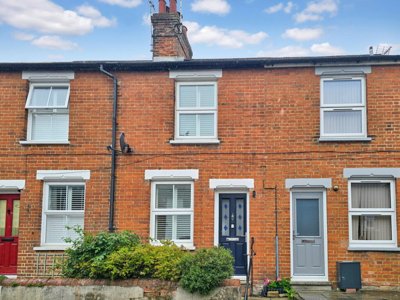
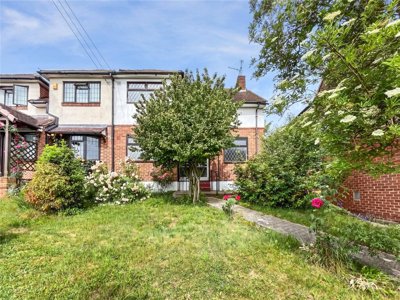
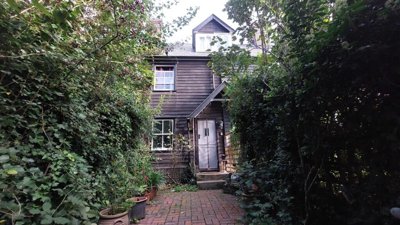
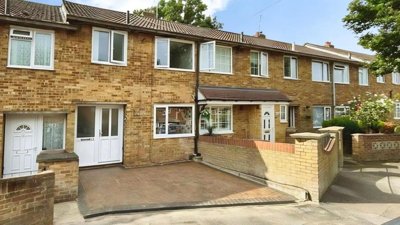
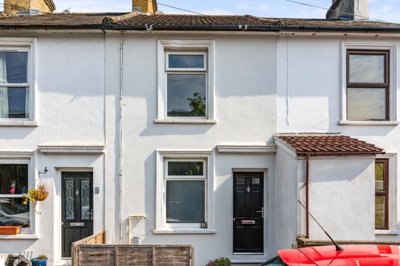
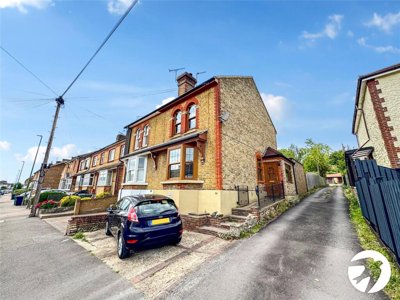
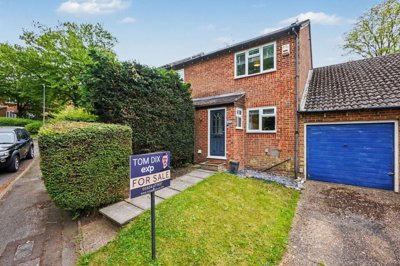
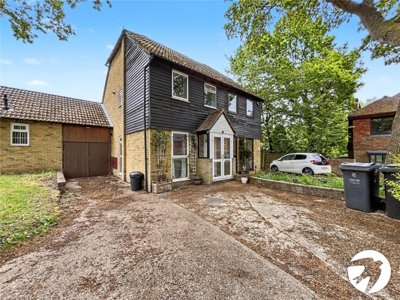
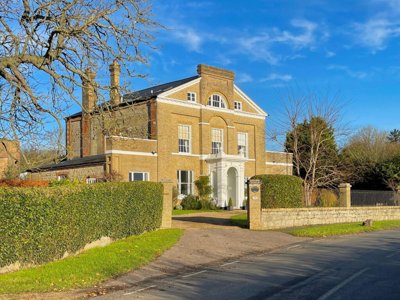
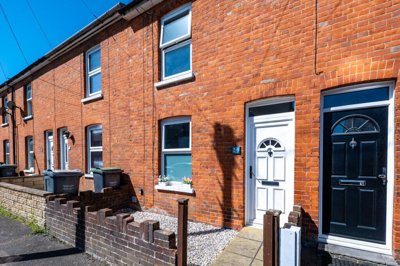
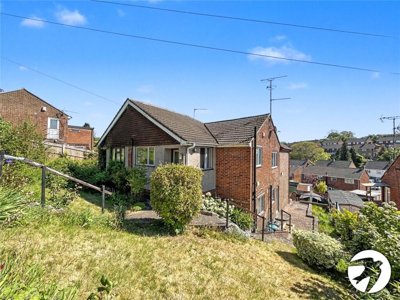
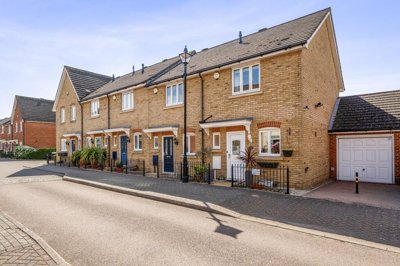
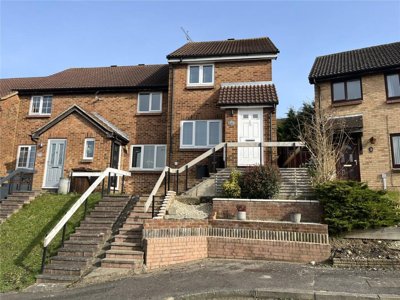
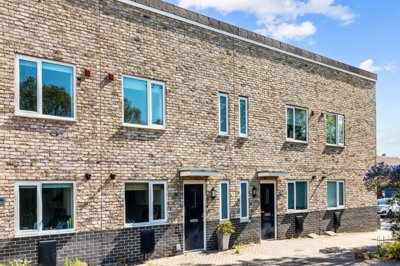
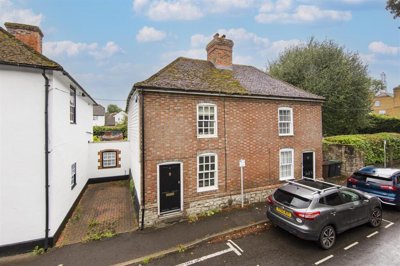
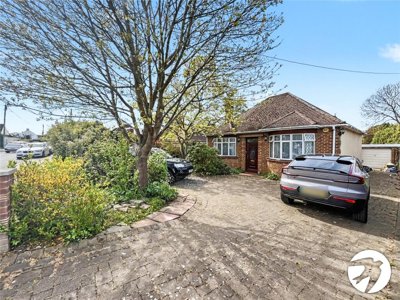
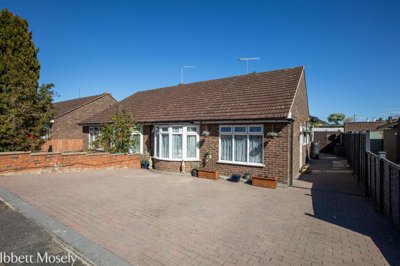
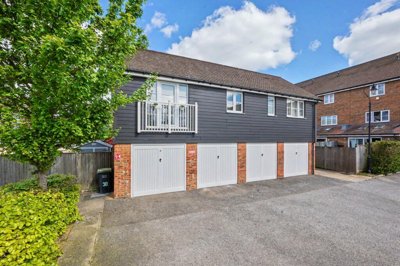
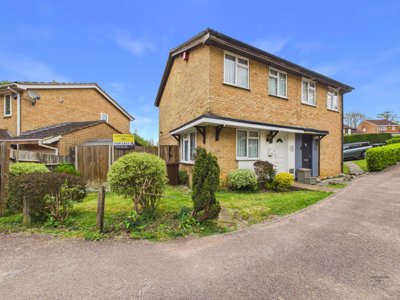
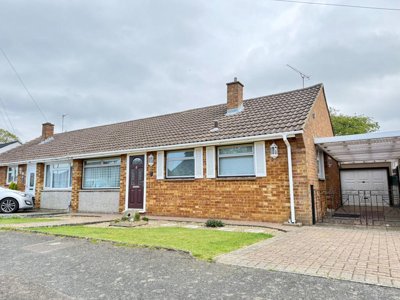
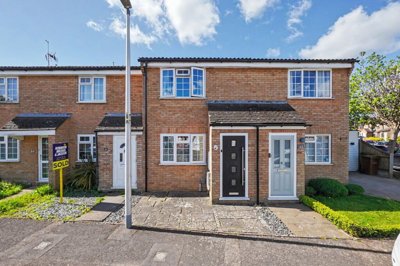
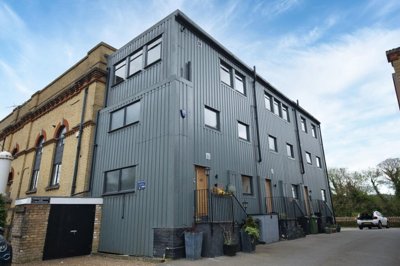
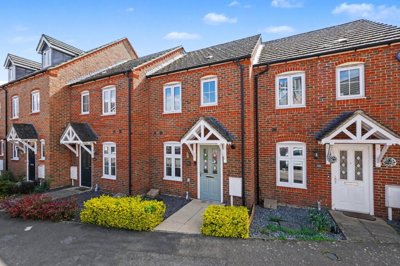
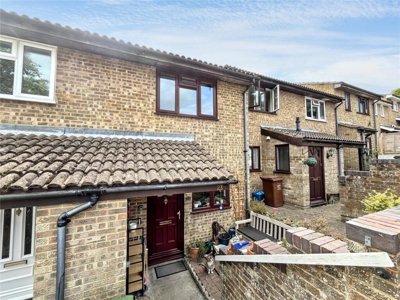
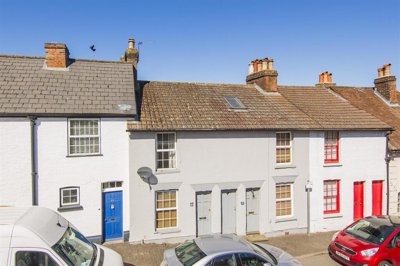
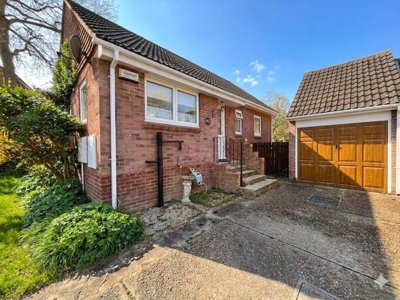
Browse 556 homes for sale in Tonbridge and Malling, Kent from local estate agents.
The 2 bed house market features detached, semi-detached, and terraced properties with two separate bedrooms plus living spaces. Properties in Tonbridge And Malling range from Victorian and Edwardian period homes to modern new builds, with pricing varying across different neighbourhoods.
£325k
100
9
97
Source: home.co.uk
Showing 100 results for 2 Bedroom Houses for sale in Tonbridge and Malling, Kent. 9 new listings added this week. The median asking price is £325,000.
Source: home.co.uk
Terraced
63 listings
Avg £316,142
Semi-Detached
31 listings
Avg £368,065
Detached
6 listings
Avg £387,500
Source: home.co.uk
Source: home.co.uk
Tonbridge and Malling’s housing market is strikingly varied. Detached properties average £708,129, semi-detached homes sit at £431,987, terraced houses at £361,164, and flats come in at £245,671. That spread opens the door to buyers at very different price points, from a first flat to an executive detached house. The stock is mainly detached (35%) and semi-detached (33.1%), with terraced homes at 17.5% and flats making up 14% of the market. It gives the borough a broad mix, and that matters for everyone from first-time purchasers to families wanting more room.
New build supply is still coming through, and there are some well-known schemes on the map. Somerhill Green in Tonbridge (Barratt Homes) has 2 to 5 bedroom homes from £399,995 to £829,995, Wateringbury Park by Bellway offers 2 to 5 bedroom properties from £379,995 to £779,995, and The View in Kings Hill, from David Wilson Homes, has 3 and 4 bedroom homes priced between £499,995 and £699,995. Different buyers are being served here, whether the brief is a first step onto the ladder or a move up to a bigger family home. New builds usually cost more than similar older houses, but they bring modern construction, energy efficiency, and builder warranties.
Over the last year, values have kept edging up. Detached homes led the way at 1.64%, then terraced properties at 1.48%, flats at 1.34%, and semi-detached houses at 1.03%. That kind of movement suggests a market with steady demand rather than sharp swings. It also helps explain why 1,407 property sales were recorded in the past twelve months, a level of activity that keeps the local market moving. Analysts still expect modest growth, with commuters from London and local buyers both supporting demand.
Looking to the future, Tonbridge and Malling should continue to benefit from transport upgrades and from buyers who want better value than central London can offer. Housing targets from central government could bring more homes forward in the years ahead, so supply may rise in some pockets. Even so, countryside surroundings, good schools, and strong links into the capital are likely to keep quality homes in demand across the borough.

Tonbridge and Malling manages to mix rural appeal with everyday convenience, and it is home to around 132,048 residents in roughly 54,000 households. The borough includes Tonbridge itself, plus places such as West Malling, known for its abbey ruins and farmers market, Wateringbury with its riverside feel, and the newer settlement of Kings Hill. That combination of old and new gives the area a varied social and residential mix. Over recent decades the population has risen steadily as more people have been drawn by space, connections, and a strong sense of community.
The area’s identity is tied closely to Kentish building tradition, especially the use of local ragstone. Many houses are built from it, often alongside red brick and tile hanging, which gives Victorian and Edwardian streets their recognisable look. Those methods have lasted well, too. Properties dating from pre-1919 account for 15.6%, and another 14.5% were built between 1919 and 1945, so there is a substantial historic housing base. Put together with newer schemes, the result is a patchwork of streets that feels distinctly local.
Tonbridge town centre carries most of the borough’s shopping, dining, and leisure provision, so day-to-day life is straightforward for many residents. Green space is another strong point, from the grounds around Tonbridge Castle to the wider Kent countryside that wraps around the built-up areas. There are theatres, historic sites, and community events as well, all of which help build local identity. Kings Hill also plays a big part as a business park, supporting jobs and local spending. Major employers include public sector bodies, healthcare providers, schools and colleges, plus a wide network of small and medium-sized enterprises across different sectors.
Out in the countryside, the farming tradition is still easy to see. Orchards and fields give the borough much of the Kentish character that residents value. West Malling and other villages host farmers markets with local produce, while footpaths and bridleways provide plenty of options for walking and cycling. Community life has plenty going on too, with sports clubs, local societies, and regular events bringing people together. Rural surroundings, cultural activity, and jobs nearby make Tonbridge and Malling a strong fit for all sorts of households.

For families, education is a major reason to look here. The borough has a strong spread of primary and secondary schools, covering both state and independent sectors. That reputation pulls in a good deal of buyer interest, especially from parents who want solid schooling and a commute into London that remains manageable. Many see Tonbridge and Malling as a practical middle ground, with strong education options and none of the price pressure seen in London or in some nearby counties. Schools across the area tend to perform well in national rankings, so it stays high on the list for households with children of school age.
Housing age tells its own story. 38% of homes were built between 1945 and 1980, a further 31.9% were built post-1980, and 30.1% date from older periods. Much of that reflects mid-twentieth-century expansion, when the borough saw a wave of family housebuilding. For movers, that means established neighbourhoods, well-set schools, and homes that are often within walking distance of key amenities, depending on the price bracket. Having a range of property types near good schools certainly makes the balancing act easier.
On the secondary front, Tonbridge Grammar School and Weald of Kent Grammar School are two of the standout selective options, drawing pupils from across the borough and beyond. Hillview School for Girls and Trinity School are among the non-selective schools serving the local community, with strong academic and extracurricular provision. Several schools have a reputation for academic results and good pastoral care, which is part of the reason the borough is so popular with families. Sixth form colleges and further education provision are available within or close to the area, giving students continuity after GCSEs. Catchment areas matter, though, so parents should check admissions carefully before making plans.
At primary level, there is no shortage of schools with good or outstanding Ofsted ratings. Cage Green Primary School, Long Mead Community Primary School, and Woodlands Primary School are among the names many local families know well. Some parents choose to rent first after moving to the area, just to settle in and secure school places before buying. It can be a sensible approach, since it gives time to get to know the education landscape and avoid rushing into a major purchase before finding the right fit.

Many commuters are drawn here by the rail links, which put London within easy reach. Tonbridge station runs regular services to London Bridge and Cannon Street, usually in around 35-40 minutes, so travelling into the capital is very workable for many people. That access broadens job options while letting residents keep the benefits of Kent, including more space, better value for money, and countryside on the doorstep. At peak times, services are frequent, with extra trains in weekday mornings and evenings to meet commuter demand.
Road links are just as useful. The M20 and M25 give access to the wider motorway network, while the M20 heads towards Dover and Folkestone and the M25 links to Heathrow Airport, Gatwick Airport, and beyond. For those who drive to work, parking is usually easier than in London, with most homes having off-street space. Local travel is helped by bus routes run by Arriva and other operators, which connect the borough’s towns and villages. For day-to-day journeys, it is perfectly practical to manage without a car.
Cycling is another realistic option in the borough, thanks to quieter lanes and dedicated routes. Around the Kent countryside there are plenty of traffic-free paths and signed cycleways, so leisure rides are well catered for too. Some routes link villages with Tonbridge town centre and Kings Hill business park, which is helpful for people commuting locally on two wheels. For longer trips, Gatwick Airport, reached via the M25 and rail links through Redhill or London, opens up wider travel, while Ashford International offers Eurostar services into continental Europe. By car, Gatwick is about 40 minutes away.
Because Tonbridge and Malling sits where it does, residents can choose from several different ways of getting to work. Some go by train into London, others drive to regional centres, and plenty work locally, from home or at Kings Hill business park. The borough’s infrastructure suits those different patterns well. Planned improvements to digital connectivity across Kent are also making flexible working easier, so the daily commute does not have to be as frequent for everyone. For professionals, that mix of links and lifestyle is a strong draw.

Before any viewings, we recommend getting a mortgage agreement in principle from a lender. It shows estate agents and sellers that you are serious, and it gives a clearer picture of your budget in a market where detached homes average £708,129 and flats start from around £245,671. Pre-approval can also help when a property ticks the right boxes, since homes in popular spots may attract more than one offer.
Take time to look beyond one street or one postcode. Tonbridge town centre, West Malling, Wateringbury, and Kings Hill each have a different feel, and the same goes for commute times, school catchment areas, local amenities, and property types. Older neighbourhoods tend to have Victorian terraces, Kings Hill has more modern developments, and period homes are spread through conservation areas. A visit at different times of day, and even on different days of the week, can tell you a lot about traffic, noise, and how the place feels after hours.
Local estate agents can help us line up viewings that match the brief. With over 1,400 listings in circulation, it is worth taking notes and photos as you go, because the details blur together fast. We always look closely at condition, especially in older homes where damp, roof defects, or outdated electrics may show up. Staging can hide a lot, so the real test is what is behind the furniture. Ask about any work that has been carried out, and about issues that have cropped up during ownership.
For anything built before 1980, which is 68.1% of the local stock, a RICS Level 2 Survey is a sensible next step before you commit. In Tonbridge and Malling, a 3-bedroom semi-detached property usually costs £450-£650 to survey, while a 4-bedroom detached house tends to be £600-£850. That report can flag structural concerns, including possible subsidence linked to local clay soils. Gault Clay is present in parts of the borough, so homes with large nearby trees, or visible cracking, deserve extra attention.
A conveyancing solicitor then takes care of the legal side of the purchase. Searches will be carried out on the property, and they will check planning restrictions, flood risk, especially near the River Medway, and any conservation area requirements that might affect future plans. Searches from Tonbridge and Malling Borough Council and Kent County Council reveal local plans, highway matters, and environmental information. The solicitor also manages the contract, keeps in touch with the mortgage lender, and handles transfer of the funds right through to completion.
Once surveys, searches, and negotiations are all done, the solicitor arranges contract signing and works with the mortgage lender on the release of funds. On completion day, the keys are handed over and the new Tonbridge and Malling home is yours. It is worth leaving time for last-minute checks that morning and getting removal arrangements sorted well ahead of time, especially if moving in school holidays or at month-end when removal firms are often busiest.
Buyers should keep a few borough-specific issues in mind, as they can affect both value and future maintenance. Parts of Tonbridge and Malling sit on Gault Clay, which carries a moderate to high shrink-swell risk because moisture changes can affect foundations. Where trees are close to the house, or the plot is on clay soil, a proper structural survey matters. Folkestone Beds and Hythe Beds, including ragstone and chert, appear in other areas, so the ground conditions can change a lot over short distances. Knowing what sits beneath the property helps with judging the chance of movement and related defects.
Flooding is another point to check carefully, especially near the River Medway and its tributaries. The river valley through Tonbridge town centre and nearby areas has a history of flooding, with some significant events in previous years causing damage in vulnerable spots. Buyers should look at Environment Agency flood maps and ask about the flood history of the specific property. Surface water flooding can also happen across the borough in heavy rain, particularly where drainage in built-up areas is stretched. Insurance costs may be higher, and some lenders may be more cautious, so it pays to check early. Flood resilience measures, if present, are worth noting.
Conservation areas are common here, including parts of Tonbridge, West Malling, and Wateringbury, and they come with tighter planning controls to protect their character. Anyone thinking about extensions or renovations to a period house should read up on those limits before buying. The borough also has a notable number of listed buildings, which may need specialist surveys and compliance with heritage guidance for any works. That can add cost and complication, though it also protects the distinct character and value of the local stock. Asbestos is another issue in properties built before 2000, so renovation plans may need specialist assessment and removal procedures.
It is wise to inspect for damp carefully. Older properties across the borough, especially those with solid walls or no damp-proof course, can be prone to it. Roofs deserve close attention too, since slipped tiles, damaged flashing, and general wear are common in houses with ageing coverings. Homes built before the 1980s may also have electrics and plumbing that fall short of modern standards, and bringing them up to date can be costly. Those potential works should be part of the purchase budget, with the survey used to separate urgent jobs from the ones that can wait.

Recent market data from home.co.uk puts the average house price in Tonbridge and Malling at £458,582. By type, detached homes average £708,129, semi-detached properties £431,987, terraced houses £361,164, and flats £245,671. The market has risen by 1.39% over the past twelve months, which points to steady demand across the borough. That range means there is room for different budgets, from flats that suit first-time purchasers to substantial family houses in the more sought-after spots.
Tonbridge and Malling Borough Council is responsible for council tax rates, which are set each year. The bands run from A to H, based on property valuation, and most homes in the borough sit within bands A through F. The band makes a noticeable difference to running costs, because band A homes pay considerably less than band F or higher. It is worth checking the exact band for any property using the Valuation Office Agency’s online tool or by speaking directly with Tonbridge and Malling Borough Council, since that figure will feed into budget planning.
The borough has a strong school offer, led by Tonbridge Grammar School and Weald of Kent Grammar School at secondary level, both selective schools that admit pupils on academic grounds. Hillview School for Girls and Trinity School are other well-regarded options, with broad academic programmes and a wide range of extracurricular activities. At primary level, schools such as Cage Green Primary School and Woodlands Primary School have good or outstanding Ofsted ratings. Families are drawn to the area for that reason, so it is sensible to check catchment areas carefully before buying, especially where admissions are competitive.
Excellent transport links are one of the borough’s big advantages, and London commuting is perfectly realistic from here. Tonbridge station has regular services to London Bridge in around 35-40 minutes, as well as trains to Cannon Street and other central destinations. Arriva and other operators run bus routes through the towns and villages, which helps with local travel. On the road network, the M20 and M25 connect the borough to London, the Channel ports, Gatwick Airport, and Heathrow Airport. That blend of rail and road links suits commuters, but it also means everyday travel does not have to depend on a car.
As a place to buy, Tonbridge and Malling has a lot going for it. It lies roughly 35 miles from London, has strong rail access through Tonbridge station, and offers lifestyle benefits that many buyers want, especially good schools and attractive countryside. Prices have grown by 1.39% over the past twelve months, and 1,407 sales in the last year show that the market is active and liquid. New schemes such as Somerhill Green, Wateringbury Park, and The View in Kings Hill also point to continued investment in housing and infrastructure. Still, every purchase is different, so it is sensible to think through your own circumstances and investment horizon, and to seek independent financial advice if needed.
For a standard purchase in England, Stamp Duty Land Tax (SDLT) is charged at 0% on the first £250,000, 5% from £250,001 to £925,000, 10% from £925,001 to £1.5 million, and 12% above £1.5 million. First-time buyers get relief on the first £425,000 at 0%, with 5% charged between £425,001 and £625,000. With the average property price at £458,582, a first-time buyer buying an average home would pay no stamp duty, while a standard buyer would pay about £10,429. For the exact figure, use the HMRC online calculator or speak to your solicitor.
From 4.5%
Expert mortgage advice and competitive rates for Tonbridge and Malling buyers
From £499
Local solicitors handling your property legal work
From £450
Professional property survey with local expertise
From £80
Energy performance certificate for your new home
Budgeting properly means looking beyond the asking price. Buyers in Tonbridge and Malling also need to allow for Stamp Duty Land Tax (SDLT), solicitor fees, survey costs, and moving expenses. At the borough average of £458,582, a standard buyer would face SDLT of roughly £10,429, while first-time buyers with relief would pay nothing on the first £425,000. Land Registry fees and, where relevant, mortgage arrangement fees should also be included.
Survey costs are money well spent, particularly in a borough where 68.1% of homes were built before 1980. A RICS Level 2 Survey usually costs £450 to £650 for a standard 3-bedroom semi-detached property and £600 to £850 for a larger 4-bedroom detached home. These reports can uncover issues common to the local stock, such as damp in older houses, roof defects, and possible subsidence linked to local clay soils. In comparison with the overall property value, the fee is modest, and it can save a great deal by flagging problems before exchange. For listed buildings, or homes in poor condition, a more detailed RICS Level 3 Building Survey may be the better option, even though it costs more.
Conveyancing fees usually begin at around £499 for straightforward transactions, though leasehold purchases, new builds, and homes in conservation areas can cost more. There will also be searches through Tonbridge and Malling Borough Council and Kent County Council, covering flooding, planning history, and other local authority matters. Those searches generally come to between £200 and £400, depending on how much is needed and whether extra enquiries are raised. Moving costs, including removals and any temporary storage, should be built into the budget as well. Getting a mortgage agreement in principle before starting the search is strongly recommended, because it keeps the focus on homes that are genuinely affordable and helps avoid disappointment.

Properties for Sale In London

Properties for Sale In Plymouth

Properties for Sale In Liverpool

Properties for Sale In Glasgow

Properties for Sale In Sheffield

Properties for Sale In Edinburgh

Properties for Sale In Coventry

Properties for Sale In Bradford

Properties for Sale In Manchester

Properties for Sale In Birmingham

Properties for Sale In Bristol

Properties for Sale In Oxford

Properties for Sale In Leicester

Properties for Sale In Newcastle

Properties for Sale In Leeds

Properties for Sale In Southampton

Properties for Sale In Cardiff

Properties for Sale In Nottingham

Properties for Sale In Norwich

Properties for Sale In Brighton

Properties for Sale In Derby

Properties for Sale In Portsmouth

Properties for Sale In Northampton

Properties for Sale In Milton Keynes

Properties for Sale In Bournemouth

Properties for Sale In Bolton

Properties for Sale In Swansea

Properties for Sale In Swindon

Properties for Sale In Peterborough

Properties for Sale In Wolverhampton

Enter your details to see if this property is within your budget.
Loans, cards, car finance
Estimated property budget
Borrowing + deposit
You could borrow between
Typical borrowing
Monthly repayment
Est. at 4.5%
Loan-to-value
This is an estimate only. Your actual budget may vary depending on interest rates, credit history, and personal circumstances. For an accurate affordability assessment, speak to one of our free mortgage advisors.
This calculator provides estimates for illustrative purposes only and does not constitute financial advice. Your home may be repossessed if you do not keep up repayments on your mortgage. Estimates based on 4.5% interest rate, repayment mortgage. Actual rates depend on your circumstances.
Homemove is a trading name of HM Haus Group Ltd (Company No. 13873779, registered in England & Wales). Homemove Mortgages Ltd (Company No. 15947693) is an Appointed Representative of TMG Direct Limited, trading as TMG Mortgage Network, which is authorised and regulated by the Financial Conduct Authority (FRN 786245). Homemove Mortgages Ltd is entered on the FCA Register as an Appointed Representative (FRN 1022429). You can check registrations at NewRegister or by calling 0800 111 6768.

We use cookies to show you personalised content and improve your experience of our website. Find out more in our Privacy policy and Cookie policy.