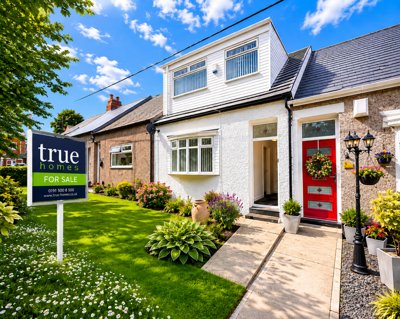
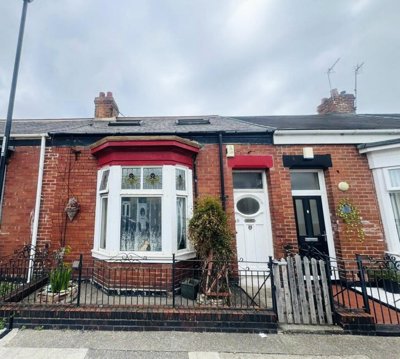
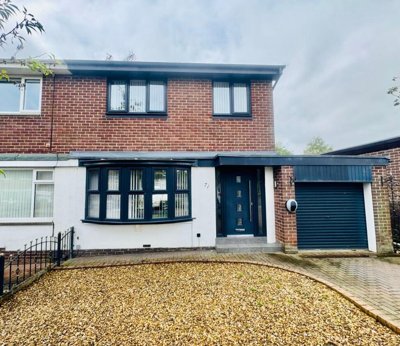
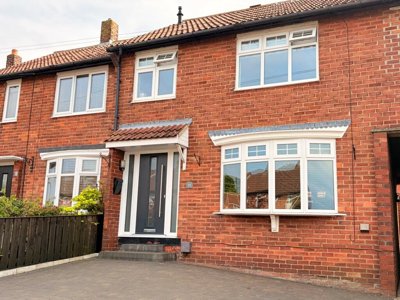
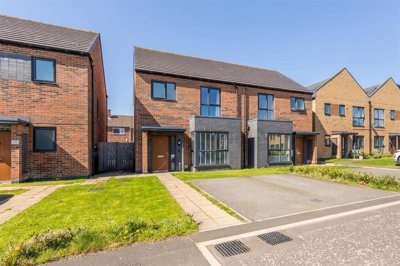
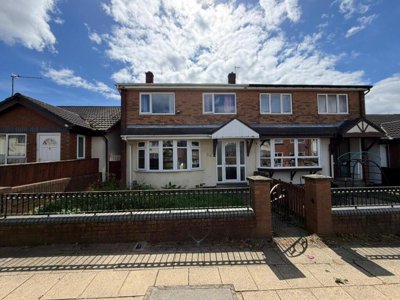
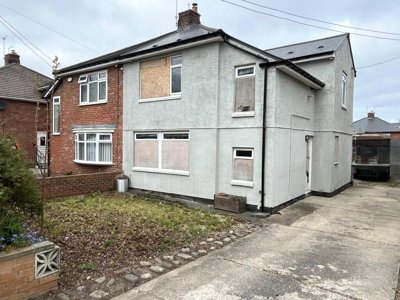
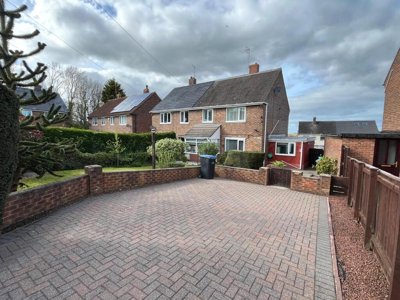
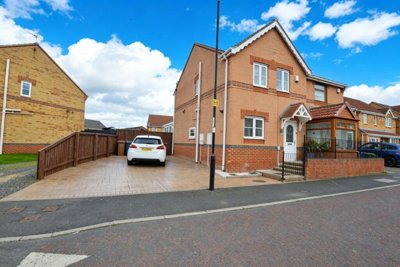
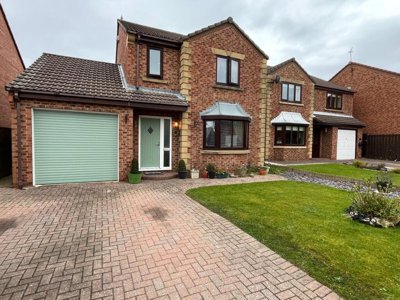
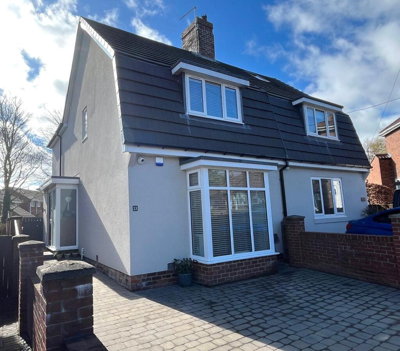
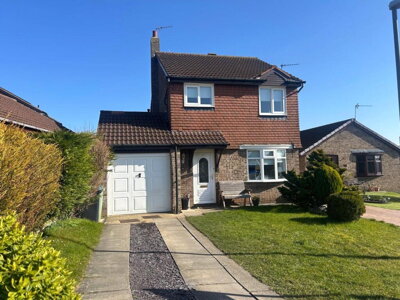
Browse 1,297 homes for sale in Sunderland, North East from local estate agents.
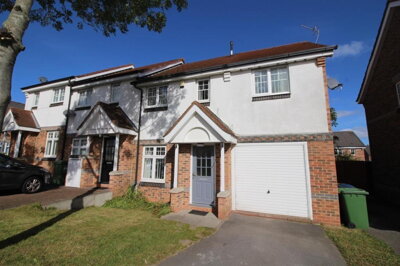
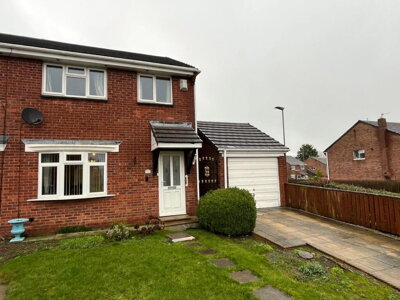
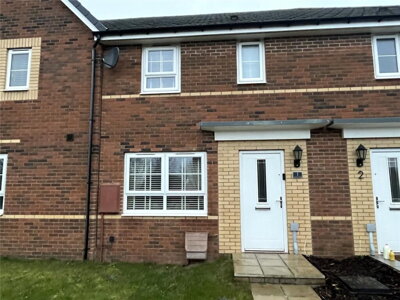
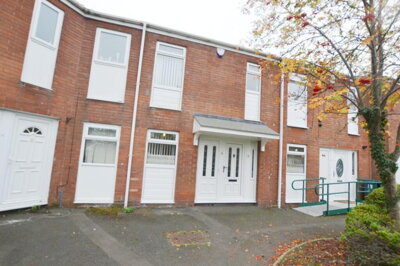
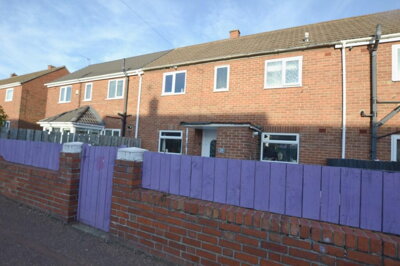
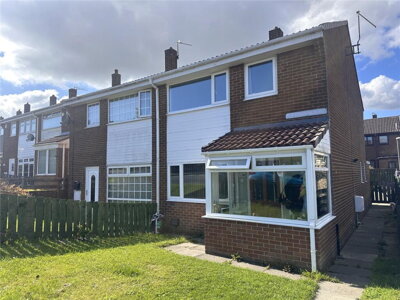
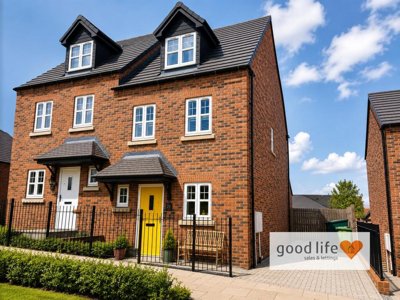
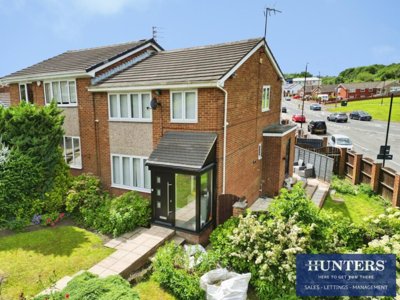
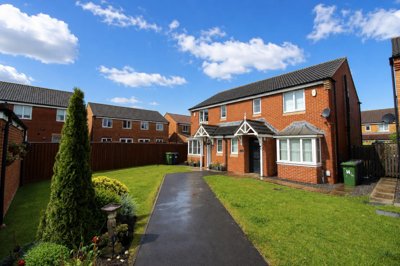
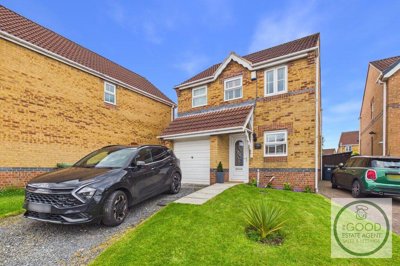
Three bedroom properties represent a significant portion of the Sunderland housing market, offering space for families with multiple reception rooms and gardens in many cases. Browse detached, semi-detached, and terraced options ranging from period character homes to contemporary developments.
£190k
358
39
98
Source: home.co.uk
Showing 358 results for 3 Bedroom Houses for sale in Sunderland, North East. 39 new listings added this week. The median asking price is £190,000.
Source: home.co.uk
Semi-Detached
169 listings
Avg £189,653
Terraced
118 listings
Avg £151,968
Detached
71 listings
Avg £253,367
Source: home.co.uk
Source: home.co.uk
Sunderland gives buyers plenty of choice without the eye-watering price tags seen further south, and that is a big part of its appeal. Detached homes average £320,901, semi-detached properties sit around £184,596, and both offer far more room for families than many equivalent homes elsewhere in England. Terraced houses, which make up nearly a third of the stock at 32.7%, usually sell for about £137,489, a sensible route into the market for first-time buyers or anyone after a character place in a settled street. Flats and apartments average £80,571, so city centre living remains within reach for professionals and downsizers too.
Across Sunderland, new build schemes are appearing on several sites, with a spread of sizes and budgets. Miller Homes is selling 3 and 4 bedroom homes at Potter's Hill and Cherry Tree Park in the SR3 postcode area, both from £209,995, while Bellway's The View in SR3 offers family houses from £224,995. Persimmon Homes at North Moor is the more affordable option, with 2, 3, and 4 bedroom properties from £164,995, and Avant Homes at South Hylton, SR4, has larger family homes from £229,995. Much of this activity is centred on SR3 and SR4, where buyers can find modern layouts, energy-efficient features, and a ready-to-move-in finish.
Year-on-year movement has been steady rather than dramatic, which tends to calm nerves on both sides of the table. Detached homes rose by 2.08%, semi-detached by 2.17%, terraced properties by 2.19%, and flats by 2.05% over the past year. That kind of even pattern points to a market with balanced supply and demand, not one lurching from one extreme to another. With 2,827 property sales completed in the past year, there is enough activity to show the figures are based on real momentum, not a thin or distorted market.

Sunderland manages to keep its industrial roots while still looking forward, thanks to regeneration, cultural spending, and a changing housing mix. Semi-detached homes account for 36.1% of the stock, terraced houses for 32.7%, and flats and apartments for 16.6%, which reflects both traditional suburbs and a city centre that has grown more apartment-led. Around 277,400 people live here, so the city feels busy and urban, but not impersonal. That combination of practical amenities and local familiarity is exactly why many families and slower-paced movers keep Sunderland on their shortlist.
Some neighbourhoods are shaped quite clearly by the big employers nearby. Nissan's automotive plant still sits at the centre of the local economy, supporting thousands of manufacturing jobs and drawing workers towards Washington and the southern side of the city. The University of Sunderland pulls students and academics into Centenary Quarter and the central campus, which keeps the rental market active. Sunderland Royal Hospital adds another major layer of healthcare employment, while the city's expanding technology and digital sectors are bringing in younger residents. Taken together, these employers create several distinct residential micro-markets, from family suburbs near Nissan to student-heavy pockets around the university.
The Riverside Sunderland masterplan is changing the waterfront in a way that is hard to miss. New homes, commercial space, and leisure projects are pushing the city centre back towards the Wear, while City Hall and the wider residential pipeline are giving Monkwearmouth and the riverside a stronger draw for people who want work, amenities, and a shorter commute. Seaburn and Roker remain the obvious coastal leisure spots, and the National Trust's Souter Lighthouse keeps the shoreline firmly on the visitor map. Add in parks, leisure centres, restaurants, the Empire Theatre, and Sunderland Museum and Winter Gardens, and there is plenty to fill evenings and weekends.

Families often start with schools, and Sunderland has a broad spread of options at every stage. On the primary side, well-regarded names include St Mary's Primary School, Grindon Hall Christian Primary School, and Southwick Primary School, serving communities from suburban estates through to more central streets. Secondary provision includes community schools and academy routes, with pupils feeding into a range of respected local options. Anyone buying here should look closely at admissions catchments and school performance data, because they can have a marked effect on both house prices and which streets make sense to target.
At the University of Sunderland, higher education is a major part of the city's pull. Undergraduate and postgraduate courses run across business, computing, engineering, and health sciences, and the university's growing profile in nursing and maritime studies brings in students from across the UK and overseas. That keeps demand for rental homes steady near campus. For those after vocational routes, the college sector opens doors into trades, business, and technology, with employers such as Nissan providing apprenticeships and technical qualifications that link study directly to work.
Beyond classrooms, Sunderland gives children and teenagers plenty to do. The Sunderland Aquatic Centre and the city's network of sports clubs provide after-school options, while libraries, community centres, and youth services add another layer of support for families. Homes close to strong schools often carry a premium, so it is worth mapping out the school landscape before committing to a search. That way, buyers can focus on the areas that matter most and avoid paying extra for a catchment they do not actually need.

Commuters have decent options here, which helps Sunderland work both as a home base and as a place to stay connected with the wider region. The city sits on the Durham Coast Line, and regular services from Sunderland railway station link directly to Newcastle in approximately 30 minutes, with onward travel to Leeds, Manchester, York, and London King's Cross. The Tyne and Wear Metro also reaches Sunderland, with stations at Sunderland, Park Lane, University, and Monkwearmouth, so rail travel across the region stays straightforward for work or weekends out.
By road, Sunderland is well placed. The A19 runs north-south through the city, giving easy access to Newcastle, the A1(M), and the wider motorway network, while southbound journeys onto the A1(M) connect the city to Durham, Newcastle, and the rest of the country. Major North East employment centres are within sensible commuting range, and Newcastle International Airport is roughly 15 miles away, with domestic flights and European connections. The Port of Sunderland also matters, both for freight and for local jobs, and the coast gives the city that useful mix of seaside setting and urban convenience.
Traffic flow within the city has improved too, helped by the Northern Relief Road and the Iveagh Roundabout. Parking is a mixed picture, because city centre flats often rely on permits, while suburban streets are more likely to offer driveways or easier on-street parking. The Washington Road corridor gives good access to the A19 without cutting residents off from everyday facilities. For those heading into Newcastle, the A19 and Tyne Tunnel route is the most direct, though peak-time delays should be built into any journey estimate. In practice, Sunderland gives residents a proper choice between road, rail, and Metro.

Before viewing properties, speak to a mortgage broker or bank and get an agreement in principle in place. Sunderland's market moves at a steady pace, with around 2,499 sales a year, so having finance confirmed can put your offer in a much stronger position. The average price sits at £185,666, and many buyers find they can borrow a little more than expected, especially while competitive rates remain available.
Start by looking at the bits that matter most to you, whether that is a school run, a shorter trip to Newcastle, or simply the feel of a neighbourhood. City centre apartments near the regenerating riverside have a very different character from suburban family homes in SR3 and SR4, and each area brings its own mix of property types, price bands, and local shops. That contrast is part of Sunderland's appeal.
Homemove is the easiest place to scan the full range of homes for sale across Sunderland, save the ones that fit your brief, and book viewings through the listed estate agents. Once something catches your eye, do not just visit once. Go back at different times of day, notice the traffic, listen to the street, and check how close the useful bits really are.
A homebuyers report should be part of the plan before you commit. For a typical Sunderland property, our surveyors would expect fees of £450-600 for a 3-bedroom semi-detached home or £550-750 for a larger detached house. That extra step is especially helpful here, because a sizeable number of older properties may carry mining legacy issues or construction defects that are not obvious on first viewing.
The legal side is best left to a solicitor who knows Sunderland property transactions well. They can handle the local authority searches, drainage checks, and contract negotiations, and they will be familiar with issues such as mining reports and local development plans that could affect the property. That local knowledge can save time where it matters.
Once the searches are clear, the mortgage offer is in place, and anything raised by the survey has been dealt with or properly weighed up, contracts are exchanged and a completion date is set. That is usually 2-4 weeks later, when the keys to your new Sunderland home are handed over. The finish line is close by then.
Much of Sunderland's housing stock still reflects its industrial past and the different building phases that followed. Red brick is the most common material, especially in Victorian and Edwardian terraces across Bishopwearmouth, Ashbrooke, and the streets around the Stadium of Light. Many of the older homes, particularly those from the pre-1919 period, were built with solid walls rather than modern cavity construction, which affects insulation and means a specialist survey can be very useful.
Homes from 1919 and 1945 usually have traditional cavity wall construction, although the cavity itself can be narrower than modern standards. Timber suspended floors were often used on the ground floor, and if ventilation has been poor they can be vulnerable to rot or woodworm. Between the post-war years and 1980, Sunderland saw plenty of suburban development, with semi-detached and terraced houses built using cavity walls and slate or clay tile roofs. Many of those now sit in the 50-plus age bracket, where outdated electrics, original windows, and ageing plumbing often begin to show.
The city's industrial history also brings a geological wrinkle, because many parts sit over Coal Measures that can affect ground conditions. Former mining districts, especially Houghton-le-Spring, Herrington, and other ex-mining areas, may have historic mine workings beneath them, so conveyancing often needs a specific report. Some parts of Sunderland can also show elevated radon levels, and while the city is not considered high risk overall, a radon test may still be sensible in certain cases. Knowing the ground as well as the building makes the whole process clearer.
Damp is one of the issues we most often see in Sunderland's older terraces and semi-detached homes. It can show up as rising damp where the damp proof course has failed or gone missing, penetrating damp from worn render or damaged brickwork, or condensation caused by poor ventilation. In conservation areas, fixing some of these problems can be more restricted because of planning rules, so period properties often justify a more specialist survey before anyone commits.
Another regular concern is the roof. Slipped tiles, tired flashing, and plain wear on older coverings turn up again and again across Sunderland's housing stock, especially in homes built before the 1980s that still have their original roof materials. Leadwork around chimneys, valleys, and junctions can fail over time and let water in. During a survey, the loft deserves close attention, particularly where damp or timber deterioration is already visible, because repairs can be expensive.
Timber problems can affect homes of any age, although they are more common where ventilation has been poor or damp has been left alone. Our inspectors regularly come across woodworm in floor timbers, staircases, and roof structures, especially in properties with suspended wooden floors. Original timber frames and single-glazed windows can also show decay, often low down on casements and frames where condensation collects. Double glazing can help with heat loss and security, though period homes may also need heritage considerations kept in mind.
Older Sunderland properties often need attention to their electrics and plumbing. Rewiring to current standards can be disruptive and costly, especially where solid walls mean chasing is needed. Fuse boxes and consumer units from an earlier era should usually be replaced, and older systems may fall short of modern RCD requirements. Plumbing can be another weak point, with galvanised steel or lead pipes restricting flow and raising health concerns. It is sensible to budget for this work in advance and to read the survey carefully for any urgent or specialist recommendations.

Flood risk is part of the picture here because Sunderland sits on the North East coast and the River Wear runs right through the city. Properties close to the riverbanks, especially in South Hylton and along the riverside regeneration zones, can face a higher risk from river flooding during heavy rain or when tidal conditions are also in play. The Environment Agency's flood data should be checked during the search, and the conveyancing solicitor ought to order the appropriate drainage and water searches for the specific property.
Seaburn and Roker, along with other coastal parts of Sunderland, can be vulnerable to tidal events and storm surge during severe weather. Flood defences protect much of the urban area, but low-lying homes by the sea still need careful checking. Surface water flooding is another issue, particularly where heavy rain hits built-up streets with lots of hard surfaces and the drainage system struggles to cope. Properties in dips, hollows, or places with poor natural drainage may look fine on a sunny viewing and still carry a hidden risk.
Ground conditions also deserve attention because Sunderland's geology is not entirely uniform. Magnesian Limestone generally gives a stable base, but areas with glacial till, or boulder clay, can experience some shrink-swell movement where clay content is high and trees or large shrubs are nearby. Homes built over or near former coal mine workings need particular care, and a mining report should form part of the conveyancing process. Serious subsidence is rare, but even minor movement can affect older foundations that were not designed to modern load requirements.
In Sunniside, Bishopwearmouth, and Ashbrooke, conservation area rules can shape what buyers are allowed to do. External alterations and renovations are often restricted, and many changes, including new windows, roof work, extensions, and other significant external modifications, will need planning permission or listed building consent. The aim is to protect the architectural and historic character of these places, but it does mean renovation can become more limited, more expensive, and more involved.
Sunderland's listed buildings run from the Grade I listed Sunderland Minster and other important civic landmarks to many Grade II listed Victorian and Edwardian homes in older residential areas. Most works to listed structures, both inside and out, need Listed Building Consent, and approval usually depends on the work respecting the building's historic character and using suitable materials and methods. That usually means more specialist surveys, and almost always higher maintenance costs, because traditional repairs are often the only acceptable route.
A period property in a conservation area, or a listed building, is usually better matched with a RICS Level 3 Building Survey, formerly a Full Structural Survey, than with a standard Level 2 survey. The Level 3 report goes into construction, materials, and defects in far more detail, which suits historic or complex properties where a full picture of the building matters before purchase. Our surveyor should have experience of historic buildings and a clear grasp of conservation area rules in the Sunderland context.

The current average house price in Sunderland is £185,666, based on recent sales. By type, detached homes average £320,901, semi-detached properties £184,596, terraced houses £137,489, and flats £73,298. Over the last 12 months, prices have risen by 2.15%, with the same steady pattern seen across all property types, which points to a stable market and a city that still offers good value compared with many other parts of the UK. With 2,499 sales completed in the past year, there is clear evidence of real market activity and liquidity.
Sunderland falls under Sunderland City Council, so council tax bands depend on the property's assessed value. They run from A, the lowest, to H, the highest, with most homes sitting in bands A through D. The actual charge is set each year by the council and can be checked through the local authority website or by asking your solicitor during conveyancing. Larger detached houses and newer developments usually land in higher bands, so the band can affect both annual costs and the wider affordability picture. It is a quick check, and one that should sit firmly in your due diligence.
Schools are one of Sunderland's stronger points. St Mary's Primary School, Grindon Hall Christian Primary School, and Southwick Primary School are among the well-regarded primaries, serving areas from suburban estates to more central neighbourhoods. Secondary choices include community schools and academies, with reputations differing from one institution to the next, so parents should look at Ofsted ratings while house-hunting. The University of Sunderland offers higher education with growing national recognition in several subject areas, and further education colleges provide vocational routes and apprenticeships for older students.
Public transport in Sunderland makes day-to-day commuting fairly straightforward. The Tyne and Wear Metro runs across the region and stops at Sunderland, University, Monkwearmouth, and Park Lane, so travel by rail is well integrated. Sunderland railway station offers direct trains to Newcastle in approximately 30 minutes, along with connections to London King's Cross, Leeds, and Manchester. By road, the A19 gives direct access to Newcastle and the wider motorway network, and Newcastle International Airport is about 15 miles away for domestic and European flights.
For investors, Sunderland has a few obvious strengths. The average price of £185,666 gives a relatively low entry point, and annual growth of 2.15% suggests demand is steady rather than jumpy. Big employers such as Nissan, the University of Sunderland with its growing student body, and the expanding technology sector all support tenant demand. Regeneration in the city centre, plus new build schemes, is also making the area more attractive to renters looking for modern homes. Even so, investors need to factor in mining legacy issues on some sites, leasehold flats with service charges, and the usual void periods and maintenance costs when working out yields.
Stamp duty, or SDLT, follows the standard bands on most purchases. For standard buyers, the rate is 0% on the first £250,000, 5% on £250,001 to £925,000, 10% on £925,001 to £1.5 million, and 12% above £1.5 million. First-time buyers pay 0% on the first £425,000, then 5% on £425,001 to £625,000, with no relief above that. Because Sunderland's average price is £185,666, many standard purchases would pay no stamp duty at all, and first-time buyers at or below the average would pay no SDLT whatsoever. Your solicitor will handle the submission and payment as part of the conveyancing work.
Several Sunderland-specific points are worth keeping in mind. The mining legacy across much of the city means a mining report is wise, especially in Houghton-le-Spring, Herrington, and other former mining districts. Flood risk changes by location, with homes near the River Wear in South Hylton and along the riverside facing higher exposure, so drainage and flood searches need close attention. In Bishopwearmouth, Ashbrooke, and Sunniside, conservation area or listed status means external changes can be restricted and may need consent. A RICS Level 2 survey should also look carefully at construction type, roof condition, damp, and timber defects, all of which our inspectors frequently find in Sunderland's older housing stock.
Local experience can make a real difference when buying in Sunderland, because the conveyancing process can throw up area-specific issues. We would always look for a solicitor who knows Sunderland property transactions and can advise on mining reports, flood risk searches, and any development plans that might affect the home. Many firms offer fixed-fee packages for standard purchases, with typical fees starting from around £499 for residential work, though it is important to check exactly what the quote covers because extra searches or added complexity can increase the cost. Your mortgage broker or estate agent may point you towards local conveyancers with a solid reputation.
From 4.5%
Get competitive mortgage deals tailored to Sunderland property values
From £499
Local solicitors experienced in Sunderland property transactions
From £450
Professional survey by RICS qualified inspectors
From £85
Energy performance certificate for your new home
Properties for Sale In London

Properties for Sale In Plymouth

Properties for Sale In Liverpool

Properties for Sale In Glasgow

Properties for Sale In Sheffield

Properties for Sale In Edinburgh

Properties for Sale In Coventry

Properties for Sale In Bradford

Properties for Sale In Manchester

Properties for Sale In Birmingham

Properties for Sale In Bristol

Properties for Sale In Oxford

Properties for Sale In Leicester

Properties for Sale In Newcastle

Properties for Sale In Leeds

Properties for Sale In Southampton

Properties for Sale In Cardiff

Properties for Sale In Nottingham

Properties for Sale In Norwich

Properties for Sale In Brighton

Properties for Sale In Derby

Properties for Sale In Portsmouth

Properties for Sale In Northampton

Properties for Sale In Milton Keynes

Properties for Sale In Bournemouth

Properties for Sale In Bolton

Properties for Sale In Swansea

Properties for Sale In Swindon

Properties for Sale In Peterborough

Properties for Sale In Wolverhampton

Enter your details to see if this property is within your budget.
Loans, cards, car finance
Estimated property budget
Borrowing + deposit
You could borrow between
Typical borrowing
Monthly repayment
Est. at 4.5%
Loan-to-value
This is an estimate only. Your actual budget may vary depending on interest rates, credit history, and personal circumstances. For an accurate affordability assessment, speak to one of our free mortgage advisors.
This calculator provides estimates for illustrative purposes only and does not constitute financial advice. Your home may be repossessed if you do not keep up repayments on your mortgage. Estimates based on 4.5% interest rate, repayment mortgage. Actual rates depend on your circumstances.
Homemove is a trading name of HM Haus Group Ltd (Company No. 13873779, registered in England & Wales). Homemove Mortgages Ltd (Company No. 15947693) is an Appointed Representative of TMG Direct Limited, trading as TMG Mortgage Network, which is authorised and regulated by the Financial Conduct Authority (FRN 786245). Homemove Mortgages Ltd is entered on the FCA Register as an Appointed Representative (FRN 1022429). You can check registrations at NewRegister or by calling 0800 111 6768.

We use cookies to show you personalised content and improve your experience of our website. Find out more in our Privacy policy and Cookie policy.