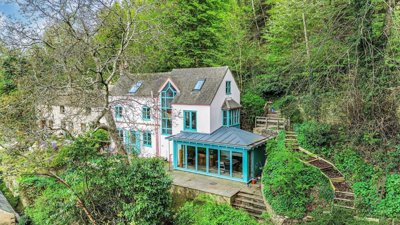
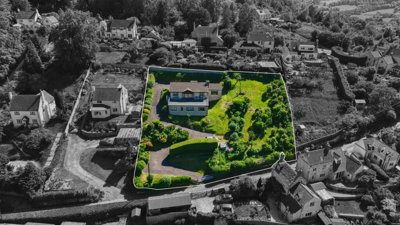
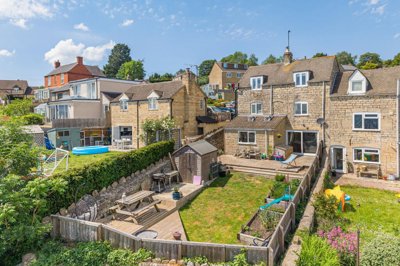
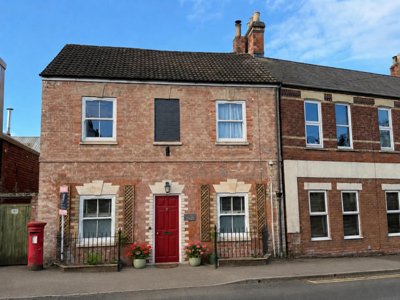
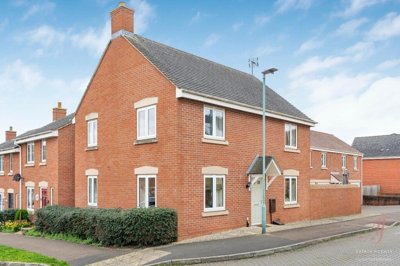
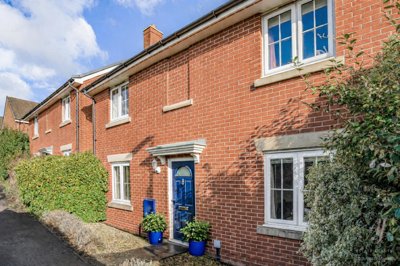
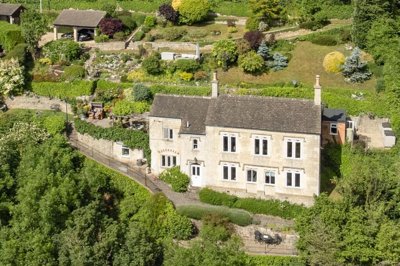
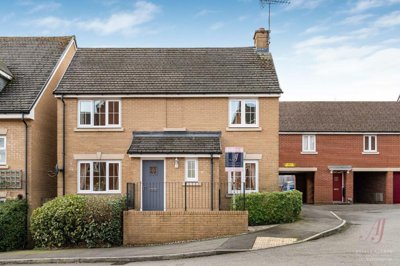
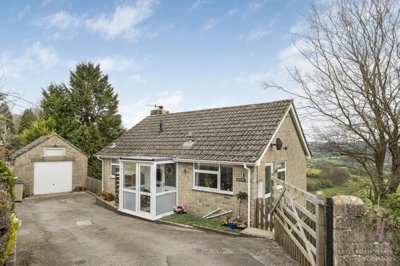
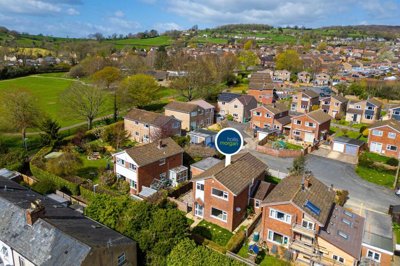
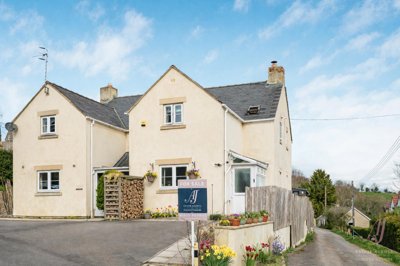
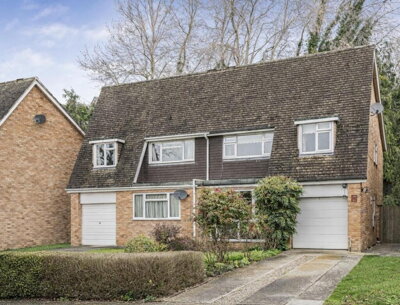
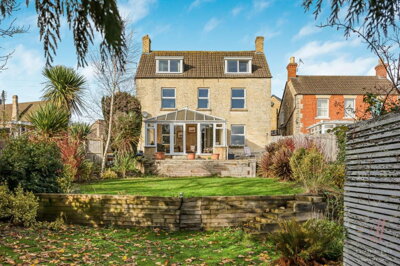
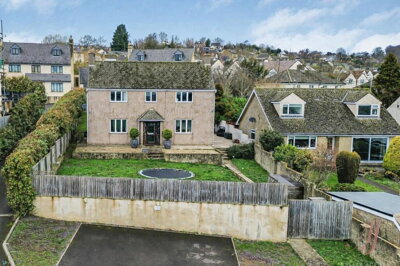
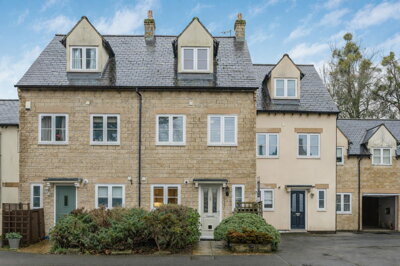
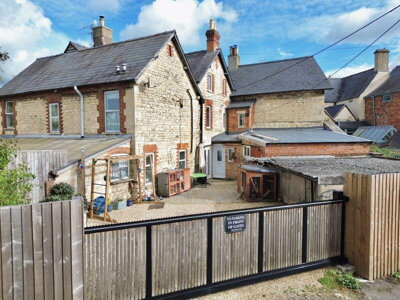
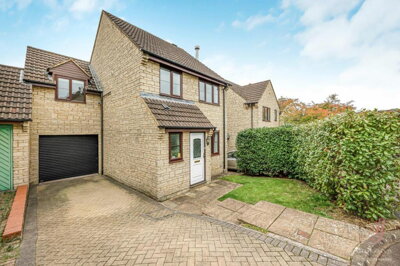
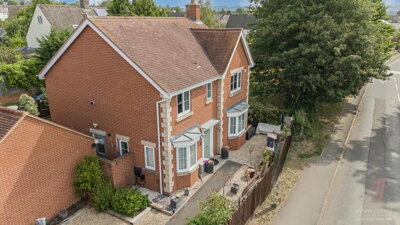
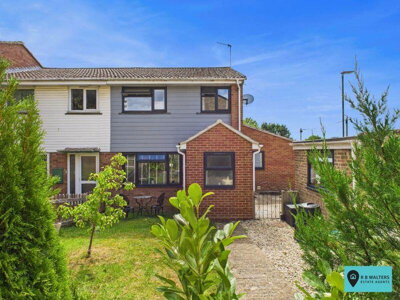
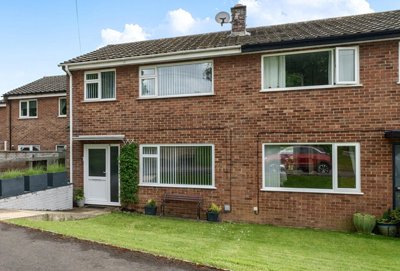
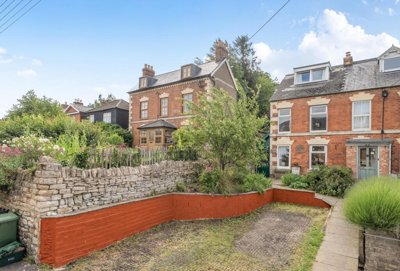
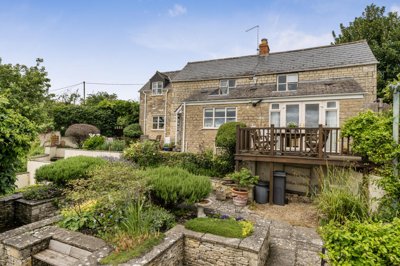
Browse 350 homes for sale in Stroud, Stroud from local estate agents.
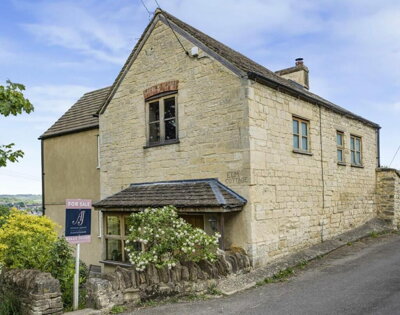
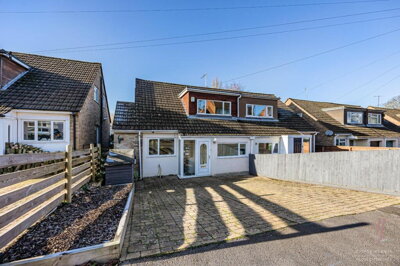
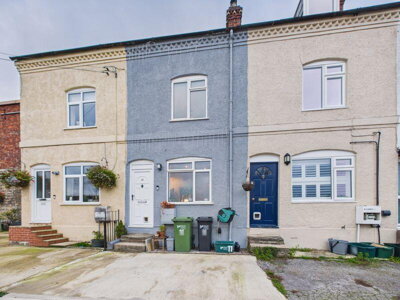
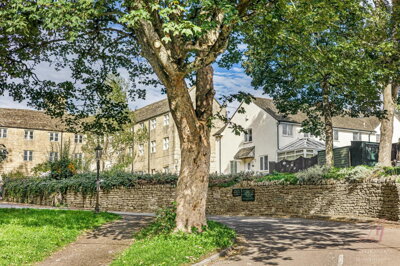
The Stroud property market offers detached, semi-detached, and terraced houses spanning various price ranges and neighbourhoods. Each listing includes detailed property information, photographs, and direct contact with the marketing agent.
£363k
44
4
97
Source: home.co.uk
Showing 44 results for Houses for sale in Stroud, Stroud. 4 new listings added this week. The median asking price is £362,500.
Source: home.co.uk
Semi-Detached
21 listings
Avg £375,357
Detached
14 listings
Avg £616,853
Terraced
9 listings
Avg £304,333
Source: home.co.uk
Source: home.co.uk
Stroud’s property market has held up well, with average house prices sitting at around £460,882 as of early 2026. That puts the town firmly in the upper mid-range for the region, which reflects both its appeal and the strength of the housing stock. Over the last twelve months the market has settled a little, with some sources pointing to changes of around 1-3%, so the picture is of steady demand rather than the sharper swings seen elsewhere in the country.
Homes here come in a broad spread, so different budgets can still find a place. Detached properties average around £713,000 and often come with generous space and valley views. Semi-detached homes, a favourite with families, tend to sit at around £384,000, while terraced houses start from around £313,000 and give a more accessible route into the area. Flats and apartments are the cheapest entry point at around £162,000, which suits first-time buyers or anyone after a low-maintenance base close to the town centre.
The Stroud postcode area also has new-build options, including The Steppes by Newland Homes. It offers 2, 3, and 4-bedroom homes priced from roughly £300,000 to over £600,000. Buyers can expect the sort of features modern purchasers look for, such as energy-efficient construction, open-plan layouts, and off-street parking. Alongside the bigger schemes, smaller infill plots and individual custom build projects continue to appear across the area, widening the choice still further.

Stroud has a distinctive place in the Cotswolds, balancing countryside character with day-to-day convenience. The town centre is full of independent shops, artisan cafes, and traditional pubs, many set along historic streets that run down towards the River Frome. Markets have been held here for centuries, and the award-winning farmers market now draws visitors from across the region every Saturday with local produce and crafts. Its artistic side is just as visible, with galleries, studios, and creative businesses giving the town a cultural feel that is unusual for somewhere of this size.
People of different ages are drawn to Stroud, and the district’s makeup reflects that. With a population of about 120,000 across 50,000 households, the Stroud district has a broad mix of families, professionals, and retirees. Many arrivals have come from London and other large cities, attracted by lower living costs, the scenery, and a strong sense of community. That move-in pattern has supported the local economy without stripping away the town’s character.
Life outdoors matters here. The Cotswold Way National Trail cuts through Stroud and opens up excellent walks along the limestone escarpment, while the surrounding landscape offers mountain biking at Woodchester Park, sailing at the Lake at Ebley, and several golf courses within easy reach. For families, that sits alongside useful amenities, well-regarded neighbourhoods, and solid schooling, which makes it a practical place to settle and bring up children.

Education across the district has a strong reputation, and that covers every age group. Primary places are available in the town and the surrounding villages, with many schools holding good or outstanding Ofsted ratings. Stroud Valley Primary School and Amberley Primary School give younger children a reliable start, and the cluster of schools serving the valleys means families across the area usually have reasonable local options. A number of primaries are also set in attractive Cotswold stone buildings, which adds plenty of character to the school day.
At secondary level, families can choose from several well-regarded schools, including Archway School and Maidenhill School, both serving sizeable parts of the town. Stroud High School, a foundation school with a long academic tradition, continues to attract pupils from across the district. Grammar school places in Gloucestershire need a bit of planning, because catchment areas and registration dates matter, and competition can be strong. The comprehensive schools have also expanded their curriculum and extracurricular offer, giving students of different abilities more than one route to follow.
There is also sixth form and further education provision close to home. Stroud High School and Archway School both offer sixth form study, while the Stroud campus of South Gloucestershire and Stroud College provides vocational training and further education courses. Links with local employers, especially in engineering and creative industries, help students work towards career-focused qualifications without leaving the area. For those looking beyond the state sector, independent schools in Cheltenham and Cirencester provide alternatives, including boarding places for families who need a fuller package.

Rail travel gives Stroud a real advantage for commuters heading to Bristol, Gloucester, Cheltenham, and further afield. Stroud railway station sits on the Golden Valley Line between Gloucester and Swindon, with regular trains to Bristol Temple Meads taking about 40 minutes. Direct services to London Paddington take around 90 minutes, so the town remains workable for people who need the capital from time to time but do not want to pay London prices. Recent improvements at the station have also made everyday use easier, with better facilities and improved accessibility.
Road links are strong too. The A419 gives quick access to the M5 at Junction 13, which connects north to Birmingham and the Midlands or south to Bristol and the South West. The A46 takes drivers east towards Cheltenham and Stratford-upon-Avon, opening up another set of commuting options. For people working from home, the rollout of superfast broadband in the town and nearby villages has made Stroud a good base for remote work without sacrificing day-to-day quality of life.
Bus services, run by Stagecoach and other operators, link Stroud with surrounding villages and market towns throughout the day, although the timetable thins out in the evenings and at weekends. Cycling has had more attention in recent years too, with dedicated lanes improving safety on key routes into the town centre. For flights, Bristol Airport is about 45 minutes away by car and Birmingham Airport gives further longer-haul options. All told, the transport network is impressive for a town of this size.

Our advice is to begin with the neighbourhoods themselves, from the conservation areas in the town centre to the valley villages around it. Think about your commute, school catchment areas, and how close you want to be to shops and services. Our platform lets you narrow the search by price, type, and location, which makes it easier to sort through the options.
Before you start booking viewings, sort an agreement in principle with a lender. It shows estate agents and sellers that financing is already in place and that you are a serious buyer. Local mortgage brokers in Stroud know the market well, and they can help match you with competitive rates for homes in this price range.
Once the right properties stand out, get in touch with the listing estate agents to arrange viewings. We would always suggest seeing more than one property, so condition, character, and value can be compared properly. Keep an eye on the construction materials, any maintenance issues, and planning restrictions that might shape what you can do with the house later on.
For most Stroud homes, especially those more than 50 years old, a RICS Level 2 Survey is a sensible step. Cotswold stone, clay soils, and historic buildings are common here, so a professional survey can pick up defects, subsidence risk, or renovation work before you are too far down the line. That is particularly useful where older construction is part of the appeal.
After your offer has been accepted, appoint a solicitor to deal with the legal side of the purchase. They will carry out searches with Stroud District Council, check drainage and flooding risks connected to the property’s location, and manage the transfer of ownership through to completion.
When the surveys, searches, and mortgage paperwork are all in place, contracts are exchanged and your deposit is paid. Completion usually follows within weeks, and that is the point at which the keys to your new Stroud home are handed over.
Buying in Stroud brings a few special points that are worth weighing up carefully. The much-loved Cotswold stone seen across the town is beautiful, but it does need regular maintenance and a good understanding of traditional building methods. Older stone walls often do not have the damp-proof courses found in modern homes, so rising damp can be an issue, particularly where properties are older or have stood empty. A proper survey will look at the stonework, flag any structural concerns, and check the condition of lime mortar pointing that may have worn away over the years.
Geology matters here. Stroud sits on Jurassic limestone, the Cotswold Oolite at the surface, with Lias Clay beneath in the valley bottoms where many homes are built. That mix can lead to shrink-swell subsidence, especially if mature trees are nearby or drainage is poor. Homes near the River Frome and its tributaries face a higher flood risk, and some locations fall within Flood Zone 2 and 3 according to the Environment Agency. During heavy rain, surface water flooding can also affect different parts of the town when the valley topography puts pressure on local drainage systems.
Roof issues are another common concern in older Stroud properties. Traditional Cotswold stone tiles can deteriorate over time, and slipped tiles, failed lead flashing, and timber decay in roof structures are all seen fairly often in homes from the Victorian period and earlier. Many houses built before 1980 also still have outdated electrical systems and plumbing that may need bringing up to standard. In properties built before 2000, asbestos can also crop up in materials such as Artex ceilings, pipe lagging, and old floor tiles, so that needs to be considered too.
Stroud’s conservation areas and listed buildings bring real charm, but they also come with obligations. A listed property may hold its market value well because the architecture is protected, yet alterations are restricted and usually need Listed Building Consent from Stroud District Council. That can add cost and complexity to any renovation. Specialist survey advice is strongly recommended for historic purchases, and budgets should allow for higher maintenance and the skilled workmanship traditional Cotswold stone demands.
The average house price in Stroud is around £460,882 according to recent early 2026 market data. Detached homes usually come in at around £713,000, while semi-detached properties sit at about £384,000. Terraced houses start from approximately around £313,000, and flats remain the most accessible option at around £162,000. Over the past year the market has stabilised a little, with modest changes of around 1-3%, which points to healthy conditions for buyers and sellers in this desirable Cotswold town.
Council tax in Stroud is handled by Stroud District Council, and homes are banded from A through to H according to assessed value. A standard three-bedroom semi-detached house in Stroud will often fall into Band C or D, although the exact amount depends on the property’s rateable value. Band D properties currently pay around £1,800 to £2,000 a year, but buyers should still ask their solicitor to confirm the band during conveyancing, since re-assessment can happen after a sale or improvement work.
There is solid educational provision across all stages in Stroud. Several primary schools, including Stroud Valley Primary and Amberley Primary, are rated good or outstanding by Ofsted. At secondary level, Stroud High School has a strong academic reputation and a good record in examinations, while Archway School and Maidenhill School serve the wider community. Sixth form provision and the nearby Stroud College campus add further education and vocational routes. Families should still check current catchment areas and registration deadlines, especially where schools are oversubscribed, because those boundaries can change between primary and secondary phases.
Stroud railway station gives the town excellent connectivity on the Golden Valley Line, with direct services to Bristol Temple Meads taking about 40 minutes and London Paddington reachable in around 90 minutes. Regular bus routes operated by Stagecoach connect the town centre with nearby villages and market towns including Dursley, Minchinhampton, and Nailsworth throughout the day. Road access is just as practical, with the A419 linking to the M5 at Junction 13 after a short drive, which opens straightforward routes to Gloucester, Cheltenham, and Birmingham. That combination is a big draw for commuters splitting their week between home and office.
Stroud has a track record of strong capital growth and healthy rental demand, which keeps it on the radar of property investors looking at Gloucestershire. Good transport links, together with the wider trend for buyers to seek more space and a better quality of life outside major cities, continue to support demand from both purchasers and tenants. Rental yields in Stroud usually range from 4% to 6%, depending on the type and location of the property, with family homes near good schools and houses with space for home working tending to let fastest. The local economy, which includes public sector jobs at Stroud General Hospital and Stroud District Council as well as creative firms and manufacturers, provides a stable pool of tenants, including NHS staff, teachers, and remote workers.
Stamp Duty Land Tax rates from April 2025 begin at 0% on the first £250,000 of residential purchases, then move to 5% on the portion between £250,001 and £925,000, 10% up to £1.5 million, and 12% above that level. First-time buyers get relief on the first £425,000, with 5% charged between £425,001 and £625,000, although there is no relief above £625,000. On an average Stroud home priced at roughly £461,000, a standard buyer would pay about £10,550 in stamp duty, while a first-time buyer would pay £0 on the first £425,000 of the purchase.
Older homes make up more than 70% of Stroud’s housing stock, thanks to the large share of Victorian and earlier properties, so buyers need to look closely at the details. Clay soils in the valley areas can create subsidence and heave risks, especially where mature trees are nearby or drainage is poor. Traditional Cotswold stone houses often lack modern damp-proofing, which makes rising and penetrating damp more common than in newer builds. Roofs can also need attention, with traditional stone tiles prone to wear and timber decay sometimes affecting the structure. In pre-1980 properties, outdated electrics and plumbing are common, and they often need upgrading to current standards and regulations. A RICS Level 2 Survey is strongly advised for any older purchase so these problems are identified before commitment.
Homes close to the River Frome and its tributaries face a higher flood risk, and some areas are classified as Flood Zone 2 and 3 by the Environment Agency where river flooding is a real possibility. Heavy rainfall can also trigger surface water flooding in parts of the town, especially where local drainage is limited by the valley topography. Buyers should check the flood risk status of any particular property, look at historic flood records, and factor in possible insurance costs when budgeting. Where risk is greater, insurance premiums may be higher, and flood resilience measures can help reduce the impact of future events.
From 3.5% APR
Finding the right mortgage for your Stroud property purchase
From £499
Legal services for your property purchase in Stroud
From £450
Professional survey for your Stroud home
From £80
Energy performance certificate for Stroud properties
Looking at the full cost of buying in Stroud means going beyond the asking price. Stamp duty Land Tax is often the biggest extra expense, so getting the calculation right helps keep the budget realistic. At Stroud’s average price point of around £461,000, a standard buyer would pay about £10,550 in stamp duty, based on 5% of the £211,000 above the £250,000 threshold. First-time buyers purchasing up to £425,000 pay no stamp duty under the current relief, which gives a meaningful saving for those stepping onto the property ladder in this popular area.
Survey fees deserve careful thought in Stroud because so much of the housing stock is older and full of character. A RICS Level 2 Survey for a typical three-bedroom semi-detached home usually costs between £450 and £700, while larger detached properties or homes with more complicated histories may need surveys costing from £600 to £900 or more. For the sizeable number of Stroud properties over 50 years old, including Cotswold stone buildings and homes in conservation areas, that outlay gives important protection against expensive surprises after purchase.
Conveyancing fees in the Stroud area typically range from £499 to £1,500 or more, depending on how complicated the transaction is. That covers the legal work involved in checking the title, carrying out local authority searches with Stroud District Council, and handling the transfer through to completion. You should also allow for search fees, Land Registry fees, and bank transfer charges, which together can add several hundred pounds to the legal bill. Mortgage arrangement fees vary from lender to lender, from flat charges of a few hundred pounds to percentage-based fees that can reach 1-2% of the loan amount, so it pays to compare the overall cost of each mortgage product before you commit.
Moving costs need to sit in the budget too. Removal firms in the Stroud area usually charge between £300 and £1,500, depending on the amount being moved and the distance travelled. Buildings insurance has to be in place from the moment you become the legal owner, and contents cover can be arranged at the same time. Where flood risk is higher, specialist insurance may be needed and excesses can be steeper than in lower-risk locations. Planning for these costs properly helps the move to Stroud go smoothly, without awkward financial surprises later on.

Properties for Sale In London

Properties for Sale In Plymouth

Properties for Sale In Liverpool

Properties for Sale In Glasgow

Properties for Sale In Sheffield

Properties for Sale In Edinburgh

Properties for Sale In Coventry

Properties for Sale In Bradford

Properties for Sale In Manchester

Properties for Sale In Birmingham

Properties for Sale In Bristol

Properties for Sale In Oxford

Properties for Sale In Leicester

Properties for Sale In Newcastle

Properties for Sale In Leeds

Properties for Sale In Southampton

Properties for Sale In Cardiff

Properties for Sale In Nottingham

Properties for Sale In Norwich

Properties for Sale In Brighton

Properties for Sale In Derby

Properties for Sale In Portsmouth

Properties for Sale In Northampton

Properties for Sale In Milton Keynes

Properties for Sale In Bournemouth

Properties for Sale In Bolton

Properties for Sale In Swansea

Properties for Sale In Swindon

Properties for Sale In Peterborough

Properties for Sale In Wolverhampton

Enter your details to see if this property is within your budget.
Loans, cards, car finance
Estimated property budget
Borrowing + deposit
You could borrow between
Typical borrowing
Monthly repayment
Est. at 4.5%
Loan-to-value
This is an estimate only. Your actual budget may vary depending on interest rates, credit history, and personal circumstances. For an accurate affordability assessment, speak to one of our free mortgage advisors.
This calculator provides estimates for illustrative purposes only and does not constitute financial advice. Your home may be repossessed if you do not keep up repayments on your mortgage. Estimates based on 4.5% interest rate, repayment mortgage. Actual rates depend on your circumstances.
Homemove is a trading name of HM Haus Group Ltd (Company No. 13873779, registered in England & Wales). Homemove Mortgages Ltd (Company No. 15947693) is an Appointed Representative of TMG Direct Limited, trading as TMG Mortgage Network, which is authorised and regulated by the Financial Conduct Authority (FRN 786245). Homemove Mortgages Ltd is entered on the FCA Register as an Appointed Representative (FRN 1022429). You can check registrations at NewRegister or by calling 0800 111 6768.

We use cookies to show you personalised content and improve your experience of our website. Find out more in our Privacy policy and Cookie policy.