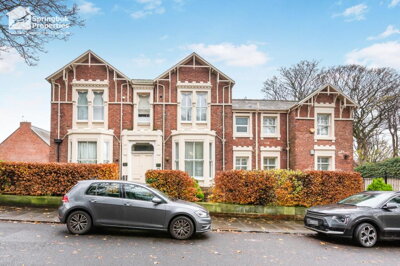
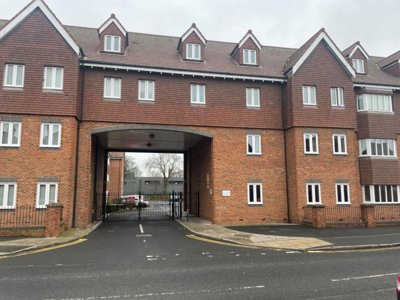
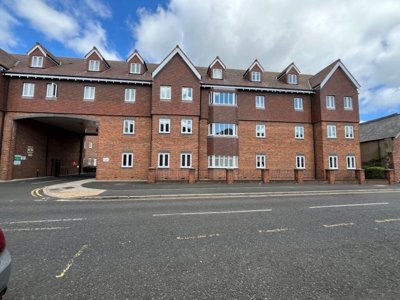
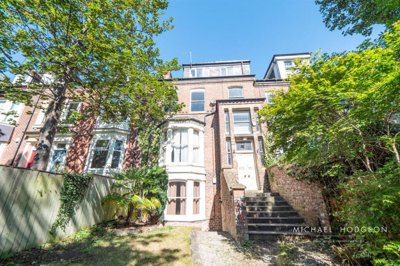
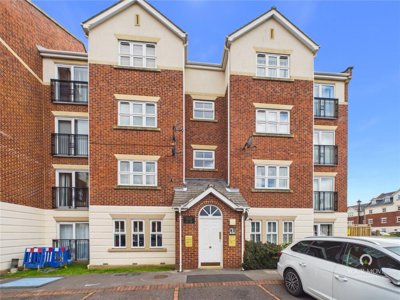
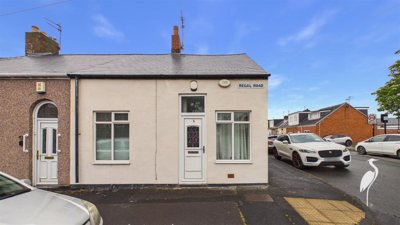
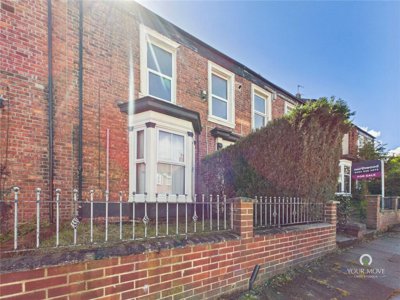
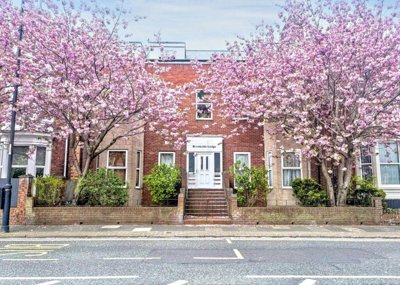
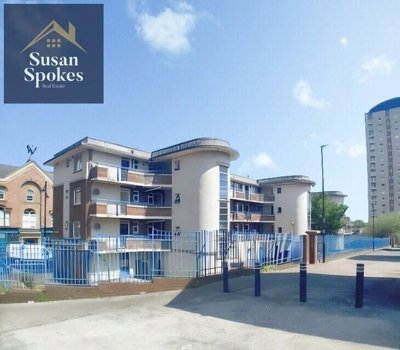
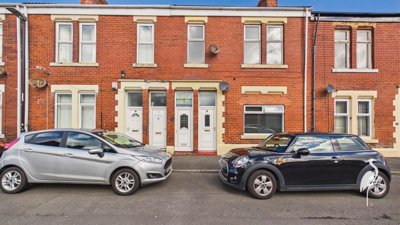
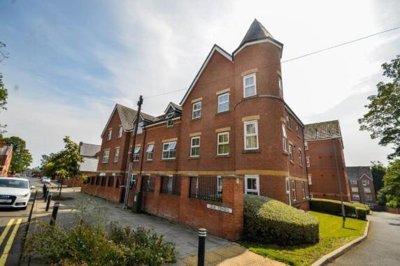
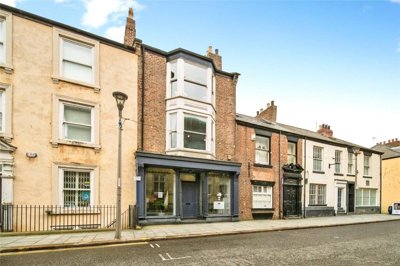
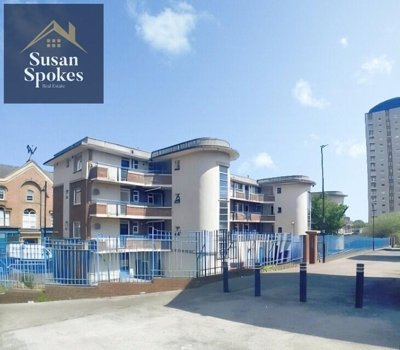
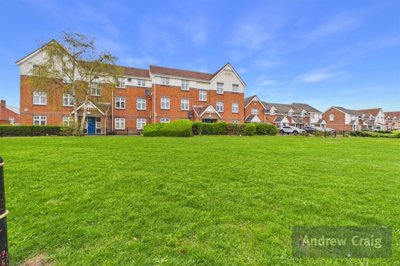
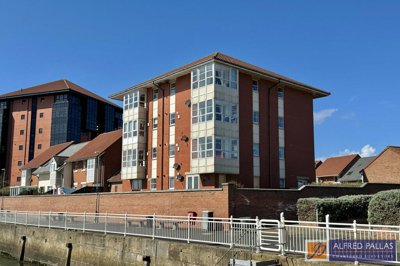
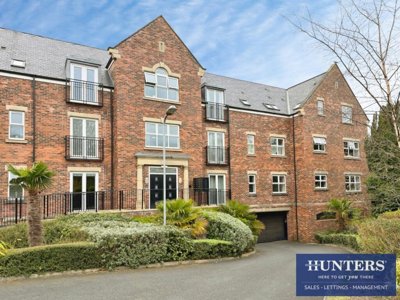
Browse 108 homes for sale in SR1 from local estate agents.
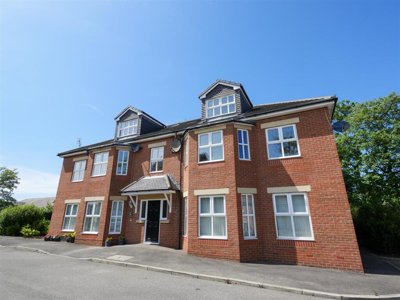
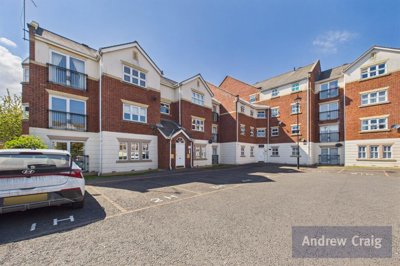
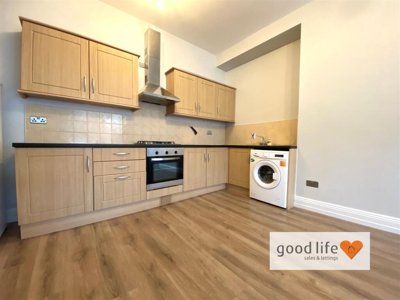
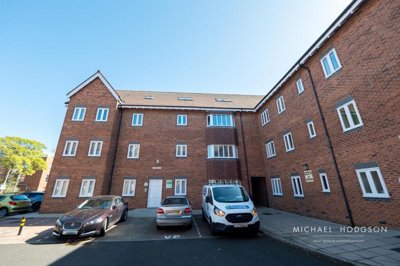
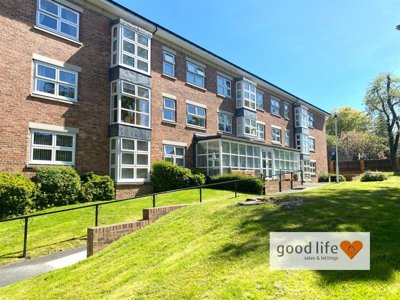
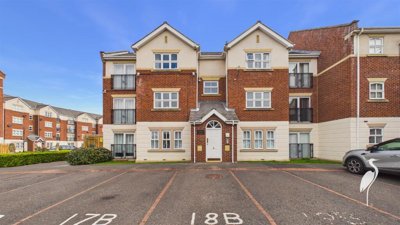
The 2 bed flat sector typically includes two separate bedrooms, dedicated living areas, and bathroom facilities. Properties in SR1 span purpose-built blocks, converted period houses, and modern apartment complexes on various floors.
£40k
5
0
208
Source: home.co.uk
Showing 5 results for 2 Bedroom Flats for sale in SR1. The median asking price is £40,000.
Source: home.co.uk
Flat
5 listings
Avg £39,000
Source: home.co.uk
Source: home.co.uk
SR1 gives buyers a real shot at city centre living without the usual price tag. Recent data records approximately 10 property sales completed in the postcode over the past twelve months, and house prices have edged down by 1.3% year-on-year. That softer tone mirrors wider national movement, yet Sunderland still ranks as one of the most affordable major cities in the UK for property purchases. Flats dominate the stock, making up 50.8%, with terraced homes close behind at 36.1%, so apartment living remains a clear part of SR1’s identity.
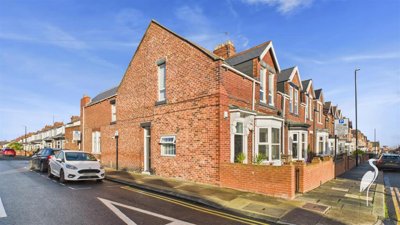
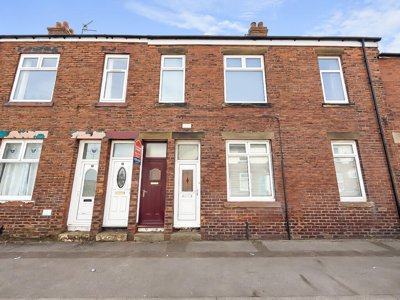
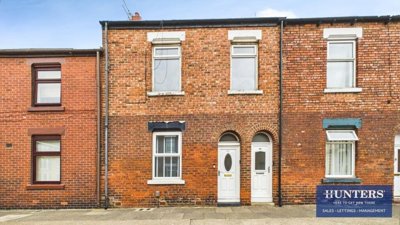
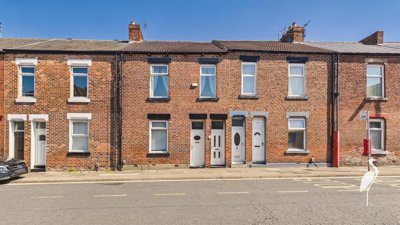
Compact flats for professionals and investors sit alongside Victorian and Edwardian terraces on the streets close to the city centre. Detached homes are scarce in this urban postcode, at just 2.1% of the housing stock, which helps explain why they command around £225,000. Semi-detached properties, at approximately £120,000, sit in the middle for buyers wanting a bit more room. Age matters here too, because nearly 40% of homes were built before 1919, so original sash windows, decorative fireplaces, and solid brick construction are all part of the picture, and surveyors need to look closely at them.
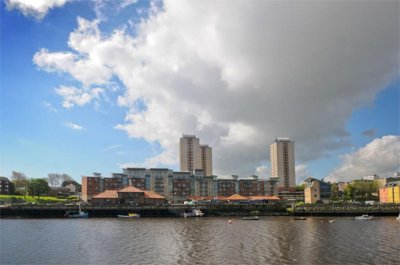
Along the riverside, the Riverside Sunderland regeneration project is steadily changing former industrial land into new homes and mixed-use space. Near the old Vaux Brewery site, The Beam is one of the developments helping to drive that shift. Existing housing still leads the market, but new-build apartments and townhouses are appearing more often for buyers who want modern construction and stronger energy efficiency ratings. We keep a close eye on schemes like these, so our clients have the latest market intelligence when they are weighing up a purchase in this changing part of SR1.

SR1 covers Sunderland’s historic city centre and the neighbourhoods around it, so shops, restaurants, cultural venues, and entertainment are all close at hand. The postcode includes the Sunderland Central Conservation Area and parts of Sunniside, where Victorian and Edwardian buildings give the area its distinctive look. Around 10,652 residents live across 5,616 households, which creates a lively but still manageable feel, and most day-to-day amenities can be reached on foot from local streets. The River Wear runs through the area too, adding riverside walks and green pockets that sit comfortably beside the urban setting.
Several big employers underpin the local economy and, by extension, the Sunderland housing market, among them the Nissan automotive plant, Sunderland City Council, the NHS, and the University of Sunderland. Together they support jobs in public administration, manufacturing, healthcare, and education. A growing digital and creative cluster in the city centre has also drawn younger residents, which has helped push demand for city centre homes. On top of that, weekend markets, independent cafes, and venues such as The Empire Theatre and Sunderland Museum and Winter Gardens give SR1 plenty of day-to-day character.
City centre living in SR1 comes with easy access to green space along the River Wear corridor. Mowbray Park and the seafront at Roker and Seaburn are both within easy reach by public transport or car, so weekend plans do not have to stay urban. Twice a week, Sunderland city centre market brings fresh produce and artisan goods into SR1, which supports small businesses and keeps a local feel in the middle of the city. Evenings are straightforward too, with bars, restaurants, and the cinema complex all offering options close to home.

For commuters, SR1 is well placed. Sunderland Railway Station runs regular services to Newcastle, with journey times of approximately 30 minutes to Newcastle Central, and the Tyne and Wear Metro adds another layer of regional travel, including direct access to Newcastle Airport. Drivers can reach the A19 easily from the postcode, giving direct north-south links to Newcastle and Teesside, while the A1(M) is within reasonable driving distance for longer trips to Durham, York, and beyond.
Stagecoach and other local bus operators link SR1 with suburbs and nearby towns across Wearside, so places like Chester-le-Street, Washington, and Houghton-le-Spring are easy to reach without a car. Because the postcode sits in the city centre, plenty of residents simply walk or cycle to work, to shops, and to leisure spots, which cuts down the need for private vehicles. Along the River Wear, cycle routes give commuters and leisure riders a more scenic way through the area. Parking in the centre can be tight at busy times, so anyone planning to drive regularly should bear that in mind.
Travel further afield is still fairly simple. Sunderland’s port facilities provide ferry links to continental Europe, with freight and passenger routes both served. Newcastle International Airport is reachable via the Metro in under an hour, so domestic and overseas trips remain practical for SR1 residents. Regular direct trains to London, Edinburgh, and Birmingham also mean business travel and family visits do not always require a long drive to a regional hub.

Families looking at SR1 will find education options for a range of ages within easy reach of the postcode. Primary schools in the surrounding area include several serving the communities that feed into the SR1 catchment, although parents should always check current Ofsted ratings and admissions criteria before buying. Because the city centre is so dense, some households may prefer independent schools or schools in nearby postcodes, depending on what is available and what matters most to them. St Mary’s Catholic Primary School and Borough Road Primary School are among the options serving families within or close to SR1.
Secondary education across Sunderland brings together comprehensives, academies, and grammar schools under the selection system. Depending on admissions policies, students in SR1 may be able to access schools in neighbouring areas, so parents need to look carefully at the catchments linked to any property they are considering. Those intake areas can cross several postcodes, which makes checking placements before committing to a purchase essential. St Aidan’s Catholic Academy and Sunderland High School are two of the schools serving the wider area, each with different academic and extracurricular strengths.
The University of Sunderland is close enough to SR1 to shape the area’s feel as well as its housing demand. Its Chester Road campus is home to around 20,000 students, which creates steady pressure for rental accommodation and is worth factoring into calculations for investors. The city also has further education colleges offering vocational courses and apprenticeships, so residents of all ages can keep building skills locally. That mix of education provision brings energy to SR1 throughout the year and supports businesses in the city centre.

Knowing how SR1 properties were built helps explain why a professional survey matters so much here. Red brick is the main material, a reminder of Sunderland’s industrial past, and most period homes are topped with slate or clay tile roofs. Traditional solid wall construction, often with 9-inch brickwork, is common in the 39.8% of homes built before 1919. After 1919, cavity walls became standard, yet many terraces in SR1 still have their original solid wall build. Timber sash windows remain a familiar sight in older houses, although plenty have been swapped for uPVC double glazing over the years.
During surveys of SR1 homes, our team regularly picks up damp, especially rising damp and penetrating damp in solid wall properties. The local geology, with Magnesian Limestone above Coal Measures and superficial deposits of glacial till, also known as boulder clay, creates conditions where moisture can move through brickwork and stonework. Houses without proper damp proof courses, or with damaged membrane systems, are especially exposed. We inspect wall cavities, floor voids, and roof-space ventilation on every survey so those risks are properly assessed.
Ageing roofs are one of the most common issues we see in SR1, which is hardly surprising given the age of much of the housing stock. Slates that are deteriorating, cracked tiles, failed lead flashing, and corroded gutters can all let in water, with knock-on damage to timbers and plasterwork below. Our inspectors look at roof pitches from inside and out, checking for slipped or missing tiles, vegetation growth, and the condition of mortar joints. We also see timber problems, including woodworm infestation and wet or dry rot, in floor joists, roof rafters, and window frames where moisture has been left unchecked.
The wider Sunderland region’s coal mining past means some SR1 homes may sit above old mine workings, although any direct impact on the postcode would need geological investigation. Where a property near the city centre shows subsidence or structural movement, it should be examined carefully, especially if it sits on ground with a high clay content. Clay soils can shrink and swell when weather is extreme and moisture levels change sharply. Our surveyors record cracks, distortion, or movement that points to ground instability and, where needed, will recommend specialist investigations.
Outdated wiring and ageing plumbing are frequent concerns in SR1 properties that were built before modern building regulations. Many Victorian and Edwardian homes still have original electrical systems that may fall short of current safety standards, which can mean a full or partial rewire before anyone moves in. Pipes can be an issue too, with lead or galvanised steel common in pre-1960s construction and often corroded or restricted, so replacement may be needed. During surveys, we check the visible electrical installations and plumbing and flag anything that needs immediate attention or later planning.
Buyers in SR1 need to think about flood risk, not least because the postcode sits close to the River Wear. The river runs through Sunderland, so some parts of SR1 face fluvial flood risk near the banks. Homes farther from the immediate river course are generally less exposed, but surface water flooding remains a concern across urban areas when heavy rainfall overwhelms drainage systems. Before buying, we suggest checking the Environment Agency flood risk maps for the exact property and including Flood Insurance costs in the budget.
Heavy rain can also trigger surface water flooding, where drains and sewers cannot cope and water pools on roads and pavements before working its way into ground-floor spaces. Hard surfaces across the city centre, such as roads, car parks, and paved areas, speed up runoff in storms. Low-lying parts of SR1 near the river corridor tend to face the highest risk, though flood defences and drainage improvements from the local authority have cut the number of serious flooding events in recent years.
River alluvium runs through parts of the Wear valley, and in Sunderland that alluvium is made up of sands, gravels, and clays laid down over millennia. Those superficial deposits can affect both foundation performance and drainage, while clay-rich alluvium may add to the shrink-swell issues mentioned earlier. Made ground, which is common where former industrial land has been redeveloped, can also leave foundation conditions patchy, so those sites need careful assessment during survey work.
Historic character is preserved through the conservation areas in SR1, especially the Sunderland Central Conservation Area and parts of the Sunniside Conservation Area. These designated zones contain numerous listed buildings, from Victorian and Edwardian commercial premises to civic buildings and homes that help define the area’s look and feel. If a property sits within a conservation area, specific planning restrictions apply, covering alterations, extensions, and even the replacement of windows and doors, all to protect architectural authenticity.
Our surveyors are experienced in heritage work across SR1, so we understand the extra considerations that come with listed buildings. Any work to a listed structure, inside or out, normally needs Listed Building Consent from Sunderland City Council before it can go ahead. That makes renovation more complex and often more expensive, because specialist contractors and traditional materials are usually required. Buyers looking at listed homes should allow for those constraints and commission specialist surveys that examine original features and historic fabric.
Because so many SR1 properties sit in conservation areas, age and construction methods often mean more regular maintenance than modern homes. Solid brick walls, traditional timber windows, and historic roof coverings all need steady attention, and the work has to be carried out with the right materials and methods. During surveys, we check period features carefully and note any deferred maintenance or inappropriate alterations that may have affected the building’s integrity. For buyers planning restoration, we can also outline the likely cost of bringing heritage elements back into sound condition.
Anyone buying in SR1 should keep a close eye on the area-specific costs that come with the postcode. With flats making up such a large share of the market, many buyers will encounter leasehold titles, service charges, and ground rent obligations. Those running costs vary a lot between developments, so the lease should be checked carefully before any commitment is made. In city centre blocks, service charges usually cover building insurance, communal area upkeep, lifts, and concierge services where they are provided. Older leases can also contain ground rent escalation clauses, and those can increase costs sharply over time.
Freehold terraced and semi-detached houses do exist, but many sit within conservation areas where alterations and extensions are tightly controlled. In fact, a lot of streets close to the city centre fall inside the Sunderland Central Conservation Area, so any change to a property’s external appearance needs approval. That affects plans for extensions, double glazing, or even a change of door colours. During every survey, our team checks whether a home falls inside a conservation area and explains what that means for future owners.
SR1’s housing stock is old enough to bring very different maintenance demands from newer estates. Nearly 40% of properties were built before 1919 using traditional solid brick methods, which can mean damp penetration, outdated electrical systems, and timber deterioration. Our surveyors know the common defects that appear in period homes and will clearly flag anything that needs urgent attention or future budgeting. If a property is in a conservation area, or listed, then specialist surveys and Listed Building Consent will be needed for any works.
The area’s geology and mining background mean some homes may need a mining search before a purchase can proceed. We recommend it as part of conveyancing, especially for properties on streets with older housing stock. If a property shows movement, such as cracking to walls or doors that stick, a specialist structural engineering assessment should happen before completion. The extra cost is modest, but it can stop much bigger problems after moving in.
Take the time to walk SR1’s neighbourhoods, compare amenities, judge commute times, and look at property values. Homemove can help you browse current listings and see what different parts of the postcode buy at your price point. It also pays to visit at different times of day, so you can get a feel for noise, traffic, and the general atmosphere of the streets you are considering.
Before viewing, speak to a mortgage broker and secure an Agreement in Principle. It makes your offer look stronger and shows sellers that the finance side is already in hand. Sunderland has a number of local mortgage advisers who know the SR1 market and can help find the best deal for your circumstances. Having finance ready can put you in a stronger position when you are up against other buyers.
Once the short list is ready, book viewings for the properties that fit your criteria. Make notes on condition, age, and any issues that might need surveying later. It helps to pay attention to noise, natural light, and the feel of different streets while you are there. Seeing several homes side by side gives you a clearer sense of the market and of which locations and property types suit both your needs and your budget.
Because 80% of SR1 properties were built before 1980, a RICS Level 2 Survey is vital for spotting defects in period homes. For a standard three-bedroom property, local surveyors usually charge between £400 and £600. We inspect damp, structural movement, roof condition, electrics, plumbing, and timber defects on every survey, then set everything out in a detailed report before you commit to the purchase.
The legal side of the purchase is handled by a conveyancing solicitor. They carry out searches, raise enquiries, and manage exchange and completion for you. A solicitor who knows SR1 will move more efficiently through leasehold issues, conservation area rules, and any mining searches needed for older homes.
Once the surveys and legal checks come back satisfactorily, contracts are exchanged and the deposit is paid. Completion usually follows within 2-4 weeks, when the keys are handed over and you move into your new SR1 home. Your solicitor works with the seller’s representatives to keep the handover smooth and lets Homemove know when the purchase completes so our records can be updated.
At around £115,000, the average house price in SR1 makes it one of the most affordable city centre postcodes in the UK. Detached homes average £225,000, semi-detached properties around £120,000, terraced houses £90,000, and flats approximately £75,000. Prices have slipped by 1.3% over the past twelve months, which creates a chance for buyers seeking value in a regenerating urban area. The Riverside Sunderland regeneration project is still drawing investment into the postcode, and that could support future price growth as new amenities and jobs appear.
SR1 falls under Sunderland City Council, and council tax bands run from A through to H. Most city centre flats and terraced houses sit in bands A to C, which are at the lower end of the council tax scale. Buyers should always check the exact band for any home they are considering, because it forms part of the ongoing cost of ownership. Modern flats often land in band A, while Victorian terraces in conservation areas may sit in band B or C depending on value.
With access to primary and secondary schools across Sunderland, SR1 works well for families wanting a central base. The postcode sits within the catchment areas of several well-regarded primary schools, including St Mary’s Catholic Primary and Borough Road Primary, while secondary choices include comprehensive and grammar schools such as St Aidan’s Catholic Academy. Parents should check current Ofsted ratings and admissions criteria, because catchment areas do not always line up neatly with postcode boundaries. The University of Sunderland adds another layer of education choice locally.
Sunderland Railway Station gives SR1 strong public transport links, with regular services to Newcastle in approximately 30 minutes, and the Tyne and Wear Metro provides integrated regional travel including direct access to Newcastle Airport. Stagecoach bus services also link the postcode with suburbs and surrounding towns across Wearside. For road users, the A19 is easy to reach and connects to Newcastle, Teesside, and the wider North East region. Newcastle Airport can be reached by Metro in under an hour when international travel is on the cards.
SR1 has plenty to interest investors, thanks to affordable property values, ongoing regeneration, and proximity to major employers such as Nissan, the University of Sunderland, and NHS facilities. Its city centre location also appeals to tenants who want quick access to work, shopping, and entertainment. The Riverside Sunderland regeneration project keeps improving the area’s profile, which may support future capital growth. Even so, investors need to account for the high number of leasehold flats and the service charges that come with them, as well as the upkeep that period homes often demand.
For standard purchases in 2024-25, stamp duty land tax is set at 0% on the first £250,000 of property value, 5% between £250,000 and £925,000, 10% between £925,000 and £1.5 million, and 12% above £1.5 million. First-time buyers get relief on the first £425,000, with 5% charged between £425,000 and £625,000. With SR1’s average property price at £115,000, most purchases would attract no stamp duty for standard buyers and full relief for qualifying first-time buyers. That makes the postcode especially appealing for those taking their first step onto the ladder.
Close to the River Wear, properties in SR1 do face some fluvial flood risk, although flood defences and drainage improvements have reduced the number of significant events in recent years. Surface water flooding remains a concern during heavy rainfall, when drainage systems are overwhelmed, and buyers should reflect that in their insurance calculations. We advise checking Environment Agency flood maps for the exact property and making sure buildings and contents insurance is in place before completion. Homes on higher ground away from the river corridor are generally less exposed.
Because nearly 40% of SR1 properties were built before 1919, the defects we see most often include damp penetration through solid brick walls, ageing slate or tile roofs, outdated electrical wiring, and timber problems such as woodworm or rot. Some properties are also affected by foundation movement, especially where the underlying clay geology reacts to extreme weather. Our RICS Level 2 Surveys are designed to pick up those issues and give clear advice on what remediation might cost. We recommend surveying every purchase in SR1, particularly period properties where defects are more likely.
Budgeting properly for a purchase in SR1 means looking beyond the price tag itself. Buyers need to allow for stamp duty land tax, solicitor fees, survey costs, and removals expenses as well. On a typical flat priced at £75,000, a first-time buyer would pay no stamp duty, while a purchasing landlord or home mover might still qualify for nil SDLT on the first £250,000. Semi-detached homes at £120,000 and terraced houses at £90,000 also sit below the standard SDLT threshold for first-time buyers, which keeps SR1 attractive for those entering the market.
RICS Level 2 Surveys in SR1 usually cost between £400 and £600, depending on property size and value. With approximately 80% of homes in the postcode built before 1980, and nearly 40% dating from before 1919, a thorough survey is strongly recommended to catch defects such as damp, structural movement, and outdated electrics. Our surveyors know the common issues affecting period properties in the Sunderland Central Conservation Area, and they can set out the challenges each home may face based on age, construction, and maintenance history.
Standard SR1 conveyancing starts from around £499 for basic legal work, with higher fees for leasehold transactions or homes in conservation areas that need extra specialist searches. Given the coal mining history of the wider Sunderland region, mining searches are sensible for older properties, and local solicitors are well used to handling those alongside standard local authority and drainage searches. Removal costs depend on distance and the amount of furniture being moved, although local Sunderland firms tend to offer competitive rates for city centre moves. For most buyers, setting aside a buffer of around 5-10% above the purchase price for fees and related costs is a sensible approach.

From £400
A detailed inspection of an SR1 home can pick up defects early, and it is especially useful for period properties.
From £600
Comprehensive building survey for older or complex properties including listed buildings
From £60
Energy performance certificate required for all SR1 property sales
From £499
Legal services for your SR1 property purchase including local searches
From 3.85%
Competitive mortgage rates for SR1 property purchases
Properties for Sale In London

Properties for Sale In Plymouth

Properties for Sale In Liverpool

Properties for Sale In Glasgow

Properties for Sale In Sheffield

Properties for Sale In Edinburgh

Properties for Sale In Coventry

Properties for Sale In Bradford

Properties for Sale In Manchester

Properties for Sale In Birmingham

Properties for Sale In Bristol

Properties for Sale In Oxford

Properties for Sale In Leicester

Properties for Sale In Newcastle

Properties for Sale In Leeds

Properties for Sale In Southampton

Properties for Sale In Cardiff

Properties for Sale In Nottingham

Properties for Sale In Norwich

Properties for Sale In Brighton

Properties for Sale In Derby

Properties for Sale In Portsmouth

Properties for Sale In Northampton

Properties for Sale In Milton Keynes

Properties for Sale In Bournemouth

Properties for Sale In Bolton

Properties for Sale In Swansea

Properties for Sale In Swindon

Properties for Sale In Peterborough

Properties for Sale In Wolverhampton

Enter your details to see if this property is within your budget.
Loans, cards, car finance
Estimated property budget
Borrowing + deposit
You could borrow between
Typical borrowing
Monthly repayment
Est. at 4.5%
Loan-to-value
This is an estimate only. Your actual budget may vary depending on interest rates, credit history, and personal circumstances. For an accurate affordability assessment, speak to one of our free mortgage advisors.
This calculator provides estimates for illustrative purposes only and does not constitute financial advice. Your home may be repossessed if you do not keep up repayments on your mortgage. Estimates based on 4.5% interest rate, repayment mortgage. Actual rates depend on your circumstances.
Homemove is a trading name of HM Haus Group Ltd (Company No. 13873779, registered in England & Wales). Homemove Mortgages Ltd (Company No. 15947693) is an Appointed Representative of TMG Direct Limited, trading as TMG Mortgage Network, which is authorised and regulated by the Financial Conduct Authority (FRN 786245). Homemove Mortgages Ltd is entered on the FCA Register as an Appointed Representative (FRN 1022429). You can check registrations at NewRegister or by calling 0800 111 6768.

We use cookies to show you personalised content and improve your experience of our website. Find out more in our Privacy policy and Cookie policy.