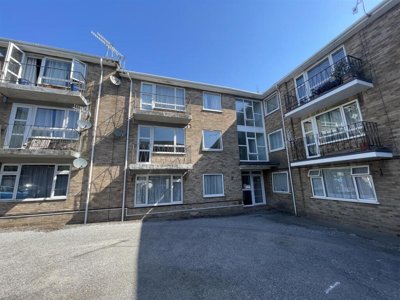
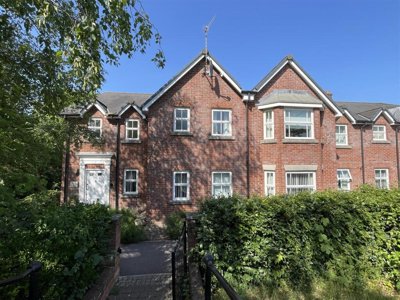
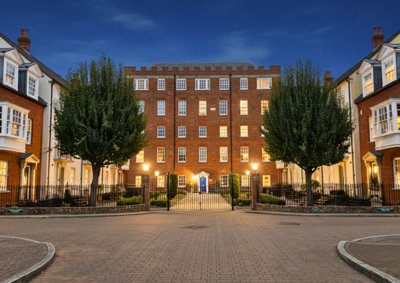
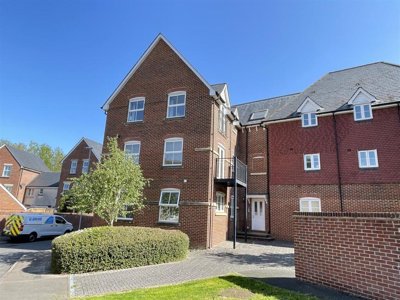
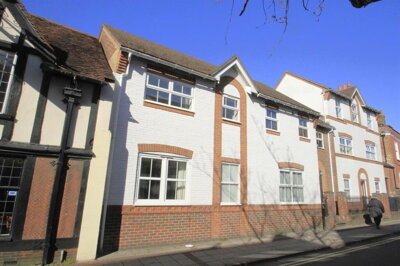
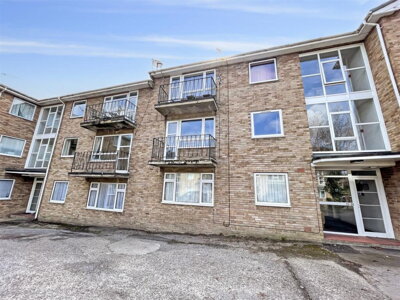
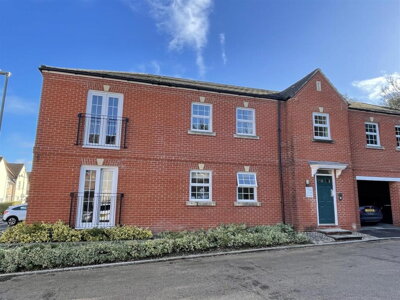
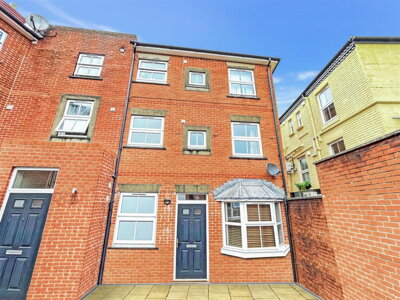
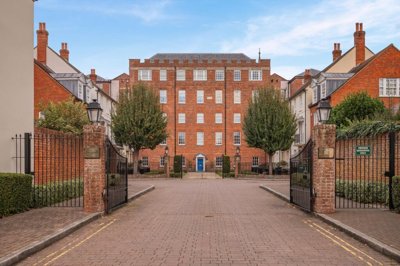
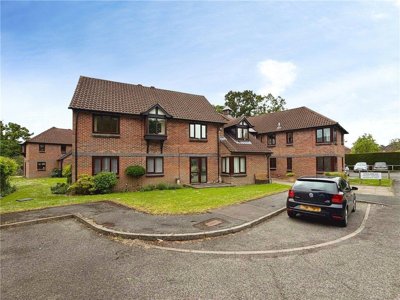
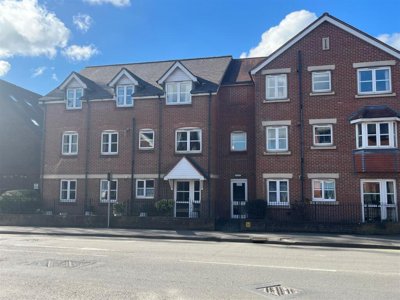
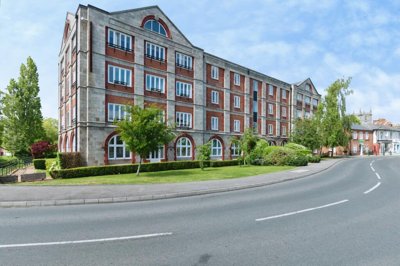
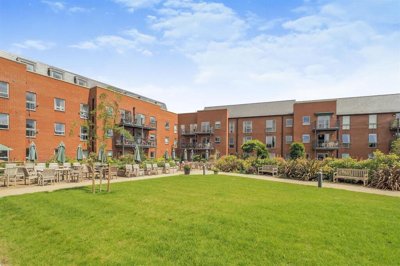
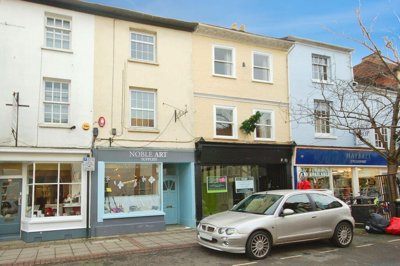
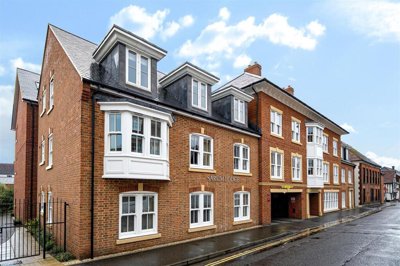
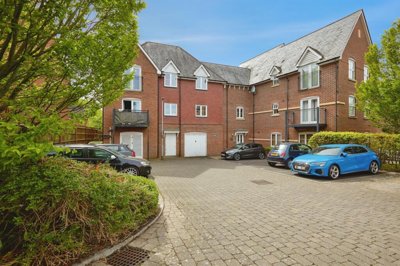
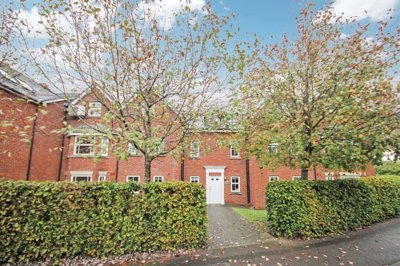
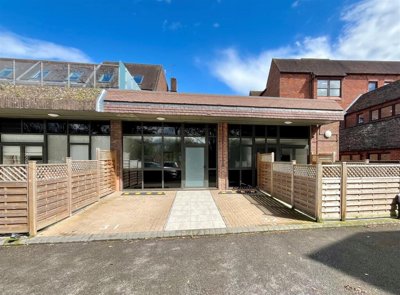
Browse 75 homes for sale in SP5 from local estate agents.
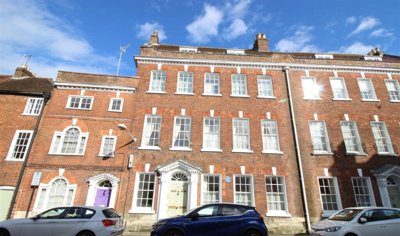
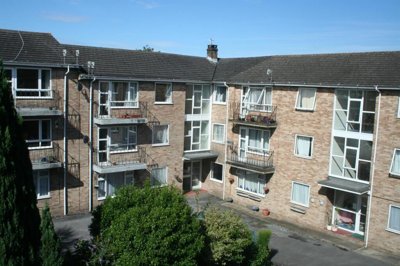
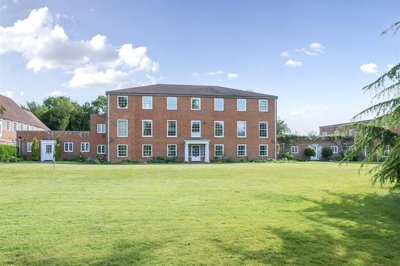
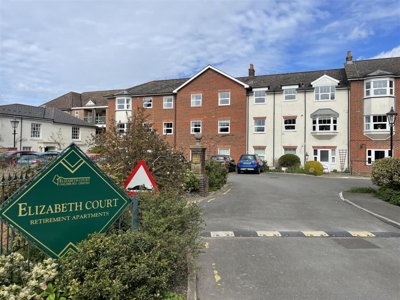
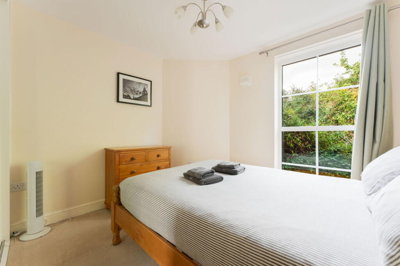
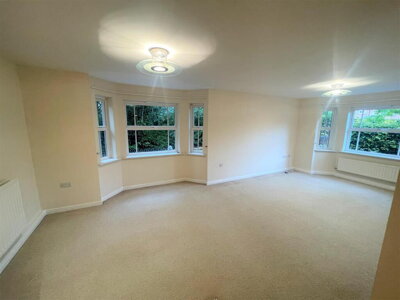
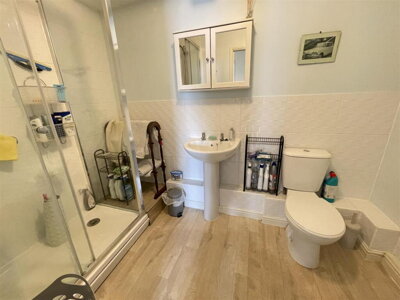
The 2 bed flat sector typically includes two separate bedrooms, dedicated living areas, and bathroom facilities. Properties in SP5 span purpose-built blocks, converted period houses, and modern apartment complexes on various floors.
£230k
2
0
57
Source: home.co.uk
Showing 2 results for 2 Bedroom Flats for sale in SP5. The median asking price is £230,000.
Source: home.co.uk
Flat
2 listings
Avg £230,000
Source: home.co.uk
Source: home.co.uk
SP5 is not a postcode defined by dense apartment schemes. It is shaped far more by detached homes and older housing stock. homedata.co.uk records show 194 sales in the last year, 35 fewer than the previous year, a drop of 18.04%, which points to a market where buyers are selective and sellers need to price with care. No active named new-build scheme was verified in the supplied research, although a planning reference in Britford, SP5 4DU, does cover dwellings with 4 affordable homes and associated infrastructure. In practice, most movers here are choosing from the existing stock.
Prices in SP5 spread out sharply by property type, which fits a postcode made up of cottages, bungalows and larger detached houses. Detached homes average £621,911, compared with £405,480 for semis and £345,404 for terraces, so budgets can land in very different places within the same area. The older, more individual houses often come with more plot and more character, but they can also need closer attention on condition. We usually suggest building in the full cost from the start, not just the asking price but survey, legal and moving costs as well.

There is a settled feel to SP5, and the housing stock says a lot about that. The supplied research points to period country cottages, thatched homes and stone properties, with some examples dating back to the late 1700s, which gives the area a strong historic identity. Buyers looking for beams, thicker walls and something less uniform are often drawn to that, and families still get the space and gardens they want. The trade-off is upkeep. Older homes tend to reward careful inspections and regular maintenance.
Part of the attraction here is the mix of charm and day-to-day practicality. Some properties are large enough for multigenerational living, some appeal to downsizers after a quieter pace, and some give buyers their first proper home beyond the city. The supplied research did not fully verify landscape and ground conditions, so we would always want a surveyor to comment on movement, drainage and tree-related risk for the exact address. For plenty of buyers, though, the appeal is straightforward, more room, more privacy, and a village setting that still links back to Salisbury and the wider Wiltshire countryside.
Many people in SP5 look to Salisbury as the main road and rail hub. Exact journey times depend on which village you choose, but the postcode generally stays well connected for trips into the city, across south Wiltshire and towards neighbouring counties. Bus links tend to work better in the busier village stretches than in the more remote spots, so anyone planning to live without a car should check timetables closely. Parking is often simpler on larger plots with driveways, while spaces in village centres can be tighter.
Cycling can be practical for local errands if the lanes suit you and the distance is manageable. It is less simple on older roads with limited pavements, so the route matters. For everyday commuting, we would look hard at station access, links to the main roads and where daily parking is easiest. A house can seem perfect online and feel much less so at 8am, which is why we recommend driving the route and timing it before you bid. In a rural move, transport planning is part of the purchase itself.

The supplied research did not verify named schools or Ofsted grades for SP5, so we would not dress up one option as the obvious choice for the whole postcode. In an area like this, catchment boundaries and transport routes can matter just as much as the mileage on paper, especially where villages are separated by a few miles. Families should check the local authority admissions page and then try the school run in both morning and afternoon traffic before offering. That is usually the clearest way to avoid a surprise after completion.
For buyers focused on education, we would begin with the nearest primary school and then widen the search to secondary and sixth-form options that suit the home. The best fit is often not the closest one, but the school that works for catchment, wraparound care and a realistic journey from the front door. Because SP5 includes older villages and more isolated homes, even a short drive can change the rhythm of daily life. We always tell buyers to test the route at school time, not on a quiet Saturday.
Salisbury can widen the picture for families who want more choice, but it is still important to confirm what the exact address actually gives you access to. If a child is due to start a new school year, leave enough time for admissions checks before exchange. A little planning at that stage can spare a lot of stress later.
We would start with a mortgage agreement in principle, then work out how far you can comfortably stretch within the SP5 market. That puts you in a stronger position to move quickly when the right detached house, cottage or family home appears.
In SP5, the postcode only tells part of the story because it covers a rural spread of places. The exact address matters just as much, so check school routes, parking, station access and how the property sits in its local setting before booking a viewing.
Room count is only the start. We would also ask how the house stacks up against nearby homes for age, condition and plot size. With older cottages and period houses in particular, keep an eye out for damp, movement, roof wear and any later alterations.
A conventional home in reasonable condition will often suit a RICS Level 2 Survey. A very old property, or one that has been heavily altered, may need a Level 3 report instead. In SP5, where older homes are common, that closer look is often justified because character can hide costly repairs.
Once a purchase starts to feel real, get the conveyancer in place early so searches, title checks and enquiries can begin straight away. Rural transactions often call for extra attention to boundaries, access rights, drains and any historic restrictions.
Before exchange, we would want every cost lined up, deposit, survey fees, legal costs and moving expenses included. When the numbers are clear from the start, completion is usually much less stressful and you can focus on the move itself.
Condition matters a great deal in SP5 because older housing stock sits at the centre of the market. homedata.co.uk records show that many sales are detached or semi-detached, yet the area also has period cottages and houses built well before 1919, bringing solid walls, older roofs and timber features into play. On a viewing, we would challenge damp, roof defects, cracking and timber decay first, especially where a property has been altered over time. If there has been an extension, ask how the work was signed off and whether structural changes affected the original frame.
For a conventional home in reasonable condition, a RICS Level 2 survey is often the right fit, and national pricing commonly falls between £400 and £1,000, with a typical average around £455. Survey costs usually rise for homes above £500,000, where the average is £586, and age can add 20% to 40% on pre-1900 homes or 10% to 20% on 1900-1950 properties. A very old cottage, a listed building or an unusual conversion is often better served by a Level 3 survey because it gives more depth. Compared with the cost of missing damp, movement or roof trouble before completion, that extra spend is small.
The supplied research did not verify any area-wide flood pattern, so postcode assumptions matter less than property-specific searches and what the surveyor says about the exact building. We would also check for trees near shallow foundations, signs of heave or subsidence, and whether drainage runs can be reached easily. Leasehold flats are less common here than houses, but any flat or conversion may still come with service charges, ground rent and maintenance obligations. If the price looks too low for the size, there is usually a reason, and the condition report often tells you what it is.
Over the last 12 months, homedata.co.uk records show an average sold house price in SP5 of £512,777. Detached homes average £621,911, semi-detached homes average £405,480 and terraced homes average £345,404, which gives the postcode a broad range of entry points. The market recorded 194 residential sales in the last year, 35 fewer than the year before. In other words, house type carries a lot of weight here when you compare value.
Council tax bands run from A to H, but the band sits with the individual property, not the postcode as a whole. Much of SP5 falls under Wiltshire Council, although homes near the edges can be under a different local authority. We would always check the exact address before an offer goes in, because the band can affect monthly running costs more than many buyers expect. A larger rural home will often sit in a higher band than a smaller village cottage.
The supplied research did not verify named schools or Ofsted ratings for SP5, so picking a single school for the whole postcode would be misleading. Usually, the better answer depends on the exact village, the catchment rules and how manageable the run is from your front door. Families should check admissions details with the local authority and visit the nearest options before they commit. If school access is a deciding factor, test the route at peak drop-off time.
Salisbury is the rail hub many buyers use for SP5, and the local road network links the villages to the rest of south Wiltshire. Some parts of the postcode are much better served than others, so daily travel can change noticeably from one address to the next. Rural bus services may be limited, which often makes a car useful for errands and school runs. For regular commuting, we would judge the route from the front door, not from the postcode on its own.
Buyers who want character, space and a settled rural market often find SP5 a good fit, particularly when they are looking at older houses with longer-term appeal. homedata.co.uk records show 194 sales in the last year, so the market is active without moving at the speed you would expect in a city centre postcode. That can suit investors seeking quality stock, though resale liquidity may be more selective. Well-kept detached houses and cottages usually keep broad appeal when they are priced sensibly.
For the standard 2024-25 bands, stamp duty is 0% up to £250,000, 5% from £250,000 to £925,000, 10% from £925,000 to £1.5 million and 12% above that. Based on the SP5 average sold price of £512,777, the standard SDLT bill comes out at about £13,139. First-time buyers pay 0% up to £425,000, then 5% from £425,000 to £625,000, which puts the bill on that same price at about £4,389. Anyone buying an additional property should check the surcharge separately before going ahead.
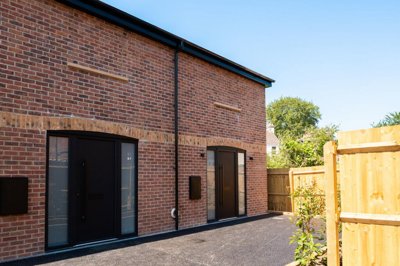
Older housing is plainly part of the SP5 picture, with the supplied research highlighting homes from the late 1700s, 1846 and 1863. That points to a solid supply of period cottages and historic houses, and it is exactly why surveys carry so much weight here. No specific active new-build development was definitively verified in the supplied research, although there is a planning reference in Britford, SP5 4DU, for dwellings including 4 affordable homes with associated infrastructure. Buyers hoping for brand-new stock should watch planning activity as well as live listings.
From 4.5%
Compare mortgage rates and find the best deal
From £499
Expert solicitors to handle your purchase
From £350
Homebuyer report for a conventional property
Price on request
Detailed survey for older or altered homes
Stamp duty is one of the bigger extras in any move, so we would rather work it out early than guess at it later. For 2024-25, the standard bands are 0% up to £250,000, 5% from £250,000 to £925,000, 10% from £925,000 to £1.5 million and 12% above £1.5 million. First-time buyers get 0% up to £425,000, then 5% from £425,000 to £625,000, with no relief above £625,000. On the SP5 average sold price of £512,777, that means around £13,139 for a standard buyer or about £4,389 for a first-time buyer.
Stamp duty is only one part of the moving budget. We would also allow for the deposit, mortgage fees, conveyancing, searches, surveys and removals. A RICS Level 2 Survey from £350 can be enough for a conventional home, while older cottages and listed homes may justify something more detailed. Legal fees starting from £499, along with a mortgage agreement in principle, should be ready before any serious offer goes in. Once those costs are mapped properly, bidding tends to feel more confident and far less prone to last-minute surprises.
Properties for Sale In London

Properties for Sale In Plymouth

Properties for Sale In Liverpool

Properties for Sale In Glasgow

Properties for Sale In Sheffield

Properties for Sale In Edinburgh

Properties for Sale In Coventry

Properties for Sale In Bradford

Properties for Sale In Manchester

Properties for Sale In Birmingham

Properties for Sale In Bristol

Properties for Sale In Oxford

Properties for Sale In Leicester

Properties for Sale In Newcastle

Properties for Sale In Leeds

Properties for Sale In Southampton

Properties for Sale In Cardiff

Properties for Sale In Nottingham

Properties for Sale In Norwich

Properties for Sale In Brighton

Properties for Sale In Derby

Properties for Sale In Portsmouth

Properties for Sale In Northampton

Properties for Sale In Milton Keynes

Properties for Sale In Bournemouth

Properties for Sale In Bolton

Properties for Sale In Swansea

Properties for Sale In Swindon

Properties for Sale In Peterborough

Properties for Sale In Wolverhampton

Enter your details to see if this property is within your budget.
Loans, cards, car finance
Estimated property budget
Borrowing + deposit
You could borrow between
Typical borrowing
Monthly repayment
Est. at 4.5%
Loan-to-value
This is an estimate only. Your actual budget may vary depending on interest rates, credit history, and personal circumstances. For an accurate affordability assessment, speak to one of our free mortgage advisors.
This calculator provides estimates for illustrative purposes only and does not constitute financial advice. Your home may be repossessed if you do not keep up repayments on your mortgage. Estimates based on 4.5% interest rate, repayment mortgage. Actual rates depend on your circumstances.
Homemove is a trading name of HM Haus Group Ltd (Company No. 13873779, registered in England & Wales). Homemove Mortgages Ltd (Company No. 15947693) is an Appointed Representative of TMG Direct Limited, trading as TMG Mortgage Network, which is authorised and regulated by the Financial Conduct Authority (FRN 786245). Homemove Mortgages Ltd is entered on the FCA Register as an Appointed Representative (FRN 1022429). You can check registrations at NewRegister or by calling 0800 111 6768.

We use cookies to show you personalised content and improve your experience of our website. Find out more in our Privacy policy and Cookie policy.