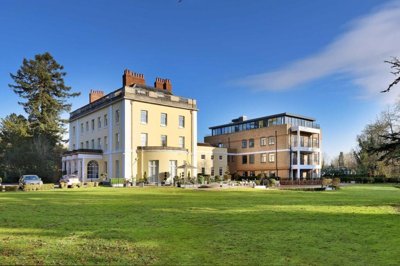
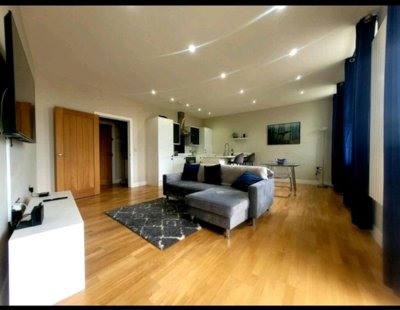
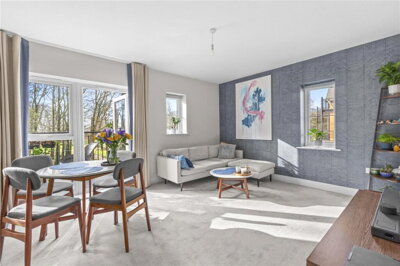
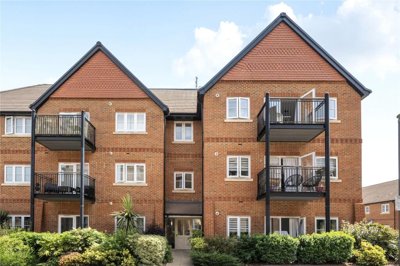
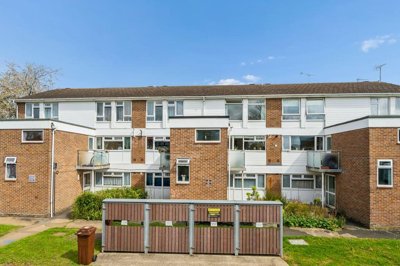
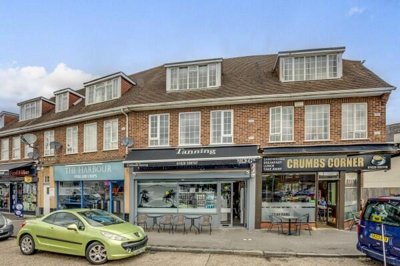
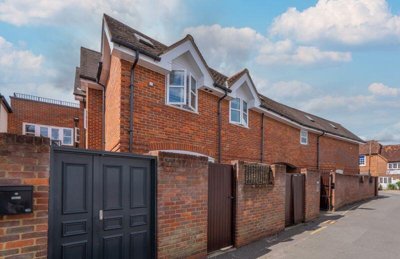
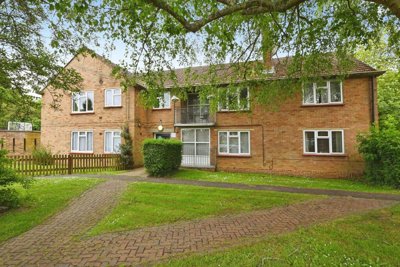
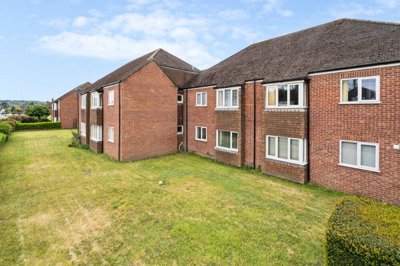
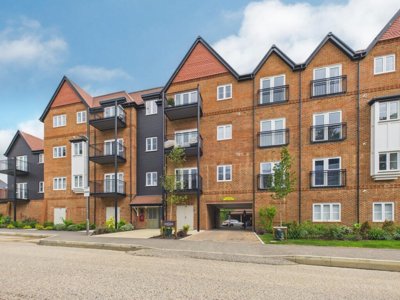
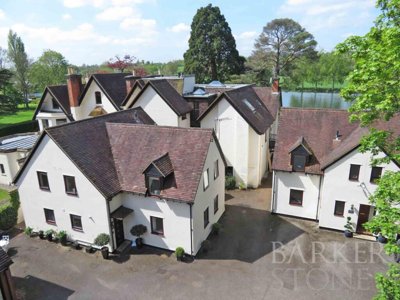
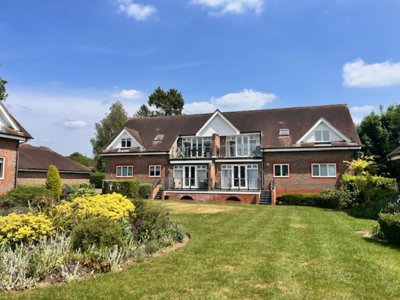
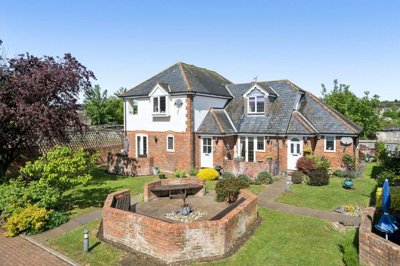
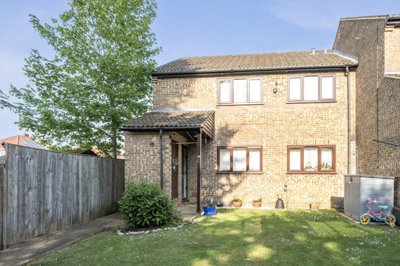
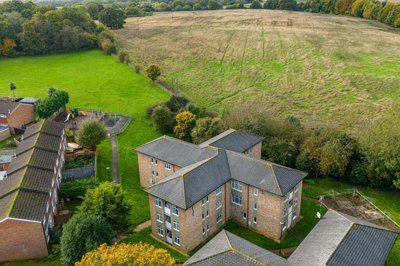
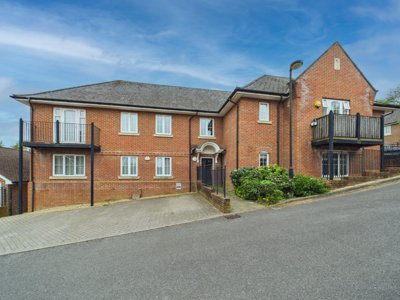
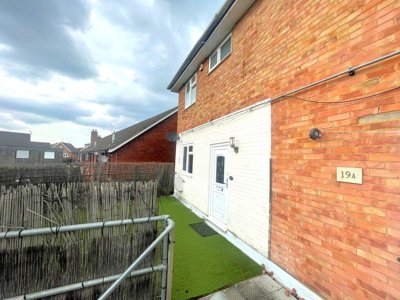
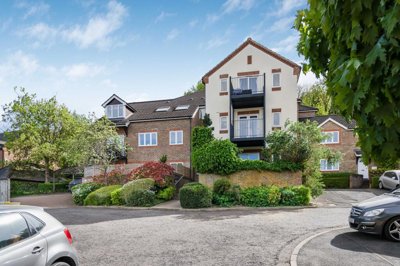
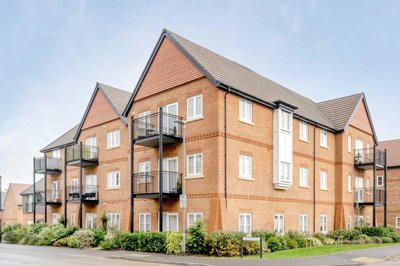
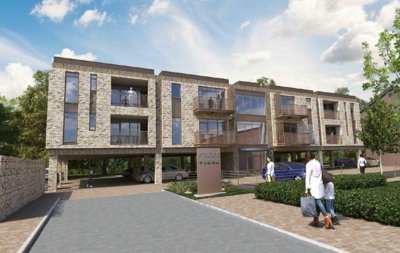
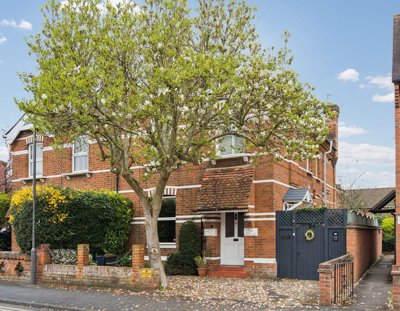
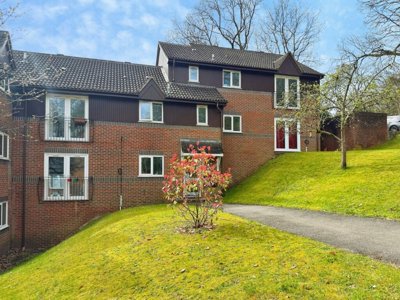
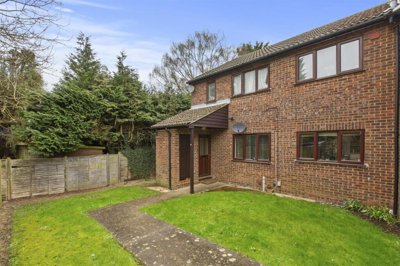
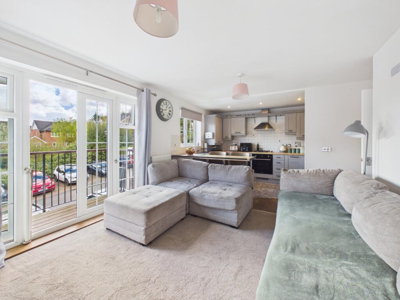
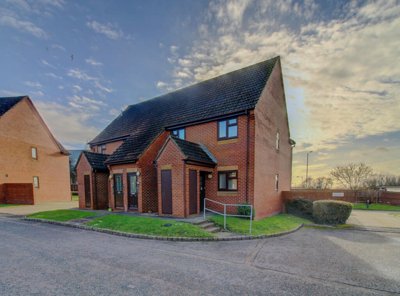
Browse 104 homes for sale in SL7 from local estate agents.
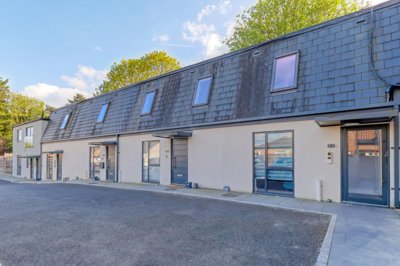
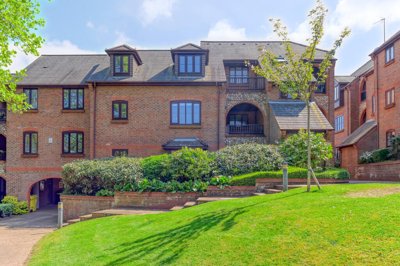
The 2 bed flat sector typically includes two separate bedrooms, dedicated living areas, and bathroom facilities. Properties in SL7 span purpose-built blocks, converted period houses, and modern apartment complexes on various floors.
£335k
10
0
158
Source: home.co.uk
Showing 10 results for 2 Bedroom Flats for sale in SL7. The median asking price is £334,500.
Source: home.co.uk
Flat
10 listings
Avg £349,650
Source: home.co.uk
Source: home.co.uk
Marlow's SL7 market still has solid foundations, even with some modest price movement lately. Home.co.uk says average sold prices are down 8% over the past year and sit 9% below the 2022 peak of £816,357, which opens the door a little for buyers who had been pushed out of this affluent pocket. Property Solvers tells a different story, putting prices up by 2.39% over the last 12 months, so the picture is clearly mixed. There have been 218 residential sales in the past year, a fall of 26% on the year before, which mirrors the wider slowdown in transaction volumes.
Price levels in Marlow vary quite a bit by property type and setting. Detached homes are still the most in demand, with homedata.co.uk putting the average at £1,083,218, while semi-detached properties come in at around £725,686. Terraced houses give a more affordable route in, averaging £621,683, and flats begin at about £426,015. Home.co.uk shows a similar pattern, with detached homes at £973,239, terraced properties at £625,467, and semi-detached at £712,365, so the demand profile looks steady across both sources.
New homes add another layer to the market, and Southview Place is a good example, with four-bedroom detached homes priced from £1,350,000 to £1,650,000. This Revere Homes scheme at SL7 3JR has two sizeable family homes due for completion in Spring 2026. At the more approachable end, apartments at 66-68 Chapel Street start from £250,000 for one-bedroom and studio units, while Westhorpe House at SL7 3FJ offers converted coach house apartments with a guide price of £875,000. For something with more character, a detached new build on Chiltern Road (SL7 2PW) is marked at £1,250,000.

With around 14,895 residents in 2024 population estimates, Marlow feels busy without losing its town character, and that balance keeps drawing buyers from across the South East. The centre has a pleasing mix of independent boutiques, artisan coffee shops, and good restaurants along cobbled streets that reflect its Georgian and Victorian past. Then there is the Marlow Suspension Bridge, a Grade I listed structure designed by William Tierney Clark and completed in 1834, spanning the River Thames and ranking as one of Buckinghamshire's most photographed landmarks.
Higginson Park and Court Garden give the town valuable open space inside the conservation area, with riverside walks, leisure facilities, and wide views towards the Chiltern Hills. Court Garden itself has real history, not least Court Garden House, which dates back to 1758 and now sits as a notable landmark in the townscape. The conservation area was first designated in March 1969 and later extended in 1987 and 1991. It includes the suspension bridge, All Saints Church, Georgian townhouses along West Street, and the historic Two Brewers pub on the edge of the River Thames.
Marlow's demographic profile points to an affluent community, with high homeownership levels and plenty of professional households. Day to day, the town has the kind of amenities people use constantly, including Waitrose and Tesco supermarkets, a cinema, leisure centre, and a good spread of gyms and wellness studios. There are weekend markets with local producers in the centre, while the annual Marlow River Festival and Regatta pull in visitors from across the region. Families often like the village feel here, but with the practical comforts of a larger place, all set against Chiltern countryside that works well for walking, cycling, and days out along the Thames Path National Trail.

For families looking at Marlow, schooling is one of the strongest pulls, and the wider SL7 area gives access to well-regarded schools at every stage. Primary education in Marlow includes Sir William Ramsay School, which serves the local community and has a strong reputation for academic achievement and pastoral care. Its place in the high-performing Buckinghamshire education system matters too, especially because the county is nationally known for grammar school provision. Nearby villages also have excellent primary schools, and many of them receive Good or Outstanding Ofsted ratings.
At secondary level, competition is especially sharp, with schools such as Sir William Ramsay School offering comprehensive secondary education and strong examination results. Buckinghamshire's selective grammar school system gives pupils routes to Royal Grammar School in High Wycombe (boys), Wycombe High School (girls), and Johnans School in Beaconsfield, each of which appears regularly in national rankings for academic performance. Because the system is selective, preparation for entrance examinations usually starts in Year 5, and many families bring in tutors to help with that stage.
Private schooling is another option in the Marlow area, with several independent schools serving nursery through sixth form and long-standing reputations for strong outcomes. Parents should check catchment areas and registration deadlines carefully, since popular schools can be oversubscribed. Some registration windows open well ahead of the start date, in certain cases two years in advance for reception places. We suggest arranging school visits and speaking directly with admissions teams to get a clear picture of current entry requirements and available places.

Marlow has excellent transport links, which makes commuting to London and other major business centres practical. Marlow railway station sits on the Marlow branch line and connects to Maidenhead station, where Crossrail provides direct access to central London, Reading, and Heathrow Airport. From Maidenhead to London Paddington, the journey takes approximately 45 minutes, and the wider Crossrail network stretches the commuting reach to places such as Canary Wharf, Liverpool Street, and Heathrow Terminal 4.
Drivers can get out of town quickly enough, thanks to the A404, which links Marlow to the M4 motorway at Maidenhead and the M40 at High Wycombe. That gives access to Reading, Oxford, and the national motorway network, while the M4 corridor opens up employment centres such as Slough and Reading. The M40 route works for Birmingham, Oxford, and the north. Peak-hour congestion can be heavy on the A404 and through the town centre, especially around school run times, so plenty of residents plan their day around that.
Arriva and other local bus operators run services between Marlow and nearby towns including High Wycombe, Henley-on-Thames, and Bourne End, so there are workable alternatives to driving for both commuting and leisure. The town centre has several car parks, although spaces can be hard to come by at busy times and during events like the annual River Festival. Cyclists have good reason to like the area too, since the Thames Path National Trail runs through Marlow and the Chiltern Hills offer tougher rides for recreation and sport. The Chilterns Cycleway gives a 170-mile circuit through the Area of Outstanding Natural Beauty.

Current listings on Homemove are a good place to start if you want a clear read on price trends in SL7. With average prices around £744,130 and a wide spread of property types available, a firm budget and a sense of where you want to be in Marlow will help focus the search. Some buyers prefer the character of homes in the conservation area, such as Georgian townhouses on West Street or Victorian properties on Spittal Street, while others are drawn to the newer schemes on the edge of town.
We recommend speaking to lenders or mortgage brokers and getting an Agreement in Principle before any viewings begin. It gives buyers a stronger hand when offers are being considered, which matters in Marlow where well-presented homes can move fast. With detached homes averaging over £1 million in SL7, having the right finance lined up is a basic step before serious negotiations start.
Local estate agents are worth involving early so that viewings can be arranged for homes that actually match your brief. It helps to look at properties both on and away from the main roads in Marlow, because the conservation area has a different feel and pricing profile from newer developments. Our platform links buyers with agents active in SL7, and they can talk through particular streets, recent sales, and what is coming to market soon.
Before a purchase goes any further, a qualified surveyor should inspect the property. Marlow has a mix of Georgian and Victorian homes as well as newer builds, so a Level 2 Home Survey usually costs between £395 and £1,250 depending on size and value. For older houses, or homes inside the conservation area, a more detailed Level 3 Building Survey can be the better option, especially where traditional construction methods, listed building issues, or historic defects may be involved.
A conveyancing solicitor should then handle the legal side of the transaction. Searches will normally include local authority, drainage and water, and environmental checks linked to Buckinghamshire Council. For homes near the River Thames in Marlow's flood-risk areas, extra flood risk assessments may also be needed.
Once the searches come back clean and the finance is in place, contracts are exchanged and the deposit is paid. Completion usually follows within 28 days, and that is when the keys are handed over and the move into a new Marlow home begins.
Buying in Marlow SL7 means weighing up a few local factors that can affect an investment quite significantly. Flood risk is one of them, because the town's position on the River Thames leaves properties in low-lying riverside areas and parts of the town centre exposed to flooding when water levels rise. The Environment Agency issues regular flood alerts, and the Marlow Community Flood Plan covers everything from alerts to severe warnings. A Flood Alleviation Scheme is already in place to reduce risk from fluvial and groundwater flooding, but buyers should still look closely at the long-term flood risk assessment for any property, especially those with riverside aspects or in the lower parts of town.
The wide conservation area in Marlow's historic centre brings both appeal and limits. Homes within it may face planning restrictions on alterations, extensions, and external changes, all of which need consent from Buckinghamshire Council. A number of listed buildings, including Georgian townhouses on West Street and properties along the High Street, are protected by extra legal controls, so specialist advice is sensible before any work begins. Court Garden House, which is Grade II listed and built 1758, All Saints Church, and many buildings on Spittal Street and St Peter's Street all need their historic character to be preserved.
Geology matters here too. Marlow sits on the edge of the Chiltern Hills, where chalk is the dominant ground formation, but the surrounding areas also contain clay soils that can lead to subsidence issues. Across the South East of England, shrinkable clay is a common problem, swelling when wet and shrinking sharply in dry spells. It accounts for over 75% of subsidence cases nationally, and the risk is often made worse by large trees near foundations or leaking drains, especially in older houses with shallow foundations.
Because Marlow has such a blend of historic and modern housing, many older-home defects crop up regularly across the area. Our inspectors often find penetrating damp through ageing brickwork, rising damp in solid-walled Victorian or Edwardian homes built before modern damp-proof courses, and roof problems such as slipped or cracked tiles and failing chimney flashings. Structural movement can show itself through diagonal or stair-step cracks, uneven floors, and sticking doors or windows, often linked to ground movement, soil shrink-swell, or the long-term settlement of older foundations. Outdated electrics and plumbing are also common in period properties, and many still have original wiring or lead pipework that falls short of modern safety standards.
Leasehold properties, especially flats in Marlow, need close attention to service charges, ground rent terms, and the length of the lease that remains. The new build apartments at Foxes Piece (SL7 1HE) come with modern specification, but there are estate management charges to factor in, while older purpose-built flats and conversion apartments may have different arrangements for maintenance. Our surveyors look through the lease carefully and flag anything that could affect ownership costs, including undisclosed major works, reserve fund deficits, or unusual covenants.

Average house prices in Marlow SL7 sit at roughly £744,130 according to home.co.uk listings data for the past year, while homedata.co.uk gives a slightly higher figure of £796,829. Property Solvers, using HM Land Registry data, shows an average of £561,222. The spread by property type is wide, with detached homes averaging £1,083,218, or £973,239 on home.co.uk, semi-detached properties around £725,686, terraced homes at £621,683, and flats starting from £426,015. Market data also shows a modest correction from the 2022 peak of £816,357, with year-on-year changes ranging from 8% decreases to 2.39% increases depending on the source, which points to a market settling after the post-pandemic surge.
Most homes in the SL7 area fall under Buckinghamshire Council, and council tax bands there usually run from C through H. Band D is common for mid-sized terraced and semi-detached properties, while larger detached houses on sought-after roads near the River Thames or inside the conservation area often land in bands E, F, or H. Buyers should check individual properties against Valuation Office Agency records, because banding affects running costs and should sit alongside purchase price and the rest of the buying budget.
Marlow has strong education provision at every stage, with Sir William Ramsay School serving primary-aged children in the immediate area. Secondary choices include Buckinghamshire's highly regarded selective grammar school system, where Royal Grammar School in High Wycombe and Wycombe High School continue to post strong academic results in national rankings. Pupils from Marlow can also apply to Johnans School in Beaconsfield and other grammar schools across Buckinghamshire. Independent schools in and around Marlow give families further options from nursery through sixth form. Parents should check current Ofsted ratings and registration deadlines, since catchment areas and admissions criteria change from time to time, and grammar school entry normally needs preparation starting in Year 5.
Marlow railway station sits on the Marlow branch line and links through to Maidenhead, where Crossrail offers direct services into central London, Reading, and Heathrow Airport. Journeys from Maidenhead to London Paddington take approximately 45 minutes, and Crossrail also opens up access to Canary Wharf, Liverpool Street, and Heathrow Terminal 4. Arriva buses connect Marlow with High Wycombe, Henley-on-Thames, Bourne End, and nearby villages. By road, the A404 gives direct access to the M4 at Maidenhead and the M40 at High Wycombe, so commuting to major business centres by car is straightforward. Heathrow Airport is approximately 30 minutes by car for international travel.
Historically, Marlow has shown strong property values and a fair amount of resilience when markets have wobbled, helped by its desirable setting, good schools, and transport links. Since the post-pandemic shift, London buyers wanting more space have added to demand in Marlow, which has supported prices despite wider national uncertainty. Rental yields in SL7 tend to be moderate compared with London, and the market is mainly made up of owner-occupiers rather than investors chasing big rental returns. For long-term capital growth and steadiness, Marlow remains a strong choice in Buckinghamshire, especially for families who value lifestyle and schooling.
Standard SDLT rates for 2024-25 apply to Marlow homes, with 0% tax on the first £250,000, 5% on £250,001 to £925,000, 10% on £925,001 to £1.5 million, and 12% on anything above £1.5 million. First-time buyers get relief on the first £425,000, with 5% charged between £425,001 and £625,000. So a £744,130 property would cost roughly £22,200 in SDLT for a standard buyer, while a first-time buyer would pay around £12,750. Relief stops above £625,000, so anyone buying at the higher end gets no relief on amounts over that threshold.
We strongly recommend a RICS Level 2 Home Survey before buying any property in Marlow SL7. The town has Georgian and Victorian stock alongside modern developments, and a professional survey often picks up defects that are easy to miss on viewings. Our inspectors commonly report damp in older homes, roof deterioration, structural movement linked to clay soil subsidence, and outdated electrics. For period homes in the conservation area or for listed buildings, a more detailed Level 3 Building Survey may be more suitable. In Marlow, survey costs usually range from £395 to £1,250 depending on value and size.
Because Marlow sits on the River Thames, flood risk is a real issue for buyers in SL7. The Environment Agency issues regular flood alerts for the area, and properties in low-lying riverside locations and parts of the town centre can flood when water levels are high. Surface water flooding can also happen when intense rain overwhelms local drainage, especially in built-up areas with a lot of hard landscaping. A Flood Alleviation Scheme is already in place to bring the risk down, but we recommend getting a specific flood risk assessment for any home under consideration. Homes in higher-risk spots may also face higher insurance premiums, so our surveyor should be asked about that.
Knowing the full cost of buying in Marlow SL7 helps with budgeting and keeps surprises to a minimum during the deal. Stamp Duty Land Tax, or SDLT, is one of the bigger costs for most buyers and is charged on a tiered percentage basis against the purchase price. On a typical Marlow property at the current average price of £744,130, a standard buyer without first-time buyer status would pay around £22,200 in SDLT. That works out as 5% on £494,130, the slice between £250,000 and £744,130, with the first £250,000 taxed at 0% under the current thresholds.
First-time buyers in Marlow benefit from stronger SDLT relief, with nothing due on the first £425,000 and 5% on the amount between £425,001 and £625,000. A first-time buyer paying the average Marlow price of £744,130 would owe about £12,750, which is around £9,450 less than a standard buyer. Relief does not apply above £625,000, so higher-value purchases get no help on the amount beyond that point. Other buying costs should also go into the budget, including solicitor fees of typically £500 to £2,000 depending on complexity, survey costs of £395 to £1,250 for a Level 2 Home Survey, mortgage arrangement fees of 0% to 1.5% of the loan amount, and removal costs.
Some Marlow properties bring extra buying costs of their own. Homes in the extensive conservation area, and listed buildings, may need specialist surveys that cost more than standard Level 2 reports, and a Level 3 Building Survey can add to the bill. Flood risk assessments and specialist insurance may also be needed for properties in higher-risk places near the River Thames, which adds to ongoing ownership costs. Leasehold homes need close checking of service charges and ground rent paperwork by the solicitor, because undisclosed major works can create significant unexpected costs after completion. With detached homes averaging over £1 million in Marlow, the total buying cost can be substantial, so it needs to sit in the budget from the outset.

Properties for Sale In London

Properties for Sale In Plymouth

Properties for Sale In Liverpool

Properties for Sale In Glasgow

Properties for Sale In Sheffield

Properties for Sale In Edinburgh

Properties for Sale In Coventry

Properties for Sale In Bradford

Properties for Sale In Manchester

Properties for Sale In Birmingham

Properties for Sale In Bristol

Properties for Sale In Oxford

Properties for Sale In Leicester

Properties for Sale In Newcastle

Properties for Sale In Leeds

Properties for Sale In Southampton

Properties for Sale In Cardiff

Properties for Sale In Nottingham

Properties for Sale In Norwich

Properties for Sale In Brighton

Properties for Sale In Derby

Properties for Sale In Portsmouth

Properties for Sale In Northampton

Properties for Sale In Milton Keynes

Properties for Sale In Bournemouth

Properties for Sale In Bolton

Properties for Sale In Swansea

Properties for Sale In Swindon

Properties for Sale In Peterborough

Properties for Sale In Wolverhampton

Enter your details to see if this property is within your budget.
Loans, cards, car finance
Estimated property budget
Borrowing + deposit
You could borrow between
Typical borrowing
Monthly repayment
Est. at 4.5%
Loan-to-value
This is an estimate only. Your actual budget may vary depending on interest rates, credit history, and personal circumstances. For an accurate affordability assessment, speak to one of our free mortgage advisors.
This calculator provides estimates for illustrative purposes only and does not constitute financial advice. Your home may be repossessed if you do not keep up repayments on your mortgage. Estimates based on 4.5% interest rate, repayment mortgage. Actual rates depend on your circumstances.
Homemove is a trading name of HM Haus Group Ltd (Company No. 13873779, registered in England & Wales). Homemove Mortgages Ltd (Company No. 15947693) is an Appointed Representative of TMG Direct Limited, trading as TMG Mortgage Network, which is authorised and regulated by the Financial Conduct Authority (FRN 786245). Homemove Mortgages Ltd is entered on the FCA Register as an Appointed Representative (FRN 1022429). You can check registrations at NewRegister or by calling 0800 111 6768.

We use cookies to show you personalised content and improve your experience of our website. Find out more in our Privacy policy and Cookie policy.