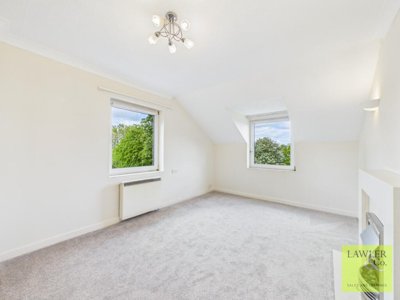
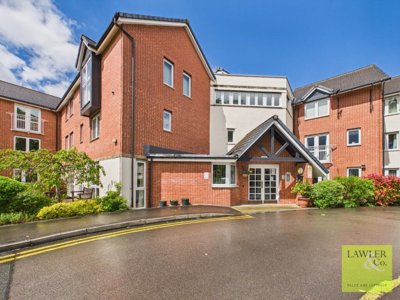
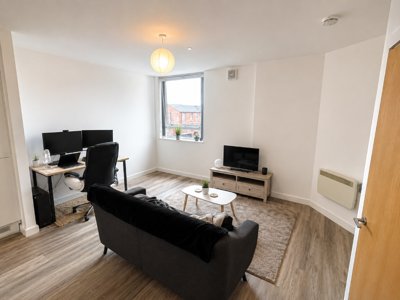
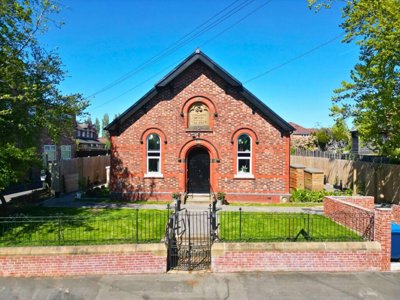
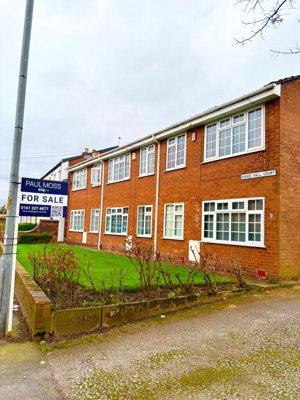
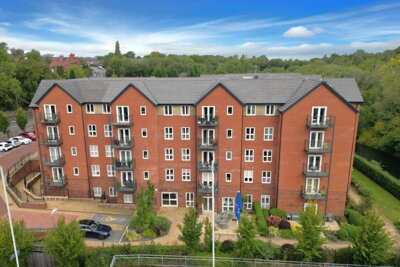
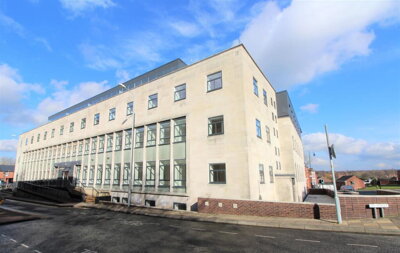
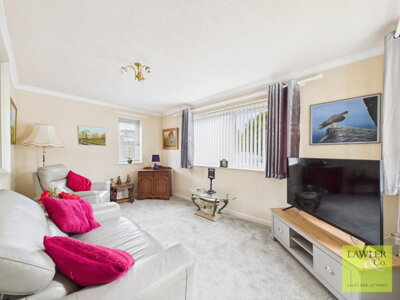
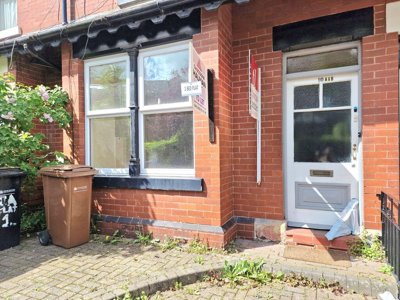
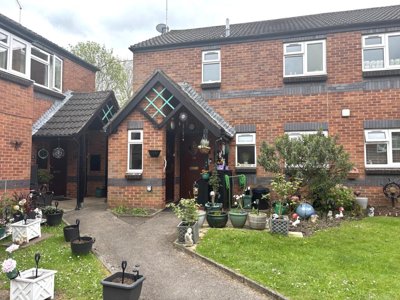
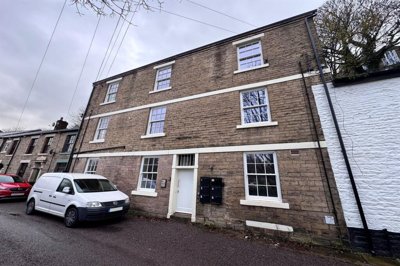
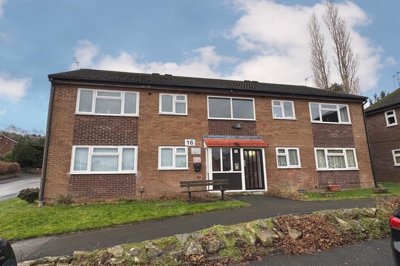
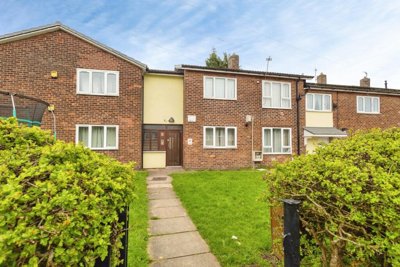
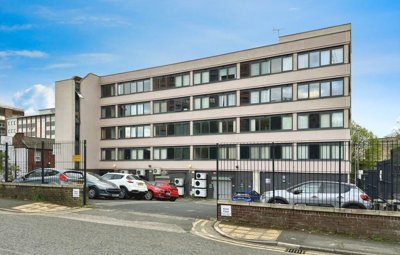
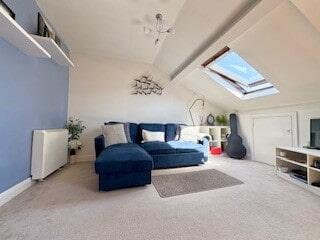
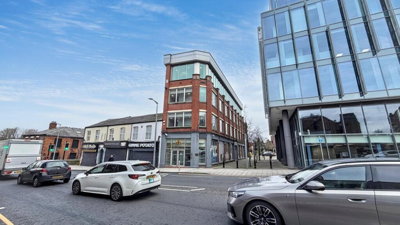
Browse 66 homes for sale in SK6 from local estate agents.
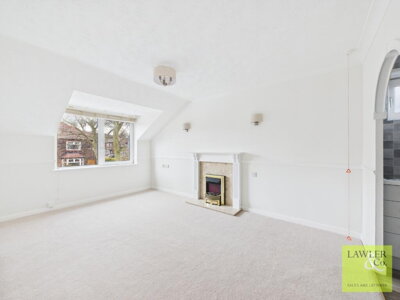
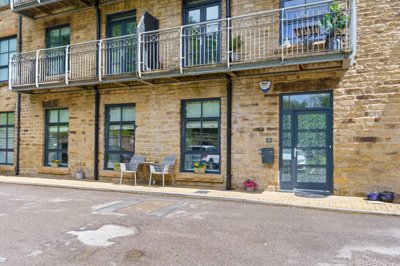
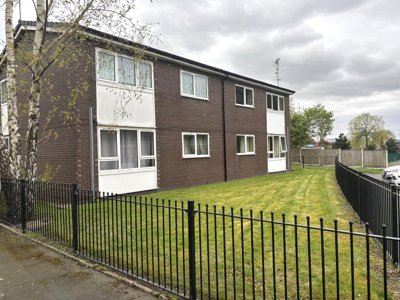
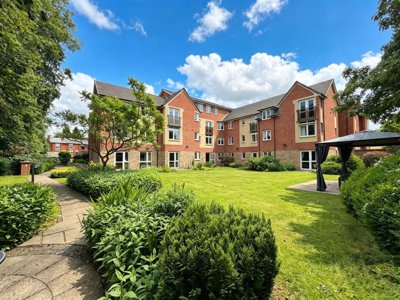
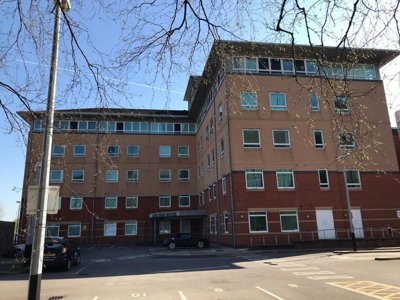
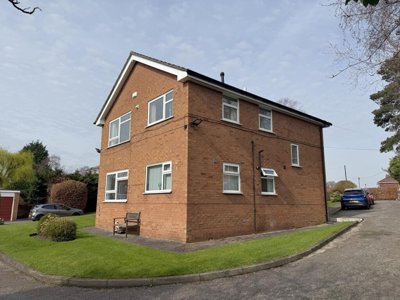
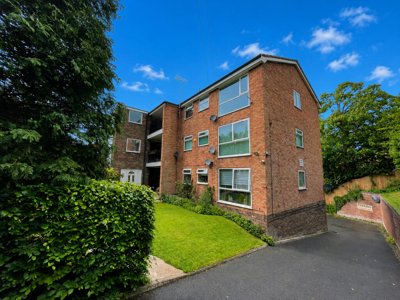
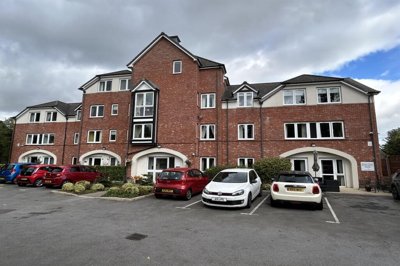
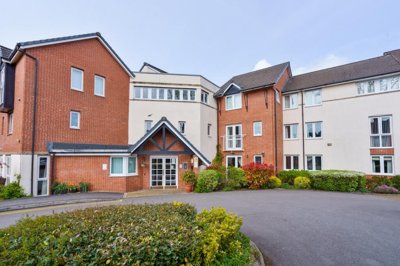
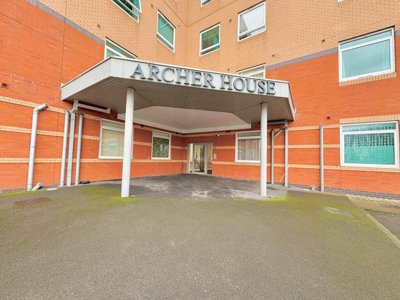
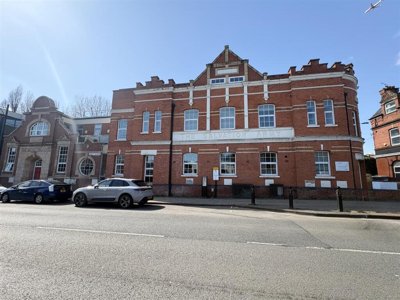
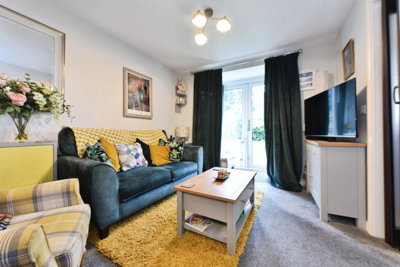
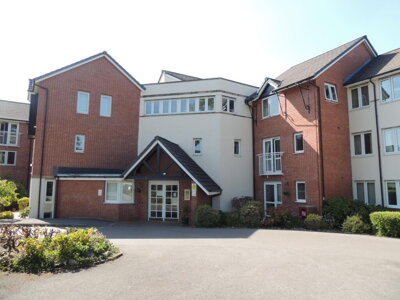
One bed apartments provide a separate bedroom alongside distinct living space, bathroom, and kitchen areas. Properties in SK6 are available in various building types including mansion blocks, contemporary developments, and house conversions.
£125k
5
0
168
Source: home.co.uk
Showing 5 results for 1 Bedroom Flats for sale in SK6. The median asking price is £125,000.
Source: home.co.uk
Flat
5 listings
Avg £141,500
Source: home.co.uk
Source: home.co.uk
Detached homes still sit at the top of the SK6 property market, with an average price of around £660,180. Most offer four or more bedrooms, generous gardens, and setting on established residential roads edged with mature trees, often close to open countryside. In the southern parts of SK6 near High Lane and the fringes of Brabyns Park, these larger plots are especially sought after, and families often pay a premium for the extra space.---NEXT---
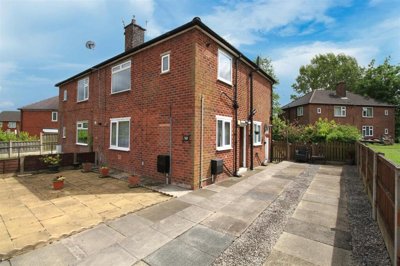
Semi-detached homes make up 33.7% of the housing stock and average £379,467, so they remain a strong option for families who want room without stepping up to detached prices. Much of this stock dates from the post-war building boom of 1945-1980, a period that accounts for 38.5% of all properties in the area. A typical post-war semi usually comes with two reception rooms, a kitchen-diner, three bedrooms, and a bathroom on the first floor, while cavity wall insulation was often added later rather than included in the original build specification.---NEXT---
Terraced properties in SK6 average £288,223, which makes them a practical route into this desirable postcode for first-time buyers looking to get a foothold. Many are clustered in the historic centre of Marple and Marple Bridge, where Victorian and Edwardian homes bring bay windows, fireplaces, and period staircases. Flats come in at around £164,853, giving young professionals and downsizers an affordable choice, with conversions particularly common above retail premises along Market Street in Marple town centre.---NEXT---
New build schemes also have a place in SK6, with High Peak Gardens by Bellway Homes on High Peak Road in Hazel Grove offering three-bedroom homes from around £368,004 and four-bedroom homes from around £554,125, while Hazelwood by Taylor Wimpey on London Road has similar three and four-bedroom properties priced from £368,004 to £554,125. They bring a modern, energy-efficient alternative to the older stock, although the price premium over comparable period homes is something buyers need to allow for in their figures.---NEXT---

SK6 covers several distinct neighbourhoods, each with its own feel. Marple sits at the centre of the community, a former mill town that has moved into affluent suburb territory without losing much of its historic architecture or village atmosphere. Around Market Street and the Town Hall, the town centre mixes independent shops, cafes, and restaurants in a way that still feels local. Marple's population of approximately 38,000 residents across 16,000 households also has quick access to countryside walks, with the Peak District Boundary Park and Brabyns Park both close by for anyone heading outdoors.
Hazel Grove is strong on everyday convenience, with a Waitrose supermarket, high street retailers, and a line-up of pubs and restaurants along the busy London Road corridor. Most of the housing here is post-war, and the tree-lined residential roads tend to have good-sized gardens and handy access to local schools. Thanks to the A6 corridor, properties in Hazel Grove have straightforward links into Stockport and on to Manchester, while the M60 orbital motorway is only a short drive away for longer journeys.
High Lane, between Marple and Hazel Grove, feels more like a village, with a smaller collection of local shops serving day-to-day needs. Across SK6, brick construction is the common thread, often in the red brick style associated with the North West of England, which gives the area a fairly consistent look. That said, the 15.2% of properties built before 1919 add plenty of variety and period character, especially along Church Lane and Town Street in Marple, and around the historic core of Marple Bridge where conservation area designations help protect the street scene.

Families are well served on the education front, with a solid spread of primary and secondary schools across SK6. In Marple, Marple Primary School covers the immediate town centre, while Ludworth Primary School serves families in the outlying districts. St Mary's Catholic Primary School offers faith-based education for Catholic families in the area. These schools usually feed into Marple Hall School, a popular secondary with a strong academic reputation and a wide mix of extracurricular programmes, including sports teams, music groups, and drama productions.
For families looking at faith education beyond GCSEs, Aquinas College in Stockport offers sixth form provision and is reachable from SK6 by rail or by bus along the A6 corridor. Stable residential communities and decent school provision make the area especially popular with families, so we would always advise parents to check the latest catchment arrangements with Stockport Metropolitan Borough Council before buying. Popular schools can have competitive admission criteria based on proximity, and faith-based eligibility where that applies.
The housing mix in SK6 reflects a long settlement history, with 68.5% of properties built before 1980. That older stock supports schools serving well-established neighbourhoods, where parent networks are often active through fundraising and volunteer programmes. Private education options in wider Stockport include The Kings School and Loretto College, both of which have strong academic records and can be reached by SK6 residents who are happy to manage the commute from Marple or Hazel Grove stations.
Early years provision is strong throughout the area, with nurseries and pre-schools operating from dedicated sites as well as school premises. Marple Montessori Nursery and the Little Stars Day Nursery both provide early childhood education for children under five, while a number of childminders work across the postcode, giving working parents more flexible childcare choices. That sort of provision helps to explain why SK6 is seen as a family-friendly part of Stockport.

Transport is one of SK6's biggest strengths, which is a major draw for commuters heading into Manchester city centre. Marple railway station sits on the Hope Valley Line, with direct services to Manchester Piccadilly taking about 35-40 minutes. The same line also links residents to New Mills and Sheffield, opening up work and leisure options beyond Greater Manchester. Peak-hour services from Marple can be crowded, so people working from home for part of the week may find the off-peak flexibility useful.
Hazel Grove railway station gives residents similarly easy access to Manchester, with frequent services running through the day and into the evening. Its position closer to the A6 corridor also makes it convenient for people living in Hazel Grove and the southern parts of High Lane. Both stations have car parking for those combining driving and rail travel, though weekday morning spaces can disappear quickly.
By road, the A6 corridor gives a direct route to Stockport town centre and then on to Manchester, while the M60 orbital motorway wraps around Greater Manchester and ties SK6 into the wider regional network. That ring road is particularly handy for commuters working in Trafford, Bolton, or Oldham, because it offers a useful alternative to city centre bottlenecks. Bus services run by Stagecoach and other operators connect the various SK6 neighbourhoods with Stockport town centre and nearby areas, which matters for residents who do not have a car.
The roads can clog up at peak times, especially around the London Road and Buxton Road junctions in Hazel Grove, so anyone commuting into Manchester city centre may prefer the train when traffic is heavy. In Marple town centre, traffic calming measures and parking restrictions reflect the volume of pedestrians and the village atmosphere people value, although they can also slow through-traffic during busy shopping periods on Market Street.

It is worth spending time in the different parts of SK6, from Marple town centre to Hazel Grove and High Lane. Each area brings its own strengths, and a clear view of local amenities, school catchments, commute times, and the feel of local shops and cafes will help narrow the search to the right spot for your circumstances. We also recommend visiting at different times of day and on different days of the week, so you can judge traffic patterns for yourself.
Before you book viewings, speak to a mortgage broker or lender and get an Agreement in Principle in place. It strengthens any offer and shows sellers that the buyer is finance-ready, serious, and able to move. With interest rates where they are now, early advice can make a real difference to the deal available, and having the figures confirmed means you can move quickly when the right property appears in this competitive market.
We would suggest using Homemove to browse the available properties in SK6 and then contacting local estate agents to arrange viewings. Keep an eye on condition too, because 68.5% of homes in SK6 were built before 1980 and may need maintenance or renovation. Look past the fresh paint and staged rooms, and check the roofs, windows, and original features that may need repair or upgrading.
Once an offer has been accepted, we advise arranging a RICS Level 2 Survey before exchange of contracts. Clay soils and historical mining activity are both part of the picture here, so this survey can flag structural concerns, damp, or other defects that may affect value or call for remedial work. For period properties in conservation areas, a RICS Level 3 Building Survey may be the better choice, as it gives a fuller view of traditional construction and the condition of the whole building.
Appoint a solicitor who knows SK6 property transactions and can handle the legal side of the purchase efficiently. They will carry out local authority searches, check planning restrictions, and deal with the transfer of ownership. With so many conservation areas and listed buildings in Marple and Marple Bridge, it is sensible for your solicitor to look closely at any planning conditions that could affect extensions or future renovations.
Your solicitor will arrange for contracts to be signed and deposits paid before exchange, which sets a legally binding completion date. On completion day, the keys are released and you can move into your new SK6 home. Our team can point you towards local removal firms and tradespeople who know the area well, helping you settle into the neighbourhood without too much fuss.
Several area-specific points need a close look before buying in SK6. The geology is part of it, because the postcode sits above the Pennine Coal Measures Group with significant glacial till deposits containing boulder clay. That clay has a moderate to high shrink-swell potential, so properties can be affected by ground movement after drought and then heavy rainfall. Foundations should be checked carefully, especially on older homes, and a structural engineer's report may be sensible where there are signs of subsidence, such as cracks in walls or doors that stick.
Historical coal mining in the area is another issue that should not be brushed aside. Some properties may be affected by past mining activity, which can lead to ground instability or sudden subsidence. We recommend a mining report from the Coal Authority for all properties, particularly older homes or those already showing signs of structural movement. The risk is not spread evenly across SK6, with the legacy of mining more common in areas underlain by deeper coal seams that were worked in methods leaving subsurface voids.
Surface water flooding is also worth factoring in, as some urbanised parts of SK6 face medium to high risk during heavy rainfall when drainage systems are pushed beyond capacity. Homes near smaller watercourses or in low-lying positions need especially careful inspection. On viewings, look at the position of rainwater goods, the condition of drainage channels, and any damp or water staining low down the walls that could point to previous flooding episodes.
For buyers drawn to period homes, the conservation areas in Marple Bridge, Marple, and High Lane contain a higher concentration of historically important buildings and listed properties. Those designations bring planning restrictions designed to protect the architectural character, which can affect renovation plans and extensions. In practice, properties in conservation areas often need planning permission for changes that would otherwise count as permitted development, and any works must use the right traditional materials and methods. A RICS Level 2 Survey will flag conservation area implications or listed building status that should be understood before you complete the purchase.
Because 68.5% of properties in SK6 were built before 1980, it helps to know the defects that crop up most often in this age of housing stock. Rising damp is frequently seen in solid-walled Victorian and Edwardian homes that either never had a proper damp-proof course or have one that has failed with age. Tide marks on walls, peeling wallpaper at skirting board level, and musty smells in ground-floor rooms are all common clues. Our inspectors also find that original timber floorboards in these older homes may have suffered from prolonged moisture exposure and need repairs or replacement.
The post-war semis built between 1945 and 1980 bring their own set of recurring issues. Many were constructed with cavity walls that had no insulation, or had insulation fitted later in a way that left gaps or created cold spots that lead to condensation. Roof condition is another point to watch, because the original coverings on 40-year-old properties are often nearing the end of their serviceable life. In Hazel Grove and High Lane, our team regularly picks up slipped or broken tiles, worn felt underlays, and decaying timber barge boards and fascias during surveys.
Older homes often need electrical work too, because properties built before the 1980s may have wiring that falls short of current safety standards or cannot cope with modern electrical demands. Consumer units can be outdated, earth bonding may be absent, and the original wiring may not suit households running multiple computers, appliances, and charging devices. We advise getting a qualified electrician to inspect the installation before purchase, and to budget for rewiring if the system dates from before 1990.
The clay soils beneath much of SK6 create a risk of subsidence and heave, especially where a property has shallow foundations or large trees and shrubs close to the walls. Drought followed by heavy rain makes the clay shrink and swell, which moves the ground under the footings. Any sign of movement, such as diagonal cracking from the corners of doors and windows, or windows and doors that now stick, should be investigated fully before a purchase goes ahead.
Buyers in SK6 often end up weighing newer homes from established developers against characterful period properties with plenty of history. The new build developments at High Peak Gardens and Hazelwood offer modern construction, energy-efficient design, PVCu double glazing, and contemporary kitchen and bathroom fittings that need little attention in the early years of ownership. They also come with NHBC or similar warranties that protect against structural defects during the initial years, although buyers should still understand the limits of those warranties and the costs that arrive once they expire.
Period homes in Marple and Marple Bridge bring a level of character that new build construction simply cannot match. Victorian and Edwardian terraces often have higher ceilings, larger rooms, and detailing such as cornices, deep skirting boards, and solid timber doors and staircase. They were built with traditional methods using lime mortar, solid walls, and natural materials that allow the building to breathe when cared for properly. Those thick walls also give the property good thermal mass, which helps to regulate indoor temperatures through the year.
The trade-off is maintenance, and period homes need a different approach to renovation than new builds. Features such as sash windows, decorative fireplaces, and original plasterwork need specialist care and traditional materials if they are to be preserved properly. Planning permission and listed building consent may be needed for alterations, and replacement windows or doors in conservation areas should match the original design. Our inspectors can talk through the condition of original features and the likely implications of any upgrades or changes you have in mind.
The current average house price in SK6 is £386,717, based on home.co.uk transaction data for the past 12 months. Values vary a great deal by property type, with detached homes averaging £660,180, semi-detached properties around £379,467, terraced homes at approximately £288,223, and flats averaging £164,853. Prices have risen by 1.4% over the past 12 months, which points to a steady market supported by demand from buyers attracted to the area's transport links and suburban character.---NEXT---
Council tax in SK6 is handled by Stockport Metropolitan Borough Council. Bands run from A to H depending on assessed value, with most terraced homes and smaller semis falling into bands A-C, larger semis and detached houses usually in bands D-F, and larger detached properties potentially landing in bands G or H. We always tell buyers to check the specific property with Stockport Council, because bands can differ sharply between neighbouring homes that look very similar, and the banding affects both the annual council tax bill and the deposit requirements on some mortgage products.
SK6 offers solid education provision at every level, with primary schools such as Marple Primary School and Ludworth Primary School serving the local community. Marple Hall School is the main secondary for the area, with a strong academic record and a broad range of extracurricular activities, including team sports, music tuition, and drama productions. Stable residential communities and decent school provision make the postcode especially popular with families, so parents should check the latest catchment arrangements and bear in mind that popular schools can have competitive admission criteria based on proximity to the school gates.
Rail links are a real plus for SK6, with both Marple and Hazel Grove stations offering direct weekday services to Manchester Piccadilly in about 35-40 minutes. The Hope Valley Line also connects residents to New Mills, Sheffield, and other destinations, which makes SK6 a practical base for people working in the creative and professional sectors in Sheffield as well as Manchester. Bus services run by Stagecoach and other providers link the different SK6 neighbourhoods with Stockport town centre and surrounding areas, giving vital connectivity to those without private vehicles. Evening and weekend buses can be less frequent than peak-hour services, so timetables are worth checking before planning journeys without a car.
SK6 has several features that suit property investors. Strong commuter links keep demand steady from professionals working in Manchester city centre, which supports both rental yields and capital growth. The broad mix of property types lets investors target different market segments, from affordable terraced homes popular with first-time renters to larger family houses that can command higher rents. With prices up 1.4% over the past 12 months, the market looks stable rather than volatile, giving landlords a more predictable setting for building long-term portfolios.
Stamp Duty Land Tax rates for 2024-25 are 0% on the first £250,000 of residential property purchases, 5% on the portion between £250,001 and £925,000, 10% on £925,001 to £1.5 million, and 12% on amounts above £1.5 million. First-time buyers get higher thresholds, paying 0% on the first £425,000 and 5% on £425,001 to £625,000, although there is no relief above £625,000. For a typical SK6 property valued at £386,717, a standard buyer would pay £6,836 in stamp duty, while a first-time buyer would pay nothing on qualifying purchases under the higher threshold.---NEXT---
Because 68.5% of properties in SK6 were built before 1980, a RICS Level 2 Survey is strongly recommended for most purchases in the postcode. Our inspectors regularly uncover damp, roofing, electrical wiring, and possible subsidence risk from clay soils or historical mining activity. A professional survey costs between £400 and £700 for a typical three-bedroom semi-detached property, which is good value when set against the possible cost of finding serious defects after completion. For period homes in conservation areas, or those showing signs of structural movement, a fuller RICS Level 3 Building Survey may be the better option to assess the condition properly and identify any works needed.---NEXT---
Beyond the purchase price, buying a home in SK6 brings a few extra costs that need to be budgeted for carefully. Stamp Duty Land Tax is the biggest of them, with standard rates of 0% on the first £250,000, 5% on £250,001 to £925,000, 10% on £925,001 to £1.5 million, and 12% above £1.5 million. On the average SK6 property at £386,717, a standard buyer would pay £6,836 in stamp duty, while first-time buyers benefit from relief that can reduce or remove this cost on qualifying purchases under £625,000.---NEXT---
Solicitors' fees for conveyancing usually fall between £500 and £1,500, depending on how complex the transaction is and whether the property is freehold or leasehold. Leasehold homes, which are more common for flats in SK6, can bring extra costs for lease extension enquiries, management company information, and notice of transfer fees. Local search fees, including drainage and water searches specific to SK6, generally sit between £150 and £300, and the search pack will show planning permissions, road proposals, and environmental factors that may affect the property.---NEXT---
A RICS Level 2 Survey for a typical three-bedroom semi-detached SK6 property costs roughly £400 to £700, while more complex homes or those needing a full building survey may run to £600 to £1,000 or more. Larger detached properties with four or five bedrooms tend to sit towards the top of that range because the inspection takes longer. Mortgage arrangement fees vary by lender, but often come in at 0% to 1.5% of the loan amount, and some lenders offer cashback deals that help offset the cost. For first-time buyers entering the SK6 property market, it is sensible to allow for removals, possible renovations, and a contingency fund worth 10-15% of the property price.
Get competitive mortgage rates from our panel of lenders
From 4.5% APR
Expert solicitors to handle your SK6 property transaction
From £499
Professional survey of your potential SK6 property
From £400
Comprehensive building survey for older or complex properties
From £600
Properties for Sale In London

Properties for Sale In Plymouth

Properties for Sale In Liverpool

Properties for Sale In Glasgow

Properties for Sale In Sheffield

Properties for Sale In Edinburgh

Properties for Sale In Coventry

Properties for Sale In Bradford

Properties for Sale In Manchester

Properties for Sale In Birmingham

Properties for Sale In Bristol

Properties for Sale In Oxford

Properties for Sale In Leicester

Properties for Sale In Newcastle

Properties for Sale In Leeds

Properties for Sale In Southampton

Properties for Sale In Cardiff

Properties for Sale In Nottingham

Properties for Sale In Norwich

Properties for Sale In Brighton

Properties for Sale In Derby

Properties for Sale In Portsmouth

Properties for Sale In Northampton

Properties for Sale In Milton Keynes

Properties for Sale In Bournemouth

Properties for Sale In Bolton

Properties for Sale In Swansea

Properties for Sale In Swindon

Properties for Sale In Peterborough

Properties for Sale In Wolverhampton

Enter your details to see if this property is within your budget.
Loans, cards, car finance
Estimated property budget
Borrowing + deposit
You could borrow between
Typical borrowing
Monthly repayment
Est. at 4.5%
Loan-to-value
This is an estimate only. Your actual budget may vary depending on interest rates, credit history, and personal circumstances. For an accurate affordability assessment, speak to one of our free mortgage advisors.
This calculator provides estimates for illustrative purposes only and does not constitute financial advice. Your home may be repossessed if you do not keep up repayments on your mortgage. Estimates based on 4.5% interest rate, repayment mortgage. Actual rates depend on your circumstances.
Homemove is a trading name of HM Haus Group Ltd (Company No. 13873779, registered in England & Wales). Homemove Mortgages Ltd (Company No. 15947693) is an Appointed Representative of TMG Direct Limited, trading as TMG Mortgage Network, which is authorised and regulated by the Financial Conduct Authority (FRN 786245). Homemove Mortgages Ltd is entered on the FCA Register as an Appointed Representative (FRN 1022429). You can check registrations at NewRegister or by calling 0800 111 6768.

We use cookies to show you personalised content and improve your experience of our website. Find out more in our Privacy policy and Cookie policy.