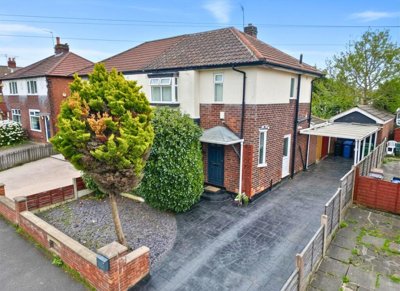
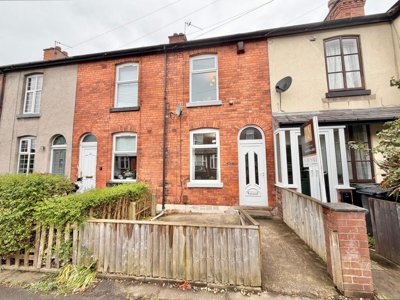
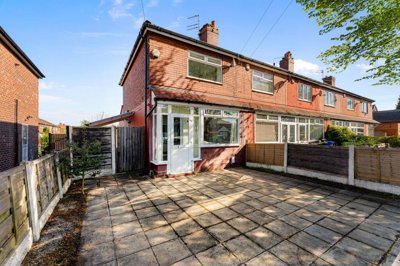
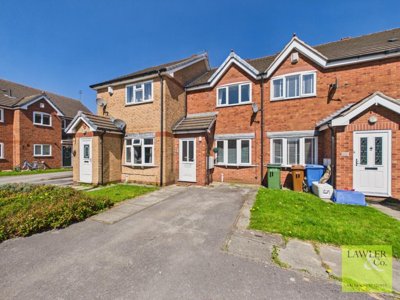
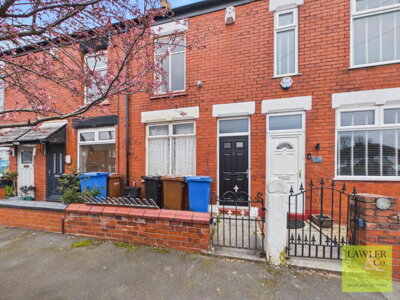
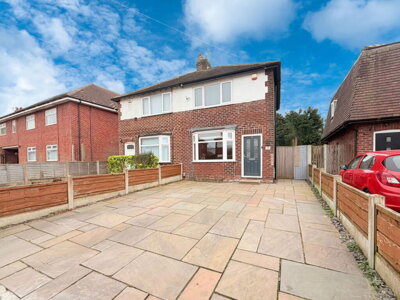
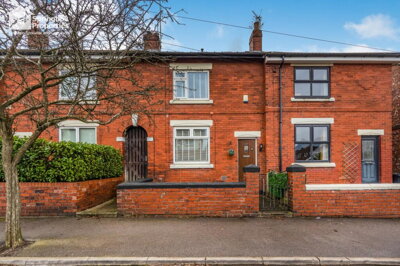
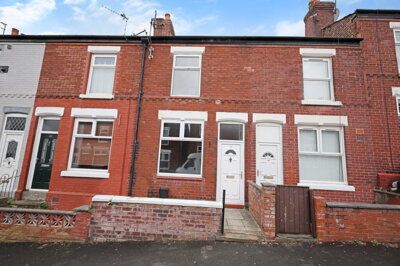
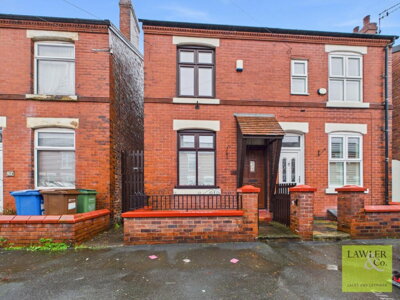
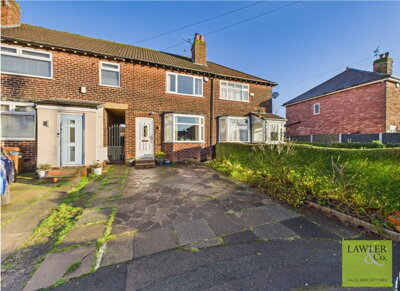
Browse 292 homes for sale in SK1 from local estate agents.
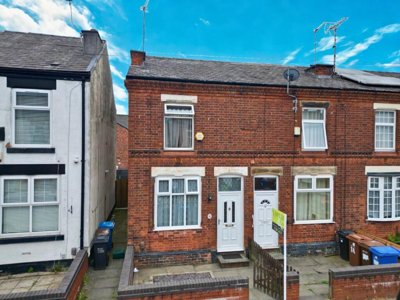
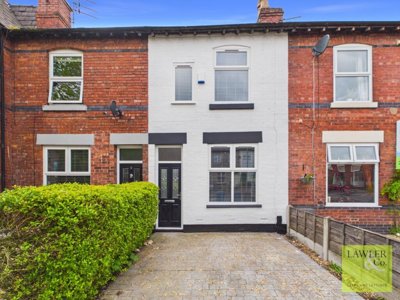
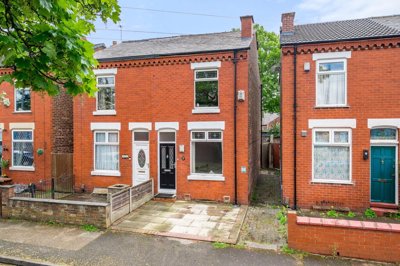
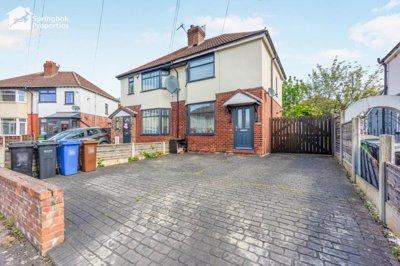
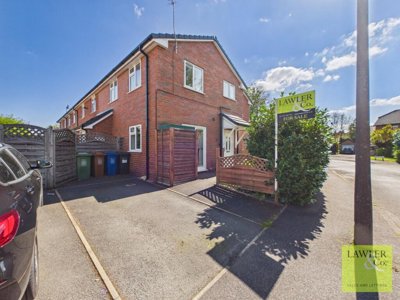
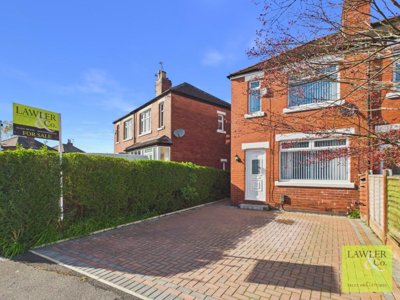
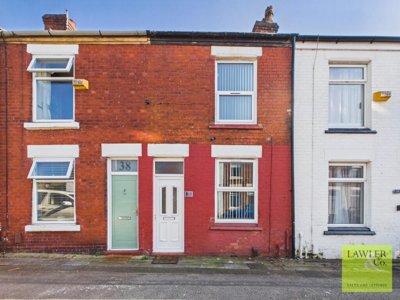
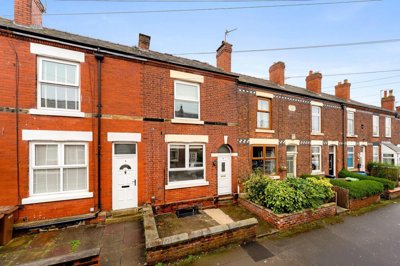
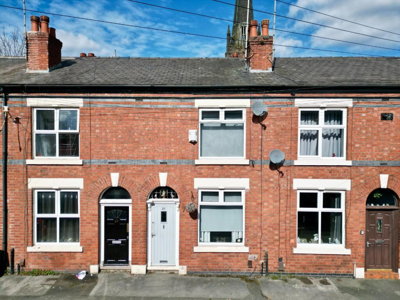
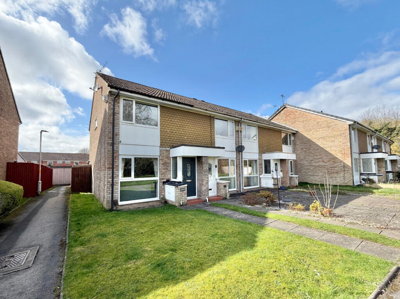
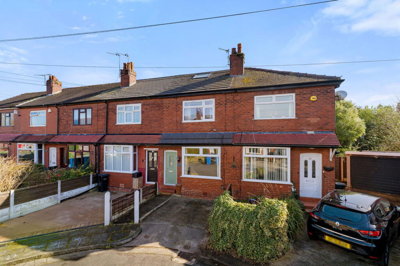
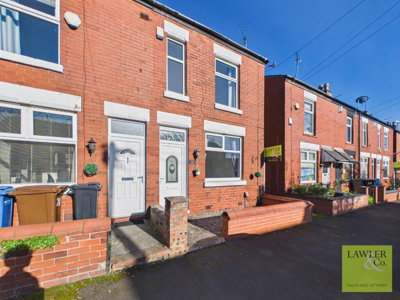
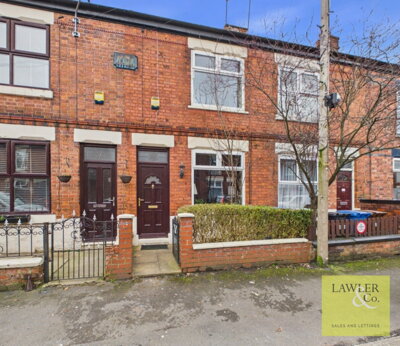
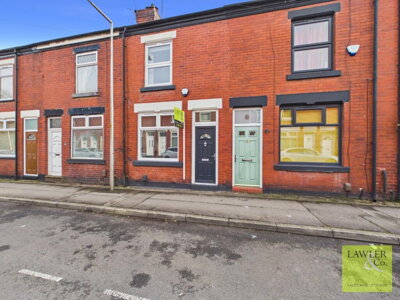
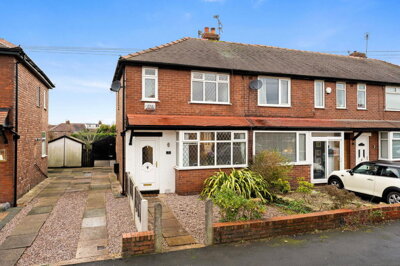
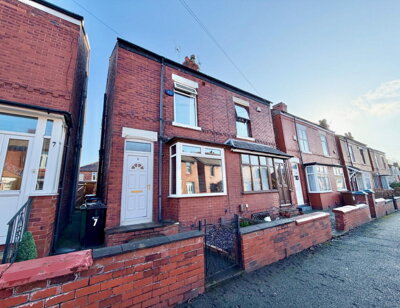
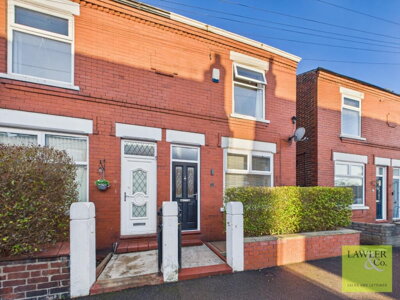
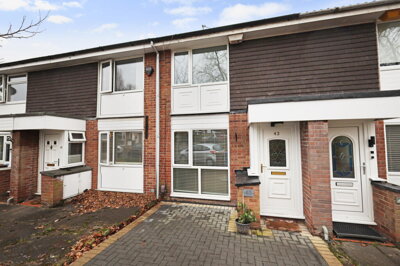
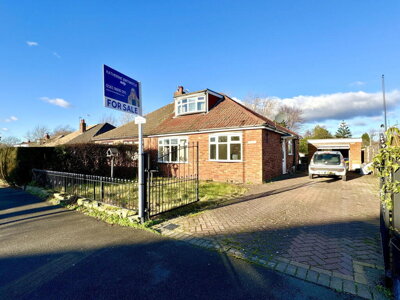
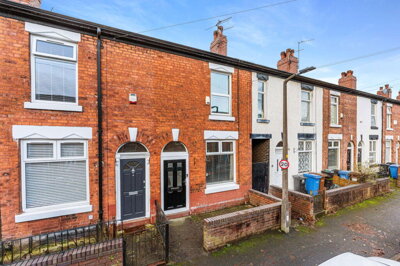
The 2 bed house market features detached, semi-detached, and terraced properties with two separate bedrooms plus living spaces. Properties in SK1 range from Victorian and Edwardian period homes to modern new builds, with pricing varying across different neighbourhoods.
£210k
19
4
42
Source: home.co.uk
Showing 19 results for 2 Bedroom Houses for sale in SK1. 4 new listings added this week. The median asking price is £210,000.
Source: home.co.uk
Terraced
18 listings
Avg £206,661
Semi-Detached
1 listings
Avg £220,000
Source: home.co.uk
Source: home.co.uk
SK1's property market gives buyers plenty of choice across every property type, with price points that reflect the area's blend of historic and more recent housing. Terraced houses average £215,698, so they remain an appealing route for first-time buyers who want character, a central setting, and straightforward access to transport links. Most of these terraced homes were built before 1919 using traditional solid brick construction, and many still have original timber windows, period fireplaces, and suspended timber floors, all hallmarks of Victorian and Edwardian architecture in the North West. Semi-detached properties sit higher at around £270,156, giving growing families more room while keeping them within the SK1 boundary and close to strong schools and day-to-day amenities.
Detached homes are scarcer, but they reach an average of £320,000 and offer generous accommodation for people looking for premium town-centre living. Larger gardens and off-street parking are common, both useful in an urban postcode like SK1. Flat prices start at approximately £123,067, and new schemes such as Weavers Square bring 164 contemporary apartments and townhouses into the Stockport Exchange regeneration zone. The Royal George Village development by Property Alliance Group and Network Rail adds more modern homes within SK1, while The Interchange combines residential apartments with the railway station and wider transport links.
Prices have edged down by around 1.05% over the last 12 months, which has opened a few buying opportunities for those able to move quickly. Detached homes have seen the sharpest fall at 1.13%, followed by semi-detached at 1.08%, terraced at 0.99%, and flats at 0.96%. Even so, the 159 sales completed in the past year show that the market has kept moving despite wider economic uncertainty, and the continued regeneration investment in Stockport town centre points to a steadier outlook for SK1 in the years ahead.

The SK1 postcode still feels rooted in Stockport's past, especially around the Market Place and Underbanks Conservation Area, where cobbled streets and listed buildings speak clearly of the town's industrial story. That part of the conservation area holds a striking amount of historic architecture, including many listed buildings that reflect Stockport's role in textile manufacturing during the Industrial Revolution. With a population of approximately 14,000 in the town centre area, SK1 has the feel of a lively urban community, where independent shops, cafes, and restaurants sit alongside modern amenities. Heritage has not been pushed aside here, it has been folded into regeneration, and that balance gives the area a settled but forward-looking character.
Below the Pennine foothills, SK1 residents get striking views and good walking routes into the surrounding countryside. The River Mersey runs through the town centre, and its riverside paths give the area a patch of green space within an otherwise urban setting. Before committing to a purchase, those riverside locations are worth checking on Environment Agency flood maps, especially for lower-lying homes or properties with basement accommodation. The local geology of Triassic sandstones and Mercia Mudstone has also shaped the red brick architecture that dominates much of the housing stock, giving the area a consistent look that buyers often like. Properties built on the glacial till deposits that sit over parts of SK1 may also face shrink-swell clay risks, which can affect foundations over time.
The local economy has a strong public-sector base, with Stockport Council and local NHS trusts among the biggest employers, alongside retail, finance, and professional services firms. Stockport Exchange is still one of the key regeneration schemes in the town centre, bringing office space, residential units, and new amenities into the SK1 area. That level of investment should support jobs and draw in further spending locally, which may help future property values too. SK1 also gives residents solid access to Manchester city centre while keeping house prices lower than many comparable locations closer in, so it suits commuters and young professionals who want better value for money.

Families looking at SK1 will find options at every key stage, with primary and secondary schools serving the local community. Stockport Grammar School provides independent education in the town centre, giving parents an alternative to the state system if they can meet the fees. Several primary schools within and just beyond the SK1 boundary give younger children a choice, including community schools and faith-based establishments, so parents can match provision to family priorities. That mix mirrors the wider SK1 community, with schools serving catchments that cover long-established residential streets as well as newer homes in the regeneration areas.
For secondary education, there are grammar school places available through selection and comprehensive schools drawing pupils from across SK1 and the surrounding districts. Parents ought to check current Ofsted ratings and catchment boundaries carefully, because both can shift over time and affect school place eligibility for families eyeing specific streets. Government websites publish school performance data, which gives prospective buyers a clearer basis for deciding which parts of SK1 suit their educational plans. Some streets may also command a premium because they sit close to popular schools, so that needs to be weighed alongside house prices when planning a move.
Older students are well served by Stockport College, which offers further education across vocational and academic subjects. It draws students from across Greater Manchester and beyond, with routes into employment, apprenticeships, and higher education. Manchester city centre is close enough for university study too, with the University of Manchester and Manchester Metropolitan University both reachable from Stockport station in around 20-30 minutes by train. Sixth form colleges in nearby areas add still more choice for students finishing secondary education, and good bus and rail links keep them accessible from SK1.

Transport connectivity is one of SK1's biggest advantages, with Stockport railway station running regular services to Manchester Piccadilly in approximately 15 minutes. That makes the postcode especially attractive for commuters who work in Manchester city centre but want something more affordable than central Manchester housing. The station has seen major improvements through The Interchange development, turning it into a modern transport hub that brings rail and bus together, with tram links a possibility for the future. Direct trains to London Euston take around two hours, which keeps Stockport competitive with other northern bases for people splitting time between home and the capital.
For car drivers, SK1 sits close to the M60, the ring road around Greater Manchester, which opens up the wider motorway network including the M6, M62, and M1. Outside peak times, it usually takes around 25 minutes to reach Manchester city centre, though busy Greater Manchester traffic can stretch that out quite a bit. The A6 corridor also runs through Stockport town centre, giving SK1 another route towards Manchester and linking it with nearby Stockport districts. Parking varies from street to street, with some roads using permit schemes while others depend on public car parks or limited on-street spaces.
Local journeys within SK1 and into neighbouring areas are well covered by bus services linking the postcode with residential districts across Stockport, including Heaviley, Cheadle, and Edgeley. Routes run through the day and into the evening, so they work as a practical alternative to driving for anyone who does not want to take the car into the town centre. Cycling provision is also improving, with dedicated routes being developed as part of the town centre regeneration plans. Put together, the rail services, motorway access, and local transport links make SK1 one of the better-connected urban spots in Greater Manchester for commuters and regular travellers.

SK1 contains a sizeable proportion of older homes built before 1919, and the Market Place and Underbanks Conservation Area keeps the historic character of Stockport's original town centre intact. Those Victorian and Edwardian properties are a big part of what makes the postcode distinctive, with traditional construction such as solid brick walls, slate or tile roofs, and suspended timber floors that need different thinking from modern cavity wall homes. Buyers of historic property should remember that listed buildings within the conservation area come with planning restrictions, which can limit permitted development rights and may stop alterations or extensions without Listed Building Consent from Stockport Metropolitan Borough Council.
The area’s traditional red brick construction is generally sound, but older houses may not have modern damp-proof courses, so specialist surveys are especially useful before purchase. Homes in conservation areas often need more maintenance than newer ones, and original features such as timber windows, sash cords, and period fireplaces usually need regular attention to stay in good condition. Solid brick walls breathe differently from modern insulated construction, which can have a bearing on heating bills and condensation inside the home. We would always set aside money for possible maintenance when buying an older property, and a thorough survey can highlight any works needed before or soon after completion.
Recent new developments in SK1, including Weavers Square with its 164 apartments and townhouses, give buyers a clear modern alternative if they want contemporary construction. These homes usually come with cavity wall insulation, modern uPVC windows, and central heating systems built to current building regulations standards. Because SK1 has both historic and modern housing, buyers can pick between character homes in conservation areas and low-maintenance flats depending on lifestyle and taste. That range is one of the postcode's real strengths, because it gives genuine choice across different property types, ages, and price points.

Budgeting for a purchase in SK1 means looking beyond the asking price. For 2024-25, the current Stamp Duty Land Tax thresholds apply zero percent duty on the first £250,000 of residential purchases, so a typical SK1 terraced house at £215,698 would attract no stamp duty for standard buyers. Between £250,001 and £925,000, buyers pay five percent on the amount above £250,000, which means a semi-detached property priced at £270,156 would incur SDLT of £1,008. Homes above £925,000 do face higher rates, but they are less common in SK1, where the average price of £210,508 sits comfortably within the zero-duty threshold.
First-time buyers get a better deal, with zero percent duty up to £425,000 and five percent on the portion between £425,001 and £625,000. On a qualifying first-time purchase within those limits, a £215,698 terraced property in SK1 would attract no stamp duty at all, which makes the postcode especially appealing for people buying for the first time. After stamp duty, there are still mortgage arrangement fees to think about, and these usually run from zero to 0.5% of the loan amount depending on lender and product. Survey costs matter as well, with RICS Level 2 surveys in SK1 typically costing between £400 and £700 or more, depending on the size and complexity of the home.
Conveyancing fees for solicitor services usually fall between £500 and £1,500, covering the legal work needed to transfer ownership. Search fees paid to Stockport Metropolitan Borough Council are part of the process too, covering checks on planning history, environmental constraints, and drainage arrangements. Title registration fees and the cost of registering the new ownership round off the legal bill. Removal expenses vary depending on how much needs moving and how far it is going, and buildings insurance has to be in place from exchange of contracts. Keeping all of these costs in view helps buyers avoid nasty surprises as the purchase moves forward.

The average property price in SK1 is £210,508 based on recent sales data. By type, terraced houses average £215,698, flats around £123,067, semi-detached homes £270,156, and detached houses £320,000. The market has fallen by about 1.05% over the past 12 months, which may create room for buyers who are ready to act in the current conditions.
Stockport Metropolitan Borough Council sets council tax bands that vary according to property value and type. Most terraced houses and flats in SK1 sit in bands A through C, which are the lowest council tax bands in England and Wales. Larger semi-detached and detached properties usually fall into bands D through F. The specific band for any home can be checked through the Stockport council website using its online valuation tool, or the conveyancing solicitor will confirm it during the legal work.
SK1 and the surrounding Stockport areas offer several well-regarded education choices for families. Stockport Grammar School provides independent secondary education in the town centre, while local authority primary schools serve the residential streets within and just beyond SK1. For secondary education, grammar school options sit alongside comprehensive schools serving the wider community. Parents should check current Ofsted ratings and confirm catchment boundaries using Stockport MBC's school admission information, because those details directly affect place eligibility.
SK1 also benefits from strong transport links through Stockport railway station, where regular services reach Manchester Piccadilly in approximately 15 minutes. Commuters can get to London Euston in around two hours, which keeps SK1 attractive for people working in the capital but wanting housing that is more affordable than London. The station has been significantly upgraded through The Interchange development, creating better links with local bus services. For shorter trips, bus routes connect SK1 with surrounding Stockport districts and Manchester city centre throughout the day, giving regular services to those without cars.
SK1 brings together several investment points worth weighing before a purchase. Ongoing work at Stockport Exchange and The Interchange shows that the town centre is still drawing investment, which may support future property values as new amenities and jobs come through. Rental demand is already present because of the transport links and the easy route to Manchester city centre, with tenants including young professionals, commuters, and students. Homes in the Market Place and Underbanks Conservation Area can behave differently as investments because of planning restrictions on alterations, while developments like Weavers Square and Royal George Village appeal to different renters with their modern facilities.
Stamp duty in SK1 follows the standard England SDLT rates. For purchases up to £250,000, no SDLT is payable. Between £250,001 and £925,000, the rate is five percent on the amount above £250,000. First-time buyers benefit from relief on the first £425,000, so no duty is due up to that level provided certain conditions are met, including the property being used as a main residence. On a typical £215,698 terraced home in SK1, both standard buyers and qualifying first-time buyers would pay zero stamp duty, while a £270,156 semi-detached property would attract £1,008 SDLT for standard buyers.
SK1 does have areas with possible flood risk because of its position near the River Mersey and its tributaries. Homes close to the river, or in lower-lying parts of the town centre, face a greater river flood risk, and surface water flooding can also affect urban areas with lots of impermeable surfaces during heavy rain. The Environment Agency publishes detailed flood maps that show risk levels by location, and these can be checked online before a purchase is agreed. Flood risk searches should be carried out or reviewed by the solicitor as part of conveyancing, especially for properties at low levels or with basement accommodation.
Given how many pre-1919 homes there are in SK1, buyers should pay close attention to defects often found in Victorian and Edwardian construction. Our surveyors would look for damp, including both rising damp and penetrating damp, check the condition of original timber windows and doors, and confirm whether the electrical and plumbing systems have been brought up from their original specification. Solid brick construction is usually durable, but older properties may not have modern damp-proof courses. The underlying geology of Mercia Mudstone and glacial till creates a moderate to high shrink-swell risk for foundations, especially where footings are shallow or nearby trees are influencing the ground. A specialist survey is strongly recommended before buying any older property in SK1.
From £400
Comprehensive survey for SK1 properties from £400
From £499
Expert conveyancing solicitors for SK1 property purchases
From 4.5%
Competitive mortgage rates for SK1 buyers
From £60
Energy performance certificates for SK1 properties
Properties for Sale In London

Properties for Sale In Plymouth

Properties for Sale In Liverpool

Properties for Sale In Glasgow

Properties for Sale In Sheffield

Properties for Sale In Edinburgh

Properties for Sale In Coventry

Properties for Sale In Bradford

Properties for Sale In Manchester

Properties for Sale In Birmingham

Properties for Sale In Bristol

Properties for Sale In Oxford

Properties for Sale In Leicester

Properties for Sale In Newcastle

Properties for Sale In Leeds

Properties for Sale In Southampton

Properties for Sale In Cardiff

Properties for Sale In Nottingham

Properties for Sale In Norwich

Properties for Sale In Brighton

Properties for Sale In Derby

Properties for Sale In Portsmouth

Properties for Sale In Northampton

Properties for Sale In Milton Keynes

Properties for Sale In Bournemouth

Properties for Sale In Bolton

Properties for Sale In Swansea

Properties for Sale In Swindon

Properties for Sale In Peterborough

Properties for Sale In Wolverhampton

Enter your details to see if this property is within your budget.
Loans, cards, car finance
Estimated property budget
Borrowing + deposit
You could borrow between
Typical borrowing
Monthly repayment
Est. at 4.5%
Loan-to-value
This is an estimate only. Your actual budget may vary depending on interest rates, credit history, and personal circumstances. For an accurate affordability assessment, speak to one of our free mortgage advisors.
This calculator provides estimates for illustrative purposes only and does not constitute financial advice. Your home may be repossessed if you do not keep up repayments on your mortgage. Estimates based on 4.5% interest rate, repayment mortgage. Actual rates depend on your circumstances.
Homemove is a trading name of HM Haus Group Ltd (Company No. 13873779, registered in England & Wales). Homemove Mortgages Ltd (Company No. 15947693) is an Appointed Representative of TMG Direct Limited, trading as TMG Mortgage Network, which is authorised and regulated by the Financial Conduct Authority (FRN 786245). Homemove Mortgages Ltd is entered on the FCA Register as an Appointed Representative (FRN 1022429). You can check registrations at NewRegister or by calling 0800 111 6768.

We use cookies to show you personalised content and improve your experience of our website. Find out more in our Privacy policy and Cookie policy.