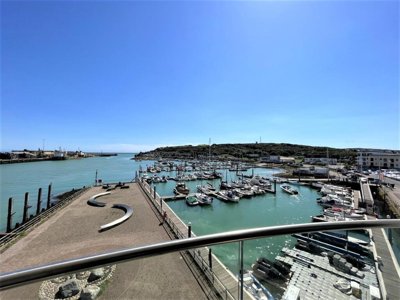
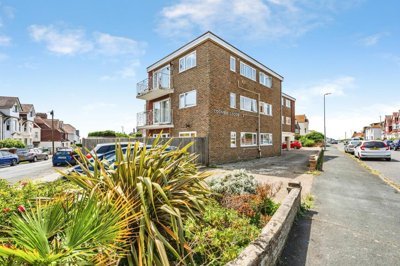
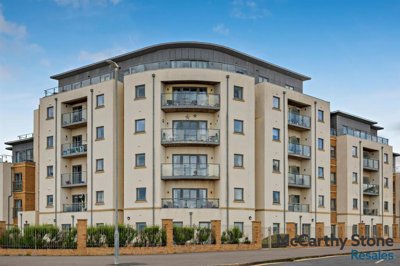
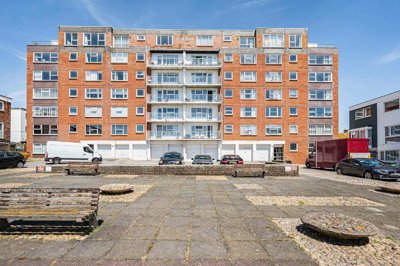
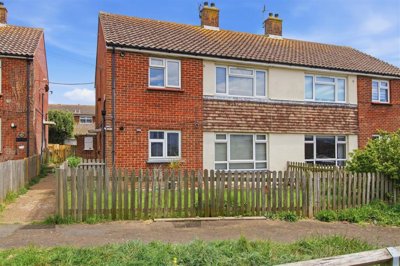
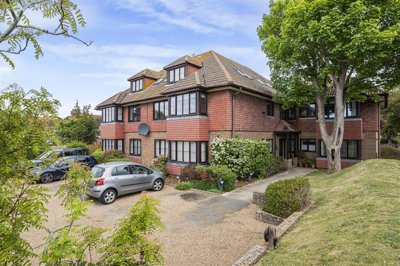
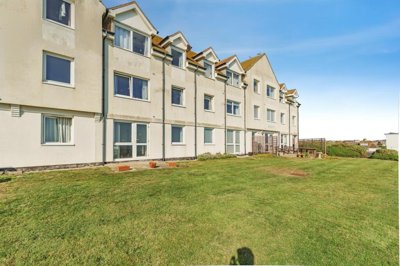
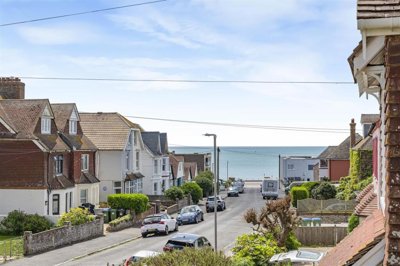
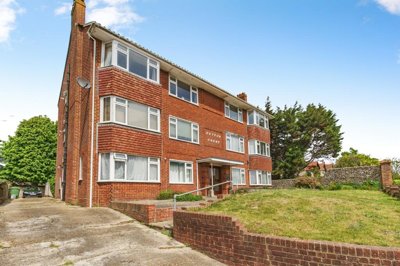
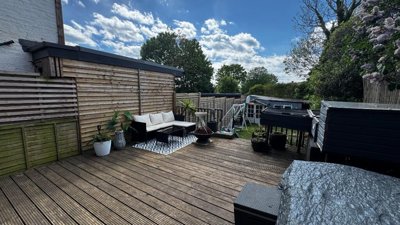
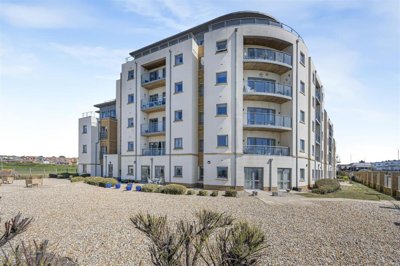
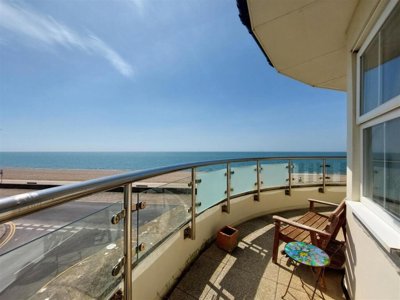
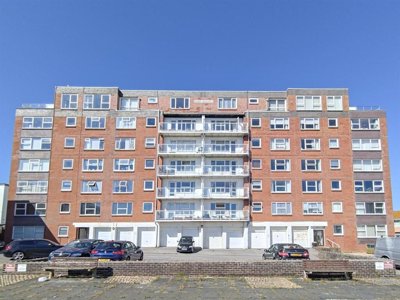
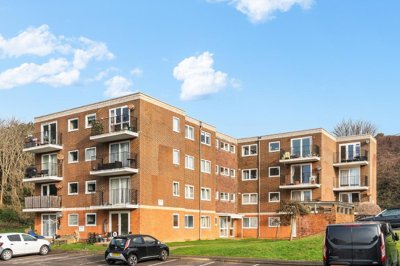
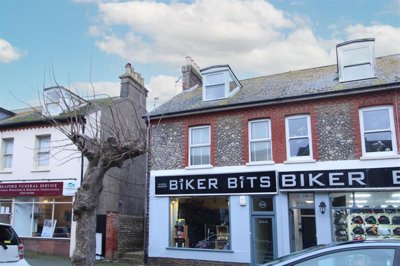
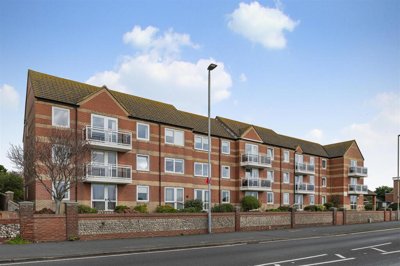
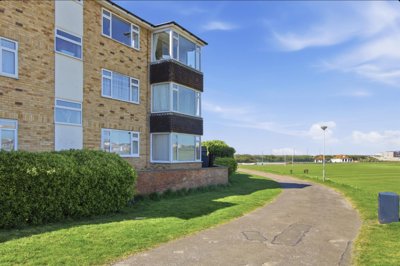
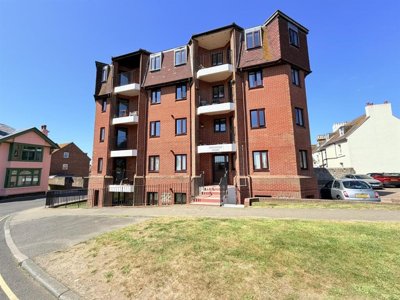
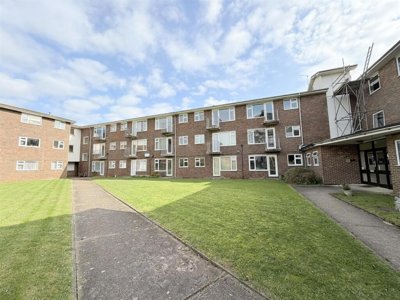
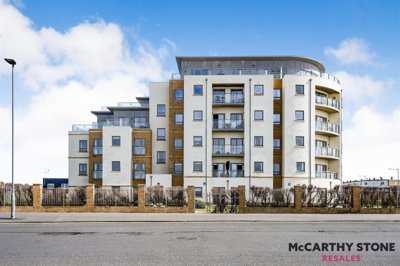
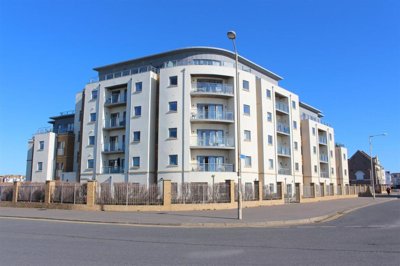
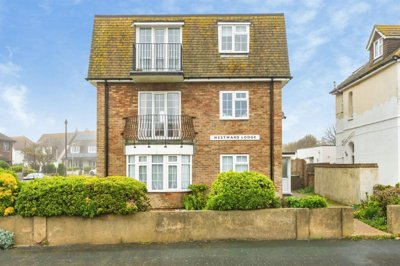
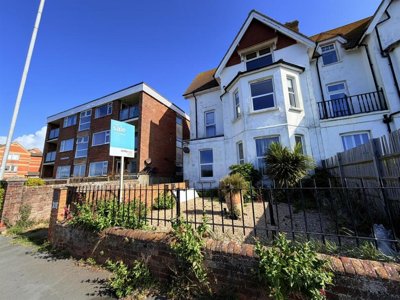
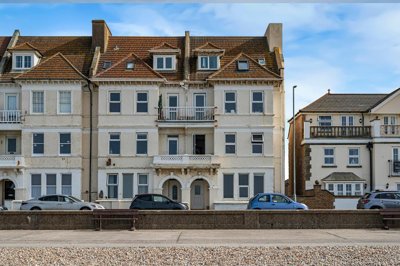
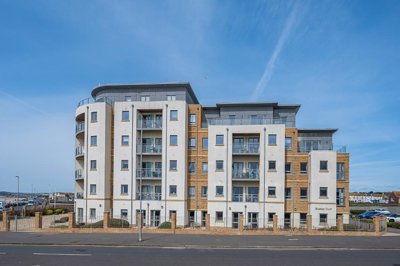
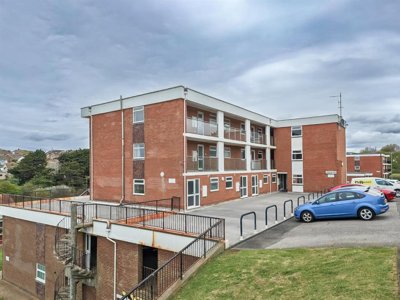
Browse 147 homes for sale in Seaford, Lewes from local estate agents.
Studio apartments feature open-plan living spaces without separate bedrooms, incorporating sleeping, living, kitchen, and bathroom facilities. The Seaford studio market includes properties in modern apartment complexes, converted Victorian and Georgian buildings, and purpose-built developments.
£205k
50
0
131
Source: home.co.uk
Showing 50 results for Studio Flats for sale in Seaford, Lewes. The median asking price is £205,000.
Source: home.co.uk
Flat
50 listings
Avg £217,614
Source: home.co.uk
Source: home.co.uk
276
Properties for Sale
£391,374
Average Price
£572,167
Detached Average
£240,655
Flat Average
-2%
Price Change (12m)
Seaford caters for a wide range of budgets and tastes. Detached homes sit at the top end, averaging £705,464, and usually bring bigger gardens and the sort of family space you see in residential pockets like Crouch Lane and the Blatchington area. Semi-detached properties, making up approximately 30.2% of the housing stock according to home.co.uk data, average £397,141 and remain a solid option for families who want more room than a terraced house provides. Terraced housing, at roughly 20.5% of homes, averages £349,721, with plenty of Victorian and Edwardian examples in the town centre conservation area.
The flat market starts from around £211,550 on average, which keeps Seaford fairly accessible for local buyers. It suits first-time buyers, retirees downsizing, and people working nearby who would rather not carry the cost of car ownership. There are 3 active new build developments in the town at present, offering a modern contrast to the older stock. Richmond Grange by Barratt Homes on Richmond Road has 2, 3, and 4 bedroom homes from £349,995 to £549,995. The View by Seaward Properties on Eastbourne Road offers premium 2, 3, and 4 bedroom homes between £395,000 and £695,000. The Martello by David Wilson Homes on Sutton Road provides 3 and 4 bedroom properties from £449,995 to £629,995.
Over the last year, price changes have been uneven. Detached homes recorded the sharpest move, down 3%, semi-detached properties fell 2%, and terraced houses proved the steadiest with only a 1% decline. Flats dropped 2%, bringing the overall average to £431,185. For buyers who have been waiting for a better moment to move into Seaford, that shift may open a few doors, especially in the detached sector where values have eased most clearly.
Seaford has around 23,945 residents living in 11,093 households, so it still feels close-knit despite being a coastal town. A sizeable retiree population is drawn by the mild climate, the seafront, and local healthcare provision, including NHS trust services. That shapes demand. Bungalows, ground-floor flats, and homes with accessible layouts tend to be sought after, and buyers looking at investment opportunities should keep that niche firmly in mind.
Much of Seaford’s character comes from its Victorian and Edwardian past, with approximately 25-30% of properties dating from before 1919. Many of those homes sit in the town centre and along older residential streets, where bay windows, original fireplaces, and period detailing still do the talking. Then came the post-war expansion, which accounts for roughly 30-35% of the housing stock and brought semi-detached family houses to areas developed during the 1940s through 1970s. It gives the town an appealing mix, character on one side, practicality on the other.
Looking at the housing mix as a whole, detached properties make up 26.1% of stock, semi-detached homes 30.2%, terraced houses 20.5%, and flats and maisonettes 22.1%. That spread means buyers can move from a compact seafront apartment to a substantial family house without leaving the town boundary. Period homes in conservation areas like the town centre sit alongside newer schemes on the outskirts, so there is real variety across price points and lifestyles.

Families are well served here from primary years right through to sixth form, which is part of Seaford’s appeal for people who want a seaside setting without losing out on education. Seaford Head School is the main secondary institution, taking pupils from Year 7 through to sixth form. It is a big part of the local community and supports employment too, with teachers and support staff forming part of the resident workforce. Catchment areas and admission policies are worth checking closely, because they can have a real bearing on values in certain streets and neighbourhoods.
Several primary schools serve the town, giving younger children a decent spread of options. School quality is a major factor for families, and homes within walking distance of the more popular schools often attract a premium. For private education, there are independent schools within commuting distance in the wider Lewes district and in the Eastbourne direction. Families looking at grammar school routes should also bear in mind that Lewes and Eastbourne both offer that option, with assessment testing deciding who qualifies.
Good schools have a noticeable effect on the Seaford market. Family houses near popular primary schools and Seaford Head School are regularly in demand, and properties in strong catchments can sell above the town average. For families working to a budget, proximity to school can matter just as much as garden size or parking. We recommend speaking to local schools directly or checking the East Sussex County Council admissions portal for current catchment boundaries before committing to a purchase, as those lines can shift and may affect resale value.

Rail links give Seaford a clear commuter advantage, with direct services to Brighton and Eastbourne. Brighton is usually around 35-40 minutes away by train, which makes daily travel workable for many city workers. Eastbourne is closer still, at roughly 15-20 minutes. The coastal railway line also ties Seaford into the wider Sussex coast, and for international travel there is access to Gatwick Airport via Brighton.
The A259 coastal road is the main road link, running through Seaford and connecting the town with Newhaven in one direction and Eastbourne in the other. By car, Brighton is usually a 45 minutes to an hour journey depending on traffic, while Lewes sits about 20-30 minutes away via the A26. Bus routes do run to surrounding villages and nearby towns, though some services are limited, so residents without rail access often find car ownership helpful. Town centre parking can be awkward in peak seasons when visitors head for the seafront, which is worth remembering if you plan to commute by train.
Anyone using Seaford as a commuting base should keep transport costs in the wider budget. Homes within easy walking distance of the station on Dane Road usually attract a premium, especially with professionals travelling to Brighton or Eastbourne. Flats are relatively affordable here compared with Brighton, so it is possible to live close to the station without taking on the higher prices found nearer the city.

It pays to spend a bit of time in different parts of Seaford, from the seafront conservation areas to the quieter residential roads near Seaford Head. Think about your commute, school access, and the feel of each neighbourhood. The BN25 postcode covers a good spread of areas, each with its own atmosphere and housing mix.
Get a mortgage agreement in principle before you start viewing. It puts you in a stronger position when you make an offer and shows sellers that financing is already in place. Our mortgage partners can help identify rates that suit the purchase.
We would also suggest viewing more than one property so you can compare the local stock properly. Many older Seaford homes are built in brick, render, and flint, which is very typical for East Sussex. Keep an eye out for damp and roof issues too, because coastal properties can show wear in those areas.
Once your offer has been accepted, book a RICS Level 2 Survey so the condition is properly assessed. In Seaford, that usually costs between £400-£700 for flats and smaller terraced houses, then rises to £800-£1,200 for larger detached properties. The survey will flag defects that tend to go with the property’s age and construction type.
A conveyancing solicitor should be appointed to deal with the legal side of the purchase. They will carry out searches, review the contract, and manage the transfer of ownership. A solicitor who knows Lewes district can also flag local planning issues, conservation area restrictions, and any area-specific matters such as flood risk zones near the coast.
Once the searches come back satisfactorily and the finance is confirmed, contracts are exchanged and the deposit is paid. Completion usually follows 2-4 weeks later, when the keys to your new Seaford home are handed over.
There is a broad age range across Seaford, from Victorian and Edwardian homes built before 1919 to modern new build developments. Older houses often rely on solid wall construction and have brick, render, or flint exteriors, so they need a different approach to maintenance than modern cavity-wall homes. Beneath much of the town lies chalk geology, which generally offers good foundation conditions and lower shrink-swell risk than clay-rich soils, although homes on made ground or areas with superficial clay deposits can still face subsidence concerns, especially where mature trees are nearby.
Flood risk deserves proper attention in Seaford. The coastal strip along Seaford Bay carries tidal flood risk, while low-lying land near the Cuckmere River is more exposed to river flooding. Heavy rain can also lead to surface water flooding in different parts of town. Buyers should ask for flood risk reports and check whether a property sits in a flood zone before deciding on long-term value and insurance costs. Homes closer to the cliff edge may also bring coastal erosion concerns over time.
There are 2 designated conservation areas in Seaford, the Seaford Town Centre Conservation Area and the Seaford Head Conservation Area. Anyone looking at a period property in either area should be aware that planning permission may be needed for alterations, extensions, or more significant changes to the outside of the building. Listed buildings, which are spread through the town centre and older residential streets, also come with listed building consent requirements. That can affect renovation plans, so it is worth checking before you buy.
Many of the usual defects in Seaford properties come down to age and the coastal setting. Damp, especially rising damp and penetrating damp, is often found in period homes because of older materials and proximity to the sea. Roofs on older houses also need regular attention, with tiles, slates, and lead flashing wearing over time. Properties built before the 1980s often have outdated electrics and may fall short of modern insulation standards, which can push up heating bills. We always recommend a thorough survey before buying in Seaford, particularly as 60-70% of the housing stock was built before 1976.

According to recent market data from home.co.uk, the current average house price in Seaford is £431,185. Prices differ quite a bit by type, with detached homes averaging £705,464, semi-detached properties £397,141, terraced houses £349,721, and flats £211,550. Over the past twelve months the market has slipped by 2% overall, although detached homes have seen the biggest adjustment at 3% and terraced houses held up best with only a 1% decline. That could create openings in certain segments, especially for buyers after larger family homes.
For council tax, properties in Seaford fall under Lewes District Council. Bands run from A through H depending on value, with most terraced houses and smaller flats sitting in bands A-C, while larger detached homes are more often in bands E-G. Specific bands can be checked on the Lewes District Council website or in property listing details. It is sensible to factor annual council tax into your budget, as the difference between bands can run to several hundred pounds.
Educational provision is one of Seaford’s stronger points. Seaford Head School takes secondary pupils from Year 7 through to sixth form, which means older children do not need to travel far for further education. Several primary schools serve the town too, and homes in sought-after catchments often sell at a premium. Families are drawn to the area by the local schooling and by grammar school options in nearby Lewes and Eastbourne for those who pass the selection assessment. We recommend checking admission policies and catchment boundaries directly with schools, because these can change and have a real impact on which homes suit families with school-age children.
Getting around is straightforward enough, with Seaford station offering regular trains to Brighton in 35-40 minutes and Eastbourne in just 15-20 minutes. That makes daily commuting to either city perfectly practical. The coastal railway also links through to wider destinations, including Gatwick Airport via Brighton for international travellers. Bus services run within the town and out to surrounding villages, though some routes are not especially frequent, so the A259 coastal road remains important for road travel to Eastbourne and Newhaven. Homes near Seaford train station on Dane Road usually command premiums because the convenience suits commuters.
There are several angles worth considering if you are buying for investment in Seaford. The coastal location, proximity to South Downs National Park, and strong commuter links to Brighton all support demand from families and professionals who want a more affordable alternative to city living. A sizeable retired population also keeps demand steady for bungalows and ground-floor homes, while the 3 active new build developments, Richmond Grange, The View, and The Martello, show developer confidence in the market. Even so, buyers should factor in flood risk in certain coastal spots, the upkeep needed for older period properties, and the extra costs that can come with listed buildings or homes in conservation areas where planning restrictions apply.
Standard Stamp Duty Land Tax rates begin at 0% on the first £250,000 of value, then move to 5% on the portion from £250,001 to £925,000. Anything above £925,000 is charged at 10% up to £1.5 million, with 12% applying above that point. First-time buyers can claim relief on the first £425,000, then pay 5% between £425,001 and £625,000, with no relief above £625,000. On a typical Seaford property priced at £431,185, a standard buyer would pay approximately £9,059.25, while a first-time buyer would pay nothing if buying up to £425,000. Your own liability depends on the price and buyer status.
From £400
A professional survey can highlight defects in Seaford properties.
From £499
Legal services for your property purchase
From 4.5% APR
Competitive mortgage rates for Seaford buyers
From £85
Energy performance certificate for your new home
Budgeting for a Seaford purchase means looking beyond the asking price. Stamp Duty Land Tax is usually the biggest extra cost, and it is calculated on a tiered basis linked to the property value. On a typical Seaford home at £431,185, a standard buyer pays nothing on the first £250,000 and 5% on the remaining £181,185, which comes to £9,059.25. First-time buyers may get full relief on purchases up to £425,000, while those buying between £425,001 and £625,000 pay 5% only on the amount above £425,000.
RICS Level 2 Survey costs in Seaford usually sit between £400-£700 for flats and smaller terraced homes, then rise to £800-£1,200 or more for larger detached family houses with four or five bedrooms. These surveys pick up defects that are common in Seaford’s housing stock, including damp in period homes near the seafront, roof wear caused by coastal weather, and any structural issues linked to the property’s age and construction. With 60-70% of the stock built before 1976, a professional survey is a smart move for most buyers and can save a fair bit of money by exposing problems before completion.
Conveyancing costs for buying in Seaford usually begin at around £499 for straightforward transactions, then climb depending on how complex the purchase is and what sort of property you are buying. Solicitors will order local searches, including drainage and water checks, environmental searches to spot contamination or flood risk concerns, and local authority searches covering planning constraints, conservation area status, and listed building requirements specific to Lewes District. Those searches matter, because they explain the restrictions or obligations tied to the property, which is especially important in Seaford’s conservation areas where planning controls can affect future alterations and renovations.

Properties for Sale In London

Properties for Sale In Plymouth

Properties for Sale In Liverpool

Properties for Sale In Glasgow

Properties for Sale In Sheffield

Properties for Sale In Edinburgh

Properties for Sale In Coventry

Properties for Sale In Bradford

Properties for Sale In Manchester

Properties for Sale In Birmingham

Properties for Sale In Bristol

Properties for Sale In Oxford

Properties for Sale In Leicester

Properties for Sale In Newcastle

Properties for Sale In Leeds

Properties for Sale In Southampton

Properties for Sale In Cardiff

Properties for Sale In Nottingham

Properties for Sale In Norwich

Properties for Sale In Brighton

Properties for Sale In Derby

Properties for Sale In Portsmouth

Properties for Sale In Northampton

Properties for Sale In Milton Keynes

Properties for Sale In Bournemouth

Properties for Sale In Bolton

Properties for Sale In Swansea

Properties for Sale In Swindon

Properties for Sale In Peterborough

Properties for Sale In Wolverhampton

Enter your details to see if this property is within your budget.
Loans, cards, car finance
Estimated property budget
Borrowing + deposit
You could borrow between
Typical borrowing
Monthly repayment
Est. at 4.5%
Loan-to-value
This is an estimate only. Your actual budget may vary depending on interest rates, credit history, and personal circumstances. For an accurate affordability assessment, speak to one of our free mortgage advisors.
This calculator provides estimates for illustrative purposes only and does not constitute financial advice. Your home may be repossessed if you do not keep up repayments on your mortgage. Estimates based on 4.5% interest rate, repayment mortgage. Actual rates depend on your circumstances.
Homemove is a trading name of HM Haus Group Ltd (Company No. 13873779, registered in England & Wales). Homemove Mortgages Ltd (Company No. 15947693) is an Appointed Representative of TMG Direct Limited, trading as TMG Mortgage Network, which is authorised and regulated by the Financial Conduct Authority (FRN 786245). Homemove Mortgages Ltd is entered on the FCA Register as an Appointed Representative (FRN 1022429). You can check registrations at NewRegister or by calling 0800 111 6768.

We use cookies to show you personalised content and improve your experience of our website. Find out more in our Privacy policy and Cookie policy.