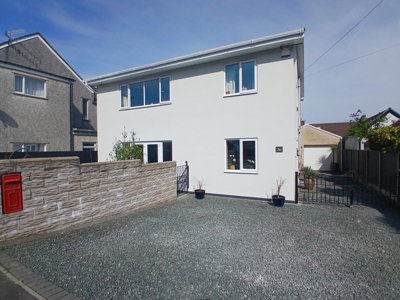
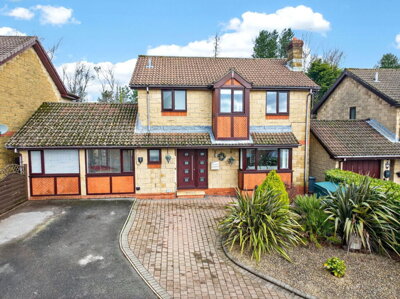
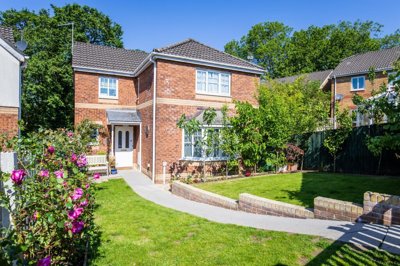
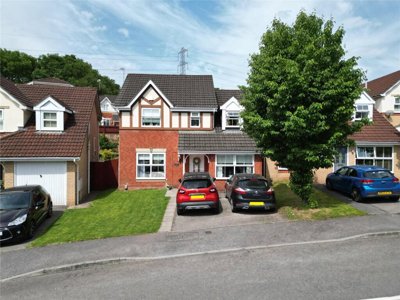
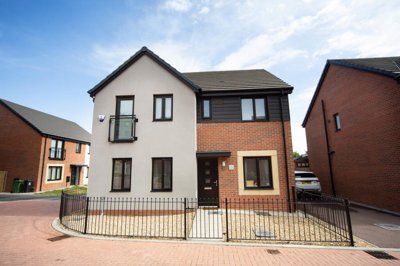
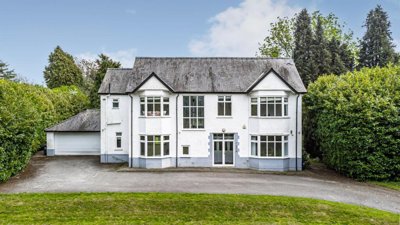
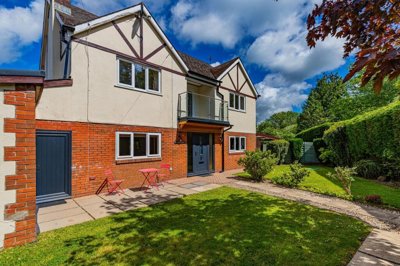
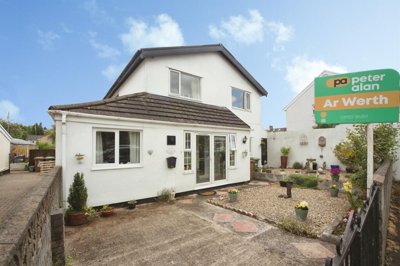
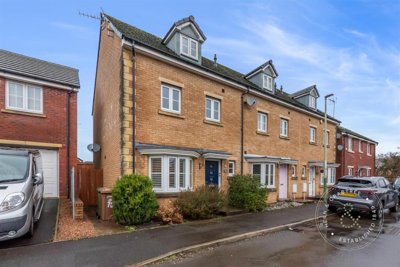
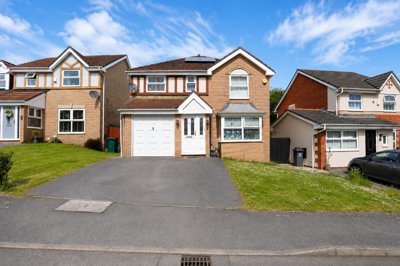
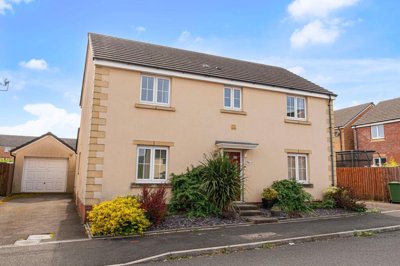
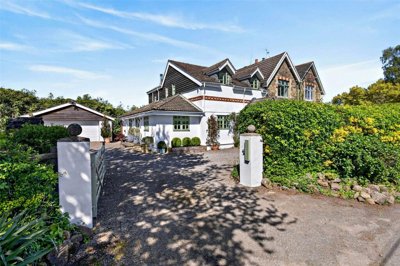
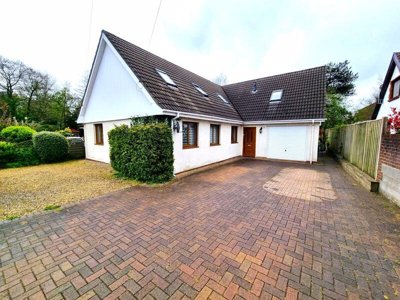
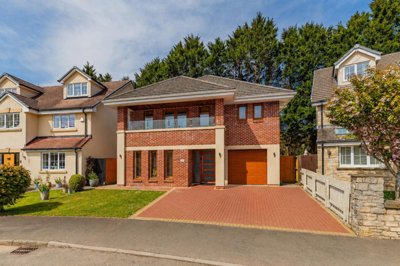
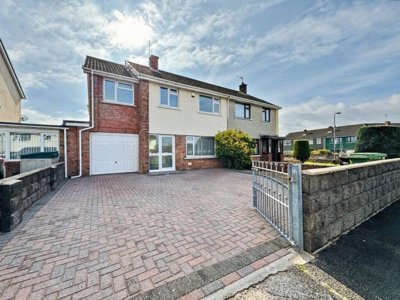
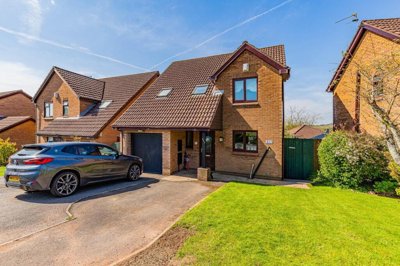
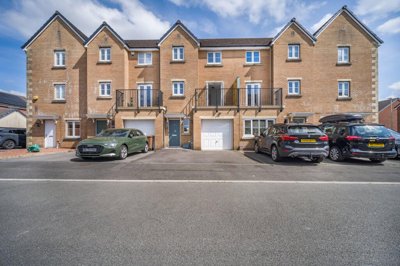
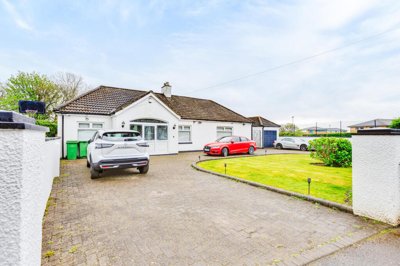
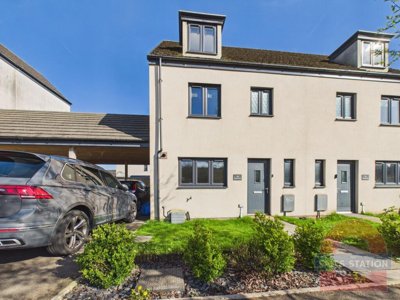
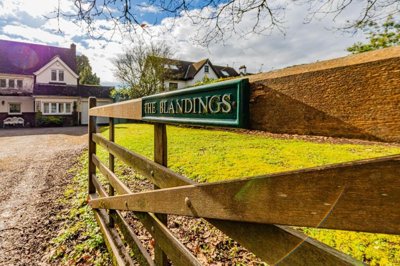
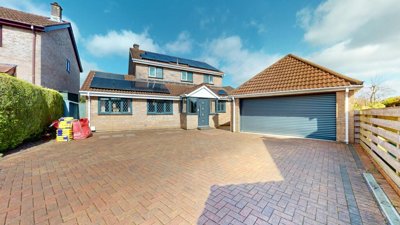
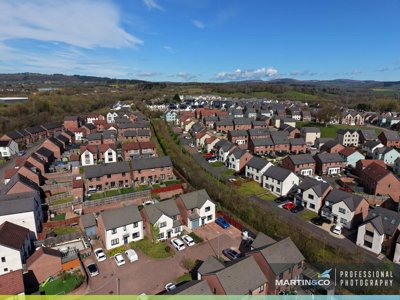
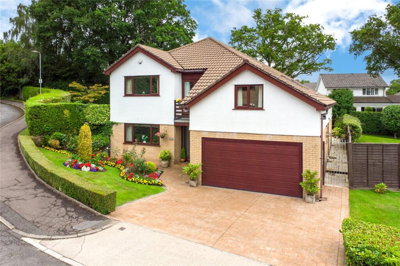
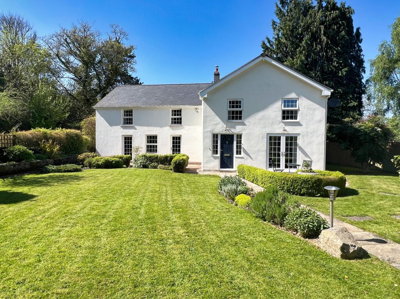
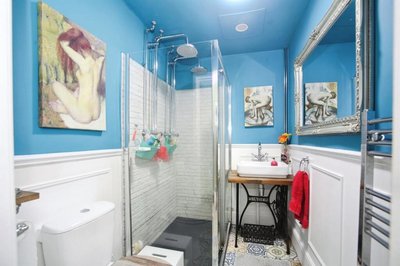
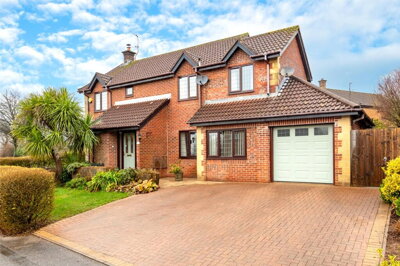
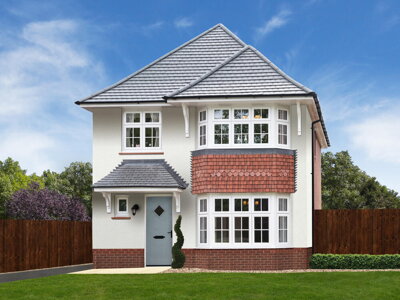
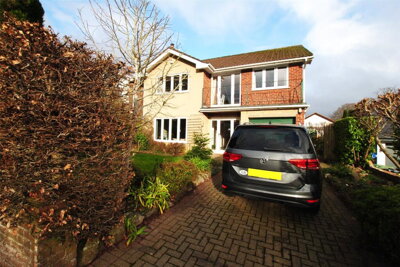
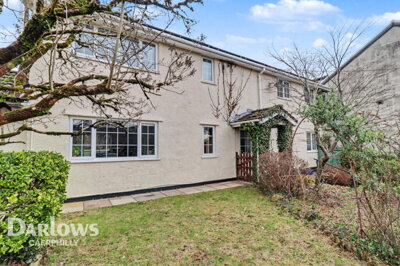
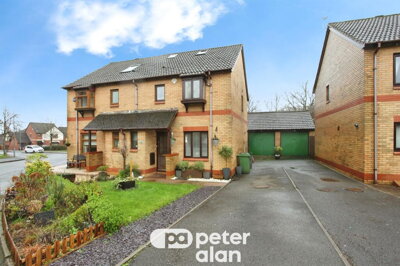
Browse 51 homes for sale in Rudry, Caerphilly from local estate agents.
The larger property sector typically features multiple bathrooms, substantial reception space, and private gardens or off-street parking. Four bedroom houses in Rudry span detached, semi-detached, and occasionally terraced configurations, with styles ranging from period properties to modern executive homes.
£675k
2
0
63
Source: home.co.uk
Showing 2 results for 4 Bedroom Houses for sale in Rudry, Caerphilly. The median asking price is £675,000.
Source: home.co.uk
Detached
2 listings
Avg £675,000
Source: home.co.uk
Source: home.co.uk
Buyers looking in Rudry are usually drawn by the chance to get a quality home in a semi-rural location. Detached houses make up 54.4% of the local stock, and the average detached property is around £999,750. Semi-detached homes sit at a more accessible average of about £450,000, which helps explain their popularity with families who want the area without stretching to detached-house pricing. Values have been fairly steady, with a 1% fall over the last twelve months, close to the wider Caerphilly borough movement of 0.7%. The wider Caerphilly area also saw 1,847 property sales in the past twelve months, which helps frame activity around Rudry. Many homes here are likely over 50 years old and built in traditional forms, so we strongly recommend taking extra care with condition before moving ahead.
Rudry’s mix of homes still reflects its village roots, with terraced properties and flats together making up around 19% of the housing stock. Those homes often suit first-time buyers or anyone after a smaller, easier-to-manage property. There has been little meaningful new-build development in the village, so most houses still come with traditional character, such as stone construction, original windows and period detailing that buyers often want from an authentic Welsh home. We pull together listings from multiple estate agents, giving our buyers a fuller picture of what is currently available.
Across the wider Caerphilly area, 1,847 homes changed hands over the last twelve months, which gives some useful context for Rudry. Supply in the village is limited, demand stays consistent, and that combination often helps values hold up better than in more changeable urban markets. For first-time buyers, terraced homes in the surrounding area may be the more realistic route in, with Caerphilly borough averages for terraced properties sitting around £175,000. Rudry itself usually carries a village premium, though, thanks to its setting and the character of its housing stock.

For a small village, Rudry has a lively feel. The 2021 Census puts the population at approximately 1,023 residents living across 386 households, and that scale helps keep the place close-knit and friendly. People often know their neighbours, and the community spirit is noticeable. The semi-rural location also means quick access to countryside walks, with footpaths running through fields and woodland across a distinctly Welsh landscape. Day-to-day amenities include a village pub and community facilities, while nearby towns provide the wider range of services.
A balanced mix of families, professionals and long-standing residents gives Rudry its settled feel. A good number of people choose the village because it offers a peaceful character while still keeping practical links to larger employment centres. That matters. For buyers trying to step back from busier urban living without cutting themselves off, the area can strike the right balance. Homes also tend to be on the larger side, especially the detached and semi-detached stock, which suits family life and home working well.
Life here brings some simple advantages, cleaner air, lighter traffic and quieter mornings than you would usually get in a larger town. Because it is a village, local events and traditions still have room to carry on, which gives neighbours chances to meet and build lasting connections. At the same time, the wider Caerphilly county borough is close enough for larger supermarkets, healthcare provision and leisure centres, all within a short drive. Many Rudry properties also come with private gardens, off-street parking and generous plots, all very much in keeping with the semi-rural setting.

Families looking at Rudry should check school options carefully. The village sits within the Caerphilly County Borough Council education system, and parents are best served by confirming current catchments and performance through official sources such as Estyn reports and Estyn inspection results. Primary provision is generally through local schools in nearby villages and towns, while secondary education is usually provided by schools in surrounding communities that cover wider catchment areas.
School catchments can make a real difference in Rudry, so we always advise buyers to confirm which schools cover the exact address they are considering. Many families look at faith-based or community primary schools in nearby towns, while secondary choices are often focused on Caerphilly or other surrounding towns with strong academic reputations. For school-age children, transport often means bus routes running between the village and nearby schools.
For the latest admissions and catchment information, we suggest speaking directly with Caerphilly County Borough Council. The education department can confirm which schools serve a particular property, and can also explain oversubscription rules and waiting list processes for popular schools. It is also sensible for parents to weigh up childcare options, after-school clubs and weekend activities when deciding whether the area fits family life.

Location is one of Rudry’s strongest points. The village manages to feel semi-rural while still keeping good links to major employment and service centres. Road access is straightforward, with easy connections towards Cardiff, the capital city of Wales, and across the wider South Wales region. Many commuters head into Cardiff city centre, and the drive is commonly around 30-40 minutes depending on traffic. The A468, and then onward links to the A470 trunk road, make travel towards both Cardiff and Rhondda Cynon Taf relatively simple.
Public transport is available, though village life here still leans more towards the car than it would in an urban area. Bus services connect Rudry with nearby towns and villages, but they are usually less frequent than city routes. The closest railway stations are in surrounding towns, where residents can pick up services across the Welsh rail network to places including Cardiff Central, Newport and beyond. In practice, many people combine driving to a local hub with onward public transport. Cyclists enjoy the country lanes, but the hills are not especially forgiving.
Parking is one thing Rudry does not usually make difficult. Compared with tighter urban areas nearby, village parking is generally straightforward, and most detached and semi-detached homes come with off-street space for several vehicles. That is a marked difference from places where permits, resident zones and daily competition for spaces are part of normal life. For anyone commuting at awkward hours, or simply needing flexibility, owning a car is still the practical option because evening and weekend public transport remains limited.

It pays to spend some time in Rudry and the neighbouring villages before making decisions. We suggest visiting at different times of the day and week so you get a proper sense of the market, the feel of the community and how close the amenities you care about really are. Watch the roads you would actually use for work, check school proximity where relevant, and see how convenient the local shops and pubs are in practice.
Before you start viewing seriously, get a mortgage agreement in principle from your lender. It shows estate agents and sellers that you are ready financially, and that can strengthen your hand when you make an offer in Rudry. In a village market, where a property may attract several interested buyers, having that paperwork lined up can help show you are in a position to move quickly.
Once your criteria are clear, we can help arrange viewings using the properties we gather from multiple estate agents. That wider spread of listings makes it easier to see what is actually on the market in the area. During viewings, take notes and photographs so comparisons are easier later. Pay close attention to the state of traditional features, the age of the building and any signs that maintenance has slipped.
Older housing is common in Rudry, and many properties are likely to be over 50 years old with traditional construction. For that reason, we strongly recommend a RICS Level 2 Survey before you proceed. It can pick up structural problems, damp, timber defects and other issues often found in older Welsh homes. For a typical three-bedroom property, survey fees are usually in the region of £450-700. If the house is stone-built or listed, a RICS Level 3 Building Survey is often the better fit because it gives more depth on unusual construction and historic fabric.
Legal work matters just as much as the survey. We advise choosing a conveyancing solicitor with solid experience, as they will deal with searches, contracts and liaison with your mortgage lender through to completion. In this part of South Wales, mining legacy can be an issue, so a mining search report should form part of the standard search pack for any Rudry purchase.
There are a few local factors in Rudry that deserve more than a passing glance because they can affect both value and day-to-day ownership. The wider Caerphilly area sits on Carboniferous rocks with clay-rich soils, and that combination can leave some properties open to shrink-swell ground movement, especially where mature trees are close by or drainage is poor. Cracks in walls, sticking doors or windows, and other signs linked to subsidence or heave need careful attention during a viewing and again at survey stage. If a property shows warning signs, we strongly advise a full structural survey.
Mining history is another point buyers should not skip over. Rudry lies close to the historic South Wales Coalfield, so we recommend asking for a mining search report during conveyancing. The village may not have had direct mining activity itself, but coal extraction across the region still means some locations can be affected by historic mining-related instability. In some cases, homes may need specialist insurance or added foundation measures. A mining search usually costs around £25-50, and it will show whether the address falls within a coal mining reporting area. Many lenders want that confirmed before issuing a mortgage offer in former coalfield districts.
Traditional construction is common across the village, and it brings its own maintenance pattern. Many homes have solid wall stone or brick, timber floors and pitched roofs, all of which need a different approach from a modern cavity-wall house. Solid-wall buildings often have no effective damp-proof course, or one that no longer performs properly, so raised ground levels and ageing drainage can turn into rising damp issues. Rainwater goods also need regular checking to stop water getting into the walls. Timber floors may show rot or woodworm, especially where ventilation is poor or old leaks have been left unresolved.
Flood risk in Rudry is not something to assume away, but it does need checking on an address-by-address basis. Surface water flooding and fluvial flooding from smaller watercourses can both matter in lower-lying spots, and the Natural Resources Wales flood risk mapping service is the right place to check the detail for a specific property. Buyers should also look into conservation constraints and any listed building status through the Caerphilly County Borough Council planning portal, since those designations may limit what work can be carried out. Tenure should be confirmed as well. Most houses here are freehold, but any leasehold property needs its ground rent and service charge reviewed carefully.
Look closely at how the houses are built and finished in Rudry, because that affects maintenance, comfort and future spending. Traditional Welsh construction is typical, often using local stone and red brick, with render commonly applied on elevations that take the prevailing weather. Roofs are mostly pitched and covered in slate or tile, and many older homes still have their original timber windows instead of newer double glazing. Those single-glazed timber windows add character, but they also need regular painting and, at times, replacement of decayed sections. Energy efficiency can be harder to improve too, since solid-wall homes cannot be insulated like cavity-wall properties without possible effects on the building’s fabric or appearance.

The headline price is only part of the cost of buying in Rudry. Because the village is in Wales, Land Transaction Tax, or LTT, applies instead of stamp duty. On a property at the village average of £428,750, a standard buyer would pay 0% on the first £225,000, 5% on the slice from £225,001 to £400,000, and 10% on the amount above £400,000. That gives a total LTT bill of about £7,638 at this price point. First-time buyers may be able to reduce that figure through available reliefs.
There are other buying costs to budget for as well. Conveyancing fees usually come in at around £500 to £1,500, depending on how straightforward or complex the purchase turns out to be. For a RICS Level 2 Survey on a three-bedroom home in the area, costs are generally between £450 and £700, shaped by size and construction type. Given how many older properties there are in Rudry, we think money spent on a thorough survey is money well spent before you commit. Mortgage arrangement fees, valuation charges and search costs also form part of the usual buying picture.
Your full budget should go beyond the purchase itself. Removal costs, likely repairs or renovation work on older properties, and ongoing bills such as council tax, utilities and buildings insurance all need to be allowed for. Buildings insurance in Rudry should reflect the traditional construction found in much of the village. We usually suggest keeping back a contingency of 10-15% of the purchase price on top of your other costs, because older homes in particular can reveal hidden issues once the keys change hands.

Current pricing in Rudry, CF83 6 postcode, places the average house at £428,750. Detached homes average about £485,000, while semi-detached properties are typically around £315,000. Over the past twelve months, prices have edged down by only 1%, which points to a fairly stable market and may create a sensible opening for buyers targeting well-priced stock. That steadiness compares well with some urban markets where price swings have been sharper over the same period.
For council tax, properties in Rudry come under Caerphilly County Borough Council. Bands run from A to H, with the exact band based on the assessed value of the home, and Band D is often treated as the midpoint reference. Buyers should still verify the precise band for any property they are considering, either through the Welsh Government council tax database or via their solicitor during conveyancing. Caerphilly borough charges are often seen as competitive against neighbouring Cardiff, which can add to Rudry’s appeal for buyers keeping an eye on ongoing costs.
Schooling for Rudry generally means looking beyond the village itself to nearby towns and villages within the Caerphilly County Borough system. Catchments should always be checked with Caerphilly County Borough Council, because they can change and they directly shape eligibility for places. We also recommend reading Estyn inspection reports for local primary and secondary schools so you can weigh academic standards and pupil wellbeing before committing to a purchase. The wider Caerphilly area includes secondary schools with strong academic records and good facilities, but transport should be part of the decision too.
Getting around from Rudry is fairly straightforward, but it is much easier if you expect to rely on a car. Local bus services link the village with surrounding areas, although the service is less frequent than in urban centres. Road access is one of the location’s stronger points, especially with the A468 nearby and Cardiff city centre usually reachable in around 30-40 minutes by car. Railway stations are found in nearby towns and provide wider Welsh rail connections. Many residents treat public transport as secondary, with car ownership doing the heavy lifting for commuting. For Cardiff workers, the M4 corridor is also part of the daily picture, though peak traffic needs to be factored into journey times.
From an investment angle, Rudry has a few qualities working in its favour. Its semi-rural setting, access to Cardiff employment and limited new-build supply all help support the value of existing homes. Buyers are often looking for village life without losing touch with the city, and that keeps interest coming from both families and professionals. With an average property price of £428,750, the market sits in mid-range territory, and homes with family-friendly layouts and traditional character tend to appeal most strongly. Stock is not abundant either, so well-presented properties in the village can attract firm interest and competitive offers.
In Wales, Land Transaction Tax applies according to both the purchase price and the buyer’s status. For 2024-25, standard residential rates are 0% on the first £225,000, 5% on £225,001 to £400,000, 10% on £400,001 to £750,000, and 12% on anything above £750,000. First-time buyers may qualify for relief on purchases up to £260,000, paying 0% on the first £225,000 and reduced rates on the remaining balance. Your solicitor can work out the exact amount due once your circumstances and agreed price are known.
Because so many homes in Rudry are likely to be over 50 years old and traditionally built, condition checks matter. Damp is a common concern in solid-wall properties, especially where damp-proof courses are missing or no longer effective. Timber issues, including rot and woodworm, also need proper attention, particularly in floors and roof spaces where ventilation may be poor. The clay soils across the wider Caerphilly area add another consideration, since subsidence or heave can affect properties, especially those near mature trees. We recommend a RICS Level 2 Survey before purchase so these risks are picked up early.
From £450
For traditional Welsh properties, a thorough inspection of the property condition is especially important.
From £499
Expert legal support for your property purchase
From 4.5%
Competitive mortgage deals for Rudry buyers
From £25
Essential for South Wales properties near former coalfields
Properties for Sale In London

Properties for Sale In Plymouth

Properties for Sale In Liverpool

Properties for Sale In Glasgow

Properties for Sale In Sheffield

Properties for Sale In Edinburgh

Properties for Sale In Coventry

Properties for Sale In Bradford

Properties for Sale In Manchester

Properties for Sale In Birmingham

Properties for Sale In Bristol

Properties for Sale In Oxford

Properties for Sale In Leicester

Properties for Sale In Newcastle

Properties for Sale In Leeds

Properties for Sale In Southampton

Properties for Sale In Cardiff

Properties for Sale In Nottingham

Properties for Sale In Norwich

Properties for Sale In Brighton

Properties for Sale In Derby

Properties for Sale In Portsmouth

Properties for Sale In Northampton

Properties for Sale In Milton Keynes

Properties for Sale In Bournemouth

Properties for Sale In Bolton

Properties for Sale In Swansea

Properties for Sale In Swindon

Properties for Sale In Peterborough

Properties for Sale In Wolverhampton

Enter your details to see if this property is within your budget.
Loans, cards, car finance
Estimated property budget
Borrowing + deposit
You could borrow between
Typical borrowing
Monthly repayment
Est. at 4.5%
Loan-to-value
This is an estimate only. Your actual budget may vary depending on interest rates, credit history, and personal circumstances. For an accurate affordability assessment, speak to one of our free mortgage advisors.
This calculator provides estimates for illustrative purposes only and does not constitute financial advice. Your home may be repossessed if you do not keep up repayments on your mortgage. Estimates based on 4.5% interest rate, repayment mortgage. Actual rates depend on your circumstances.
Homemove is a trading name of HM Haus Group Ltd (Company No. 13873779, registered in England & Wales). Homemove Mortgages Ltd (Company No. 15947693) is an Appointed Representative of TMG Direct Limited, trading as TMG Mortgage Network, which is authorised and regulated by the Financial Conduct Authority (FRN 786245). Homemove Mortgages Ltd is entered on the FCA Register as an Appointed Representative (FRN 1022429). You can check registrations at NewRegister or by calling 0800 111 6768.

We use cookies to show you personalised content and improve your experience of our website. Find out more in our Privacy policy and Cookie policy.