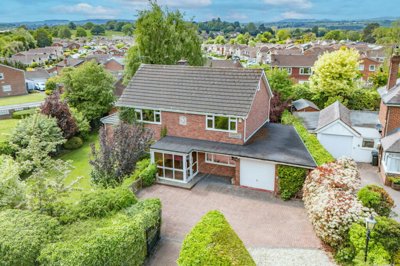
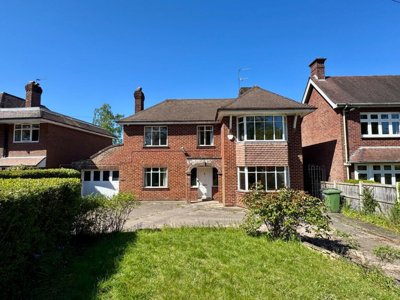
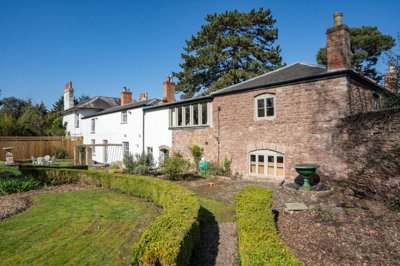
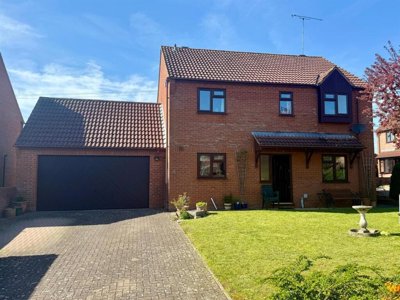
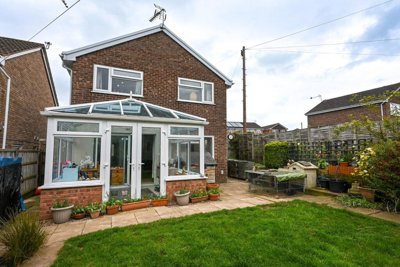
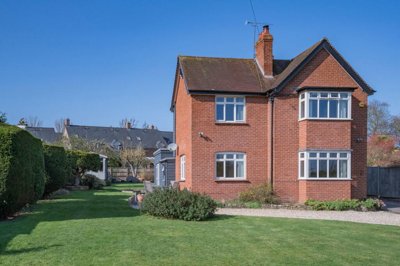
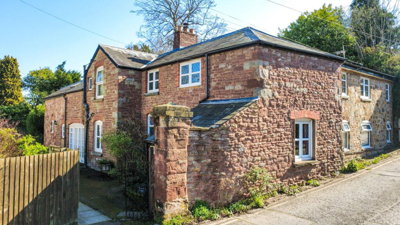
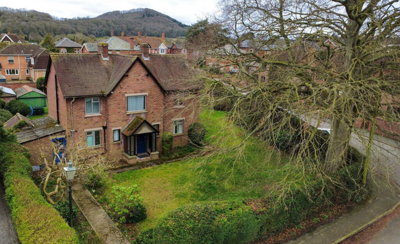
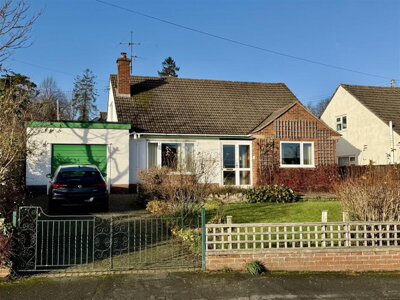
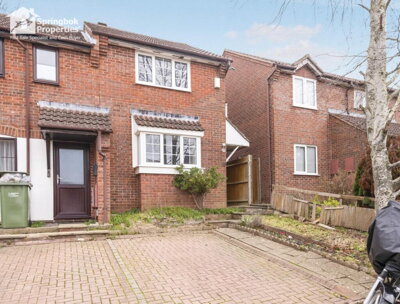
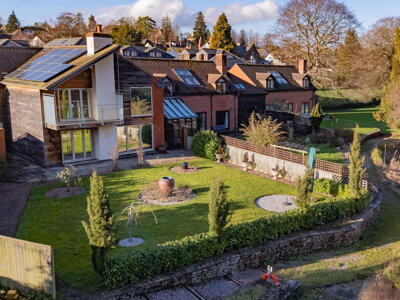
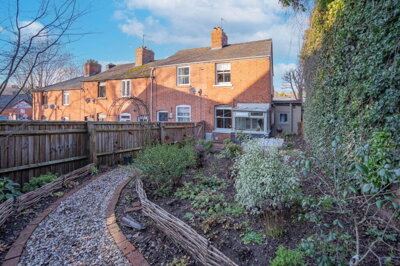
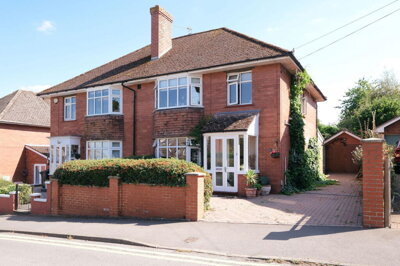
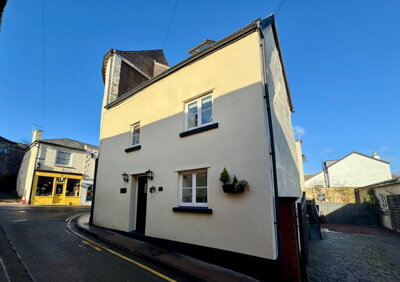
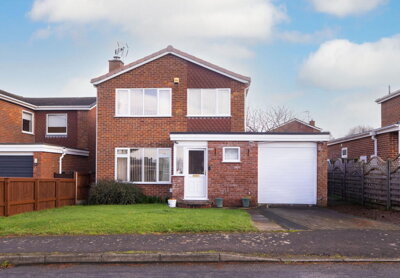
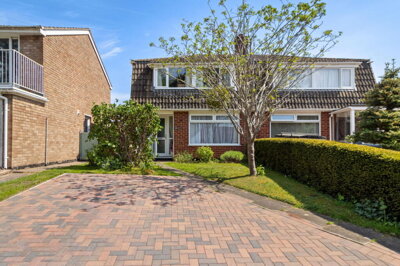
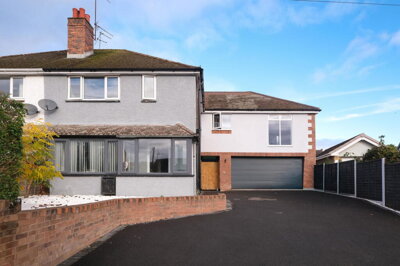
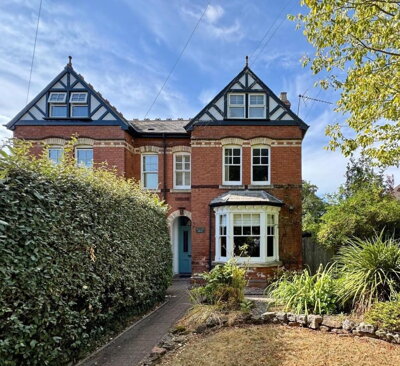
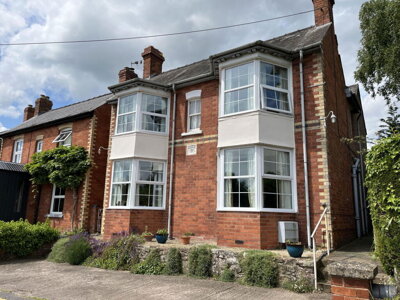
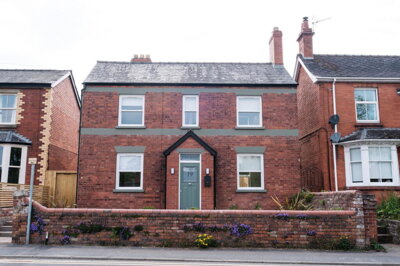
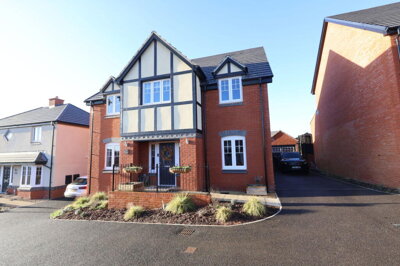
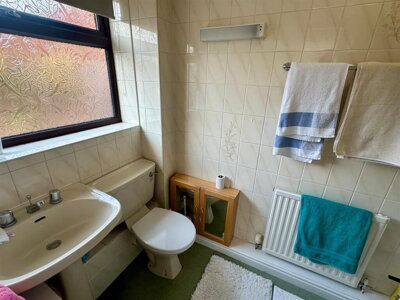
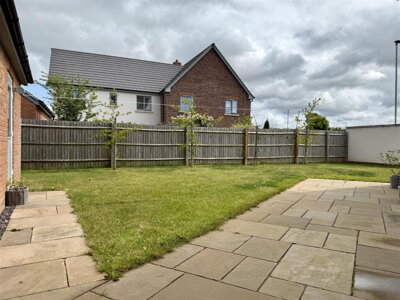
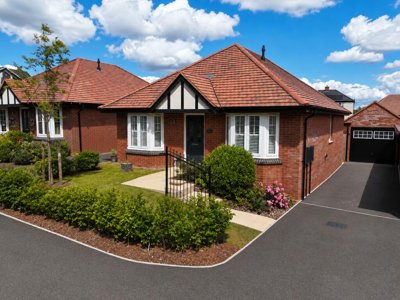
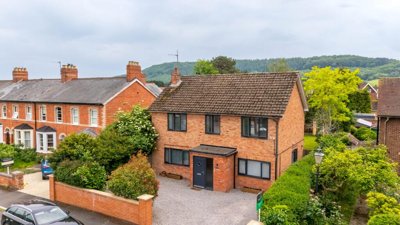
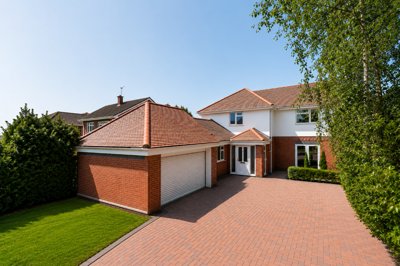
Browse 241 homes for sale in Ross-on-Wye from local estate agents.
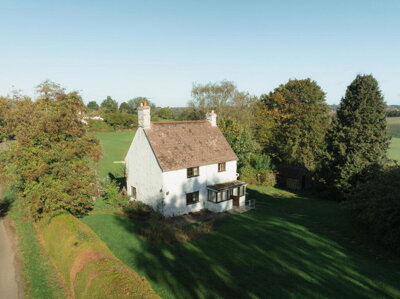
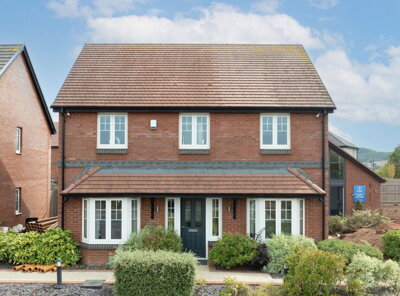
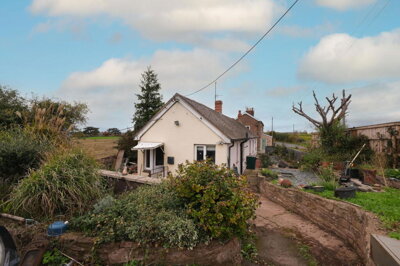
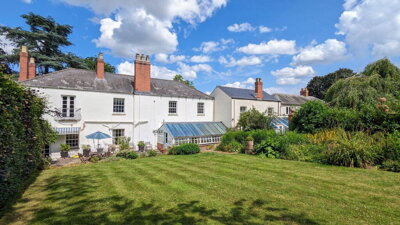
The Ross On Wye property market offers detached, semi-detached, and terraced houses spanning various price ranges and neighbourhoods. Each listing includes detailed property information, photographs, and direct contact with the marketing agent.
Ross-on-Wye behaves like a steady regional market that still has movement in it, and homedata.co.uk records 131 residential sales over the past year. Prices have moved in different directions, with some data showing a modest 1.19% rise over 12 months and other sold-price figures pointing to a softer 4.3%. Well-presented detached family homes and character cottages in the conservation area still draw strong interest. The current average sold price sits at £296,631, and homes positioned properly in the market often sell close to asking. On the historical side, values are now around 7% below the 2022 peak of £302,883, which leaves room for buyers who are ready to move.
Once the property types are split out, the price bands in Ross-on-Wye become very clear. Detached homes lead at £429,607, and the HR9 postcode area, which covers the town centre and surrounding neighbourhoods, shows the same £429,607 average for larger family houses with decent gardens. Semi-detached homes sit at £304,891, terraces usually fetch £241,759, and flats and apartments come in at £149,990. That spread keeps the town open to a wide range of budgets, from compact starter homes to bigger family properties.
Transaction numbers have eased, with 33 fewer sales than in the previous year. That quieter backdrop means buyers can sometimes face less competition for well-priced homes, even though home.co.uk shows an average asking price of £572,523 as of February 2026. The HR9 5 postcode area saw prices fall by 4.6% over the last year, so micro-market shifts within Ross-on-Wye are worth checking carefully before a decision is made.

Ross-on-Wye still revolves around its market town centre, where the Market House dominates the historic marketplace. The town has moved on from agricultural roots into manufacturing, with Woodville Rubber Co. Ltd. on Alton Road employing around 300 people making rubber seals and components, and Haigh Engineering Co. Ltd. employing approximately 130 staff in waste disposal units. Public sector work, especially education and healthcare, adds another solid strand to local employment. The demographic picture also matters, with approximately 29.7% of residents aged 65 or over, which goes some way towards explaining the appeal to people looking for a quieter setting and a broad range of services.
The riverside setting does a lot of the work here. Walks along the River Wye, the town's claim to be the birthplace of British tourism, and the Georgian-era landscape that drew visitors all help give Ross-on-Wye its appeal. Independent shops sit in buildings made from the local Devonian red sandstone, which gives the streetscape a strong sense of continuity and underpins its conservation area designation. The wider Herefordshire countryside also puts the Wye Valley, Forest of Dean and Malvern Hills close at hand, so outdoor space and day-to-day convenience sit side by side.
Around High Street and Market Place, the town keeps its everyday rhythm. Weekly markets bring in local producers selling fresh produce and artisan goods, and the square stays busy with residents and the summer visitor trade. The Saracen's Head, a 17th-century Grade II* listed building on the High Street, is one of the better-known pubs for character dining. Festivals and community gatherings run through the year as well, which helps to keep the social fabric tight for families and retirees.

Families usually start with the primary schools. Ross-on-Wye has several serving the local community, many within walking distance of the town centre and nearby residential streets. Schools in Hildersley are part of that picture, as the area has seen significant residential growth in recent years, and homes closer to the conservation area may sit within catchment zones for town-centre schools. Current Ofsted ratings and catchment boundaries should always be checked directly, since both can change and both shape school places.
Secondary provision is available locally, so children can move through the state system without heading to a larger city. For specialist subjects or different educational styles, Hereford, Gloucester and Cheltenham add extra options by car or public transport. The projected housing growth of at least 1,800 new homes by 2041 shows that investment in roads and education is still ongoing. The Herefordshire Housing Market Area Needs Assessment 2021 pointed to strong demand for family homes with three to four bedrooms, which underlines the town's appeal to households at different life stages.
Post-16 choices widen again. Hereford College of Further Education offers vocational and academic courses that Ross-on-Wye students can reach, while Gloucester and Cheltenham provide larger sixth form settings through established grammar schools and colleges. Older students also have university options in Worcester, Coventry and Bristol. Our listings include details on proximity to local schools, so families can compare homes with their educational priorities in mind.

Road links suit local travel more than the daily grind of a big commuter town. The A40 runs through Ross-on-Wye, giving direct access to Gloucester approximately 20 miles to the east and Hereford around 13 miles to the west. The M50 links out to the Midlands motorway network, while the A449 heads north towards the West Midlands conurbation. Many residents work in the Forest of Dean, Cheltenham and Gloucester, and bus services also run across town and out to the surrounding villages and nearby towns.
For rail, residents head to Hereford or Gloucester stations, both reachable by road and both serving London, Birmingham, Bristol and Cardiff. From Hereford to London Paddington the journey is approximately two and a half hours, which keeps occasional commuting in play for people on hybrid patterns. Gloucester station opens up the Great Western Railway network, with regular Bristol services and London links via CrossCountry. Inside the town, walking and cycling work well for day-to-day trips, helped by the flat ground around the centre and the riverside paths.

A mortgage agreement in principle is a sensible first move before any viewing. With the average property price at £296,631, most buyers will need mortgage finance, and having that confirmed can make a real difference when the right place appears. Speak to a local mortgage broker who knows the Herefordshire market for practical advice on suitable products.
Ross-on-Wye changes character quite sharply from one pocket to the next. Townhouses in the conservation area near the Market House sit alongside newer schemes on the edge of town, such as The Orchards in Hildersley and St Mary's Garden Village. The HR9 postcode covers those different neighbourhoods, so it pays to study where each street falls and what that means for day-to-day life and budget.
Local estate agents can line up viewings, but the condition of the property usually tells the fuller story. We look closely at maintenance needs and how near a home sits to local amenities. In the conservation area, listed status can restrict alterations, while newer homes bring modern construction standards and builder warranties.
Older houses deserve a proper survey before matters move too far. For most properties, especially homes built before 1919, we would commission a RICS Level 2 Home Survey. In Ross-on-Wye that usually costs between £395 and £1,250, depending on size and value. Damp, structural movement and roof problems can all show up in the report, and with approximately 29% of the housing stock built before 1919, the extra check is particularly useful on character homes.
Once an offer is accepted, we instruct a conveyancing solicitor to take over the legal side of the purchase. The solicitor handles searches, reviews the contract and manages the transfer of ownership. Stamp duty has to be budgeted for at the current thresholds, and search fees from Herefordshire Council, including environmental, drainage and planning searches, usually come to around £300 to £400.
After the searches come back clean and the finance is in place, contracts are exchanged and the deposit is paid. Completion usually follows within two to four weeks, then the keys are handed over for the new Ross-on-Wye home. Have removal arrangements sorted and let the utility companies know the moving date.
Ross-on-Wye's housing stock has real variety, and the materials tell their own story. Devonian red sandstone appears widely in historic buildings, while properties from the Victorian period onwards may use 'Ross Brick', the local wirecut red-orange brick with its own distinctive look. Homes built before 1919 often have solid walls rather than cavity construction, along with original sash windows, timber floors and working fireplaces. Those period features add charm and value, but they also bring ongoing maintenance and can limit certain alterations.
Damp, roof faults and movement are the usual headaches in older Ross-on-Wye houses, so buyers should check them carefully. Rising damp from failed damp-proof courses, penetrating damp from leaks or poor upkeep, and condensation caused by weak ventilation are all common. Roof damage, missing tiles, leaks and deteriorating ridge mortar also crop up because of age and weather exposure. Structural movement and cracking are another watchpoint, and cracks wider than 5mm or cracks that run diagonally and keep growing usually need professional attention.
Flooding is part of the local picture, especially near the River Wye. Wilton and Oak Meadow sit within Flood Zone 3, which points to a significant flood probability, and Brookend Street has also seen surface water flooding during heavy rain. A £7 million flood alleviation scheme now protects low-lying areas from the Rudhall and Chatterley Brooks, but buyers still need to check the flood history of any particular home and think about whether insurance is available. The conservation area also benefits from 154 listed buildings, which preserves character but means external changes need Listed Building Consent from Herefordshire Council.
New build options around Ross-on-Wye cover a fair spread of budgets and house sizes. The Orchards in Hildersley by David Wilson Homes has two to four bedroom properties priced from £255,000 to £364,500, with The Wilford and The Ashdown among the plots available. Taylor Wimpey's St Mary's Garden Village at Kyrle Green offers two to four bedroom houses from £315,000 to £452,000, plus shared ownership options through Connexus, including one-bedroom apartments with shares from 10%. Lagan Homes' Roman Gate in nearby Weston-under-Penyard brings two to five bedroom properties in an exclusive collection, while The Chase Dales on Walford Road is aimed at residents aged 55 and over and includes seven new build homes and converted apartments. Kinspire Homes' Howle Hill just outside Ross-on-Wye offers two-bedroom semi-detached and four-bedroom detached properties. For buyers wanting new build warranties and contemporary energy efficiency, these schemes sit alongside the town's older character homes.

The numbers matter here as much as the house hunt itself. Stamp Duty Land Tax applies to all residential purchases above £250,000 at standard rates, while first-time buyers get relief on purchases up to £625,000. On a typical Ross-on-Wye property at £296,631, a standard buyer would pay £2,332 in stamp duty, worked out at 5% on the amount between £250,001 and £296,631. First-time buyers would pay no stamp duty on that price, because the full amount sits within the relief threshold.
Budgeting for the extras stops surprises later. Survey costs usually run from £395 to £1,250 for a RICS Level 2 Home Survey, with higher fees on larger or older properties. Pre-1919 homes can attract survey fees 20-40% above standard rates because traditional construction needs more checking. Conveyancing fees often start from £499 for standard work, though leasehold purchases or listed buildings may cost more because of the additional legal work involved. Search fees from Herefordshire Council, including environmental, drainage and planning searches, usually come to around £300 to £400.
There are a few other line items to allow for as well. Mortgage arrangement fees vary by lender, but often sit between £0 and £2,000 depending on the product chosen. Valuation fees, if the purchase is mortgaged, usually fall between £150 and £400, and electronic land registry searches plus land transaction tax returns tend to cost around £50 to £100 combined. Removal costs can range from £500 to £2,500 for a local move, depending on distance and the amount of furniture. If an existing mortgage is being replaced, early repayment charges can also apply, so they need to be built into the figures.

Sold-price data for Ross-on-Wye sits in a fairly tight band, though the figures shift depending on the reporting period. homedata.co.uk puts the average sold price at approximately £281,000 to £294,100. Detached homes command the highest figures, averaging between £374,184 and £453,263 according to the postcode area, with HR9 showing premium averages for bigger houses. Semi-detached homes typically sell for £275,271 to £287,080, terraces average about £252,620, and flats come in at £123,732 to £136,994. Recent movement has been mixed, with annual increases of around 1.19% offset by broader market softening of approximately 4.3% over the past year, and current values sitting around 7% below the 2022 peak of £302,883.
Council tax for Ross-on-Wye homes falls under Herefordshire Council's banding system, from A through to H depending on valuation and property characteristics. Size, location within the town and whether the home is a new build or a period property all play a part. Buyers should check the specific council tax band for any home they are considering, because it affects the annual running cost and needs to sit in the household budget. Herefordshire Council publishes the current rates for all bands online, and the same information is usually shown in property listings or through the local authority's portal.
Primary schools are spread across Ross-on-Wye, with several serving the local community within easy reach of the town centre and surrounding areas such as Hildersley and the conservation area. Secondary education is also available locally, so children can move through the state system without travelling to a larger city, although catchment areas change depending on the exact part of town. Ofsted ratings should be checked directly because they are updated regularly and give the most current view of school quality. Catchment boundaries can make a real difference to school places, so families should confirm the intended property's school zone before they commit.
Bus services do most of the everyday work in Ross-on-Wye, linking the town to surrounding villages and nearby places such as Hereford and Gloucester. Rail travel means heading to Hereford or Gloucester stations, both reachable by road and both offering services to London, Birmingham, Bristol and Cardiff. The roughly two and a half hour trip from Hereford to London Paddington keeps regular commuting possible for people with flexible working or only occasional office days. On the road, the A40 gives direct links to Gloucester and Hereford, while the M50 connects to the wider West Midlands motorway network.
Investors tend to like the balance here, because Ross-on-Wye keeps drawing both renters and buyers. At least 1,800 new homes are projected by 2041, alongside 35 hectares of new employment land development, so the pipeline is still active. Woodville Rubber Co. and Haigh Engineering provide a stable employment base, while the town's pull for retirees and families supports demand for the right property types. Rental demand may come from professionals in manufacturing or people commuting to Cheltenham and Gloucester, but our team still weighs local market conditions, potential rental yields and capital growth prospects carefully, especially with the recent softening in sold prices.
At the current Ross-on-Wye average of £281,000, standard buyers pay stamp duty at 5% on the amount above £250,000, which totals £1,550. First-time buyers purchasing homes up to £425,000 pay no stamp duty, with the 5% rate only applying between £425,001 and £625,000. For higher value homes, the rate rises to 10% on amounts between £925,001 and £1.5 million, then 12% on anything above £1.5 million. Properties below £250,000 attract no stamp duty for any buyer. Current thresholds can change with fiscal announcements, so it is worth checking the latest figures and speaking to a financial adviser if the purchase involves additional properties or a non-residential element.
Flood risk around the River Wye needs to stay on the checklist right to the end. Wilton and Oak Meadow fall within Flood Zone 3, which indicates a significant flood probability and affects insurance and value, and Brookend Street has also suffered surface water flooding during heavy rain. A £7 million flood alleviation scheme gives protection along the Rudhall and Chatterley Brooks, reducing risk in the protected areas but not removing it altogether. Homes near the river or in known flood risk zones need careful thought around insurance availability and cost, which can be higher than for properties outside flood zones. We would ask for a flooding search during conveyancing and weigh up the property's flood history against personal comfort before moving forward.
From 3.94%
Expert mortgage advice from local brokers
From £499
Conveyancing solicitors in Ross-on-Wye
From £395
Professional property surveys by RICS Chartered Surveyors
From £60
Energy Performance Certificate for your property
Properties for Sale In London

Properties for Sale In Plymouth

Properties for Sale In Liverpool

Properties for Sale In Glasgow

Properties for Sale In Sheffield

Properties for Sale In Edinburgh

Properties for Sale In Coventry

Properties for Sale In Bradford

Properties for Sale In Manchester

Properties for Sale In Birmingham

Properties for Sale In Bristol

Properties for Sale In Oxford

Properties for Sale In Leicester

Properties for Sale In Newcastle

Properties for Sale In Leeds

Properties for Sale In Southampton

Properties for Sale In Cardiff

Properties for Sale In Nottingham

Properties for Sale In Norwich

Properties for Sale In Brighton

Properties for Sale In Derby

Properties for Sale In Portsmouth

Properties for Sale In Northampton

Properties for Sale In Milton Keynes

Properties for Sale In Bournemouth

Properties for Sale In Bolton

Properties for Sale In Swansea

Properties for Sale In Swindon

Properties for Sale In Peterborough

Properties for Sale In Wolverhampton

Enter your details to see if this property is within your budget.
Loans, cards, car finance
Estimated property budget
Borrowing + deposit
You could borrow between
Typical borrowing
Monthly repayment
Est. at 4.5%
Loan-to-value
This is an estimate only. Your actual budget may vary depending on interest rates, credit history, and personal circumstances. For an accurate affordability assessment, speak to one of our free mortgage advisors.
This calculator provides estimates for illustrative purposes only and does not constitute financial advice. Your home may be repossessed if you do not keep up repayments on your mortgage. Estimates based on 4.5% interest rate, repayment mortgage. Actual rates depend on your circumstances.
Homemove is a trading name of HM Haus Group Ltd (Company No. 13873779, registered in England & Wales). Homemove Mortgages Ltd (Company No. 15947693) is an Appointed Representative of TMG Direct Limited, trading as TMG Mortgage Network, which is authorised and regulated by the Financial Conduct Authority (FRN 786245). Homemove Mortgages Ltd is entered on the FCA Register as an Appointed Representative (FRN 1022429). You can check registrations at NewRegister or by calling 0800 111 6768.

We use cookies to show you personalised content and improve your experience of our website. Find out more in our Privacy policy and Cookie policy.