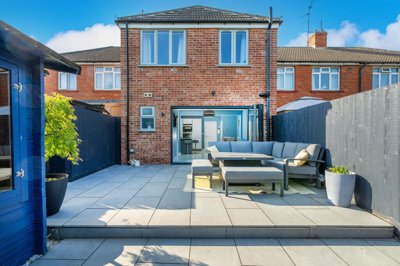
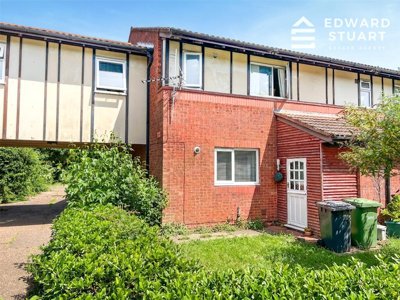
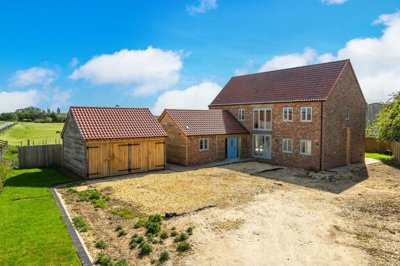
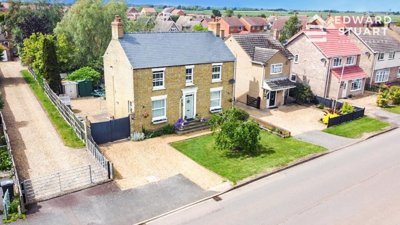
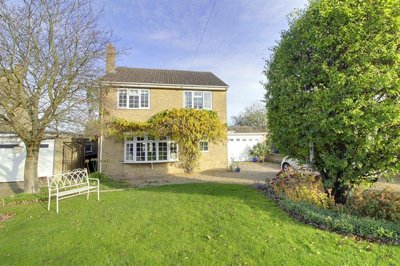
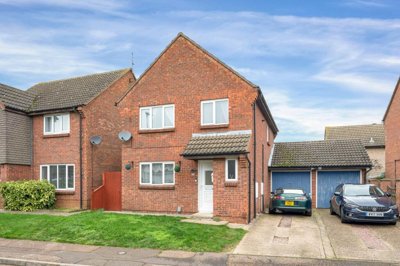
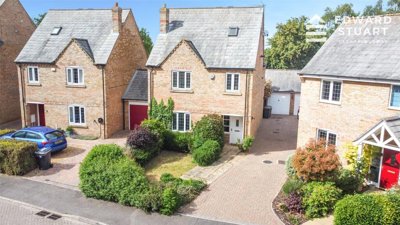
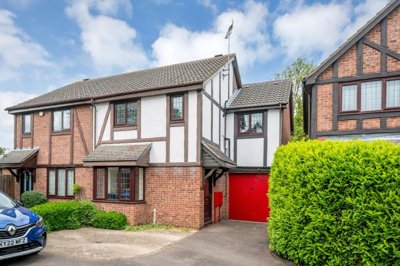
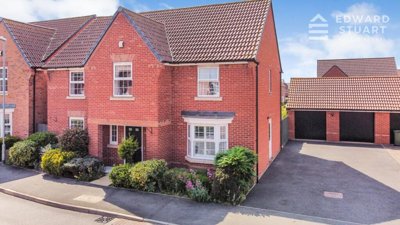
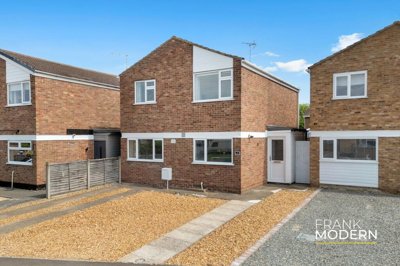
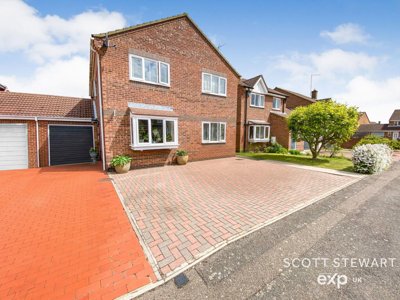
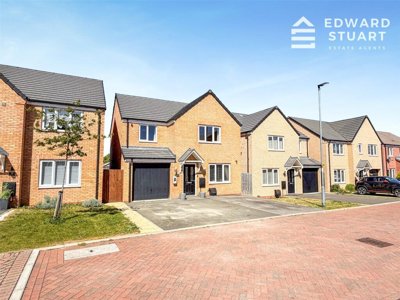
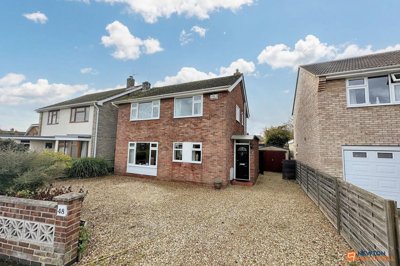
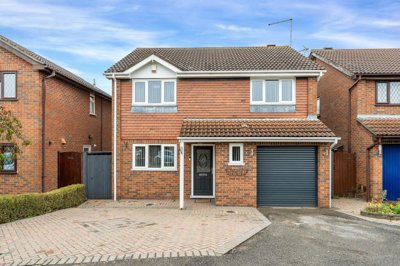
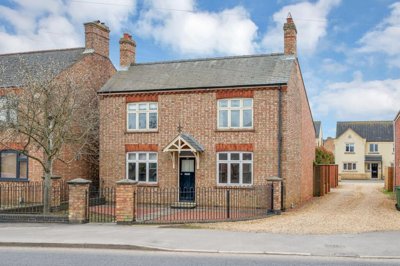
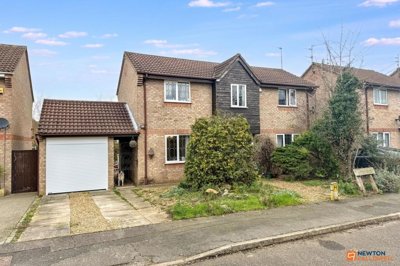
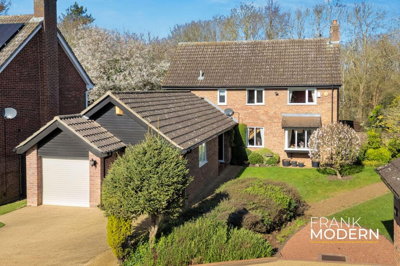
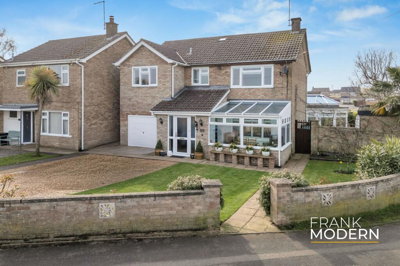
Browse 455 homes for sale in PE6 from local estate agents.
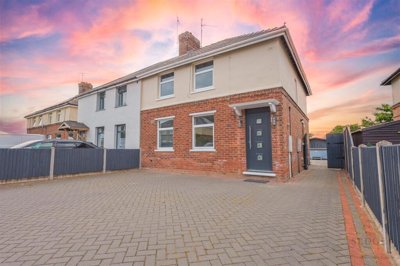
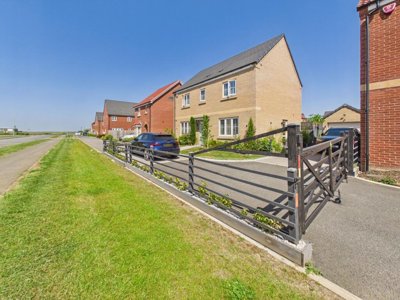
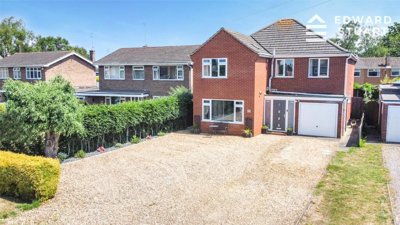
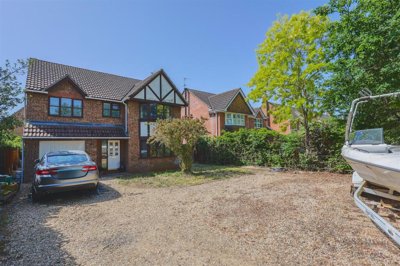
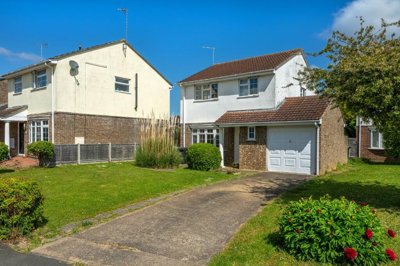
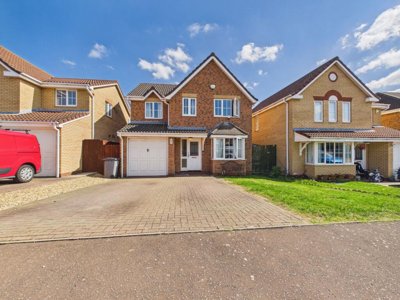
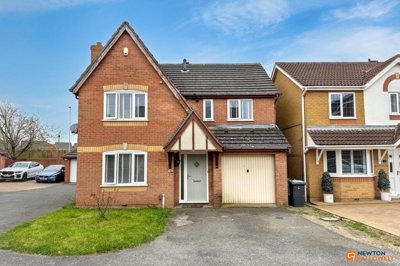
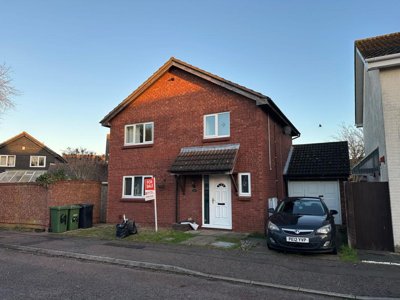
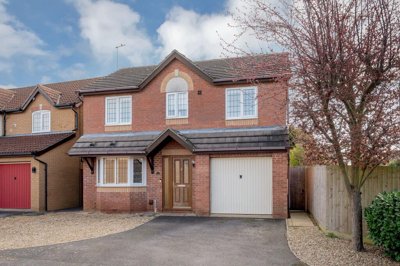
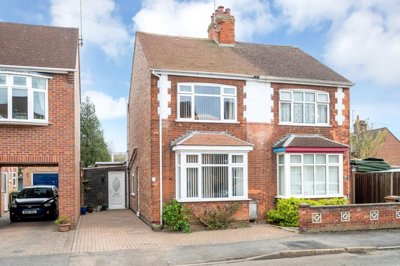
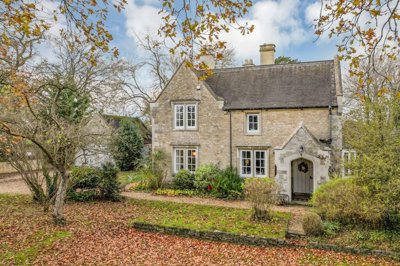
The larger property sector typically features multiple bathrooms, substantial reception space, and private gardens or off-street parking. Four bedroom houses in PE6 span detached, semi-detached, and occasionally terraced configurations, with styles ranging from period properties to modern executive homes.
£385k
100
6
116
Source: home.co.uk
Showing 100 results for 4 Bedroom Houses for sale in PE6. 6 new listings added this week. The median asking price is £385,000.
Source: home.co.uk
Detached
97 listings
Avg £440,321
Semi-Detached
2 listings
Avg £310,000
Terraced
1 listings
Avg £300,000
Source: home.co.uk
Source: home.co.uk
Across PE6, homes span a wide range of prices, with detached properties averaging £447,299, semi-detached homes around £256,284, terraced houses at approximately £193,898, and flats starting from £120,000. That spread reflects the mix on offer, from characterful period cottages to substantial modern family houses. Over the last 12 months, values have shifted by 1.5%, so the market has stayed steady rather than overheated. We also have 204 recent property sales in the area, which gives a clear picture of an active local market.
For buyers after something newer, PE6 has several developments that bring in contemporary fittings and a more up-to-date feel. The Quadrant in Eye offers 2, 3, 4, and 5 bedroom homes from £265,000 to £499,995 through Larkfleet Homes, while Willow Tree Gardens in Crowland has options from £229,995 with Ashwood Homes. Allison Homes is also selling at The Brambles in Thorney, where prices begin at £249,995. With homes ranging from two to five bedrooms, these schemes suit everyone from first-time purchasers to families looking for their forever home.
That steady pace makes PE6 a sensible place for people buying their first property, or for anyone moving without wanting to chase a fast-rising market. The area also benefits from strong commuter links into Peterborough, where financial services, manufacturing, and retail draw buyers who want affordable housing without giving up access to work. It is a practical combination, competitive pricing on one side, reliable transport on the other, and enough breathing space to choose carefully.

PE6 covers a population of approximately 30,000 residents across roughly 12,500 households, which helps give the villages a close community feel. Neighbours often know one another, and local events keep people connected through the year. The housing mix is equally varied, with 40.2% detached properties, 30.1% semi-detached homes, 19.8% terraced properties, and 9.9% flats. Age-wise, 15% of homes date from pre-1919, 10% from the interwar years, 35% from the mid-twentieth century, and 40% from more recent decades, so the architectural range is broad.
Agriculture and food processing drive much of the local economy, supported by the fertile Fenland soil and the farmland it sustains. The A1(M) and A47 make commuting straightforward for people working in Peterborough or travelling further afield, and the city itself opens up more jobs in financial services, manufacturing, and retail. Village life has its own appeal too, with local shops, pubs, restaurants, and community facilities on hand, while Peterborough supplies the larger amenities when they are needed.
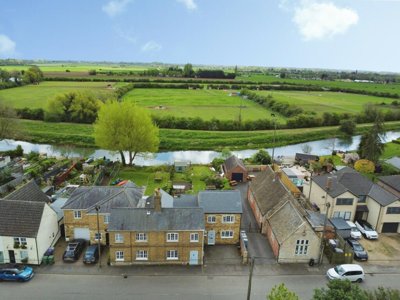
The flat land of the Fens is good for walking and cycling, and the River Nene brings fishing and boating into the picture as well. This low-lying landscape, with its drainage systems and open fields, feels unlike much of the rest of the country. Plenty of homes have large gardens that make the most of the space available, and the sense of openness gives PE6 a calm, uncluttered atmosphere.

Most properties in PE6 follow the traditional building methods of the Fens, so brick is the main material, often the red brick that gives local villages their familiar look. Some older homes include render or stone details, especially where the property has historical interest or was built from locally sourced materials. Roofs are usually tiled with clay or concrete tiles, though slate still appears on some period houses. Knowing what a home is made from helps buyers understand its character, and what maintenance may come with it.
Age has a lot to do with how homes here were built. From the early twentieth century onwards, traditional cavity wall construction became the norm, while older properties, especially those built before 1919, often still have solid walls with different thermal and ventilation qualities. New build schemes such as The Quadrant in Eye and Willow Tree Gardens in Crowland generally use timber-frame methods, which can bring better insulation and quicker build times, while still looking right in a village setting.
Under the surface, PE6 sits on alluvium, peat, and glaciofluvial deposits, and that has practical implications for buyers. The bedrock below is Jurassic clay and limestone, including the Oxford Clay Formation, so some locations carry a moderate to high shrink-swell risk. Homes near large trees, or on less compacted foundations, can show movement over time. Our team always advises buyers to think about ground conditions carefully, especially where an older house may not have been built to modern foundation standards.

Families moving to PE6 will find primary and secondary schooling across the local villages and the surrounding area. In Eye, Crowland, and Thorney, the primary schools serve younger children in their immediate communities, and many parents value the smaller class sizes. Those schools often sit right at the centre of village life, with events and activities bringing families together. It pays to check catchment areas early, because admissions policies can change which school applies to a given address.
Secondary schools in PE6 usually draw pupils from several villages, so travel distances are often reasonable rather than long. Some families also look at independent schools and grammar schools in Peterborough, which are reachable through the area’s good transport links. Peterborough Grammar School and other selective options attract pupils from a wider patch, and preparation for entrance exams often starts in primary school. For sixth form and further education, many students head into Peterborough colleges for a broader mix of A-level and vocational courses.
Before buying in PE6, parents should check the latest school performance data and admission arrangements, because both can shift and affect the options open to their children. Ofsted reports are useful, and a direct visit usually gives a better sense of the environment, values, and day-to-day feel of each school. Short journeys to local schools can be a real advantage too, especially compared with the longer commutes families sometimes face in larger towns when children attend different schools.

Road links are one of PE6’s strong points, and they make day-to-day commuting as well as longer trips fairly straightforward. The A1(M) gives a direct route north to Newcastle and south to London, while the A47 links the area with Peterborough and continues eastwards towards Norfolk. From the villages, Peterborough city centre is usually around 20-30 minutes by car, so working in the city remains very realistic for people who prefer a rural base. The flat Fenland landscape also suits cycling, and plenty of residents use a bike when the distance is manageable.
Bus services connect the PE6 villages with Peterborough and neighbouring towns, which matters for residents without a car. From Peterborough railway station, mainline services run fast trains to London Kings Cross in around 45 minutes, keeping the capital within easy reach for work or the occasional trip. Rail connections also reach Birmingham, Norwich, and cross-country routes, so there are good links across the UK. For flights, Stansted Airport can be reached via the A1(M) and M11, while Luton Airport is accessible through Milton Keynes, giving residents solid international access within a reasonable drive.
Those road and rail connections do a lot to explain PE6’s appeal. Buyers who commute often find it easier to buy here rather than pay the higher prices found nearer major employment centres. In many cases, the saving on the purchase price compared with Peterborough or Cambridge goes some way towards offsetting the time and cost of travel. That flexibility suits both professionals and families.

Set within the low-lying Fens, PE6 comes with environmental points that buyers should understand before they commit. The River Nene, along with its tributaries, and the network of drainage ditches and canals used in Fenland water management, means some spots carry a real flood risk. Homes near watercourses or in lower ground are more exposed to river flooding and surface water pooling during heavy rain. Because the land is so flat, water can gather quickly if drainage systems are overloaded, so flood resilience matters across the area.
Surface water flooding can affect different parts of PE6, particularly where the geology is less permeable. Large gardens, or homes bordering agricultural land, can be more prone to pooling after exceptional weather. Before buying any property in PE6, we suggest checking the Environment Agency flood risk maps for that exact location and looking at any flood resilience measures already in place. If a home has flooded before, there may be signs of previous damage, and a good survey can show where repair work has already been done.
What balances that risk is the long-standing water management network across the Fens. Drainage systems, pumping stations, and watercourses are maintained to a high standard, and new developments usually include sustainable drainage systems (SuDS) to deal with surface water properly. Insurance can still cost more in flood risk areas, so buyers need to factor that into budgets. Even so, many thousands of people live here happily, taking sensible precautions and enjoying the advantages of rural PE6 life.

We start by exploring different villages within PE6, comparing property types, prices, and local amenities. Consider factors such as school catchments, proximity to flood risk areas shown on Environment Agency maps, and conservation zone restrictions when narrowing your search. Each village - whether Eye, Crowland, or Thorney - offers distinct characteristics that appeal to different buyer preferences.
We contact lenders to obtain a mortgage agreement in principle before viewing properties. This strengthens your position when making offers and demonstrates to sellers that you have secured financing. In the PE6 area, with average prices around £353,438, most buyers will require a mortgage, and having this in place shows serious intent in a market where sellers appreciate confident buyers.
We schedule viewings of properties matching your criteria, taking time to assess the condition of properties both inside and out. Note potential issues such as damp on walls (common in older Fenland properties), outdated electrics in pre-1980s homes, or signs of cracking that may indicate ground movement related to the local clay geology. Take photographs and make notes to compare properties afterwards.
Once your offer is accepted, we arrange for a RICS Level 2 Survey to assess the property condition thoroughly. In PE6, surveys typically cost between £400-£700 depending on property size, and are particularly valuable for the substantial proportion of older properties where defects such as damp, subsidence, or outdated electrics may be hidden. Our inspectors have extensive experience with local construction types and will identify any issues specific to Fenland properties.
We appoint a solicitor to handle the legal aspects of your purchase, including local property searches for PE6, contracts, and registration with the Land Registry. Searches will include drainage and water authority enquiries relevant to the Fenland environment, and your solicitor will liaise with the seller's representatives throughout the transaction.
Once all searches are satisfactory and financing is confirmed, your solicitor will exchange contracts and set a completion date. On completion day, the remaining funds are transferred and you receive the keys to your new PE6 home. We recommend arranging buildings insurance to take effect from exchange of contracts to protect your investment.
PE6’s geology gives buyers something else to think about. The Oxford Clay Formation below ground can create moderate to high shrink-swell risk in certain locations, especially where foundations are shallow or trees are nearby. During viewings, it is wise to look for cracking, particularly diagonal cracks around door and window frames, as those can point to movement. A thorough RICS Level 2 Survey will flag structural issues and show whether previous movement has been dealt with or still needs remedial work.
Many homes in PE6 are older, so a proper assessment often uncovers the usual issues linked to established construction. Approximately 60% of properties here were built before 1980, which makes surveys especially useful for spotting rising damp, deteriorating roof coverings, and electrical systems that no longer meet current standards. Solid wall homes can also behave differently from modern cavity-walled properties, particularly on insulation and heating costs. Timber problems, including wet rot, dry rot, and woodworm, can affect structural timbers in any property over 50 years old, and our inspectors pay close attention to those risks.
Flood risk remains a key issue in PE6 because of its position in the Fens and its proximity to the River Nene and its tributaries. Homes close to watercourses, or in low-lying spots, face greater danger from river flooding and surface water during heavy rain. Before committing to a purchase, buyers should check Environment Agency flood risk maps and think about whether the property has suitable flood resilience measures. In conservation areas such as Eye, Crowland, and Thorney, additional planning controls and listed building consent may also apply to certain alterations, which can shape future renovation plans. These homes often call for a more detailed RICS Level 3 Building Survey because of their age, their unusual construction, and their protected status.
The average house price in PE6 is currently £353,438, based on recent home.co.uk market data. Detached properties average £447,299, semi-detached homes around £256,284, terraced properties approximately £193,898, and flats from £120,000. Property values in the area have decreased by 1.5% over the past 12 months, reflecting stable market conditions that benefit buyers seeking affordable housing in a rural setting compared to larger cities like Cambridge or London.
Council tax bands in PE6 are set by Peterborough City Council, with bands ranging from A through to H depending on property value. Most terraced properties and smaller semis typically fall into bands A to C, while larger detached homes in villages such as Eye or Thorney may be in bands D to F. Prospective buyers should verify the specific band for any property they are considering, as this affects ongoing running costs alongside mortgage payments and utility bills.
The PE6 area offers primary schools in villages such as Eye, Crowland, and Thorney, with secondary schools serving wider catchment areas across the Fenland villages. Parents should research individual school performance data from Ofsted and compare admission catchment zones, as these vary between institutions. Grammar schools and independent schools in Peterborough are accessible via the A47 and A1(M) for families seeking secondary and sixth form education options.
PE6 has bus services connecting villages to Peterborough and surrounding towns, while Peterborough railway station provides mainline services to London Kings Cross in approximately 45 minutes. The A1(M) and A47 roads provide excellent driving connections to major cities and employment centres, with Peterborough city centre reachable in around 20-30 minutes by car. For air travel, Stansted Airport is accessible within approximately 90 minutes by car via the M11.
The PE6 property market offers stable conditions with property prices showing modest 1.5% adjustment over the past year, making it suitable for buyers focused on long-term value rather than rapid capital growth. The area attracts buyers seeking affordable housing compared to larger cities, with local employment in agriculture, food processing, and logistics, plus commuter demand from those working in Peterborough. New build developments at The Quadrant in Eye, Willow Tree Gardens in Crowland, and The Brambles in Thorney continue to bring modern properties to the market, suggesting ongoing interest in the area.
Stamp Duty Land Tax rates from April 2024 start at 0% for properties up to £250,000, rising to 5% on the portion between £250,001 and £925,000, 10% up to £1.5 million, and 12% above that. First-time buyers benefit from relief on the first £425,000 of their purchase, with 5% charged between £425,001 and £625,000. On a typical PE6 property priced at the area average of £353,438, a first-time buyer would pay no stamp duty, while other buyers would pay 5% on £103,438, equalling £5,172.
Due to the low-lying nature of the Fens and the age of much of the housing stock, common defects in PE6 properties include damp issues (rising damp, penetrating damp, and condensation) particularly in older properties with solid wall construction. The presence of shrink-swell clay soils can lead to subsidence or heave, manifesting as cracking in walls. Many pre-1980s properties have outdated electrical wiring and plumbing systems that do not meet current standards, and roof condition issues are frequently identified in older homes. Timber defects including rot and woodworm can affect structural elements, and a RICS Level 2 Survey is particularly valuable for identifying these hidden problems.
Several villages within PE6 have designated Conservation Areas, including parts of Eye, Crowland, and Thorney, which contain higher concentrations of listed buildings and period properties. Properties in these areas may be subject to additional planning restrictions, and any exterior alterations may require planning permission or listed building consent. These properties often require more specialist surveys such as a RICS Level 3 Building Survey due to their unique construction and protected status. Buyers interested in conservation properties should factor in potentially higher maintenance costs and restricted renovation options when making their decision.
Getting to grips with the full cost of buying in PE6 helps avoid unwelcome surprises later in the transaction. Stamp Duty Land Tax (SDLT) is charged against the purchase price, with standard rates of 0% on the first £250,000, 5% between £250,001 and £925,000, 10% up to £1.5 million, and 12% on anything above that. First-time buyers purchasing homes under £625,000 benefit from relief, with 0% SDLT on the first £425,000 and 5% between £425,001 and £625,000. On a terraced property averaging £193,898 in PE6, a first-time buyer would pay no SDLT, which makes it a strong entry point into the local market.
There are several other costs to budget for as well. Solicitor fees usually run from £499 to over £1,500 depending on complexity, while a RICS Level 2 Survey in the PE6 area is typically £400-£700. Mortgage arrangement fees vary by lender, but often sit between £500 and £2,000. Search fees, Land Registry fees, and disbursements can add several hundred pounds to the legal bill, and removal costs plus any renovation work should sit in the wider moving budget too. Conservation area properties may bring extra expense if planning permission is needed for changes, and homes in flood risk zones can carry higher insurance premiums that are worth checking before you buy.
For most buyers, the total cost of purchasing in PE6, fees and charges included, usually sits between 3% and 5% of the purchase price. On a typical PE6 home valued at the area average of £353,438, that works out at around £10,603 to £17,672 on top of the deposit and mortgage. First-time buyers with SDLT relief, along with those buying lower-priced terraced houses or flats, will see those figures come down. We suggest getting solicitor and surveyor quotes early, so the budget covers every necessary expense.
Properties for Sale In London

Properties for Sale In Plymouth

Properties for Sale In Liverpool

Properties for Sale In Glasgow

Properties for Sale In Sheffield

Properties for Sale In Edinburgh

Properties for Sale In Coventry

Properties for Sale In Bradford

Properties for Sale In Manchester

Properties for Sale In Birmingham

Properties for Sale In Bristol

Properties for Sale In Oxford

Properties for Sale In Leicester

Properties for Sale In Newcastle

Properties for Sale In Leeds

Properties for Sale In Southampton

Properties for Sale In Cardiff

Properties for Sale In Nottingham

Properties for Sale In Norwich

Properties for Sale In Brighton

Properties for Sale In Derby

Properties for Sale In Portsmouth

Properties for Sale In Northampton

Properties for Sale In Milton Keynes

Properties for Sale In Bournemouth

Properties for Sale In Bolton

Properties for Sale In Swansea

Properties for Sale In Swindon

Properties for Sale In Peterborough

Properties for Sale In Wolverhampton

Enter your details to see if this property is within your budget.
Loans, cards, car finance
Estimated property budget
Borrowing + deposit
You could borrow between
Typical borrowing
Monthly repayment
Est. at 4.5%
Loan-to-value
This is an estimate only. Your actual budget may vary depending on interest rates, credit history, and personal circumstances. For an accurate affordability assessment, speak to one of our free mortgage advisors.
This calculator provides estimates for illustrative purposes only and does not constitute financial advice. Your home may be repossessed if you do not keep up repayments on your mortgage. Estimates based on 4.5% interest rate, repayment mortgage. Actual rates depend on your circumstances.
Homemove is a trading name of HM Haus Group Ltd (Company No. 13873779, registered in England & Wales). Homemove Mortgages Ltd (Company No. 15947693) is an Appointed Representative of TMG Direct Limited, trading as TMG Mortgage Network, which is authorised and regulated by the Financial Conduct Authority (FRN 786245). Homemove Mortgages Ltd is entered on the FCA Register as an Appointed Representative (FRN 1022429). You can check registrations at NewRegister or by calling 0800 111 6768.

We use cookies to show you personalised content and improve your experience of our website. Find out more in our Privacy policy and Cookie policy.