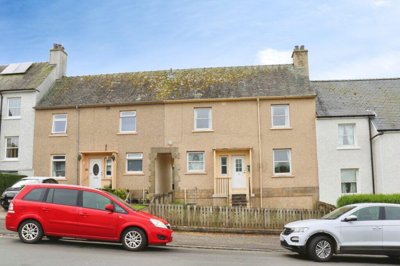
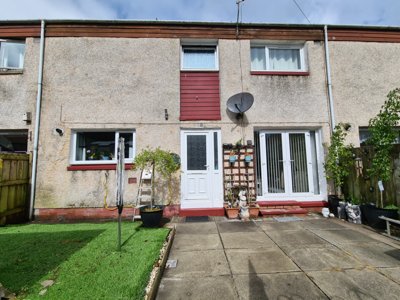
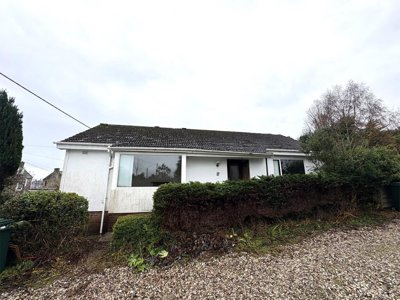
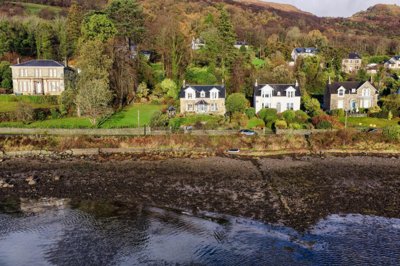
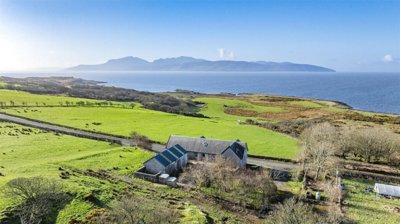
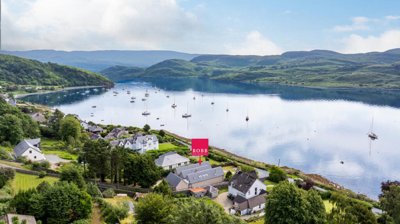
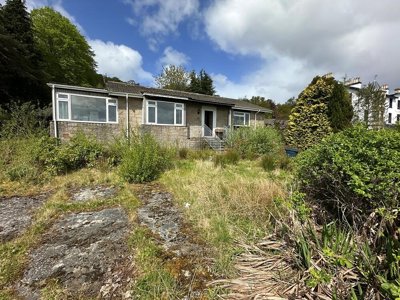
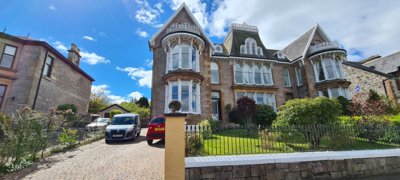
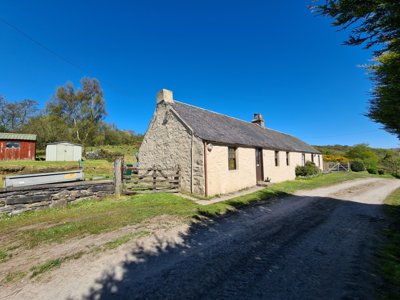
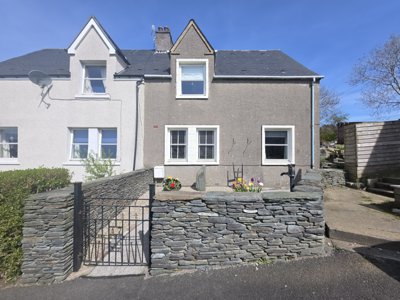
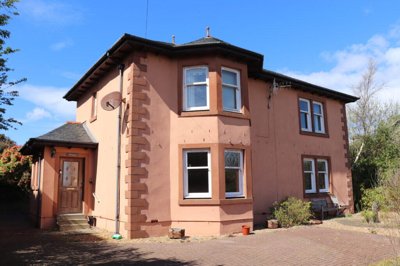
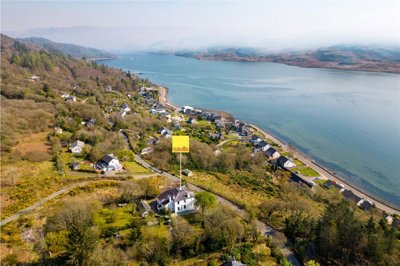
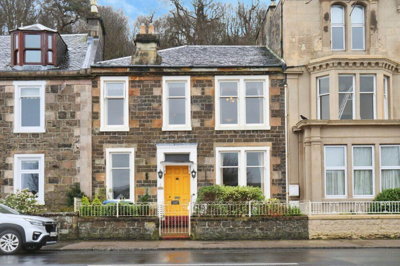
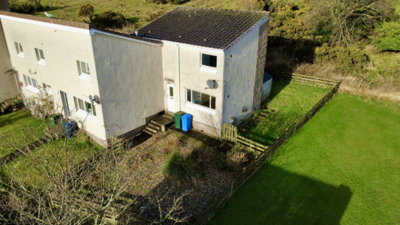
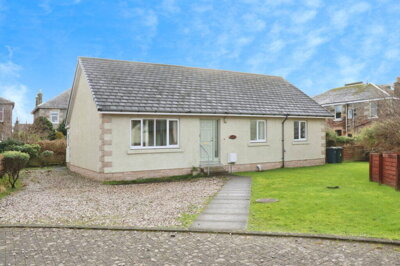
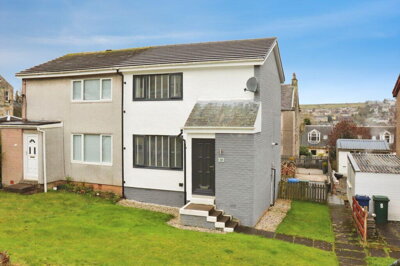
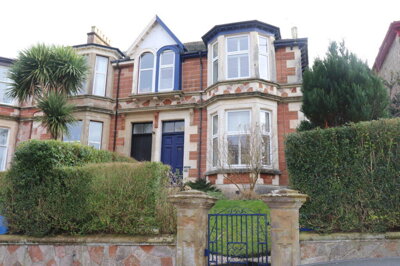
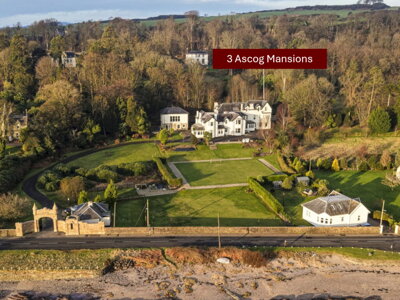
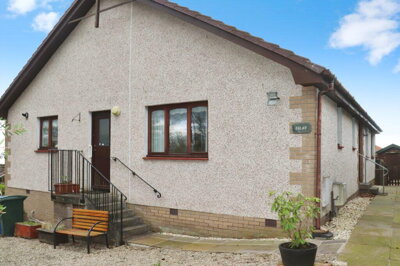
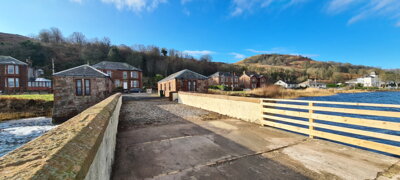
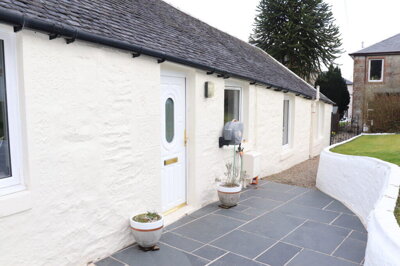
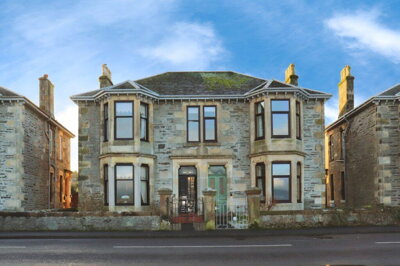
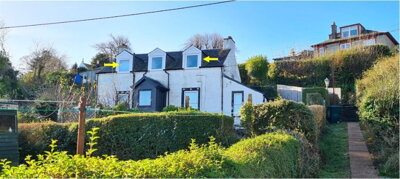
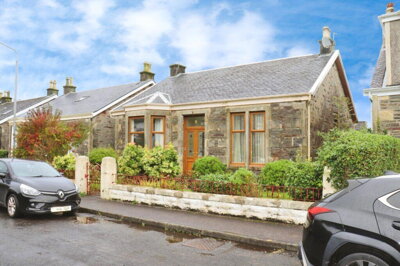
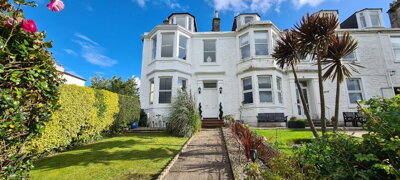
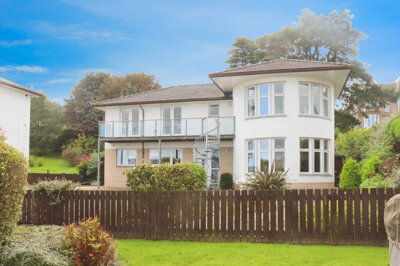
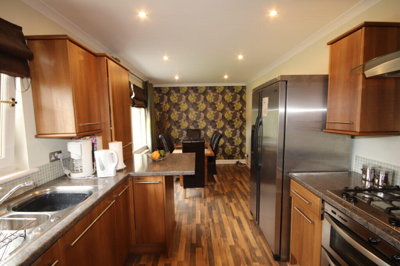
Browse 33 homes for sale in PA20 from local estate agents.
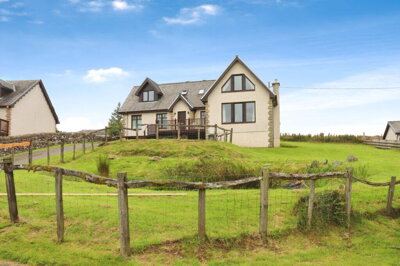
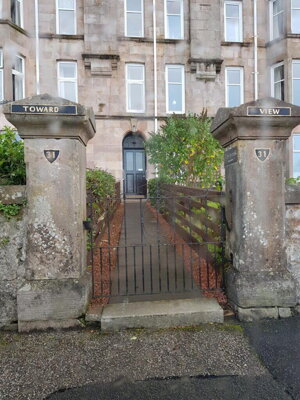
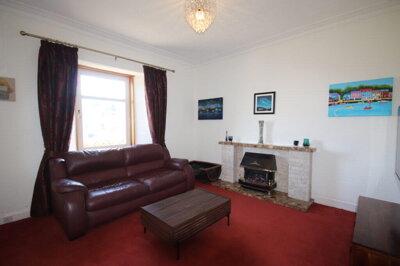
The PA20 property market offers detached, semi-detached, and terraced houses spanning various price ranges and neighbourhoods. Each listing includes detailed property information, photographs, and direct contact with the marketing agent.
£188k
8
4
92
Source: home.co.uk
Showing 8 results for Houses for sale in PA20. 4 new listings added this week. The median asking price is £187,500.
Source: home.co.uk
Detached
3 listings
Avg £310,000
Semi-Detached
3 listings
Avg £173,333
Terraced
2 listings
Avg £102,500
Source: home.co.uk
Source: home.co.uk
PA20 can be an appealing postcode for buyers after affordable Scottish island living with decent long-term potential. Current figures put average property prices at £166,451 across all property types, although the market splits quite clearly by category. Flats usually sit around £98,958, which makes them a practical way in for many buyers or for anyone looking at a holiday let investment, while terraced homes average £249,250 and detached properties are at the top end, averaging £327,500. That spread gives the postcode sector real variety.
Prices in PA20 have held up well, with a 5% rise over the last twelve months after a correction from the 2022 peak of £150,661. For buyers, that points to a market that has steadied rather than overheated, so properties can be picked up at more sensible levels than at the peak while still leaving room for gradual growth. From older tenement flats to substantial detached family homes, the mix is broad enough to suit a wide range of needs.
Recent sales data shows flats as the most commonly sold property type in PA20, which is no surprise given their lower price point and appeal to buyers entering the market. Semi-detached homes, averaging around £201,429 according to homedata.co.uk sold prices, sit neatly between flats and detached houses. Those after more space, or a better address, tend to look at detached properties in the £327,500-£375,000 range, where garden grounds and generous layouts are part of the appeal. There is room here for most budgets.

The Isle of Bute is home to a close-knit community of approximately 6,498 residents, set against a striking natural backdrop. Rothesay acts as the island’s main centre, mixing Scottish heritage with everyday coastal living. Much of the townscape is shaped by traditional sandstone and red sandstone buildings, which give the streets a warm, distinctive feel. The number of Category C and B listed buildings across the area speaks to the island’s long history.
Port Bannatyne, on the northern shore, has a clear maritime feel, with the yachting marina drawing sailing fans and people who enjoy life by the water. It has the essentials for day-to-day living, yet still keeps the calm village atmosphere that suits families and retirees. Buyers often look there for that marine lifestyle, and the marina becomes the natural meeting point through the sailing season from spring to autumn.
Across PA20, residents have beaches, coastal walks, and Mount Stuart estate close at hand, with its celebrated gardens and Georgian architecture. Near Kilchattan Bay, the estate adds real cultural weight to the south of the island. Tourism, marine activity, and traditional industries all feed into the local economy, so the area keeps its island character while still staying connected to mainland jobs and trade. In Rothesay town centre, independent shops, cafes, and pubs give residents the basics without a trip across the water.

Families in the Isle of Bute have access to a range of primary and secondary education options within the PA20 postcode area. Primary schools across the island provide early years teaching in community settings, often with smaller class sizes than urban schools can manage. That usually means more individual attention, and the smaller schools tend to create strong links between teachers, pupils, and parents.
Secondary pupils are mainly taught in Rothesay, where the island’s main high school covers the curriculum from National qualifications through to Highers for those looking towards further study. Parents thinking about a move to PA20 should check catchments and admissions criteria, as both can shape where a property search makes sense. Education Scotland publishes inspection reports for all island schools, giving prospective parents useful information before they decide where to buy.
Traditional stone-built school buildings around the island reflect how education has developed here over time, although modern facilities are also in place to support current learning needs. School transport links outlying communities with Rothesay’s education facilities, though routes and journey times should be checked carefully for properties in more remote spots such as Kingarth or the southern reaches of Kilchattan Bay. For families putting education first, school prospectuses and Argyll and Bute Council’s education department are the best places to get up-to-date detail on curriculum and extracurricular activities for island pupils.

Getting to the Isle of Bute means crossing the Firth of Clyde, with regular ferry services running to the mainland at Rothesay and Colintraive. The Colintraive to Rhubodach crossing takes approximately 5-10 minutes and runs frequently through the day, which is handy for commuting or day-to-day trips for services on the mainland. It is especially useful for anyone travelling to the Cowal peninsula, since Rhubodach links straight to the A886 road towards Dunoon and the wider Argyll road network.
There is also the longer Wemyss Bay to Rothesay route, which takes approximately 33 minutes and carries vehicles, so residents can still work on the mainland or head into urban centres for shopping and entertainment. Caledonian MacBrayne runs this service regularly, with sailing times planned around rail connections from Glasgow Central. Wemyss Bay itself is well linked by train from Glasgow, so the full journey from Glasgow city centre to Rothesay by public transport comes in at approximately 1.5 to 2 hours.
Once on the island, local bus services link the main settlements, including Rothesay, Port Bannatyne, Ascog, and Kilchattan Bay, giving residents without a car a practical way to get around. The Bute roads network is more limited than what you would find on the mainland, but it covers most everyday needs well enough. For commuters, PA20 works as a base, with total travel time to Glasgow city centre at approximately 1.5 to 2 hours including the ferry crossings. Cycling and walking are popular too, helped by the compact geography and scenic routes, and there are several designated paths and coastal routes available all year.

Our team recommends browsing Homemove listings to get a feel for current prices, property types, and the different neighbourhoods. A visit to the island is worth the time, too, so you can see daily life for yourself, check the ferry timetables, and judge whether the pace suits you. The average property price of £166,451 gives a useful budgeting guide, although lower-priced homes in PA20 do exist, especially older flats in Rothesay that may need renovation work.
It is sensible to speak to lenders or use Homemove’s mortgage comparison tools to secure an Agreement in Principle before you start viewing. Having finance in place can strengthen an offer, particularly where more than one buyer is interested. First-time buyers should also check whether they qualify for government schemes and SDLT relief where applicable. Because much of the housing stock is older, some lenders may ask for extra paperwork on property condition, so early conversations with a broker who knows Scottish island transactions are well worth having.
Use Homemove’s portal to arrange viewings for homes that fit your brief. On an island, it makes sense to see several properties in one trip, since ferry times shape the day. Look closely at the condition of the building, any maintenance needs, and signs of damp or structural problems that can crop up in older homes. In traditional stone properties in Rothesay or Port Bannatyne, ask about recent renovation work, the state of shared roof areas on tenement buildings, and any factoring arrangements that could affect service charges.
Before you buy, our advice is to commission a RICS Level 2 Homebuyer Report so the property condition is properly assessed. PA20 has a lot of traditional stone-built housing, and a professional survey can pick up damp, roof issues, or outdated electrics that are easy to miss during a viewing. For listed buildings or homes in conservation areas, a RICS Level 3 Building Survey may be the better fit, because it goes further into traditional construction methods and specialist repair needs. A standard Level 2 survey usually costs about £400-600, depending on property size and how complex the inspection is.
Choose a conveyancing solicitor who handles Scottish property transactions regularly, because the legal work covers title checks, searches, and registration. Our solicitors will take you through the process through to the point where you receive the keys to your new island home. Homemove can put you in touch with conveyancing specialists who understand the particular demands of buying on Scottish islands, including any unusual title conditions or shared-area responsibilities linked to the property you have chosen.
Homes on the Isle of Bute often use traditional construction methods, so buyers need to understand what that means in practice. Traditional sandstone buildings have plenty of character and good thermal mass, but older homes can show damp where original ventilation has been altered by later improvements. During a RICS Level 2 inspection, prospective buyers should check walls, window frames, and lower levels for moisture penetration, then talk any concerns through with the surveyor. Red sandstone, common in Rothesay and Port Bannatyne, is generally tough, although the mortar joints and pointing need regular care to stop water getting in.
PA20’s coastal position brings its own set of things to check, particularly flood risk and upkeep. Homes near the shoreline or in low-lying spots beside the Irish Sea may face higher coastal flood risk in severe weather, so insurance needs to be confirmed before purchase. SEPA flood maps give property-specific risk information, and we suggest looking at those alongside the survey report when assessing coastal homes. Conservation areas and listed buildings, which appear throughout Rothesay and Port Bannatyne, also bring planning controls that affect what work can be done. Listed buildings need Listed Building Consent for some changes that would not need planning permission on unlisted property, which adds another layer to renovation plans.
Tenement flats, which are common across the housing stock, usually mean shared ownership of common areas and a joint responsibility for maintenance through factoring arrangements. Checking the condition of the shared roof, external walls, and communal areas helps buyers judge likely service charge costs later on. Many Rothesay tenements are run through formal factor arrangements, with residents paying into a communal fund for roof repairs, external painting, and stairwell maintenance. It is sensible to investigate those arrangements before buying, because poor factoring can lead to surprise bills when essential work comes up.
Freehold homes may give owners more freedom, but they can still come with upkeep duties for private gardens, driveways, or shared boundaries with neighbours. In PA20, properties with private gardens are much sought after, so buyers need to understand the full extent of the grounds and any maintenance work that sits with them. Some homes also have historic rights of way or access arrangements that affect how outdoor areas can be used, and these should be checked during conveyancing.
The average house price in PA20 currently stands at £166,451, according to recent home.co.uk listings data. Prices differ sharply by type, with flats averaging £98,958, terraced homes around £249,250, and detached properties reaching approximately £327,500. There has been a 5% increase over the past twelve months, following a correction from the 2022 peak of £150,661, which suggests a market settling into a more measured pattern. homedata.co.uk’s sold price data gives slightly higher averages, with detached properties at around £327,500 and semi-detached homes at approximately £201,429, showing that actual sale prices can vary with condition and location.
PA20 falls within Argyll and Bute Council’s area, and council tax bands run from A to H depending on property valuation. Band A homes, which sit in the lowest valuation band in Scotland, pay approximately £1,000-1,100 a year, while higher bands attract larger bills in line with their valuation. Buyers should always check the exact council tax band for any property they are considering and include the ongoing cost in their budgeting. In general, council tax in PA20 is on a par with other rural Scottish councils, although lower property values here mean many homes sit in lower bands than similar mainland properties.
Education on the Isle of Bute includes primary schools serving local communities throughout PA20, plus a secondary school in Rothesay that provides secondary education across the island. Anyone assessing schools should look at the latest performance data, including the most recent inspection results from Education Scotland. Smaller class sizes often give children more individual attention, and many parents value the strong community support found in island schools. For secondary pupils, Rothesay Joint Campus provides schooling alongside facilities such as a swimming pool and sports pitches, and it serves students from all over the island.
The Isle of Bute has regular ferry links to the mainland from Rothesay to Wemyss Bay, which is a 33-minute crossing, and from Colintraive to Rhubodach, which takes 5-10 minutes. On the island itself, local buses connect Rothesay with Port Bannatyne, Ascog, Kilchattan Bay, and other settlements. By public transport, the journey to Glasgow city centre is approximately 1.5 to 2 hours including ferry crossings, so the island can suit remote workers or people with flexible commuting patterns. Wemyss Bay ferry terminal links directly with rail services from Glasgow Central, which gives commuters a practical way to live on the island and work in the city.
The Isle of Bute property market has clear appeal for holiday lets, retirement homes, and long-term rental investment. Average prices sit well below Scottish urban levels, which makes entry less costly, and steady price growth of 5% annually points to healthy activity. Tourism demand underpins holiday let potential, especially for homes near the marina at Port Bannatyne or properties with coastal views. Long-term rental demand also has support from the island’s steady community base, with Rothesay town centre homes attracting tenants who want the island lifestyle without buying.
Scotland’s residential property tax system differs from England, with Stamp Duty Land Tax replaced by Land and Buildings Transaction Tax, or LBTT. First-time buyers pay 0% on the first £175,000, then 2% on £175,000-£250,000, 5% on £250,000-£400,000, and 10% on £400,000-£500,000, with no relief above £500,000. Standard rates for non-first-time buyers begin at 0% up to £145,000, then 2% up to £250,000, 5% up to £325,000, 10% up to £750,000, and 12% above that. On most PA20 homes averaging £166,451, the LBTT bill would be minimal or nil for buyers who qualify.
Because the Isle of Bute sits beside the Irish Sea, properties in PA20 can face coastal flood risk. SEPA, the Scottish Environment Protection Agency, flood maps should be checked for each individual property to look at river, coastal, and surface water risk. Homes on higher ground away from the shoreline usually face less exposure, while low-lying coastal properties need closer scrutiny. Before a purchase goes through, buyers should confirm building insurance availability and the likely cost, since some insurers add loadings or exclusions for homes in mapped flood risk zones along the Bute coast.
With so many stone-built homes and tenement buildings in PA20, the main maintenance issues often include damp penetration, especially in older properties where ventilation has been compromised, roof condition that needs regular inspection, and electrical systems that may be outdated if the home has not been rewired recently. Red sandstone is durable, but repointing and mortar-joint maintenance are often needed to keep water out. Flat roofs and more complex rooflines, which are common on tenement buildings, can need more frequent attention than straightforward pitched roofs. Buyers should commission a thorough survey and allow for possible repairs, with RICS Level 2 inspection costs usually in the £400-600 range.
The Isle of Bute has plenty of listed buildings, including Category B and Category C Listed structures across Rothesay and Port Bannatyne. The Grand Marine building, along with a number of Victorian and Edwardian terraces in Rothesay town centre, carries listed status and reflects the island’s architectural heritage. Buying a listed building brings extra responsibilities, including the need for Listed Building Consent for some alterations and the duty to preserve the property’s historic character. For these homes, specialist surveys can be helpful in checking traditional construction methods and spotting historic fabric that may need specialist repair.
From 3.9%
Expert mortgage advice and competitive rates for your PA20 purchase
From £499
Scottish conveyancing specialists for your island property purchase
From £400
Essential property inspection for traditional stone-built homes on Bute
From £500
Comprehensive building survey recommended for listed properties
Working out the full cost of buying in PA20 means taking LBTT, solicitor fees, survey costs, and ongoing commitments into account. Scotland’s system uses different thresholds from England, with residential rates starting at the nil rate from £145,000 for non-first-time buyers and £175,000 for first-time purchasers claiming relief. For a typical PA20 property at the current average of £166,451, most buyers would pay no LBTT on the purchase itself.
First-time buyers looking at PA20 should check whether they qualify for LBTT relief, which gives sizeable savings on properties between £175,000 and £500,000. At the PA20 average price of £166,451, a qualifying first-time buyer would usually pay no LBTT, which makes island home ownership especially accessible for people entering the market. Buyers who are not first-time purchasers would also generally face only a small LBTT bill at these price levels, given how much lower they are than those seen in Scottish cities.
Alongside the purchase price, buyers should allow for solicitor conveyancing fees, which usually sit at £500-£1,200 for Scottish transactions, a RICS Level 2 survey at approximately £400-£600 depending on property value, and land registry registration fees. Buildings insurance should begin from the completion date, while mortgage arrangement fees, where relevant, vary by lender. Survey costs are particularly useful on traditional stone homes in PA20, because a professional inspection can pick up defects that do not show during viewings and may support price negotiation before completion. Listed buildings may also bring extra specialist survey costs to assess heritage construction methods and the condition of the fabric.

Properties for Sale In London

Properties for Sale In Plymouth

Properties for Sale In Liverpool

Properties for Sale In Glasgow

Properties for Sale In Sheffield

Properties for Sale In Edinburgh

Properties for Sale In Coventry

Properties for Sale In Bradford

Properties for Sale In Manchester

Properties for Sale In Birmingham

Properties for Sale In Bristol

Properties for Sale In Oxford

Properties for Sale In Leicester

Properties for Sale In Newcastle

Properties for Sale In Leeds

Properties for Sale In Southampton

Properties for Sale In Cardiff

Properties for Sale In Nottingham

Properties for Sale In Norwich

Properties for Sale In Brighton

Properties for Sale In Derby

Properties for Sale In Portsmouth

Properties for Sale In Northampton

Properties for Sale In Milton Keynes

Properties for Sale In Bournemouth

Properties for Sale In Bolton

Properties for Sale In Swansea

Properties for Sale In Swindon

Properties for Sale In Peterborough

Properties for Sale In Wolverhampton

Enter your details to see if this property is within your budget.
Loans, cards, car finance
Estimated property budget
Borrowing + deposit
You could borrow between
Typical borrowing
Monthly repayment
Est. at 4.5%
Loan-to-value
This is an estimate only. Your actual budget may vary depending on interest rates, credit history, and personal circumstances. For an accurate affordability assessment, speak to one of our free mortgage advisors.
This calculator provides estimates for illustrative purposes only and does not constitute financial advice. Your home may be repossessed if you do not keep up repayments on your mortgage. Estimates based on 4.5% interest rate, repayment mortgage. Actual rates depend on your circumstances.
Homemove is a trading name of HM Haus Group Ltd (Company No. 13873779, registered in England & Wales). Homemove Mortgages Ltd (Company No. 15947693) is an Appointed Representative of TMG Direct Limited, trading as TMG Mortgage Network, which is authorised and regulated by the Financial Conduct Authority (FRN 786245). Homemove Mortgages Ltd is entered on the FCA Register as an Appointed Representative (FRN 1022429). You can check registrations at NewRegister or by calling 0800 111 6768.

We use cookies to show you personalised content and improve your experience of our website. Find out more in our Privacy policy and Cookie policy.