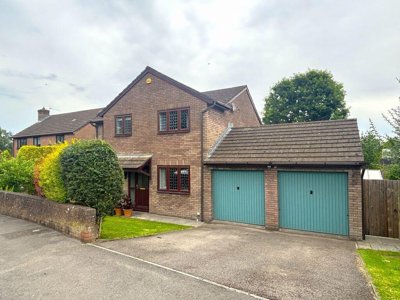
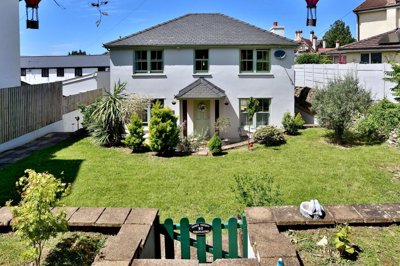
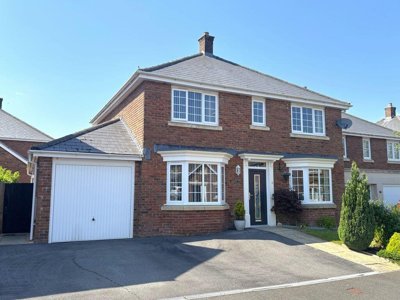
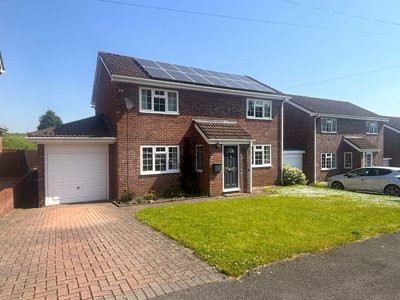
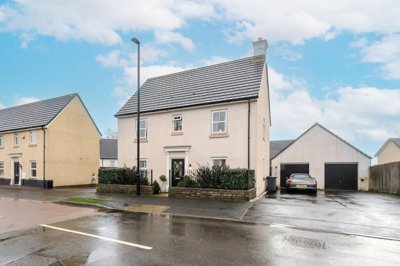
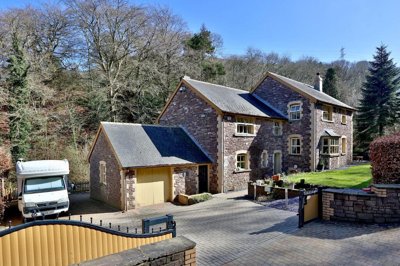
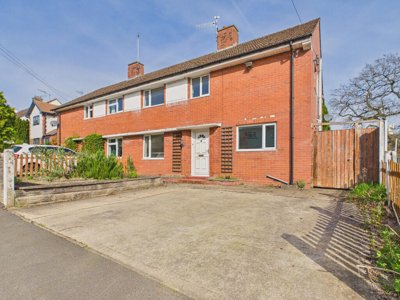
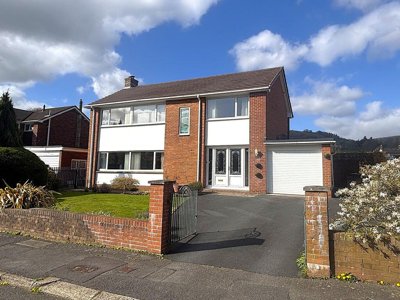
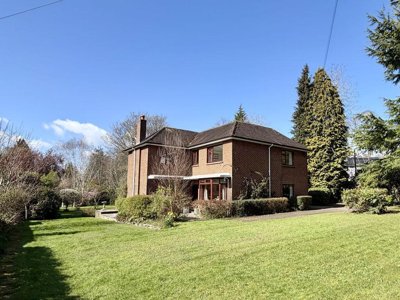
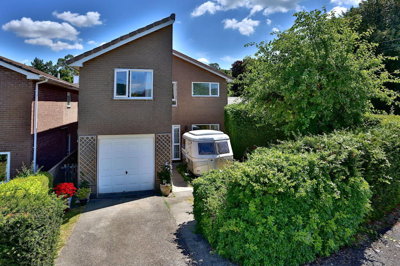
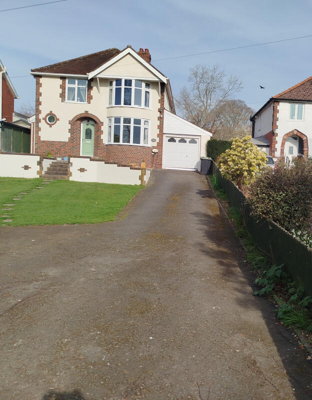
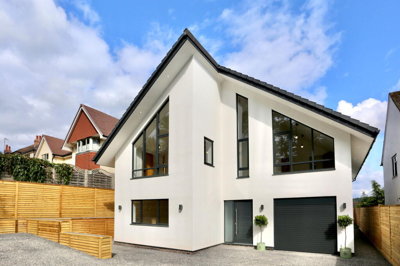
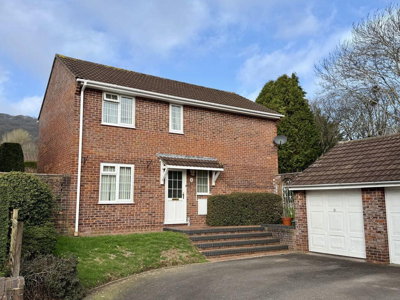
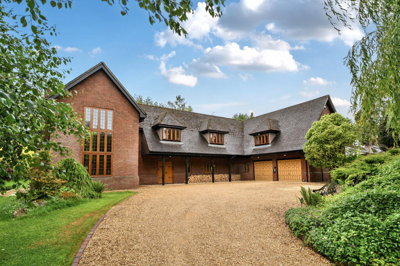
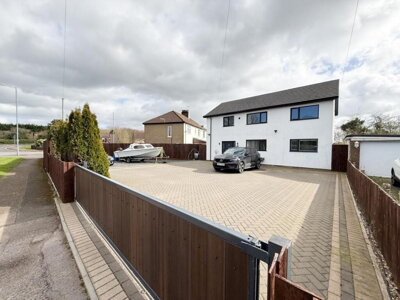
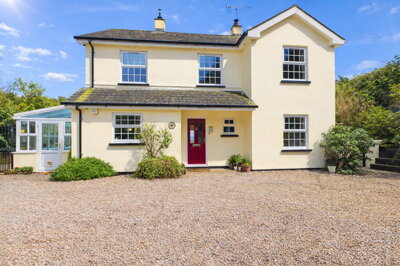
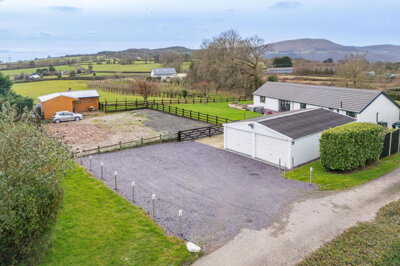
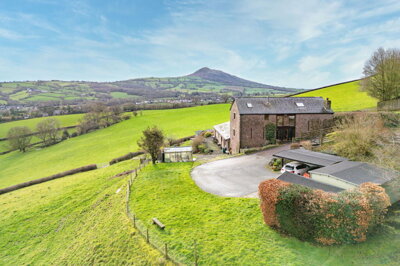
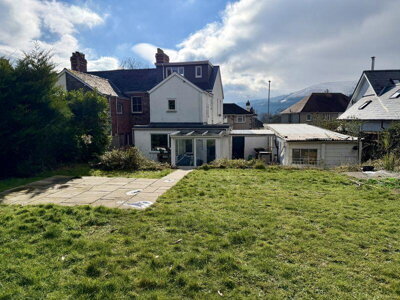
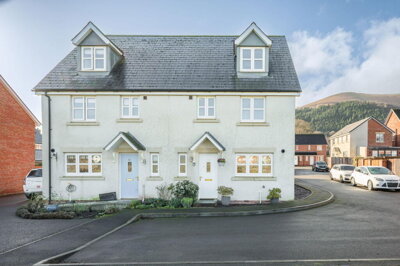
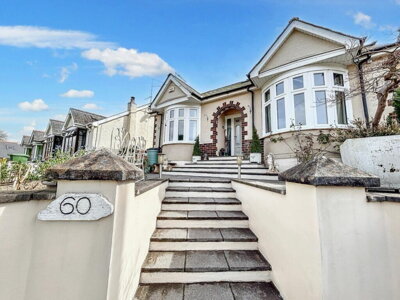
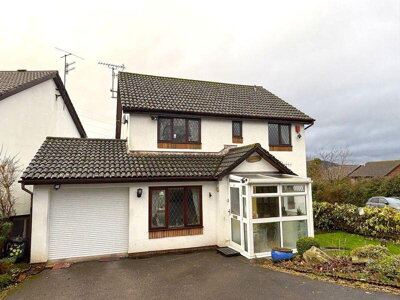
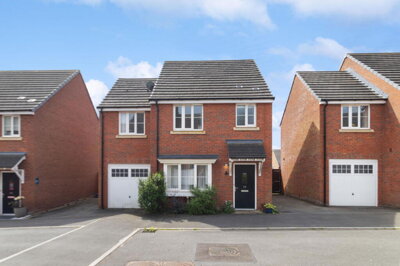
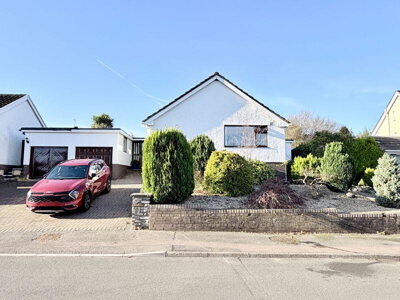
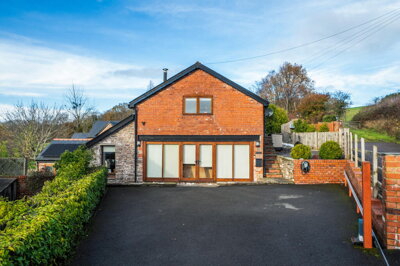
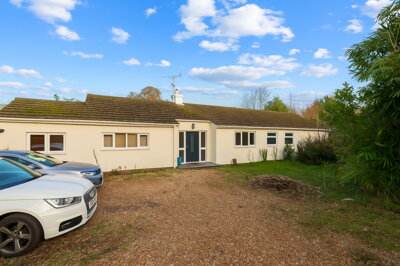
Browse 507 homes for sale in Monmouthshire, Cymru / Wales from local estate agents.
The larger property sector typically features multiple bathrooms, substantial reception space, and private gardens or off-street parking. Four bedroom houses in Monmouthshire span detached, semi-detached, and occasionally terraced configurations, with styles ranging from period properties to modern executive homes.
£500k
210
15
137
Source: home.co.uk
Showing 210 results for 4 Bedroom Houses for sale in Monmouthshire, Cymru / Wales. 15 new listings added this week. The median asking price is £500,000.
Source: home.co.uk
Detached
185 listings
Avg £616,414
Semi-Detached
15 listings
Avg £446,330
Terraced
10 listings
Avg £357,900
Source: home.co.uk
Source: home.co.uk
Monmouthshire's housing market offers a broad mix of homes to fit different needs and budgets. Detached properties make up approximately 38.6% of the local stock, which mirrors the county's mainly rural feel and the pull of roomy family accommodation. Semi-detached homes account for around 30.2%, and at an average price of £318,665 they strike a useful balance between space and affordability. Terraced properties, averaging £279,589, represent approximately 19.3% of homes and are especially common in historic market towns, where stone facades and traditional details still shape the streetscape.
Over the past twelve months, Monmouthshire property values have eased back a little, with the overall average price down 2.39% to £446,844. That follows a strong run of growth and sits in line with wider national conditions, yet the county still appeals to buyers looking for better value than nearby Bristol and Cardiff. Flats have seen the sharpest drop, 3.01%, taking average prices to £179,813 and making apartment living more accessible for first-time buyers and investors. Even with that adjustment, demand remains solid, especially for family homes with gardens in well-connected villages and period properties in conservation areas.
The spread of prices by property type tells its own story. Detached homes, averaging £592,851, sit at the premium end because of their size and private gardens, while semi-detached homes at £318,665 offer strong value for growing families who want extra bedrooms without the cost of a fully detached house. Those differences reflect the county's mix of rural estates, suburban schemes, and compact town centre housing, so buyers really do have room to choose.

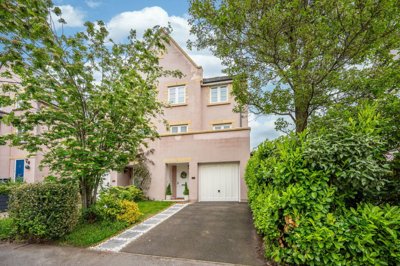
Across Monmouthshire, several new developments are under way, giving buyers the chance to secure a brand-new home with modern layouts and energy-efficient design. Monmouth Gate in Monmouth, built by Barratt Homes, offers two, three, and four-bedroom homes from £249,995, a practical way into the historic county town. The Wheatfields in Portskewett near Caldicot, from Persimmon Homes, has similar two to four-bedroom homes starting from £249,995, which suits families wanting contemporary accommodation close to good local schools and amenities.
For those needing more space, Parc Hendre in Usk has three, four, and five-bedroom properties from £329,995 under the Charles Church brand, pairing generous room sizes with high-quality finishes in a sought-after market town. Willow Court in Crick, Caldicot, brings three and four-bedroom homes from £359,995 from Edenstone Homes, while The Grange in Raglan sits at the premium end of the new-build market with three, four, and five-bedroom homes from £379,995. New-build buyers also benefit from modern construction methods, NHBC warranty protection, and contemporary heating systems, all of which can cut running costs compared with older period homes.
New-build homes generally cost more than equivalent older properties in the same area, and that premium reflects the appeal of buying something brand new with no hidden defects. Modern construction can mean lower utility bills, and the NHBC warranty adds useful protection against structural problems. There is a trade-off, though. Gardens are often smaller than those attached to older homes, and the landscaping around a new development may take several years to settle in.

People often move to Monmouthshire for the quality of life. It offers a slower pace than larger cities, while still keeping urban employment centres within reach. The county has around 93,600 residents across 39,200 households, so even the bigger towns tend to retain a friendly, village-like feel. From the low-lying Severn Estuary marshes in the south to the wooded valleys and rolling hills in the north, the scenery changes quickly, and the River Wye, River Usk, and River Monnow all help define the landscape.
Each of Monmouthshire's main towns has its own character. Monmouth, the county town, has a striking Norman castle, a historic bridge, and a busy main street with independent shops, cafes, and the famous Rolls Royce visitor experience. Chepstow, on the English border, is known for its medieval castle and regular race meetings at the nearby racecourse. Usk is celebrated for its floral displays and calm riverside setting, while Caldicot has strong local services and straightforward access to the M48 motorway. The county's agricultural roots still show through in farmers markets, farm shops, and traditional pubs serving locally sourced food and Welsh ales.
Employment in the county is spread across several sectors. Public services, education, and local government all play a part, with Aneurin Bevan University Health Board among the major employers. Tourism, supported by the Wye Valley AONB and historic sites such as Raglan Castle and Chepstow Castle, brings further work into hospitality and retail. There are also manufacturing and light industrial estates around Chepstow and Caldicot, while strong transport links mean plenty of residents commute to Bristol, Cardiff, or Newport.

Families often look at Monmouthshire because of the school provision. Primary and secondary schools serve communities right across the county, and many primary settings are rated Good or Outstanding by Estyn, the Welsh education inspectorate. Class sizes are often smaller than those in major cities, which is part of the appeal. Many schools also run music, sport, and environmental education activities that make the most of the county's natural surroundings.
Secondary education is well served too. Monmouth School for Boys and Girls has built a strong reputation for academic achievement and extracurricular life, and there are good options in Chepstow, Caldicot, and other towns. Sixth-form provision is available at several secondary schools and through Coleg Gwent in nearby Pontypool, with both A-level and vocational courses on offer. For those thinking about private education, the county and the surrounding area include independent schools at primary and secondary level. Catchments and admission arrangements need careful checking, because they can have a big effect on property values and availability, especially in villages served by a single school.
School quality has a direct effect on house prices in Monmouthshire. Homes in sought-after catchment areas often sell at a premium compared with similar properties in neighbouring villages. Properties within walking distance of highly-rated primary schools are especially popular with families, and homes close to Monmouth School for Boys and Girls can attract intense competition at peak buying times. It pays to map out school catchments early in the search, so you are not caught out later on.

Commuters are well placed in Monmouthshire, thanks to transport links that let people enjoy rural living without giving up access to major job centres. The M4 runs along the southern edge of the county and gives direct access to Cardiff, around 45 minutes to the west, and Bristol, around 30 minutes to the east. The M48 Severn Bridge crossing connects straight into South Gloucestershire and the M5 network, which opens up further jobs in the West Midlands and beyond. On rail, the West Wales Main Line serves Chepstow and Caldicot stations with regular trains to Cardiff Central, Bristol Temple Meads, and London Paddington via the Great Western Railway network.
Bus services from Stagecoach South Wales and other operators link the towns and villages of Monmouthshire, although rural routes can be thin on the ground outside peak hours. In many of the more remote areas, a car is still part of everyday life, though cycling is growing in popularity on quieter lanes and through the expanding network of designated cycle routes. Bristol Airport is about 45 minutes away by car and handles domestic and European flights, while Cardiff Airport adds further international connections. Put together, the motorway and rail links make Monmouthshire a strong option for people who work in Bristol, Cardiff, or Newport but want more space, character, and community around them.
Homes with easy access to the M4 or M48 usually fetch more, especially in villages such as Rogiet, Undy, and Magor where getting onto the main road network is simple. From Chepstow, train journeys to Bristol Temple Meads take approximately 25 minutes, which makes commuting realistic for people working in the city. Cardiff Central is around 40 minutes away by train from Chepstow, and the quicker Great Western Railway service gets to London Paddington in under two hours.

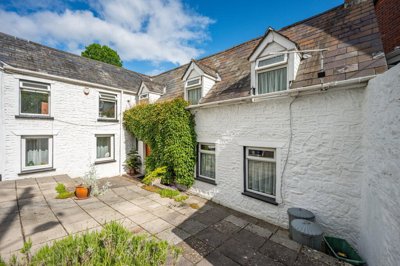
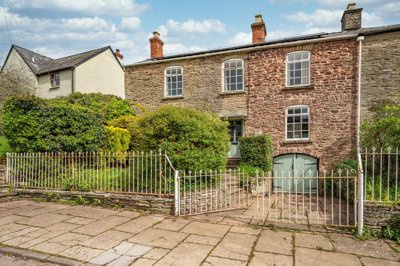
The housing stock here tells the story of the county's long history. A sizeable share of homes were built before 1919, using traditional methods and local materials that have stood the test of time. In historic towns and villages, many properties are built from warm red sandstone or grey limestone, with solid walls, lime mortar pointing, and original timber windows and doors. They have real character and craftsmanship, though owners need to be comfortable with maintenance and repairs that suit older buildings.
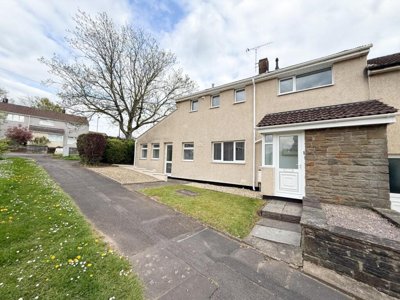
Across Monmouthshire, brick appears more often in Victorian and Edwardian homes, while rendered finishes are common on older cottages and farmhouses. Roofs are usually finished in natural slate or clay tiles, both of which reflect the materials long available in South Wales. From the post-war period onwards, modern developments generally moved to brick cavity wall construction with concrete tiles, and newer homes add up-to-date insulation standards and building regulations. Buyers should also budget for work on older properties, because rewiring, plumbing upgrades, and better thermal performance are often needed.
Older homes need a close look at how they were built. Pre-1919 properties often have solid walls rather than the cavity insulation found in modern houses, so their thermal behaviour is different. Homes built from local sandstone or limestone can also have issues linked to the permeability of natural stone, especially around moisture management. The county's geology matters too, particularly where superficial deposits contain a lot of clay, because foundations can be affected by shrink-swell movement in dry spells, especially near mature trees.

Flood risk matters in parts of Monmouthshire, especially close to the River Wye, River Usk, and River Monnow, and in coastal locations along the Severn Estuary, including Caldicot and Chepstow. Some homes in these areas have flooded before and may carry higher insurance costs or face mortgage lending limits. Surface water flooding is also an issue across the county after heavy rain overwhelms drainage systems. A thorough survey should pick up signs of earlier flooding and assess vulnerability, while local neighbours and the estate agent can often give useful insight into a specific street or estate.
Monmouthshire has a wide network of conservation areas, including Monmouth, Usk, Chepstow, and Raglan, and those designations bring planning restrictions that limit permitted development rights and renovation choices. Listed buildings across the county, from medieval castles and historic churches to Georgian townhouses and traditional farmhouses, are subject to even tighter controls and usually need Listed Building Consent for most changes. Anyone looking at one of these properties should check future plans with the local planning authority and allow for specialist surveys and, in many cases, a longer timetable for works.
Older homes in Monmouthshire often show similar defects. Damp can affect solid wall construction, timber problems such as woodworm and wet or dry rot are not unusual, and roofs can deteriorate, with slate or tile issues and lead flashing problems among the common faults. Many period properties also need rewiring and plumbing upgrades to meet current standards, while poor insulation leads to higher energy bills. For older homes, unusual construction, or listed buildings, a RICS Level 3 Building Survey gives a fuller picture than a standard assessment. A professional survey helps uncover issues before purchase, which gives buyers room to negotiate or to budget for repairs.
Before we start looking, it pays to research the villages and towns across Monmouthshire so the search matches your lifestyle and commute. School catchment areas, nearby amenities, and transport links should all shape the shortlist. An agreement in principle from a lender is also worth sorting early, because it shows how much you can borrow and signals to sellers that you are ready to move when you make an offer.
Use Homemove to browse the properties currently available in Monmouthshire, from major estate agents and smaller independent firms alike. Shortlist the homes that fit and arrange viewings, ideally at different times of day and in different weather so you can judge light, access, and the feel of the area. We also suggest looking closely at neighbouring properties and the general upkeep of the street when you visit.
Once the right place appears, put forward a formal offer through the estate agent and include proof of your mortgage agreement in principle, plus any chain details that matter. Price and terms can both be negotiated, and it helps to stay flexible on non-essential points if you want the property in a competitive market. For homes in conservation areas or those needing major work, lower offers may be sensible because of the extra costs and restrictions involved.
We would also recommend a RICS Level 2 Survey to check the condition of the property, especially in Monmouthshire where older homes often show damp, timber defects, and possible subsidence linked to local clay soils. For listed buildings, properties over 100 years old, or homes with unusual construction, a RICS Level 3 Building Survey is the better option because it goes into more detail. Survey costs in Monmouthshire usually range from £400 to £700 for standard properties, rising to £1,000 or more for larger detached homes.
Appointing a conveyancing solicitor is the next step, and they will handle the legal transfer of ownership, local searches with Monmouthshire County Council, title checks, and contract paperwork. They will also liaise with the seller's representatives and manage the exchange of contracts through to completion. You should allow for extra costs such as Land Transaction Tax, search fees, and stamp duty where applicable.
It is important to understand the full cost of buying in Monmouthshire before you make an offer. On top of the purchase price, buyers need to budget for Land Transaction Tax, which applies in Wales instead of Stamp Duty Land Tax. The current starting threshold is £225,000, with rates of 6% on the portion between £225,000 and £400,000, 7.5% between £400,000 and £750,000, 10% between £750,000 and £1.5 million, and 12% above £1.5 million. First-time buyers in Wales receive relief on purchases up to £300,000, which can make a real difference for those taking their first step onto the property ladder.
There are other costs to factor in as well. Solicitor conveyancing fees typically sit between £500 and £1,500, depending on the complexity of the deal and the property value. Local searches with Monmouthshire County Council, environmental searches, and drainage and water enquiries usually come to between £200 and £400. A mortgage arrangement fee, often somewhere between £0 and £2,000, may be charged by the lender, although many mortgages are fee-free. Survey costs vary with property size and type, with RICS Level 2 Surveys in Monmouthshire usually costing £400 to £700 for standard homes and up to £1,200 or more for large detached houses. Removal costs, mortgage valuation fees, and any renovation or repair work should also sit in the budget when working out what you can afford to spend on a new Monmouthshire home.
For a typical semi-detached home in Monmouthshire at around £318,665, Land Transaction Tax comes out at approximately £3,300 after the first £225,000 threshold. Once solicitor fees, survey costs, and the other associated expenses are added in, buyers should plan for around £5,000 to £7,000 on top of their deposit and mortgage. At the upper end of the market, substantial detached homes averaging £592,851 carry much higher Land Transaction Tax charges, so that needs to be part of the financial plan from the start.
The average house price in Monmouthshire is currently £446,844, according to the most recent data. Prices differ sharply by property type, with detached homes averaging £592,851, semi-detached homes £318,665, terraced homes £279,589, and flats £179,813. The market has seen a modest correction of 2.39% over the past twelve months, but Monmouthshire still compares well with nearby Bristol and Cardiff, where average prices are much higher. Recent sales data shows 1,382 transactions completed in the county over the past twelve months, which points to healthy activity despite broader economic uncertainty.
Monmouthshire County Council sets council tax by property valuation band, using bands assigned by the Valuation Office Agency from Band A for the lowest-valued homes through to Band H for the most expensive. Most family homes in the county sit in bands C to E, with terraced houses usually in lower bands and larger detached homes in higher ones. The band affects your annual council tax bill, so it is worth checking with the local authority before you complete, because neighbouring homes can sit in different bands if one has been altered or improved. Band D properties in Monmouthshire pay around £1,900 to £2,000 a year, although that varies slightly between the county council and town community council charges.
Education is one of Monmouthshire's strongest selling points. Primary and secondary schools regularly achieve Good or Outstanding ratings from Estyn, the Welsh education inspectorate, and Monmouth School for Boys and Girls is especially well regarded for secondary education, with strong academic results and a wide extracurricular offer. Across the county, many primary schools provide solid foundations for younger children, and catchment areas matter because admission zones can have a major effect on both property availability and prices in desirable villages. Smaller class sizes than those found in major cities are another consistent advantage, and many schools can offer more individual attention to pupils.
Transport remains good despite the rural setting. The M4 and M48 give road access to Cardiff, Bristol, and the wider motorway network, while Chepstow and Caldicot stations offer regular rail services to Cardiff and Bristol, with London Paddington reachable via the Great Western Railway. From Chepstow to Bristol Temple Meads, the journey takes approximately 25 minutes, and Cardiff Central is around 40 minutes away. Local bus services link the main towns and villages, although rural frequencies are limited outside peak hours, so car ownership is a practical necessity for many people in the more remote parts of the county.
Monmouthshire also has strong investment appeal. Its proximity to Bristol and Cardiff, the quality of life it offers, and the limited supply of new housing all help support property values. Demand stays steady because commuters, retirees, and buyers seeking a rural lifestyle all want a piece of the market. Rental yields depend on location and property type, with flats in towns often producing attractive returns and family homes in well-connected villages commanding higher prices. Tourism, backed by the Wye Valley AONB and historic attractions, creates further demand for holiday lets, especially in scenic spots near Monmouth, Chepstow, and the River Wye. Character homes and properties in conservation areas also tend to hold their value well, although listed buildings come with extra costs and restrictions that need careful thought.
In Wales, Land Transaction Tax replaces Stamp Duty Land Tax, and the Welsh Government sets the rates. For 2024-25, the starting threshold is £225,000 for residential purchases, with rates of 6% on the portion from £225,000 to £400,000, 7.5% from £400,000 to £750,000, and 10% above £750,000, rising to 12% above £1.5 million. First-time buyers in Wales receive Land Transaction Tax relief on purchases up to £300,000, which can reduce costs for anyone taking that first step onto the property ladder. We would still advise checking the current rates with HMRC or a financial adviser, because thresholds and rates can change annually.
We strongly advise arranging a professional survey before completing any property purchase in Monmouthshire, whatever the age or condition of the home. Older properties make up a large part of the county's housing stock, and they commonly have defects such as damp in solid walls, timber deterioration, roof problems, and outdated electrical and plumbing systems. A RICS Level 2 Survey usually costs between £400 and £700 for standard homes in the area, while larger detached properties may be £1,000 or more. For listed buildings or homes over 100 years old, a more detailed RICS Level 3 Building Survey is the better choice. The survey fee is small compared with the property value, and it can uncover issues that justify a lower offer or flag urgent work needed after purchase.
Properties for Sale In London

Properties for Sale In Plymouth

Properties for Sale In Liverpool

Properties for Sale In Glasgow

Properties for Sale In Sheffield

Properties for Sale In Edinburgh

Properties for Sale In Coventry

Properties for Sale In Bradford

Properties for Sale In Manchester

Properties for Sale In Birmingham

Properties for Sale In Bristol

Properties for Sale In Oxford

Properties for Sale In Leicester

Properties for Sale In Newcastle

Properties for Sale In Leeds

Properties for Sale In Southampton

Properties for Sale In Cardiff

Properties for Sale In Nottingham

Properties for Sale In Norwich

Properties for Sale In Brighton

Properties for Sale In Derby

Properties for Sale In Portsmouth

Properties for Sale In Northampton

Properties for Sale In Milton Keynes

Properties for Sale In Bournemouth

Properties for Sale In Bolton

Properties for Sale In Swansea

Properties for Sale In Swindon

Properties for Sale In Peterborough

Properties for Sale In Wolverhampton

Enter your details to see if this property is within your budget.
Loans, cards, car finance
Estimated property budget
Borrowing + deposit
You could borrow between
Typical borrowing
Monthly repayment
Est. at 4.5%
Loan-to-value
This is an estimate only. Your actual budget may vary depending on interest rates, credit history, and personal circumstances. For an accurate affordability assessment, speak to one of our free mortgage advisors.
This calculator provides estimates for illustrative purposes only and does not constitute financial advice. Your home may be repossessed if you do not keep up repayments on your mortgage. Estimates based on 4.5% interest rate, repayment mortgage. Actual rates depend on your circumstances.
Homemove is a trading name of HM Haus Group Ltd (Company No. 13873779, registered in England & Wales). Homemove Mortgages Ltd (Company No. 15947693) is an Appointed Representative of TMG Direct Limited, trading as TMG Mortgage Network, which is authorised and regulated by the Financial Conduct Authority (FRN 786245). Homemove Mortgages Ltd is entered on the FCA Register as an Appointed Representative (FRN 1022429). You can check registrations at NewRegister or by calling 0800 111 6768.

We use cookies to show you personalised content and improve your experience of our website. Find out more in our Privacy policy and Cookie policy.