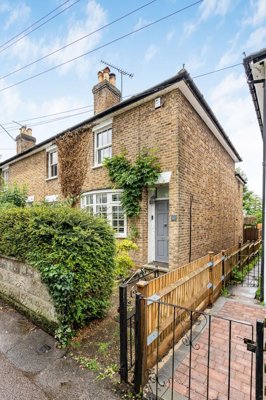
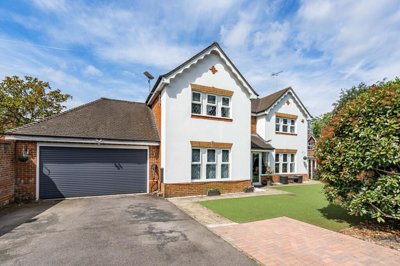
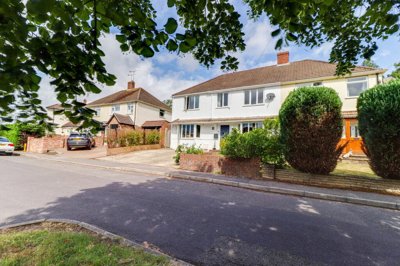
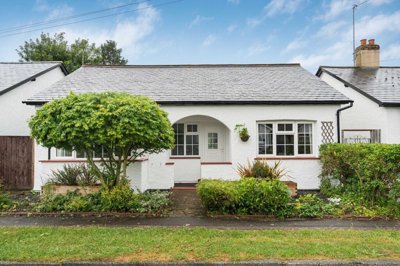
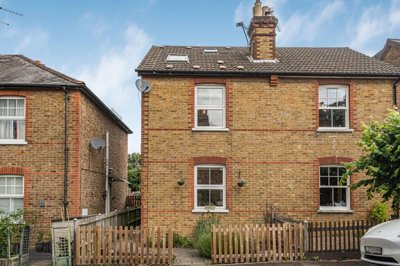
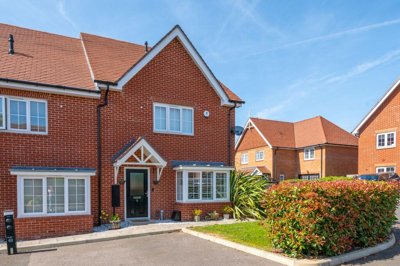
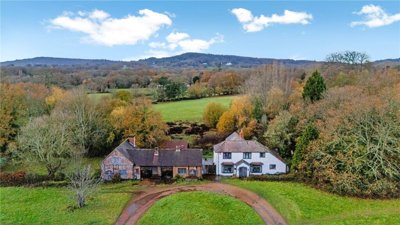
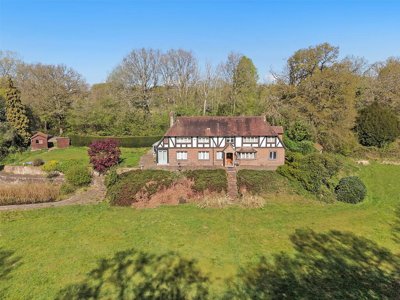
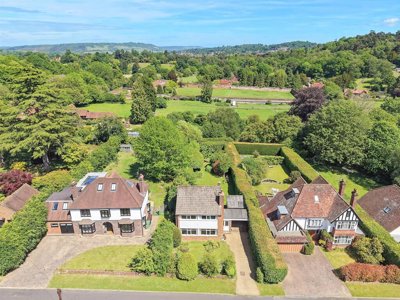
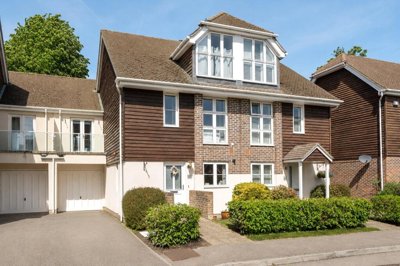
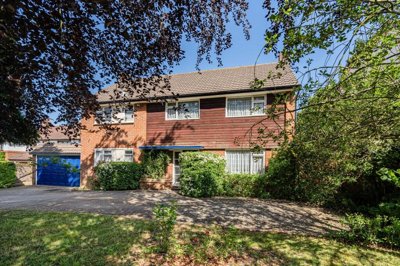
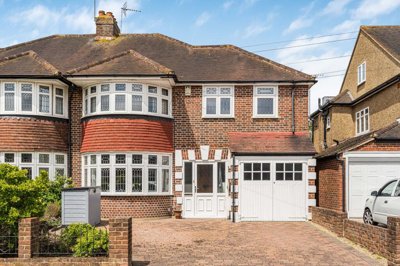
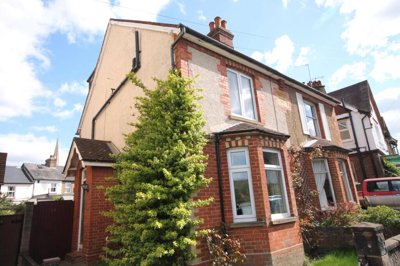
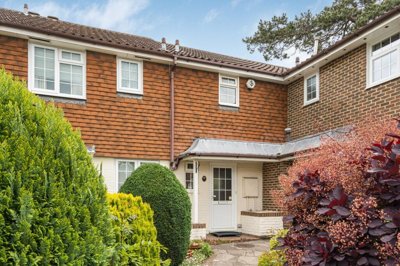
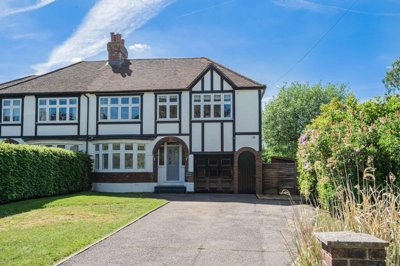
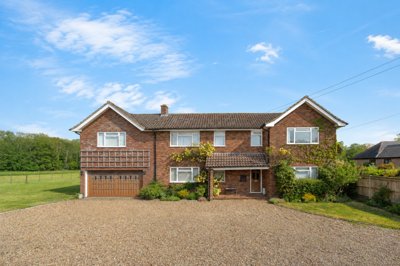
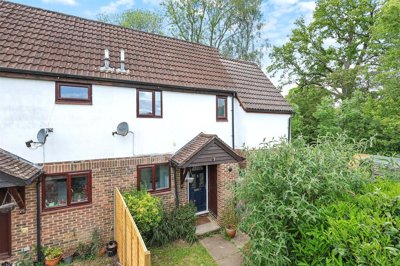
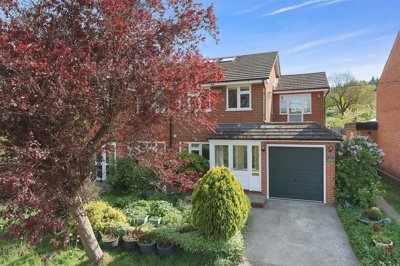
Browse 1,881 homes for sale in Mole Valley from local estate agents.
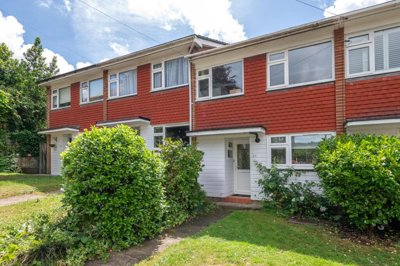
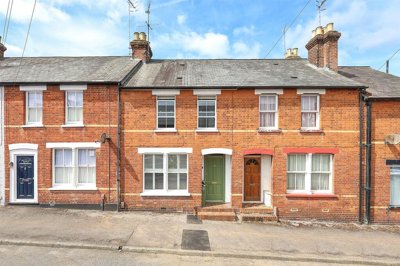
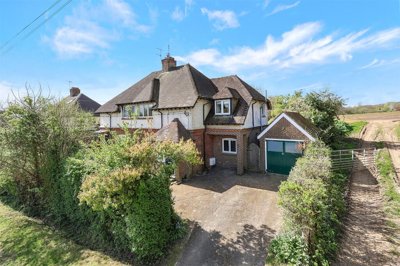
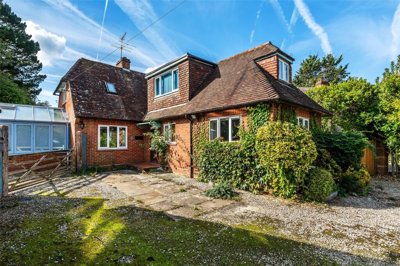
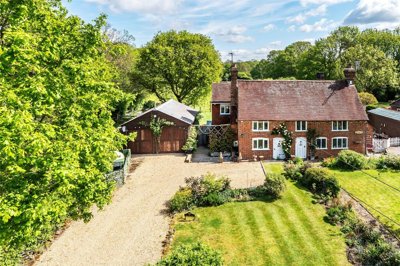
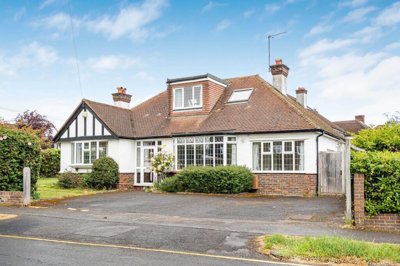
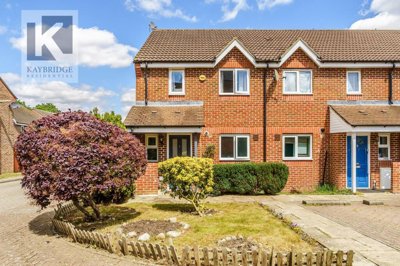
The Mole Valley property market offers detached, semi-detached, and terraced houses spanning various price ranges and neighbourhoods. Each listing includes detailed property information, photographs, and direct contact with the marketing agent.
Mole Valley’s property market has held up well, with average prices up 1.05% over the past 12 months. Detached homes sit at the top of the market at an average of £1,190,812, a sign of continued demand from families after plenty of space and decent gardens in this sought-after semi-rural part of Surrey. Semi-detached houses average £654,561, terraced homes come in at around £460,623, and flats remain the lowest-priced option at approximately £276,322, which keeps Mole Valley within reach for first-time buyers looking at shared ownership schemes.
There has been no shortage of movement either, with 665 transactions completing over the last year. Growth has been tightly grouped across the market, between 1.03% and 1.07% depending on property type, which points to fairly even demand rather than one part of the market racing ahead. For buyers, homeowners and investors, that can make Mole Valley feel like a steadier proposition. Limited new supply and reliable London commuter demand continue to underpin values across the district, including homes that still need modernisation.
New-build choice is not huge, but there are three active developments currently on the market. Longhurst Park by Thakeham Homes in Walliswood has 2 to 5 bedroom homes priced from £450,000 to £1,100,000 in a countryside setting off Horsham Road. In Dorking, Pippbrook Mill offers shared ownership apartments from £80,000 for a 25% share, giving buyers a more affordable way onto the ladder. The Ridings in Fetcham is aimed more at the family market, with 3, 4, and 5 bedroom homes starting from £795,000 in an established residential area.
Family housing dominates the local stock. Detached homes make up 42.5% of all dwellings, and semi-detached properties account for a further 28.1%, which says a lot about Mole Valley’s pull for buyers moving out from London or nearby urban areas. After that, the split is much smaller, with terraced homes at 14.7% and flats at 14%. That still leaves room for first-time buyers, downsizers and anyone who wants lower-maintenance living without giving up good access to local amenities.

The district takes its name from the River Mole, which cuts through the valley and shapes the green, rolling landscape people tend to associate with this part of Surrey. Mole Valley has a population of 86,200 living in 35,600 households, and it balances town convenience with access to 86 square miles of striking countryside. Its economy is helped by being within reach of London, with professional and scientific services, healthcare, education, and retail all playing major roles. That generally affluent backdrop helps support strong property values and dependable buyer demand.
Dorking and Leatherhead anchor the district, but they feel quite different. Dorking acts as the main commercial centre, with shops, restaurants and cultural spots such as the Dorking Museum and Deepdene Theatre. Leatherhead is especially strong for commuting and has a good spread of supermarkets and day-to-day facilities along the High Street. Then there are places like Great Bookham and Fetcham, which offer a quieter residential setting while still staying close to the larger centres. That mix of busy towns and calmer villages is a big part of Mole Valley’s draw.
The local housing stock tells the story of Mole Valley’s shift from farming communities to established commuter territory. Traditional red and brown brickwork is common, with local stone and render appearing in some pockets, and most roofs are finished in slate or clay tiles. Homes built before 1919 make up 20.1% of the stock and often have solid brick walls with lime mortar and timber floors. Interwar housing from 1919-1945 accounts for 15.8% and brought in cavity brick construction. The biggest share is post-war housing from 1945-1980 at 38.2%, typically built with concrete foundations and cavity walls.
Conservation areas are an important part of the picture in Mole Valley, especially in parts of Dorking, Leatherhead, Great Bookham, and Fetcham. They help protect the historic feel of the original villages, along with the Georgian and Victorian terraces that give the district much of its character. For buyers, that has practical implications as well as aesthetic ones. Extensions, external alterations, and even changes to windows or doors may be restricted, so it is worth checking the position carefully before buying a property with plans to alter it.

Families looking at Mole Valley usually find a solid range of schools for younger children. The district has several well-regarded primary schools, many with good or outstanding Ofsted ratings. In Dorking, St Mary's CofE Primary School serves the town centre community and is often chosen for its traditional values and strong academic grounding. In Leatherhead, St Peter and St Paul's Catholic Primary School offers a faith-based option for local families. Across the district, primary schools often benefit from smaller class sizes and a strong sense of community, which fits the semi-rural setting and the level of parental involvement in school life.
At secondary level, two names come up regularly. The Ashcombe School in Dorking is a popular comprehensive with strong GCSE and A-level results, and it often attracts families who are moving to the area for schooling as much as anything else. Therfield School in Leatherhead also offers comprehensive education, with a broad curriculum and a wide extracurricular programme. Both schools mainly serve their surrounding communities while drawing pupils from across the district. Catchment areas do change, though, so parents should check the current position before relying on a particular address.
Mole Valley does not have grammar schools within the district itself. Buyers who want selective education usually look at nearby Surrey districts instead, where grammar schools in Surrey Heath and selective schools in other boroughs can be reached from Mole Valley. Places are competitive, and each school’s eligibility criteria can differ. Admission normally depends on passing the 11-plus as well as meeting distance rules. For families who see grammar access as a priority, it makes sense to look closely at catchments and real journey times before settling on an area.
For sixth form, the options spread beyond one single route. Esher College is a popular choice for students from Mole Valley and nearby areas because it offers a wide range of A-level courses and vocational qualifications, along with strong university progression rates. School sixth forms, including the one at The Ashcombe School and others locally, suit families who prefer a smaller setting and the continuity of familiar staff. We usually suggest checking current Ofsted ratings alongside exam results when weighing up educational quality as part of a house search.

Commuters are well served here, despite the district’s semi-rural feel. Dorking railway station has regular services to London Victoria and London Bridge, and the trip to Victoria is about 50 minutes. It also links to Reading and Gatwick Airport on the North Downs Line, which is useful for both work and leisure. The station is used by people from Dorking itself and the surrounding villages, and there is car parking on site, although spaces can be hard to come by at peak times.
Leatherhead tends to appeal even more strongly to London commuters. Services from Leatherhead station can reach London Victoria in around 40 minutes, and that quicker journey helps explain the premium values often seen around Leatherhead and Fetcham. City workers and other professionals are drawn to the shorter trip while still getting more house for their money than they might find closer in. The station has seen improvements in recent years, with better passenger facilities and accessibility, and homes within walking distance usually sell for noticeably more than similar properties further away.
By road, Mole Valley is well connected too. The A24 runs through the district and gives direct access to the M25 at Leatherhead, opening routes towards the M23 for Gatwick and Brighton, and the M4 corridor to the west. Heathrow and Gatwick are both reachable via the motorway network, although congestion on the M25 can add a fair bit of time during the busiest parts of the day. Bus routes run by Arriva and other operators link the main towns with the surrounding villages, but in the more rural communities car ownership is still very common.
Cycling can be excellent here, provided you do not mind the hills. The Surrey Hills and the North Downs offer scenic routes and some properly testing climbs, which is why the area is popular with both leisure riders and more serious cyclists. Quite a few commuters mix bike and rail travel, helped by secure cycle storage at Dorking and Leatherhead stations. In the villages, walking is often the easier option for short trips, especially where shops and everyday services are close by.

A good first step is to get a feel for the different parts of Mole Valley. Dorking and Leatherhead offer town-centre convenience, while Bookham and Betchworth lean more towards village life. Think about the daily practicalities, commute, school catchment, shops, and how much you want on your doorstep. Our listings page lets you filter by price, property type, and location, which helps cut down the search. It is also worth visiting at different times of day, because traffic, noise and the general atmosphere can shift quite a bit.
Before you start booking viewings in earnest, it helps to have a mortgage agreement in principle in place. Sellers and estate agents tend to take buyers more seriously when borrowing capacity is already confirmed, especially in an active market like Mole Valley where good homes can move quickly. A broker with experience of the Surrey market can often give a clearer picture of likely borrowing limits based on income and credit profile. Having finance lined up puts you in a stronger position when it is time to make an offer.
Once you have narrowed things down, arrange viewings for homes that genuinely fit your brief. While you are there, look beyond décor and think about condition, orientation and the surrounding street. Mole Valley’s clay geology makes damp and subsidence worth paying close attention to, and conservation area restrictions can matter if you expect to alter the property later on. We usually suggest seeing a few homes across different price points so you get a proper feel for value. Ask direct questions as well, covering the age of the property, previous owners, recent renovations and any known issues.
After an offer is accepted, we strongly recommend arranging a RICS Level 2 Survey before going any further. In Mole Valley, 74% of properties are more than 46 years old, so a survey is a sensible way to pick up problems with foundations, roofing, damp or ageing electrics before they become your responsibility. Fees from local surveyors are usually between £450-900, depending on the size of the property, and that cost can be small compared with the repairs it might uncover. If the home is older or shows possible movement, a RICS Level 3 Survey may be the better choice.
The legal side needs careful handling, so you will also need a conveyancing solicitor. They will deal with the transfer of ownership, order searches from Mole Valley District Council, review planning restrictions, and handle the registration of title. Extra checks are often needed where a property is in a conservation area or is listed, particularly around permitted development rights and historic building consent. In a straightforward transaction, conveyancing usually takes 8-12 weeks, but leaseholds and unregistered titles can stretch that timescale.
Once the survey and searches are back and everything is satisfactory, the matter moves towards exchange. Your solicitor will agree the exchange of contracts with the seller's legal team, and this usually involves paying a 10% deposit. Completion often takes place 2-4 weeks after that, when the remaining balance is sent over and the keys are released. Ownership should then be registered with HM Land Registry within 30 days of completion. We also suggest putting buildings insurance in place from exchange, so the property is covered from that point.
Ground conditions are one of the main things to think about in Mole Valley. The clay soils found beneath parts of Dorking and Leatherhead create a moderate to high risk of subsidence and ground movement, so buyers should look carefully for warning signs. Cracks in walls, uneven floors and doors that stick can all point to movement in the structure. Mature trees nearby need attention too, because roots combined with clay shrinkage in dry weather can affect stability over time. We always advise commissioning a professional survey before committing.
The geology is not identical across the district, which is why the risks vary from place to place. In the north and east, Gault Clay, London Clay, and Weald Clay are common, and those soils are known for shrink-swell behaviour as moisture levels change through the seasons. Around the North Downs near Dorking, chalk bedrock appears instead, bringing its own issues such as dissolution features and different forms of ground instability. In river valleys, sand and gravel deposits may offer more stable foundations. A detailed survey should look at foundation depth and flag any earlier movement or remedial work.
Flooding is another point that should not be glossed over, particularly near the River Mole corridor. Parts of Dorking, Leatherhead, and Fetcham have a history of fluvial flooding, and heavy rainfall can also cause surface water flooding elsewhere in the district. Buyers should check the property’s flood risk classification using government databases and look at whether suitable drainage and resilience measures are already in place. There can also be a cost impact, because Buildings Insurance is often higher in known flood zones, so it needs to be factored into the ongoing budget.
Historic protections are widespread in Mole Valley, and they can have a real effect on what owners are allowed to do. Properties in conservation areas may be restricted when it comes to extensions, exterior changes, and even replacing windows or doors. Listed buildings go further, with formal consent needed for most alterations, and repairs often calling for specialist materials and contractors. That can alter both the budget and the timeline for any future work. We recommend speaking to the Mole Valley District Council planning department about the exact restrictions before making a final decision.

Recent market data puts the average property price in Mole Valley at £695,858. Breaking that down, detached homes average £1,190,812, semi-detached properties sit around £654,561, terraced homes come to approximately £460,623, and flats start from £276,322. Over the past 12 months, overall growth has been a modest 1.05%, which suggests a market that is competitive but not erratic. Location still makes a big difference, and Leatherhead and Fetcham tend to command stronger prices because of their quicker rail links to London.
Council tax in the district is set by Mole Valley District Council. Homes fall into bands A to H, although a large share of the local stock sits in bands D to F, which reflects the district’s generally affluent profile. The band attached to any one property depends on its assessed value. Buyers can confirm that through the Valuation Office Agency website by using either the address or the council tax reference number. The money collected helps pay for services such as rubbish collection, highways maintenance, and local policing.
Education is one of Mole Valley’s stronger selling points. At primary level, schools such as St Mary's CofE Primary and St Peter's Catholic Primary in Dorking are well regarded, with good Ofsted ratings and strong local support. For secondary education, The Ashcombe School and Therfield School both provide comprehensive options with solid academic results and a wide extracurricular offer. There are no grammar schools inside Mole Valley’s own boundaries, but selective schools in other Surrey districts are reachable for families prepared to travel. Sixth form students often move on to Esher College or stay at school sixth forms, depending on subjects and future plans.
Rail links are one of the reasons Mole Valley remains popular with buyers who work elsewhere. Dorking station runs services to London Victoria in approximately 50 minutes, as well as London Bridge, and it also connects to Gatwick Airport and Reading via the North Downs Line. Leatherhead station is quicker for many commuters, with trains to London Victoria in around 40 minutes, which helps make it especially attractive to people working in the City or Westminster. Buses connect the main towns and villages, though a car is still useful for reaching the district’s more rural corners and scattered amenities.
From an investment point of view, Mole Valley has plenty going for it. Strong transport links, good schools and the appeal of a semi-rural setting all support demand, while a population of 86,200 and 665 sales a year point to a market with steady activity. Price growth has been consistent rather than dramatic, and detached houses in particular continue to draw interest from families trading up from London and neighbouring areas. New schemes such as Pippbrook Mill also widen the market, creating lower entry points through shared ownership for first-time buyers and others looking to build equity.
Stamp Duty Land Tax starts to apply on purchases above £250,000. Standard rates are 5% on the portion from £250,001 to £925,000, then 10% up to £1.5 million, and 12% above that. First-time buyers get relief up to £625,000, paying 0% on the first £425,000 and 5% on the remainder. In practice, that means a first-time buyer purchasing a typical Mole Valley flat at £276,322 would pay no stamp duty, while a purchase at £695,858 would bring SDLT of approximately £22,293 after any relevant reliefs.
Older housing and local ground conditions mean certain defects turn up more often here than in some other districts. Subsidence and general movement are the main concerns, especially in homes built before 1980 where foundations may be shallower. We advise checking for diagonal cracks around doors and windows, doors or windows that stick, and signs of previous underpinning or other foundation repairs. Damp is another regular issue in older properties, particularly where there is no modern damp-proof course or ventilation is poor. On homes over 50 years old, surveys also frequently pick up slipped tiles, damaged flashing, and worn roofing felt.
Buyers wanting a brand-new home currently have 3 active developments to consider in Mole Valley. Longhurst Park in Walliswood by Thakeham Homes offers 2 to 5 bedroom houses from £450,000 to £1,100,000. Pippbrook Mill in Dorking by Raven Housing Trust has 1 and 2 bedroom shared ownership apartments from £80,000 for a 25% share. The Ridings in Fetcham by Shanly Homes brings 3, 4, and 5 bedroom family homes from £795,000. New-builds can be appealing for their modern standards, energy efficiency and lack of onward chain, although service charges and estate maintenance fees should be checked carefully.
Buying in Mole Valley involves more than the agreed sale price, and SDLT is usually the biggest extra cost. Under standard rates, there is nothing to pay on the first £250,000, then 5% applies to the portion between £250,001 and £925,000. On a median property price of £595,000, that gives an SDLT bill of approximately £17,250. First-time buyer relief can cut that significantly for purchases up to £625,000, bringing the same example down to £8,500.
Survey fees are a key part of the buying budget here, especially with 74% of Mole Valley homes now more than 46 years old. A RICS Level 2 Survey generally costs between £450 and £900, depending on size and complexity. As a rough guide, a 2-bedroom flat may come in around £450-£550, while a larger 4-bedroom detached house can be closer to £700-£900. Given the district’s clay soil and known subsidence risk, we usually recommend choosing surveyors with local experience who know the defect patterns common in this area.
Legal costs also need to be allowed for. Conveyancing fees in Mole Valley are usually between £500 and £1,500 plus disbursements, covering the solicitor’s work, Mole Valley District Council searches, land registry checks, and money transfer. On top of that, there are electronic search fees, land registry registration fees, currently around £300-500 depending on property value, and bank transfer charges. Removal costs, mortgage arrangement fees and buildings insurance should all be built into the overall budget as well.

From 4.5%
Compare mortgage rates from leading lenders to find the best deal for your Mole Valley purchase
From £499
Expert legal services for your property purchase including local authority searches
From £450
Professional property survey tailored to Mole Valley's housing stock and geology
From £800
Comprehensive building survey for older or complex properties including listed buildings
Properties for Sale In London

Properties for Sale In Plymouth

Properties for Sale In Liverpool

Properties for Sale In Glasgow

Properties for Sale In Sheffield

Properties for Sale In Edinburgh

Properties for Sale In Coventry

Properties for Sale In Bradford

Properties for Sale In Manchester

Properties for Sale In Birmingham

Properties for Sale In Bristol

Properties for Sale In Oxford

Properties for Sale In Leicester

Properties for Sale In Newcastle

Properties for Sale In Leeds

Properties for Sale In Southampton

Properties for Sale In Cardiff

Properties for Sale In Nottingham

Properties for Sale In Norwich

Properties for Sale In Brighton

Properties for Sale In Derby

Properties for Sale In Portsmouth

Properties for Sale In Northampton

Properties for Sale In Milton Keynes

Properties for Sale In Bournemouth

Properties for Sale In Bolton

Properties for Sale In Swansea

Properties for Sale In Swindon

Properties for Sale In Peterborough

Properties for Sale In Wolverhampton

Enter your details to see if this property is within your budget.
Loans, cards, car finance
Estimated property budget
Borrowing + deposit
You could borrow between
Typical borrowing
Monthly repayment
Est. at 4.5%
Loan-to-value
This is an estimate only. Your actual budget may vary depending on interest rates, credit history, and personal circumstances. For an accurate affordability assessment, speak to one of our free mortgage advisors.
This calculator provides estimates for illustrative purposes only and does not constitute financial advice. Your home may be repossessed if you do not keep up repayments on your mortgage. Estimates based on 4.5% interest rate, repayment mortgage. Actual rates depend on your circumstances.
Homemove is a trading name of HM Haus Group Ltd (Company No. 13873779, registered in England & Wales). Homemove Mortgages Ltd (Company No. 15947693) is an Appointed Representative of TMG Direct Limited, trading as TMG Mortgage Network, which is authorised and regulated by the Financial Conduct Authority (FRN 786245). Homemove Mortgages Ltd is entered on the FCA Register as an Appointed Representative (FRN 1022429). You can check registrations at NewRegister or by calling 0800 111 6768.

We use cookies to show you personalised content and improve your experience of our website. Find out more in our Privacy policy and Cookie policy.