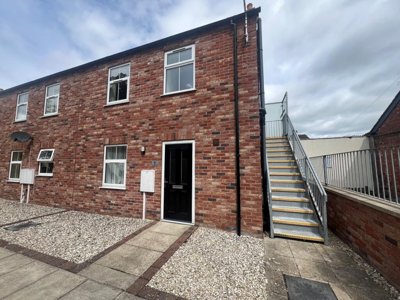
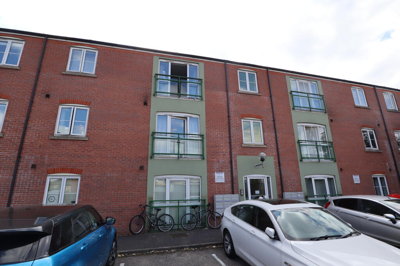
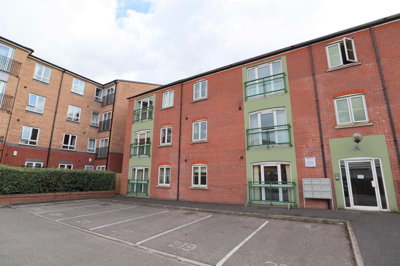
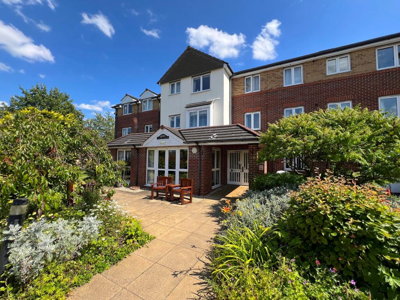
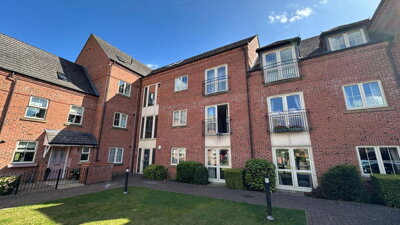
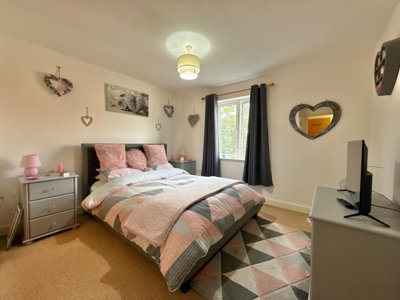
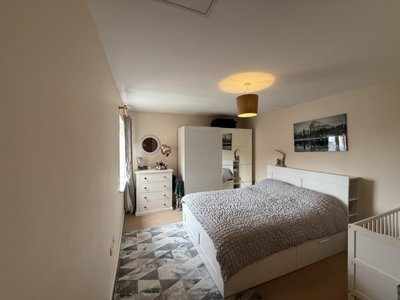
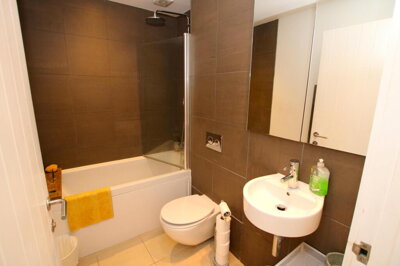
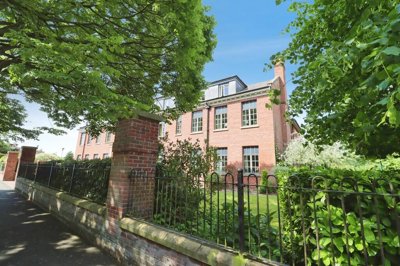
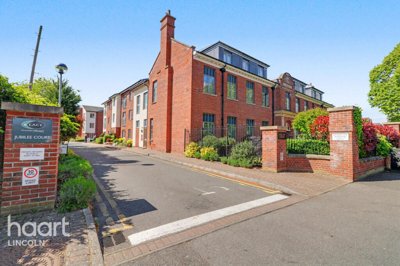
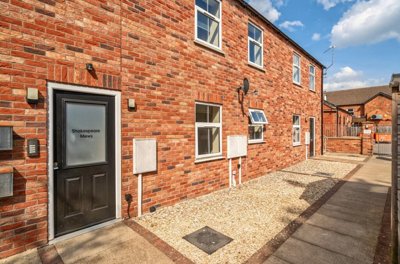
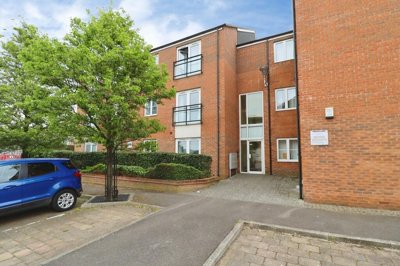
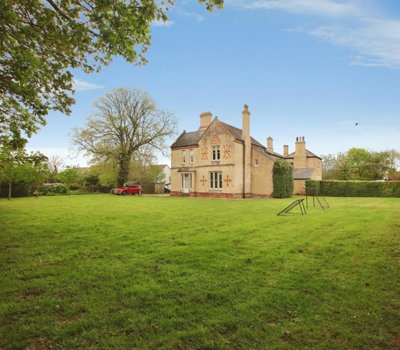
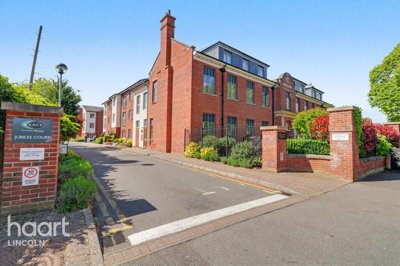
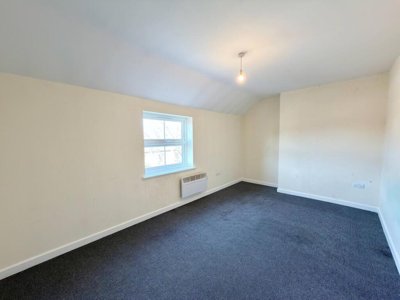
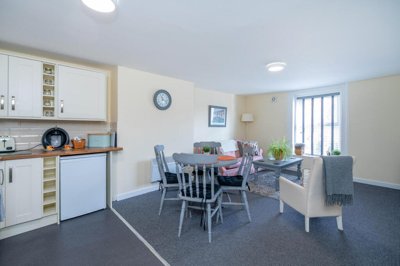
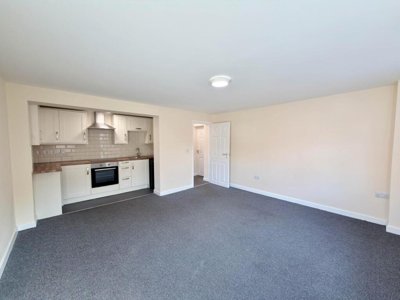
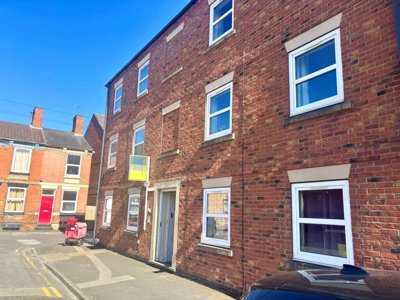
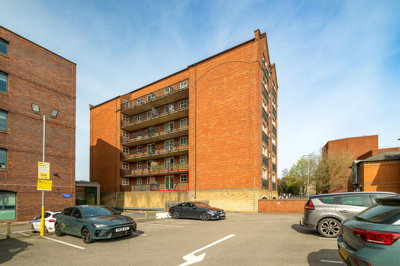
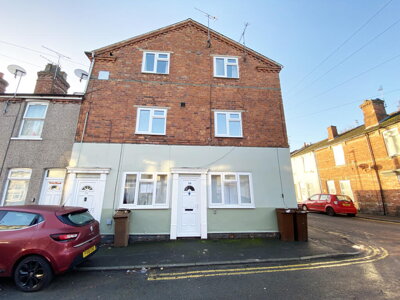
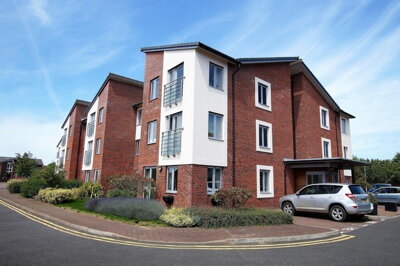
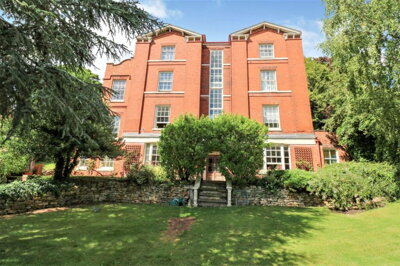
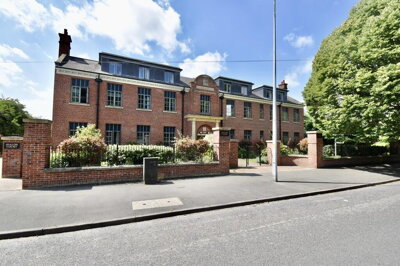
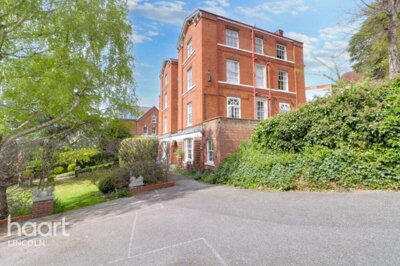
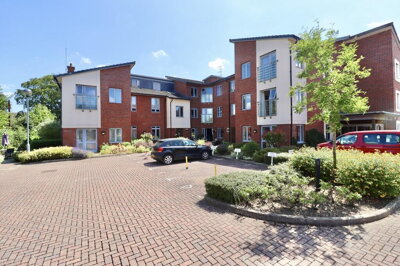
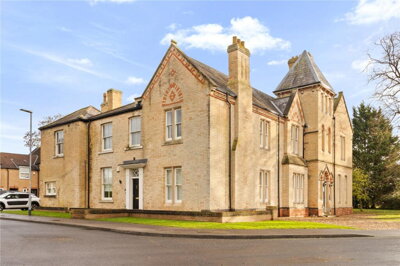
Browse 53 homes for sale in LN1 from local estate agents.
One bed apartments provide a separate bedroom alongside distinct living space, bathroom, and kitchen areas. Properties in LN1 are available in various building types including mansion blocks, contemporary developments, and house conversions.
£135k
2
0
353
Source: home.co.uk
Showing 2 results for 1 Bedroom Flats for sale in LN1. The median asking price is £135,000.
Source: home.co.uk
Flat
2 listings
Avg £135,000
Source: home.co.uk
Source: home.co.uk
homedata.co.uk records show a market with clear price tiers, which makes LN1 easy to read for buyers at different stages of life. Flats average £164,696, terraced homes sit at £200,920, semi-detached homes at £223,845 and detached homes at £318,624, so the price jump is mainly about space, plot size and location. That pattern usually suits first-time buyers and upsizers alike, since there are practical entry points below £250,000 as well as bigger homes for buyers who want more room. The mix also suggests a market where condition matters, because older homes can vary sharply from one street to the next.
Buyers looking at LN1 often find that the most competitive homes are the ones that balance character with usability. Terraces and flats can appeal to people who want to stay close to Lincoln’s centre without stretching their budget, while semis and detached properties tend to draw families and long-term movers. A postcode-level year-on-year change was not explicitly provided in the research, so the safest reading is to treat LN1 as a steady, active market rather than a fast-moving one. In practical terms, well-presented homes with decent parking, good natural light and sensible running costs are likely to stand out.
Older city properties are common in and around LN1, which gives the area charm but also raises the value of a proper survey. Roof condition, damp, drainage and internal alterations can all affect the true cost of a move, especially in homes with a long history of sale. Buyers comparing prices should look beyond the headline figure and think about maintenance, insurance and energy performance as part of the overall budget. That approach is especially useful in a place where the property stock is so mixed, because a cheaper asking price does not always mean a cheaper purchase.

LN1 sits inside a city that remains the main hub for Central Lincolnshire, so day-to-day life feels busy without losing its local identity. The Lincoln district had a population of 103,813 in the 2021 census, while the wider urban area reached 127,540, and that scale gives the postcode a lively but still manageable feel. Buyers who like a place with some energy tend to appreciate the mix of residents, visitors and commuters that keeps the area active through the week. The setting is especially appealing if you want to live close to the centre rather than commute in from the edge of town.
Lincoln’s key employment sectors include healthcare and nursing, education and childcare, and administration, which helps support a broad local housing market. That mix matters because people working in those sectors often want homes with straightforward access to the centre, good bus links and a short trip to shops or services. Tourism and hospitality also play a part in the local economy, helped by Lincoln Cathedral, the castle and the independent businesses that cluster around the historic core. For many movers, the appeal of LN1 is not just the property itself, but the chance to live in a part of the city with a strong sense of place.
Walk around the centre and you get a feel for why the postcode remains popular. The Cathedral Quarter, the castle and the surrounding streets give the area a distinctive backdrop, while cafés, restaurants and independent shops add to the everyday convenience. This is not a suburb that feels cut off from the rest of the city, and that is exactly what attracts buyers who want to be close to the action. If you value history, convenience and a recognisable neighbourhood identity, LN1 offers a very convincing combination.
The research pack for LN1 does not name individual schools, so the best way to judge education is by checking current catchment maps, admissions policies and Ofsted reports for the exact street you are considering. That matters in Lincoln because school access can change quickly as you move between central streets, nearby residential roads and the outer edges of the postcode. Families should also think about walking distance, bus routes and whether the route to school stays practical in bad weather. A home that looks ideal on paper can feel less suitable if the school run becomes complicated every morning.
Lincoln’s strong education presence shows up in the local economy as well as in family life, with education and childcare listed among the area’s key employment sectors. Buyers with children often want a home that works for more than one stage of life, so nursery access, primary options, secondary choices and post-16 routes all matter. The centre’s transport links make it easier to widen the search across the city if the best school for your child is not right on the doorstep. Before offering, it is worth confirming the exact admissions position for the year you plan to move, since school places can shift from one intake to the next.
LN1 has one big transport advantage, and that is its central position within Lincoln. Many everyday journeys can be made on foot, especially trips to the shops, the historic quarter and central services, which keeps commuting costs down for people who do not want to rely on the car. Lincoln station gives the city a useful rail connection for regional travel, while the A46 and A57 help drivers reach wider Lincolnshire and nearby routes out of the city. For buyers who split their time between home and office, that mix of options keeps the postcode flexible.
Bus services are strongest around the core, so living in LN1 often works well if you prefer public transport for shorter journeys. Parking can be tighter near the cathedral, older terraces and the busiest shopping streets, so buyers should check whether a property comes with a driveway, allocated space or permit parking. Cycling is practical for many local trips, although Lincoln’s hillier historic streets can affect how often a bike feels useful in daily life. Anyone with two cars, older children or regular visitors should think hard about parking pressure before they commit.
Compare terraces, flats and family homes across LN1, then decide whether you want a more historic street, a quieter residential pocket or a place close to the city centre.
Speak to a lender early and secure a mortgage agreement in principle before you arrange viewings, so you can move quickly if the right home comes up.
Check natural light, parking, roof lines, access and any signs of damp, because older Lincoln homes can vary a lot from one street to the next.
A RICS Level 2 survey is a sensible minimum for many LN1 homes, especially where age, maintenance history or flood exposure may be concerns.
Ask your conveyancer to review searches, title, lease terms, service charges and any conservation-area restrictions before you commit.
Once the legal work is done and your mortgage is finalised, agree a completion date, transfer funds and collect the keys.
Flood risk deserves careful attention in Lincoln, and that is especially true in parts of the city where river and surface-water issues can affect a property’s long-term running costs. The research shows that Lincoln can be susceptible to flooding, and Lincolnshire County Council is involved in flood risk management, so searches and survey comments should be taken seriously before you make an offer. If a home has a history of water ingress, ask for paperwork, maintenance records and any previous insurance claims. A lower asking price can look attractive, but flood-related repairs can quickly change the numbers.
Historic character is another key factor in LN1, because the postcode sits close to Lincoln’s cathedral and castle area. Homes in or near conservation settings can face extra restrictions on windows, external alterations and roof work, while listed buildings may need specialist advice before any major changes. Leasehold flats also need a close review of service charges, ground rent and building maintenance duties, since those costs can affect affordability over time. Older brick and stone homes often reward a closer inspection too, with damp, roof condition, outdated electrics and hidden structural defects all worth checking in detail.

The available price data shows a broad range rather than a single neat figure. homedata.co.uk records show flats averaging £164,696, terraced homes £200,920, semi-detached homes £223,845 and detached homes £318,624. That points to a typical market in the low £200,000s, with the exact price depending on property type, condition and location within the postcode. Buyers who want value often focus on terraces and flats, while families usually pay more for space and parking.
LN1 properties fall within Lincoln City Council’s council tax area, but the band depends on the individual home rather than the postcode itself. Council tax bands run from A to H, and smaller flats usually sit lower than larger family homes. The same street can contain several different bands, so you should always check the exact property before you budget. A conveyancer or the local authority website can confirm the band for the home you are considering.
The research data for LN1 does not name specific schools, so the safest way to judge quality is by checking current Ofsted reports and catchment maps for the exact address. Lincoln has a wide range of education options across the city, but admissions can change from one postcode to another. If schooling is a priority, compare the practical route to each school as well as the headline rating. That can make a big difference to day-to-day family life.
In practical terms, LN1 is one of the better-connected parts of the city because it sits close to Lincoln centre. Many journeys can be done on foot, Lincoln station offers rail links, and bus services are strongest in the core routes around the centre. Drivers also benefit from access to the A46 and A57 for wider travel. Parking can be tighter in historic streets, so transport needs should be part of your property search.
That can be true for buyers who want a location supported by local employment, central amenities and a steady flow of residents who prefer city living. Lincoln’s healthcare, education and administration sectors help underpin demand, and the mix of flats, terraces and family homes gives investors different entry points. homedata.co.uk price data also suggests a broad market, which is useful if you want to choose between lower-value and higher-yielding options. As ever, check flood risk, maintenance costs and lease terms before treating any home as an investment.
Using the current 2024 to 2025 thresholds, standard buyers pay 0% up to £250,000, 5% from £250,000 to £925,000, 10% from £925,000 to £1.5 million and 12% above that. First-time buyers pay 0% up to £425,000, then 5% from £425,000 to £625,000, with no relief above £625,000. On LN1’s terraced, semi-detached and flat averages, many standard buyers would pay no SDLT, while a detached home at £318,624 would incur £3,431.20 for a standard buyer. First-time buyers at that price would pay no stamp duty at all.
Before you book a viewing, get your mortgage agreement in principle sorted so you know your budget and can act quickly. Then check whether the home is freehold or leasehold, whether parking is included and whether any flood history or conservation restrictions apply. It also helps to think about roof condition, damp, access and running costs, especially in older properties. A careful checklist saves time and makes it easier to compare homes fairly.
From 4.5%
Compare mortgage rates and find the best deal
From £499
Expert solicitors to handle your purchase
From £350
Homebuyer report for your new property
From £75
Check energy performance before you buy
The current stamp duty thresholds are straightforward, but they still change the amount you need to budget for on completion day. Standard buyers pay 0% up to £250,000, 5% from £250,000 to £925,000, 10% from £925,000 to £1.5 million and 12% above that. First-time buyers pay 0% up to £425,000, then 5% from £425,000 to £625,000, with no first-time buyer relief above £625,000. That means many LN1 homes will sit below the standard SDLT threshold, while larger detached properties can create a noticeable tax bill.
A detached home at LN1’s average price of £318,624 would attract £3,431.20 in SDLT for a standard buyer, while a first-time buyer at that price would pay nothing. Terraced homes, semi-detached homes and flats at the current averages would also fall below the standard 0% threshold for most buyers. Stamp duty is only one part of the budget, though, so you should also allow for survey costs, legal fees, mortgage fees and moving expenses. Homes with older roofs, longer maintenance histories or leasehold arrangements can add extra costs later, which is why a full budget should be in place before you commit.
Properties for Sale In London

Properties for Sale In Plymouth

Properties for Sale In Liverpool

Properties for Sale In Glasgow

Properties for Sale In Sheffield

Properties for Sale In Edinburgh

Properties for Sale In Coventry

Properties for Sale In Bradford

Properties for Sale In Manchester

Properties for Sale In Birmingham

Properties for Sale In Bristol

Properties for Sale In Oxford

Properties for Sale In Leicester

Properties for Sale In Newcastle

Properties for Sale In Leeds

Properties for Sale In Southampton

Properties for Sale In Cardiff

Properties for Sale In Nottingham

Properties for Sale In Norwich

Properties for Sale In Brighton

Properties for Sale In Derby

Properties for Sale In Portsmouth

Properties for Sale In Northampton

Properties for Sale In Milton Keynes

Properties for Sale In Bournemouth

Properties for Sale In Bolton

Properties for Sale In Swansea

Properties for Sale In Swindon

Properties for Sale In Peterborough

Properties for Sale In Wolverhampton

Enter your details to see if this property is within your budget.
Loans, cards, car finance
Estimated property budget
Borrowing + deposit
You could borrow between
Typical borrowing
Monthly repayment
Est. at 4.5%
Loan-to-value
This is an estimate only. Your actual budget may vary depending on interest rates, credit history, and personal circumstances. For an accurate affordability assessment, speak to one of our free mortgage advisors.
This calculator provides estimates for illustrative purposes only and does not constitute financial advice. Your home may be repossessed if you do not keep up repayments on your mortgage. Estimates based on 4.5% interest rate, repayment mortgage. Actual rates depend on your circumstances.
Homemove is a trading name of HM Haus Group Ltd (Company No. 13873779, registered in England & Wales). Homemove Mortgages Ltd (Company No. 15947693) is an Appointed Representative of TMG Direct Limited, trading as TMG Mortgage Network, which is authorised and regulated by the Financial Conduct Authority (FRN 786245). Homemove Mortgages Ltd is entered on the FCA Register as an Appointed Representative (FRN 1022429). You can check registrations at NewRegister or by calling 0800 111 6768.

We use cookies to show you personalised content and improve your experience of our website. Find out more in our Privacy policy and Cookie policy.