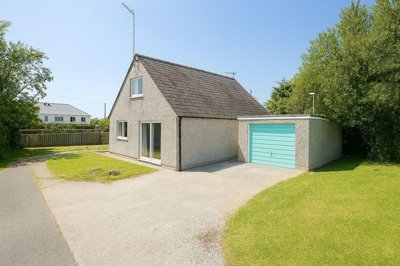
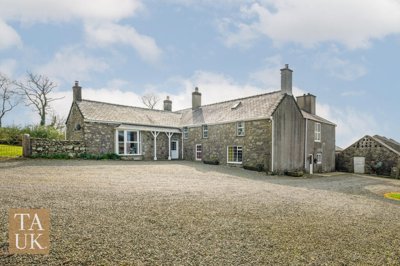
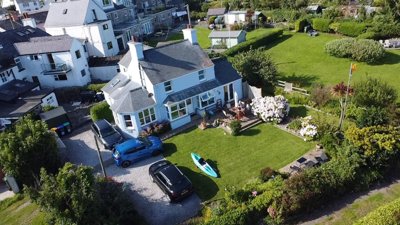
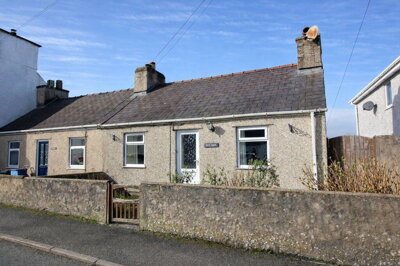
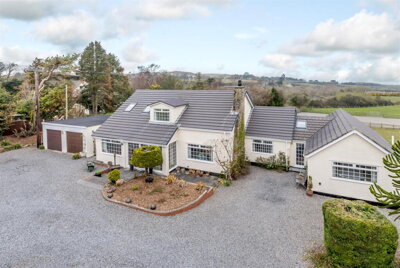
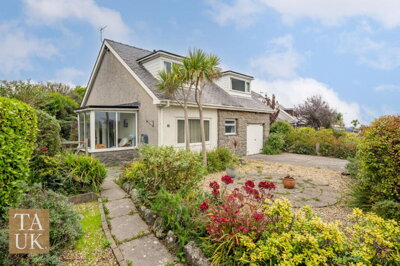
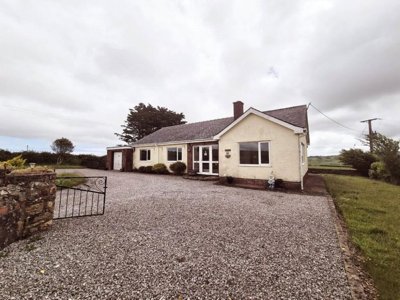
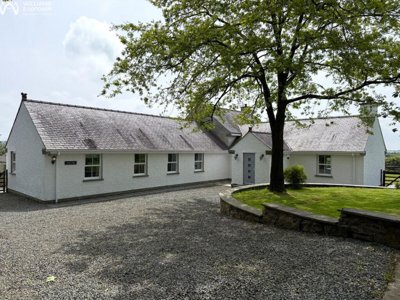
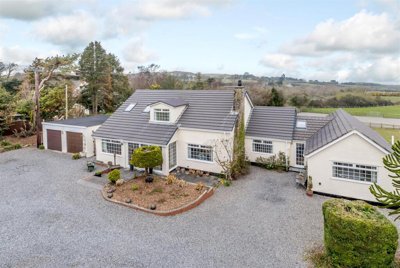
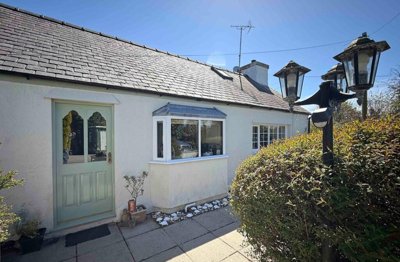
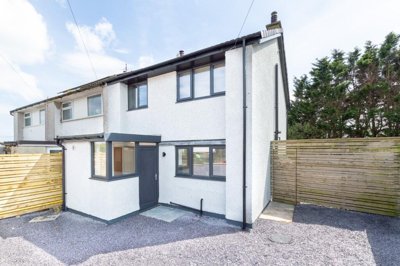
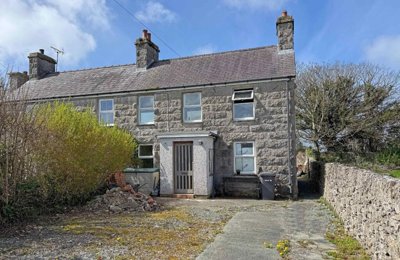
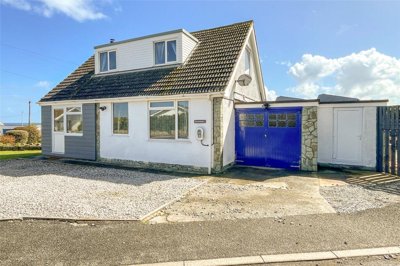
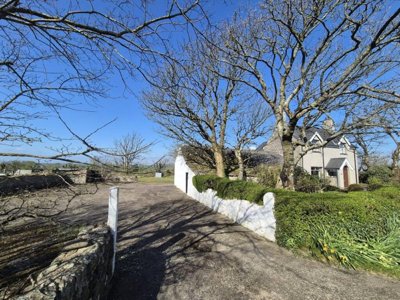
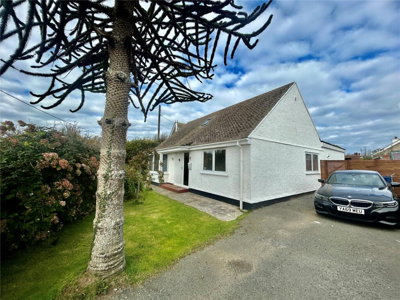
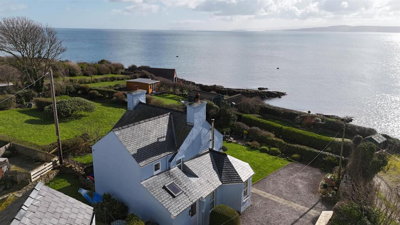
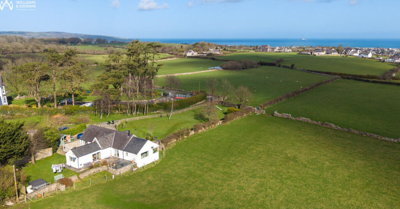
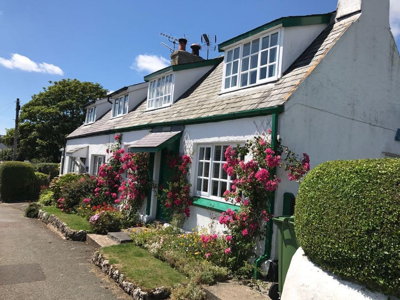
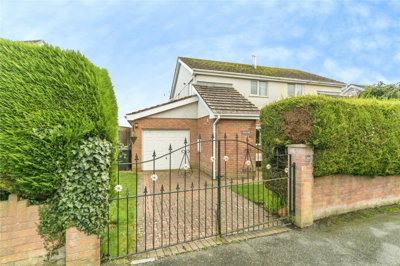
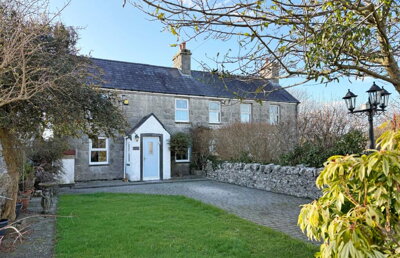
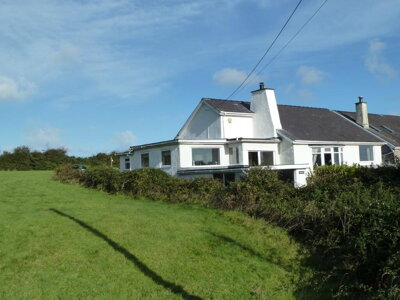
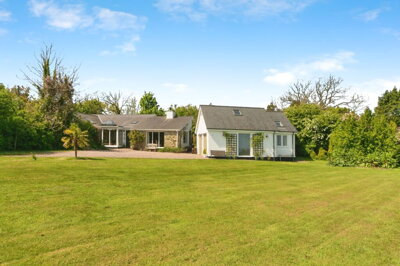
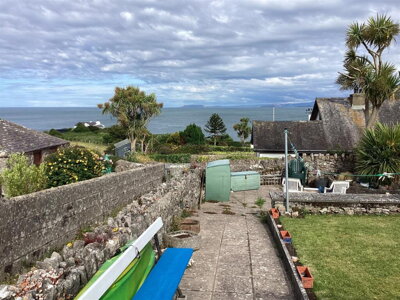
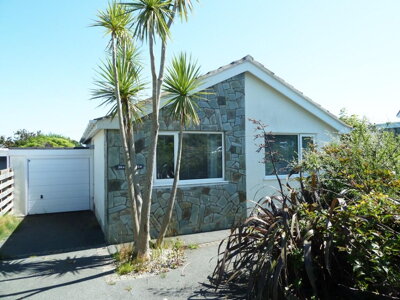
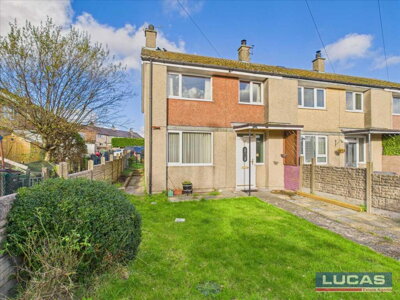
Browse 42 homes for sale in LL70 from local estate agents.
The LL70 property market offers detached, semi-detached, and terraced houses spanning various price ranges and neighbourhoods. Each listing includes detailed property information, photographs, and direct contact with the marketing agent.
£550k
3
1
26
Source: home.co.uk
Showing 3 results for Houses for sale in LL70. 1 new listing added this week. The median asking price is £550,000.
Source: home.co.uk
Detached
3 listings
Avg £528,333
Source: home.co.uk
Source: home.co.uk
LL70 can be a strong fit for buyers looking at Anglesey. Current listings in this postcode show a wide spread of homes, from traditional Welsh cottages with original features to more modern detached houses suited to families. The market has changed sharply over the past year, with average prices falling approximately 63% from the 2023 peak of £485,000 to the current average of £513,333. That reset has opened the door to first-time buyers and anyone after a retirement property in a scenic setting.
Our search results show that LL70 usually turns up a mix of terraced houses, semi-detached homes and detached properties spread across the small villages and hamlets within the postcode. Buyers often get more space for their money than they would on the mainland, with larger gardens, outbuildings and easy access to countryside walks cropping up time and again. Recent sales in LL70 9PX and LL70 9DX show just how broad the local market is, from modest cottages to substantial family homes. New build schemes are still rare on this part of Anglesey, so most homes are established properties, often in need of a little modernisation but full of character and solid construction.
What we have seen in LL70 reflects the wider Anglesey picture, where prices climbed quickly during the pandemic years before settling back once demand cooled. For buyers who missed the rush upward, that makes the present market far more approachable, with more realistic values on offer in a beautiful part of the island. Local estate agents still report steady interest from people after a rural lifestyle, and the combination of coastal access and countryside calm keeps LL70 firmly on the radar. Our platform refreshes property listings regularly, so the information you are working from stays current.
For investors, and for anyone weighing up a holiday let, Anglesey's tourism season runs from spring through to early autumn, with the western coastline often getting the best of the afternoon and evening sun. Homes within walking distance of the coast in LL70 can achieve premium rents in peak season, though licensing requirements for holiday lets need to be part of the calculations from the outset. The steady flow of visitors to Anglesey's natural attractions supports rental income, while the quieter winter months leave room for maintenance and a slower pace of personal use.

Daily life in LL70 follows the rhythms of rural Welsh island living, where community events, agricultural traditions and a strong appreciation of the landscape shape the way people live. The postcode sits within Gwynedd local authority, an area known for its commitment to Welsh language and culture. Residents have coastal paths, sandy beaches within easy reach and the striking scenery of the Anglesey coastline, which has attracted visitors and artists for generations. Life here moves at a gentler pace than in urban centres, with local pubs acting as social hubs and village halls hosting everything from quiz nights to eisteddfodau.
Much of LL70 sits within the Anglesey Area of Outstanding Natural Beauty, a designation that recognises the quality of the western coastline. The AONB status protects the landscape while still allowing traditional land uses and sustainable development. Walking routes across the postcode link villages with the coastal path, and on a clear day the views stretch across Cardigan Bay to the Llŷn Peninsula. Seabird colonies nest on the sea cliffs, and marine mammals can sometimes be spotted from shore at the right time of year. Those natural assets shape quality of life for residents and help sustain the tourism that supports local businesses.
The postcode draws a mix of long-term Welsh-speaking families, retirees looking for a better quality of life, and newcomers seeking a break from city pressures. Local amenities may be modest, but they usually include village shops, primary schools and churches that support the spiritual and social side of daily life. Rhosbeirio, or Rhoscolyn in English, is one of the larger settlements within LL70, with a pub, primary school and community facilities serving the surrounding area. Other settlements within the postcode are smaller clusters of homes, each with its own character, yet all sharing the appeal of rural island living.
Not having a major retail centre close by means trips into Holyhead or Llangefni are a normal part of life, though many residents see that as a fair trade for the peace and quiet. Holyhead, roughly 20 minutes drive from most parts of LL70, provides larger supermarkets, banking services and the port connection to Dublin. Llangefni, the county town of Anglesey, lies to the east and adds more shopping, the county hospital and further educational facilities. Artists, outdoor enthusiasts and people after a different pace of life add a small but lively cultural layer that carries through the year.

Education in the LL70 area is built around primary schools serving the small communities within and just beyond the postcode. These schools usually take children from nursery age through to Year 6, and class sizes are often smaller than in urban areas, so pupils can get more individual attention. Ysgol Rhosbeirio, with Welsh as the main language of instruction, serves the local community and has a reputation for strong academic standards and community involvement. Parents thinking about a move to LL70 should check the catchment areas with Gwynedd Council, because primary admissions are usually decided by where a family lives. The close-knit school setting helps children build community ties early on, often walking to school together through the countryside.
Welsh-medium education is common across Anglesey, and the language sits at the centre of the curriculum in local schools. Parents who do not speak Welsh themselves often find that their children become fluent through immersion, and it is not unusual for those children to become the family language guides as they settle in. That commitment to Welsh-language education reflects the cultural values of the area and gives children bilingual skills that are well regarded in the Welsh jobs market. For secondary education, LL70 residents generally travel to larger settlements on Anglesey, with pupils attending schools in Holyhead, Llangefni or other towns depending on their address and transport arrangements.
School transport is organised by Gwynedd Council, and dedicated buses run for pupils travelling to secondary schools from rural communities like those in LL70. Journey times vary with the exact location, but some children spend 30 to 45 minutes on the bus each morning and afternoon. Many families build those arrangements into their property search, knowing secondary school travel will need planning while also valuing the years their children spend rooted in the local community. Visiting schools on open days can give families a useful feel for the educational culture and the wider atmosphere that shapes day-to-day life.
For younger children, having good primary provision inside the community is often a major part of LL70's appeal. After-school clubs and community sports groups give children chances to mix and build interests outside the classroom. The Gwynedd Council website holds up-to-date details on school performance data, catchment boundaries and admission policies, which helps parents make choices that fit their family circumstances and educational priorities.

Transport from LL70 reflects its rural island setting, so journeys usually need a bit of forward planning and an eye on seasonal traffic changes. The A55 North Wales Expressway runs through Anglesey and acts as the main route linking the island to mainland Wales and Chester. Getting to the A55 from LL70 generally means driving to one of the main towns, and the journey is usually 15 to 25 minutes to the nearest junction, depending on the exact property location. From there, the expressway gives access to employment centres such as Chester, Warrington and Manchester for anyone commuting longer distances, though those trips do take a serious time commitment.
For day-to-day travel around Anglesey, most residents still need a car, because bus services in rural communities run to limited timetables and do not always fit full working days or evening plans. The TrawsCymru network offers some links across the island, but frequency in rural areas means advance planning is still important for anyone relying on public transport. Holyhead is home to the nearest railway station, where Virgin CrossCountry services run to London Euston via Birmingham and Manchester Piccadilly, alongside Transport for Wales services to destinations across Wales. Direct trains from Holyhead to London take approximately three and a half hours, so occasional business travel is possible for those with flexible arrangements.
The Port of Holyhead gives residents a ferry route to Dublin, with Stena Line and Irish Ferries operating multiple daily crossings. The journey takes approximately three hours, opening up the Republic of Ireland and helping tourism flows that support the local economy throughout the year. Cyclists value parts of Anglesey's network of quiet country lanes, though the hilly terrain in some places means a reasonable level of fitness helps. The western coastline offers especially scenic cycling routes, but wind from the Irish Sea can make even short journeys feel longer than the map suggests. Our team has walked and driven these roads extensively, and we can advise on the spots that give the best blend of scenery and practical access for daily living.

We would start by spending time in a few different villages and looking at several properties within the postcode. A feel for mobile signal coverage, internet speeds, the nearest shops and the local atmosphere will quickly narrow the field. Drive the roads in wet weather and at different times of day as well, because LL70 has a very different feel once traffic, light and weather change. With current average prices around £513,333, that sort of homework is well worth doing.
Before any viewing, get a mortgage agreement in principle from a lender. It shows sellers and estate agents that you can buy, which helps strengthen your position when negotiations begin. Speak to our mortgage partners to compare rates and find the right deal for your circumstances. Because LL70 is rural, some lenders ask for extra information about the property or the location, so a broker who knows island property markets can make the process much easier.
At viewings, focus on condition, renovation needs and outdoor space. In LL70, it is also sensible to check broadband speeds, heating options and any conservation area restrictions that could affect your plans. We recommend seeing properties at different times of day and, where possible, speaking to neighbours so you can get a proper sense of the community and any issues that may not show up during a formal viewing.
Once you have found the property that feels right, book a RICS Level 2 or Level 3 survey so the building can be assessed properly and any issues needing attention or negotiation with the seller can be identified before you go further. Our team of RICS-qualified surveyors regularly inspect homes across Anglesey and knows the common construction methods and defects found in local buildings. The survey report gives us crucial information for price discussions and helps you budget for repairs or improvements after purchase.
Appoint a conveyancing solicitor to handle the legal side of the purchase, from searches and contracts through to registration with the land register. Our conveyancing partners offer competitive fixed fees for Anglesey property transactions and are used to rural issues such as private drainage systems, shared access arrangements and local authority matters specific to Gwynedd. A solicitor with local knowledge can spot complications early and keep the transaction moving.
Keep in touch with your solicitor and mortgage lender while the remaining steps are completed, then pay your deposit and arrange buildings insurance. On completion day, collect your keys and step into ownership of your new LL70 home. Our team is pleased to see buyers join the community of residents who call this part of Anglesey home.
Rural Anglesey property calls for more than a standard condition check. Flood risk assessment matters in particular, given the island's coastal exposure and changeable weather, with some homes sitting near watercourses or in places prone to surface water flooding after heavy rain. Looking at the Natural Resources Wales flood risk maps and speaking to neighbours about any local flooding history gives useful context before you commit. Our inspectors have assessed properties across LL70 and can advise on flood risk from first-hand knowledge of how water behaves in different parts of the postcode.
A lot of LL70 homes were built using traditional rural Welsh methods, which can include solid walls rather than cavity insulation, thatched or natural slate roofs and single-glazed windows. Those features give houses their character, but they can also mean higher heating costs, so they need to be included in budget planning. Listed building status applies to some properties in the area, and that can restrict permitted development rights and bring planning permission requirements for alterations using traditional materials and methods. Our surveyors are experienced in assessing traditional Welsh buildings and can spot issues that may not be obvious to buyers unfamiliar with these construction types.
Access deserves careful attention too, because some homes are reached by private roads, bridleways or shared driveways with neighbouring properties. Maintenance responsibilities for private lanes are usually shared between adjacent landowners, and checking those arrangements before purchase helps avoid unexpected costs or arguments. Septic tanks and private drainage systems are common in rural places like this, and they need regular maintenance and compliance with the relevant regulations. When we inspect properties in LL70, we always check the condition and age of private drainage systems, because replacement costs can be substantial if the existing setup fails or needs upgrading to current standards.
Age brings its own checks in this postcode. Original features such as chimneys, flues and fireplace hearths may not have been used for decades, and older electrical wiring can predate modern standards, meaning a partial or complete rewire may be needed before extra appliances can be used safely. Our RICS Level 3 survey gives the most detailed assessment of these points, setting out the property's condition and likely maintenance needs before you commit to the purchase.

Understanding how homes here were built helps buyers read the local market properly and plan for maintenance. Most properties in this rural Anglesey postcode were built before the mid-twentieth century, so solid brick or stone walls are more common than the cavity wall construction seen in newer homes. Those solid walls provide excellent thermal mass and help regulate indoor temperatures through the year, though they need a different approach to insulation than modern builds. Our inspectors have extensive experience with properties built in these traditional ways.
Roofing materials in LL70 vary with property age and location, though natural slate is especially common on older homes throughout the postcode. Welsh slate from the quarries of Snowdonia has been used on buildings across North Wales for generations, and many LL70 properties still keep their original slate roofs in good condition. Some older cottages have thatched roofs, which need specialist knowledge to assess and maintain but add a great deal to the character of traditional village streetscapes. When we survey slate or thatched roofs, we pay close attention to the underfelt, battens and structural timbers supporting the covering.
Foundation depths across Anglesey reflect the local geology, which includes areas of free-draining glacial deposits alongside sections where clay soils may be present. Properties on sloping sites may have split-level floor layouts or stepped foundations, and our surveyors examine those carefully for signs of movement or drainage problems. Some parts of LL70 are close to the coastline, so in certain locations foundations may be affected by historical coastal erosion or land reclamation. Those geological factors matter when judging the long-term structural prospects of any property under consideration.
Older LL70 homes often still have timber windows and doors with single glazing, although many properties have had double-glazed replacements fitted to improve energy efficiency. Where original windows have been changed, we check whether the work was carried out to proper standards and whether any planning conditions or listed building consents were obtained. The thermal performance of a home has a major effect on heating bills, especially during Anglesey's windy winters, when exposure to weather from the Irish Sea can increase heat loss sharply.

LL70 property values currently sit around £513,333 on the back of recent market activity. That is down from the 2023 peak of approximately £485,000, so buyers looking for a foothold in Anglesey have a more accessible market than they did a year ago. Price movements here usually follow the wider Anglesey pattern, with coastal and rural premiums shifting according to property type and exact position within the postcode. Our platform tracks those movements and updates the data regularly, which gives you a clearer picture when a decision needs making.
For council tax, properties in LL70 come under Gwynedd Council's jurisdiction. Gwynedd bands run from Band A to Band I, though most standard family homes in rural Anglesey sit in Bands A through D. Band A properties in Gwynedd currently pay around £1,400 per year, while Band D properties pay approximately £1,800 annually. It is always worth checking the band on a specific property, because it affects the ongoing cost of council services and local amenities.
Schooling in the LL70 area is built around local primaries such as Ysgol Rhosbeirio, with Welsh-medium education the norm rather than the exception in this part of Anglesey. Secondary education usually means travel to schools in Holyhead, Llangefni or other Anglesey towns, with Ysgol Gyfun Llangefni and Ysgol Uwchradd Caergybi among the options available to LL70 residents. Parents should check current school performance data and catchment area boundaries with Gwynedd Council, as these can change and directly affect admissions eligibility for their children.
Transport links reflect rural island life, so bus timetables are limited and not always friendly to full-time workers or irregular shifts. The TrawsCymru T1 route connects some parts of western Anglesey to larger towns, though frequency drops noticeably on weekends and during evening hours. Holyhead station is the nearest rail link, with services across Wales and to major English cities, including direct trains to London Euston, Birmingham New Street and Manchester Piccadilly. Most residents see a car as essential for daily life, although the A55 gives reasonable access to Chester and the wider motorway network for longer trips.
Investment in LL70 needs to be judged against the local market and Anglesey's wider pattern. While average prices have corrected significantly from recent peaks, rental demand still comes from people after rural lifestyles, retired residents and seasonal workers in the tourism sector. The area benefits from steady visitor numbers all year, with summer bringing tourists to the coastal paths and beaches, and the quieter winter months making it easier to use or maintain a property without the pressure of guest bookings. Capital growth potential is usually more modest than in urban hotspots, but homes here often offer good value per square metre and attractive surroundings.
For standard residential purchases in LL70, Welsh Stamp Duty Land Tax applies, as this is a Welsh postcode. Welsh SDLT rates are set by the Welsh Government and currently include a nil rate band for residential purchases up to £225,000. Above that, rates of 6% apply up to £400,000, 7% up to £750,000, and 11% up to £1.5 million. At current average prices around £513,333, most buyers would stay entirely within the Welsh nil rate band, which gives a meaningful saving compared with English SDLT rates.
Many rural properties in LL70 use septic tanks or package treatment plants instead of mains drainage, so they need a close look before purchase. Check the installation date and maintenance history with the current owner, because older systems may need upgrading to meet current regulations. The Environment Agency Wales requires septic tanks that discharge to watercourses to be upgraded or replaced with compliant systems. We can arrange a drainage inspection as part of our survey process, spotting any issues with private drainage systems that could mean major investment after purchase.
Some of LL70 falls within the Anglesey Area of Outstanding Natural Beauty, and that brings additional planning controls to protect the character of the landscape. Certain properties may be listed buildings, which means consent from Gwynedd Council is needed for alterations affecting their special architectural or historic interest. Conservation area designations can also apply in some village centres, limiting permitted development rights for extensions, outbuildings and external changes. Our team can talk through the planning considerations for specific properties during viewings and surveys.
From 4.5%
Compare mortgage deals from leading lenders
From £499
Expert property solicitors for Anglesey transactions
From £350
Detailed condition report for your LL70 property
From £60
Energy performance certificate for your new home
Budgeting properly matters just as much as finding the right house. Welsh Stamp Duty Land Tax applies to purchases in LL70, and the current thresholds are kind to buyers at the lower end of the market. The Welsh nil rate band currently covers purchases up to £225,000, so most buyers in LL70, where the average price sits around £513,333, would pay no SDLT at all. That is a significant edge compared with some English regions and makes buying in this part of Anglesey especially cost-effective for first-time buyers and anyone moving up from a smaller home.
The bill does not stop at SDLT. Buyers usually need to allow for solicitor fees of £500 to £1,500 depending on complexity, survey costs between £350 and £800 for suitable inspections, and mortgage arrangement fees that vary by lender and deal type. Our recommended surveyors provide detailed assessments that pick up issues before you commit, which can save thousands in unexpected repairs. Searches with Gwynedd Council, water and drainage searches, and registry fees with the land register add several hundred pounds to the legal bill. Buildings insurance needs to be in place from exchange of contracts, and removals, furniture upgrades and any immediate renovation works complete the usual cost picture for a move into this scenic postcode.
The total budget should also cover utility connections if the property has been vacant, any surveys or inspections your mortgage lender asks for, and whatever it takes to bring the place up to a standard you are happy with. Older LL70 homes may need work on insulation, heating systems or drainage that does not show up at first viewing. Our detailed survey reports set out those likely costs, giving you room to negotiate on price or plan properly for works after completion.
Properties for Sale In London

Properties for Sale In Plymouth

Properties for Sale In Liverpool

Properties for Sale In Glasgow

Properties for Sale In Sheffield

Properties for Sale In Edinburgh

Properties for Sale In Coventry

Properties for Sale In Bradford

Properties for Sale In Manchester

Properties for Sale In Birmingham

Properties for Sale In Bristol

Properties for Sale In Oxford

Properties for Sale In Leicester

Properties for Sale In Newcastle

Properties for Sale In Leeds

Properties for Sale In Southampton

Properties for Sale In Cardiff

Properties for Sale In Nottingham

Properties for Sale In Norwich

Properties for Sale In Brighton

Properties for Sale In Derby

Properties for Sale In Portsmouth

Properties for Sale In Northampton

Properties for Sale In Milton Keynes

Properties for Sale In Bournemouth

Properties for Sale In Bolton

Properties for Sale In Swansea

Properties for Sale In Swindon

Properties for Sale In Peterborough

Properties for Sale In Wolverhampton

Enter your details to see if this property is within your budget.
Loans, cards, car finance
Estimated property budget
Borrowing + deposit
You could borrow between
Typical borrowing
Monthly repayment
Est. at 4.5%
Loan-to-value
This is an estimate only. Your actual budget may vary depending on interest rates, credit history, and personal circumstances. For an accurate affordability assessment, speak to one of our free mortgage advisors.
This calculator provides estimates for illustrative purposes only and does not constitute financial advice. Your home may be repossessed if you do not keep up repayments on your mortgage. Estimates based on 4.5% interest rate, repayment mortgage. Actual rates depend on your circumstances.
Homemove is a trading name of HM Haus Group Ltd (Company No. 13873779, registered in England & Wales). Homemove Mortgages Ltd (Company No. 15947693) is an Appointed Representative of TMG Direct Limited, trading as TMG Mortgage Network, which is authorised and regulated by the Financial Conduct Authority (FRN 786245). Homemove Mortgages Ltd is entered on the FCA Register as an Appointed Representative (FRN 1022429). You can check registrations at NewRegister or by calling 0800 111 6768.

We use cookies to show you personalised content and improve your experience of our website. Find out more in our Privacy policy and Cookie policy.