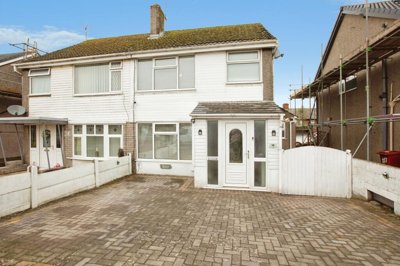
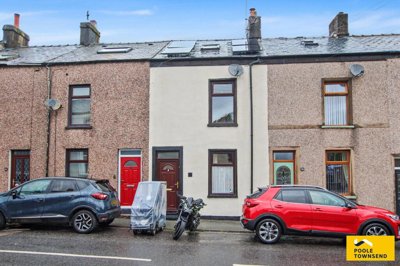
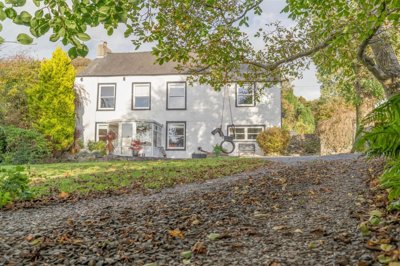
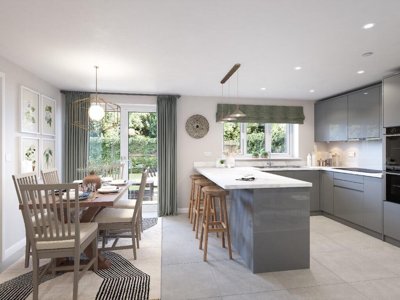
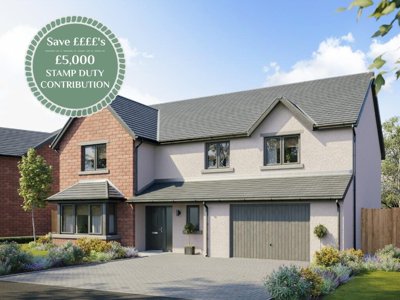
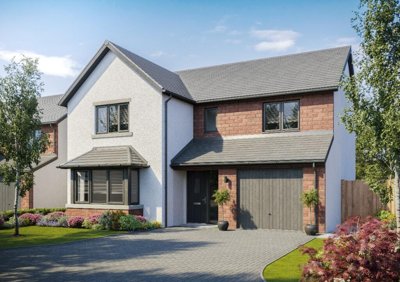
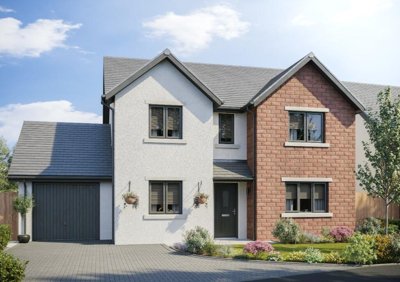
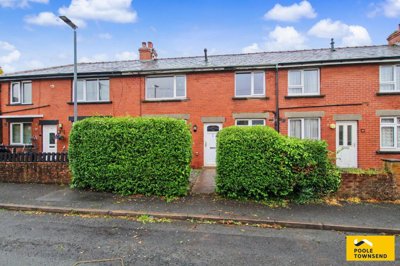
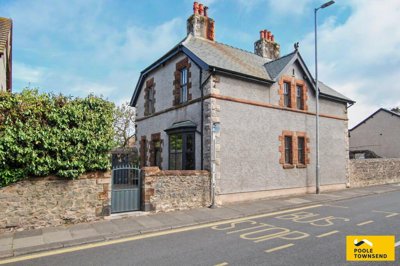
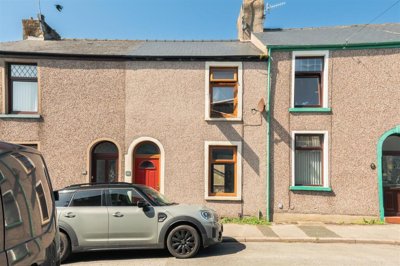
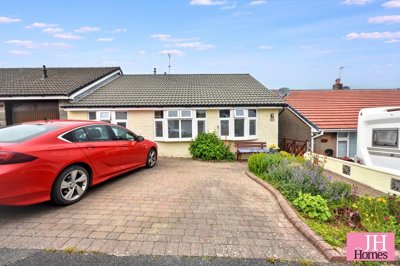
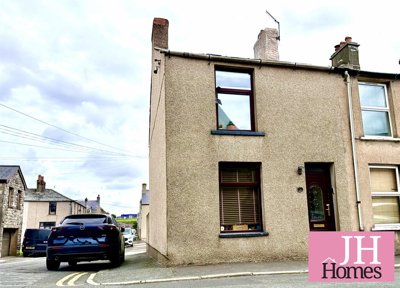
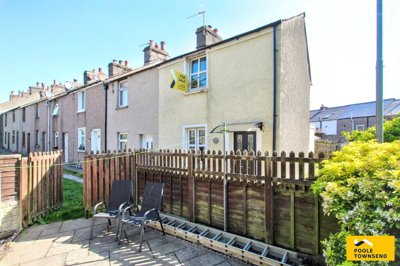
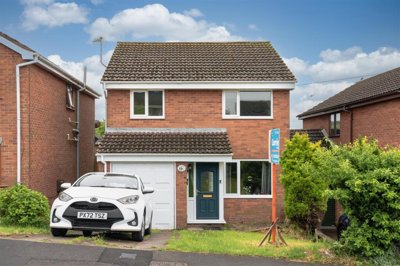
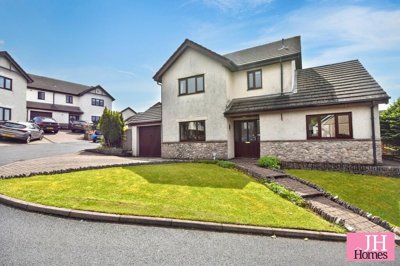
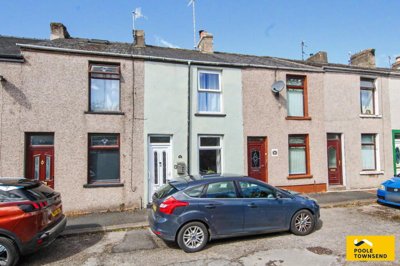
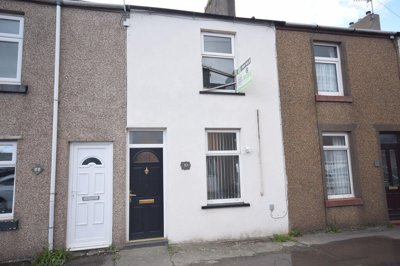
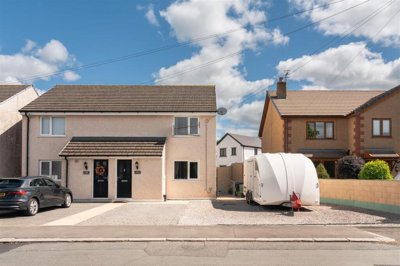
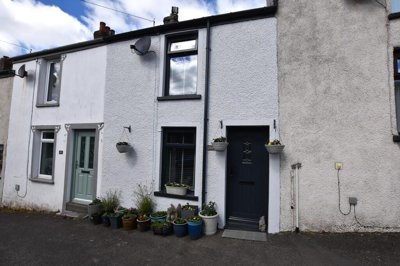
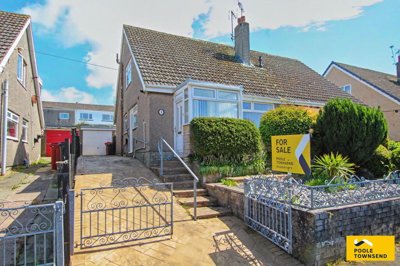
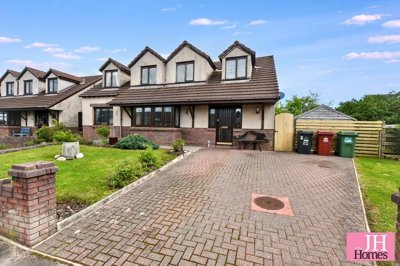
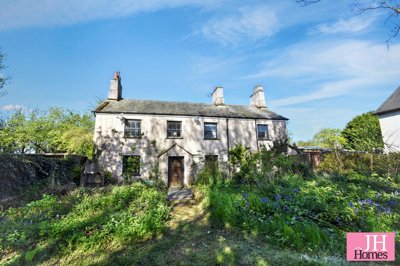
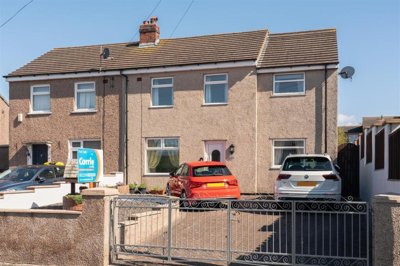
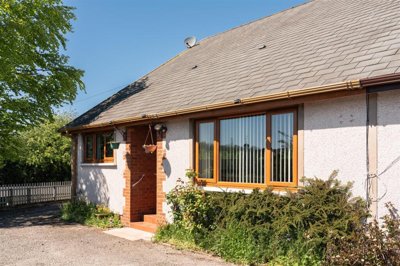
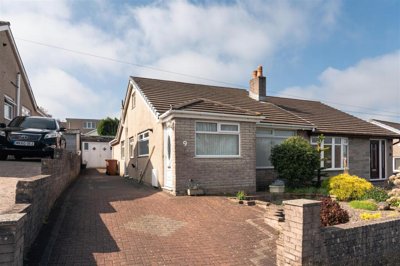
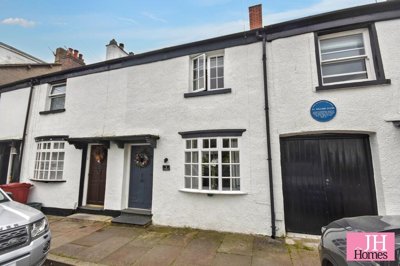
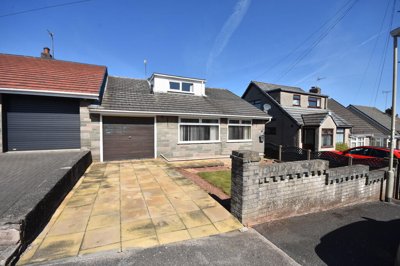
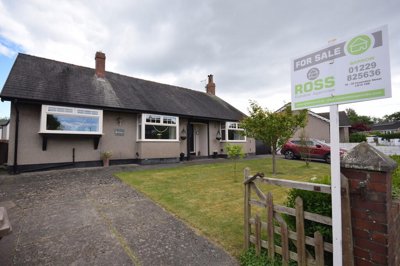
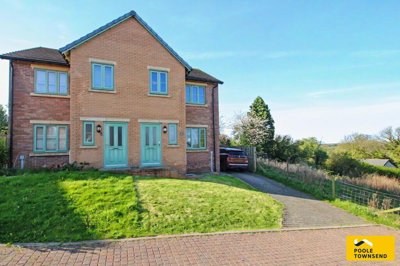
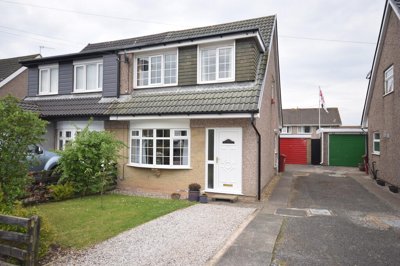
Browse 174 homes for sale in LA16 from local estate agents.
The LA16 property market offers detached, semi-detached, and terraced houses spanning various price ranges and neighbourhoods. Each listing includes detailed property information, photographs, and direct contact with the marketing agent.
£230k
13
1
173
Source: home.co.uk
Showing 13 results for Houses for sale in LA16. 1 new listing added this week. The median asking price is £230,000.
Source: home.co.uk
Detached
6 listings
Avg £570,833
Terraced
5 listings
Avg £101,990
Semi-Detached
2 listings
Avg £224,975
Source: home.co.uk
Source: home.co.uk
LA16's property market has a distinctive spread of housing types, all of them shaped by the area's Victorian and Edwardian heritage. Detached homes fetch the highest figures, averaging £470,000, and they usually come with more space, plus bay views or a handy position near the ornamental gardens that help define the town. A lot of these larger houses were put up during the Edwardian boom period, so high ceilings, original fireplaces and generous room sizes are common. When we survey detached properties here, period features often need close attention.
Semi-detached homes, at around £250,000 on average, offer solid value for families who want comfortable space without the premium attached to a larger detached house. Many keep the Edwardian look, with stone construction and bay windows, and plenty have decent rear gardens that suit households with children. Their solid walls give good thermal mass, although insulation upgrades may still be sensible if modern energy standards are the aim. Our surveyors regularly pick up pointing deterioration and window frame decay on these properties.
Terraced properties in LA16 average £123,990, so they remain the more affordable way into this coastal location. Along the promenade and in the surrounding streets, many of the terraced houses still have ornate ironwork balconies and original fireplaces, which add real character to homes that are otherwise compact. Flats and apartments, averaging £130,000, suit first-time buyers, retirees, or anyone wanting a second home close to Morecambe Bay. Recent market data shows prices have fallen by approximately 1% over the past twelve months, while only 34 property sales were recorded, so patient buyers may have the edge.
The 2021 Census gives a clear picture of the local housing mix in LA16. Detached properties make up 33.3% of homes, semi-detached properties account for 25.1%, terraced houses stand at 24.3%, and flats, maisonettes, or apartments comprise 16.9%. That range gives buyers plenty to think about, from families after more room to retirees looking for single-storey accommodation that is easier to manage.

Grange-over-Sands brings together Edwardian elegance and modern coastal living, and that combination still pulls in buyers from across the UK. It grew as a Victorian spa resort in the late 1800s, and the legacy shows in the promenade, the ornamental gardens and the distinctive waterfront architecture. The famous Victorian promenade runs for over half a mile along the bay, with wide views across Morecambe Bay to the Lancashire coastline beyond. In the evening, walkers often spot wading birds and seals in the shallows, with the Lake District fells creating a striking backdrop.
With approximately 4,668 residents across 2,238 households, the town keeps an intimate feel while still covering the basics for day-to-day life. The centre has a useful spread of independent shops, including a butcher, bakery, greengrocer and several cafes where locals meet over morning coffee. Healthcare is well served too, with a medical centre and pharmacy in the town. Tourism, hospitality and healthcare sit at the centre of the local economy, and education also provides work for people living nearby.
The town's appeal as a retirement spot has had a strong effect on housing demand, with steady interest in single-storey homes, bungalows and low-maintenance apartments. That preference pushes certain property types into a higher price bracket, especially those with bay views or a position close to the promenade gardens. Across the bay, the Lake District fells add to the sense of place and help support values over the long term. In our assessments, proximity to the promenade and gardens often makes a noticeable difference to both price and resale potential.
Local housing is mainly built from limestone and sandstone, with rendered finishes used to protect against the coastal weather. Many homes still have original timber sash windows and traditional solid wall construction, both of which speak to Victorian craftsmanship. The underlying geology is largely Carboniferous Limestone, which usually gives stable foundations and a low shrink-swell risk, although localised problems can crop up where glacial till sits in lower-lying ground near the estuary. Those geological details matter when any LA16 property is being judged for purchase.

Families thinking about a move to Grange-over-Sands and the surrounding villages will find that education provision in LA16 is fairly well covered at primary level. Several local schools in the town itself cater for children from reception through to Year 6. Our team has surveyed plenty of properties in these catchment areas, and family homes within easy walking distance of town centre schools are readily available in LA16. In a small town like this, children can often walk or cycle to school safely, which is a big draw for many families arriving from larger places.
Secondary schooling usually means looking at nearby towns such as Kendal, Ulverston and Barrow-in-Furness, so transport planning matters when a property search begins. The school bus routes are well established, although 30-45 minutes is a common journey time depending on the school and where home is located. Several primary schools in the wider area have achieved good Ofsted ratings, which reflects the local focus on education across this part of Cumbria. Smaller class sizes are normal in rural Cumbrian schools, and many families value the favourable pupil-to-teacher ratios that come with them.
For families who want an academic route, grammar schools elsewhere in South Lakeland offer another option, although entry depends on the usual eleven-plus selection process. Queen Elizabeth School in Kirkby Lonsdale and Dallam School in Milnthorpe are both well-known choices, but places can be competitive. It is sensible to check current school performance data and catchment boundaries while searching, as they can change and affect access. We suggest keeping school access high on the property checklist in LA16, because the secondary choices do need more planning than they do in larger towns.

Transport links from LA16 are decent for a coastal town, with the rail station giving regular services to major northern cities. Grange-over-Sands railway station sits on the Furness line, with direct connections to Barrow-in-Furness, Lancaster, and onward to Manchester and beyond. Lancaster is around 40 minutes away by train, so commuting or day trips are perfectly workable for people who want coastal living without being cut off. The station itself is a charming Victorian building, and it has recently been refurbished with step-free access throughout.
Bus services link the town with the surrounding villages and also reach the Lake District towns of Kendal and Windermere for anyone without private transport. The 555 bus service runs regularly between Lancaster and Keswick, stopping at Grange-over-Sands and giving a useful route for commuters and visitors alike. For flights, Manchester Airport is within approximately two and a half hours' drive, Liverpool John Lennon Airport is around two hours away, and Leeds Bradford Airport is also within reasonable reach at approximately 90 minutes by car.
Many residents still rely on the car, and the A590 gives direct access to the M6 motorway at junction 36, approximately 20 miles away. That puts Manchester at roughly two hours' drive and Liverpool at around two and a half hours. For those working in Lancaster or Barrow, the drive is much shorter, at 40 and 25 minutes respectively. Cyclists have several scenic routes to choose from, although the coastal terrain can be demanding because of the steep hills leading into the surrounding countryside. Parking in the town centre serves both residents and visitors, but spaces can be hard to find during peak summer months when tourist numbers rise sharply.

Before making a purchase, spend time getting to know Grange-over-Sands properly. Walk different neighbourhoods, look at the local amenities, and think about flood risk near the coastline. The promenade tells you a lot about how homes sit against the bay, and the surrounding streets show the character of each part of the town. The LA16 market has seen only 10 sales in the past year, so patience matters. We would also recommend viewing at least a dozen properties before deciding, because the market moves slowly but values are generally steady.
Before any viewings, get a mortgage agreement in principle from a lender. It shows estate agents and sellers that the finance is in place, which can strengthen an offer. Because property values in LA16 are relatively modest compared with major cities, many buyers are surprised by how manageable the mortgage can be. Our mortgage comparison tool helps you find competitive rates quickly, and a local broker who knows the Cumbrian market can be particularly useful.
Look at several properties in your price bracket to see what your money buys in LA16. Keep area-specific issues in mind, including coastal exposure, the age of the building and the maintenance demands that come with Victorian and Edwardian homes. Viewings at different times of day, and if possible in different weather, give a better sense of how a house behaves in the Cumbrian climate. Rendered walls, original windows and roof coverings deserve particular attention, because age-related defects often show up there first.
Most homes in LA16 are over 50 years old and built from traditional materials, so a thorough survey is essential before anyone commits to a purchase. Our RICS Level 2 HomeBuyer Report starts from £350 and picks up defects that are common in the area, including damp, roof issues and timber defects. The coastal environment speeds up wear on some materials, so a proper survey can highlight any work that needs attention or negotiation with the seller. We include detailed assessments of all accessible areas, from foundations to roof structure.
Appoint a conveyancing solicitor to deal with the legal side of the purchase. They will carry out searches, review the contracts and work with the seller's representatives. The solicitor should specifically look into flood risk, planning history, and any conservation area or listed building designations that affect the property. Our conveyancing service connects buyers with experienced property solicitors who know the local market and can advise on LA16-specific issues.
Once the searches are clear and the finances are confirmed, the solicitor will exchange contracts and agree a completion date. On completion day, the remaining funds are transferred and the keys to the new LA16 home are handed over. We recommend a final walkthrough on completion day so the property can be checked against the last viewing, particularly where known issues already exist.
LA16 buyers need to pay close attention to the coastal setting and what it means for property condition. Homes near the promenade and the Morecambe Bay shoreline face salt-laden winds that can speed up corrosion in metal components, including original ironwork, railings and structural fixings. When we inspect seafront properties, we consistently find that metalwork needs more frequent maintenance than the same items would inland. Timber windows and door frames can also decay faster than they would away from the coast.
The Carboniferous limestone geology usually gives stable foundations and a low shrink-swell risk, although localised problems can arise from glacial till in lower-lying areas. Surface water flooding is a real issue for some properties, especially those near the estuary in lower ground. When we survey homes in those parts of Grange-over-Sands, we always recommend a close look at drainage and any flood history. The Environment Agency flood maps should be checked for any LA16 purchase, because coastal flood risk from Morecambe Bay affects some areas quite significantly.
Grange-over-Sands has a designated Conservation Area, so many properties are subject to planning controls on alterations and extensions. There are also numerous listed buildings across the town, especially around the centre and promenade, including many Victorian villas and public buildings. Anyone thinking about a purchase should check whether the property is listed or sits within the conservation zone, as that affects what can be changed without consent. Listed Building Consent is required for virtually any external alteration to a listed property, and renovation plans need to take that into account.
The local housing stock is mostly pre-1945, so electrical wiring, plumbing and heating systems often need bringing up to modern standards. Asbestos-containing materials can still be present in properties built before 2000, especially in pipe insulation, artex coatings or floor tiles. During LA16 surveys we often come across outdated electrical installations, with many older homes still relying on fuse boxes that would not meet current regulations. A thorough RICS Level 2 survey will identify these issues before a purchase goes any further, potentially saving thousands in remedial costs. Where available, ask the seller for copies of previous survey reports and maintenance records.

The average house price in LA16 currently stands at £271,081 according to recent market data. Prices vary sharply by type, with detached homes averaging £470,000, semi-detached properties at approximately £250,000, terraced houses around £123,990, and flats or apartments averaging £130,000. The market has cooled a little, with prices decreasing by approximately 1% over the past twelve months and only 34 property sales recorded in that same period. That quieter pace may suit buyers who are able to take a patient, informed approach, especially if they are not under pressure to complete quickly.
Properties in LA16 fall under South Lakeland District Council, and council tax bands run from A through to H depending on the property's assessed value. Band A homes usually pay around £1,200-1,400 a year, while higher bands attract proportionally more. Because the area includes everything from modest terraced cottages to substantial Victorian villas, the council tax bands vary widely. Anyone considering a purchase should check the exact band for the property in question, since it forms part of the ongoing cost of ownership alongside mortgage payments, utilities and maintenance.
Primary schools in the LA16 area include several that are rated good by Ofsted inspectors, so younger children in Grange-over-Sands and the surrounding villages have decent education options. The town itself has good primary provision, and most schools are within comfortable walking distance of residential streets. Secondary education needs a little more thought, because nearby schools in places such as Kendal and Ulverston take up much of the demand. Families should check current performance data and understand the catchment boundaries, which can change and directly affect eligibility.
Grange-over-Sands railway station provides regular Furness line services, with Lancaster about 40 minutes away and onward links to Manchester and other major cities. The station has been modernised recently, with better accessibility and improved facilities. Bus services run throughout LA16, connecting the town with nearby villages and reaching Lake District destinations such as Kendal and Windermere via the 555 service. For air travel, Manchester Airport is accessible within approximately two and a half hours by car, while Liverpool John Lennon Airport is around two hours away.
LA16 brings several investment angles, depending on what a buyer wants to achieve. The strong reputation as a retirement destination keeps demand steady for single-storey properties, bungalows and low-maintenance apartments, which supports values in those parts of the market. Holiday let potential is there too, thanks to the closeness of Morecambe Bay and the Lake District, although planning permissions and licensing rules need proper research. With transaction volumes limited and the market moving slowly, capital growth may be modest rather than dramatic, but that stability has its own appeal. Long-term rental demand should remain fairly steady, given the town's draw for retirees and people who want coastal living, so rental yields may still be viable.
Stamp duty land tax rates for standard purchases in England start at 0% on the first £250,000 of the purchase price. For the portion between £250,001 and £925,000, the rate rises to 5%. With the average property price in LA16 at £271,081, many buyers will only pay the standard rate on the amount above £250,000. First-time buyers get enhanced relief on the first £425,000, so most properties in LA16 would attract no SDLT at all for eligible purchasers. Always check the current thresholds with HMRC or the solicitor, as rates can change with each budget.
Properties in LA16 face coastal flood risk from Morecambe Bay, especially those on the waterfront or in lower-lying ground near the shoreline. The town has seen tidal flooding events in the past, and any home near the promenade or in lower areas should be assessed carefully. Surface water flooding can also affect properties during heavy rainfall, particularly where glacial till or alluvial deposits create ground that drains poorly. When buying in LA16, the solicitor should carry out suitable flood risk searches, and the conveyancing process should cover flood defence measures and any insurance implications for the property in question. We recommend asking the seller for the property's flood history and checking the Environment Agency flood maps.
Grange-over-Sands has numerous listed buildings, especially around the town centre and promenade, which reflects its Victorian and Edwardian heritage. The seafront and the ornamental gardens include several notable examples of period architecture that are protected for their historical importance. Anyone living in a listed building needs to understand the planning restrictions, because virtually any external alteration needs Listed Building Consent from South Lakeland District Council. Internal changes may also be restricted where a property is of special architectural or historic interest. Any buyer thinking about a listed home should seek specialist advice on the implications before going ahead.
Several defect patterns crop up again and again in LA16, largely because the housing stock is Victorian or Edwardian and the climate is coastal. Properties often show penetrating damp from prevailing winds off Morecambe Bay, particularly where rendered walls have begun to fail. Roofs also need attention, with slate or tile wear and lead flashing defects appearing regularly. Timber defects, including wet and dry rot in window frames, door frames and floor joists, are common where damp conditions linger. Outdated electrical wiring and plumbing are frequently found too, as many homes still have their original systems. In properties built before 2000, asbestos may be present in pipe insulation, artex coatings or floor tiles, so specialist assessment is needed if any of those materials are disturbed.
Planning for the full cost of buying in LA16 means looking beyond the headline price. At the average price of £271,081, standard buyers currently pay zero stamp duty because the first £250,000 is charged at 0%. That creates a meaningful saving compared with more expensive areas, so money that might have gone on SDLT can instead be used for other purchase costs or kept back as savings. First-time buyers get enhanced relief, with no stamp duty on the first £425,000, which means most LA16 properties would produce no SDLT whatsoever. For homes above those thresholds, rates rise progressively to 5% on amounts between £250,001 and £925,000.
Buyers also need to budget for solicitor fees, which usually range from £500 to £1,500 depending on the complexity of the case and the value of the property. Because many LA16 homes are listed or sit in the conservation area, the legal work can be more involved than average, which may push costs towards the higher end of that range. Survey costs are another essential item, and RICS Level 2 HomeBuyer Reports start from approximately £400 for standard properties in the area. Larger detached homes or properties with complex structures will attract higher survey fees, but that spend gives important protection against hidden defects in older buildings.
Search fees, including local authority, drainage and environmental searches, usually come in at between £250 and £500. We recommend that the searches include a flooding risk search because of LA16's coastal location, and perhaps a mining search too, given the historical limestone quarrying in the area. Land registry searches and local authority inquiries are standard, while the environmental search can uncover useful details about ground conditions and possible contamination from historic land uses. Removal costs will vary according to the distance of the move, and renovation costs should also be built into overall budget planning for a move to a new LA16 home.

Properties for Sale In London

Properties for Sale In Plymouth

Properties for Sale In Liverpool

Properties for Sale In Glasgow

Properties for Sale In Sheffield

Properties for Sale In Edinburgh

Properties for Sale In Coventry

Properties for Sale In Bradford

Properties for Sale In Manchester

Properties for Sale In Birmingham

Properties for Sale In Bristol

Properties for Sale In Oxford

Properties for Sale In Leicester

Properties for Sale In Newcastle

Properties for Sale In Leeds

Properties for Sale In Southampton

Properties for Sale In Cardiff

Properties for Sale In Nottingham

Properties for Sale In Norwich

Properties for Sale In Brighton

Properties for Sale In Derby

Properties for Sale In Portsmouth

Properties for Sale In Northampton

Properties for Sale In Milton Keynes

Properties for Sale In Bournemouth

Properties for Sale In Bolton

Properties for Sale In Swansea

Properties for Sale In Swindon

Properties for Sale In Peterborough

Properties for Sale In Wolverhampton

Enter your details to see if this property is within your budget.
Loans, cards, car finance
Estimated property budget
Borrowing + deposit
You could borrow between
Typical borrowing
Monthly repayment
Est. at 4.5%
Loan-to-value
This is an estimate only. Your actual budget may vary depending on interest rates, credit history, and personal circumstances. For an accurate affordability assessment, speak to one of our free mortgage advisors.
This calculator provides estimates for illustrative purposes only and does not constitute financial advice. Your home may be repossessed if you do not keep up repayments on your mortgage. Estimates based on 4.5% interest rate, repayment mortgage. Actual rates depend on your circumstances.
Homemove is a trading name of HM Haus Group Ltd (Company No. 13873779, registered in England & Wales). Homemove Mortgages Ltd (Company No. 15947693) is an Appointed Representative of TMG Direct Limited, trading as TMG Mortgage Network, which is authorised and regulated by the Financial Conduct Authority (FRN 786245). Homemove Mortgages Ltd is entered on the FCA Register as an Appointed Representative (FRN 1022429). You can check registrations at NewRegister or by calling 0800 111 6768.

We use cookies to show you personalised content and improve your experience of our website. Find out more in our Privacy policy and Cookie policy.